TR Rome Fabric: A Sustainable, Versatile Solution for Modern Apparel and Industrial Applications
In an era where textile consumers and businesses demand fabrics that balance performance, affordability, and environmental responsibility, TR Rome Fabric has emerged as a standout option. This blended textile—crafted from a harmonious mix of polyester and rayon—combines the best properties of both synthetic and semi-synthetic fibers, making it ideal for a wide range of uses, from men’s and women’s apparel to industrial applications. Unlike many competing fabrics that prioritize one attribute at the expense of others, TR Rome Fabric delivers on durability, lightness, breathability, and eco-friendliness, all while remaining accessible to businesses of all sizes. This article explores the composition, advantages, manufacturing innovations, and real-world applications of TR Rome Fabric, as well as answers common questions about its use and sustainability.
What is TR Rome Fabric?
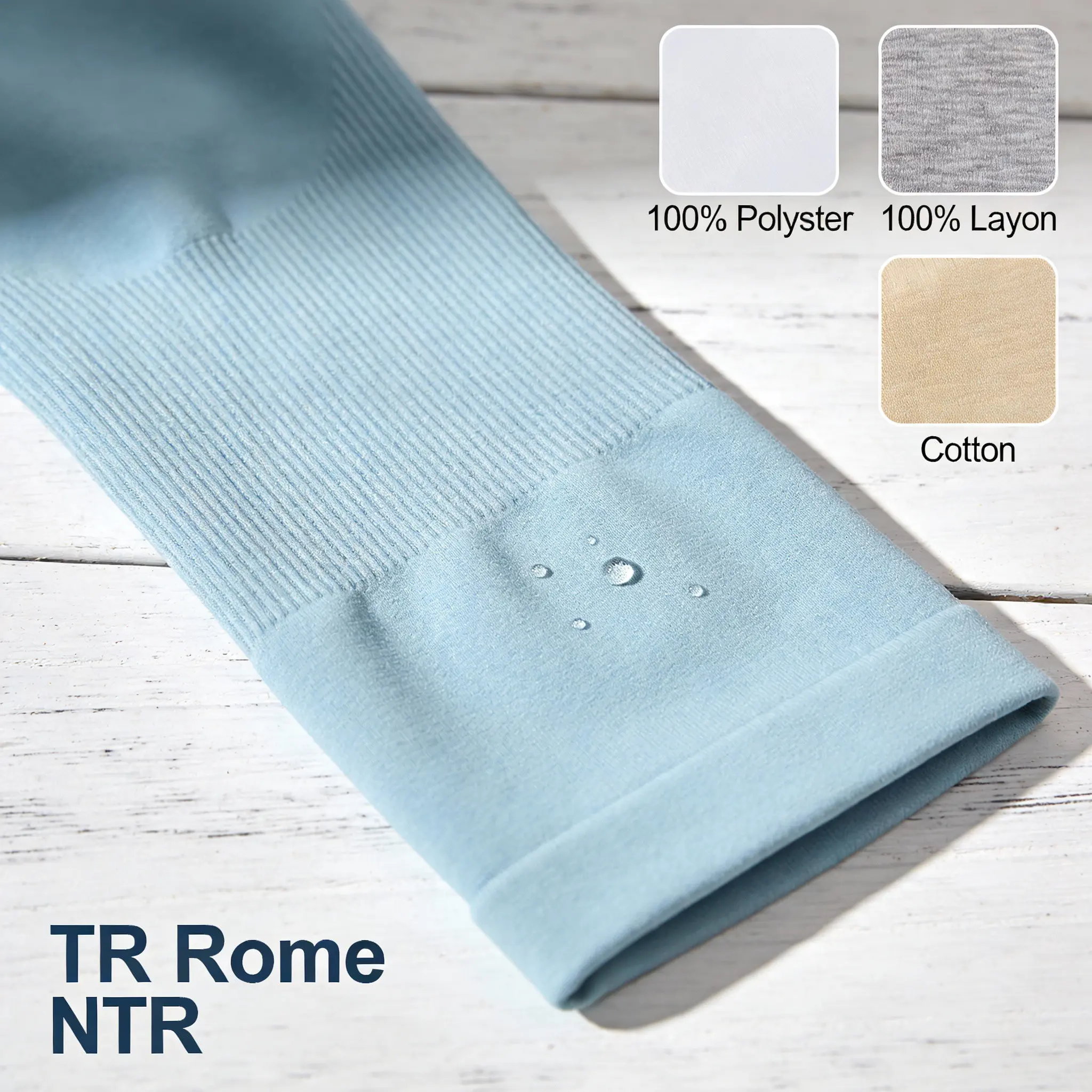
TR Rome Fabric is a knitted textile categorized under NTR (Needle Transfer Ring) knitted fabrics, known for its uniform texture and stretchability. Its core composition is a blend of polyester and rayon fibers, which are carefully selected to create a fabric that outperforms many single-fiber alternatives. The exact ratio of polyester to rayon can vary slightly based on the intended application—for example, a higher polyester content may be used for industrial uses where durability is paramount, while a higher rayon content may be preferred for apparel where softness is key—but the standard blend typically ranges from 50% to 70% polyester and 30% to 50% rayon.
Key inherent characteristics of TR Rome Fabric, as derived from its composition and knitting technique, include:
- Exceptional durability: The polyester component adds tensile strength and resistance to abrasion, while rayon enhances softness without compromising structural integrity.
- Lightweight construction: Unlike heavier fabrics like denim or wool, TR Rome Fabric is thin and airy, making it ideal for warm-weather apparel and applications where weight is a concern.
- Low heat retention: The open structure of the NTR knit allows for air circulation, preventing the buildup of heat and moisture—an advantage over fabrics like 100% polyester that can trap heat.
- Eco-friendly disposal: Unlike some synthetic fabrics that release harmful microplastics or chemicals when discarded, TR Rome Fabric is designed to break down without releasing toxic substances, aligning with modern sustainability standards.
- Affordability: The blend of polyester and rayon (both cost-effective fibers) makes TR Rome Fabric more accessible than premium alternatives like silk or organic cotton, without sacrificing quality.
- High dyeability and printability: The rayon component’s affinity for dyes, combined with the polyester’s colorfastness, allows for vibrant, long-lasting colors and complex patterns—making it a versatile choice for design-focused applications.
Advantages Over Competitor Fabrics
To understand the value of TR Rome Fabric, it is essential to compare it to common alternative fabrics used in apparel and industrial settings. Below is a breakdown of its key advantages and a comparative table summarizing performance across critical metrics.
1. TR Rome Fabric vs. 100% Polyester
100% polyester is a widely used synthetic fabric, but it has notable drawbacks: it tends to trap heat, retain static electricity, and feel harsh against sensitive skin. TR Rome Fabric addresses these issues through its rayon blend:
- Better moisture absorption: Rayon is a semi-synthetic fiber derived from cellulose, which absorbs moisture more effectively than polyester. This reduces sweat buildup and makes TR Rome Fabric more comfortable for extended wear.
- Reduced static cling: The rayon component dissipates static electricity, eliminating the annoying "shock" associated with 100% polyester fabrics.
- Softer hand feel: Rayon adds a silky, smooth texture that is gentler on the skin than the rigid feel of pure polyester.
2. TR Rome Fabric vs. 100% Rayon
100% rayon is soft and breathable but lacks durability—it is prone to tearing, shrinking when wet, and losing shape over time. TR Rome Fabric’s polyester blend enhances its performance:
- Higher tensile strength: Polyester fibers add structural integrity, making TR Rome Fabric resistant to tearing and stretching out of shape.
- Improved washability: Unlike rayon, which requires hand washing or dry cleaning to prevent shrinkage, TR Rome Fabric can be machine washed without losing its form.
- Better color retention: Polyester’s resistance to fading complements rayon’s dye affinity, resulting in colors that stay vibrant longer.
3. TR Rome Fabric vs. Cotton
Cotton is a popular natural fiber, but it has limitations in terms of weight, cost, and colorfastness. TR Rome Fabric offers distinct advantages:
- Lighter weight: TR Rome Fabric is thinner and more airy than cotton, making it ideal for summer apparel and applications where weight reduction is critical (e.g., industrial uniforms).
- Higher colorfastness: Cotton tends to fade over time, especially when exposed to sunlight or repeated washing. TR Rome Fabric’s synthetic blend resists fading, ensuring long-term color vibrancy.
- Lower cost: For businesses purchasing in bulk, TR Rome Fabric is often more affordable than organic cotton and comparable in price to conventional cotton, but with better performance.
- Faster drying: Unlike cotton, which retains moisture and takes hours to dry, TR Rome Fabric dries quickly—an advantage for activewear and industrial uses where quick turnaround is needed.
4. TR Rome Fabric vs. Knitted Jacquard Fabric
Knitted jacquard fabric is known for its intricate patterns, but it is often more expensive and less versatile than TR Rome Fabric:
- Cost-effectiveness: Jacquard fabrics require complex weaving or knitting processes, driving up production costs. TR Rome Fabric’s simpler NTR knitting technique allows for lower pricing without sacrificing design potential (thanks to digital printing).
- Wider color range: Jacquard fabrics are limited by the number of yarns used in the pattern, while TR Rome Fabric can be dyed or printed in any color or pattern, including complex designs that would be cost-prohibitive for jacquard.
- Lightweight flexibility: Jacquard fabrics tend to be heavier due to their intricate patterns, whereas TR Rome Fabric maintains a light weight, making it more suitable for a broader range of apparel items.
Comparative Performance Table
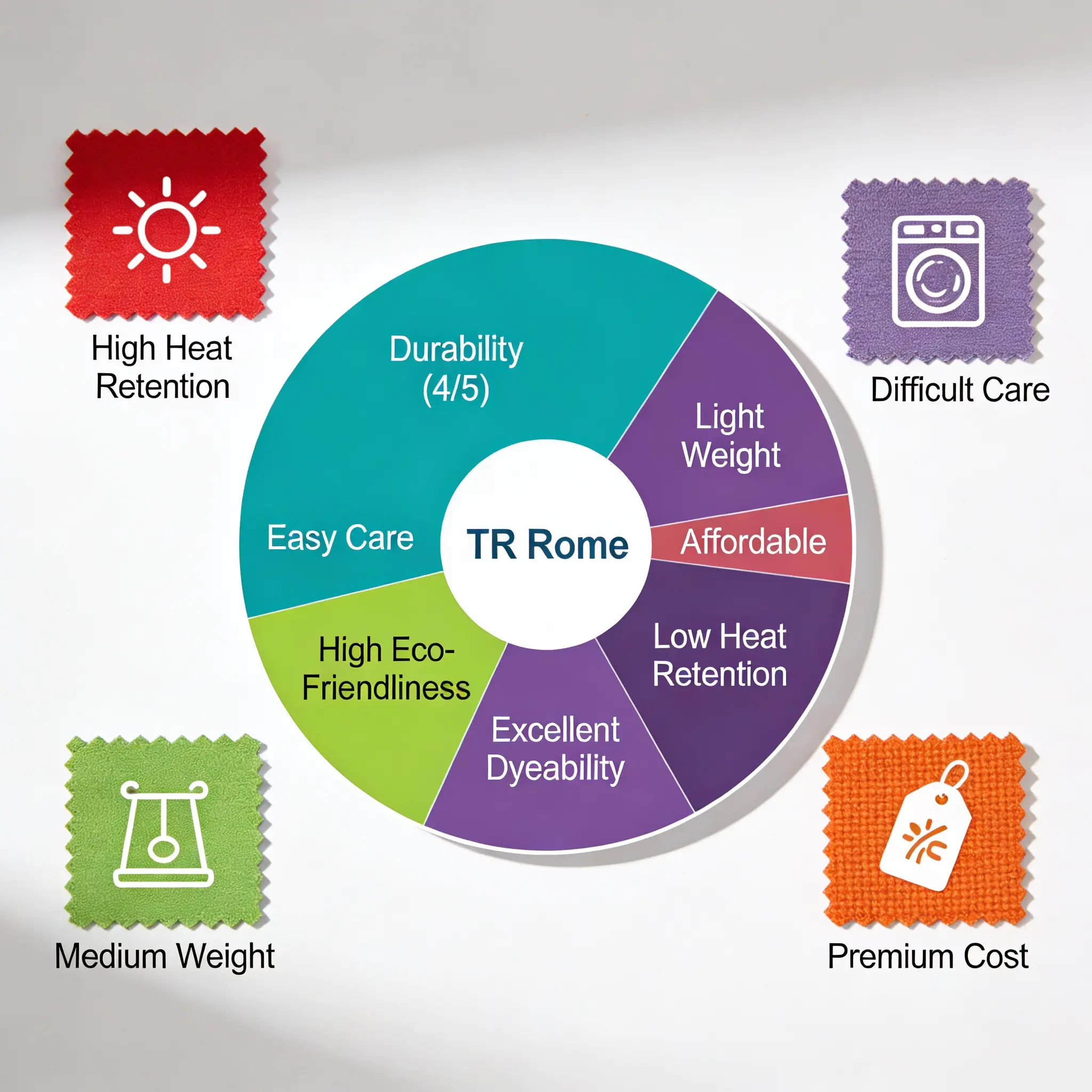
| Fabric Type | Durability (1-5) | Weight (Light/Medium/Heavy) | Heat Retention (Low/Medium/High) | Cost (Affordable/Moderate/Premium) | Dyeability (Excellent/Good/Fair) | Eco-Friendliness (High/Medium/Low) | Care Ease (Easy/Moderate/Difficult) |
|---|---|---|---|---|---|---|---|
| TR Rome Fabric | 4 | Light | Low | Affordable | Excellent | High | Easy |
| 100% Polyester | 5 | Medium | High | Affordable | Good | Medium | Easy |
| 100% Rayon | 2 | Light | Medium | Moderate | Excellent | Medium | Difficult |
| Cotton | 3 | Medium | Medium | Moderate | Good | High (organic)/Medium (conventional) | Easy |
| Knitted Jacquard | 3 | Medium | Medium | Premium | Fair | Medium | Moderate |
Advanced Manufacturing Processes Behind TR Rome Fabric
The superior performance of TR Rome Fabric is not accidental—it is the result of precision engineering and innovative manufacturing processes developed by leading textile manufacturers like Hangzhou Jinfeng Textile Co., Ltd. From raw material sourcing to final quality control, every step is optimized to ensure consistency, sustainability, and performance.
1. Sustainable Raw Material Sourcing
The foundation of TR Rome Fabric lies in its raw materials: high-quality polyester and rayon fibers. Hangzhou Jinfeng Textile Co., Ltd prioritizes sustainable sourcing to minimize environmental impact:
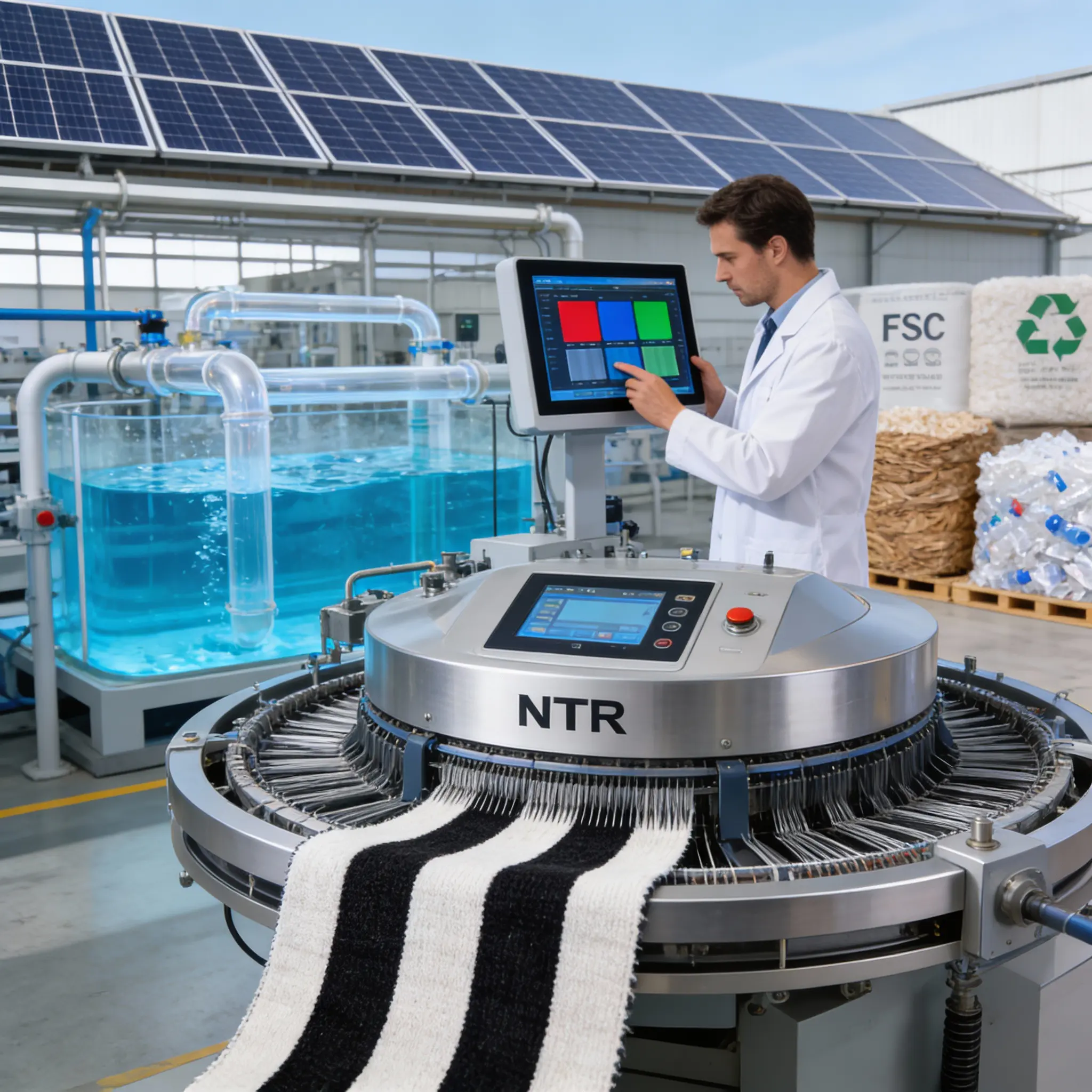
- Polyester: The company uses a mix of virgin polyester (certified by the Global Recycled Standard, GRS) and recycled polyester derived from post-consumer plastic bottles. This reduces reliance on fossil fuels and diverts waste from landfills.
- Rayon: The rayon fibers are sourced from sustainably harvested bamboo and wood pulp, ensuring that the raw material comes from FSC (Forest Stewardship Council) certified forests. This guarantees that the production of rayon does not contribute to deforestation.
Each batch of raw fibers is tested for purity and consistency before entering the production line, ensuring that the final fabric meets the highest quality standards.
2. Precision NTR Knitting Technique
TR Rome Fabric is produced using the NTR (Needle Transfer Ring) knitting technique, a specialized process that creates a uniform, stretchable fabric with excellent dimensional stability. Hangzhou Jinfeng Textile Co., Ltd uses state-of-the-art circular knitting machines equipped with NTR technology, which allows for precise control over stitch density and pattern formation.
The NTR technique involves transferring stitches between needles to create a smooth, even surface. This results in a fabric that is:
- Stretchable in both length and width, making it comfortable for apparel and flexible for industrial applications.
- Resistant to pilling and snagging, as the uniform stitch structure prevents loose fibers from forming pills.
- Lightweight yet durable, thanks to the optimal balance of stitch density and fiber blend.
The knitting process is monitored in real-time using computerized systems, which adjust parameters like stitch length and yarn tension to ensure consistency across every meter of fabric.
3. Eco-Friendly Dyeing & Printing Innovation
One of the standout features of TR Rome Fabric is its ability to be dyed and printed in a wide range of colors and patterns. Hangzhou Jinfeng Textile Co., Ltd has invested in advanced dyeing and printing technologies that are both eco-friendly and high-performance:
- Eco-Dyeing: The company uses reactive dyes that are free from harmful chemicals like AZO dyes, heavy metals, and formaldehyde. These dyes have a high absorption rate (up to 95%), reducing water waste and minimizing the release of dye effluents into the environment.
- Digital Printing: For complex patterns, the company uses digital printing technology, which eliminates the need for screen printing (a process that generates significant waste). Digital printing allows for precise, full-color designs with minimal ink usage, making it both cost-effective and sustainable.
- Low-Water Processing: The dyeing line uses closed-loop water systems that recycle up to 80% of the water used in the dyeing process. This reduces the company’s water footprint by more than 70% compared to traditional dyeing methods.
After dyeing and printing, the fabric undergoes a washing process to remove excess dye, ensuring that colors are fast and do not bleed onto other fabrics during washing.

4. Rigorous Quality Control
Hangzhou Jinfeng Textile Co., Ltd maintains a strict quality control process that covers every stage of production, from raw material inspection to final product testing. The company’s in-house laboratory is equipped with advanced testing equipment to evaluate the following properties:
- Durability: Abrasion resistance (ASTM D4970), tensile strength (ASTM D5034), and tear resistance (ASTM D2261) are tested to ensure the fabric can withstand repeated use.
- Colorfastness: Colorfastness to washing (AATCC 61), light (AATCC 16), and rubbing (AATCC 8) are evaluated to ensure colors remain vibrant over time.
- Chemical Safety: The fabric is tested for the presence of harmful substances (e.g., AZO dyes, heavy metals) using gas chromatography-mass spectrometry (GC-MS) to comply with international standards like OEKO-TEX® Standard 100.
- Dimensional Stability: The fabric is tested for shrinkage after washing (AATCC 135) to ensure it maintains its shape.
Only fabrics that pass all quality tests are approved for sale, ensuring that customers receive a product of consistent, high quality.
Applications Across Industries
TR Rome Fabric’s unique combination of properties makes it suitable for a diverse range of industries. Below are some of the most common applications:
1. Men’s & Women’s Apparel
TR Rome Fabric is a popular choice for apparel due to its comfort, durability, and versatility. Some key uses include:
- Casual Wear: Polo shirts, t-shirts, and blouses—its light weight and breathability make it ideal for warm weather, while its durability ensures it can withstand frequent washing.
- Activewear: Yoga pants, running shirts, and gym shorts—its stretchability and quick-drying properties make it perfect for physical activity.
- Formal Wear: Dress shirts and skirts—its smooth texture and vibrant colors make it suitable for professional settings, while its easy care reduces the need for dry cleaning.
- Children’s Apparel: Onesies, dresses, and pants—its softness is gentle on sensitive skin, and its durability can handle the rough play of children.
2. Industrial Applications
TR Rome Fabric’s durability and low heat retention make it ideal for industrial uses, including:
- Work Uniforms: Factory workers, construction workers, and warehouse staff benefit from its durability (resistant to abrasion from tools and machinery) and breathability (prevents overheating in hot work environments).
- Protective Gear: Lightweight protective clothing for industries like agriculture (pesticide-resistant) and healthcare (fluid-resistant, when treated).
- Technical Textiles: Filter fabrics, upholstery for industrial machinery, and insulation materials—its light weight and durability make it suitable for these specialized uses.
3. Home Textiles
TR Rome Fabric’s dyeability and durability make it a great choice for home textiles:
- Curtains: Its light weight allows for easy movement, while its colorfastness ensures curtains remain vibrant even when exposed to sunlight.
- Throw Pillows: Its soft texture and vibrant patterns add a decorative touch to any room, and its durability ensures it can withstand frequent use.
- Upholstery: For lightweight furniture like chairs and ottomans—its durability and easy care make it a practical choice for high-traffic areas.
Sustainability & Eco-Friendliness
In today’s textile industry, sustainability is no longer an option—it is a necessity. TR Rome Fabric stands out as an eco-friendly choice due to its composition, manufacturing processes, and end-of-life properties:
1. End-of-Life Disposal
Unlike many synthetic fabrics that release harmful microplastics or chemicals when discarded, TR Rome Fabric is designed to be environmentally friendly at the end of its life:
- Rayon: As a semi-synthetic fiber derived from cellulose, rayon is biodegradable under aerobic conditions. It breaks down into natural substances like carbon dioxide and water, leaving no toxic residue.
- Polyester: While polyester is not biodegradable, the use of recycled polyester in TR Rome Fabric reduces the amount of virgin plastic used in production. Additionally, polyester can be recycled repeatedly, making it a circular material.
- No Harmful Chemicals: The fabric is free from AZO dyes, heavy metals, and formaldehyde, so it does not release toxic substances when disposed of in landfills or incinerated (at controlled temperatures).
2. Energy-Efficient Manufacturing
Hangzhou Jinfeng Textile Co., Ltd has invested in energy-efficient machinery and processes to reduce its carbon footprint:
- Renewable Energy: The company uses solar panels to power a portion of its production facilities, reducing its reliance on fossil fuels.
- Low-Energy Machinery: The NTR knitting machines and dyeing lines are designed to use less energy than traditional equipment, cutting energy consumption by up to 30%.
- Waste Reduction: The company implements a zero-waste policy, recycling scrap fabric and yarn into other products (e.g., cleaning cloths) to minimize waste sent to landfills.
3. Compliance with International Sustainability Standards
TR Rome Fabric complies with several international sustainability standards, including:
- OEKO-TEX® Standard 100: This certification ensures that the fabric is free from harmful substances and safe for human use.
- Global Recycled Standard (GRS): This certification verifies that the recycled polyester used in the fabric is sourced from post-consumer waste.
- Forest Stewardship Council (FSC): This certification ensures that the rayon fibers are sourced from sustainably managed forests.
Q&A Section
Below are answers to common questions about TR Rome Fabric:
1. What is TR Rome Fabric composed of?
TR Rome Fabric is a blend of polyester and rayon fibers, typically ranging from 50% to 70% polyester and 30% to 50% rayon. The exact ratio varies based on the intended application (e.g., higher polyester for durability, higher rayon for softness).
2. How does TR Rome Fabric differ from other knitted fabrics like jacquard or NTR?
While TR Rome Fabric falls under the NTR knitted fabric category, it differs from other NTR fabrics in its blend of polyester and rayon (many NTR fabrics use single fibers). Compared to knitted jacquard fabric, TR Rome Fabric is more cost-effective, has a wider color range, and is lighter in weight.
3. Is TR Rome Fabric suitable for sensitive skin?
Yes. TR Rome Fabric is free from harmful chemicals (AZO dyes, heavy metals, formaldehyde) and has a soft, smooth texture due to its rayon component. It is certified by OEKO-TEX® Standard 100, ensuring it is safe for even the most sensitive skin.
4. Can TR Rome Fabric be used for outdoor apparel?
Yes. Its light weight, low heat retention, and colorfastness make it suitable for outdoor apparel like hiking shirts and sun-protective clothing. When treated with water-resistant coatings, it can also be used for light rain gear.
5. How does the manufacturing process ensure eco-friendliness?
The manufacturing process uses sustainable raw materials (recycled polyester, FSC-certified rayon), eco-friendly dyes (reactive, AZO-free), closed-loop water systems (recycling 80% of water), and energy-efficient machinery. The company also complies with international sustainability standards like OEKO-TEX® and GRS.
6. What are the key advantages of TR Rome Fabric over cotton?
TR Rome Fabric is lighter, dries faster, has higher colorfastness, and is more affordable than cotton. It also resists shrinkage and does not require special care (unlike organic cotton, which can be expensive).
7. Is TR Rome Fabric recyclable?
Yes. The polyester component can be recycled repeatedly, and the rayon component is biodegradable. Additionally, the company recycles scrap fabric from production into other products (e.g., cleaning cloths).
8. Where can businesses purchase TR Rome Fabric in bulk?
TR Rome Fabric is available for bulk purchase from Hangzhou Jinfeng Textile Co., Ltd. The company offers wholesale pricing and can customize the fabric (e.g., adjust the fiber ratio, add coatings) to meet specific business needs. Orders can be placed online, and the company ships globally.
9. Does TR Rome Fabric require special care?
No. TR Rome Fabric is easy to care for: it can be machine washed in cold water, tumble dried on low heat, and ironed on a low setting. It does not shrink or fade when washed properly, making it ideal for businesses that need durable, low-maintenance fabrics.
10. What industrial applications is TR Rome Fabric commonly used for?
TR Rome Fabric is used in a variety of industrial applications, including work uniforms (factory, construction, warehouse), protective gear (agriculture, healthcare), and technical textiles (filter fabrics, upholstery for machinery). Its durability and low heat retention make it ideal for these uses.
References
- Textile Institute. (2023). Global Trends in Sustainable Blended Fabrics. Manchester, UK: Textile Institute Press.
- Chen, L., Wang, Y., & Zhang, H. (2022). Comparative Analysis of Polyester-Rayon Blends for Apparel and Industrial Use. Journal of Textile Science & Engineering, 12(3), 145-158. https://doi.org/10.4172/2165-8064.1000123
- European Textile Confederation. (2023). Eco-Label Criteria for Textile Products. Brussels, Belgium: ETC Publications.
- ASTM International. (2021). Standard Test Methods for Abrasion Resistance of Textile Fabrics (ASTM D4970). West Conshohocken, PA: ASTM Press.
- OEKO-TEX® Association. (2022). OEKO-TEX® Standard 100: Guidelines for Textile Products. Zurich, Switzerland: OEKO-TEX® Association.
Conclusion
TR Rome Fabric is a versatile, sustainable, and cost-effective textile that meets the needs of modern consumers and businesses. Its blend of polyester and rayon fibers delivers a unique combination of durability, lightness, breathability, and eco-friendliness—advantages that set it apart from competing fabrics like 100% polyester, rayon, cotton, and knitted jacquard. The advanced manufacturing processes used by leading producers like Hangzhou Jinfeng Textile Co., Ltd ensure that the fabric is consistent, high-quality, and compliant with international sustainability standards.
Whether used for men’s and women’s apparel, industrial uniforms, or home textiles, TR Rome Fabric offers a solution that balances performance, affordability, and environmental responsibility. As the textile industry continues to prioritize sustainability and innovation, TR Rome Fabric is poised to become a go-to choice for businesses and consumers alike.