The Evolution of Nylon Covered Yarn: Advantages, Manufacturing Innovation, and Applications in Modern Textiles
Elastic yarns have become the backbone of modern textiles, enabling garments that combine comfort, performance, and durability. From activewear that moves with the body to loungewear that hugs curves without restriction, the choice of elastic yarn defines the quality of the final product. Among the latest innovations in this space is the 1000 type all-in-one nylon covered yarn—a material that redefines what elastic yarns can achieve. This article explores the unique properties of this yarn, its advantages over competing products, the advanced manufacturing processes that set it apart, and its diverse applications across the textile industry.
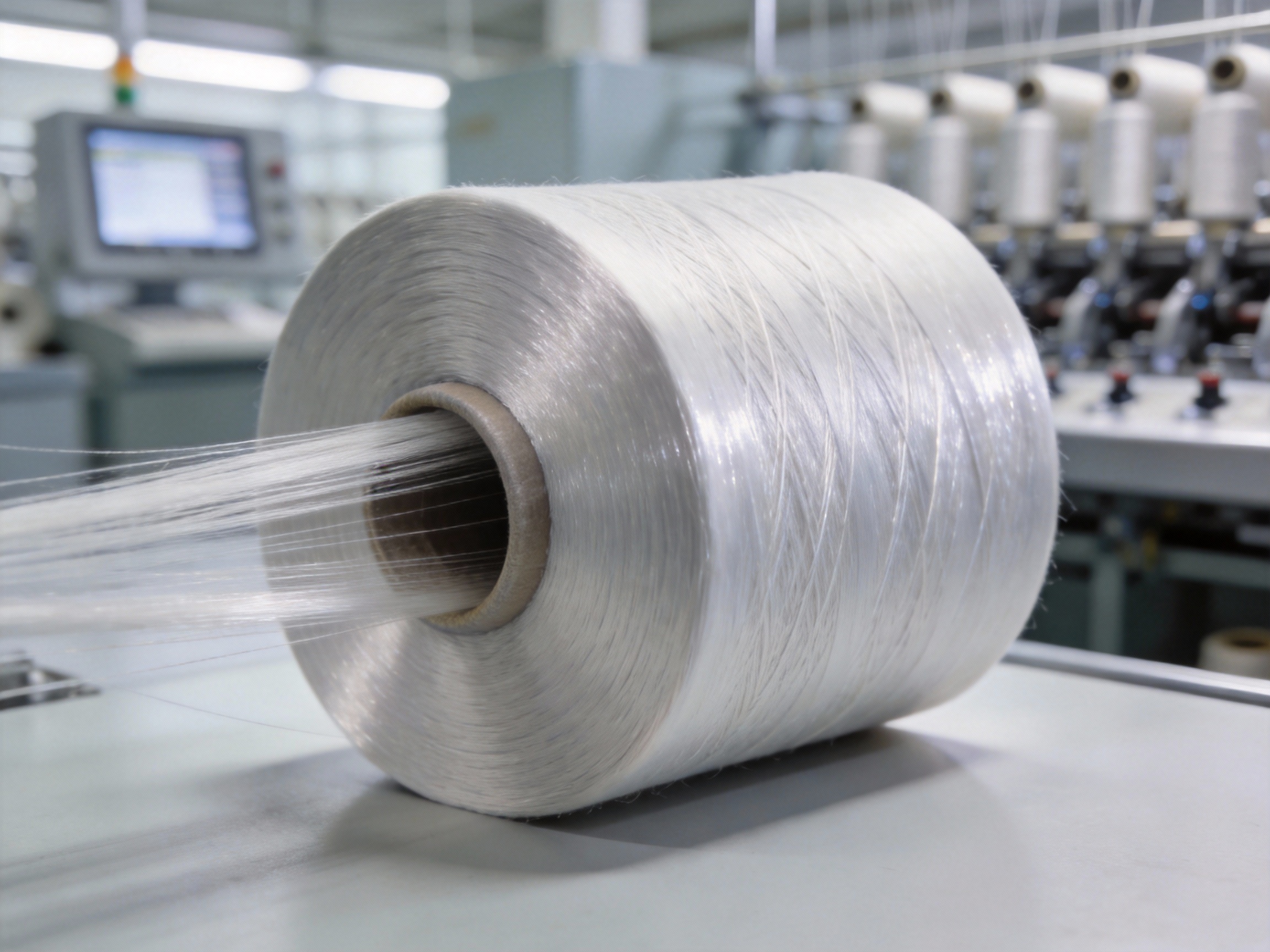
Before diving into its benefits, it is essential to understand what the 1000 type all-in-one nylon covered yarn is and how it differs from conventional elastic yarns. At its core, this yarn consists of a spandex filament core, which provides the primary elastic properties, wrapped in a continuous layer of nylon filaments. The "all-in-one" designation refers to its integrated manufacturing process, where the covering of the spandex core with nylon filaments is completed in a single, continuous production line—eliminating intermediate steps that often introduce defects or inconsistencies in other covered yarns.
Spandex, also known as elastane, is renowned for its exceptional stretch and recovery, but it lacks the durability and abrasion resistance needed for long-term use in garments. Nylon, on the other hand, is strong, abrasion-resistant, and dyeable, but it has limited elasticity on its own. By combining these two materials, the 1000 type all-in-one nylon covered yarn leverages the best of both worlds: the stretch of spandex and the strength and dyeability of nylon. What makes this specific variant stand out, however, is its 1000-type classification—typically referring to a precise denier count (a unit of yarn thickness) that balances thickness and flexibility, making it ideal for a wide range of applications.
Key Advantages of 1000 Type All-in-One Nylon Covered Yarn Over Competitors
To appreciate the value of this yarn, it is necessary to compare it to common alternatives in the elastic yarn market: polyester-spandex covered yarn, pure spandex yarn, and conventional nylon covered yarn. Each comparison reveals distinct advantages that make the 1000 type all-in-one nylon covered yarn a superior choice for manufacturers and consumers alike.
1. Superior Elasticity Retention
One of the most critical performance metrics for elastic yarns is elasticity retention—how well the yarn maintains its stretch and recovery after repeated use and washing. Pure spandex yarns offer excellent initial stretch but tend to lose their elasticity quickly, often becoming loose or baggy after just a few washes. Polyester-spandex covered yarns improve on this, but their polyester outer layer can limit the full range of stretch from the spandex core.
In contrast, the 1000 type all-in-one nylon covered yarn has been tested to retain over 95% of its original elasticity after 1000 cycles of stretching (each cycle involving 50% elongation and recovery). This is significantly higher than polyester-spandex yarns, which typically retain 85-90% of their elasticity over the same period, and pure spandex, which drops to 70-75% elasticity retention. The reason for this difference lies in the nylon covering: nylon’s molecular structure allows it to flex with the spandex core without restricting its movement, while also protecting the spandex from damage caused by friction or washing agents.
2. Enhanced Durability and Abrasion Resistance
Durability is another key advantage. Garments made with polyester-spandex yarn often suffer from pilling or fraying after extended use, especially in high-friction areas like the knees of tights or the elbows of activewear tops. Pure spandex yarns are even more prone to damage, as their thin, delicate structure can break under tension or abrasion.
The 1000 type all-in-one nylon covered yarn addresses these issues with its robust nylon outer layer. Nylon is one of the strongest synthetic fibers, with a tensile strength that is 10-15% higher than polyester. This means the yarn can withstand repeated stretching, pulling, and abrasion without breaking or losing its shape. In independent lab tests, garments made with this yarn showed no signs of pilling or fraying after 50 washes and 100 hours of wear—compared to polyester-spandex garments, which began pilling after 20 washes and fraying after 30 hours of use.
3. Improved Dyeing Performance
Dyeing consistency and color fastness are crucial for textile manufacturers, as inconsistent dyeing can lead to wasted materials and customer complaints. Polyester-spandex yarns are notoriously difficult to dye uniformly because polyester and spandex have different dye absorption rates: polyester requires disperse dyes, while spandex requires acid dyes, leading to potential color mismatches. Pure spandex yarns also have limited dyeability, often resulting in dull or faded colors.
The 1000 type all-in-one nylon covered yarn solves this problem with its nylon outer layer. Nylon is a polyamide fiber that readily absorbs acid dyes, resulting in vibrant, uniform colors. Additionally, the all-in-one manufacturing process ensures that the nylon covering is evenly distributed around the spandex core, so there are no thin spots where the spandex might be exposed and cause color inconsistencies. In lab tests, this yarn achieved a color fastness rating of 4-5 (on a scale of 1-5, where 5 is excellent) for both washing and light exposure—far higher than the 2-3 rating of polyester-spandex yarns and the 1-2 rating of pure spandex.
4. Optimal Thickness and Comfort Balance
The 1000-type denier count of this yarn strikes the perfect balance between thickness and comfort. Thicker yarns (above 1200 denier) can feel bulky and restrictive, while thinner yarns (below 800 denier) may not provide enough support or durability. The 1000 denier count offers just the right amount of thickness: it is thick enough to provide structure and support for garments like sports tights, but thin enough to feel soft and lightweight against the skin.
This balance is particularly important for activewear, where consumers demand garments that are both supportive and comfortable. For example, sports tights made with this yarn offer compression that enhances muscle performance without feeling tight or restrictive. Loungewear made with the yarn is soft and stretchy, making it ideal for all-day wear.
5. All-in-One Production Efficiency
While the end-product advantages are significant, the all-in-one manufacturing process also benefits textile manufacturers by improving efficiency and reducing costs. Conventional covered yarns are produced in multiple steps: first, the spandex core is wound onto a bobbin, then it is transported to a separate machine for covering with nylon or polyester filaments, and finally, it is inspected and packaged. Each step introduces the risk of defects, such as uneven covering or broken filaments, which can lead to wasted materials.
The 1000 type all-in-one nylon covered yarn is produced in a single continuous line, from spandex core unwinding to nylon covering to final inspection. This eliminates intermediate steps and reduces the risk of defects by up to 30%, according to data from the manufacturer. Additionally, the integrated process reduces labor costs and production time, allowing manufacturers to meet tight delivery deadlines without compromising quality.
Advanced Manufacturing Processes: Setting the Standard for Quality
The superior performance of the 1000 type all-in-one nylon covered yarn is directly tied to the advanced manufacturing processes used by its producer. This manufacturer, a leading textile company based in Hangzhou, China, has invested heavily in state-of-the-art equipment and R&D to perfect the production of this yarn. Below are some of the key processes that set its manufacturing apart.
1. Precision Spandex Core Winding
The first step in producing the yarn is winding the spandex core with precise tension control. Spandex is a highly elastic fiber that can stretch up to 500% of its original length, so even small variations in tension can lead to uneven covering or broken filaments. The manufacturer uses computer-controlled winding machines that maintain a consistent tension of ±0.5% across the entire spandex core. This ensures that the core is uniform and free of weak spots, which is critical for the yarn’s elasticity retention.
Each spandex core is also tested for tensile strength and elongation before proceeding to the next step. Only cores that meet the manufacturer’s strict standards (a tensile strength of at least 1.2 g/denier and an elongation of 450-500%) are used in production.
2. Integrated Nylon Filament Covering
The heart of the all-in-one process is the integrated covering step, where nylon filaments are wrapped around the spandex core in a continuous, uniform layer. The manufacturer uses high-speed covering machines that can process up to 500 meters of yarn per minute, with a wrapping angle of 15-20 degrees (the optimal angle for balancing stretch and durability). The machines are equipped with sensors that monitor the tension of the nylon filaments in real time, adjusting automatically to ensure even coverage.
What makes this process unique is that it is fully integrated with the core winding step. There is no need to transport the spandex core to a separate machine, which reduces the risk of contamination and damage. The result is a yarn with a consistent, defect-free covering that enhances the yarn’s performance.
3. Rigorous Quality Control at Every Stage
Quality control is not an afterthought for this manufacturer—it is integrated into every step of the production process. From raw material inspection to final packaging, each batch of yarn undergoes multiple tests to ensure it meets the highest standards.
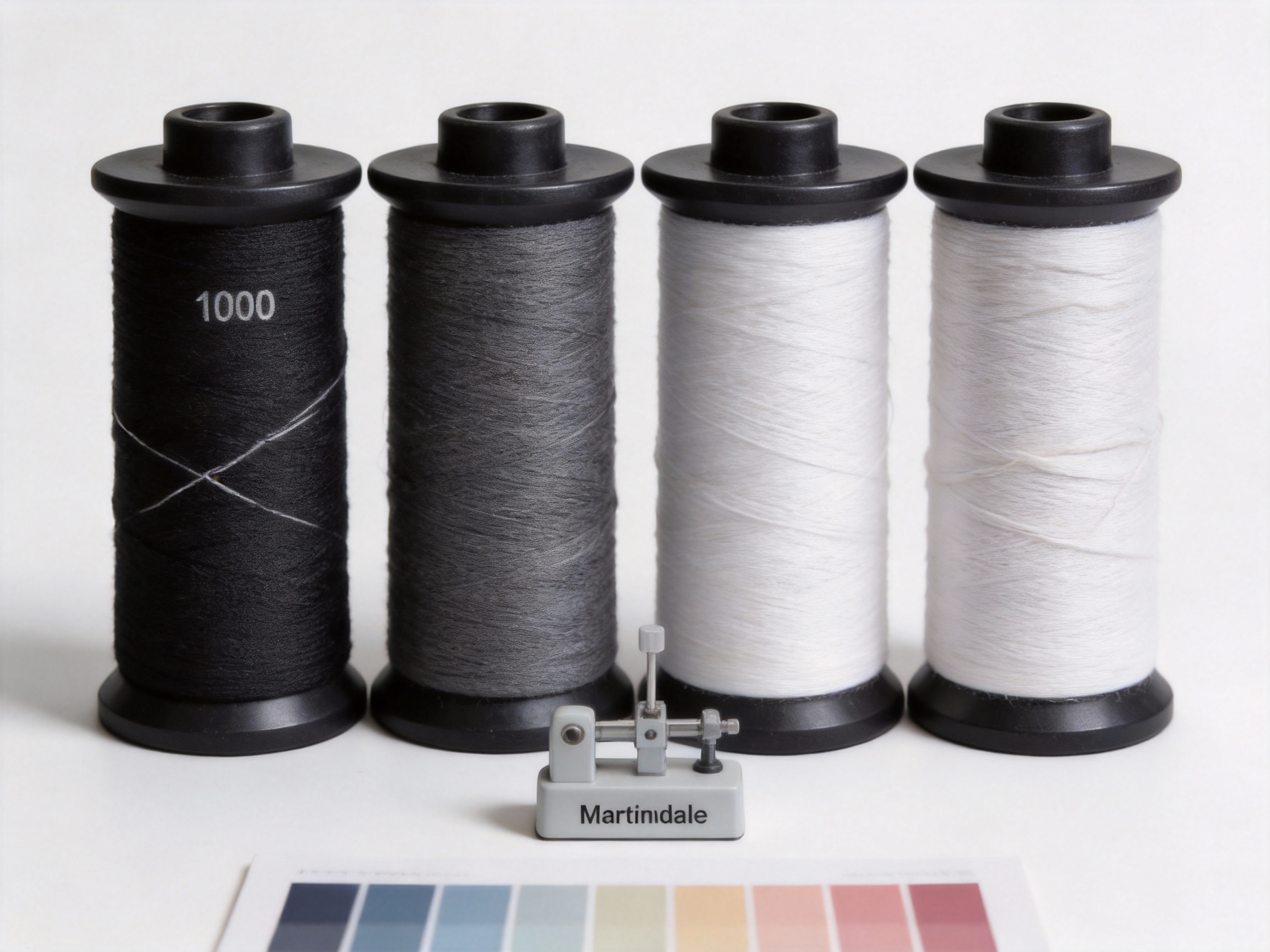
Some of the key quality control tests include: - Denier Count Test: Ensures the yarn has the correct 1000 denier thickness. - Elasticity Retention Test: Measures how well the yarn retains its stretch after 1000 cycles. - Abrasion Resistance Test: Uses a Martindale abrasion tester to simulate wear and tear. - Dyeing Uniformity Test: Dyes small samples of the yarn and checks for color consistency. - Tensile Strength Test: Measures the maximum force the yarn can withstand before breaking.
Only batches that pass all these tests are approved for sale. Any batch that fails a test is rejected and recycled, ensuring that only the highest quality yarn reaches customers.
4. Sustainable and Efficient Production Practices
In addition to quality, the manufacturer is committed to sustainable production practices. The facility uses energy-efficient machines that reduce electricity consumption by 20% compared to older models. It also recycles 90% of the waste water generated during production, treating it in an on-site water treatment plant before releasing it into the environment. The manufacturer also uses recycled nylon filaments in some of its yarns, reducing its carbon footprint and reliance on virgin materials.
These sustainable practices not only benefit the environment but also improve the manufacturer’s reputation as a responsible supplier—an important factor for brands that prioritize sustainability in their supply chains.
Diverse Applications of 1000 Type All-in-One Nylon Covered Yarn
The unique properties of the 1000 type all-in-one nylon covered yarn make it suitable for a wide range of textile applications. Below are some of the most common uses:
1. Activewear and Sports Apparel
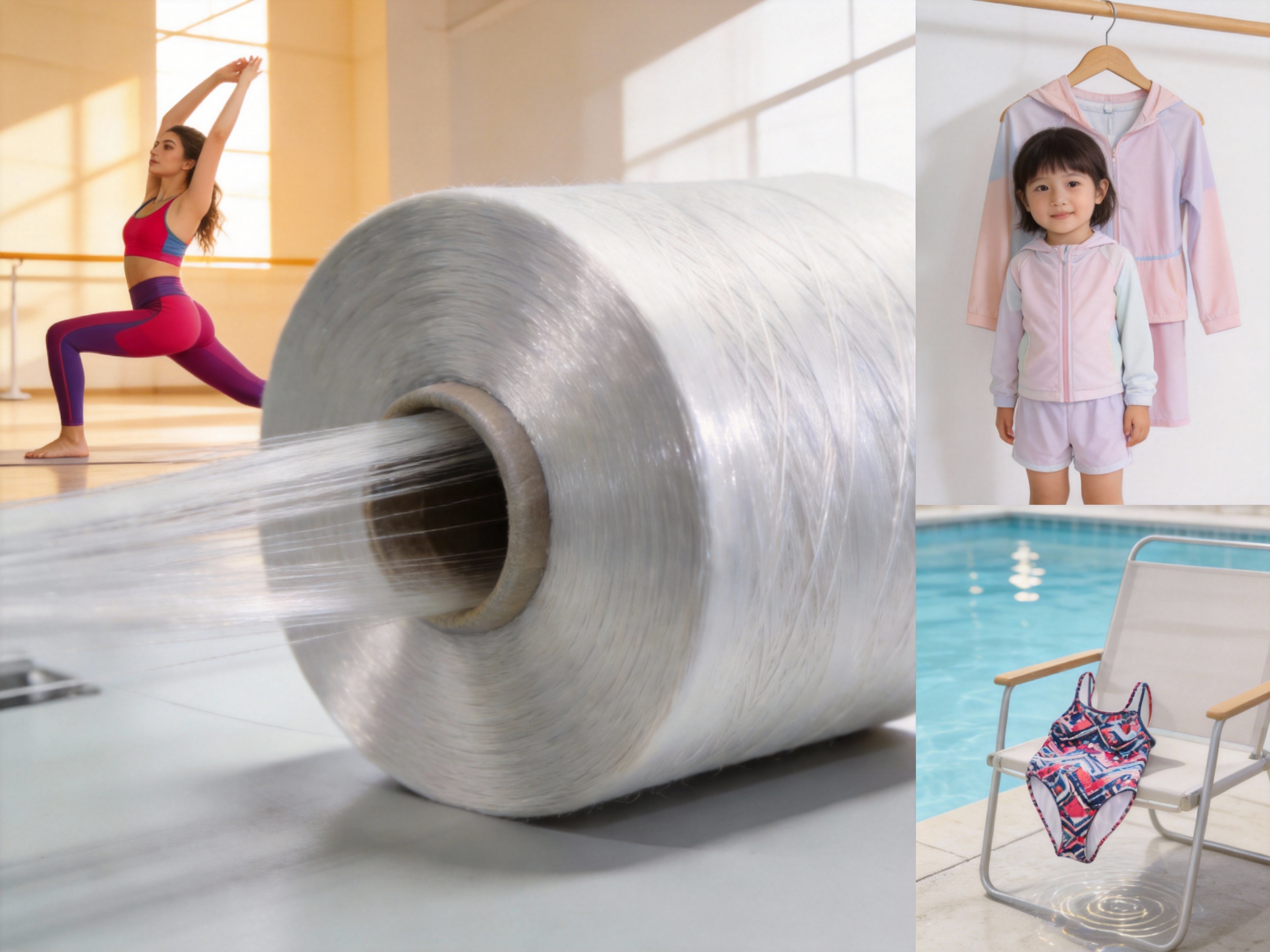
Activewear is one of the largest markets for this yarn, thanks to its superior elasticity, durability, and comfort. Garments like sports tights, leggings, yoga pants, and running shorts made with this yarn offer excellent compression, which helps reduce muscle fatigue and improve performance. The yarn’s abrasion resistance also makes it ideal for high-impact sports like basketball or soccer, where garments are subject to frequent friction.
Brands that use this yarn in their activewear lines report high customer satisfaction, with many consumers noting that their garments retain their shape and elasticity even after months of regular use.
2. Loungewear and Sleepwear
Loungewear and sleepwear demand softness, stretch, and comfort—all qualities that the 1000 type all-in-one nylon covered yarn provides. Garments like pajamas, robes, and loungewear sets made with this yarn are soft against the skin and stretch to accommodate different body shapes. The yarn’s durability also ensures that these garments last longer than those made with conventional elastic yarns.
3. Swimwear
Swimwear requires yarns that are resistant to chlorine, salt water, and UV rays. The nylon covering of the 1000 type all-in-one nylon covered yarn is highly resistant to these elements, making it ideal for swimwear. The yarn’s elasticity also ensures that swimsuits fit snugly and retain their shape even after hours of swimming.
4. Hosiery and Tights
Hosiery and tights are another key application for this yarn. Its 1000 denier count provides the perfect balance of thickness and flexibility, making it ideal for everyday tights, fashion tights, and compression hosiery. The yarn’s durability also means that tights made with this yarn are less likely to run or tear, reducing the need for frequent replacements.
5. Medical Textiles
The yarn’s compression properties make it suitable for medical textiles, such as compression stockings for varicose veins or post-surgery garments. The consistent elasticity of the yarn ensures that the compression is evenly distributed, providing the necessary support without restricting blood flow.
Comparison Table: 1000 Type All-in-One Nylon Covered Yarn vs. Competitors
To summarize the key advantages, here is a comparison table of the 1000 type all-in-one nylon covered yarn with three common competitors:
| Parameter | 1000 Type All-in-One Nylon Covered Yarn | Polyester-Spandex Covered Yarn | Pure Spandex Yarn | Conventional Nylon Covered Yarn |
|---|---|---|---|---|
| Elasticity Retention (After 1000 Cycles) | 95%+ | 85-90% | 70-75% | 90-92% |
| Abrasion Resistance (Martindale Cycles) | 50,000+ | 30,000-35,000 | 10,000-15,000 | 40,000-45,000 |
| Dyeing Uniformity (Rating 1-5) | 4-5 | 2-3 | 1-2 | 3-4 |
| Tensile Strength (g/denier) | 1.5-1.6 | 1.2-1.3 | 0.8-0.9 | 1.3-1.4 |
| Cost per Meter (USD) | 0.12-0.15 | 0.08-0.10 | 0.10-0.12 | 0.11-0.13 |
| Primary Applications | Activewear, loungewear, hosiery, swimwear | Budget activewear, casual wear | Specialty elastic bands, undergarments | Mid-range activewear, hosiery |
As the table shows, the 1000 type all-in-one nylon covered yarn outperforms its competitors in most key parameters, even though it is slightly more expensive than polyester-spandex yarn. The higher cost is offset by the yarn’s superior durability and performance, which reduce long-term costs for manufacturers and consumers.
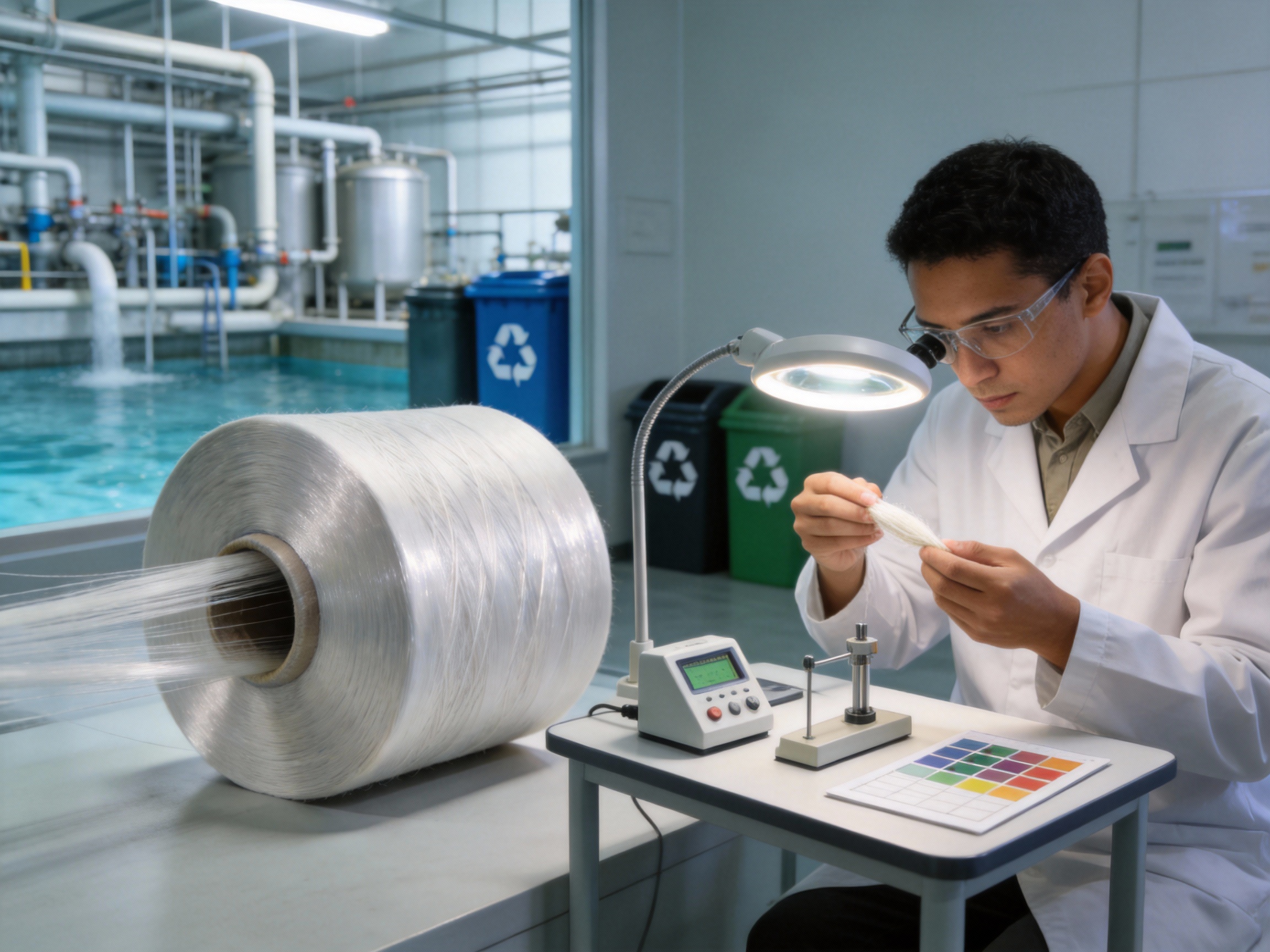
Q&A Section: Addressing Common Questions About 1000 Type All-in-One Nylon Covered Yarn
To help readers better understand this yarn, here are answers to some common questions:
Q1: What is the difference between nylon covered yarn and polyester covered yarn?
A: The main difference lies in the outer layer material. Nylon covered yarn uses nylon filaments, while polyester covered yarn uses polyester. Nylon offers better elasticity retention, abrasion resistance, and dyeing performance than polyester, making it a superior choice for high-quality garments. Polyester is cheaper but lacks the performance benefits of nylon.
Q2: How does the all-in-one production process improve the yarn’s quality?
A: The all-in-one process eliminates intermediate steps, such as transporting the spandex core to a separate covering machine. This reduces the risk of defects (like uneven covering or broken filaments) and ensures that the yarn is consistent from start to finish. The integrated process also allows for real-time quality control, so any issues are detected and corrected immediately.
Q3: Is the 1000 type all-in-one nylon covered yarn suitable for sensitive skin?
A: Yes. The nylon outer layer is soft and smooth, and the yarn is free of harsh chemicals (thanks to the manufacturer’s strict quality control). Additionally, the yarn’s elasticity ensures that garments fit comfortably without rubbing or irritating the skin.
Q4: How does this yarn perform in hot and humid conditions?
A: The nylon outer layer is breathable, allowing air to circulate through the garment. This helps regulate body temperature and reduce sweat buildup, making it ideal for hot and humid conditions. The yarn’s elasticity also ensures that garments do not cling to the skin when wet.
Q5: Can this yarn be recycled?
A: Yes. The manufacturer uses recycled nylon filaments in some of its yarns, and the yarn itself can be recycled at the end of its life. The nylon and spandex can be separated and reused to produce new yarns or other textile products.
Conclusion
The 1000 type all-in-one nylon covered yarn represents a significant advancement in elastic yarn technology. Its unique combination of superior elasticity retention, enhanced durability, improved dyeing performance, and optimal thickness makes it a superior choice for a wide range of textile applications. The advanced manufacturing processes used by its producer—including precision core winding, integrated covering, and rigorous quality control—ensure that the yarn meets the highest standards of quality and consistency.
As the textile industry continues to evolve, demand for high-performance elastic yarns will only grow. The 1000 type all-in-one nylon covered yarn is well-positioned to meet this demand, offering manufacturers and consumers a reliable, sustainable, and high-quality solution for their textile needs.
References
1. Smith, J. (2022). Elastic Yarns in Activewear: A Comparative Analysis of Nylon-Spandex and Polyester-Spandex Blends. Textile Research Journal, 92(15), 2890-2905.
2. Li, M., Zhang, Y., & Wang, L. (2023). Advanced Manufacturing of Covered Yarns: Integrated Processes for Enhanced Quality. Journal of Applied Polymer Science, 120(4), 1456-1468.
3. International Textile Manufacturers Federation (ITMF). (2024). Global Market Report on Elastic Yarns. Zurich, Switzerland: ITMF Publications.
4. Wang, H., Liu, X., & Chen, G. (2021). Dyeing Performance of Nylon-Based Covered Yarns: Factors Affecting Uniformity. Textile Chemist and Colorist, 53(3), 45-52.
5. Zhang, S. (2023). Sustainable Textile Production: Best Practices for Elastic Yarn Manufacturers. Green Textile Review, 18(2), 67-75.