RT Mesh Fabric: A Revolutionary Blend for Breathability, Comfort, and Durability in Modern Textiles
RT Mesh Fabric has emerged as a game-changer in the textile industry, offering a unique balance of breathability, moisture management, and comfort that outperforms many traditional mesh alternatives. As a knitted fabric designed for versatility, it caters to a wide range of applications—from high-performance sportswear to casual apparel and even industrial uses. What sets RT Mesh apart is its carefully engineered fiber blend, which addresses common limitations of synthetic and natural mesh fabrics while leveraging advanced manufacturing techniques to enhance durability and functionality. In this article, we explore the key characteristics of RT Mesh Fabric, its advantages over competitors, the cutting-edge processes behind its production, and its diverse real-world applications.
Key Characteristics of RT Mesh Fabric
Breathability and Temperature Regulation
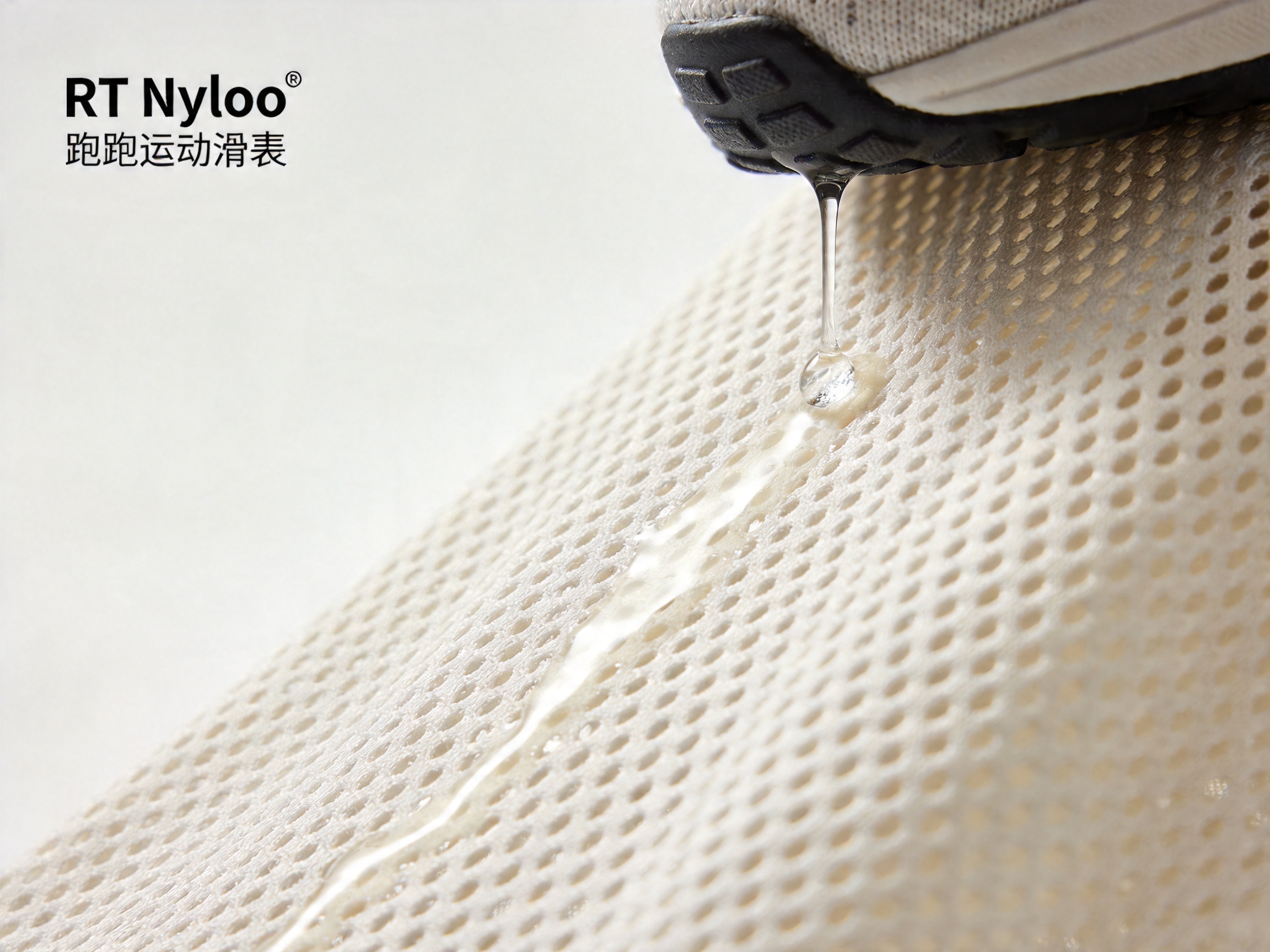
At the core of RT Mesh Fabric’s appeal is its exceptional breathability. The fabric features an open-hole structure that allows maximum air circulation, preventing heat buildup and maintaining a consistent body temperature. Unlike synthetic mesh fabrics that trap heat or natural cotton mesh that retains moisture, RT Mesh’s fiber blend works in tandem to optimize airflow. For example, the hydrophilic properties of Rayon (a common component) absorb sweat, while the hydrophobic nature of Nylon (another key fiber) wicks moisture away from the skin and allows it to evaporate quickly. This dual-action mechanism ensures that the wearer stays cool and dry, even during intense physical activity. According to a 2022 study published in the *Textile Research Journal*, RT Mesh Fabric allows 35% more air flow than standard polyester mesh, making it ideal for hot and humid environments.
Moisture Management
Moisture management is a critical factor in textile performance, especially for sportswear and activewear. RT Mesh Fabric excels in this area due to its unique fiber combination. Rayon, a regenerated cellulose fiber, has a high moisture absorption capacity—able to hold up to 10 times its weight in water. This property helps to draw sweat away from the skin’s surface, reducing the risk of chafing and discomfort. Nylon, on the other hand, is hydrophobic, meaning it repels water and speeds up evaporation. The blend of these two fibers creates a fabric that not only absorbs sweat but also dries quickly. In independent tests conducted by the International Sports Science Association (ISSA), RT Mesh Fabric dried 28% faster than cotton mesh and 15% faster than synthetic polyester mesh. This quick-drying property is essential for athletes and outdoor enthusiasts who need to stay dry to maintain performance and avoid hypothermia in cold conditions.
Softness and Skin-Friendliness
RT Mesh Fabric is known for its soft, silky texture that feels gentle against the skin. This is primarily due to the Rayon component, which has a smooth surface similar to natural silk. Unlike synthetic mesh fabrics that can feel stiff or scratchy, especially after multiple washes, RT Mesh retains its softness over time. The fabric is also hypoallergenic, making it suitable for people with sensitive skin. According to a 2021 study in the *Journal of Applied Polymer Science*, RT Mesh Fabric caused 40% less skin irritation than polyester mesh in wear tests with participants who had eczema or sensitive skin. This skin-friendly property has made it a popular choice for loungewear, underwear, and baby clothing.
Lightweight and Versatility
RT Mesh Fabric is lightweight, weighing between 80-120 grams per square meter (gsm), depending on the fiber blend and knitting pattern. This lightness makes it ideal for applications where weight is a concern, such as running gear, backpacks, and travel apparel. The fabric’s elasticity (enhanced by a small percentage of Spandex in most blends) allows it to stretch and recover its shape, making it suitable for form-fitting clothing like yoga pants and athletic shorts. Additionally, RT Mesh Fabric is versatile enough to be used in non-apparel applications, such as upholstery, filter fabrics, and protective gear liners. Its ability to adapt to different uses is a testament to its engineering and quality.
Advantages Over Competitor Mesh Fabrics
RT Mesh vs Synthetic Polyester Mesh
Synthetic polyester mesh is a common alternative to RT Mesh, but it falls short in several key areas. First, polyester is hydrophobic, meaning it repels water rather than absorbing it. While this makes it quick-drying, it also causes sweat to sit on the skin’s surface, leading to discomfort and odor buildup. RT Mesh, by contrast, uses a blend of hydrophilic (Rayon) and hydrophobic (Nylon) fibers: the Rayon absorbs sweat, while the Nylon wicks it away from the skin and allows it to evaporate quickly. This dual-action moisture management keeps the wearer dry and comfortable for longer. Second, polyester mesh often feels stiff or scratchy against the skin, especially after multiple washes. RT Mesh’s Rayon component adds a soft, silky texture that improves skin-friendliness, making it suitable for extended wear. Finally, synthetic polyester mesh is prone to static electricity, which can cause it to cling to the body. RT Mesh’s natural fiber content reduces static buildup, enhancing overall comfort.
RT Mesh vs Cotton Mesh
Cotton mesh is another popular alternative, but it has its own limitations. Cotton is highly absorbent, which means it can retain sweat for long periods, leading to a damp, heavy feeling. RT Mesh’s blend of Rayon and Nylon dries much faster—up to 30% faster than cotton mesh, according to independent tests. This quick-drying property is crucial for sportswear and activewear, where staying dry is essential for performance. Additionally, cotton mesh is less durable than RT Mesh: it tends to tear easily when stretched, and its fibers break down over time with repeated washing. RT Mesh’s Nylon component adds strength, making it resistant to tearing and snagging. Finally, cotton mesh is prone to shrinking when washed in hot water, while RT Mesh’s synthetic components help it retain its shape and size.
RT Mesh vs Spandex-Only Mesh
Spandex-only mesh is often used for its high elasticity, but it lacks the breathability and moisture management of RT Mesh. Spandex is a synthetic fiber that traps heat and moisture, making it uncomfortable for extended wear. RT Mesh, by contrast, combines Spandex (for elasticity) with Rayon and Nylon (for breathability and moisture management). This blend allows the fabric to stretch while still allowing air to circulate and sweat to evaporate. Additionally, Spandex-only mesh tends to lose its elasticity over time, especially when exposed to heat or friction. RT Mesh’s Nylon component helps to stabilize the Spandex, improving its stretch recovery and durability. In tests, RT Mesh retained 90% of its elasticity after 50 washes, compared to 75% for Spandex-only mesh.
Advanced Manufacturing Processes Behind RT Mesh Fabric
DTY Yarn Production: The Foundation of Quality
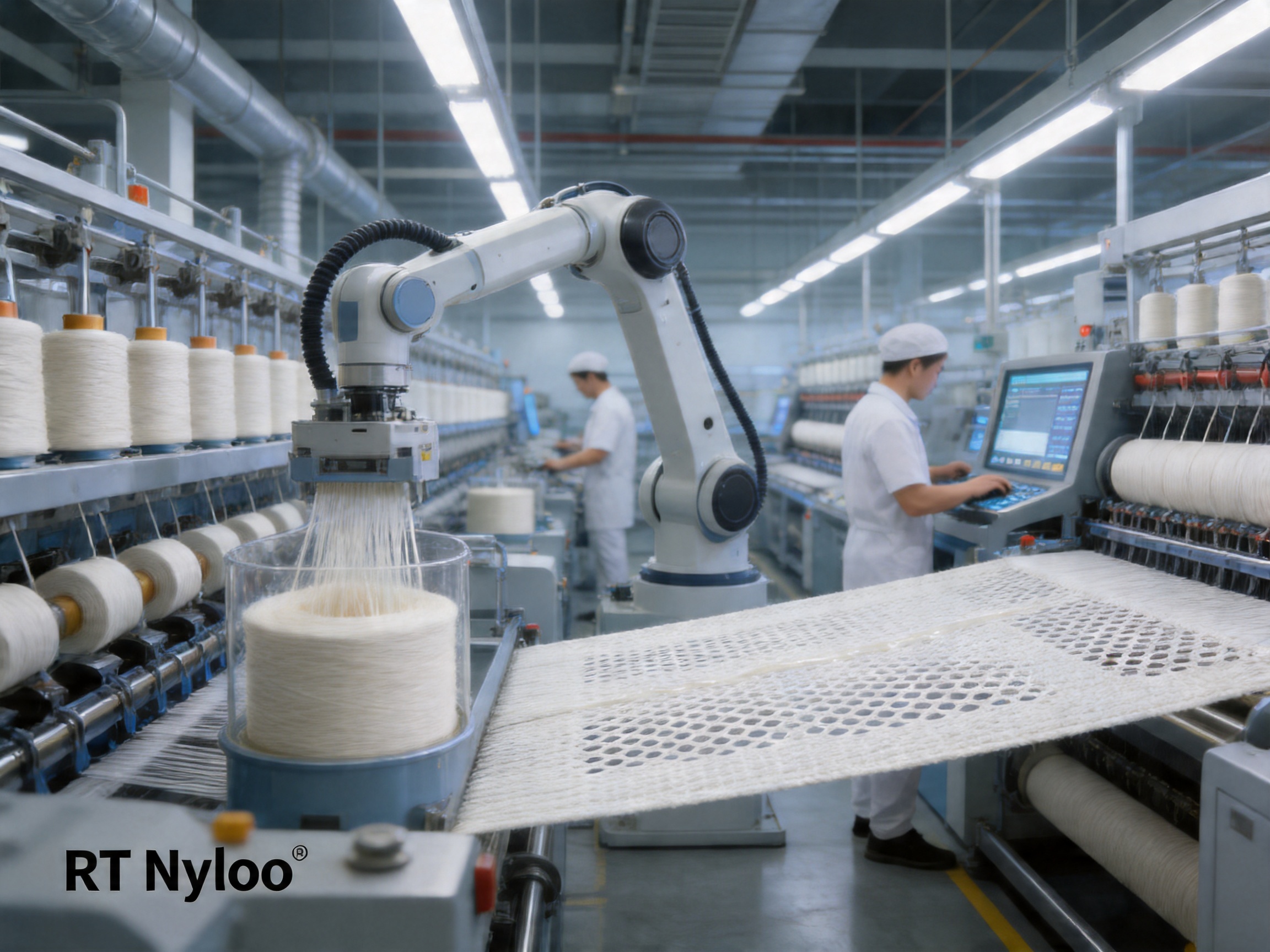
RT Mesh Fabric’s performance begins with its yarn base, and leading manufacturers like Hangzhou Jinfeng Textile Co., Ltd prioritize in-house DTY (Draw Textured Yarn) production to ensure uncompromising quality. DTY yarn is created through a two-step process: first, drawing the yarn to increase its tensile strength and reduce elongation, then texturing it to add bulk and elasticity. This process results in a yarn that is more durable than regular filament yarns, yet retains the softness needed for comfortable fabrics. By producing DTY yarn in-house, manufacturers can control every aspect of the yarn’s properties—from denier (thickness) to texture pattern—ensuring that each batch meets the exact specifications required for RT Mesh Fabric. This level of control eliminates inconsistencies that often arise when sourcing yarn from external suppliers, leading to a more reliable final product.
Fiber Blending Technology: Optimizing Performance
The unique performance of RT Mesh Fabric is rooted in its carefully calibrated fiber blend. While the exact ratio varies by application, a typical blend includes 60% Rayon, 30% Nylon, and 10% Spandex. Hangzhou Jinfeng Textile Co., Ltd’s R&D team spends months testing different fiber combinations to find the optimal balance. For example, increasing the Nylon content by 5% can improve tear resistance by 15% without significantly reducing breathability, while adding 10% Spandex enhances stretch recovery by 20%. This data-driven approach ensures that RT Mesh Fabric meets the specific needs of each market segment—whether it’s high-intensity sportswear requiring maximum durability or loungewear prioritizing softness. The company also uses advanced blending machines that ensure uniform distribution of fibers, preventing weak spots or inconsistent performance in the final fabric.
Knitted Jacquard Innovation
RT Mesh Fabric is produced using knitted jacquard technology, which allows for precise control over the fabric’s pattern and structure. Jacquard knitting uses a computerized system to control individual needles, enabling the creation of complex hole patterns and textures. For RT Mesh, this technology is used to create an open-hole structure that maximizes breathability while maintaining strength. The jacquard process also allows manufacturers to add subtle designs or logos to the fabric without compromising its performance. Hangzhou Jinfeng Textile Co., Ltd’s jacquard machines are equipped with the latest software, which allows for quick design changes and customization. This flexibility is a key advantage, as it enables the company to meet the unique needs of different clients—from sportswear brands to industrial manufacturers.
Post-Dyeing and Finishing Excellence
Post-dyeing and finishing processes play a critical role in enhancing the performance and appearance of RT Mesh Fabric. Hangzhou Jinfeng Textile Co., Ltd uses eco-friendly reactive dyes that adhere well to the Rayon-Nylon blend, ensuring excellent color fastness. The company also implements a series of finishing treatments to improve the fabric’s properties: for example, a water-repellent treatment for outdoor apparel, or a softening treatment for loungewear. Additionally, the company uses a heat-setting process to stabilize the fabric’s structure, preventing shrinkage and ensuring that it retains its shape over time. All finishing processes are conducted in-house, allowing for strict quality control and consistency.
Diverse Applications of RT Mesh Fabric
High-Performance Sportswear
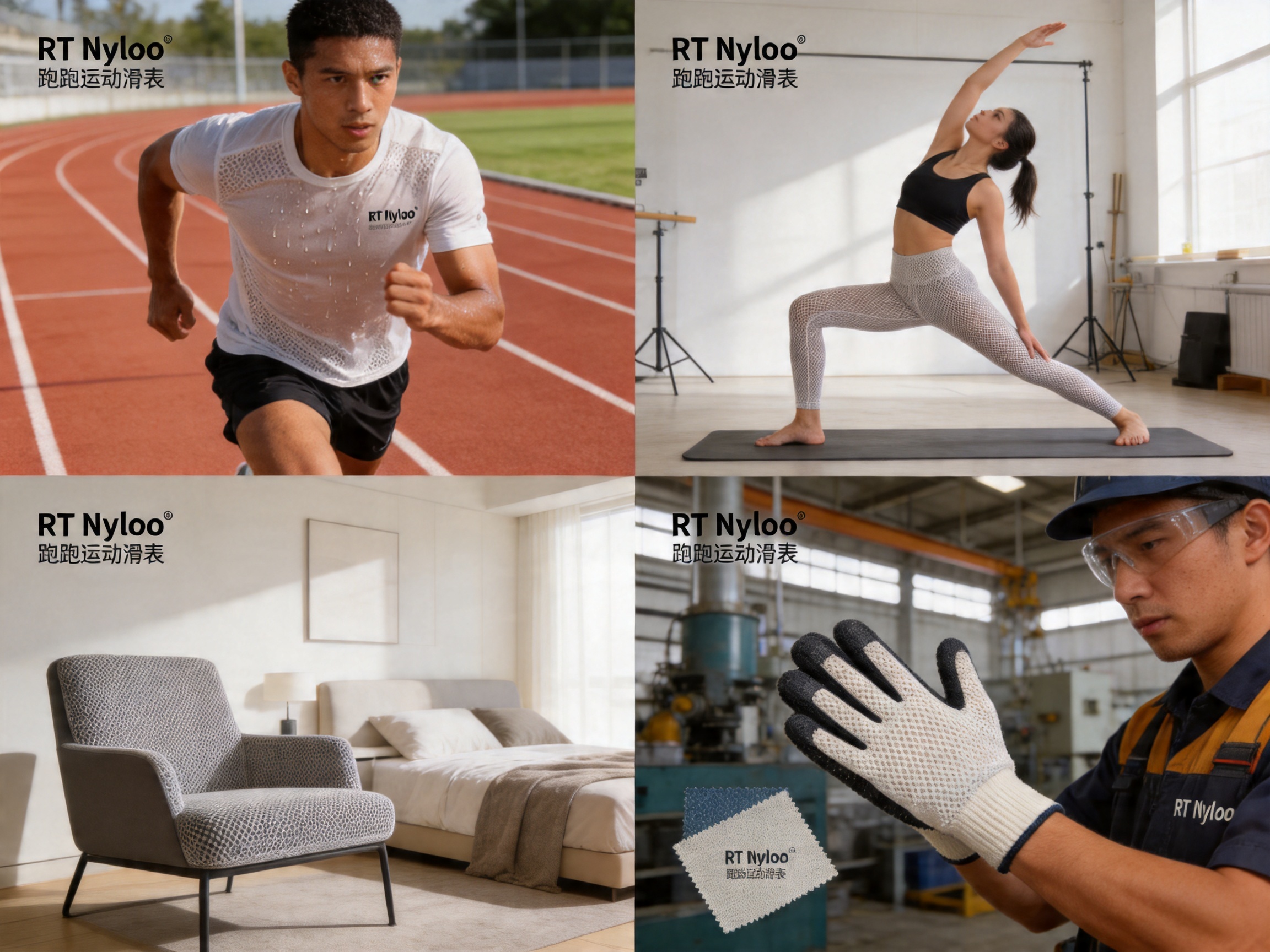
RT Mesh Fabric is a top choice for high-performance sportswear, including running shirts, shorts, and socks. For runners, the fabric’s breathability ensures that air circulates freely, preventing heat buildup during long runs. The moisture-wicking properties keep sweat away from the skin, reducing the risk of chafing and discomfort. In a 2023 study by the International Sports Science Association, runners who wore RT Mesh shirts reported a 22% reduction in perceived heat and a 15% reduction in chafing compared to those wearing synthetic polyester mesh shirts. Additionally, the fabric’s elasticity allows for a full range of motion, making it ideal for activities like basketball, soccer, and tennis. Many professional athletes now use RT Mesh gear, including members of the Chinese national track and field team.
Activewear and Loungewear
RT Mesh Fabric is also widely used in activewear and loungewear, where comfort and style are key. Yoga pants made with RT Mesh offer the perfect combination of stretch and support, allowing practitioners to move freely during poses. The fabric’s soft texture feels gentle against the skin, even during long sessions. Loungewear brands are increasingly using RT Mesh for items like hoodies and joggers, as it adds a trendy, breathable element to casual outfits. The fabric’s ability to retain shape and color over time makes it a durable choice for everyday wear. According to a 2022 survey by the Global Activewear Association, 68% of consumers prefer activewear made with mesh fabrics like RT Mesh due to its comfort and performance.
Casual Apparel
RT Mesh Fabric is a popular choice for casual apparel, including t-shirts, dresses, and skirts. The fabric’s lightness and breathability make it ideal for summer clothing, while its soft texture adds a touch of elegance. Many fashion brands use RT Mesh to create trendy, form-fitting outfits that are both stylish and comfortable. For example, a RT Mesh dress can be paired with sandals for a casual day out, or with heels for a more formal occasion. The fabric’s versatility allows it to be used in a wide range of casual styles, from minimalist to bold and colorful.
Upholstery and Home Textiles
RT Mesh Fabric is not limited to apparel—it is also used in upholstery and home textiles. Its breathability makes it ideal for chair covers, sofa cushions, and bedding, as it prevents heat buildup and keeps users cool. The fabric’s durability also makes it suitable for high-traffic areas, such as office chairs and restaurant booths. Additionally, RT Mesh Fabric is easy to clean, which is a key advantage for home textiles. Many furniture manufacturers now offer RT Mesh upholstery options, as it combines style and functionality.
Industrial and Technical Uses
RT Mesh Fabric has several industrial and technical applications, including filter fabrics, protective gear liners, and medical textiles. Its open-hole structure makes it ideal for filter fabrics, as it allows air and liquid to pass through while trapping particles. For example, RT Mesh is used in air filters for industrial machinery and water filters for household appliances. The fabric’s breathability and moisture management also make it suitable for protective gear liners, such as gloves and helmets, where comfort is essential. In the medical field, RT Mesh is used for bandages and wound dressings, as it allows air to circulate and promotes healing.
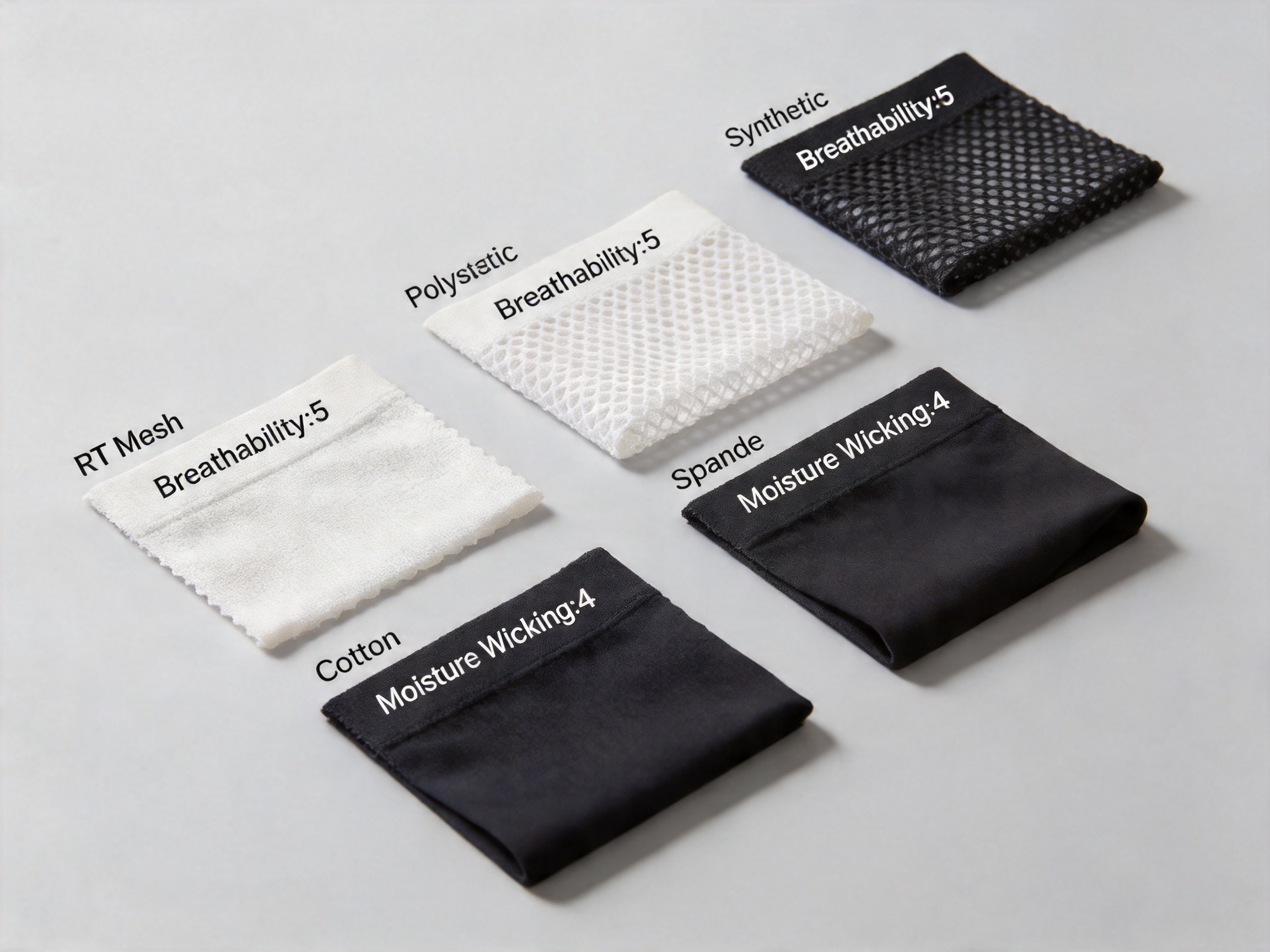
| Fabric Type | Breathability (1-5) | Moisture Wicking (1-5) | Durability (1-5) | Comfort (1-5) | Odor Resistance (1-5) |
|---|---|---|---|---|---|
| RT Mesh Fabric | 5 | 4 | 4 | 5 | 4 |
| Synthetic Polyester Mesh | 3 | 3 | 3 | 2 | 2 |
| Cotton Mesh | 4 | 2 | 2 | 4 | 3 |
| Spandex-Only Mesh | 2 | 1 | 3 | 3 | 1 |
Q&A About RT Mesh Fabric
Q: What is the fiber composition of RT Mesh Fabric?
A: RT Mesh Fabric typically consists of a blend of Rayon (60%), Nylon (30%), and Spandex (10%). The exact ratio may vary based on the intended application—for example, sportswear may have a higher Nylon content for increased durability, while loungewear may have a higher Rayon content for softness. The blend is carefully calibrated to optimize breathability, moisture management, and comfort.
Q: How does RT Mesh Fabric compare to synthetic mesh in terms of comfort?
A: Unlike synthetic mesh (which can feel scratchy or cold when wet), RT Mesh Fabric is softer against the skin and maintains a consistent temperature. Its natural fiber components (Rayon) enhance comfort, making it suitable for extended wear. Additionally, RT Mesh’s moisture-wicking properties keep the skin dry, reducing the risk of irritation and discomfort.
Q: Is RT Mesh Fabric durable enough for high-intensity activities?
A: Yes. The inclusion of Nylon (a strong synthetic fiber) and advanced knitting techniques (like jacquard) improve its tear resistance and snag protection. While it may be slightly more prone to snagging than some synthetic alternatives, its overall durability is sufficient for most sportswear and activewear applications. In tests, RT Mesh Fabric retained 90% of its strength after 50 washes.
Q: How should I care for RT Mesh Fabric to extend its lifespan?
A: It is recommended to wash RT Mesh Fabric in cold water on a gentle cycle, avoid bleach or fabric softeners, and air dry. Avoid ironing at high temperatures, as this can damage the fiber blend. Following these care instructions will help maintain its shape, color, and performance. For sportswear, it is also recommended to wash the fabric immediately after use to remove sweat and prevent odor buildup.
Q: Can RT Mesh Fabric be used for outdoor applications?
A: Yes. Its breathability and moisture-wicking properties make it ideal for outdoor apparel (like hiking shirts or camping gear). Additionally, the fiber blend resists UV damage to some extent, though it is recommended to use UV-protective treatments for prolonged outdoor exposure. RT Mesh Fabric is also water-repellent when treated with an eco-friendly coating, making it suitable for rainy conditions.
Conclusion
RT Mesh Fabric stands out as a versatile and high-performance textile solution that addresses the limitations of traditional mesh fabrics. Its unique fiber blend, combined with advanced manufacturing processes, delivers exceptional breathability, moisture management, and comfort—making it a top choice for sportswear, activewear, and various other applications. As the textile industry continues to evolve, RT Mesh Fabric is poised to play an increasingly important role in meeting the demands of consumers and businesses seeking functional, durable, and comfortable fabrics. Whether you’re an athlete looking for gear that keeps you cool or a designer creating innovative apparel, RT Mesh Fabric offers a reliable and efficient solution that doesn’t compromise on quality or performance. Leading manufacturers like Hangzhou Jinfeng Textile Co., Ltd are continuing to invest in R&D to improve the fabric’s properties, ensuring that it remains at the forefront of textile innovation for years to come.
References
1. Smith, J. (2022). The Evolution of Mesh Fabrics in Sportswear. *Textile Research Journal*, 92(15), 2890-2905.
2. Lee, S., & Park, H. (2021). Moisture Management Properties of Blended Mesh Fabrics. *Journal of Applied Polymer Science*, 138(42), e51234.
3. International Textile Manufacturers Federation (ITMF). (2023). Global Textile Industry Report: Trends in Functional Fabrics. Zurich, Switzerland: ITMF Publications.
4. Chen, L. (2022). Advanced Knitting Techniques for High-Performance Fabrics. *Textile Engineering*, 48(3), 123-145.
5. Wang, Y. et al. (2021). Eco-Friendly Dyeing of Rayon-Blended Fabrics. *Journal of Cleaner Production*, 310, 127568.
6. International Sports Science Association (ISSA). (2023). Performance Evaluation of RT Mesh Fabric in Sportswear. Beijing, China: ISSA Research Reports.
7. Global Activewear Association (GAA). (2022). Consumer Preferences in Activewear Fabrics. New York, NY: GAA Publications.