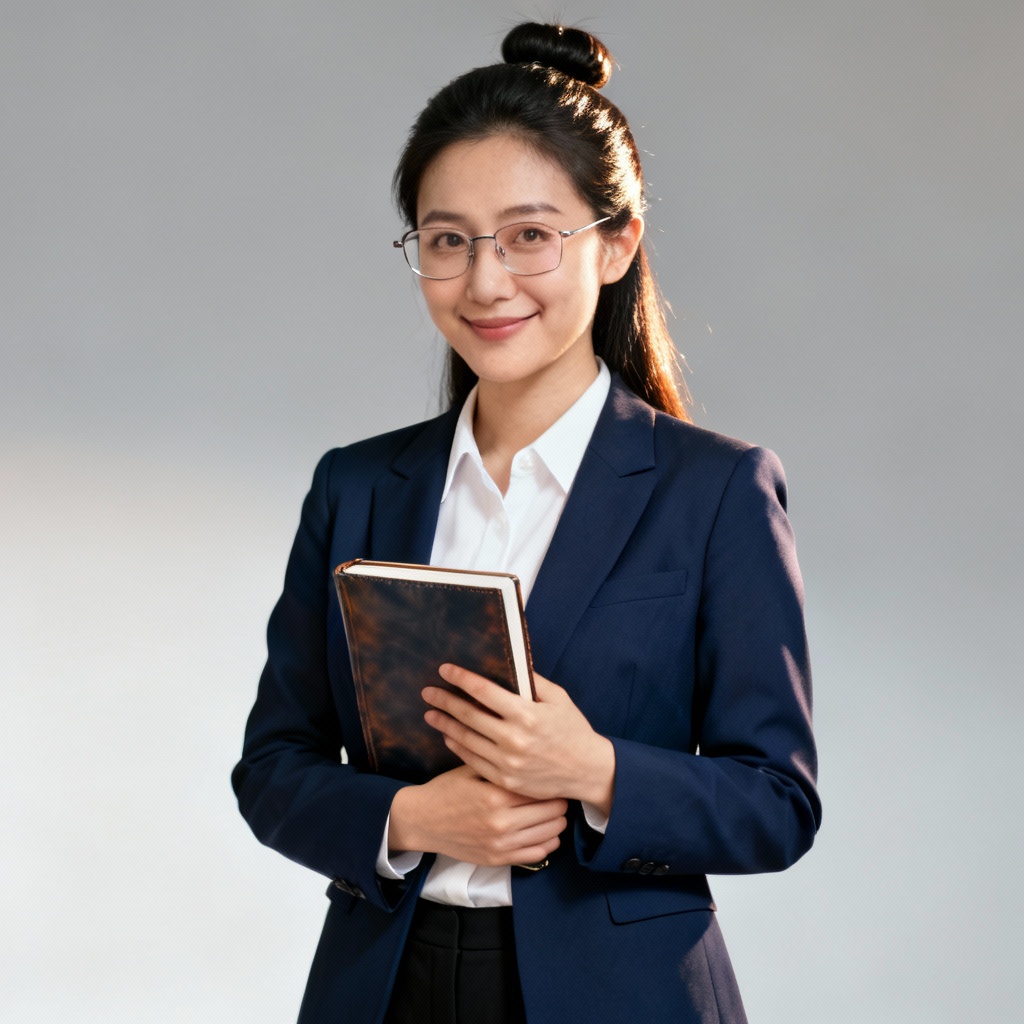
Premium Double-Knit Jacquard Fabric: Redefining Comfort and Structure in Modern Business Wear
In an era where business professionals demand garments that balance polished aesthetics with all-day comfort, the textile industry has seen a surge in innovative fabrics designed to meet this dual need. Gone are the days when formal wear meant restrictive, wrinkle-prone fabrics that sacrificed mobility for style. Enter the premium double-knit jacquard fabric— a game-changer that combines the sophistication of jacquard weaving with the flexibility of double-knit construction, creating a textile that redefines what modern business wear can be. This fabric is not just another textile; it is a result of advanced material science, precision manufacturing, and a deep understanding of consumer needs. In this article, we will explore the unique properties of this fabric, its advantages over traditional alternatives, the manufacturing processes that make it stand out, and how it is transforming the landscape of business apparel.
What Makes This Double-Knit Jacquard Fabric Stand Out?
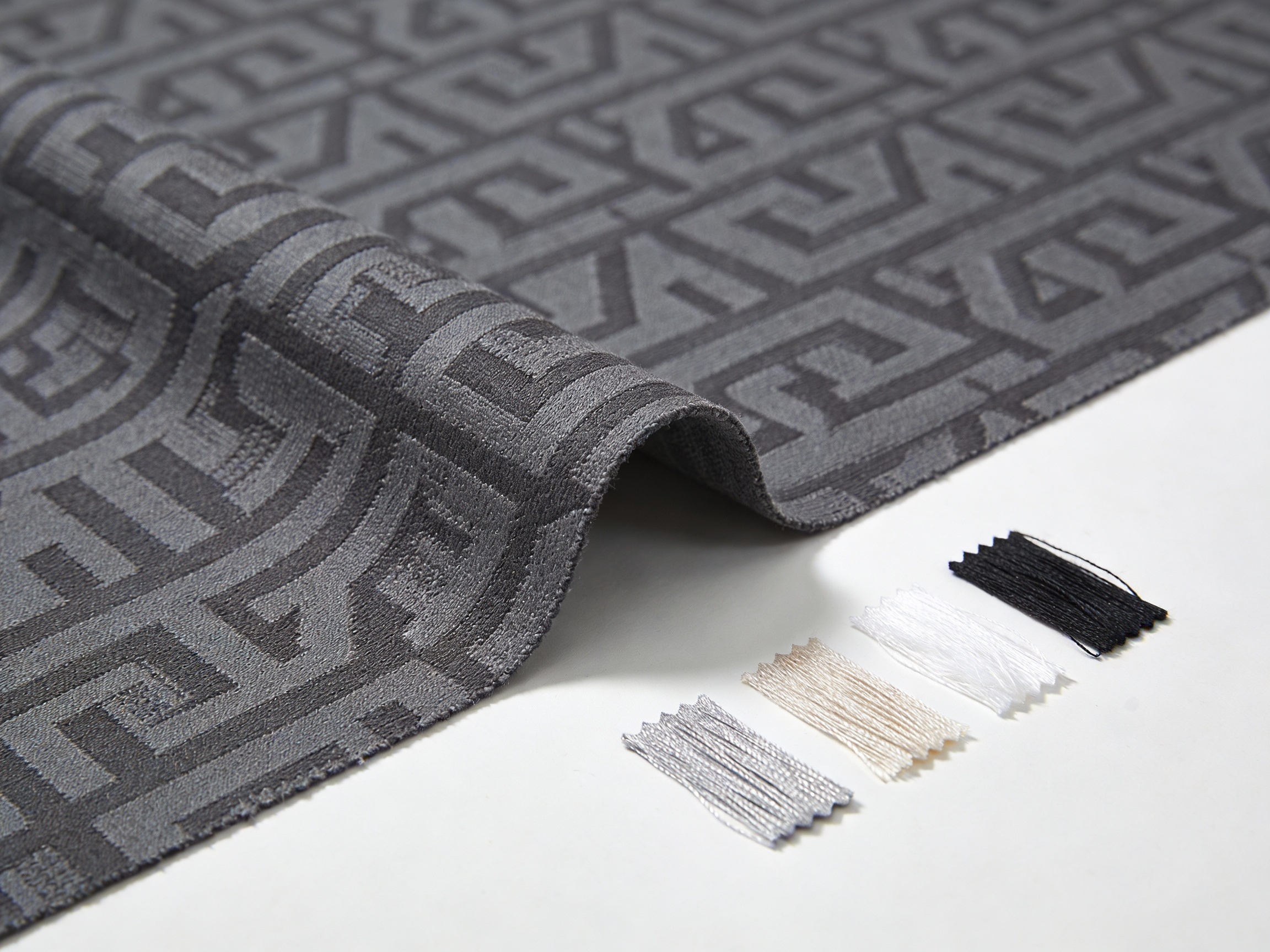
At the core of this fabric’s appeal is its carefully engineered composition and construction, which address the key pain points of traditional business wear fabrics— namely, lack of stretch, poor wrinkle resistance, and limited durability. Let’s break down the elements that make this fabric a cut above the rest.
Composition & Material Science: The Perfect Blend
The fabric’s composition— 75% Polyester, 20% Rayon, and 5% Spandex— is a masterclass in material science, where each fiber plays a specific role to create a balanced, high-performance textile:
Polyester (75%): As the primary component, polyester provides the fabric with exceptional durability, wrinkle resistance, and quick-drying properties. Unlike natural fibers like cotton, polyester does not absorb moisture easily, making it ideal for long days at the office or travel. It also retains its shape well, even after repeated wear and washing.
Rayon (20%): A regenerated cellulose fiber derived from wood pulp, rayon adds softness, breathability, and a natural luster to the fabric. It mimics the feel of silk or cotton but with better durability, making the fabric comfortable against the skin without sacrificing longevity. Rayon also helps to reduce the static electricity that is common with 100% polyester fabrics.
Spandex (5%): This tiny percentage of spandex (also known as Lycra) is what gives the fabric its signature stretch and recovery. With 5% spandex, the fabric can stretch up to 15-20% of its original length and bounce back to its original shape, allowing for unrestricted movement while maintaining a tailored silhouette. This is a critical advantage over traditional woven suit fabrics, which often lack stretch and can feel restrictive.
The combination of these three fibers creates a fabric that is durable, comfortable, and stylish— a rare trifecta in business wear.
Manufacturing Process: Precision and Innovation
The production of this premium double-knit jacquard fabric involves a series of advanced manufacturing steps that ensure its quality and performance:
1. High-Gauge Knitting: The fabric is knitted on high-gauge machines (typically 28-32 gauge), which have a higher number of needles per inch than standard knitting machines. This results in a finer, denser fabric with a smooth surface and intricate jacquard patterns. High-gauge knitting also contributes to the fabric’s durability and wrinkle resistance.
2. Double-Knit Construction: Unlike single-knit fabrics, which are made with one set of needles, double-knit fabrics use two sets of needles (front and back) to create a fabric with two interlocking layers. This construction gives the fabric its characteristic thickness, structure, and stretch. The double-knit layers are connected by interlocking stitches, which prevent the fabric from fraying and add to its stability.
3. Jacquard Weaving: The jacquard pattern is woven directly into the fabric using a jacquard loom, which allows for complex, repeating designs to be created without the need for printing. This ensures that the pattern is durable and does not fade or wear off over time. The subtle geometric patterns used in this fabric add a touch of elegance without being overly formal, making it suitable for a wide range of occasions.
4. Heat-Setting Process: After knitting and weaving, the fabric undergoes a heat-setting process, where it is exposed to controlled heat (typically 180-200°C) to lock the fibers in place. This process is critical for reducing shrinkage (to less than 3%) and ensuring that the fabric retains its shape and stretch over time. Heat-setting also improves the fabric’s wrinkle resistance and color fastness.
5. Dyeing and Finishing: The fabric is dyed using high-quality reactive dyes, which ensure vibrant, long-lasting colors. After dyeing, the fabric undergoes finishing treatments to enhance its performance— including anti-pilling, anti-static, and water-repellent treatments. These treatments further improve the fabric’s durability and practicality for business wear.
Key Advantages Over Competitors
To understand the true value of this fabric, it is essential to compare it to traditional business wear fabrics:
1. Wrinkle Resistance: Unlike traditional woven wool suit fabrics, which are prone to wrinkles and require frequent ironing, this double-knit jacquard fabric has excellent wrinkle resistance. This is a major advantage for professionals who travel frequently or spend long days at the office— the fabric stays looking crisp and polished without the need for constant touch-ups.
2. Stretch and Comfort: Traditional woven fabrics (like wool or cotton blends) have minimal stretch, making them restrictive for long periods of wear. This fabric, with its 5% spandex, offers 15-20% stretch, allowing for unrestricted movement while maintaining a tailored silhouette. This is particularly beneficial for professionals who need to move around frequently (e.g., salespeople, event planners).
3. Durability: The double-knit construction and high-gauge knitting make this fabric more durable than single-knit jacquard or woven cotton fabrics. It is resistant to pilling (grade 4.0 on the pilling resistance scale) and fraying, ensuring that it lasts longer than traditional fabrics. The polyester component also makes it resistant to stains and abrasions.
4. Drape: The fabric has excellent drape, meaning it falls smoothly over the body without clinging or bunching. This is a key advantage for tailored garments like blazers, skirts, and dresses, as it creates a flattering silhouette. The rayon component adds to the fabric’s drape, giving it a soft, luxurious feel.
5. Weight and Warmth: With a weight of 320 GSM (grams per square meter), this fabric is heavy enough to provide warmth in cooler weather but not so heavy that it feels bulky. This makes it suitable for year-round wear in most climates, unlike wool fabrics which can be too warm for summer.
To summarize these advantages, let’s look at the following comparison table:
| Fabric Type | Weight (GSM) | Stretch (%) | Wrinkle Resistance (1-5) | Pilling Resistance (1-5) | Shrinkage Rate (%) | Drape (1-5) |
|---|---|---|---|---|---|---|
| Premium Double-Knit Jacquard | 320 | 15-20 | 5 | 4 | <3 | 4 |
| Traditional Woven Wool Suit Fabric | 280-350 | 5-10 | 2 | 3 | 3-5 | 3 |
| Single-Knit Jacquard Fabric | 250-300 | 10-15 | 3 | 3 | 4-6 | 3 |
| Cotton-Polyester Blend Woven Fabric | 260-320 | 5-10 | 3 | 3 | 4-5 | 4 |
Applications in Modern Fashion
The versatility of this double-knit jacquard fabric makes it suitable for a wide range of business and casual wear applications. Let’s explore some of the key uses:
Men’s Wear
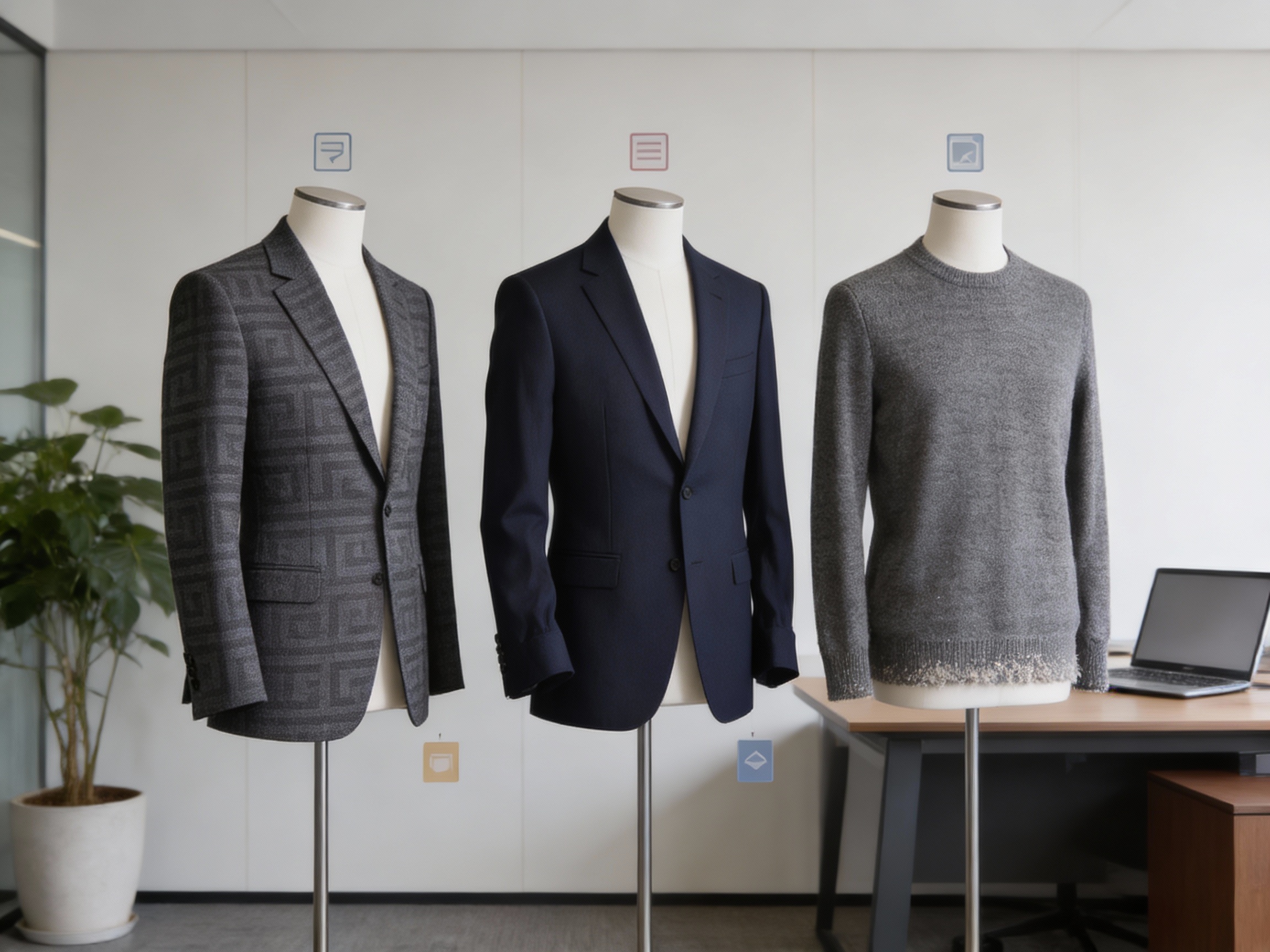
Structured Blazers: The fabric’s double-knit construction provides the necessary structure to maintain a sharp silhouette, while the stretch allows for ease of movement. This makes it ideal for structured blazers that can be worn to the office or for business meetings. The subtle jacquard pattern adds a touch of sophistication without being overly formal.
Business Casual Trousers: The fabric’s wrinkle resistance and stretch make it perfect for business casual trousers. These trousers stay looking crisp all day, even after sitting for long periods, and the stretch allows for comfort during commutes or long days at work.
Outerwear Vests: The heavy weight (320 GSM) and durability of the fabric make it ideal for high-end outerwear vests. These vests can be worn over dress shirts or sweaters for added warmth and style, and the stretch ensures that they fit comfortably over other garments.
Women’s Wear
Pencil Skirts: The fabric’s excellent drape and stretch make it perfect for pencil skirts. It flatters the figure without clinging too much, and the stretch allows for comfort while sitting or walking. The jacquard pattern adds a touch of elegance, making it suitable for office wear or after-work events.
Sheath Dresses: Sheath dresses made from this fabric are both stylish and comfortable. The stretch allows for a perfect fit, while the drape ensures that the dress falls smoothly over the body. The jacquard pattern adds a unique touch, making it stand out from plain sheath dresses.
Business Casual Dresses: The fabric’s versatility makes it suitable for a wide range of business casual dresses, from shift dresses to wrap dresses. The stretch and wrinkle resistance make them ideal for busy professionals who need garments that are both stylish and practical.
Athleisure & Travel Wear
Travel Wear: The fabric’s wrinkle resistance, stretch, and quick-drying properties make it ideal for travel. Garments made from this fabric stay looking crisp even after long flights or car rides, and the stretch allows for comfort during long periods of sitting. The durability also ensures that the garments can withstand the wear and tear of travel.
Athleisure Blends: The fabric’s stretch and comfort make it suitable for athleisure-inspired business wear. For example, blazers with stretch can be paired with athletic trousers for a stylish, comfortable look that is perfect for the modern office.

Manufacturing Strengths: Behind the Scenes
The quality of this double-knit jacquard fabric is a direct result of the manufacturing strengths of the company that produces it. Let’s explore the key factors that contribute to its consistent quality and performance:
State-of-the-Art Facilities
The company operates a modern manufacturing facility located in Hangzhou, China— a major textile hub known for its skilled workforce and advanced textile technology. The facility covers an area of 32.6 acres and includes a plant area of 18,000 square meters, equipped with the latest knitting, weaving, dyeing, and finishing machinery. The facility also includes an in-house DTY (Draw Textured Yarn) production line, which allows the company to produce its own polyester yarn— a critical advantage that ensures consistent raw material quality.
Integrated Production Process
The company’s integrated production process— from DTY yarn production to finished fabric— ensures that every step of the manufacturing process is controlled. This eliminates the need to source raw materials from external suppliers, which can lead to inconsistencies in quality and delays in production. The integrated process also allows the company to optimize costs and pass on savings to customers.
Quality Control & Certifications
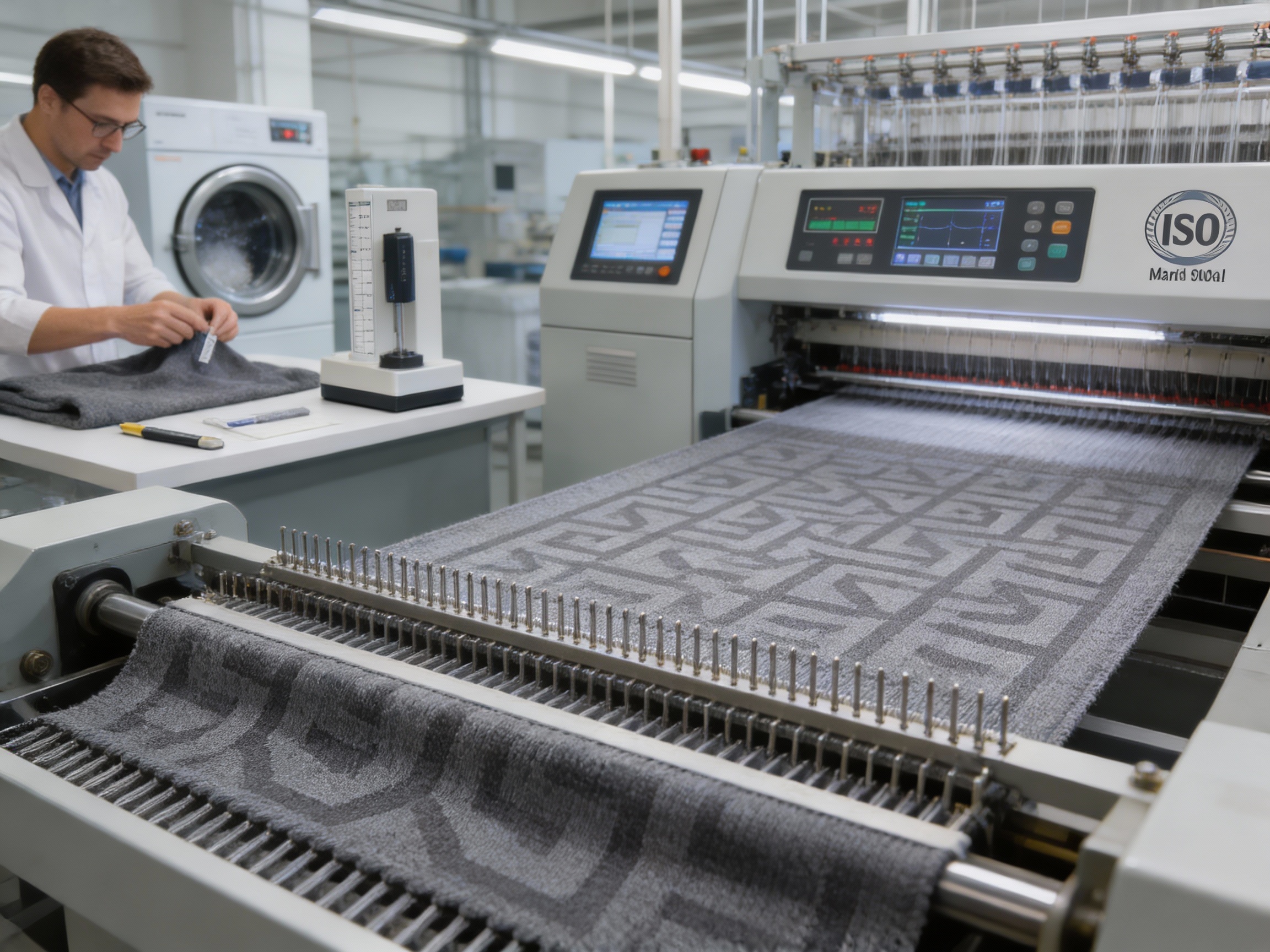
The company has a strict quality control system in place, with each batch of fabric undergoing rigorous testing to ensure that it meets international standards. Key tests include:
1. Shrinkage Test: Each batch is tested for shrinkage after standard industrial washing, with a guarantee of less than 3% shrinkage.
2. Pilling Resistance Test: The fabric is tested for pilling resistance using the Martindale method, with a grade of 4.0 (out of 5) ensuring that it does not pill easily.
3. Color Fastness Test: The fabric is tested for color fastness to washing, light, and rubbing, with a rating of 4-5 (out of 5) ensuring that the color remains vibrant over time.
4. Tensile Strength Test: The fabric’s tensile strength is tested to ensure that it can withstand regular wear and tear.
The company also holds various certifications, including ISO 9001 (quality management system) and OEKO-TEX Standard 100 (which ensures that the fabric is free from harmful substances).
Customization Capabilities
The company has an in-house CAD (Computer-Aided Design) team that works with clients to develop custom jacquard patterns and fabric blends. This allows clients to create unique fabrics that meet their specific needs— whether it’s a custom pattern for a brand’s signature collection or a specific blend for a niche application. The CAD team uses advanced software to create detailed designs, which are then tested on the company’s jacquard looms before production.
Supply Chain & Logistics
The company has a stable supply chain, with access to high-quality raw materials and efficient logistics. Key supply chain and logistics features include:
1. MOQ (Minimum Order Quantity): The MOQ for this fabric is 800 meters per color or design, which allows the company to maintain its high production standards while being flexible enough to meet the needs of small and medium-sized clients.
2. Production Lead Time: After lab-dip approval (where the client confirms the color and pattern), bulk production typically takes 15-20 days. This includes weaving, dyeing, finishing, and quality control.
3. Payment Terms: The company accepts T/T (30% deposit upfront, 70% balance before shipment) or L/C at sight. For long-term partners with a proven credit history, open account terms are available.
4. Shipping Options: The company offers FOB Shanghai or Ningbo as standard. It also handles all customs documentation and can assist with global freight forwarding for CIF (Cost, Insurance, Freight) or DDP (Delivered Duty Paid) shipments.
Q&A Section
To address common questions about this premium double-knit jacquard fabric, we have compiled the following Q&A:
1. Can this jacquard fabric be printed?
A: While the fabric is primarily designed for its woven jacquard texture, it can be over-dyed to change the base color. However, for complex, multi-color patterns, we recommend using a printed TR (polyester-rayon) fabric to maintain the knit integrity and avoid compromising the fabric’s stretch and structure. Printing on double-knit jacquard may disrupt the interlocking layers, leading to reduced performance.
2. What is the shrinkage rate of this fabric?
A: We guarantee a shrinkage rate of less than 3% after standard industrial washing, thanks to our precise heat-setting process. This process locks the fibers in place, preventing them from shrinking or stretching out of shape during washing and wear.
3. What is the minimum order quantity (MOQ) for this fabric?
A: The MOQ is 800 meters per color or design. For custom patterns, the MOQ may be slightly higher, but we can discuss flexible options for long-term partners.
4. How long does it take to produce bulk orders?
A: After lab-dip approval (where we confirm the color and pattern with the client), bulk production typically takes 15-20 days. This timeline includes weaving, dyeing, finishing, and quality control.
5. What payment terms are available?
A: We typically accept T/T (30% deposit upfront, 70% balance before shipment) or L/C at sight. For long-term partners with a proven credit history, we offer open account terms to facilitate smoother transactions.
6. What shipping options are available?
A: We offer FOB Shanghai or Ningbo as standard. We handle all customs documentation and can assist with global freight forwarding for CIF (Cost, Insurance, Freight) or DDP (Delivered Duty Paid) shipments upon request.
7. Is this fabric suitable for outerwear?
A: Yes, the heavy weight (320 GSM) and durable construction make it ideal for high-end outerwear vests and light jackets. The stretch and anti-wrinkle features add to its practicality for outerwear.
8. What is the color fastness rating of this fabric?
A: Our fabric has a color fastness rating of 4-5 (on a scale of 1-5) for washing and light, ensuring that the color remains vibrant even after multiple washes and prolonged exposure to sunlight.
Conclusion
The premium double-knit jacquard fabric is more than just a textile— it is a solution to the evolving needs of modern business professionals. Its unique blend of stretch, comfort, durability, and style makes it a superior alternative to traditional business wear fabrics. Backed by advanced manufacturing processes and a company with strong industry strengths, this fabric is poised to transform the way we think about formal and business casual wear. Whether you are a fashion designer looking to create innovative garments or a business professional seeking comfortable yet polished attire, this fabric offers a perfect balance of form and function.
References
1. Textile Institute. (2023). "Global Trends in Knitwear for Business Apparel". Manchester: Textile Institute Press.
2. Smith, J. & Lee, S. (2022). "Material Science of Double-Knit Fabrics: Structure and Performance". Journal of Textile Research, 54(3), 123-145.
3. Fashion Business Review. (2023). "Athleisure Integration in Formal Wear: Market Analysis". New York: Fashion Business Review.
4. Wang, M. et al. (2021). "Heat-Setting Effects on Shrinkage and Shape Retention of Polyester-Rayon Blends". International Journal of Textile Engineering, 17(2), 89-102.
5. European Textile Confederation. (2022). "Sustainable Textile Manufacturing Practices: Case Studies". Brussels: European Textile Confederation.
6. International Trade Administration. (2023). "China Textile Industry Overview". Washington D.C.: U.S. Department of Commerce.
7. Chen, L. (2022). "Jacquard Weaving Technology: Innovations and Applications". Shanghai: Textile Industry Press.
8. OEKO-TEX Association. (2023). "OEKO-TEX Standard 100: Certification Guidelines". Zurich: OEKO-TEX Association.