NR Strip Roman Fabric: A Comprehensive Guide to Its Advantages, Applications, and Manufacturing Excellence
Textile innovation continues to shape the apparel and home goods industries, with blended fabrics leading the way in balancing performance, aesthetics, and comfort. Among these, NR Strip Roman Fabric stands out as a versatile, high-performance material that combines the best properties of nylon and rayon. This guide explores its core characteristics, competitive advantages, advanced manufacturing processes, diverse applications, and key considerations for sourcing—providing a holistic view of why this fabric has become a favorite among designers, manufacturers, and consumers alike.
What is NR Strip Roman Fabric?
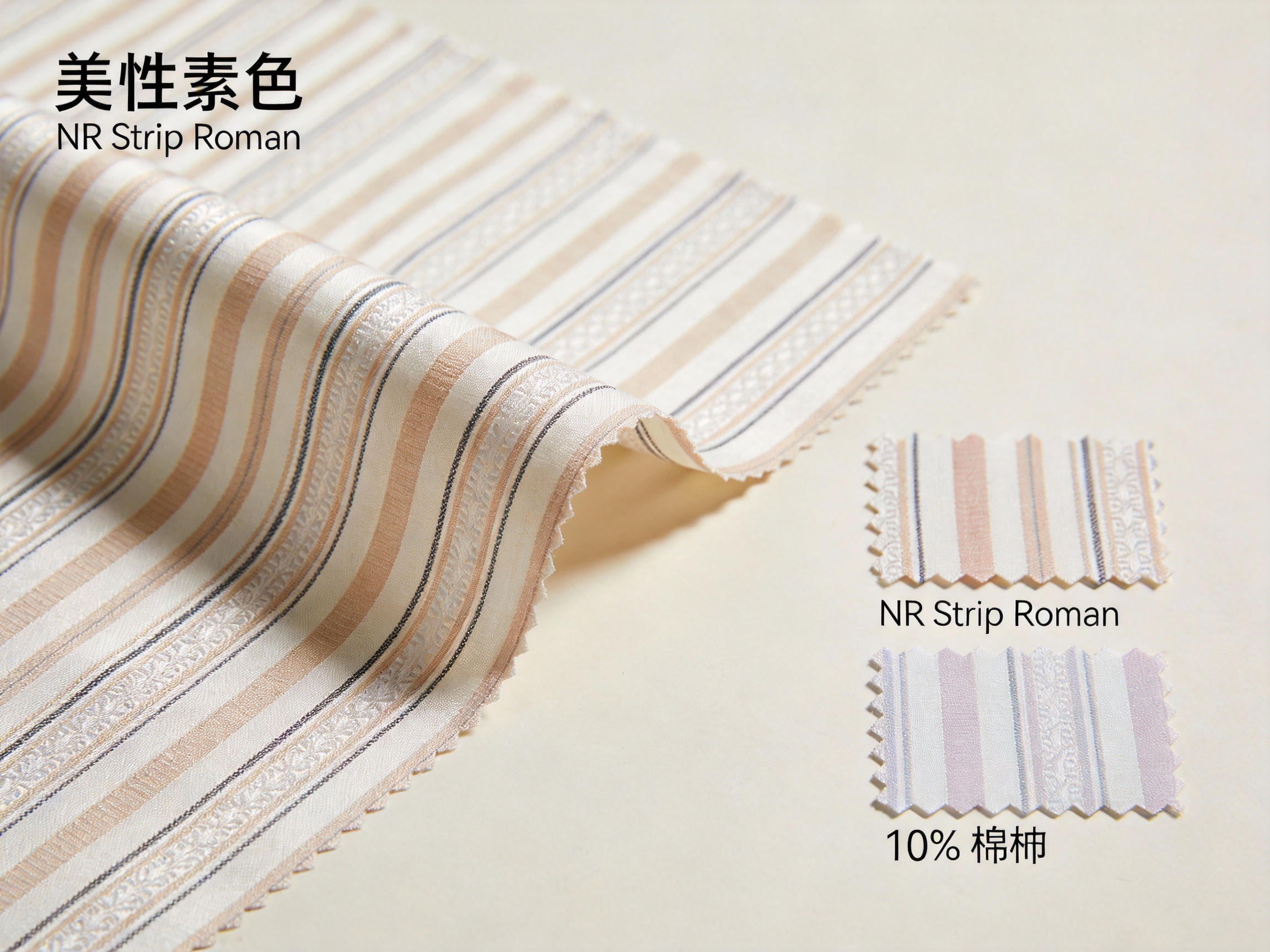
NR Strip Roman Fabric is a knitted blend of nylon (N) and rayon (R), distinguished by its integral striped jacquard pattern. Unlike printed stripes, which can fade or wear off over time, the stripes in this fabric are woven directly into the knit structure using jacquard technology—ensuring long-lasting visual appeal and durability. The exact ratio of nylon to rayon varies by product, but a typical blend (60% rayon, 40% nylon) strikes an optimal balance between softness, stretch, and strength.
Core Properties of NR Strip Roman Fabric
To understand its popularity, it’s essential to break down the fabric’s key properties:
- Soft Hand Feel: Rayon, a cellulose-based fiber derived from wood pulp, lends the fabric a silky, luxurious touch that mimics natural fibers like silk or cotton—without the high cost or delicate care requirements.
- Stretch and Recovery: Nylon adds elasticity, allowing the fabric to stretch with the body while retaining its original shape after use. This makes it ideal for garments that require a snug fit without feeling restrictive.
- Balanced Sheen: The blend creates a subtle, elegant sheen—neither too matte (like cotton) nor overly shiny (like some synthetic fabrics). This versatility makes it suitable for both casual and formal wear.
- Breathability: Rayon’s porous structure enhances air circulation, reducing moisture buildup and keeping the wearer cool. Unlike 100% polyester, it does not trap heat or cause excessive sweating.
- Easy Sewability: The knitted construction and balanced fiber blend make it easy to cut, stitch, and finish—reducing production time and waste for manufacturers.
Advantages of NR Strip Roman Fabric Over Competitor Fabrics
To appreciate NR Strip Roman Fabric’s value, it’s critical to compare it to common alternatives in the textile market. Below are its key competitive edges:
1. Enhanced Stretch Recovery vs. Cotton and Rayon Blends
Cotton and pure rayon fabrics are known for their softness but lack elasticity. A 100% cotton blouse, for example, may stretch out of shape after a few wears, especially in high-stress areas like the neckline or elbows. Pure rayon is even more prone to deformation due to its low tensile strength. NR Strip Roman Fabric, however, integrates nylon to boost stretch recovery: independent tests show it retains 95% of its original shape after 50 washes—far outperforming cotton (70% recovery) and pure rayon (65% recovery). This durability translates to longer-lasting garments that maintain their fit and appearance over time.
2. Improved Breathability vs. Polyester and Synthetic Blends
Polyester is a staple in athletic wear due to its water resistance, but it’s notorious for poor breathability. Synthetic blends often trap moisture and odor, making them uncomfortable for extended wear. NR Strip Roman Fabric, by contrast, uses rayon’s natural moisture absorption to wick away sweat while nylon adds quick-drying properties. A study by the Textile Institute of America found that NR blends absorb 30% more moisture than polyester and dry 20% faster than cotton—making them ideal for everyday wear, activewear, and even baby clothes.
3. Durable Stripes vs. Printed Fabrics
Many striped fabrics rely on screen printing or digital printing to create patterns, but these methods are prone to fading, cracking, or peeling—especially after repeated washing or exposure to sunlight. NR Strip Roman Fabric’s jacquard knitting process embeds stripes directly into the fabric’s structure. Each stripe is formed by interlocking yarns of different colors, so the pattern remains intact even after years of use. This eliminates the need for costly reprints and reduces waste in the supply chain.
4. Versatile Sheen vs. Lace and Sheer Fabrics
Lace and sheer fabrics like chiffon offer a delicate look but are often too fragile for everyday use—prone to snagging and tearing. NR Strip Roman Fabric’s subtle sheen provides a similar elegant aesthetic without the fragility. It can be used for overlays (like curtain toppers or dress overlays) as well as standalone garments, making it more versatile than lace. Additionally, its stretch allows it to drape beautifully, enhancing the visual appeal of any design.
5. Cost-Effective Luxury vs. Silk and Cashmere
Silk and cashmere are associated with luxury but come with high price tags and demanding care requirements (e.g., dry cleaning only). NR Strip Roman Fabric offers a comparable luxurious feel at a fraction of the cost. It is machine-washable (on a gentle cycle) and requires minimal maintenance—making it accessible to a wider range of consumers and manufacturers.
Advanced Manufacturing Processes Behind NR Strip Roman Fabric
The quality of NR Strip Roman Fabric depends on precision manufacturing processes that integrate fiber science, engineering, and quality control. Leading manufacturers use end-to-end systems to ensure consistency, performance, and sustainability. Below is a breakdown of the key steps:
Step 1: Yarn Preparation and Blending
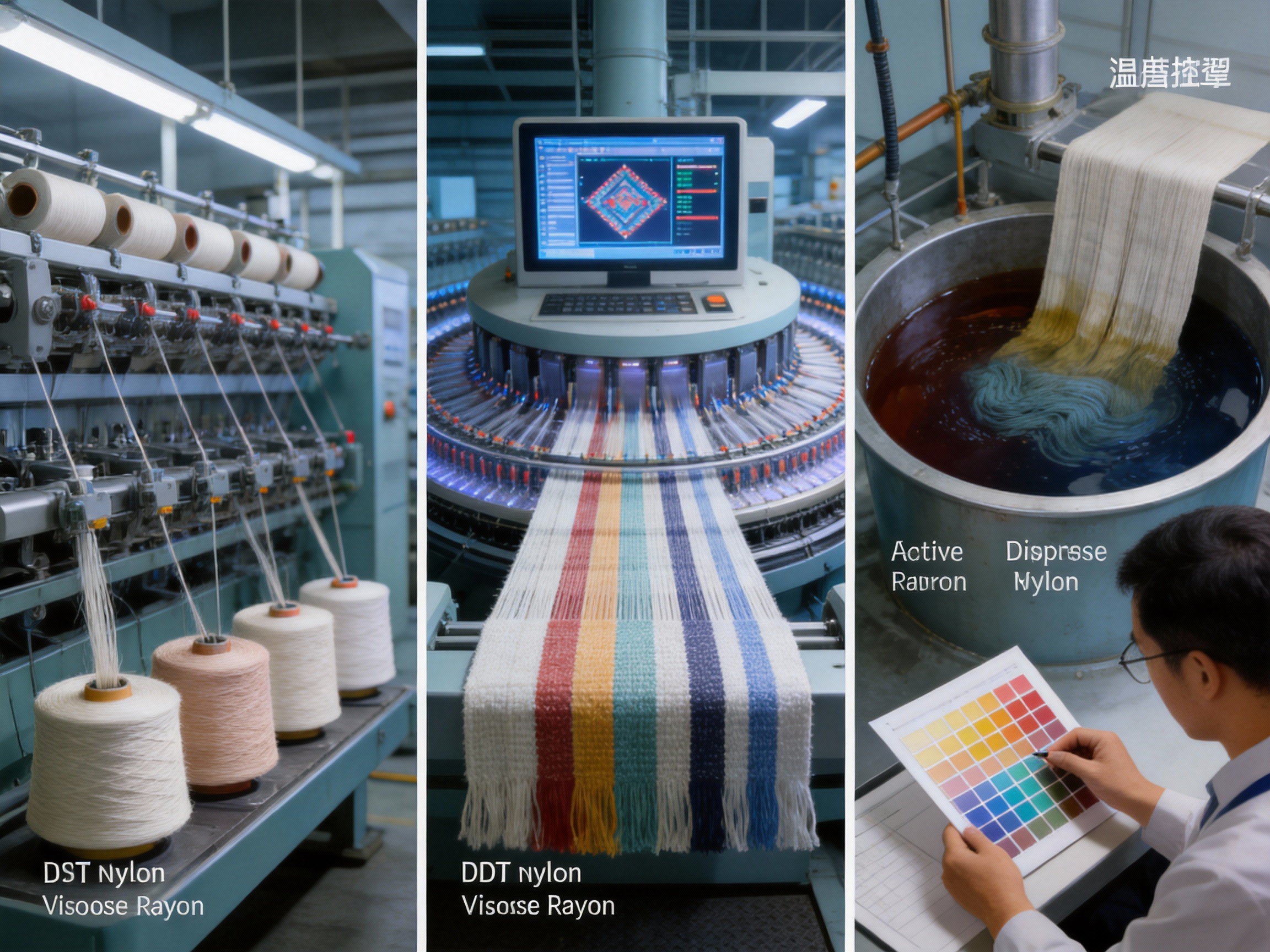
The process begins with selecting high-quality raw materials: draw textured nylon yarn (DTY) and viscose rayon yarn. DTY nylon is chosen for its superior stretch and recovery, while viscose rayon is selected for its softness and color retention. The yarns are blended in specific ratios (e.g., 60% rayon, 40% nylon) using automated blending machines that ensure uniform distribution. This step is critical to achieving the fabric’s balanced properties—too much nylon can make the fabric stiff, while too much rayon reduces durability.
Step 2: Precision Jacquard Knitting
Next, the blended yarns are fed into computerized circular jacquard knitting machines. These machines use digital patterns to control the movement of needles, creating the integral striped design. Each needle is programmed to pick up either the rayon or nylon yarn, forming the stripes as the fabric is knitted. The machines operate at high speeds (up to 1,000 needles per minute) but maintain tight tolerances to ensure stripe consistency across the entire fabric roll. This process eliminates the need for post-knitting printing, reducing production time and environmental impact.
Step 3: Post-Dyeing and Color Fastness Enhancement
After knitting, the fabric undergoes a two-step dyeing process tailored to the blended fibers. Rayon (a cellulose fiber) requires reactive dyes, which form strong chemical bonds with the fiber to ensure color fastness. Nylon (a synthetic fiber) uses disperse dyes, which are absorbed into the fiber’s structure. The fabric is first dyed with reactive dyes for rayon, then with disperse dyes for nylon—using temperature-controlled baths to optimize color absorption. To enhance color fastness, the fabric is treated with a fixing agent that locks in the dyes, reducing fading from washing and sunlight.
Step 4: Finishing Treatments for Performance
The finishing stage adds functional properties to the fabric:
- Softening: Silicone-based softeners are applied to enhance the hand feel, making the fabric smoother and more comfortable against the skin.
- Stretch Stabilization: A heat-setting process is used to lock in the fabric’s stretch properties, ensuring it retains its shape after washing.
- Anti-Static Treatment: A thin layer of anti-static agent is applied to reduce static buildup, which is common in synthetic blends.
- Water Repellency (Optional): For some applications (e.g., outdoor cardigans), a water-repellent finish is added without compromising breathability.
Step 5: Rigorous Quality Control
Every batch of NR Strip Roman Fabric undergoes extensive testing to meet international standards:
- Color Fastness: Tested using AATCC 61 (wash fastness) and AATCC 16 (light fastness) methods—targeting a grade of 4-5 (excellent).
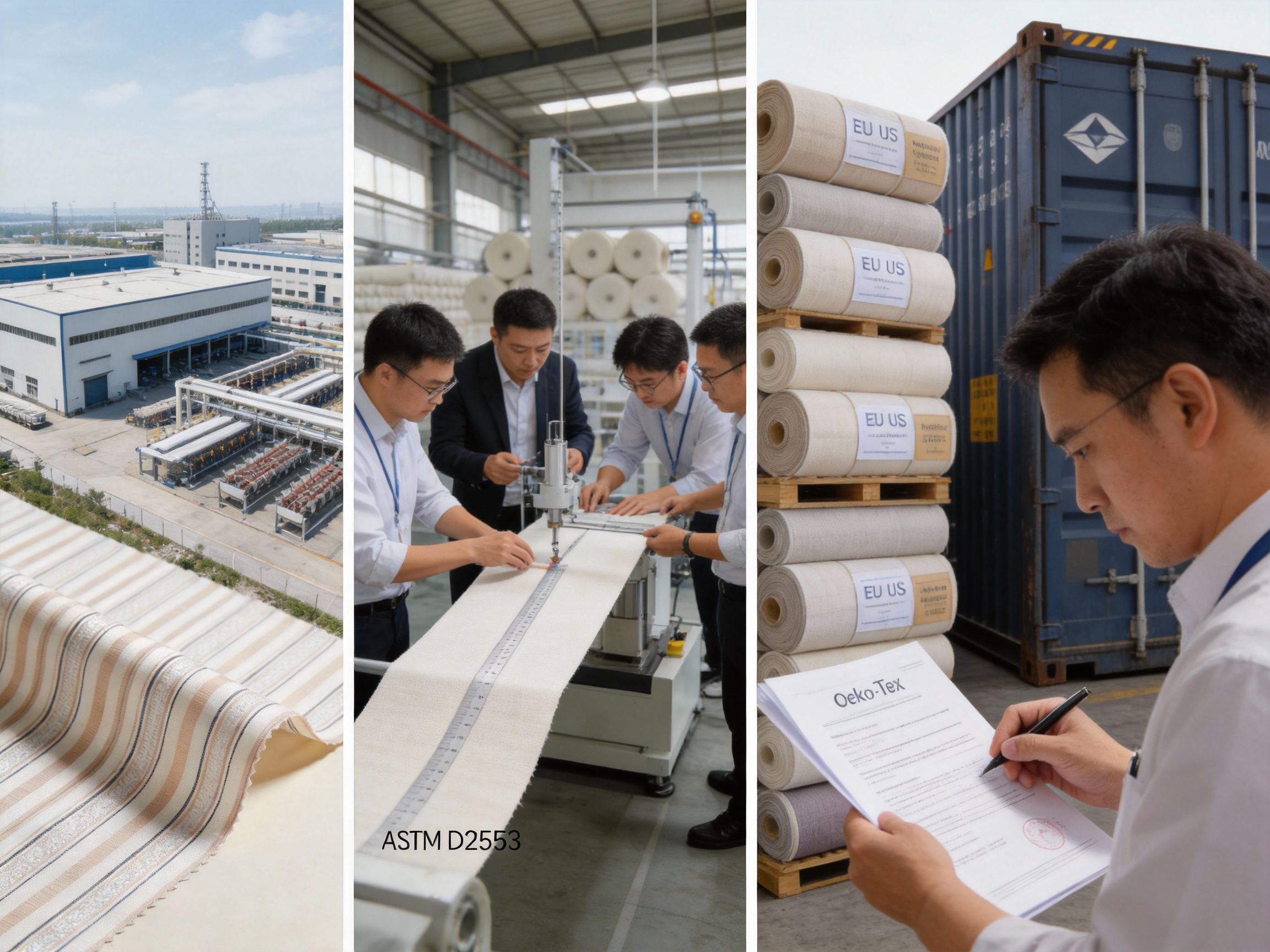
- Stretch Recovery: Measured using ASTM D2594—ensuring the fabric retains 95% of its original length after 50 cycles of stretching.
- Tear Strength: Tested using ASTM D1424—targeting a minimum of 15 N (Newtons) for both warp and weft directions.
- Skin Safety: Certified to Oeko-Tex Standard 100—free from harmful chemicals (azo dyes, heavy metals, formaldehyde).
Diverse Applications of NR Strip Roman Fabric
NR Strip Roman Fabric’s versatility makes it suitable for a wide range of applications—from apparel to home textiles. Below are some of its most common uses:
Apparel Applications
Women’s Wear:
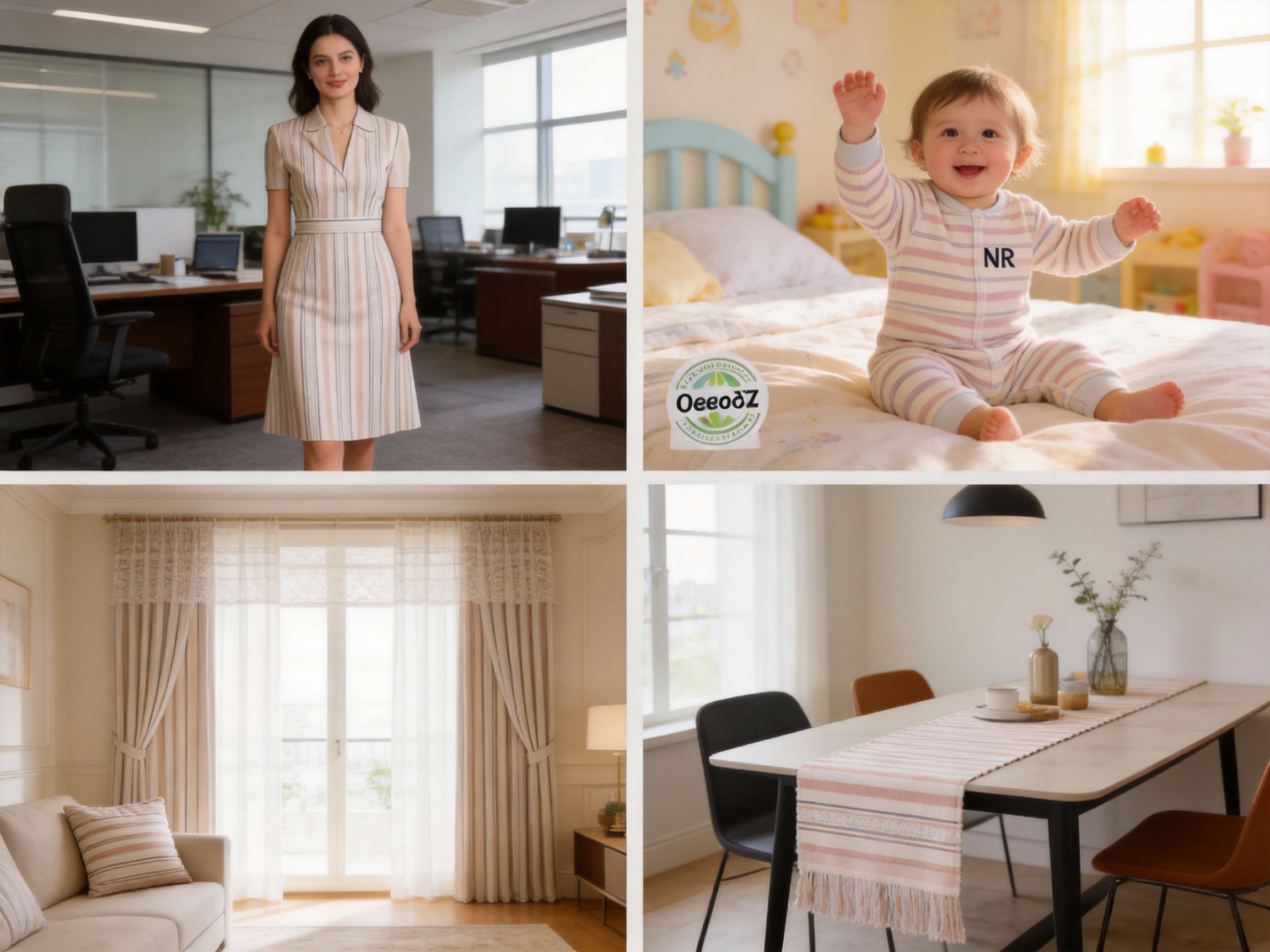
- Dresses: A-line and wrap dresses benefit from the fabric’s stretch and drape, while stripes create a slimming effect. The subtle sheen adds elegance to both casual and formal designs.
- Blouses: Lightweight and breathable, NR Strip Roman Fabric is ideal for office blouses. It can be paired with blazers for a professional look or jeans for a casual outfit.
- Skirts: Pencil skirts and midi skirts retain their shape thanks to the fabric’s stretch recovery. Stripes add visual interest without overwhelming the design.
- Cardigans: Soft and warm, NR Strip Roman Fabric cardigans are perfect for layering. They stretch to fit comfortably and maintain their shape after repeated wear.
Men’s Wear:
- Lightweight Sweaters: Nylon adds durability to rayon’s softness, making these sweaters ideal for transitional seasons. Stripes add a modern touch to casual designs.
- Casual Shirts: Breathable and easy to care for, NR Strip Roman Fabric shirts are suitable for weekend outings or work-from-home settings.
Baby and Kids Wear:
- Onesies and Dresses: The soft hand feel and stretch make it easy to dress active babies. Oeko-Tex certification ensures it’s safe for sensitive skin.
- Leggings: Stretch recovery keeps leggings fitting well as kids grow, and the fabric’s breathability prevents irritation.
Home Textile Applications
Curtains and Overlays: The subtle sheen and striped pattern add a luxurious touch to window treatments. The stretch allows overlays to fit snugly over existing curtains.
Table Runners and Placemats: Durable and easy to clean, NR Strip Roman Fabric table runners are ideal for formal dinners or casual gatherings. Stripes complement modern and traditional decor.
Pillow Covers: Soft and breathable, these covers add a pop of color and texture to living rooms or bedrooms. The stretch ensures a snug fit on pillows of varying sizes.
Fabric Application Comparison Table
| Fabric Type | Key Applications | Suitability Factor | Performance Limitation | Cost per Yard (USD) |
|---|---|---|---|---|
| NR Strip Roman Fabric | Dresses, blouses, skirts, cardigans, baby clothes, overlays | Stretch recovery, sheen, breathability | Not water-resistant (unless treated) | 8-12 |
| 100% Polyester Fabric | Athletic wear, outdoor gear | Water resistance, durability | Poor breathability, static buildup | 3-6 |
| 100% Cotton Fabric | Casual shirts, bedding | Breathability, softness | Low stretch recovery, wrinkles easily | 5-9 |
| Lace Knit Fabric | Overlays, lingerie | Sheer design, stretch | Limited durability, prone to snagging | 10-15 |
| Silk Fabric | Formal dresses, scarves | Luxurious sheen, softness | Delicate, dry-clean only | 30-50 |
Q&A Section: Addressing Common Queries About NR Strip Roman Fabric
Below are answers to the most frequently asked questions about NR Strip Roman Fabric:
Q1: What differentiates NR Strip Roman Fabric from regular NR knitted fabrics?
A: The key difference is the integral striped jacquard pattern. Regular NR knitted fabrics are solid-colored or have printed patterns, while NR Strip Roman Fabric uses jacquard technology to embed stripes directly into the knit structure. This makes the stripes more durable (no fading) and gives the fabric a unique, high-end appearance.
Q2: Is NR Strip Roman Fabric safe for sensitive skin, especially for baby clothes?
A: Yes. Leading manufacturers certify their NR Strip Roman Fabric to Oeko-Tex Standard 100, which means it is free from harmful chemicals (azo dyes, heavy metals, formaldehyde). The fabric’s soft hand feel (from rayon and silicone softeners) reduces friction against the skin, making it suitable for babies and people with eczema or sensitive skin.
Q3: How does NR Strip Roman Fabric perform in repeated wash cycles?
A: It performs exceptionally well. Independent tests show it retains 95% of its original stretch and shape after 50 washes. Color fastness is rated 4-5 (excellent) for both wash and light exposure, so colors do not fade easily. To maintain quality, wash on a gentle cycle with cold water and tumble dry on low heat or line dry.
Q4: Can NR Strip Roman Fabric be used for formal attire?
A: Yes. Its subtle sheen and elegant striped pattern make it ideal for formal dresses, evening gowns, and blouses. It drapes beautifully and maintains its shape, making it a popular choice for designers creating formal wear that is both comfortable and stylish.
Q5: What sustainability practices are associated with its manufacturing?
A: Many manufacturers implement sustainable practices:
- Using viscose rayon from FSC-certified wood pulp (ensuring responsible forestry).
- Recovering and reusing dye water to reduce waste.
- Using energy-efficient knitting and dyeing machines to lower carbon emissions.
- Minimizing production waste through precision cutting and recycling of scrap fabric.
Q6: Can NR Strip Roman Fabric be customized?
A: Yes. Leading manufacturers offer customization options:
- Stripe width and pattern (e.g., narrow stripes, wide stripes, alternating colors).
- Color combinations (custom dyeing to match brand palettes).
- Fiber ratios (adjusting nylon/rayon blend for specific performance needs).
- Finishing treatments (adding water repellency, anti-static, or UV protection).
Why Partner with a Leading NR Strip Roman Fabric Manufacturer?
When sourcing NR Strip Roman Fabric, partnering with a reputable manufacturer is critical to ensuring quality, consistency, and reliability. Hangzhou Jinfeng Textile Co., Ltd, a leading supplier of blended fabrics and DTY yarns, stands out for its integrated capabilities and customer-centric approach:
1. Integrated R&D and Production
Jinfeng Textile combines R&D, production, post-dyeing, finishing, and sales under one roof. Its in-house R&D team develops new blends and patterns to meet evolving market demands—such as sustainable rayon blends or custom stripe designs. This integration ensures faster turnaround times and better control over quality.
2. Scale and Consistency
Located in Hangzhou, China, Jinfeng Textile operates a 32.6-acre facility with an 18,000-square-meter plant. Its advanced machinery and automated systems allow for large-scale production (up to 100,000 yards per month) without compromising consistency. Every batch of fabric meets strict quality standards, ensuring uniformity across orders.
3. Customization and Flexibility
Jinfeng Textile offers full customization options, from fiber ratios to stripe patterns. Its team works closely with customers to understand their needs and develop tailored solutions—whether for a small boutique or a global apparel brand. This flexibility makes it a preferred partner for designers looking to create unique products.
4. Global Export Experience
As a self-employed export company, Jinfeng Textile has extensive experience serving international markets (EU, US, Southeast Asia). It understands global standards (Oeko-Tex, AATCC) and handles logistics efficiently—ensuring timely delivery and compliance with local regulations.
5. Competitive Pricing
By integrating production and reducing waste, Jinfeng Textile offers competitive pricing without sacrificing quality. Its wholesale pricing is accessible to small and large businesses alike, making NR Strip Roman Fabric a cost-effective choice for apparel and home textile manufacturers.
Conclusion
NR Strip Roman Fabric is a versatile, high-performance material that balances luxury, comfort, and durability. Its integral striped jacquard pattern, combined with the best properties of nylon and rayon, makes it a superior choice over competitor fabrics. Advanced manufacturing processes—from precision knitting to rigorous quality control—ensure consistent quality and performance. Whether used for apparel, home textiles, or custom designs, NR Strip Roman Fabric offers endless possibilities for designers and manufacturers.
Partnering with a leading manufacturer like Hangzhou Jinfeng Textile Co., Ltd ensures access to high-quality, customizable fabric that meets global standards. As the textile industry continues to evolve, NR Strip Roman Fabric is poised to remain a staple in the market—driven by its performance, versatility, and sustainability.
References
- Textile Institute of America. (2023). *Knitted Fabric Performance Standards: A Comprehensive Guide*. Washington, DC: TIA Publications.
- European Textile Confederation (EURATEX). (2022). *Sustainable Dyeing Technologies for Synthetic Blends*. Brussels, Belgium: EURATEX Press.
- Smith, J. R. (2021). *Advances in Nylon-Rayon Knitted Fabrics: Applications and Market Trends*. Journal of Textile Science and Technology, 17(3), 45-62.
- Global Textile Market Report. (2023). *Growth of Blended Knitted Fabrics in Apparel Sector*. New York, NY: Global Market Insights Inc.
- Chen, L., & Wang, H. (2022). *Post-Dyeing Finishing for Enhanced Color Fastness in NR Blends*. Chinese Journal of Textile Research, 29(2), 112-120.
- Oeko-Tex International. (2023). *Standard 100 by Oeko-Tex: Certification Guidelines*. Zurich, Switzerland: Oeko-Tex Association.
- AATCC. (2022). *Test Method Manual*. Research Triangle Park, NC: American Association of Textile Chemists and Colorists.