NR Roman Fabric Cotton Viscose for Comfortable, Stable, and Versatile Knitwear
NR Roman fabric made with cotton and viscose is a practical, comfortable, and commercially valuable knitted fabric designed for apparel producers that need softness, dimensional stability, attractive surface texture, and reliable sewing performance. As a member of the NR knitted fabric category, it combines the breathable familiarity of cotton with the smooth drape and refined hand feel of viscose, making it suitable for dresses, blouses, skirts, cardigans, casual tops, baby garments, and many layered fashion applications.
This fabric is especially relevant for buyers who need a knit that feels softer and more structured than basic single jersey, offers better garment shape retention than many lightweight stretch fabrics, and provides a more polished appearance than ordinary casual knits. Roman fabric is widely appreciated because it can deliver comfort without looking too informal. It supports both relaxed daily wear and more elevated fashion styling, which makes it a dependable choice for apparel brands serving varied market levels.
In a competitive textile market, fabric selection is not only about fiber composition. Buyers evaluate yarn quality, knitting precision, dyeing consistency, finishing stability, color performance, bulk production reliability, and supplier service. A well-made NR Roman fabric stands out because it is engineered through controlled yarn preparation, stable knitting, precise dyeing, and finishing processes that help the fabric maintain its surface quality, hand feel, width, and performance from sampling to mass production.
Hangzhou Jinfeng Textile Co., Ltd. manufactures and supplies blended fabrics and DTY polyester yarn with integrated capabilities covering production, processing, post-dyeing, finishing, and sales. With a manufacturing base in Xiaoshan District, Hangzhou, the company benefits from a textile production environment, industrial experience, and an export-oriented operating model. Its strength lies in combining fabric development, production management, and customer service, allowing buyers to source fabric with greater confidence and better communication efficiency.
NR Roman Fabric(Cotton + Viscose)
Understanding NR Roman Fabric Cotton Viscose
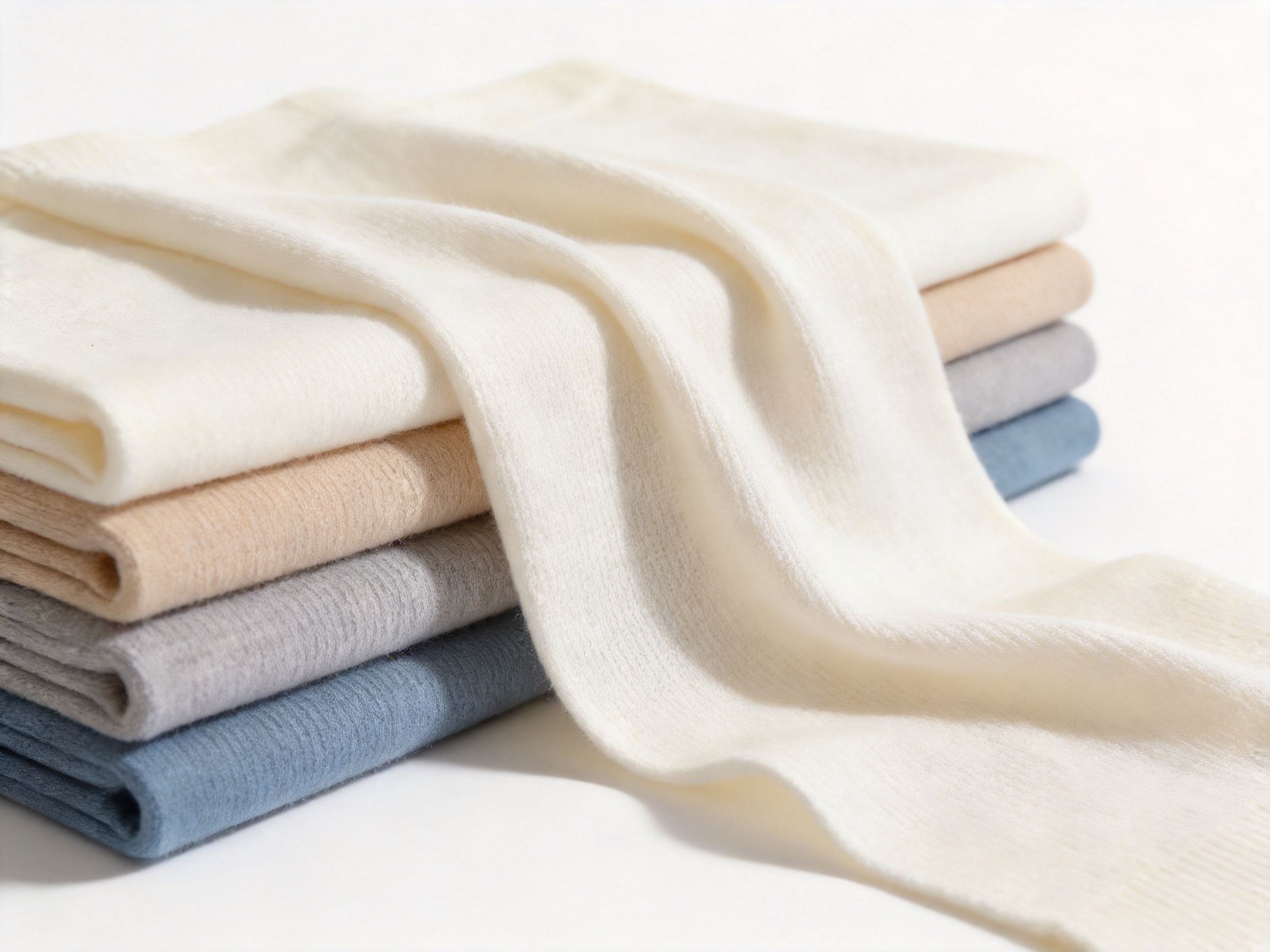
NR Roman fabric is a knitted fabric known for its relatively firm structure, smooth surface, and comfortable elasticity. Compared with very light jersey fabrics, Roman knit usually has more body and better stability. Compared with heavy compact knits, it remains comfortable and wearable for daily apparel. When made with cotton and viscose, the fabric gains a balanced character: cotton contributes breathable comfort, natural touch, and skin friendliness, while viscose contributes smoothness, drape, soft luster, and fluid movement.
The term “Roman fabric” is often associated with a double-knit or structured knit effect that provides a clean surface and good garment silhouette. It can be used for apparel that needs to hang well while still offering knit comfort. This balance is particularly important in women’s fashion, office-casual garments, children’s clothing, and transitional seasonal pieces. The fabric can be cut and sewn into garments that look neat but do not feel stiff.
The cotton-viscose combination helps reduce some of the limitations found in single-fiber fabrics. Pure cotton knits may feel comfortable but can sometimes wrinkle easily, shrink more noticeably if not properly processed, or lack elegant drape. Pure viscose knits may feel very soft and fluid but can be more sensitive to wet processing, stretching, or dimensional changes if production control is weak. By blending cotton and viscose in a carefully managed knitted construction, the final fabric can achieve a more balanced result.
NR Roman fabric can be produced in a range of colors and patterns depending on buyer requirements. It may be developed for solid dyeing, subtle texture, jacquard effects, or fashion color programs. Its structure can support many garment styles, from everyday tops and cardigans to skirts and dresses requiring more surface stability. This is one reason it remains attractive to manufacturers that need both versatility and reliability.
Why Cotton and Viscose Work Well Together
Cotton is one of the most widely used natural fibers in apparel because it is breathable, absorbent, soft, and familiar to consumers. It performs well in garments worn close to the skin and is often associated with comfort and everyday use. However, cotton alone may not always provide the smooth drape or refined surface that fashion buyers want, especially for garments intended to look more elegant.
Viscose, also known as rayon in many markets, is a regenerated cellulose fiber valued for softness, moisture absorption, and graceful drape. It can give fabric a smoother hand feel and a more flowing appearance. In cotton-viscose Roman fabric, viscose helps improve the touch and visual softness of the material while cotton keeps the fabric approachable, breathable, and comfortable.
The blended composition is particularly useful for garments where the consumer expects comfort but also wants a more polished look. For example, a cardigan made from cotton-viscose Roman fabric may feel soft enough for daily wear while maintaining a cleaner shape than a very loose jersey. A skirt can have comfortable stretch but avoid looking flimsy. A blouse can have a smoother fall and better body than a plain cotton knit.
The advantage of this blend also appears during garment manufacturing. Fabrics with good knitting stability and balanced fiber behavior are often easier to spread, cut, sew, and finish. When produced under controlled conditions, cotton-viscose Roman fabric can reduce common production problems such as excessive curling, uneven shrinkage, unstable width, inconsistent hand feel, and poor seam appearance.
Main Advantages Over Competing Fabrics
NR Roman fabric made with cotton and viscose competes with many common knitted fabrics, including single jersey, interlock, rib knit, ponte knit, ITY knit, lace knit, and polyester-spandex blends. Each fabric has its own strengths, but Roman fabric occupies an important middle position because it combines softness, structure, versatility, and sewing convenience.
Compared with basic single jersey, NR Roman fabric generally offers better body and more stable garment shape. Single jersey is light and comfortable, but it may curl at the edges and can sometimes appear too casual for structured garments. Roman knit is usually easier to manage during cutting and sewing, and it creates a cleaner finished look. This gives garment factories more control and helps brands deliver apparel with improved perceived quality.
Compared with heavier ponte or compact knits, cotton-viscose Roman fabric can feel lighter, softer, and more breathable. Ponte fabrics are valued for structure, but they may be too heavy for certain seasons or markets. Roman fabric can provide enough stability for dresses and skirts without creating an overly thick or rigid garment. This makes it suitable for trans-seasonal collections and multi-season product lines.
Compared with synthetic-heavy stretch knits, the cotton-viscose blend can offer better moisture comfort and a more natural touch. Polyester and spandex fabrics often perform well in durability and recovery, but some consumers prefer the breathable, cellulose-based feel of cotton and viscose. For brands focused on comfort, skin-friendly touch, and daily wearability, this blend provides a strong selling point.
Compared with lace knit, NR Roman fabric is more practical for main garment panels. Lace knit can be decorative, sheer, and attractive for overlays, but it may require lining or careful garment engineering. Roman fabric can be used as the primary fabric in many clothing items, while still allowing decorative combinations with lace, mesh, jacquard, or printed panels.
Compared with ITY knit, which is popular for dresses, blouses, skirts, cardigans, and baby clothing because of stretch and drape, cotton-viscose Roman fabric offers a more cellulose-rich touch and often a more stable hand. ITY is usually associated with synthetic stretch yarns and a slippery smoothness. Roman fabric provides a different aesthetic: soft, balanced, refined, but not overly slick. This makes it suitable for brands that want comfort with a natural or semi-natural feel.
Product Performance Overview
| Performance Aspect | NR Roman Fabric Cotton Viscose Benefit | Value for Apparel Producers |
|---|---|---|
| Hand Feel | Soft, smooth, comfortable, and suitable for skin-contact garments | Improves consumer satisfaction and perceived garment quality |
| Structure | More stable than many lightweight single knits | Supports cleaner cutting, sewing, and garment shaping |
| Drape | Viscose contributes fluid movement and graceful appearance | Useful for dresses, skirts, blouses, and cardigans |
| Breathability | Cotton and viscose both support moisture comfort | Suitable for daily wear and multi-season apparel |
| Versatility | Can be applied to casual, office-casual, baby, and fashion garments | Helps buyers develop broad product lines from one fabric base |
| Sewing Performance | Stable knit construction can reduce curling and handling problems | Improves factory efficiency and finished garment consistency |
| Color Potential | Compatible with diverse dyeing and finishing directions | Supports seasonal color cards and customized programs |
Applications in Apparel Design
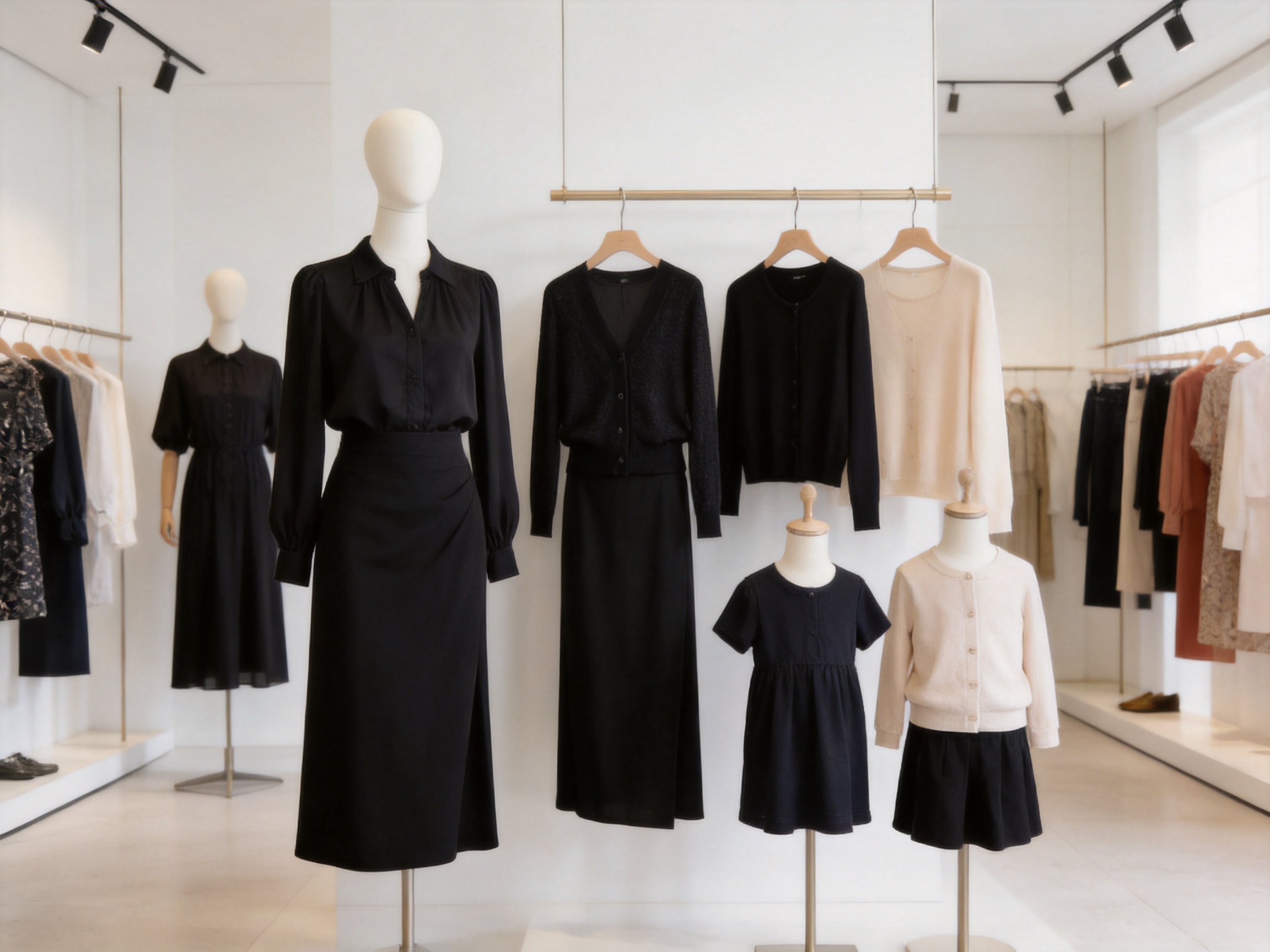
NR Roman fabric is highly adaptable. Designers can use it in garments that need comfort, softness, and moderate structure. It is suitable for dresses because it offers a clean surface and enough body to support a flattering silhouette. It can be used for straight dresses, casual office dresses, wrap-style garments, and simple A-line designs. The cotton-viscose blend gives these dresses a pleasant hand feel while preventing the garment from looking too thin.
For blouses and tops, the fabric provides a smoother and more refined alternative to ordinary T-shirt jersey. It can support minimalist cuts, soft collars, decorative seams, sleeve details, and relaxed shapes. Because the fabric can be made in various colors, it works well for both basic collections and fashion capsules. Its touch makes it suitable for garments worn close to the body.
Skirts made from NR Roman fabric benefit from the fabric’s balance of drape and structure. A fabric that is too light may cling or lose shape, while a fabric that is too heavy may feel uncomfortable. Roman knit provides a middle ground. It can be used for pencil skirts, relaxed knit skirts, flared styles, and casual fashion pieces. With proper finishing, the fabric can help garments maintain their shape during wear.
Cardigans are another important application. Cotton-viscose Roman fabric can create cardigans that are soft, breathable, and easy to wear. It provides enough body for front opening designs, patch pockets, cuffs, and hems, while remaining comfortable for layering. This is particularly valuable for spring, autumn, and indoor winter wear.
Baby and children’s garments can also benefit from the fabric when suitable specifications and testing standards are selected. Softness, breathability, and sewing stability are important for children’s clothing. The smooth hand feel and comfortable cellulose fiber blend can help create garments that feel gentle while remaining practical for production.
Importance of Yarn Quality
The final quality of Roman fabric begins with yarn. Yarn evenness, strength, twist, hairiness, fiber blending quality, and tension control all influence the fabric surface, hand feel, dyeing performance, and garment stability. A fabric may have an excellent design, but if the yarn is inconsistent, the knitted surface may show streaks, uneven loops, weak points, or dyeing defects.
Hangzhou Jinfeng Textile Co., Ltd. has experience in DTY polyester yarn production, processing, and sales as well as blended fabric manufacturing. This background in yarn processing helps the company understand the relationship between yarn behavior and fabric performance. Even when producing cotton-viscose blends rather than purely synthetic fabrics, knowledge of yarn preparation, tension, intermingling, and texturing contributes to better process control.
For knitted fabric, yarn feed consistency is essential. Roman fabric requires loop formation that remains stable across the fabric width and length. If yarn tension is uneven, the fabric may have irregular density or width variation. If yarn quality is unstable, dyeing may reveal defects that were not obvious in greige fabric. Advanced production management pays attention to these details before they become costly problems.
A strong textile supplier does not treat yarn, knitting, dyeing, and finishing as separate unrelated steps. Instead, it manages them as one connected quality system. This integrated thinking is one of the major advantages for buyers. It reduces the risk of repeated corrections, delayed delivery, and inconsistent bulk fabric results.
Advanced Knitting Process and Fabric Formation
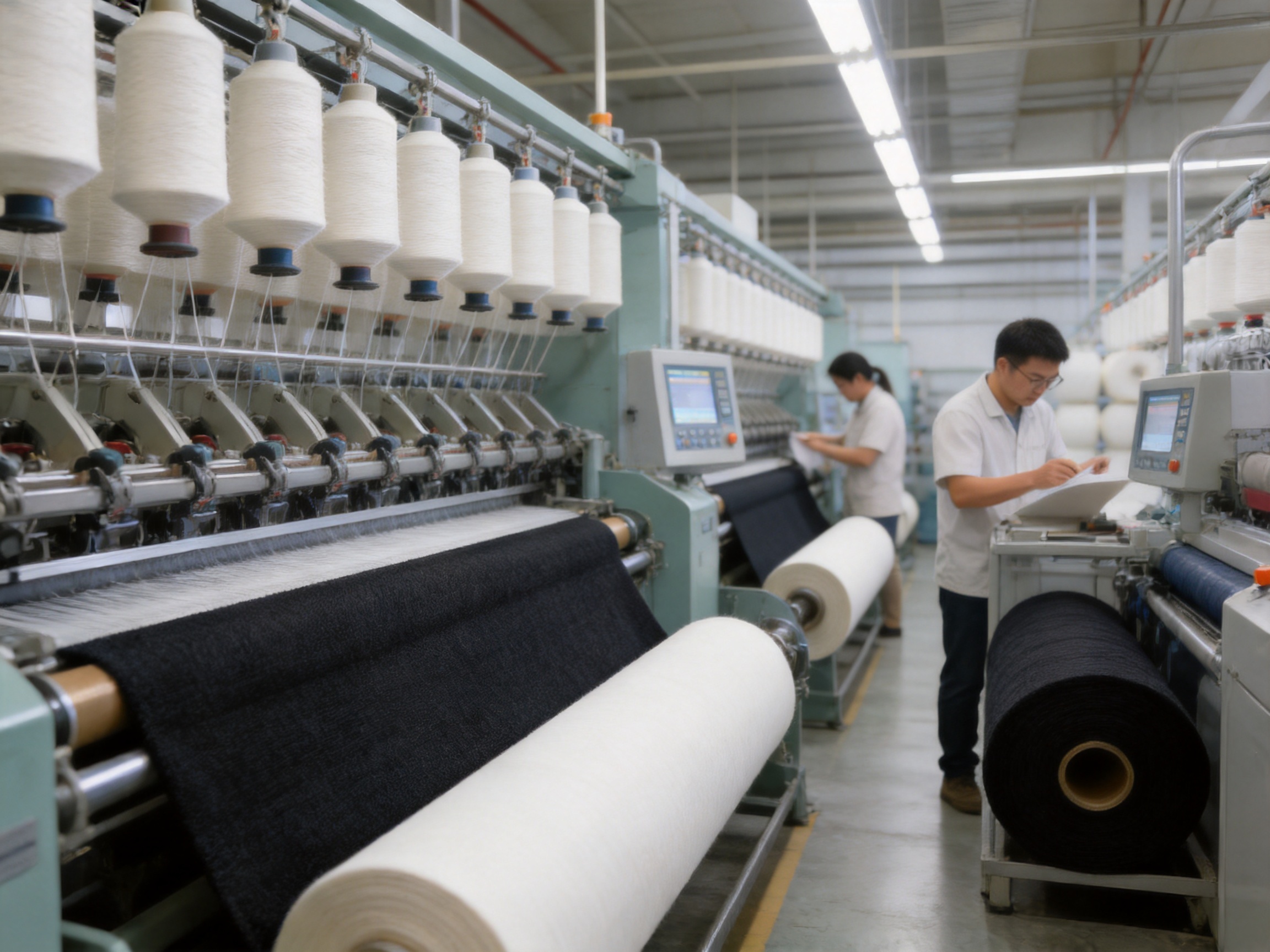
Roman fabric requires careful knitting setup. Machine gauge, yarn count, loop length, feeding tension, take-down tension, and knitting speed all affect the fabric’s final character. A fabric designed for structured dresses may need a different weight and compactness from one intended for soft cardigans or children’s tops. The ability to adjust these technical factors is essential for creating fabric that matches buyer requirements.
During knitting, fabric technicians must monitor loop clarity, surface evenness, width, weight, and defects such as needle lines, holes, oil stains, dropped stitches, and barré. A controlled knitting environment helps reduce quality variation. Experienced production teams understand that small adjustments in machine settings can make a major difference in the finished textile.
For NR Roman fabric, the desired result is a stable yet comfortable knitted structure. It should not feel board-like, but it should also not be loose and unstable. Achieving this balance requires technical skill and experience. The manufacturer must understand how cotton and viscose yarns behave during knitting and subsequent wet processing.
Knitting quality also affects downstream efficiency. Fabric that is knitted evenly is easier to dye uniformly, finish consistently, inspect accurately, cut efficiently, and sew neatly. A supplier with strong knitting process control can help apparel factories reduce waste and maintain consistent garment sizing.
Dyeing and Color Consistency
Color is one of the most visible quality factors in apparel. Even if a fabric feels excellent, poor shade consistency can create major problems in garment production. Cotton-viscose Roman fabric requires dyeing expertise because both fibers are cellulose-based but may respond differently depending on dye selection, pretreatment, processing conditions, and finishing chemicals.
Advanced dyeing management includes pretreatment, dye recipe control, pH control, temperature management, liquor ratio control, washing, soaping, and shade matching. For commercial orders, lab dips, sample yardage, and bulk production must be aligned. Buyers need confidence that the approved shade can be reproduced within acceptable tolerance.
Hangzhou Jinfeng Textile Co., Ltd. is involved in post-dyeing and finishing of blended fabrics. This is an important strength because finishing determines not only appearance but also hand feel, shrinkage, width, surface smoothness, and garment performance. A company that understands both fabric construction and dye-finishing behavior can offer more reliable development support.
Color programs may include basic neutrals, seasonal fashion shades, deep colors, soft pastels, and customized buyer palettes. For cotton-viscose Roman fabric, color clarity and uniformity can enhance the fabric’s premium appearance. Proper dyeing also helps reduce problems such as shade bands, patchiness, color migration, and poor fastness.
Finishing for Hand Feel, Stability, and Usability
Finishing is where knitted fabric becomes commercially ready for garment production. The finishing process may include washing, softening, drying, width setting, compacting, surface treatment, inspection, and packing. Each step influences final hand feel, shrinkage, width, weight, and appearance.
For cotton-viscose Roman fabric, dimensional stability is especially important. Apparel producers need fabric that behaves predictably during cutting, sewing, pressing, and consumer washing. Finishing processes such as controlled drying and compacting can help reduce residual shrinkage and improve fabric stability. While final performance depends on buyer specifications and test standards, proper finishing is essential for reducing production risk.
Hand feel is another finishing priority. Cotton-viscose fabric should feel soft and comfortable, but excessive softener may affect sewing, color fastness, or fabric recovery. A skilled finishing team balances softness with performance. The goal is not simply to make fabric feel good at first touch, but to produce a stable textile suitable for repeated handling and garment wear.
Finishing also affects the surface appearance. A smooth, clean surface helps garments look more valuable. Uneven drying, poor tension control, or excessive mechanical stress can distort the fabric. Controlled finishing helps preserve the Roman knit structure and achieve consistent fabric presentation.
Quality Control from Greige Fabric to Shipment
Quality control is central to competitive fabric supply. A professional manufacturer checks fabric at multiple stages rather than waiting until final inspection. Early detection prevents defects from spreading through the production chain. For NR Roman fabric, quality control may include yarn inspection, greige fabric inspection, dyeing process monitoring, shade evaluation, finishing checks, final fabric inspection, and packing verification.
Common inspection points include fabric weight, width, color shade, hand feel, surface defects, holes, stains, streaks, knitting lines, edge quality, shrinkage, spirality, color fastness, and roll-to-roll consistency. Buyers may also request testing according to specific market requirements, garment uses, or customer standards. When fabric is intended for baby or children’s clothing, additional safety and performance tests may be necessary.
Roll management is important. In garment factories, inconsistent rolls can cause cutting room confusion and shade variation in finished garments. Professional fabric suppliers separate lots carefully, label rolls clearly, and manage packing to protect fabric during storage and transportation.
A company with integrated production and finishing capabilities can respond more effectively when a quality issue appears. Instead of relying entirely on outside processors, it can analyze the problem across multiple stages and take corrective action. This is one of the practical advantages of working with a manufacturer that understands the complete textile process.
Manufacturing Strengths of the Supplier
Hangzhou Jinfeng Textile Co., Ltd. is located in Jingjiang Street Industrial Park, Xiaoshan District, Hangzhou City, Zhejiang Province. The company covers an area of 32.6 acres and has a plant area of about 18,000 square meters. Its activities include production and processing, post-dyeing, finishing and sales of blended fabrics such as polyester and spandex fabrics, as well as DTY polyester yarn production, processing, and sales.
This manufacturing foundation is meaningful for buyers because textile sourcing requires more than product catalog selection. Buyers need a supplier that can support development, production coordination, technical discussion, quality control, and shipment management. An export-oriented company integrating research and development, production, and sales can provide broader service than a simple trading operation.
The company’s business philosophy emphasizes cooperation and win-win relationships. In practical terms, this means working with customers to understand fabric application, adjust specifications, manage color development, and support commercial production. Fabric development often requires communication between designers, merchandisers, technicians, dyeing specialists, and production planners. A supplier with a cooperative approach can help make this process smoother.
Its experience in blended fabrics is particularly relevant to cotton-viscose Roman fabric. Blended textiles require careful handling because different fibers may behave differently during yarn preparation, knitting, dyeing, finishing, and garment care. A manufacturer experienced in blended materials can better anticipate challenges and provide suitable production solutions.
Research and Development Capability
R&D capability is a major competitive strength in modern textile manufacturing. Apparel brands constantly need new textures, weights, colors, and performance improvements. A fabric supplier must be able to adjust yarn combinations, knitting structures, finishing effects, and color programs to match market trends.
For NR Roman fabric, R&D may involve changing fabric weight for different seasons, improving softness, enhancing drape, adjusting width, developing color cards, creating jacquard or pattern variations, or optimizing shrinkage performance. These developments require technical knowledge and production trial capability. The ability to move from concept to sample and then to bulk production is essential.
Compared with suppliers that only offer standard fabrics, a manufacturer with R&D capability can create differentiated materials for apparel brands. This helps buyers avoid overly generic fabric choices and develop garments with stronger market identity. For example, a brand may request a softer cardigan fabric, a more compact skirt fabric, or a smoother blouse fabric. Technical adjustments can make these variations possible.
R&D also supports cost-performance optimization. Buyers may need a target hand feel and appearance at a specific price level. A knowledgeable manufacturer can recommend yarn selection, fabric weight, process adjustments, and finishing routes that balance quality and cost. This kind of support is valuable in competitive apparel sourcing.
Production Scale and Order Reliability
Production scale matters because fabric buyers often need repeatable quality across bulk orders. A plant area of about 18,000 square meters and an established manufacturing system allow better organization of production flow. Reliable capacity helps customers plan seasonal collections, replenishment orders, and long-term sourcing programs.
Order reliability depends on production planning, raw material coordination, machine scheduling, dyeing capacity, finishing control, inspection, and packing. Delays in one stage can affect the entire garment delivery schedule. A supplier with integrated operations can coordinate these steps more efficiently and communicate more clearly with customers.
For export customers, timely response and documentation are also important. Fabric sourcing often involves sample confirmation, lab dip approval, purchase orders, production tracking, inspection reports, packing details, and shipment coordination. A company experienced in self-operated export business is better positioned to support international customers.
Reliable production does not mean ignoring customization. On the contrary, strong production management makes customization more feasible. When a manufacturer understands its processes deeply, it can adjust specifications while still controlling quality and delivery. This is important for buyers that need unique fabric programs but cannot accept unstable production results.
Comfort and Consumer Appeal
The final consumer judges fabric by how it feels, looks, wears, and washes. Cotton-viscose NR Roman fabric has strong consumer appeal because it offers a comfortable touch and a polished knit appearance. Many consumers want garments that feel soft like casualwear but look presentable enough for work, social activities, or travel. This fabric fits that lifestyle demand.
Comfort comes from several factors: fiber softness, moisture absorption, breathability, stretch, fabric weight, and surface smoothness. Cotton and viscose both support a pleasant skin-contact experience. The Roman knit structure can add body without sacrificing wearability. This combination makes the fabric suitable for garments that consumers reach for repeatedly.
The fabric also supports modern wardrobe trends. Many consumers prefer versatile clothing that can be styled in multiple ways. A cotton-viscose Roman cardigan can be worn over a dress, blouse, or T-shirt. A Roman knit dress can be suitable for casual office wear or weekend activities. A Roman knit skirt can be paired with both formal and relaxed tops.
From a brand perspective, fabric comfort helps reduce returns and improve customer loyalty. If a garment looks good on the hanger but feels uncomfortable, repeat purchases are unlikely. NR Roman fabric helps address both visual and tactile expectations.
Design Flexibility and Color Development
NR Roman fabric can be developed in many directions depending on fashion requirements. Solid colors are suitable for basic garments, uniforms, office-casual collections, and core wardrobe products. Seasonal colors can support trend-driven capsule collections. Pattern and jacquard variations can create more distinctive designs for fashion brands.
The fabric’s smooth and stable surface can work well with clean silhouettes. Designers can use simple garment lines and let the fabric quality speak for itself. At the same time, the fabric can support details such as pleats, panels, seams, cuffs, collars, and contrast trims. Its sewing stability gives designers more freedom than very unstable knits.
For buyers developing coordinated collections, one fabric base can be used for multiple items. A brand may use the same cotton-viscose Roman fabric for a dress, cardigan, skirt, and top. This creates color consistency across the collection and simplifies sourcing. It can also improve fabric utilization in garment production.
When combined with other materials, NR Roman fabric can serve as the main body fabric while lace knit, mesh, jacquard fabric, or printed panels add decorative effects. This approach allows garment brands to create visual interest without sacrificing comfort or practicality.
Sewing and Garment Manufacturing Benefits
Fabric that is easy to sew helps garment factories improve efficiency and reduce defects. NR Roman fabric is valued because its structure can be easier to handle than many lightweight or unstable knits. Reduced curling, better fabric body, and stable surface behavior can make spreading, cutting, sewing, and pressing more predictable.
In sewing, seam quality depends on fabric stability, needle selection, thread selection, machine settings, and operator skill. A stable Roman knit can produce clean seams when matched with suitable sewing parameters. It can support hems, cuffs, necklines, waistbands, pocket details, and panel construction. For garments such as cardigans and dresses, this is highly valuable.
Cutting accuracy is also important. If fabric stretches excessively during spreading, garment panels may become distorted. Roman knit’s balanced structure can help maintain shape during cutting. This contributes to better size consistency in finished garments and reduces waste caused by misshapen pieces.
Factories also benefit from fabric that presses and finishes well. While knit garments do not require the same pressing approach as woven garments, final appearance still matters. A fabric with good stability and smooth surface can help finished garments look neat in packing and retail display.
Comparison with Lower-Quality Alternatives
Not all Roman fabrics are equal. Lower-quality alternatives may look acceptable at first glance but reveal problems during dyeing, sewing, washing, or wearing. Common issues include uneven hand feel, poor shrinkage control, shade variation, fabric skewing, pilling tendency, weak seams, or surface defects. These problems can increase garment production costs and damage brand reputation.
A well-manufactured NR Roman fabric offers advantages because it is produced through controlled processes from yarn to finishing. Consistent yarn and knitting reduce surface irregularities. Proper dyeing improves shade reliability. Careful finishing improves softness and dimensional stability. Systematic inspection reduces the chance of defective rolls reaching customers.
Some competing fabrics may compete mainly on price. However, the lowest fabric price does not always produce the lowest garment cost. If low-cost fabric causes high cutting waste, sewing defects, rework, returns, or customer complaints, the true cost becomes much higher. A stable fabric with reliable quality can create better overall value.
For apparel brands, fabric is part of brand identity. A garment made from better fabric feels more valuable, fits better, and may last longer. This helps support pricing, customer satisfaction, and repeat business. Cotton-viscose NR Roman fabric offers a strong value proposition because it balances comfort, appearance, and manufacturing practicality.
Suitable Buyer Profiles
This fabric is suitable for apparel brands, garment factories, wholesalers, designers, and sourcing companies that need versatile knitted fabric for commercial production. It can serve brands focused on women’s fashion, casualwear, office-casual apparel, children’s clothing, and soft lifestyle garments. It is also useful for buyers developing coordinated knit collections.
Garment factories may appreciate the fabric because it supports efficient sewing and stable production. Designers may appreciate the soft touch, drape, and structure. Merchandisers may appreciate the wide application range and commercial appeal. Sourcing teams may appreciate the supplier’s integrated manufacturing background and ability to support development and bulk production.
For wholesalers, the fabric’s versatility is useful because it can be offered to many downstream customers. A single Roman fabric base can meet different garment applications, depending on color, weight, and finish. This flexibility can help improve inventory efficiency and market responsiveness.
For export buyers, working with a manufacturer experienced in production, processing, finishing, and sales can reduce communication complexity. Instead of coordinating many separate suppliers, customers can discuss requirements with a company that understands the full production chain.
Recommended Specification Discussion Points
Before placing an order, buyers should discuss the intended garment use, target weight, width, color, hand feel, shrinkage requirements, fastness requirements, and packaging needs. Because Roman fabric can be adjusted for different applications, clear communication helps ensure the final fabric matches expectations.
For dresses and skirts, buyers may prefer a fabric with slightly more body and better dimensional stability. For blouses and tops, a softer and more fluid version may be preferred. For cardigans, the fabric should balance drape, stretch, and recovery. For baby clothing, softness and safety testing may be emphasized.
Color development should include lab dip approval and, when necessary, sample yardage confirmation. Buyers should consider whether the fabric will be used alone or combined with other materials. If it must match trims, rib, lace, buttons, or printed panels, color coordination should be planned early.
Care instructions should be based on testing and buyer standards. Cotton-viscose blends may require appropriate washing, drying, and pressing recommendations to preserve garment appearance. The supplier and buyer should align on testing methods before bulk production.
Sustainability and Responsible Production Considerations
Modern textile buyers increasingly consider sustainability, resource efficiency, and responsible production. Cotton and viscose are cellulose-based fibers, and their environmental profile depends on sourcing, processing, dyeing, finishing, and waste management. Responsible manufacturing requires attention to process control, chemical management, water use, energy efficiency, and quality consistency.
One practical sustainability benefit of reliable fabric quality is waste reduction. Fabric defects, unstable shrinkage, and shade variation can cause rejected rolls, cutting waste, rework, and unsold garments. By improving quality control and process consistency, a manufacturer helps reduce unnecessary material loss throughout the supply chain.
Durability and consumer satisfaction also matter. A garment that maintains its appearance and comfort is more likely to be worn longer. Fabric that feels good, sews well, and performs reliably can contribute to longer product life and fewer returns.
Buyers with specific sustainability requirements should communicate certification, testing, restricted substance, and compliance needs at the beginning of development. A capable supplier can then evaluate feasibility and align production accordingly.
How the Fabric Supports Brand Differentiation
In a crowded apparel market, fabric differentiation can help brands stand out. NR Roman fabric cotton viscose offers a distinctive balance that is not identical to ordinary jersey, synthetic ITY, heavy ponte, or decorative lace. It gives garments a soft, comfortable, and stable identity that can appeal to consumers seeking everyday elegance.
Brands can use this fabric to develop product stories around comfort, versatility, soft structure, and practical refinement. A dress made from this fabric can be described as comfortable enough for daily wear yet neat enough for multiple occasions. A cardigan can be positioned as soft layering with better shape. A skirt can be promoted as easy to wear but more polished than casual jersey.
Fabric quality also affects photography, retail display, and online customer perception. A stable fabric with good drape and surface smoothness photographs better than fabric that wrinkles, twists, or clings poorly. For e-commerce, where customers rely heavily on images and descriptions, fabric behavior is a major advantage.
When supported by reliable manufacturing and consistent color production, brands can create repeat programs and seasonal updates. This makes NR Roman fabric a practical base for long-term product development rather than a one-time material choice.
Q&A Section
What is NR Roman fabric cotton viscose?
NR Roman fabric cotton viscose is a knitted fabric that combines cotton and viscose fibers in a stable Roman knit structure. It is designed to provide softness, breathability, smooth drape, and better structure than many lightweight single knits.
What garments can be made from this fabric?
It can be used for dresses, blouses, skirts, cardigans, tops, casualwear, office-casual garments, and baby or children’s clothing when suitable specifications and testing standards are selected.
How is it different from ordinary jersey fabric?
Ordinary single jersey is often lighter and may curl at the edges. NR Roman fabric generally has more body, better stability, and a cleaner finished appearance, making it easier to use for garments that require shape and structure.
Why use cotton and viscose together?
Cotton contributes breathable comfort and a familiar natural touch, while viscose adds smoothness, softness, and graceful drape. Together, they create a balanced fabric suitable for comfortable yet refined apparel.
Is this fabric easy to sew?
Yes, when produced with proper knitting and finishing control, Roman fabric is generally easier to handle than many unstable lightweight knits. It can support clean cutting, sewing, hemming, and garment construction.
Can the fabric be customized?
Customization may include color, weight, width, hand feel, finishing effect, and performance requirements. Buyers should discuss garment application, target specifications, and testing needs before order confirmation.
What makes the supplier competitive?
The supplier has experience in blended fabric production, post-dyeing, finishing, sales, and DTY polyester yarn processing. Its integrated manufacturing background supports better process control, development flexibility, and production reliability.
How does finishing affect fabric quality?
Finishing determines softness, width, shrinkage, surface appearance, and dimensional stability. Proper finishing helps the fabric perform better during garment manufacturing and consumer use.
Can this fabric be used for fashion collections?
Yes. It can be developed in solid colors, seasonal shades, and different specifications. It also works well with decorative materials such as lace knit, jacquard fabric, or contrast panels.
What should buyers confirm before bulk production?
Buyers should confirm composition, weight, width, color standard, hand feel, shrinkage, color fastness, garment application, testing requirements, packing method, and delivery schedule.
Conclusion
NR Roman fabric cotton viscose is a versatile knitted fabric that meets the needs of modern apparel production. It combines the comfort of cotton, the smooth drape of viscose, and the stable structure of Roman knit. This makes it suitable for dresses, blouses, skirts, cardigans, baby clothing, and many other garments requiring both comfort and a refined appearance.
Its advantages over competing fabrics are clear. It offers more stability than many lightweight jerseys, a softer and more breathable touch than many synthetic-heavy knits, and more practical main-garment usability than decorative lace knit. It provides enough body for clean silhouettes while remaining comfortable for daily wear. For brands and garment factories, this balance can improve product quality, production efficiency, and consumer satisfaction.
The manufacturing strengths behind the fabric are equally important. Hangzhou Jinfeng Textile Co., Ltd. integrates research and development, production, processing, post-dyeing, finishing, sales, and export service. Its experience with blended fabrics and DTY polyester yarn production supports a strong understanding of textile process control. From yarn selection and knitting to dyeing, finishing, inspection, and shipment, each stage contributes to fabric reliability.
For buyers seeking a commercially practical, comfortable, and differentiated knit fabric, NR Roman fabric cotton viscose offers an excellent foundation. It supports broad apparel applications, flexible design development, and reliable production when sourced from a capable manufacturer. In a market where fabric quality directly affects garment value, this fabric provides a strong combination of comfort, structure, and manufacturing confidence.
References
1. Spencer, D. J. Knitting Technology: A Comprehensive Handbook and Practical Guide. Woodhead Publishing.
2. Kadolph, S. J. Textiles. Pearson Education.
3. Saville, B. P. Physical Testing of Textiles. Woodhead Publishing.
4. Sinclair, R. Textiles and Fashion: Materials, Design and Technology. Woodhead Publishing.
5. Collier, B. J., and Epps, H. H. Textile Testing and Analysis. Pearson.