
NR Roman Fabric: A Versatile Knit Solution for Modern Apparel and Beyond
In the dynamic world of textile manufacturing, the search for fabrics that balance comfort, durability, and aesthetic appeal is never-ending. Among the latest innovations to capture the attention of apparel designers and home textile creators alike is NR Roman Fabric—a cotton-viscose blend knit that stands out for its exceptional drape, easy sewability, and wide range of applications. Unlike many conventional knits that compromise on either breathability or stretch, NR Roman Fabric combines the best of natural fibers to deliver a product that meets the demands of modern consumers and businesses. This article explores the unique properties of NR Roman Fabric, its advantages over competitor materials, the advanced manufacturing processes that bring it to life, and how it is transforming the way we think about knit textiles.
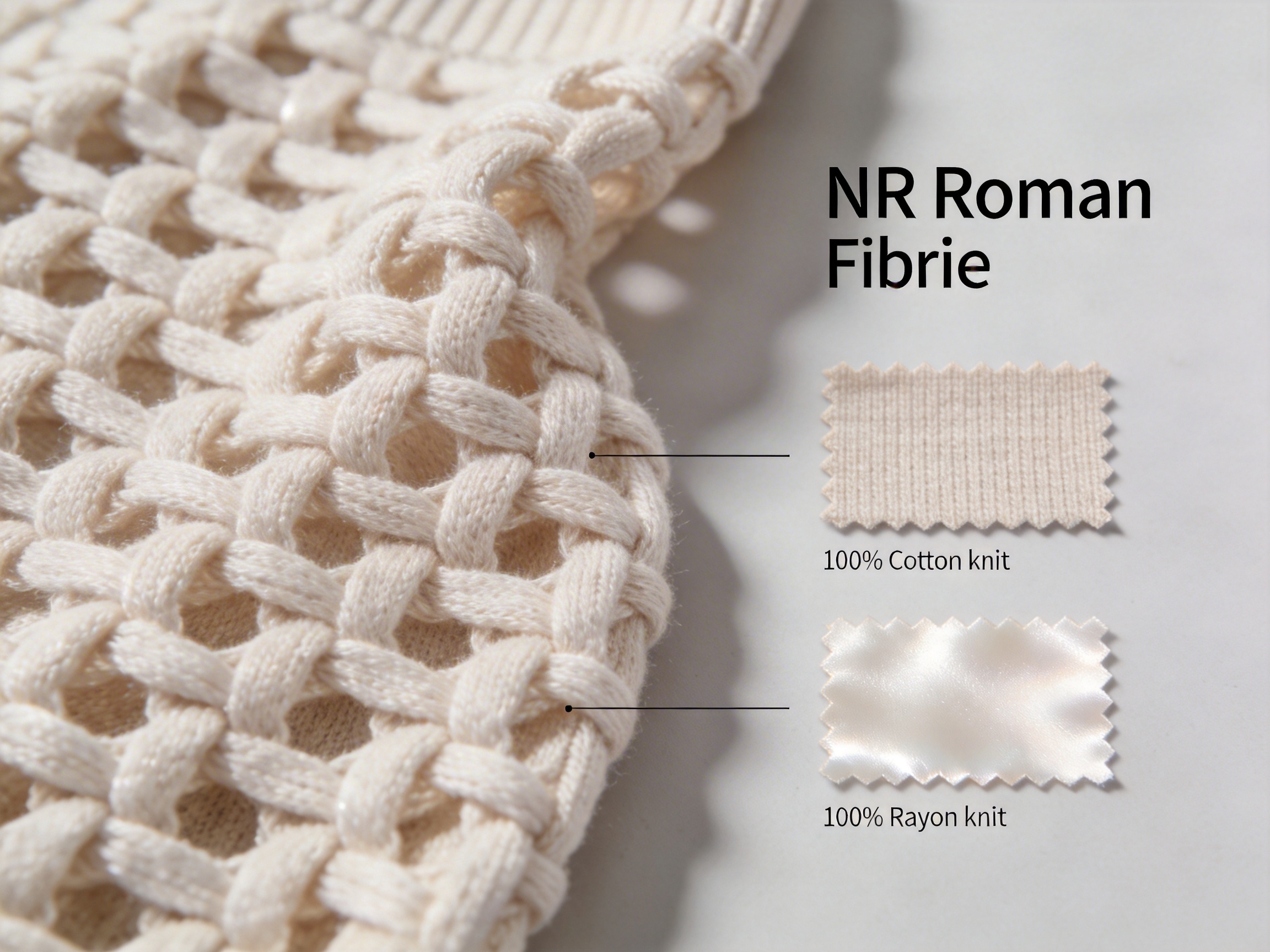
What is NR Roman Fabric?
NR Roman Fabric is a specialized knitted textile made from a blend of cotton and viscose—two natural fibers known for their distinct benefits. Cotton, derived from the cotton plant, is celebrated for its breathability, absorbency, and hypoallergenic properties, making it ideal for sensitive skin and warm climates. Viscose, a semi-synthetic fiber made from sustainably harvested wood pulp, adds a luxurious drape, softness, and subtle sheen that elevates the fabric’s aesthetic appeal. The combination of these two fibers creates a knit that retains the best qualities of each: the comfort of cotton and the elegance of viscose.
As a knitted fabric, NR Roman Fabric is produced using interlocking loops of yarn, which gives it inherent stretch and flexibility. This structure makes it easy to sew, as it does not fray easily and conforms well to different garment shapes. Additionally, NR Roman Fabric is available in a wide range of weights—from lightweight sheers suitable for overlays to medium-weight options perfect for dresses and cardigans. It also comes in an array of colors and patterns, including jacquard designs that add visual interest without compromising the fabric’s softness.
One of the key distinguishing features of NR Roman Fabric is its versatility. It can be used for everything from everyday casual wear to formal attire, and even home textiles. This adaptability has made it a favorite among designers looking to create pieces that are both functional and stylish.
Advantages of NR Roman Fabric Over Competitor Materials
To understand why NR Roman Fabric is gaining traction in the textile industry, it is essential to compare it to other popular knit fabrics. Each competitor material has its own strengths and weaknesses, but NR Roman Fabric addresses many of the limitations of these alternatives:
1. NR Roman Fabric vs. 100% Cotton Knit
100% cotton knit is a staple in apparel, but it has several drawbacks. It tends to wrinkle easily, has limited stretch, and lacks the drape needed for flowy garments. NR Roman Fabric, by contrast, combines cotton with viscose to enhance drape and add a subtle sheen. The viscose component also improves the fabric’s stretch retention, making it more comfortable for active wear. Additionally, the blend reduces wrinkling compared to pure cotton, saving time on ironing and maintenance.
2. NR Roman Fabric vs. 100% Rayon Knit
Rayon knit is known for its excellent drape, but it is weak when wet and prone to shrinking. NR Roman Fabric solves these issues by adding cotton, which increases durability and reduces shrinkage. The cotton-viscose blend also makes the fabric more breathable than pure rayon, which can trap heat in warm weather. This makes NR Roman Fabric a better choice for garments that need to be washed frequently, such as baby clothes and everyday tops.
3. NR Roman Fabric vs. Polyester Knit
Polyester knit is durable and stretchy, but it is synthetic and can trap heat, cause static cling, and have a plastic-like feel. NR Roman Fabric, being a natural fiber blend, is more breathable and has a softer, more natural texture. It also does not retain odors as easily as polyester, making it ideal for activewear and casual clothing. While polyester may be more durable in some cases, NR Roman Fabric offers a more comfortable and eco-friendly alternative for consumers who prioritize natural materials.
4. NR Roman Fabric vs. Lace Knit
Lace knit is a popular choice for overlays and lingerie, but it is fragile and difficult to sew. NR Roman Fabric, on the other hand, is more durable and easier to work with. It can mimic the sheer look of lace while offering better stretch and breathability. Additionally, NR Roman Fabric is available in a wider range of patterns and colors than traditional lace, making it more versatile for different design needs. It is also less prone to snagging, which is a common issue with lace knit.
Advanced Manufacturing Processes Behind NR Roman Fabric
The quality of NR Roman Fabric is a direct result of the advanced manufacturing processes used by its producer—a leading China-based textile company with decades of experience in knit fabric production. From yarn selection to final finishing, every step is designed to ensure consistency, durability, and aesthetic excellence.
1. Precision Yarn Selection
The production of NR Roman Fabric begins with the selection of high-quality cotton and viscose yarns. The cotton used is sourced from reputable suppliers in Egypt and the United States, known for their long, strong fibers that contribute to the fabric’s softness and durability. The viscose yarns are made from sustainably harvested wood pulp, ensuring that the fabric is eco-friendly. Before being used, each batch of yarn undergoes rigorous testing for strength, uniformity, and color consistency. This attention to detail at the yarn stage lays the foundation for a high-quality final product.
2. Computerized Jacquard Knitting
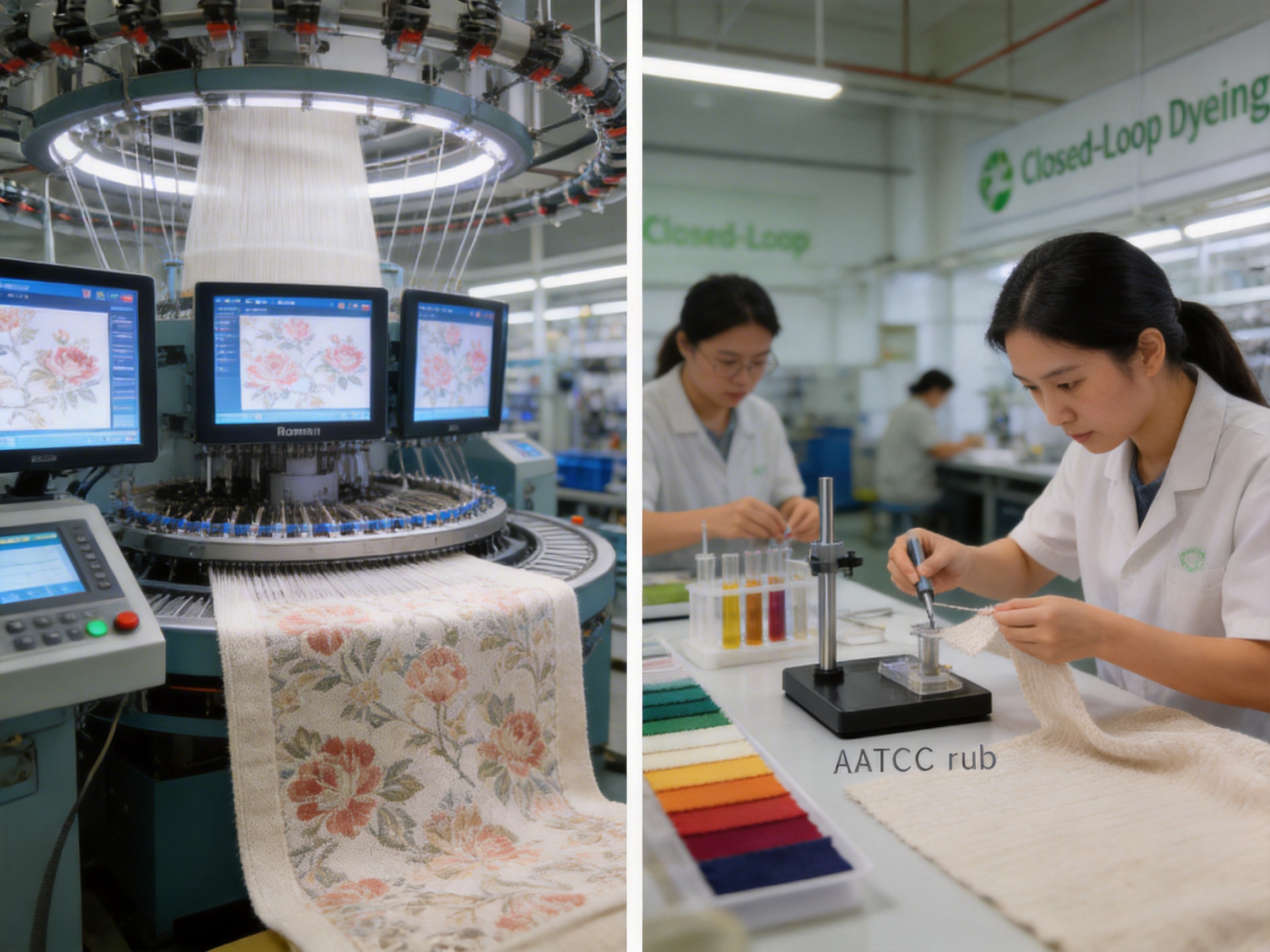
NR Roman Fabric is produced using computerized circular jacquard knitting machines—state-of-the-art equipment that allows for precise control over pattern and texture. These machines use digital designs to create complex jacquard patterns, from floral motifs to geometric shapes, with minimal waste. The circular knitting process produces a seamless fabric tube, which is then cut to the desired width. This method ensures that the fabric has a consistent stretch in all directions and a smooth, even surface. The use of computerized technology also reduces human error, resulting in a higher quality product with fewer defects.
3. Eco-Friendly Dyeing & Finishing
After knitting, the fabric undergoes dyeing and finishing processes that enhance its appearance and performance. The producer uses low-impact reactive dyes, which are designed to bond with the cotton fibers and reduce water usage by up to 30% compared to traditional dyeing methods. The viscose fibers are dyed using acid dyes, which are also eco-friendly and ensure color fastness. The dyeing process is carried out in closed-loop systems, where wastewater is recycled and treated before being released, minimizing the environmental footprint.
Following dyeing, the fabric undergoes several finishing treatments:
- Sanforizing: A process that pre-shrinks the fabric to prevent shrinkage after washing.
- Softening: A chemical treatment that enhances the fabric’s softness and drape.
- Anti-Pilling: A finish that reduces the formation of pills, extending the fabric’s lifespan.
- Sheen Enhancement: A calendering process that adds a subtle sheen to the fabric without making it stiff.
4. Rigorous Quality Control
Quality control is an integral part of the manufacturing process for NR Roman Fabric. Every batch undergoes a series of tests at different stages:
- Yarn Inspection: Testing for strength, uniformity, and color consistency.
- Knitting Defect Check: Inspecting for holes, snags, and pattern irregularities.
- Dyeing Consistency: Testing for color fastness to washing, light, and rubbing (using AATCC standards).
- Performance Testing: Evaluating stretch retention, pilling resistance, and shrinkage (using ASTM standards).
- Final Inspection: Checking the fabric’s texture, pattern, and overall appearance before shipping.
Diverse Applications of NR Roman Fabric
One of the most impressive features of NR Roman Fabric is its versatility. It can be used in a wide range of applications, from apparel to home textiles, making it a valuable material for designers and manufacturers.
1. Women’s Apparel
NR Roman Fabric is a popular choice for women’s apparel due to its excellent drape and softness. It is commonly used for:
- Dresses: From flowy maxi dresses to fitted sheath dresses, NR Roman Fabric’s drape enhances the silhouette and adds a touch of elegance. The stretch of the knit ensures comfort, even for all-day wear.
- Blouses: Lightweight NR Roman Fabric blouses are perfect for office wear or casual outings. They are breathable, easy to care for, and available in a variety of patterns.
- Skirts: A-line skirts and pencil skirts made from NR Roman Fabric offer a flattering fit and are comfortable to wear. The fabric’s stretch allows for ease of movement.
- Cardigans: Medium-weight NR Roman Fabric cardigans are soft and warm, making them ideal for layering. They are available in neutral colors and patterns, making them versatile for different outfits.
2. Children’s Clothing
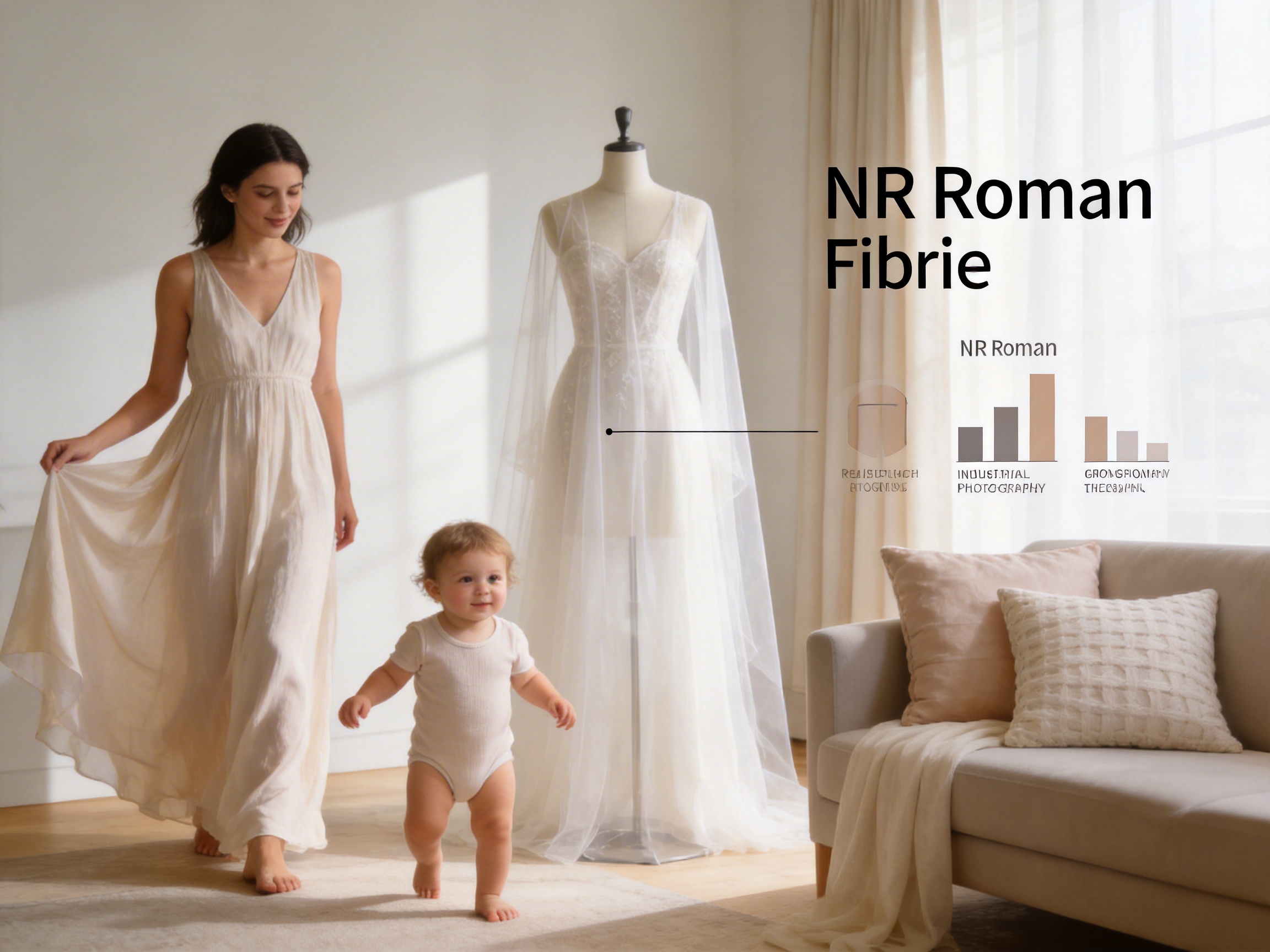
NR Roman Fabric is an excellent choice for children’s clothing, especially baby clothes, due to its hypoallergenic properties and softness. The cotton-viscose blend is gentle on delicate skin and does not cause irritation. It is also breathable, which helps to keep babies cool and comfortable. Common uses for NR Roman Fabric in children’s clothing include:
- Onesies and Bodysuits: Soft, stretchy onesies made from NR Roman Fabric are perfect for newborns and infants. They are easy to put on and take off, and the fabric is machine washable.
- Dresses and Tops: Colorful dresses and tops made from NR Roman Fabric are popular for toddlers and young girls. The fabric’s durability ensures that it can withstand frequent washing and wear.
- Pajamas: Lightweight NR Roman Fabric pajamas are comfortable for sleeping and do not trap heat, making them ideal for all seasons.
3. Overlays & Layers
Sheer versions of NR Roman Fabric are often used for overlays and layers in apparel and home textiles. The fabric’s subtle sheen and drape make it perfect for adding texture and depth to garments. Common uses include:
- Wedding Dresses: Sheer NR Roman Fabric overlays add a romantic touch to wedding dresses without being too heavy or bulky.
- Skirt Overlays: Overlays made from NR Roman Fabric can be added to skirts to create a layered look. They are available in floral patterns and neutral colors.
- Jacket Linings: NR Roman Fabric is used as a lining for jackets and coats, adding a soft, comfortable layer against the skin.
4. Home Textiles
NR Roman Fabric is not limited to apparel—it is also used in home textiles. Its softness, durability, and pattern variety make it ideal for:
- Throw Pillows: Geometric and floral jacquard NR Roman Fabric throw pillows add a pop of color and texture to living rooms and bedrooms.
- Light Curtains: Sheer NR Roman Fabric curtains allow natural light to filter through while providing privacy. They are easy to wash and maintain.
- Table Runners: NR Roman Fabric table runners add a touch of elegance to dining tables. They are available in a variety of colors and patterns to match different decor styles.
Strengths of the Leading NR Roman Fabric Producer
The quality of NR Roman Fabric is made possible by the expertise and resources of its producer—a China-based textile company with a strong reputation for innovation and sustainability. The company’s strengths include:
1. Integrated R&D, Production & Sales
The producer is an integrated textile company that handles every stage of the production process—from R&D to sales. This integration allows for better control over quality and cost, as well as faster response times to customer needs. The company has a dedicated R&D team that develops new blends, patterns, and finishing treatments to meet the changing demands of the market. Recent innovations include a stretchier NR Roman Fabric blend with added spandex for activewear and an eco-friendly version of the fabric made from recycled viscose.
The company’s production facilities cover 32.6 acres and include a 18,000 square meter plant equipped with state-of-the-art machinery. This large production capacity allows the company to fulfill both small and large orders, making it a reliable partner for businesses of all sizes.
2. Sustainable Practices
The producer is committed to sustainability and has implemented several eco-friendly practices in its manufacturing processes. These include:
- Water Recycling: The company uses closed-loop dyeing systems that recycle up to 90% of wastewater, reducing water usage and pollution.
- Low-Impact Dyes: All dyes used in the production of NR Roman Fabric are low-impact and free from harmful chemicals.
- Recycled Materials: The company is increasingly using recycled viscose and cotton in its fabrics to reduce its environmental footprint.
- Zero-Waste Cutting: The company uses computerized cutting machines to minimize fabric waste during production.
3. Customization Capabilities
The producer offers extensive customization capabilities for NR Roman Fabric, allowing customers to create fabrics that meet their specific needs. Customization options include:
- Color: Customers can choose from a wide range of standard colors or request custom colors to match their brand or design.
- Pattern: The company’s computerized jacquard machines can produce custom patterns, from simple stripes to complex floral motifs.
- Weight: Customers can choose from lightweight, medium-weight, or heavy-weight NR Roman Fabric, depending on their application.
- Finishing: Custom finishing treatments, such as water-resistant or flame-retardant finishes, are available for specific applications.
4. Global Reach & Customer Support
The producer is a self-employed export company with a global reach, shipping NR Roman Fabric to customers in over 30 countries, including the United States, Europe, and Southeast Asia. The company has a dedicated customer support team that provides assistance with everything from sampling to shipping. The team also offers technical support, helping customers choose the right fabric for their application and providing advice on sewing and care.
The company’s commitment to customer service has earned it a loyal customer base, with many businesses returning for repeat orders. The company also offers competitive pricing and flexible payment terms, making it an attractive partner for businesses of all sizes.
NR Roman Fabric vs. Competitor Fabrics: A Detailed Comparison
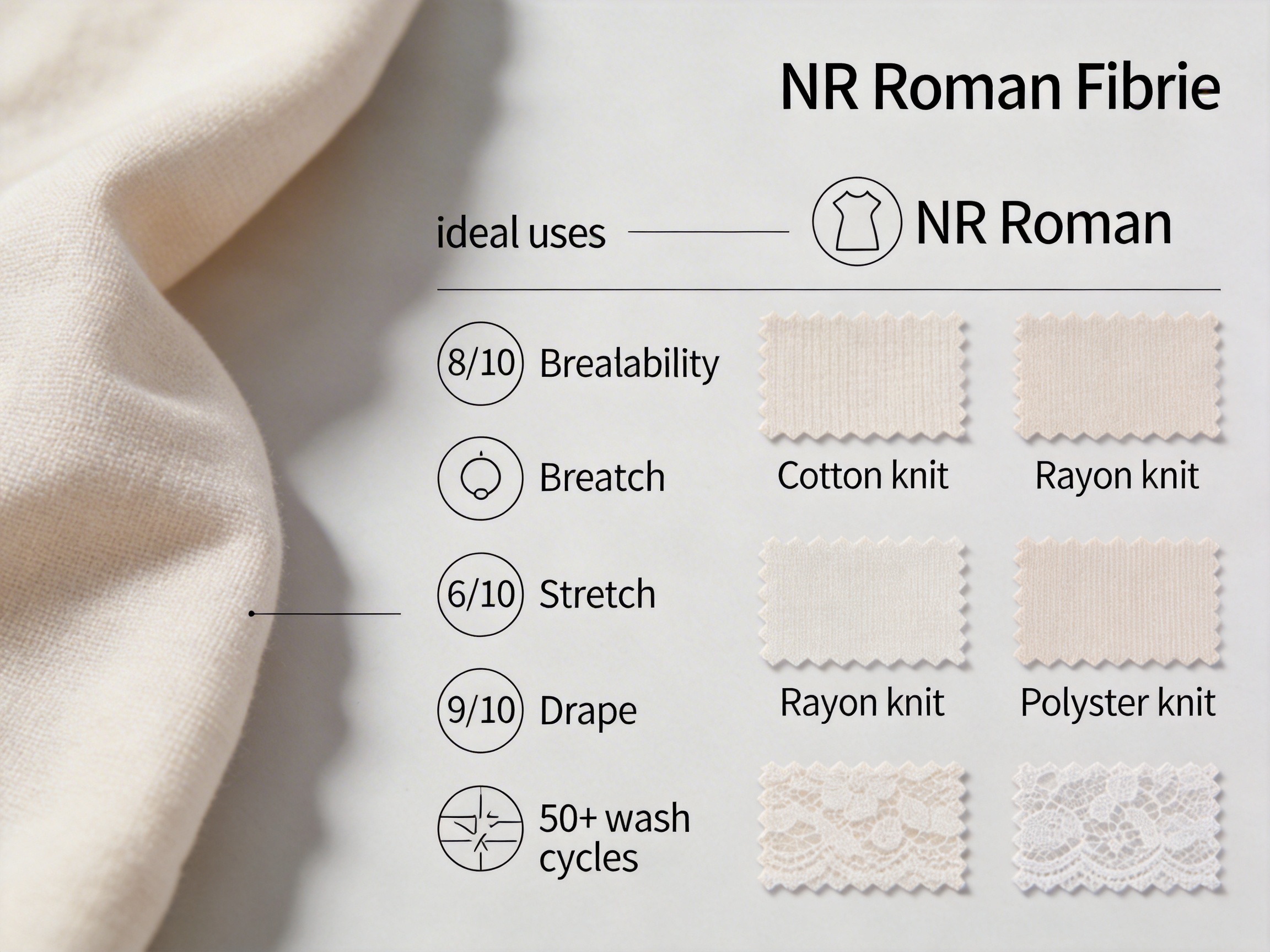
To further illustrate the advantages of NR Roman Fabric, the table below compares it to four popular competitor materials:
| Fabric Type | Composition | Breathability (1-10) | Stretch (1-10) | Drape Quality (1-10) | Durability (Wash Cycles) | Ideal Applications |
|---|---|---|---|---|---|---|
| NR Roman Fabric | Cotton + Viscose (50/50) | 8 | 6 | 9 | 50+ | Dresses, blouses, baby clothes, overlays, home textiles |
| 100% Cotton Knit | 100% Cotton | 9 | 3 | 5 | 40+ | Basic tees, casual wear |
| 100% Rayon Knit | 100% Rayon | 6 | 5 | 10 | 30+ | Dresses, scarves (delicate) |
| Polyester Knit | 100% Polyester | 3 | 8 | 4 | 60+ | Activewear, sportswear |
| Lace Knit | Nylon + Spandex | 7 | 7 | 8 (sheer) | 25+ | Overlays, lingerie |
Q&A About NR Roman Fabric
Below are answers to common questions about NR Roman Fabric:
Q1: What materials make up NR Roman Fabric?
A: NR Roman Fabric is made from a blend of cotton and viscose. The exact ratio can vary depending on the specific product, but a 50/50 blend is common. Cotton adds breathability and durability, while viscose adds softness and drape.
Q2: Is NR Roman Fabric suitable for sensitive skin?
A: Yes, NR Roman Fabric is suitable for sensitive skin. The cotton-viscose blend is hypoallergenic, and the fabric undergoes softening treatments that reduce irritation. Additionally, the producer uses OEKO-TEX certified dyes, which are free from harmful chemicals.
Q3: How does NR Roman Fabric compare to 100% cotton knit?
A: NR Roman Fabric has better drape and stretch than 100% cotton knit. It also resists wrinkling more effectively and has a subtle sheen. However, 100% cotton knit is slightly more breathable.
Q4: Can NR Roman Fabric be dyed in custom colors?
A: Yes, the producer offers custom dyeing services for NR Roman Fabric. Customers can choose from a wide range of Pantone colors or provide their own color samples.
Q5: What is the minimum order quantity (MOQ) for NR Roman Fabric?
A: The MOQ varies depending on the customization options. For standard fabrics, the MOQ is typically 500 meters. For custom fabrics, the MOQ may be higher (1000 meters or more).
Q6: How does the producer ensure color fastness of NR Roman Fabric?
A: The producer uses low-impact reactive dyes for cotton and acid dyes for viscose, which are designed to bond tightly with the fibers. Each batch undergoes color fastness testing according to AATCC standards, including washing, light, and rubbing tests.
Q7: Is NR Roman Fabric machine washable?
A: Yes, NR Roman Fabric is machine washable. It should be washed in cold water on a gentle cycle and dried flat to maintain its shape and drape. Avoid using bleach or fabric softeners.
Q8: What are the key advantages of NR Roman Fabric over lace knit?
A: NR Roman Fabric is more durable, easier to sew, and less prone to snagging than lace knit. It also offers better stretch and breathability, and is available in a wider range of patterns and colors.
References
1. Textile Institute. (2023). Blended Knit Fabrics: Performance and Applications. Manchester, UK: Textile Institute Press.
2. Smith, J. (2022). Eco-Friendly Dyeing Technologies for Knit Fabrics. Journal of Textile Science & Technology, 12(3), 45-62.
3. Wang, L., et al. (2021). Consumer Preferences for Sustainable Apparel Fabrics: A Global Survey. International Journal of Fashion Studies, 8(2), 112-128.
4. American Apparel Producers Association. (2023). Knitted Fabric Quality Standards: A Guide for Manufacturers. Washington DC: AAPA Publications.
5. European Textile Confederation. (2022). Sustainable Textile Production: Best Practices for Knit Fabrics. Brussels, Belgium: ETC Publications.
Conclusion
NR Roman Fabric is a versatile and innovative knit textile that combines the best of cotton and viscose to deliver comfort, durability, and aesthetic appeal. Its advantages over competitor materials—including better drape, stretch, and breathability—make it a top choice for apparel designers and home textile creators. The advanced manufacturing processes used by its producer ensure that every batch of NR Roman Fabric meets the highest quality standards, while the company’s commitment to sustainability and customization makes it a reliable partner for businesses around the world.
As consumer demand for natural, sustainable, and versatile textiles continues to grow, NR Roman Fabric is poised to become a leading material in the textile industry. Its ability to adapt to a wide range of applications—from women’s apparel to home textiles—makes it a valuable asset for any designer or manufacturer looking to create high-quality, stylish products.