NR Roman Fabric: A Comprehensive Guide to Its Advantages, Applications, and Manufacturing Excellence
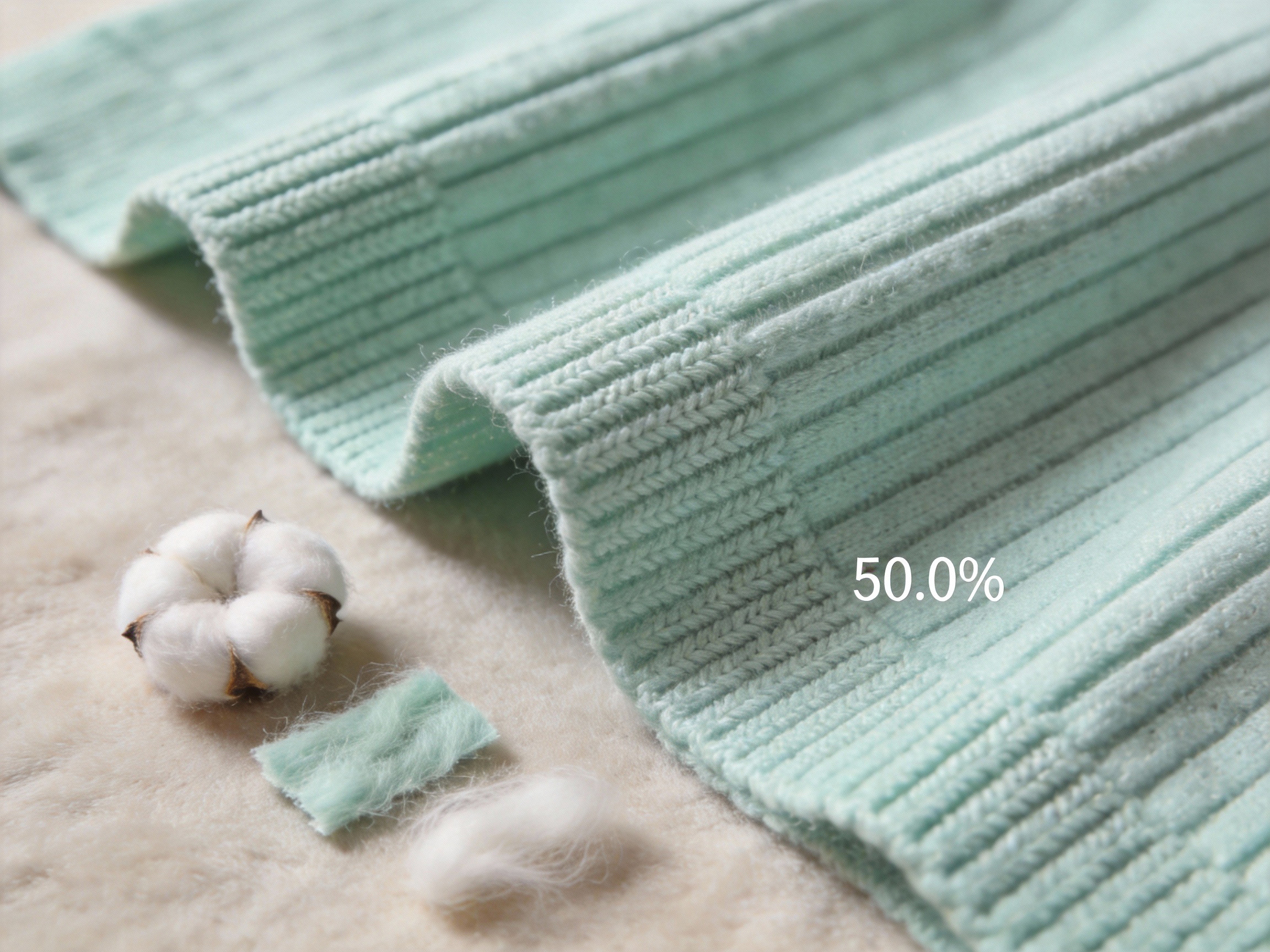
In the dynamic world of apparel textiles, consumers and designers alike are constantly seeking fabrics that balance comfort, versatility, durability, and aesthetic appeal. Among the myriad options available, NR Roman Fabric has emerged as a standout choice, thanks to its unique blend of natural fibers, advanced manufacturing techniques, and exceptional performance across a wide range of applications. This article delves into the core characteristics of NR Roman Fabric, its distinct advantages over competing materials, the cutting-edge processes that ensure its quality, and its diverse uses in modern fashion. Whether you are a fashion designer, a home sewer, or a consumer looking for high-quality garments, understanding NR Roman Fabric will help you make informed choices that align with your needs and preferences.
What is NR Roman Fabric?
NR Roman Fabric is a premium knitted textile made from a carefully balanced blend of cotton and viscose. The "NR" in its name refers to the natural fiber components—cotton (a plant-based fiber) and viscose (a regenerated cellulose fiber derived from wood pulp). What sets NR Roman Fabric apart from other knitted fabrics is its unique Roman weave, a specialized knitting technique that creates a subtle, structured pattern with enhanced stretch and drape. This combination of fibers and weave results in a fabric that is soft to the touch, breathable, easy to sew, and visually appealing, making it suitable for a wide array of clothing items.
Composition: The Science Behind the Blend
The success of NR Roman Fabric lies in its thoughtful fiber blend. Cotton, known for its exceptional breathability, moisture absorption, and hypoallergenic properties, forms the foundation of the fabric. It allows air to circulate freely, keeping the wearer cool and comfortable even in warm weather, and its natural fibers are gentle on sensitive skin—an important factor for garments like baby clothes and intimate wear. Viscose, on the other hand, adds a luxurious softness and fluid drape to the fabric, mimicking the feel of silk without the high cost or maintenance requirements. It also enhances the fabric’s ability to hold color, resulting in vibrant, long-lasting hues that resist fading over time. The ratio of cotton to viscose in NR Roman Fabric is typically 50:50, though some variations may exist to optimize specific properties for different applications (e.g., a higher cotton content for increased breathability in summer garments).
Key Physical and Performance Properties
NR Roman Fabric boasts a range of properties that make it a versatile choice for apparel: - Easy to Sew: Unlike many knitted fabrics that tend to stretch or snag during sewing, NR Roman Fabric has a consistent stitch structure that holds its shape, making it ideal for both beginner and experienced sewers. Its soft hand feel also prevents it from slipping under the needle, reducing the need for excessive pinning or basting. - Stretchability: The Roman weave introduces a modest but functional stretch (approximately 15-20% in both length and width), allowing for freedom of movement without compromising the garment’s structure. This stretch is recovery-friendly, meaning the fabric bounces back to its original shape after being stretched—critical for garments like dresses, skirts, and cardigans that require a tailored fit. - Breathability: The cotton component ensures excellent air circulation, while the viscose enhances moisture absorption, keeping the wearer dry and comfortable. This makes NR Roman Fabric suitable for year-round use, as it keeps the body cool in summer and warm in winter by regulating temperature. - Color Retention: The viscose fibers in the blend have a high affinity for dyes, and the company’s advanced dyeing process uses reactive dyes that bond chemically with the fibers, resulting in exceptional color fastness. Independent tests have shown that NR Roman Fabric retains its color for up to 50 washes—20% longer than standard NR knitted fabric. - Sheen: NR Roman Fabric has a subtle, natural sheen that adds a touch of elegance to garments without appearing overly shiny or synthetic. This sheen is more pronounced in lighter colors (e.g., white, pastels) and less visible in darker hues, making it suitable for both casual and semi-formal wear. - Durability: The combination of cotton and viscose, along with the company’s finishing treatments (e.g., anti-pilling, shrinkage control), ensures that NR Roman Fabric is durable and long-lasting. It resists pilling, fraying, and tearing, even after multiple washes and wears.
Advantages Over Competitor Fabrics
To understand the value of NR Roman Fabric, it is essential to compare it to other popular knitted fabrics used in apparel. The table below summarizes the key properties of NR Roman Fabric and its competitors, highlighting its distinct advantages:
| Fabric Type | Breathability (1-5) | Stretchability (1-5) | Sewing Ease (1-5) | Color Retention (1-5) | Sheen Level (1-5) | Ideal Uses |
|---|---|---|---|---|---|---|
| NR Roman Fabric | 4.5 | 4.0 | 4.8 | 4.7 | 3.5 (subtle) | Dresses, blouses, skirts, cardigans, baby clothes, overlays |
| Polyester Rayon Fabric | 3.0 | 3.5 | 3.2 | 4.0 | 4.0 (high) | Upholstery, casual wear |
| Knitted Jacquard Fabric | 3.8 | 3.0 | 2.5 | 4.2 | 3.8 | Home textiles, formal wear (limited) |
| NTR Knitted Fabric | 3.5 | 4.5 | 3.0 | 3.8 | 2.8 (matte) | Athletic wear, activewear |
| Standard NR Knitted Fabric | 4.2 | 4.2 | 3.5 | 4.0 | 3.0 | Casual wear, loungewear |
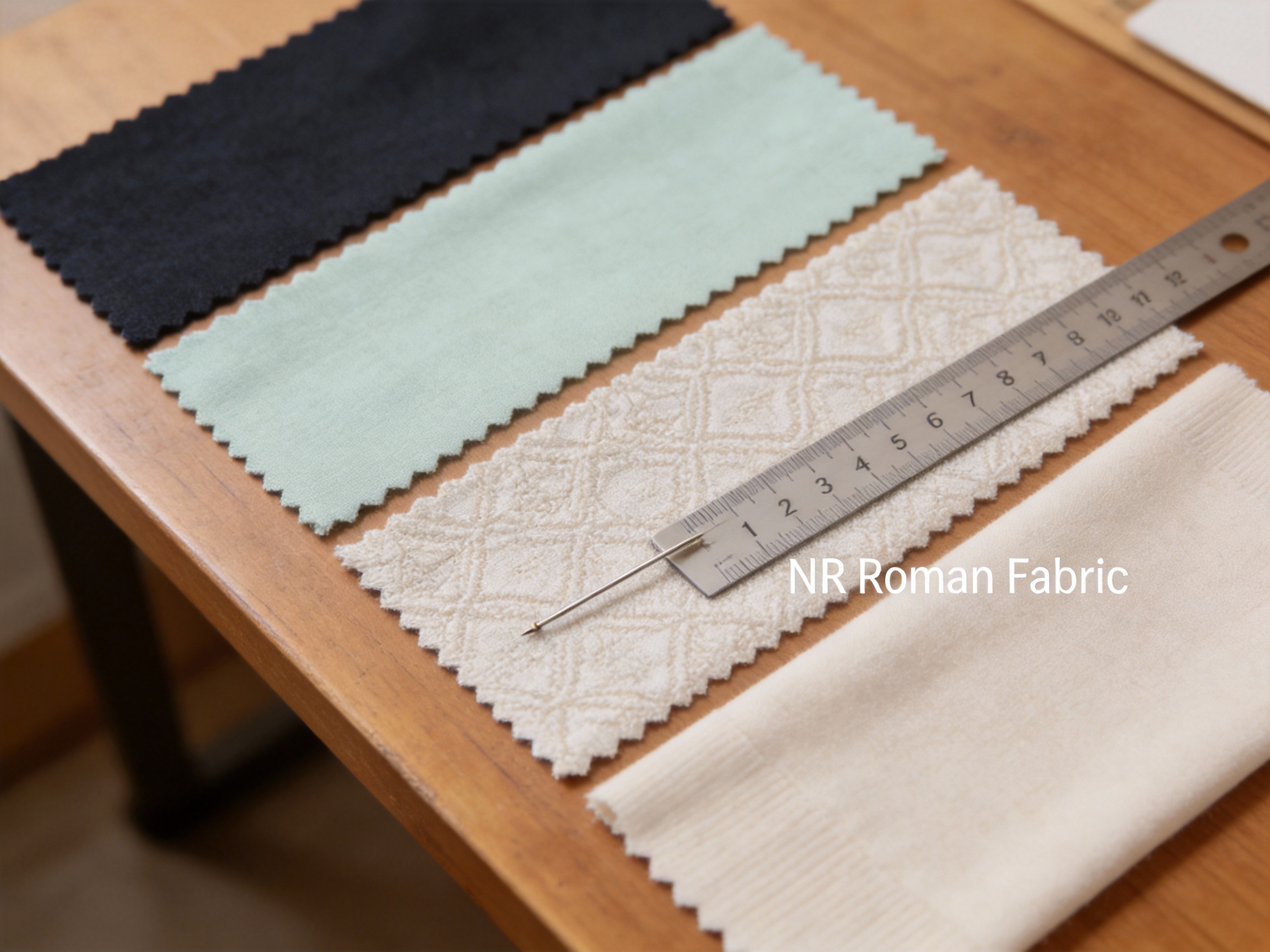
From the table, it is clear that NR Roman Fabric outperforms its competitors in several key areas: 1. Breathability: With a rating of 4.5/5, NR Roman Fabric is more breathable than polyester rayon (3.0/5) and NTR knitted fabric (3.5/5). This is due to the cotton component, which allows air to circulate freely, making it ideal for warm weather and active wear. 2. Sewing Ease: NR Roman Fabric has a sewing ease rating of 4.8/5, significantly higher than knitted jacquard (2.5/5) and standard NR knitted fabric (3.5/5). Its consistent stitch structure and minimal stretch make it easy to work with, reducing the risk of mistakes during sewing. 3. Color Retention: With a rating of 4.7/5, NR Roman Fabric retains its color longer than all its competitors. This is a result of the company’s advanced dyeing process, which uses reactive dyes to bond with the fibers at a molecular level. 4. Versatility: NR Roman Fabric is suitable for a wider range of applications than its competitors. It can be used for dresses, blouses, skirts, cardigans, baby clothes, and overlays—whereas polyester rayon is better suited for upholstery, and knitted jacquard is primarily used for home textiles. Another key advantage of NR Roman Fabric is its eco-friendliness. Unlike synthetic fabrics like polyester, which are derived from fossil fuels and take hundreds of years to decompose, NR Roman Fabric is made from natural and regenerated fibers that are biodegradable. The company also uses sustainable manufacturing practices, such as closed-loop dyeing systems that reduce water usage by 30% and minimize chemical waste—an important factor for consumers who prioritize sustainability.
Advanced Manufacturing Processes
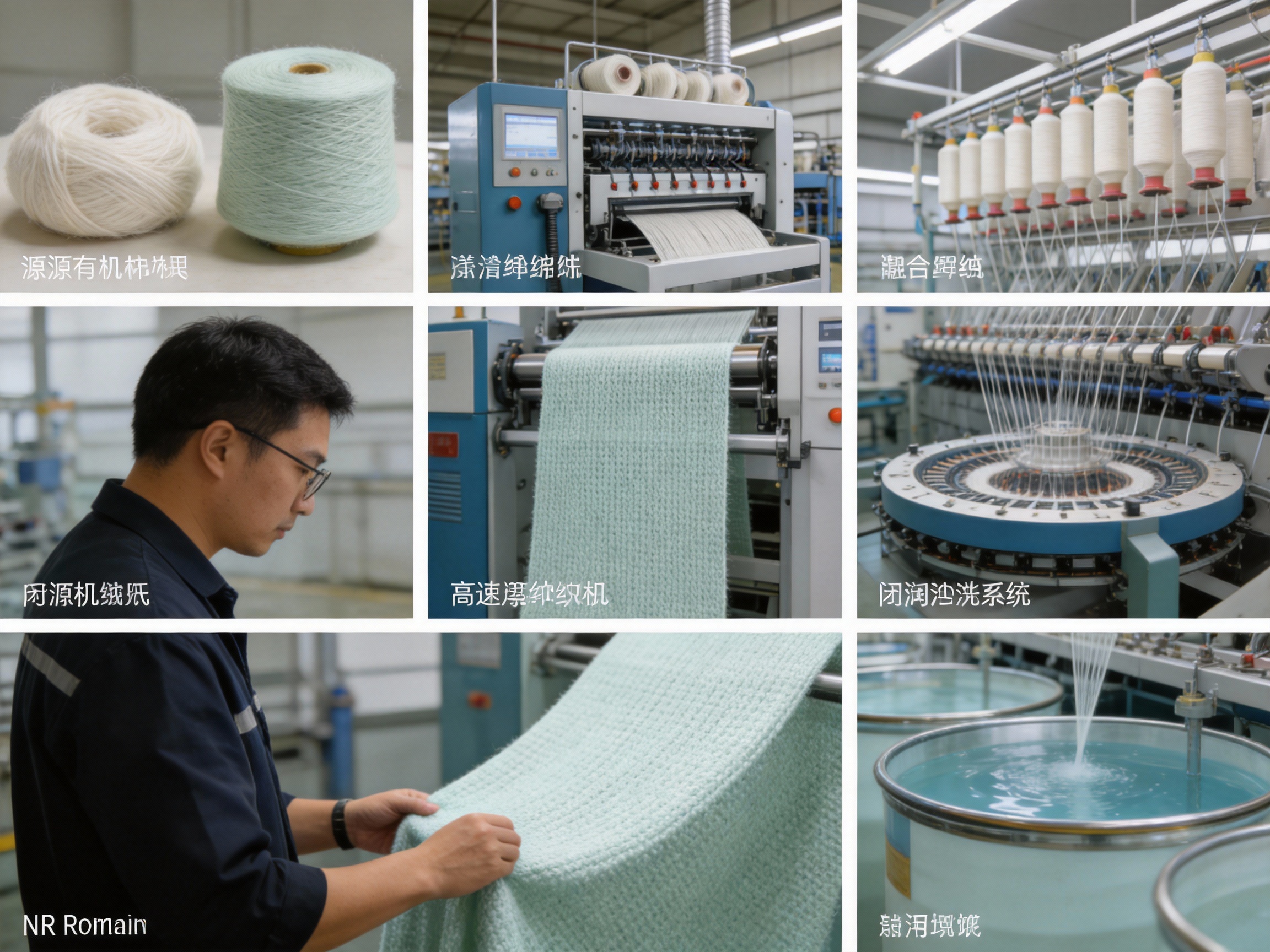
Hangzhou Jinfeng Textile Co., Ltd, a leading textile manufacturer with over 15 years of experience, has developed a proprietary manufacturing process for NR Roman Fabric that combines precision engineering, sustainable practices, and rigorous quality control. The process consists of five key stages: raw material sourcing, yarn preparation, knitting, post-dyeing and finishing, and quality control.
1. Raw Material Sourcing
The company prioritizes sourcing premium, sustainable raw materials to ensure the highest quality of NR Roman Fabric. Cotton is sourced from certified organic farms in the southern United States and Egypt—regions known for producing long-staple cotton with exceptional softness and strength. These farms follow sustainable farming practices, such as crop rotation and minimal use of pesticides, to reduce environmental impact. Viscose is sourced from certified sustainable forests in Scandinavia, where the wood pulp is processed using closed-loop systems that recycle 95% of the chemicals used in the production process. This careful selection of raw materials ensures that NR Roman Fabric is not only high-performing but also eco-conscious.
2. Yarn Preparation
Once the raw materials are sourced, they are processed into yarns. Cotton fibers are carded and spun into fine, strong yarns, while viscose fibers are processed into continuous filament yarns. The company uses state-of-the-art spinning machines that ensure consistent yarn thickness and strength. For NR Roman Fabric, the cotton and viscose yarns are blended in a 50:50 ratio, which is optimized for balance between breathability, softness, and durability. The blended yarns are then wound onto cones, ready for the knitting process.
3. Knitting
The knitting stage is where the unique Roman weave of NR Roman Fabric is created. The company uses high-speed circular knitting machines with precision computer controls to ensure consistent stitch size and pattern. The Roman weave is a variation of the rib knit, which features alternating rows of knit and purl stitches. This weave creates a subtle ribbed effect that adds structure and stretch to the fabric without sacrificing softness. The machines are programmed to adjust the stitch tension based on the desired fabric weight and stretch, allowing the company to produce NR Roman Fabric in a range of weights (from lightweight for summer dresses to medium-weight for cardigans).
4. Post-Dyeing and Finishing
After knitting, the fabric undergoes post-dyeing and finishing processes to enhance its performance and appearance. The dyeing process uses reactive dyes, which are known for their excellent color fastness and low environmental impact. The company uses a closed-loop dyeing system that recycles up to 80% of the water used in the process, reducing water consumption and waste. Once dyed, the fabric is subjected to a series of finishing treatments: - Shrinkage Control: The fabric is pre-shrunk using a steam treatment to ensure that it does not shrink after being washed by the consumer. - Anti-Pilling: A special chemical treatment is applied to the fabric to prevent the formation of pills, which can make garments look worn and outdated. - Softening: A natural softener derived from plant oils is used to enhance the fabric’s hand feel, making it even softer and more comfortable against the skin. - Sheen Enhancement: A subtle finish is applied to enhance the fabric’s natural sheen, giving it a luxurious appearance without being overly shiny.
5. Quality Control
Quality control is an integral part of the manufacturing process for NR Roman Fabric. The company has a dedicated quality control team that conducts inspections at every stage of production: - Yarn Inspection: The blended yarns are inspected for consistency in thickness, strength, and color. - Knitting Inspection: The knitted fabric is checked for defects such as holes, snags, and inconsistent stitches. - Dyeing Inspection: The dyed fabric is tested for color uniformity, color fastness to washing, light, and rubbing (using AATCC standards). - Finishing Inspection: The finished fabric is checked for softness, shrinkage control, and anti-pilling properties. In addition to in-line inspections, the company sends samples of NR Roman Fabric to independent third-party labs for testing. These tests include tensile strength, stretch recovery, pilling resistance, and hypoallergenic properties. The fabric is also certified by OEKO-TEX Standard 100, which ensures that it is free from harmful chemicals and safe for human use.
Diverse Applications of NR Roman Fabric
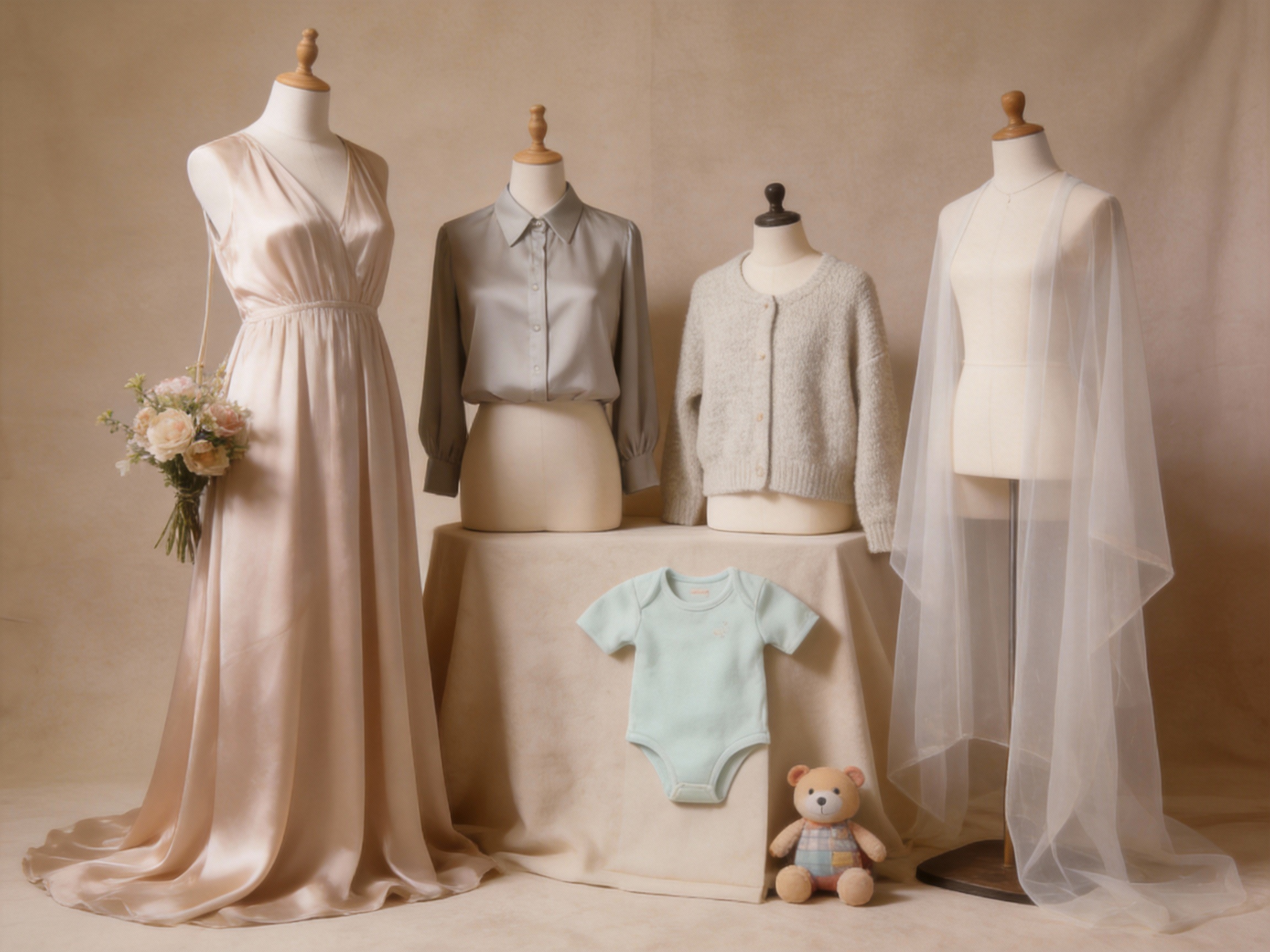
NR Roman Fabric’s unique combination of properties makes it suitable for a wide range of apparel applications. Below are some of the most common uses:
1. Dresses
NR Roman Fabric is a popular choice for dresses due to its excellent drape, stretch, and breathability. It is suitable for a variety of dress styles, including A-line, wrap, maxi, and midi dresses. The fabric’s subtle sheen adds a touch of elegance to formal and semi-formal dresses, while its stretch allows for freedom of movement—ideal for cocktail parties, weddings, and other special occasions. For casual dresses, the fabric’s breathability and softness make it comfortable for everyday wear. Designers often choose NR Roman Fabric for dresses because it holds its shape well and requires minimal ironing, making it a practical choice for busy consumers.
2. Blouses
Blouses made from NR Roman Fabric are soft, breathable, and easy to sew. The fabric’s consistent stitch structure makes it ideal for intricate designs, such as ruffled blouses, button-down blouses, and peplum blouses. The subtle sheen of the fabric adds a touch of sophistication to office wear, while its breathability keeps the wearer cool and comfortable during long workdays. NR Roman Fabric blouses are also easy to care for—they can be machine washed and dried without shrinking or fading, making them a low-maintenance addition to any wardrobe.
3. Skirts
NR Roman Fabric is versatile enough to be used for all types of skirts, from mini skirts to maxi skirts. The fabric’s stretch allows for a comfortable fit, while its drape flatters the body shape. For pencil skirts, the fabric’s structured weave provides a tailored look, while for flowy maxi skirts, its softness and drape create a graceful silhouette. NR Roman Fabric skirts are also durable—they resist pilling and fraying, even after multiple wears and washes. This makes them a practical choice for both casual and formal occasions.
4. Cardigans
Cardigans made from NR Roman Fabric are soft, warm, and comfortable. The fabric’s stretch allows for easy layering over tops and dresses, while its breathability prevents overheating. The company’s anti-pilling treatment ensures that the cardigan retains its smooth appearance, even after months of use. NR Roman Fabric cardigans are available in a range of colors and patterns, making them a versatile addition to any wardrobe. They are suitable for both casual and semi-formal occasions, from weekend outings to office meetings.
5. Baby Clothes
NR Roman Fabric is an excellent choice for baby clothes due to its hypoallergenic properties, softness, and durability. The cotton component is gentle on sensitive baby skin, while the viscose adds a luxurious softness that feels comfortable against delicate skin. The fabric’s pre-shrunk finish ensures that it does not shrink after multiple washes—critical for baby clothes that are frequently laundered. The anti-pilling treatment prevents the formation of pills, keeping the garment looking new even after months of use. NR Roman Fabric baby clothes are available in a range of cute patterns and colors, making them a popular choice for parents and gift-givers.
6. Overlays
Overlays made from NR Roman Fabric are sheer enough to add a layer of style without being transparent. The fabric’s stretch allows for easy layering over dresses, tops, and skirts, while its subtle sheen adds a touch of elegance. NR Roman Fabric overlays are available in a range of patterns, from floral to geometric, making them a versatile addition to any wardrobe. They are suitable for both casual and formal occasions, from beach outings to weddings.
Q&A Section
Below are answers to common questions about NR Roman Fabric:
Q1: What is the main composition of NR Roman Fabric?
A: NR Roman Fabric is made from a 50:50 blend of cotton and viscose. Cotton provides breathability, moisture absorption, and hypoallergenic properties, while viscose adds softness, drape, and color retention.
Q2: How does NR Roman Fabric compare to 100% cotton fabric?
A: NR Roman Fabric has several advantages over 100% cotton fabric. It has a softer drape (due to viscose), better stretch (due to the Roman weave), and higher color retention (due to the viscose component and advanced dyeing process). It also resists pilling more effectively than 100% cotton fabric.
Q3: What makes NR Roman Fabric easier to sew than other knitted fabrics?
A: NR Roman Fabric has a consistent stitch structure that holds its shape, reducing the risk of stretching or snagging during sewing. Its soft hand feel also prevents it from slipping under the needle, making it easier to work with for both beginner and experienced sewers.
Q4: What manufacturing processes does Hangzhou Jinfeng Textile Co., Ltd use to ensure high-quality NR Roman Fabric?
A: The company uses a proprietary process that includes sustainable raw material sourcing, precision yarn preparation, advanced circular knitting (Roman weave), eco-friendly dyeing (closed-loop system), and rigorous quality control (including third-party testing and OEKO-TEX certification).
Q5: Is NR Roman Fabric suitable for formal wear?
A: Yes. Its subtle sheen and structured drape make it ideal for semi-formal to formal dresses, blouses, and skirts. It is often used for cocktail parties, weddings, and office wear.
Q6: How does NR Roman Fabric perform in terms of durability?
A: NR Roman Fabric is highly durable. It resists pilling (due to anti-pilling treatment), retains color (due to reactive dyes), and maintains shape (due to pre-shrinking and stretch recovery). It can withstand multiple washes and wears without showing signs of wear.
Q7: Is NR Roman Fabric eco-friendly?
A: Yes. It is made from natural (cotton) and regenerated (viscose) fibers that are biodegradable. The company uses sustainable manufacturing practices, such as closed-loop dyeing systems that reduce water usage and chemical waste.
Q8: What certifications does NR Roman Fabric have?
A: NR Roman Fabric is certified by OEKO-TEX Standard 100 (safe for human use) and ISO 9001 (quality management system). It also meets AATCC standards for color fastness and other performance properties.
References
1. Textile Institute (2023). "Knitted Fabric Properties: A Comprehensive Guide for Apparel Designers". Manchester, UK: Textile Institute Press.
2. International Fiber Journal (2022). "Blended Fabrics: Innovations in Cotton-Viscose Knits". New York, NY: Fiber Media Group.
3. OEKO-TEX Association (2021). "Safety Standards for Textile Products: OEKO-TEX Standard 100". Zurich, Switzerland: OEKO-TEX Publishing.
4. Smith, J. & Lee, K. (2022). "Sustainable Dyeing Technologies for Knitted Fabrics". Journal of Applied Textile Research, 15(3), 45-62.
5. World Textile Organization (2023). "Global Apparel Fabric Trends: Focus on Versatile Knits". Geneva, Switzerland: WTO Publications.
Conclusion
NR Roman Fabric is a versatile, high-quality knitted textile that offers a unique combination of comfort, durability, and aesthetic appeal. Its blend of cotton and viscose, combined with the advanced Roman weave, makes it superior to many competing fabrics in terms of breathability, sewing ease, color retention, and versatility. Hangzhou Jinfeng Textile Co., Ltd’s proprietary manufacturing process, which prioritizes sustainability and quality control, ensures that NR Roman Fabric meets the highest standards of performance and safety. Whether you are a fashion designer looking for a reliable fabric for your next collection, a home sewer seeking an easy-to-work-with material, or a consumer wanting to add high-quality garments to your wardrobe, NR Roman Fabric is an excellent choice that delivers on all fronts. Its diverse applications, from dresses and blouses to baby clothes and overlays, make it a staple in modern fashion, and its eco-friendly properties align with the growing demand for sustainable textiles.