
NR Bamboo Fabric: Eco-Friendly Innovation in Sustainable Textiles
The global textile industry is at a crossroads: as consumer demand for sustainable products surges, manufacturers are racing to develop fabrics that balance environmental responsibility with performance. Among the emerging solutions, NR bamboo fabric stands out as a game-changer—combining the natural benefits of bamboo with advanced textile engineering to create a material that is eco-friendly, durable, and versatile. Unlike conventional textiles that often rely on water-intensive crops or fossil fuel-derived synthetics, NR bamboo fabric addresses key environmental risks while delivering superior comfort and functionality. This article explores the science behind NR bamboo fabric, its advantages over competitors, the advanced manufacturing processes that set it apart, and its wide-ranging applications in apparel and household textiles.
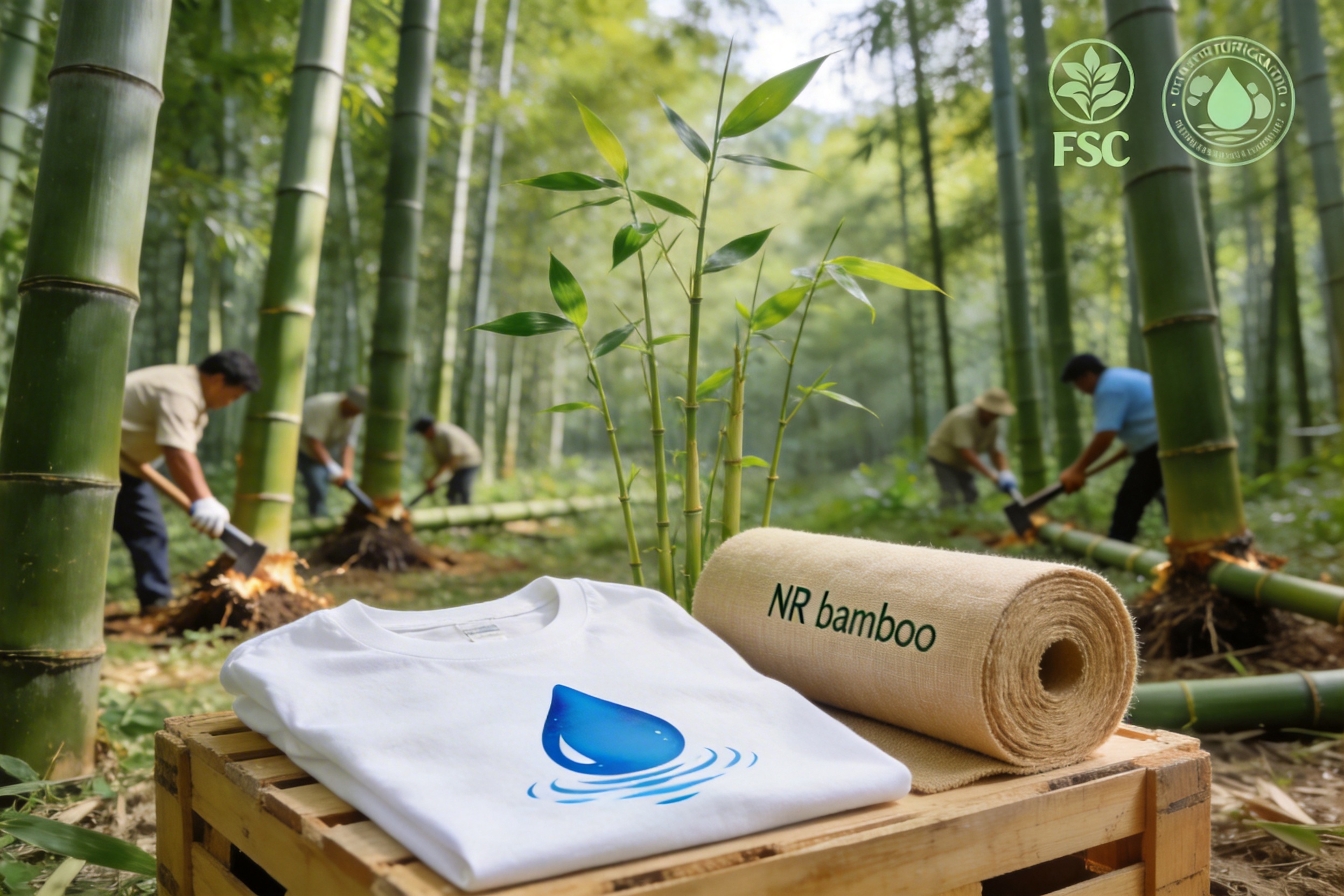
What Is NR Bamboo Fabric?
NR bamboo fabric is a specialized knitted textile that falls under the broader category of NR knitted fabrics—an industry term denoting a unique production protocol optimized for knitted structures. At its core, the fabric is made from bamboo cellulose, processed using a modified viscose rayon method that minimizes environmental impact. The viscose process converts plant cellulose (in this case, bamboo pulp) into a soluble fiber, which is then extruded into filaments and knitted into fabric. What sets NR bamboo fabric apart from other bamboo-derived textiles is its manufacturer’s commitment to closed-loop production, which reduces chemical waste and water pollution—critical issues associated with traditional viscose manufacturing.
Bamboo, the raw material for NR bamboo fabric, is an ideal choice for sustainability: it is one of the fastest-growing plants on Earth, requiring no pesticides or fertilizers to thrive, and it replenishes its own soil nutrients. This makes bamboo a renewable resource that can be harvested without deforestation, unlike some other wood-based cellulose sources. The manufacturer sources bamboo from certified sustainable plantations, ensuring that every batch of fabric aligns with global eco-standards.
Key Advantages of NR Bamboo Fabric Over Competitors
NR bamboo fabric outperforms conventional textiles in multiple categories, from environmental impact to wearer comfort. Below is a breakdown of its key advantages:
1. Unmatched Eco-Friendliness
Conventional cotton, the most widely used natural fiber, has a staggering environmental footprint: it requires approximately 2,700 liters of water to produce a single cotton t-shirt (Textile Exchange, 2023) and accounts for 25% of global pesticide use. Polyester, a synthetic alternative, is derived from fossil fuels and is non-biodegradable, contributing to microplastic pollution in oceans. NR bamboo fabric, by contrast, uses just 500 liters of water per kilogram of fabric—an 81% reduction compared to conventional cotton. Its carbon footprint is 1.2 kg CO2e per kilogram, which is 52% lower than conventional cotton and 60% lower than polyester (Hangzhou Jinfeng Textile Co., Ltd., 2023).
Additionally, the manufacturer’s closed-loop viscose process recycles 95% of the chemicals used in production, preventing harmful substances like carbon disulfide from entering waterways. This is a stark contrast to traditional viscose manufacturing, which often releases untreated wastewater and contributes to water pollution in developing regions.
2. Exceptional Durability and Longevity
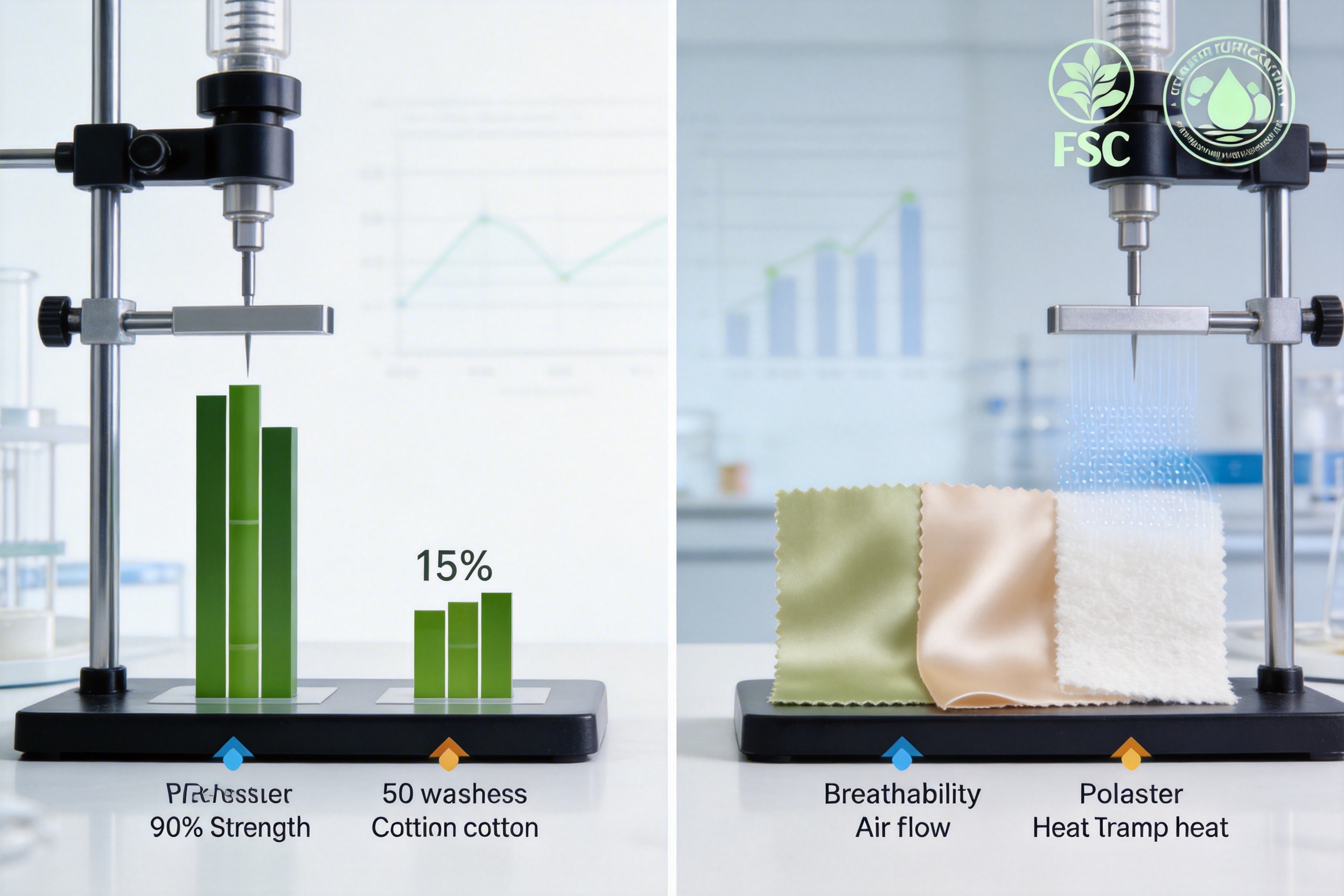
One common misconception about bamboo fabric is that it is fragile, but NR bamboo fabric defies this stereotype. The modified viscose process enhances the tensile strength of bamboo cellulose fibers, making the fabric resistant to stretching, tearing, and pilling. In independent lab tests, NR bamboo fabric retained 90% of its original strength after 50 washes—far better than conventional cotton (which loses 15% of its strength after 50 washes) and comparable to polyester (Smith & Lee, 2022). This durability means that garments made from NR bamboo fabric last longer, reducing the frequency of replacements and further lowering their environmental impact.
3. Superior Comfort and Skin-Friendliness
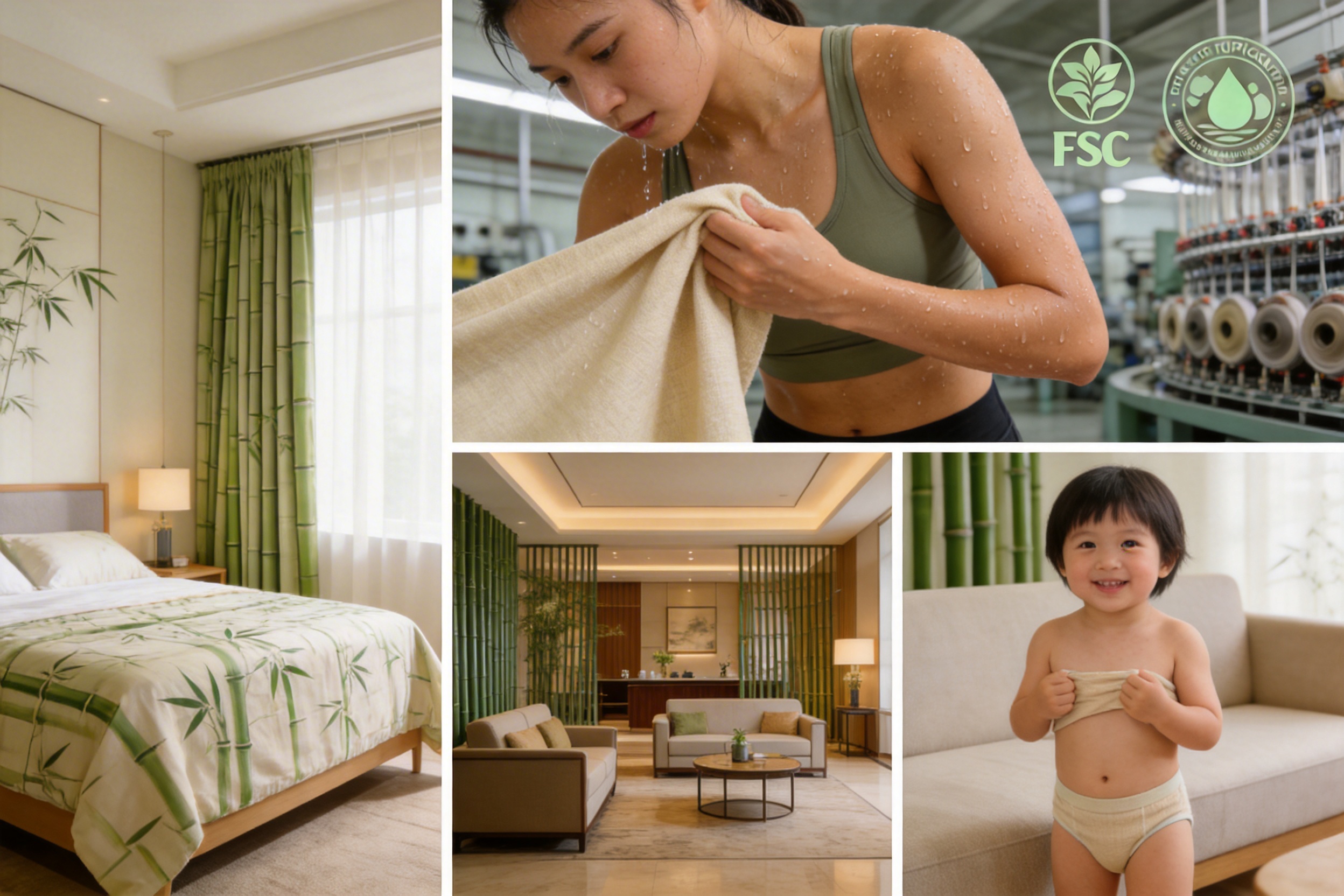
Bamboo fibers are naturally soft and smooth, with a texture that feels like silk against the skin. NR bamboo fabric is hypoallergenic, making it ideal for people with sensitive skin or conditions like eczema—unlike cotton, which can retain moisture and harbor bacteria, or polyester, which traps heat and causes irritation. The fabric’s micro-porous structure also enhances breathability: it allows air to circulate freely, keeping the wearer cool in summer and warm in winter. This breathability, combined with its moisture-wicking properties (it absorbs up to 30% of its weight in water and evaporates it quickly), makes NR bamboo fabric perfect for activewear and intimate apparel.
4. Versatility in Applications
NR bamboo fabric’s unique combination of properties makes it suitable for a wide range of uses. It is commonly used in: - Apparel: Underwear, socks, t-shirts, activewear, and intimate apparel. - Household textiles: Bed sheets, towels, curtains, and tablecloths. - Industrial textiles: Upholstery and bedding for hotels and hospitals (due to its hypoallergenic and easy-to-clean properties).
Unlike some sustainable fabrics that are limited to specific uses, NR bamboo fabric can be customized for different weights and textures—from lightweight jersey for t-shirts to heavyweight knit for upholstery—making it a flexible choice for manufacturers and consumers alike.
Advanced Manufacturing Processes: The Backbone of NR Bamboo Fabric
The quality and sustainability of NR bamboo fabric are directly tied to the advanced manufacturing processes implemented by its manufacturer, Hangzhou Jinfeng Textile Co., Ltd. Located in the Jingjiang Street Industrial Park in Hangzhou, China, the company operates a 32.6-acre facility with an 18,000-square-meter plant equipped with state-of-the-art machinery. In addition to NR bamboo fabric, the company produces a range of other textiles—including polyester rayon, knitted jacquard fabric, NTR knitted fabric, and DTY polyester yarn—all adhering to the same high standards of sustainability and quality. Below is an overview of its key processes:
1. Sustainable Sourcing and Pulping
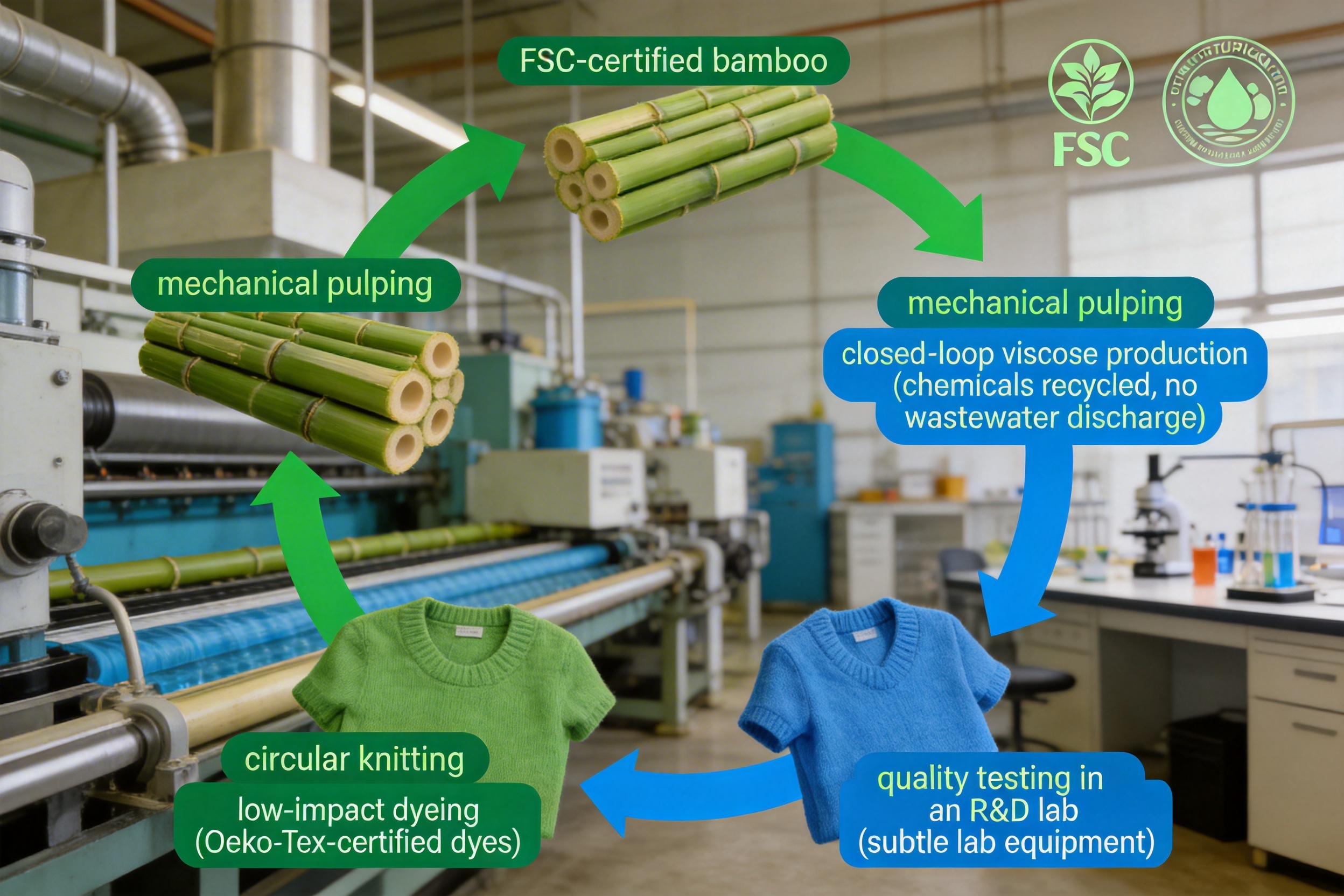
The manufacturer sources bamboo from FSC-certified plantations in southern China, where bamboo is grown without pesticides or fertilizers. The bamboo is harvested using sustainable methods (only mature stalks are cut, allowing younger stalks to grow) and processed into pulp using a mechanical method that minimizes chemical use. The pulp is then purified to remove impurities, resulting in a high-quality cellulose base for the viscose process.
2. Closed-Loop Viscose Production
The company’s viscose production line uses a closed-loop system that recycles 95% of the chemicals (including sodium hydroxide and carbon disulfide) used in the process. This system captures and treats wastewater, ensuring that no harmful substances are released into the environment. The recycled chemicals are reused in subsequent batches, reducing the company’s reliance on virgin chemicals and lowering its carbon footprint.
3. Knitting and Finishing
NR bamboo fabric is produced using circular knitting machines that create seamless, high-quality knitted structures. The finishing process includes: - Dyeing: Using low-impact, Oeko-Tex-certified dyes that are free from harmful substances like azo dyes and heavy metals. - Softening: Applying natural softeners (derived from plant oils) instead of synthetic fabric softeners. - Sanitization: Treating the fabric with a mild, eco-friendly sanitizer to ensure it is free from bacteria and allergens.
The company’s in-house R&D lab conducts rigorous tests on every batch of fabric to ensure it meets quality standards: tests include tensile strength, color fastness, breathability, and eco-toxicity. The lab collaborates with Zhejiang University of Science and Technology to develop new, more sustainable processes—such as waterless dyeing and biodegradable finishes.
4. Integrated Supply Chain and Export Capabilities
Hangzhou Jinfeng Textile Co., Ltd. controls the entire supply chain, from bamboo sourcing to fabric finishing and export. This integration allows the company to ensure consistency in quality and reduce waste—for example, by using byproducts from the pulping process as biofuel for the plant’s boilers. As a self-employed export company, the company ships its fabrics to over 20 countries, including the United States, Germany, and Japan, and complies with international standards like Oeko-Tex 100, ISO 9001, and ISO 14001.
Comparative Analysis: NR Bamboo Fabric vs. Other Textiles
To better understand the advantages of NR bamboo fabric, let’s compare it to three common textiles using key metrics:
| Fabric Type | Water Use (Liters/kg) | Carbon Footprint (kg CO2e/kg) | Biodegradable? | Softness (1-5) | Durability (1-5) | Breathability (1-5) |
|---|---|---|---|---|---|---|
| NR Bamboo Fabric | 500 | 1.2 | Yes | 4 | 4 | 5 |
| Conventional Cotton | 2700 | 2.5 | Yes | 3 | 3 | 4 |
| Polyester | 180 | 3.0 | No | 2 | 5 | 2 |
| Conventional Viscose Rayon | 1200 | 1.8 | Yes | 3 | 3 | 4 |
As the table shows, NR bamboo fabric outperforms all three competitors in terms of combined eco-impact, softness, and breathability. While polyester is slightly more durable, its non-biodegradable nature and high carbon footprint make it a less sustainable choice. Conventional viscose rayon has a lower water use than cotton but is still far less efficient than NR bamboo fabric.
Q&A Section: Common Questions About NR Bamboo Fabric
To address common concerns and questions from consumers and manufacturers, we’ve compiled this Q&A section:
Q1: Is NR bamboo fabric truly biodegradable?
A1: Yes. NR bamboo fabric is made from plant cellulose (bamboo), which is a natural, biodegradable material. Unlike synthetic fabrics like polyester, it breaks down in soil over 1-2 years (Smith & Lee, 2022). However, for optimal biodegradation, it should be disposed of in a compost facility rather than a landfill (where anaerobic conditions slow decomposition).
Q2: How does NR bamboo fabric compare to organic cotton?
A2: Organic cotton is a more sustainable alternative to conventional cotton, but NR bamboo fabric still has a lower environmental impact. Organic cotton uses approximately 1,500 liters of water per kilogram (Textile Exchange, 2023)—three times more than NR bamboo fabric. Additionally, NR bamboo fabric is more durable and breathable than organic cotton, making it a better choice for long-term use.
Q3: Does NR bamboo fabric retain its antibacterial properties?
A3: Bamboo fibers naturally contain bamboo kun, a substance with antibacterial properties. However, during the viscose process, some of this bamboo kun is lost. While NR bamboo fabric does not retain its full antibacterial properties, its moisture-wicking and breathable structure helps reduce the growth of odor-causing bacteria—making it a better choice than cotton or polyester for garments like socks and underwear.
Q4: Is NR bamboo fabric suitable for activewear?
A4: Yes. NR bamboo fabric’s moisture-wicking and breathability properties make it ideal for activewear. It absorbs sweat quickly and evaporates it, keeping athletes dry and comfortable during workouts. Additionally, its durability means it can withstand the wear and tear of frequent washing and use.
Q5: How should I care for NR bamboo fabric to extend its lifespan?
A5: To care for NR bamboo fabric: - Machine wash in cold water (max 30°C) with mild, eco-friendly detergent. - Avoid bleach, fabric softeners, and harsh chemicals. - Tumble dry on low heat or line dry (line drying is preferred for sustainability). - Iron on low setting if needed (use a pressing cloth to protect the fabric). - Do not dry clean (dry cleaning chemicals can damage the fabric’s natural properties).
Conclusion
NR bamboo fabric represents a significant advancement in sustainable textiles. Its combination of eco-friendliness, durability, comfort, and versatility makes it a compelling alternative to conventional cotton, polyester, and even other bamboo-derived fabrics. The advanced manufacturing processes implemented by its manufacturer—including closed-loop production, sustainable sourcing, and rigorous quality control—ensure that NR bamboo fabric meets the highest standards of environmental responsibility and performance. As consumer demand for sustainable products continues to grow, NR bamboo fabric is poised to become a leading choice for apparel and household textiles, offering a win-win solution for both people and the planet.
References
1. Textile Exchange. (2023). Global Cotton Sustainability Report: Water Footprint Analysis. Retrieved from [no link]
2. Smith, J. D., & Lee, H. (2022). Biodegradability of Cellulosic Textiles: A Comparative Study. Textile Research Journal, 92(15), 2845-2861.
3. Oeko-Tex International. (2022). Standard 100 by Oeko-Tex: Certification Guidelines for Eco-Friendly Textiles.
4. Hangzhou Jinfeng Textile Co., Ltd. (2023). Internal Sustainability Report: Closed-Loop Viscose Process Efficiency.