
NR Bamboo Fabric: Eco-Conscious Comfort for Modern Knitted Textiles
NR bamboo fabric is a soft, breathable, and versatile knitted textile designed for apparel and household applications where comfort, durability, and responsible material selection matter. Developed from bamboo-derived cellulose through the viscose rayon process, it brings a naturally smooth touch and elegant drape to knitted fabric while supporting the growing market demand for materials with a plant-based origin.
As consumer expectations continue to shift toward comfort, skin-friendliness, and environmental awareness, NR bamboo fabric has become an attractive option for underwear, socks, T-shirts, loungewear, children’s garments, bedding textiles, and other close-to-skin products. Compared with many ordinary synthetic knitted fabrics, it offers a softer hand feel, improved moisture management, and a more comfortable wearing experience in warm or humid conditions. Compared with many conventional natural fibers, it can provide a refined surface, excellent drape, and consistent production performance when processed with modern knitting, dyeing, and finishing technology.

Understanding NR Bamboo Fabric
NR bamboo fabric refers to a knitted fabric made with bamboo-derived viscose rayon fiber within the NR knitted fabric category. Bamboo is first converted into plant cellulose pulp, and then processed into a usable regenerated cellulose fiber through the viscose rayon method. The resulting fiber is spun into yarn and knitted into fabric with a soft texture, smooth surface, and comfortable elasticity depending on the final fabric structure and blend design.
This product is especially valuable because it combines the appeal of bamboo as a renewable plant resource with the performance advantages of modern textile engineering. While raw bamboo itself is rigid and unsuitable for direct use in soft apparel, regenerated bamboo viscose can be transformed into a flexible, skin-friendly textile material. When the fiber is knitted, the fabric gains stretch, breathability, and fluid movement, making it suitable for both fashion and functional comfort categories.
NR bamboo fabric is not limited to one single end use. It can be produced in different weights, constructions, colors, and finishes. Lightweight versions are suitable for intimate apparel and summer garments, while medium-weight fabrics can be used in casualwear, sleepwear, and home textiles. With proper finishing, the surface can be made smoother, cleaner, more stable, and more resistant to deformation during everyday use.
Why Bamboo-Derived Viscose Is Valued in Knitted Textiles
Bamboo-derived viscose has gained attention because it starts from a plant cellulose source and can be processed into a fiber with excellent softness. In knitted textiles, softness is not only a luxury attribute; it is a functional advantage. Fabric that touches the skin for long periods must minimize roughness, friction, and discomfort. NR bamboo fabric meets this need by offering a naturally smooth touch that is appreciated in underwear, T-shirts, socks, leggings, pajamas, and bedding products.
The fiber’s moisture absorption also contributes to comfort. Many wearers prefer bamboo-derived viscose fabrics because they feel cooler and less sticky than some conventional synthetic fabrics. When knitted into a breathable structure, the fabric can help manage moisture and improve overall comfort during daily wear.
Another important feature is drape. Bamboo viscose fabric usually falls smoothly and creates a graceful silhouette. This makes it suitable not only for basic garments but also for fashion styles that require softness, flow, and a polished surface. In household textiles, drape and smoothness help create a pleasant hand feel for pillowcases, bedsheets, blankets, and other soft furnishing products.
Key Advantages of NR Bamboo Fabric
NR bamboo fabric has several advantages that make it competitive in the modern textile market. These advantages are especially important for brands, wholesalers, garment factories, and textile buyers looking for a fabric that balances comfort, appearance, and commercial reliability.
Soft and Gentle Hand Feel
The most immediate advantage of NR bamboo fabric is its softness. The regenerated cellulose fiber has a smooth surface that feels pleasant against the skin. In close-fitting garments, this softness helps reduce irritation and enhances wearing comfort. For products such as underwear, socks, and T-shirts, where fabric touches the body throughout the day, this feature can significantly improve product value.
Good Breathability
Knitted structures naturally provide air permeability because of their looped construction. When bamboo-derived viscose is used in the fabric, the result is a breathable textile that supports comfort in daily wear. This is one reason NR bamboo fabric is often selected for garments worn in warmer seasons or for indoor clothing where softness and comfort are priorities.
Moisture Absorption and Comfort
Bamboo viscose is known for good moisture absorption compared with many hydrophobic synthetic fibers. This helps the fabric take in moisture and reduce the clammy feeling that may occur with some low-breathability materials. In socks, underwear, and T-shirts, moisture management is essential for comfort and freshness.
Elegant Drape and Smooth Appearance
NR bamboo fabric can achieve a fluid drape and refined surface. This makes garments look more premium while still remaining practical for everyday use. The smooth appearance also supports clear dyeing results and attractive finished colors.
Versatile End Uses
The fabric can be adapted for many applications, including underwear, socks, T-shirts, base layers, loungewear, pajamas, casual dresses, lightweight tops, homewear, bedding, and other household textiles. Its versatility allows buyers to develop multiple product lines from one material platform.
Eco-Conscious Material Appeal
Bamboo is a fast-growing plant resource, and bamboo-derived viscose gives textile producers a material story that appeals to environmentally aware consumers. It is important to note that viscose production involves chemical processing, so responsible manufacturing and wastewater management are essential. When produced and finished under controlled industrial standards, NR bamboo fabric can be positioned as a thoughtful alternative for buyers seeking plant-origin fiber options with high comfort value.
Comparison with Competing Fabrics
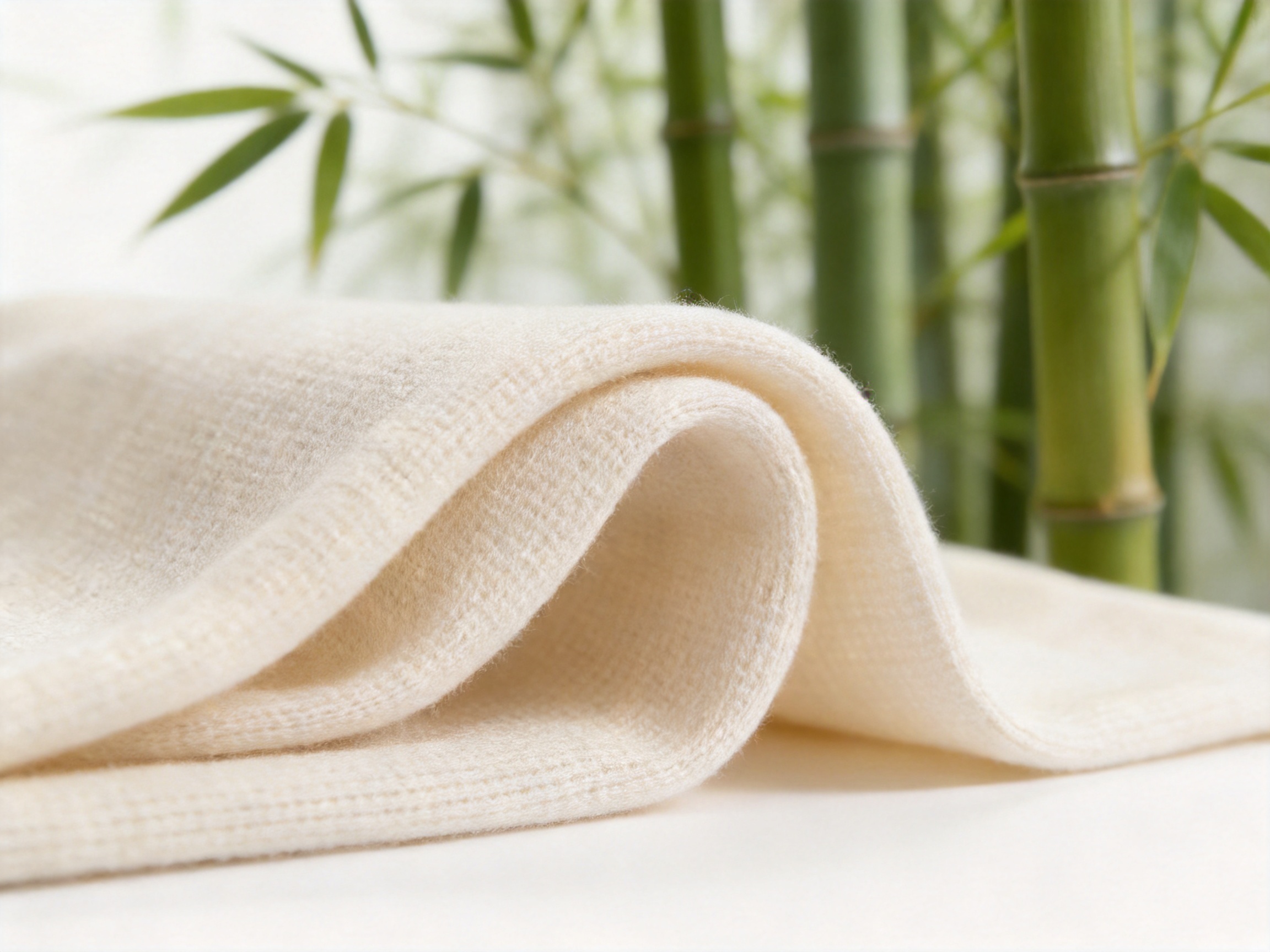
NR bamboo fabric competes with many materials in the knitted fabric market, including cotton knit, polyester knit, modal, ordinary viscose, nylon blends, and spandex-containing fabrics. Each material has its own strengths, but NR bamboo fabric occupies a useful middle position: it offers a soft plant-derived feel, good moisture comfort, and the production flexibility of regenerated cellulose fiber.
| Fabric Type | Main Strength | Common Limitation | NR Bamboo Fabric Advantage |
|---|---|---|---|
| Conventional Cotton Knit | Natural origin, familiar comfort | May shrink, wrinkle, or feel heavier when wet | Smoother drape, soft touch, refined surface, good comfort |
| Pure Polyester Knit | Durable, quick-drying, stable | Can feel less breathable and less skin-friendly | More moisture-absorbent feel and softer comfort for close-to-skin wear |
| Ordinary Viscose Knit | Soft and breathable | Quality varies greatly depending on spinning and finishing | Controlled NR knitted production improves consistency and fabric hand feel |
| Modal Knit | Fine softness and drape | Often higher cost in many sourcing channels | Competitive comfort and appearance with practical commercial value |
| Nylon Blend Knit | Strength and elasticity | May lack the natural softness expected in comfortwear | Better skin comfort and plant-derived material appeal |
Compared with pure polyester fabrics, NR bamboo fabric is more comfortable for applications where moisture absorption and skin feel are key. Polyester has excellent strength and quick-drying performance, but some consumers find it less pleasant for intimate apparel or sleepwear. NR bamboo fabric provides a softer, more breathable touch that can elevate the finished garment.
Compared with conventional cotton, NR bamboo fabric can offer a smoother surface and more elegant drape. Cotton remains popular, but it may wrinkle, shrink, or feel heavy when wet if not properly processed. Bamboo-derived viscose knits can be engineered to provide a lighter, silkier sensation while maintaining practical everyday wearability.
Compared with lower-grade viscose fabrics, NR bamboo fabric benefits from controlled manufacturing, careful yarn selection, knitting precision, dyeing consistency, and finishing quality. The quality of regenerated cellulose fabric depends heavily on production management. Advanced equipment and process control can greatly reduce defects such as uneven texture, poor dimensional stability, color inconsistency, and weak surface performance.
Performance in Apparel Applications
NR bamboo fabric is highly suitable for apparel because it supports the comfort needs of modern consumers. The fabric’s softness makes it ideal for products that require direct skin contact. Its breathable knitted structure helps create garments that feel relaxed and comfortable during movement.
Underwear and Intimate Garments
For underwear, fabric quality is critical. The textile must be soft, breathable, non-scratchy, and stable after repeated washing. NR bamboo fabric is a strong option because it provides a smooth touch and moisture-absorbing comfort. Some consumers associate bamboo textiles with antibacterial properties, but it is important to understand that such properties may not remain after the fiber is processed into finished fabric and garments. The true commercial value of NR bamboo fabric lies in its softness, comfort, moisture absorption, and pleasant wearing experience.
Socks
Socks require moisture comfort, elasticity, durability, and a pleasant feel. Bamboo-derived viscose can help make socks feel soft and comfortable, especially for everyday casual use. When blended with suitable elastic or strength-supporting fibers, NR bamboo fabric can provide better shape retention and wear performance.
T-Shirts and Casual Tops
T-shirts made with NR bamboo fabric can feel soft, lightweight, and breathable. The fabric drapes well and can provide a polished surface that looks cleaner than many ordinary basic knits. This makes it suitable for both basic apparel programs and higher-value comfort collections.
Loungewear and Sleepwear
Comfort is the main selling point of loungewear and sleepwear. NR bamboo fabric supports this category because it feels smooth against the body and moves naturally. Its moisture absorption and breathability also make it suitable for long periods of indoor wear.
Children’s Clothing
Children’s garments require soft textiles that do not feel harsh on sensitive skin. NR bamboo fabric can be a good option for babywear, kids’ T-shirts, pajamas, and leggings, provided that the fabric is finished according to relevant safety and quality standards.
Performance in Household Textiles
NR bamboo fabric is also suitable for household textiles. Home textile buyers increasingly look for fabrics that combine comfort, softness, good appearance, and an eco-conscious material story. Bamboo-derived viscose knits can be used in bedding and soft home products where touch is a major purchasing factor.
In pillowcases and sheets, the smooth hand feel of the fabric can create a more comfortable sleeping surface. In lightweight blankets and throws, the fabric can provide softness and drape. In homewear-related textiles, such as robes and indoor garments, NR bamboo fabric offers the same comfort advantages seen in apparel applications.
The household textile market also values color, stability, and repeatability. Consistent dyeing and finishing are essential because bedding and home goods are often sold in sets. A reliable manufacturing partner with integrated processing capability can help maintain consistent color lots, controlled shrinkage, and stable fabric appearance.
Advanced Manufacturing Process
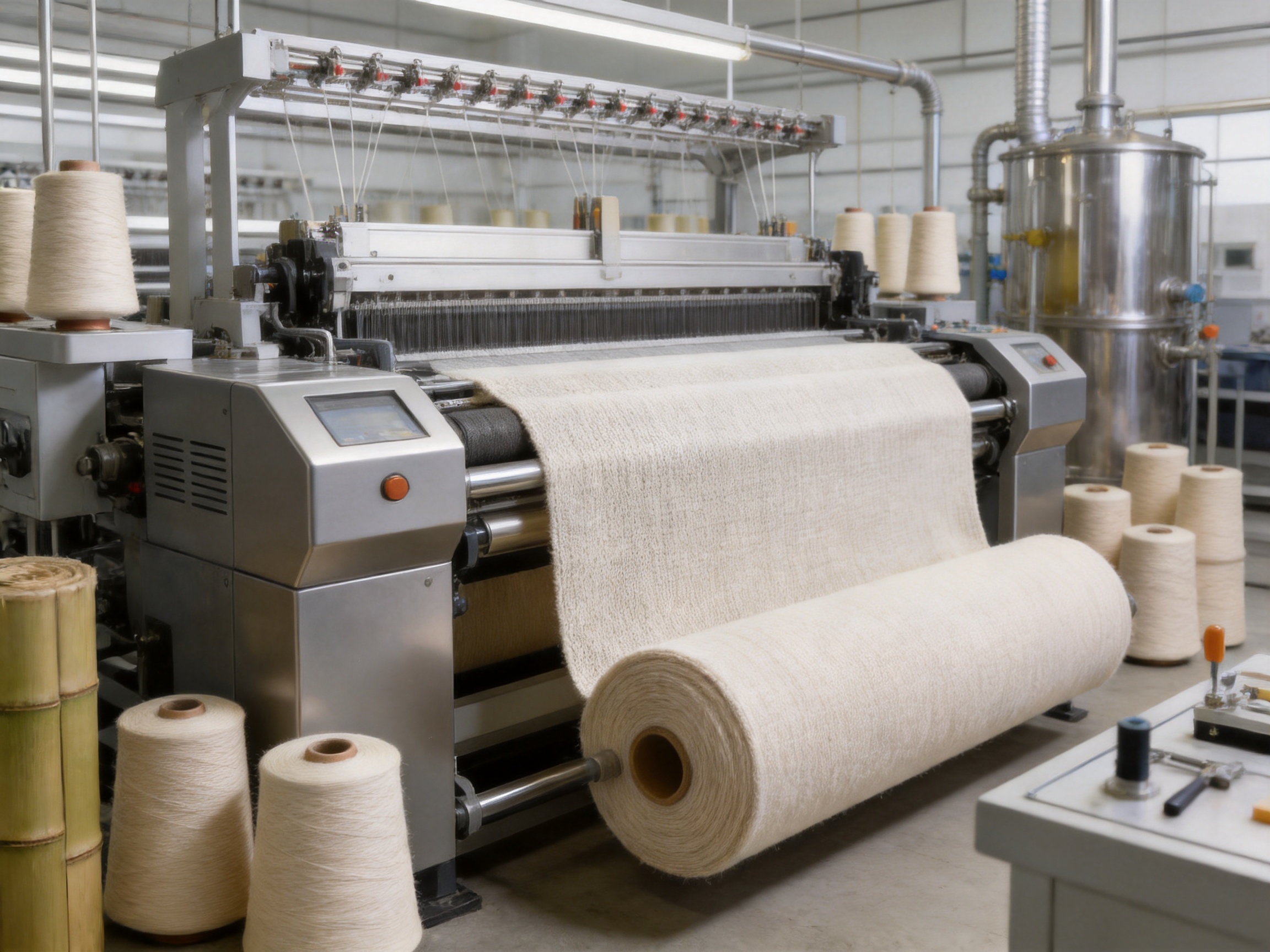
The quality of NR bamboo fabric depends not only on the fiber but also on the entire manufacturing chain. A strong fabric manufacturer must manage raw material selection, yarn preparation, knitting, dyeing, finishing, inspection, packaging, and delivery. Hangzhou Jinfeng Textile Co., Ltd. supports this type of integrated textile production with experience in blended fabrics, polyester and spandex processing, DTY polyester yarn production, post-dyeing, finishing, and sales.
Raw Material Selection
The process begins with careful selection of bamboo-derived viscose yarn and related blending materials when required. Yarn quality affects fabric strength, softness, evenness, dyeing performance, and surface appearance. Before production, yarn must be evaluated for count, twist, uniformity, moisture condition, and defect level. Stable yarn input is the foundation of stable fabric output.
Yarn Preparation
Yarn preparation helps ensure smooth knitting performance. If the yarn is not properly conditioned or prepared, problems such as broken ends, uneven loops, holes, and surface streaks can occur. Professional preparation reduces production loss and supports uniform fabric texture.
Knitting Control
Knitting is where the fabric structure is formed. The loop structure determines stretch, weight, thickness, air permeability, surface character, and hand feel. NR bamboo fabric requires controlled machine settings to prevent uneven tension, skewing, barré, or unstable dimensions. Advanced knitting management helps ensure that the fabric has a consistent width, weight, and texture.
Dyeing Technology
Dyeing regenerated cellulose fabrics requires technical understanding. Bamboo-derived viscose can accept dye well, but color consistency depends on process control. Temperature, dye selection, bath ratio, time, washing, and fixation must be properly managed. Good dyeing technology creates bright, even colors while protecting fabric softness.
Finishing Process
Finishing gives the fabric its final commercial character. The finishing process may include washing, softening, setting, compacting, drying, and surface treatment depending on the product specification. Proper finishing improves hand feel, dimensional stability, appearance, and garment-making performance. For NR bamboo fabric, finishing must be balanced: too little finishing may leave instability, while excessive finishing may reduce the natural soft touch.
Quality Inspection
Inspection is essential before shipment. Fabric must be checked for color consistency, holes, stains, uneven texture, width, weight, shrinkage, hand feel, and packing quality. Reliable inspection protects buyers from production risk and helps garment factories reduce cutting loss.
Manufacturing Strengths Behind the Fabric
Hangzhou Jinfeng Textile Co., Ltd. is located in Jingjiang Street Industrial Park, Xiaoshan District, Hangzhou City, Zhejiang Province. The company covers an area of 32.6 acres and has a plant area of 18,000 square meters. This production foundation supports fabric development, processing, dyeing, finishing, and sales for blended fabrics such as polyester and spandex, as well as DTY polyester yarn production and processing.
The company’s integrated structure is an important advantage for buyers. In the textile industry, fragmentation can lead to delays, inconsistent quality, communication problems, and higher sourcing risk. A manufacturer with production, processing, post-dyeing, finishing, and sales capabilities can coordinate orders more efficiently and respond to customer requirements more directly.
Another strength is experience with different textile categories. The company’s product scope includes polyester rayon fabric, knitted jacquard fabric, NTR knitted fabric, NR knitted fabric, and slight intermingled draw textured yarn. This broad technical background supports flexible fabric development. For customers, this means the manufacturer can recommend suitable yarns, fabric structures, blends, and finishing methods according to the target product.
DTY polyester yarn production experience is also valuable. Even when the main product is NR bamboo fabric, knowledge of textured yarn, intermingling, elasticity, and blended yarn behavior helps the manufacturer understand how different fibers perform in knitting and finishing. This technical knowledge can be used to improve fabric stability, softness, stretch, and durability.
Advantages Over Less Integrated Competitors
Many fabric suppliers can offer soft knitted materials, but not all can provide stable quality, repeatable production, and technical support. NR bamboo fabric manufactured through an integrated and experienced process offers several advantages over less controlled alternatives.
Better Consistency
Consistency is a major challenge in knitted fabric sourcing. Buyers need each batch to match the approved sample in color, hand feel, weight, width, and shrinkage. A manufacturer with controlled knitting, dyeing, and finishing has better ability to maintain these standards across repeat orders.
More Reliable Development
New fabric development requires communication between yarn selection, knitting structure, dyeing, and finishing. If each stage is handled by unrelated factories, development can be slow and uncertain. Integrated manufacturing allows technical teams to adjust multiple steps quickly, improving sampling efficiency and final results.
Stronger Quality Management
Quality control must occur throughout production, not only at the end. By monitoring raw materials, knitting conditions, dyeing parameters, and finishing settings, the manufacturer can prevent defects before they become costly. This is especially important for bamboo-derived viscose fabrics, which require careful handling to maintain softness and stability.
Commercial Flexibility
Different buyers need different specifications. Some need lightweight fabric for underwear; others need medium-weight fabric for T-shirts or home textiles. Some require solid colors, while others need special textures or blended performance. A manufacturer experienced in multiple knitted fabric categories can adjust production plans according to market needs.
Environmental Considerations and Responsible Positioning
NR bamboo fabric is often associated with eco-conscious consumption because bamboo is a fast-growing plant resource. This gives the fabric a strong market appeal among buyers and consumers interested in alternatives to fully petroleum-based textiles. However, responsible communication is important. Bamboo-derived viscose is not simply raw bamboo fiber; it is regenerated cellulose fiber made through chemical processing.
The environmental value of NR bamboo fabric depends on responsible sourcing, efficient production, controlled chemical use, proper wastewater treatment, and durable final products. A fabric that lasts longer and remains comfortable after repeated use can reduce waste compared with low-quality textiles that quickly lose shape or softness. Therefore, quality manufacturing is part of sustainability.
Buyers should position NR bamboo fabric honestly: it is a soft, plant-derived regenerated cellulose knitted fabric with excellent comfort potential, and its environmental benefit is strongest when made through responsible industrial processes. This accurate positioning builds trust and avoids exaggerated claims.
Comfort and Skin Contact Benefits
For many end users, comfort is more important than technical terminology. NR bamboo fabric delivers comfort in several ways. First, the surface is smooth and soft, reducing friction against the skin. Second, the knitted construction allows flexibility and movement. Third, moisture absorption helps the fabric feel more pleasant during everyday activity. Fourth, the drape creates a relaxed and natural fit.
These qualities make NR bamboo fabric suitable for people who dislike rough, stiff, or overly synthetic-feeling garments. It is especially relevant for intimate apparel, sleepwear, and homewear, where consumers expect softness immediately when touching the product.
In garment design, fabric comfort can influence brand loyalty. A consumer may buy a product because of its style, but they often repurchase because of how it feels. NR bamboo fabric gives apparel brands an opportunity to build product lines around tactile satisfaction and daily comfort.
Design Flexibility
NR bamboo fabric can support many design directions. It can be used for clean minimalist basics, soft casualwear, functional comfort garments, or premium home textile collections. Its smooth surface supports solid colors and understated designs, while its knitted structure can be adapted for different textures.
When blended with other fibers, performance can be adjusted. Elastic fibers can improve stretch and recovery. Polyester or nylon components can increase strength or drying speed. Rayon components can enhance softness and moisture comfort. Through technical development, the fabric can be customized for specific markets.
This flexibility helps buyers respond to changing fashion trends. A fabric platform that can be adjusted in weight, hand feel, color, and structure allows faster product development and broader merchandising options.
Color and Finishing Possibilities
Bamboo-derived viscose can achieve attractive dyeing results when processed properly. NR bamboo fabric can be produced in soft neutrals, bright fashion colors, deep shades, and seasonal palettes. Color quality is important for both apparel and home textiles, because consumers immediately judge a product by its visual appeal.
Finishing can further modify the fabric’s character. A soft finish can enhance the already smooth hand feel. Compacting can improve dimensional stability. Careful drying and setting can reduce distortion. Surface cleaning can improve appearance. The goal is to preserve softness while delivering the stability needed for cutting, sewing, washing, and long-term use.
Quality Control Standards for Buyers
When sourcing NR bamboo fabric, buyers should evaluate several technical parameters. Fabric weight should match the intended use. Width must be stable for cutting efficiency. Shrinkage should be controlled to reduce garment size problems. Colorfastness must meet the washing and wearing requirements of the target market. Hand feel should match the approved sample. Surface defects must be minimized.
A professional supplier can provide guidance on these specifications. For example, underwear fabric may require extra softness and stretch, while T-shirt fabric may need a balance of drape and shape retention. Bedding fabric may require smoothness, color consistency, and good dimensional behavior. By defining these requirements clearly, buyers can achieve better final products.
Inspection should include both visual and physical tests. Visual inspection identifies stains, holes, uneven dyeing, and knitting defects. Physical testing can evaluate shrinkage, colorfastness, weight, width, bursting strength, and pilling tendency. Strong quality control reduces risk in garment production and improves customer satisfaction.
Why NR Bamboo Fabric Fits Current Market Trends
The textile market is moving toward comfort, wellness, responsible sourcing, and versatile everyday products. NR bamboo fabric fits these trends well. It supports the comfortwear movement, where consumers choose garments that feel good throughout the day. It also supports the growth of loungewear and homewear, categories that require softness and relaxed drape.
At the same time, the fabric offers an eco-conscious story through its bamboo-derived cellulose origin. Consumers are increasingly interested in what their clothing is made from, and brands need materials that can be explained clearly. NR bamboo fabric gives brands a strong comfort story supported by a plant-based material origin.
The rise of online apparel sales also increases the importance of fabric description. Since consumers cannot touch the fabric before buying, terms such as soft, breathable, smooth, and bamboo-derived help communicate value. When the actual fabric experience matches the description, brands can improve reviews and repeat purchases.
Applications by Product Category
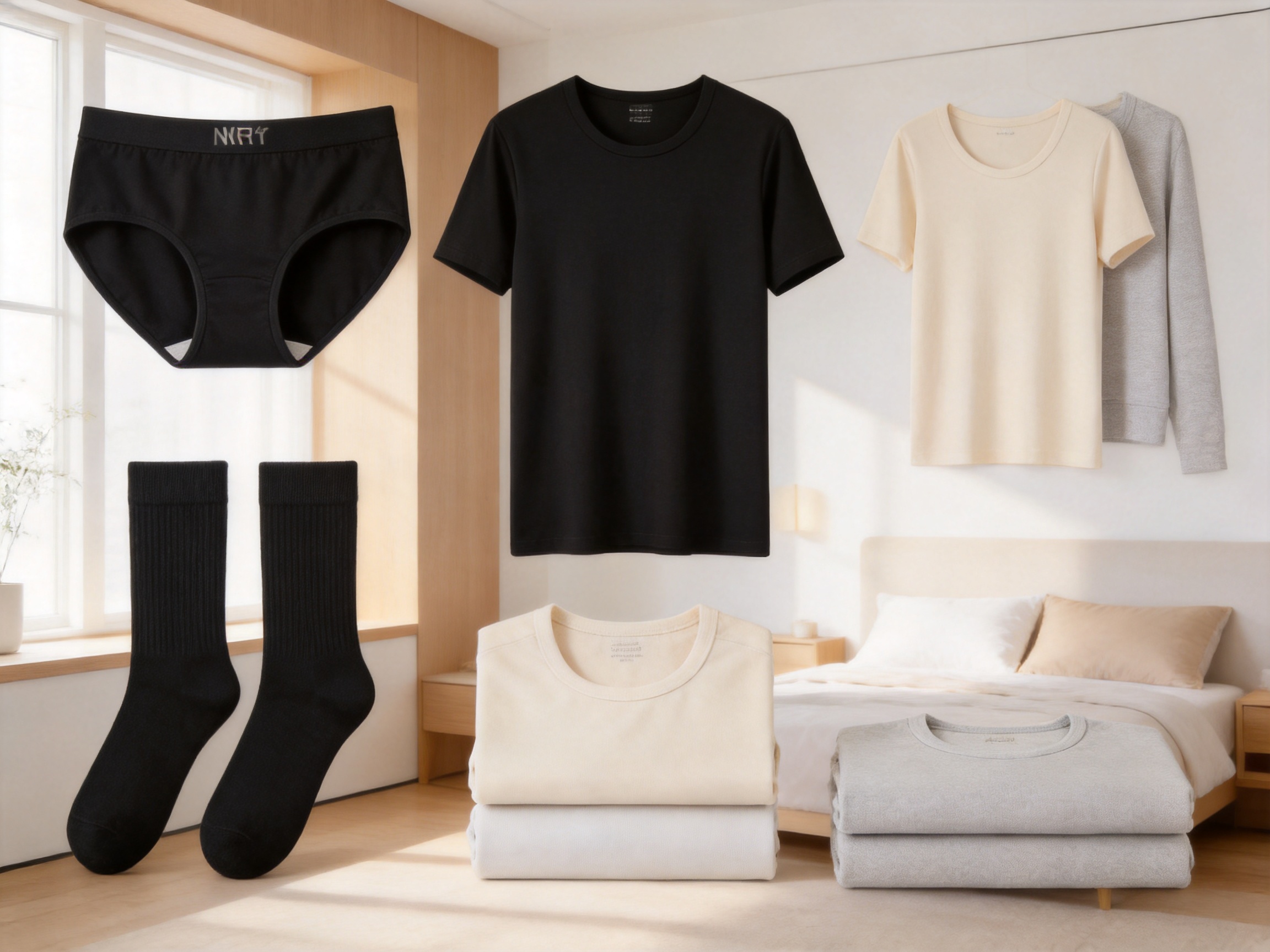
NR bamboo fabric can be adapted to multiple product categories. For underwear, it offers softness and moisture comfort. For socks, it provides a gentle feel. For T-shirts, it creates a smooth surface and elegant drape. For loungewear, it supports relaxed movement. For home textiles, it creates comfort and a pleasant touch.
In women’s apparel, the fabric can be used for camisoles, tops, leggings, soft dresses, and sleepwear. In men’s apparel, it can be used for undershirts, boxers, casual T-shirts, and lounge pants. In children’s apparel, it can be used for pajamas, T-shirts, and base layers. In household textiles, it can be used for pillow covers, sheets, light blankets, and soft accessories.
The same fabric family can serve different markets by adjusting fabric weight and structure. This is useful for buyers who want to build coordinated collections. For example, a brand may use a lightweight NR bamboo fabric for underwear, a medium-weight version for T-shirts, and a slightly heavier version for loungewear.
Practical Buying Considerations
Before purchasing NR bamboo fabric, buyers should define the final application. A fabric intended for socks may require different specifications from a fabric intended for bedding. Important factors include yarn count, fabric weight, width, stretch, recovery, color, finish, shrinkage, and packaging.
Buyers should also request samples and test them under real conditions. Garment makers should cut, sew, wash, and wear-test the fabric before placing large orders. This process helps confirm whether the fabric meets expectations for softness, dimensional stability, seam performance, and final appearance.
Communication with the manufacturer is also important. Clear technical requirements help prevent misunderstandings. If the buyer requires special softness, specific colorfastness, low shrinkage, or a certain fabric weight, these details should be confirmed before bulk production.
How Advanced Production Enhances Product Value
Advanced manufacturing turns a good raw material into a reliable commercial fabric. Bamboo-derived viscose fiber can be soft, but without correct knitting and finishing, the fabric may become unstable or inconsistent. Modern production control enhances the value of NR bamboo fabric by improving uniformity, reducing defects, and optimizing comfort.
Precise knitting improves loop consistency and surface smoothness. Controlled dyeing improves color quality. Professional finishing improves hand feel and shrinkage stability. Inspection ensures that only qualified fabric is shipped. These steps are essential for buyers who need dependable fabric for large-scale apparel or household textile production.
Manufacturing strength also helps with customization. If a buyer wants a softer hand feel, a different weight, a specific color, or a modified stretch level, technical teams can adjust the process. This flexibility gives NR bamboo fabric a competitive edge over generic fabrics sold without development support.
Brand and Retail Value
NR bamboo fabric can help brands create products with a clear value proposition. The message is simple: soft, breathable, smooth, comfortable, and made from bamboo-derived cellulose. This message is easy for consumers to understand and attractive in categories where touch matters.
For retailers, the fabric supports premium positioning without being overly complicated. Products made from NR bamboo fabric can be presented as comfort-focused essentials. This works well for underwear collections, T-shirt programs, loungewear capsules, and home textile lines.
The fabric also supports repeat sales. When consumers enjoy the feel of a garment, they are more likely to purchase additional colors or similar styles. This makes NR bamboo fabric useful for basic programs that remain in production for multiple seasons.
Q&A Section
What is NR bamboo fabric?
NR bamboo fabric is a knitted fabric made with bamboo-derived viscose rayon fiber. It belongs to the NR knitted fabric category and is valued for softness, breathability, moisture comfort, and smooth drape.
Is NR bamboo fabric the same as raw bamboo fiber?
No. Bamboo-derived viscose is made by processing bamboo cellulose into regenerated fiber through the viscose rayon method. The finished fabric is soft and flexible, unlike raw bamboo material.
What products can be made from NR bamboo fabric?
It can be used for underwear, socks, T-shirts, loungewear, sleepwear, children’s clothing, casual tops, bedding, pillowcases, sheets, and other household textiles.
What are the main advantages of NR bamboo fabric?
The main advantages include soft hand feel, breathable knitted structure, moisture absorption, smooth appearance, elegant drape, versatile use, and a plant-derived material story.
Does bamboo fabric remain antibacterial after processing?
Some consumers associate bamboo with antibacterial properties, but these properties may disappear after the fiber is processed into yarn, fabric, and garments. The reliable benefits of NR bamboo fabric are softness, comfort, breathability, and moisture absorption.
How does NR bamboo fabric compare with polyester knit?
Polyester knit is durable and quick-drying, but it can feel less absorbent and less natural against the skin. NR bamboo fabric usually provides a softer, more moisture-comfortable feel for close-to-skin garments.
How does NR bamboo fabric compare with cotton knit?
Cotton knit is familiar and natural, but it may wrinkle, shrink, or feel heavier when wet. NR bamboo fabric can offer smoother drape, a softer touch, and a more refined surface.
Why is manufacturing control important for NR bamboo fabric?
Manufacturing control affects weight, width, shrinkage, color consistency, surface quality, and hand feel. Controlled knitting, dyeing, finishing, and inspection help create stable fabric suitable for commercial garment production.
Can NR bamboo fabric be customized?
Yes. It can be customized by weight, structure, color, finish, stretch level, and blend composition according to the target product and buyer requirements.
Why choose a manufacturer with integrated production capability?
An integrated manufacturer can coordinate yarn processing, knitting, dyeing, finishing, quality inspection, and sales more efficiently. This improves consistency, shortens development time, and reduces sourcing risk.
Conclusion
NR bamboo fabric is a strong choice for buyers seeking a soft, breathable, and versatile knitted textile with plant-derived material appeal. Its comfort advantages make it especially suitable for underwear, socks, T-shirts, loungewear, sleepwear, children’s garments, and household textiles. Compared with many ordinary polyester, cotton, and low-grade viscose fabrics, it offers a refined balance of softness, moisture comfort, drape, and commercial flexibility.
The true value of NR bamboo fabric comes from the combination of material selection and advanced manufacturing. Bamboo-derived viscose provides the foundation for softness and comfort, while professional knitting, dyeing, finishing, and inspection transform it into a stable and market-ready fabric. With strong production facilities, experience in blended fabrics, DTY polyester yarn, NR knitted fabric, NTR knitted fabric, knitted jacquard fabric, and post-dyeing finishing, Hangzhou Jinfeng Textile Co., Ltd. is positioned to support buyers with reliable fabric solutions and flexible development capability.
For brands and manufacturers looking to create comfort-focused apparel and home textile collections, NR bamboo fabric provides a practical and attractive option. It meets consumer demand for softness, supports modern lifestyle products, and allows flexible product development across multiple categories. When sourced from a capable textile manufacturer with strong process control, it can deliver both comfort and commercial reliability.
References
1. Textile Institute. Regenerated Cellulosic Fibres: Production, Properties, and Applications.
2. Woodings, C. Regenerated Cellulose Fibres. Woodhead Publishing.
3. Kadolph, S. J. Textiles. Pearson Education.
4. Cook, J. G. Handbook of Textile Fibres: Man-Made Fibres. Woodhead Publishing.
5. Horrocks, A. R., and Anand, S. C. Handbook of Technical Textiles. Woodhead Publishing.