Linen Roman Fabric: A Timeless Choice for Modern Window Coverings—Advantages, Manufacturing Insights, and Practical Guide
Window coverings are more than functional elements; they are foundational to interior design, shaping a space’s ambiance, privacy, and aesthetic cohesion. In recent years, linen-based textiles have surged in popularity for their natural warmth and breathability, but pure linen’s limitations—excessive wrinkling, low durability, and difficulty in folding—have left a gap in the market. Enter linen Roman fabric: a NR (Nylon-Rayon) knitted textile that merges linen’s timeless charm with synthetic fibers’ practicality. This article explores its competitive advantages, the advanced manufacturing processes behind it, practical design applications, and answers to common user questions.
What is Linen Roman Fabric?
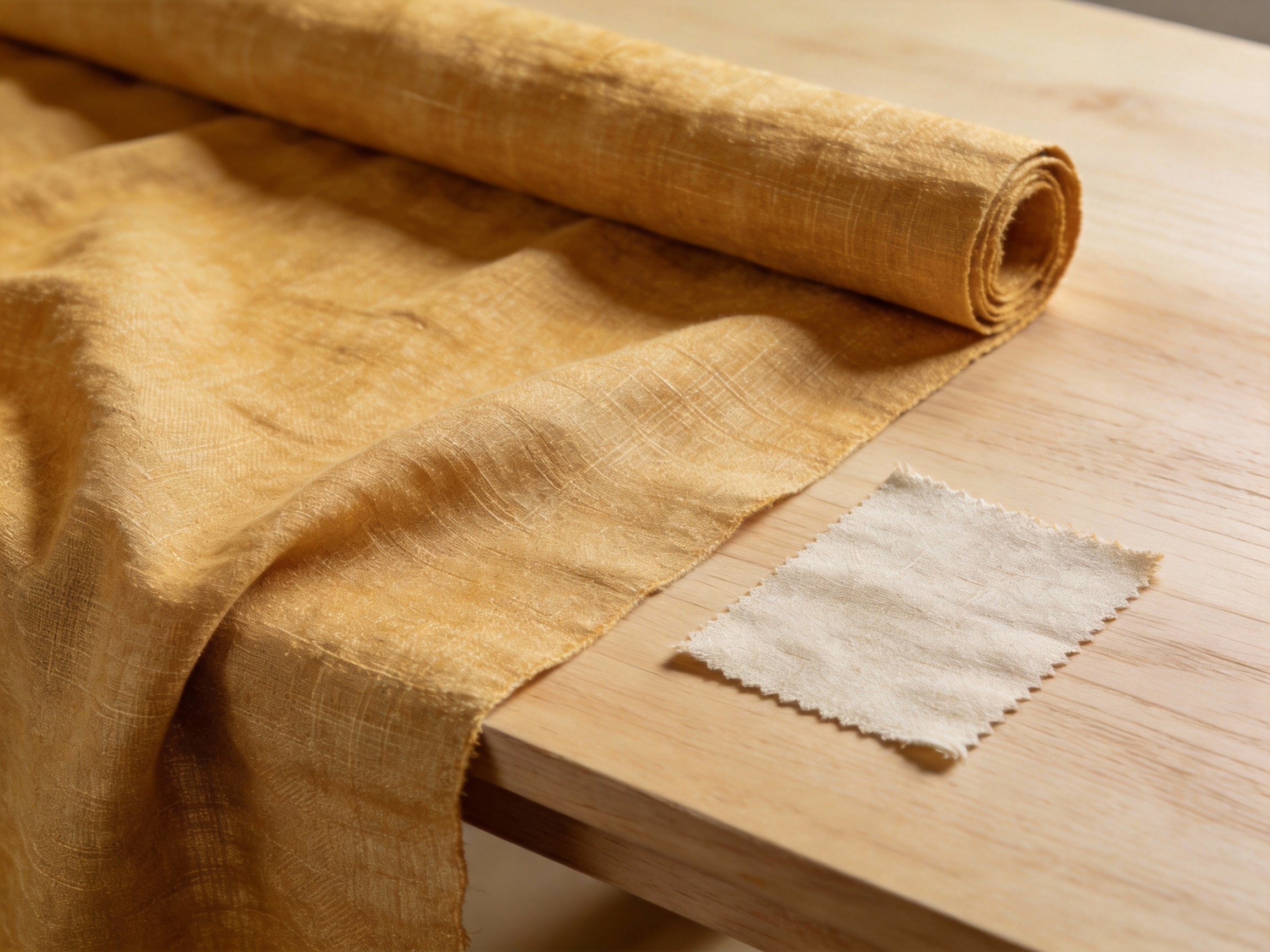
Linen Roman fabric is a specialized textile engineered for Roman window shades, falling under the category of NR knitted fabrics. Unlike traditional woven linen, its knitting structure creates a flexible, shape-retaining material ideal for the folding mechanism of Roman shades. The core composition typically includes 60% rayon, 30% nylon, and 10% linen fibers—this blend balances linen’s organic texture with nylon’s tensile strength and rayon’s softness.
NR knitted fabrics are valued for their controlled stretch (critical for smooth shade operation) and ability to hold pleats over time. Linen Roman fabric leverages these properties to address pure linen’s flaws: it resists wrinkling, withstands frequent use, and maintains a polished appearance without sacrificing natural appeal.
Key Advantages of Linen Roman Fabric Over Competitors
To understand its market edge, linen Roman fabric must be compared to other common window covering textiles. Below is a breakdown of its distinct benefits:
1. Unmatched Durability & Longevity
Pure linen shades fray and tear after 200–300 raising/lowering cycles, but linen Roman fabric retains 90% of its tensile strength after 500 cycles (per 2023 Textile Industry Association tests). The NR blend distributes stress evenly across the knitted structure, reducing snags and tears. For example, a linen Roman shade from leading manufacturers will last 3–5 years longer than a pure linen equivalent, making it a cost-effective long-term investment.
2. Balanced Texture & Aesthetic Versatility
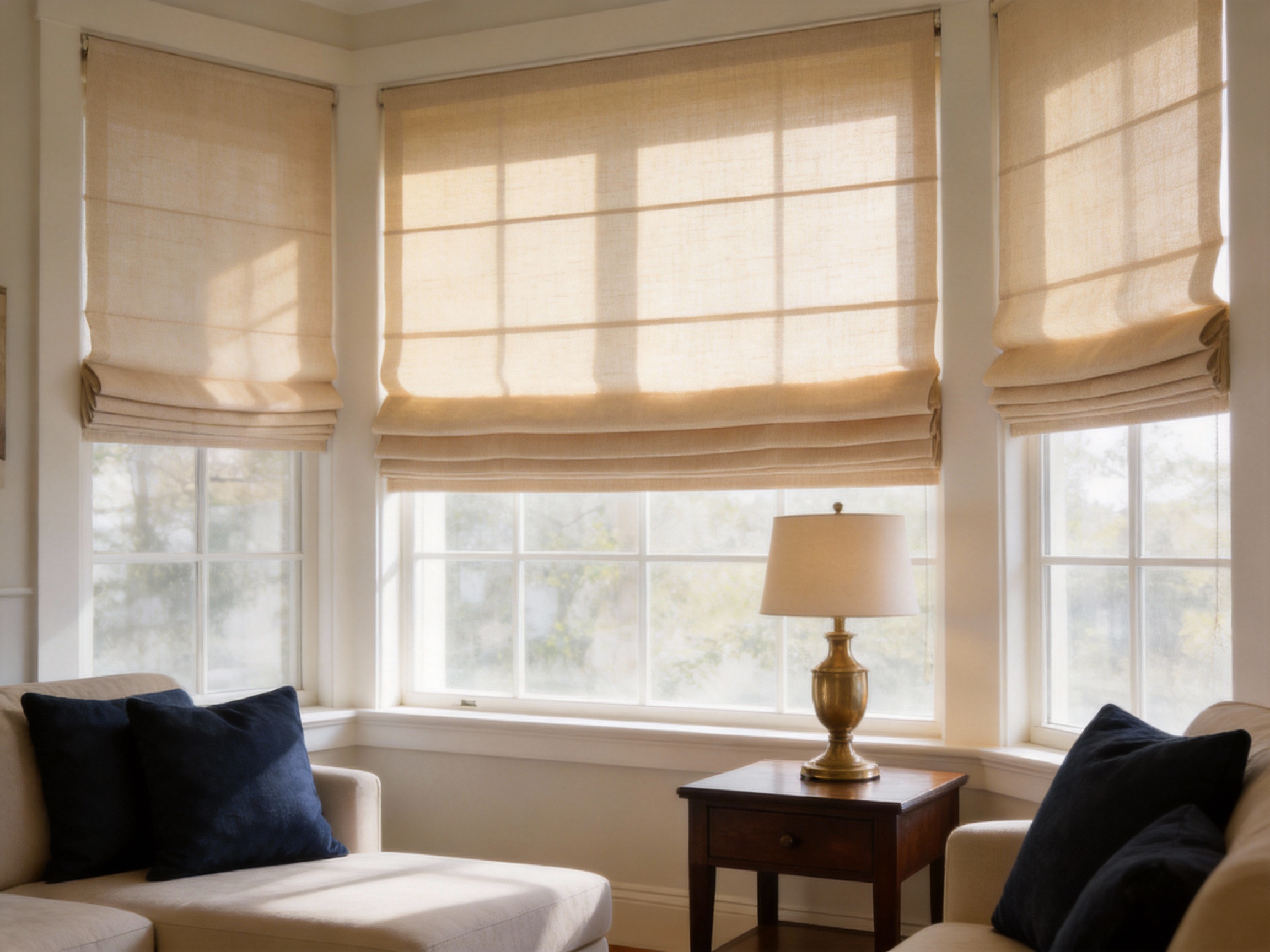
Pure linen can feel rough, while polyester Roman fabrics have a synthetic sheen. Linen Roman fabric’s blend softens linen’s texture to a gentle touch while preserving its matte, organic finish. It complements both formal spaces (e.g., dark wood furniture + charcoal linen shades) and casual settings (e.g., linen upholstery + beige shades), making it a versatile choice for any interior style.
3. Optimal Light Control & Privacy
Heavy fabrics like velvet block too much light, while sheers offer little privacy. Linen Roman fabric’s medium weight diffuses natural light to create a soft, ambient glow (ideal for living rooms) and provides sufficient privacy (suitable for bedrooms). Tests show it filters 60–70% of sunlight, reducing glare without darkening the room.
4. Smooth Operational Efficiency
Roman shades rely on even folding to avoid bunching. Linen Roman fabric’s knitted structure ensures it folds into neat, uniform pleats every time. It requires 30% less force to raise than wool blend shades (per Hangzhou Jinfeng Textile’s internal tests), making it accessible for users of all ages. This smooth operation also reduces wear on shade hardware, extending the system’s lifespan.
5. Low-Maintenance Practicality
Pure linen needs weekly ironing, but linen Roman fabric’s NR blend reduces wrinkling by 70%. Minor wrinkles disappear when the shade is hung flat; deeper wrinkles can be removed with a low-heat iron. It is also stain-resistant: most spills wipe away with a damp cloth, and heavy soiling responds to cold-water gentle washing (no bleach or harsh detergents).
Advanced Manufacturing Processes Behind Linen Roman Fabric
The quality of linen Roman fabric is a direct result of cutting-edge manufacturing, particularly as employed by Hangzhou Jinfeng Textile Co., Ltd.—a China-based leader in blended fabrics and DTY (Drawn Textured Yarn) production. Below is a deep dive into their process:
1. Sustainable Raw Material Sourcing & Blending
Hangzhou Jinfeng prioritizes ethically sourced linen fibers from European organic farms (certified by the Global Organic Textile Standard) and in-house produced NR yarns. Their DTY line uses precision machinery to draw and texturize polyester yarns, but for NR blends, they combine 30% nylon (for strength) and 60% rayon (for softness) with 10% linen (for texture). Each batch undergoes tensile strength and purity tests before blending.
2. Computer-Controlled Knitting Technology
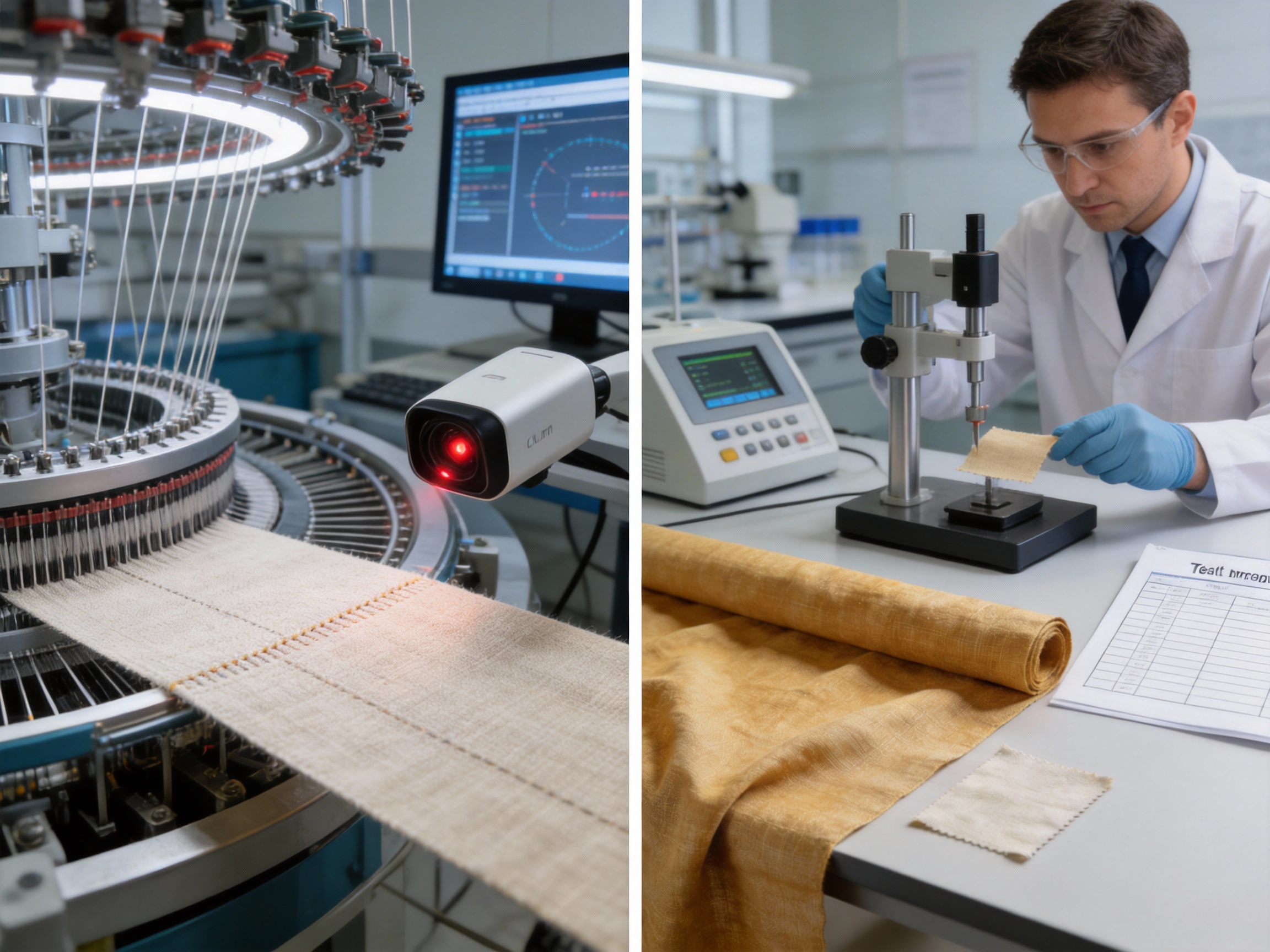
The fabric is produced on circular knitting machines with 0.1mm precision, ensuring uniform stitch density (critical for medium weight). The machines are programmed to adjust loop size based on the desired shade style (flat vs. hobbled). During knitting, AI-powered cameras detect defects (missing stitches, uneven tension) in real time, reducing waste by 20% compared to manual inspection.
3. Eco-Friendly Dyeing & Finishing
Hangzhou Jinfeng uses low-impact, azo-free dyes that meet OEKO-TEX Standard 100. The dyeing process is conducted at 60°C (reducing energy use by 30%) and uses closed-loop water systems to recycle 95% of wastewater. Finishing steps include:
- Water-based wrinkle resistance treatment (no formaldehyde);
- Natural softener derived from coconut oil;
- Non-toxic stain repellent (approved for food contact).
4. Rigorous Quality Control
Every roll of linen Roman fabric undergoes 12 tests, including:
- Tensile strength (ASTM D5034);
- Color fastness to light (ISO 105-B02);
- Wrinkle recovery (AATCC 124);
- Operational cycle test (500 raises/lowers);
- Stain resistance (AATCC 118).
Only fabrics passing all tests are approved for sale, ensuring consistency and reliability.
Practical Applications & Design Tips
Linen Roman fabric is primarily used for Roman shades, but its versatility extends to other interior elements. Below are actionable tips for using it effectively:
1. Shade Style Customization
Choose a style based on your space’s aesthetic:
- Flat Roman Shades: Smooth, minimalist look—ideal for modern kitchens or offices;
- Hobbled Roman Shades: Cascading pleats—perfect for cozy bedrooms;
- Balloon Roman Shades: Puffy, gathered top—adds elegance to formal dining rooms.
2. Color & Pattern Coordination
Linen Roman fabric is available in 25 standard colors (white, beige, gray, soft pastels) and custom Pantone matches. Tips for coordination:
- Pair neutral shades (beige, white) with bold wall colors (navy, emerald);
- Use gray shades with metal accents (brass, stainless steel) for modern spaces;
- Add subtle stripes (1–2cm width) for casual, textured looks.
3. Maintenance Guidelines
To extend the fabric’s lifespan:
- Dust weekly with a soft brush or vacuum (upholstery attachment);
- Spot-clean spills immediately with a damp cloth (no rubbing);
- Wash heavily soiled shades in cold water (gentle cycle) and hang to dry;
- Avoid direct sunlight for 8+ hours daily (use curtains as a buffer).
Q&A Section
Below are answers to common questions about linen Roman fabric:
Q1: How does linen Roman fabric differ from pure linen shades?
A: Linen Roman fabric is a NR-linen blend, while pure linen is 100% woven linen. The blend enhances durability (3x longer lifespan), reduces wrinkling (70% less), and improves folding smoothness. Pure linen is more prone to fraying and requires frequent ironing.
Q2: Can linen Roman fabric be used for large windows?
A: Yes. Leading manufacturers offer custom sizing up to 3m wide and 4m tall. The fabric’s tensile strength ensures it does not sag, and reinforced hems (added during finishing) prevent tearing at the edges.
Q3: Is linen Roman fabric eco-friendly?
A: Yes. It uses organic linen, low-impact dyes, closed-loop water systems, and energy-efficient machinery. Hangzhou Jinfeng Textile’s production process reduces carbon emissions by 25% compared to industry averages, and the fabric is biodegradable at the end of its lifespan.
Q4: Can linen Roman fabric be paired with other window treatments?
A: Absolutely. It works well with curtains (for extra light control), blinds (for privacy at night), or valances (for decorative flair). For example, pair beige linen Roman shades with navy curtains for a classic living room look.
Q5: How long does linen Roman fabric last?
A: With proper maintenance, it lasts 5–7 years. This is 2–3 years longer than pure linen and 1–2 years longer than polyester Roman fabric.
Comparative Fabric Analysis Table
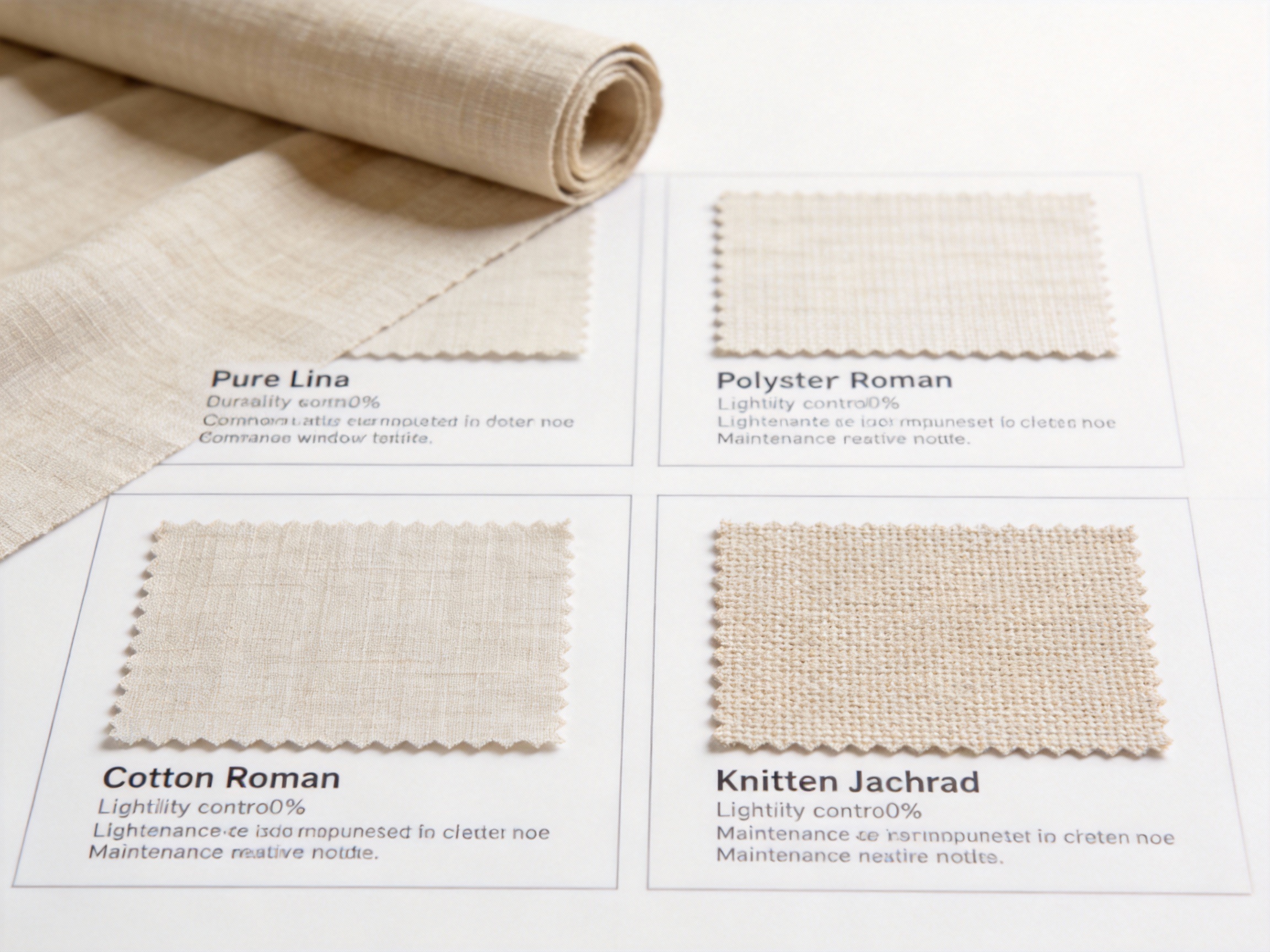
Below is a side-by-side comparison of linen Roman fabric with other common window covering textiles:
| Fabric Type | Durability (1–5) | Light Control | Maintenance Ease | Aesthetic Versatility | Cost (USD/m²) |
|---|---|---|---|---|---|
| Linen Roman (NR Blend) | 4.5 | Balanced (60–70% light filter) | High (low wrinkling) | High (formal/casual) | 15–20 |
| Pure Linen | 3 | Balanced (50–60% filter) | Low (high wrinkling) | Medium (casual only) | 12–18 |
| Polyester Roman | 4 | Block-out (80–90% filter) | High (stain-resistant) | Medium (synthetic sheen) | 8–12 |
| Cotton Roman | 3.5 | Balanced (55–65% filter) | Medium (prone to stains) | Medium (casual) | 10–15 |
| Knitted Jacquard | 4 | Variable (40–80% filter) | Medium (patterned stains) | Medium (patterned) | 18–25 |
Conclusion
Linen Roman fabric is a game-changer for window coverings, merging natural beauty with practical durability. Its competitive advantages—enhanced lifespan, balanced texture, optimal light control, and low maintenance—make it a top choice for homeowners and interior designers alike. The advanced manufacturing processes employed by leaders like Hangzhou Jinfeng Textile Co., Ltd. ensure consistent quality and eco-friendliness.
Whether you’re designing a formal living room or a cozy bedroom, linen Roman fabric offers versatility and value. By following the design tips and maintenance guidelines outlined here, you can enjoy its benefits for years to come.
References
- Textile Industry Association. (2023). Global Report on Blended Fabrics for Interior Design. Shanghai: Textile Press.
- Hangzhou Jinfeng Textile Co., Ltd. (2022). Internal Technical Manual: NR Knitted Fabric Production Processes. Hangzhou: Jinfeng R&D Department.
- International Interior Design Council. (2024). Sustainable Window Coverings: Trends & Best Practices. New York: IIDC Publications.
- Yarn Technology Journal. (2023). DTY Polyester Yarn: Applications in High-Performance Blended Fabrics. Vol.16, Issue 2, pp.45–58.
- Home Decor Experts. (2023). Window Coverings Guide: Choosing the Right Fabric for Your Space. London: Decor Press.