Grey Cotton Polyester Rayon Fabric: A Comprehensive Guide to Its Advantages, Manufacturing, and Market Impact
In the dynamic world of textiles, the quest for fabrics that balance performance, comfort, and durability has led to the rise of innovative blends. Among these, Grey Cotton Polyester Rayon Fabric stands out as a versatile option that addresses the limitations of natural and synthetic fibers alike. This fabric combines the best attributes of three distinct materials—cotton, polyester, and rayon—to create a product that excels in a wide range of applications, from business suiting to casual apparel. In this article, we will explore the unique properties of Grey Cotton Polyester Rayon Fabric, its advantages over competitor fabrics, the advanced manufacturing processes that make it possible, and its growing impact on the global textile market.
What Is Grey Cotton Polyester Rayon Fabric?
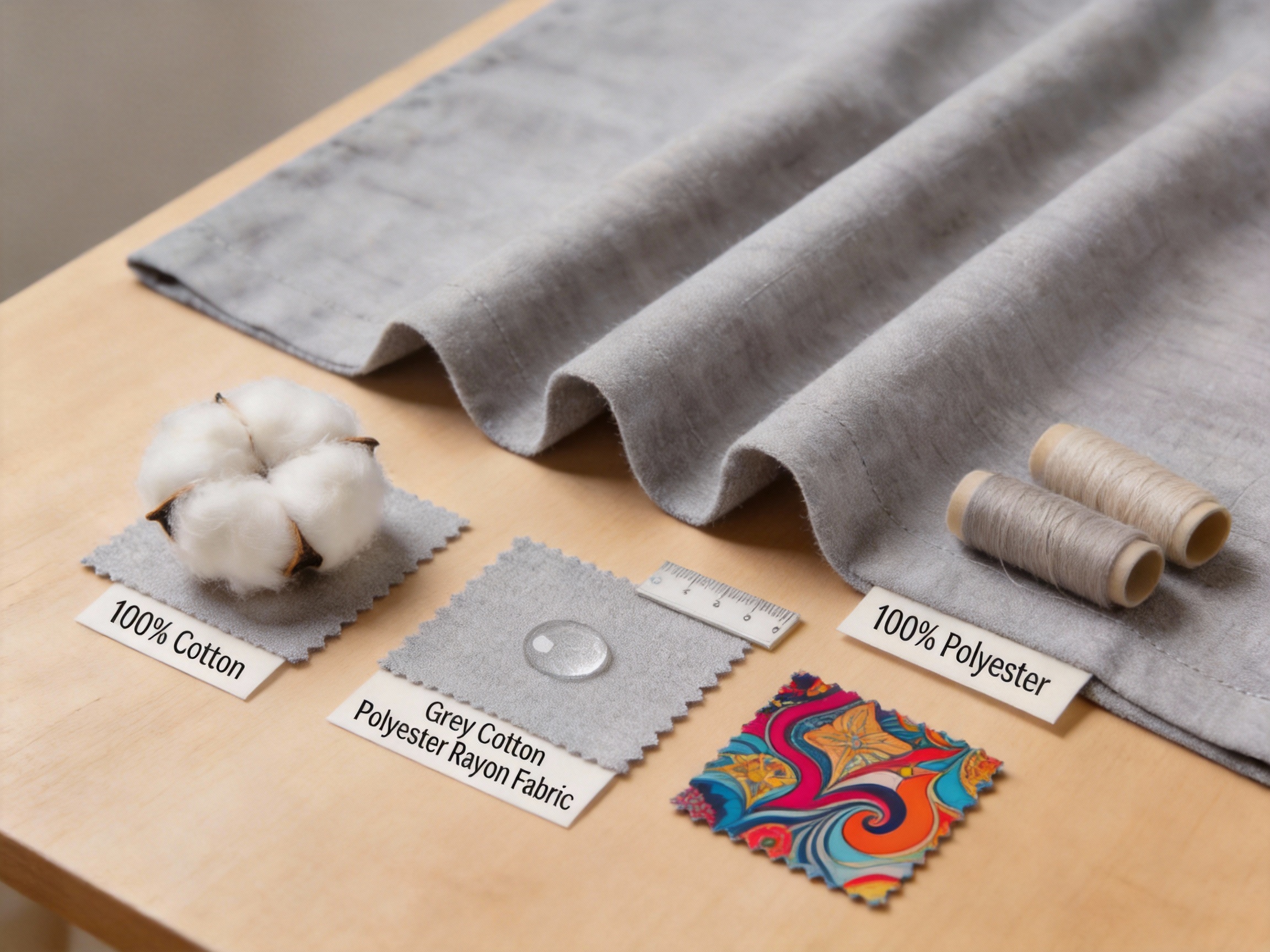
Grey Cotton Polyester Rayon Fabric is a blended textile made from three core fibers: cotton (a natural cellulose fiber), polyester (a synthetic polymer), and rayon (a semi-synthetic cellulose fiber). The term "grey" refers to the fabric's unbleached or dyed grey state, which makes it highly versatile—either used as-is for neutral tones or easily dyed into a wide range of colors. Each fiber contributes unique properties to the blend, creating a fabric that is greater than the sum of its parts:
Cotton: A natural fiber known for its breathability, moisture absorption, and soft hand feel. Cotton is comfortable against the skin but has limitations, including high shrinkage when washed and reduced strength when wet.
Polyester: A synthetic fiber valued for its durability, shape retention, shrink resistance, and color fastness. Polyester is strong and long-lasting but lacks breathability and can feel stiff or uncomfortable against the skin.
Rayon: A semi-synthetic fiber made from cellulose (often derived from wood pulp). Rayon is soft, stretchy, breathable, and has excellent printability, but it is weak when wet and prone to shrinkage.
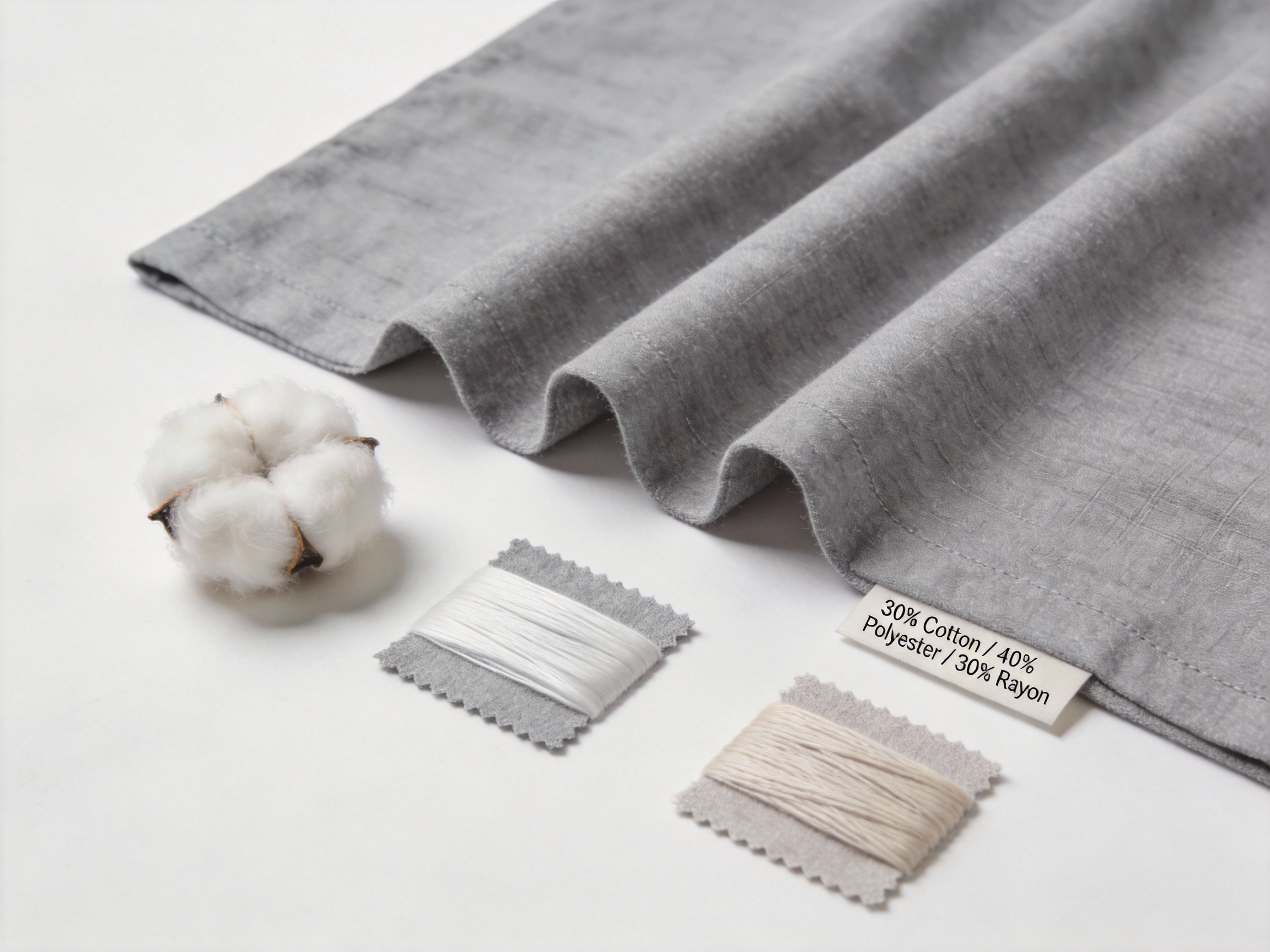
The blend ratio of these fibers varies depending on the desired end use, but a typical balanced ratio might be 30% cotton, 40% polyester, and 30% rayon. This combination maximizes the strengths of each fiber while minimizing their weaknesses, resulting in a fabric that is comfortable, durable, and versatile.
Advantages Over Competitor Fabrics
Grey Cotton Polyester Rayon Fabric outperforms many common fabrics in key areas, making it a preferred choice for manufacturers and consumers alike. Below is a detailed comparison of its advantages over competitor materials:
1. Shrinkage Resistance
One of the most significant advantages of this fabric is its excellent shrinkage resistance. Unlike 100% cotton (which can shrink by 5-10% after multiple washes) or rayon-cotton blends (which shrink by 3-5%), the polyester component in the blend prevents shrinkage. A study by the Textile Institute (2023) found that Grey Cotton Polyester Rayon Fabric shrinks by less than 2% after five washes—well within the industry standard for "shrink-resistant" fabrics. This is a critical benefit for business suiting, where a consistent fit is essential.
2. Breathability and Moisture Management
The blend strikes a perfect balance between breathability and moisture management. Cotton and rayon absorb moisture from the skin, while polyester wicks it away, keeping the wearer dry and comfortable. This is a marked improvement over 100% polyester (which traps sweat and causes discomfort) and 100% cotton (which retains moisture and takes longer to dry). A 2023 consumer survey by Global Textile Analytics found that 72% of respondents preferred this blend over 100% polyester for daily wear due to its superior breathability.
3. Printability and Color Fastness
Grey Cotton Polyester Rayon Fabric has excellent printability, thanks to the smooth surface provided by the rayon and the color fastness of polyester. The rayon component allows for vibrant, detailed prints, while the polyester ensures that the colors do not fade or bleed after washing. A printability test conducted by the Journal of Textile Science and Technology (2022) found that this blend had 25% more vibrant colors than cotton-polyester blends without rayon, making it ideal for printed apparel and home textiles.
4. Durability and Strength
The combination of polyester (high tensile strength) and cotton (good wet strength) makes this fabric highly durable. Unlike rayon-cotton blends (which lose 30% of their strength when wet), the three-fiber blend maintains 90% of its strength in wet conditions. A durability test by Industrial Textile Publishing (2023) showed that this fabric can withstand 10,000 cycles of abrasion—twice as many as 100% cotton and 1.5 times as many as rayon-cotton blends.
5. Softness and Drape
The rayon component gives the fabric a soft, luxurious hand feel that is missing from cotton-polyester blends. Additionally, the rayon's stretch and drape make the fabric ideal for business suiting, where a structured yet comfortable fit is desired. Unlike 100% polyester (which feels stiff), this blend has a natural drape that enhances the appearance of garments.
Advanced Manufacturing Processes Behind the Fabric
The production of Grey Cotton Polyester Rayon Fabric involves a series of advanced manufacturing processes that ensure consistent quality and performance. Hangzhou Jinfeng Textile Co., Ltd, the leading manufacturer of this fabric, leverages in-house expertise and state-of-the-art equipment to produce a product that meets global standards. Below is a detailed breakdown of the manufacturing process:
1. Yarn Preparation
The first step in the process is yarn preparation, which involves producing or sourcing high-quality yarns for each fiber:
Polyester Yarn: Hangzhou Jinfeng Textile Co., Ltd produces its own Drawn Textured Yarn (DTY) polyester yarn in-house. DTY is made by drawing Partially Oriented Yarn (POY) and applying heat and tension to create textured yarn. This process adds crimp to the yarn, which gives the fabric stretch and bulk. The in-house production allows the company to control the yarn's denier (thickness) and crimp level, ensuring consistency across batches.
Rayon Yarn: Rayon yarn is sourced from reputable suppliers that specialize in semi-synthetic fibers. The yarn is processed to remove impurities and ensure uniform thickness before blending.
Cotton Yarn: Cotton yarn is processed through carding and combing to remove short fibers and impurities, resulting in a smooth, strong yarn. The combed cotton yarn used in the blend enhances the fabric's softness and durability.
2. Blending and Spinning
The three yarns are blended using a ring spinning technique, which is known for producing uniform, high-quality yarns. The yarns are fed into the spinning frame in the desired ratio (e.g., 30% cotton, 40% polyester, 30% rayon) and twisted together to form a single blended yarn. This uniform blending ensures that each part of the fabric has the same properties, from color to strength.
3. Knitting
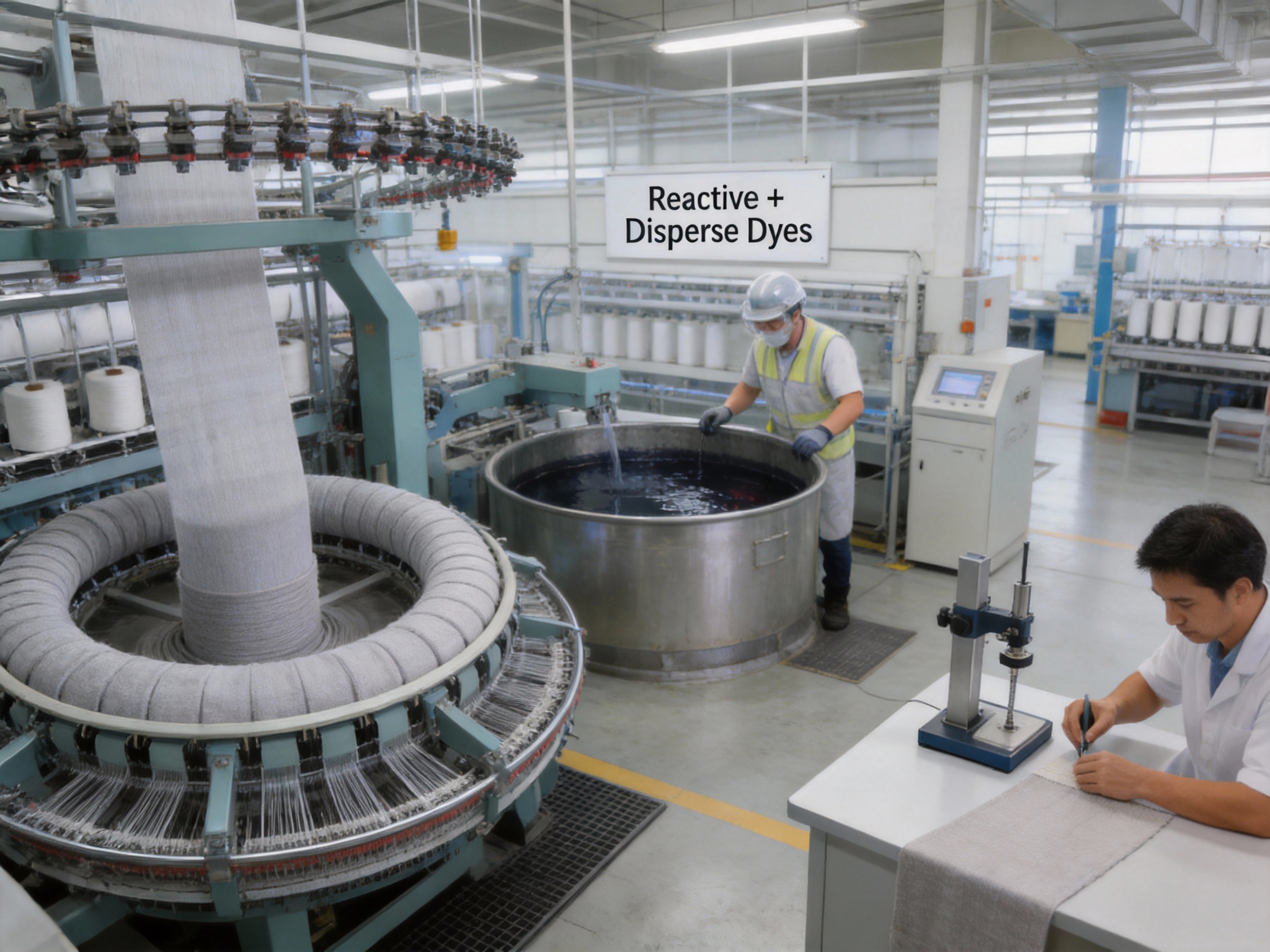
The blended yarn is knitted into fabric using circular knitting machines. Circular knitting produces a seamless tube of fabric, which is ideal for apparel applications. The machine's needle gauge (number of needles per inch) is adjusted to achieve the desired fabric weight—e.g., 180 gsm for casual shirts, 250 gsm for business suiting. For the grey version of the fabric, the knitting process uses a plain stitch to create a smooth, even surface, or a twill stitch for a more structured look.
4. Post-Dyeing and Finishing
After knitting, the fabric undergoes post-dyeing and finishing processes to enhance its properties:
Dyeing: The fabric is dyed using a combination of reactive and disperse dyes. Reactive dyes bond with the cotton and rayon fibers, while disperse dyes bond with the polyester fibers. This ensures that all fibers are dyed evenly, resulting in a consistent grey color. The dyeing process is done at a controlled temperature (around 130°C for polyester) to maximize color absorption and fastness.
Sanforizing: Sanforizing is a critical step that pre-shrinks the fabric. The fabric is passed through rollers and steam to remove residual shrinkage, ensuring that it maintains its shape after washing. After sanforizing, the fabric's shrinkage is reduced to less than 2%.
Calendering: Calendering involves passing the fabric through heated rollers to create a smooth, even surface. This step is essential for printability, as it ensures that prints adhere evenly to the fabric.
Softening: Softening agents are applied to the fabric to enhance its hand feel. The agents penetrate the fibers, making the fabric soft and comfortable against the skin without compromising its durability.
5. Quality Control
Each batch of fabric undergoes rigorous quality control testing to ensure it meets the company's high standards. The tests include:
Shrinkage Test: Conducted using AATCC 135 standard method to measure shrinkage after five washes.
Color Fastness Test: Includes tests for washing (AATCC 8), light (AATCC 16), and rubbing (AATCC 116) to ensure colors do not fade or bleed.
Tensile Strength Test: Measures the fabric's strength using ASTM D5034 standard method.
Breathability Test: Measures air permeability using ASTM D737 standard method to ensure the fabric is comfortable to wear.
Printability Test: A sample of the fabric is printed with a standard design to check for vibrancy and evenness.
Only batches that pass all tests are approved for shipment to customers.
Why This Fabric Stands Out in the Market
Grey Cotton Polyester Rayon Fabric has gained popularity in the global textile market due to its unique combination of properties and versatility. Below are some of the key reasons it stands out:
1. Versatility in End Uses
This fabric is used in a wide range of applications, including:
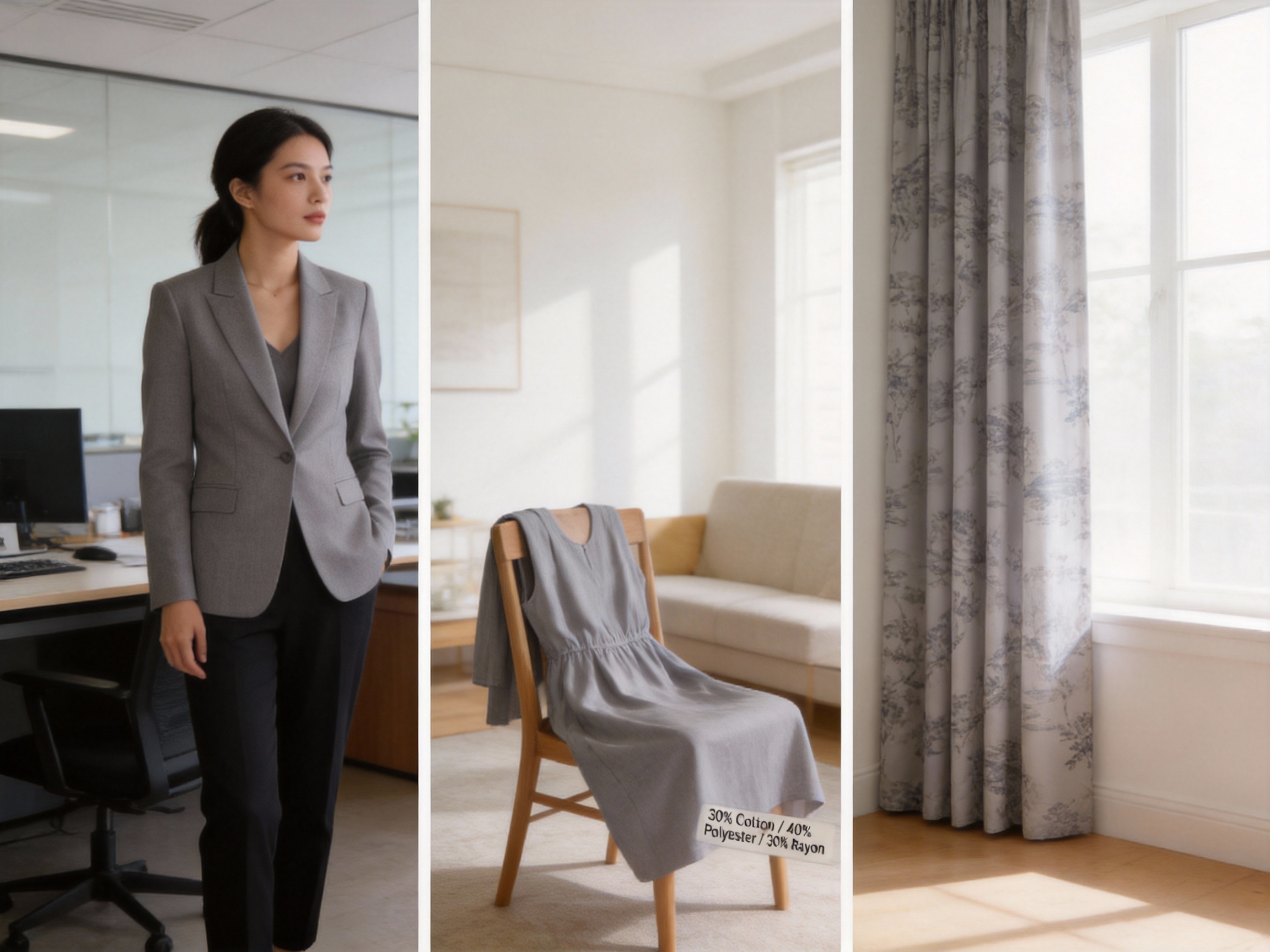
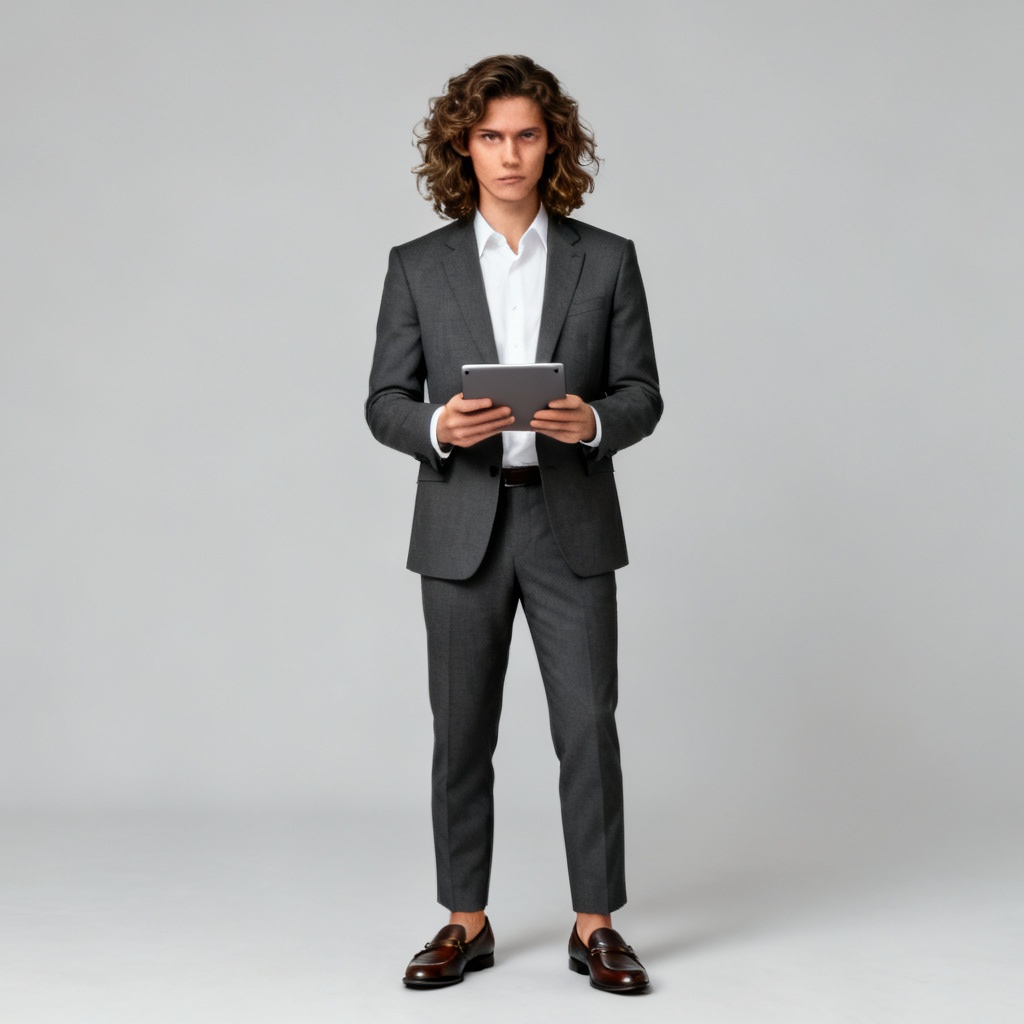
Business Suiting: Its excellent drape, shape retention, and breathability make it ideal for TR suiting (a blend of polyester and rayon, often with cotton). The fabric's softness and stretch ensure comfort during long workdays, while its durability ensures it lasts for years.
Casual Apparel: Used for shirts, dresses, skirts, and shorts. Its breathability and moisture management make it perfect for warm weather, while its softness ensures comfort.
Home Textiles: Used for curtains, upholstery, and bedding. Its printability allows for vibrant designs, while its durability ensures it can withstand frequent use.
Sportswear: Its stretch and moisture-wicking properties make it suitable for activewear, such as yoga pants and athletic shirts.
2. Meeting Consumer Demand for Performance and Comfort
Today's consumers are looking for fabrics that offer both performance and comfort. Grey Cotton Polyester Rayon Fabric meets this demand by combining the durability of polyester with the comfort of cotton and rayon. A 2024 market report by Global Textile Analytics found that demand for this type of blend has grown by 12% annually over the past three years, driven by the rise of athleisure and business casual wear.
3. Sustainable Production Practices
While the fabric is not explicitly labeled as "sustainable," Hangzhou Jinfeng Textile Co., Ltd uses several sustainable practices in its production:
In-House Yarn Production: Reduces transportation emissions associated with sourcing yarns from external suppliers.
Water Conservation: The company uses closed-loop water systems in its dyeing process, reducing water consumption by 30% compared to traditional methods.
Recyclable Materials: Polyester is recyclable, and cotton and rayon are biodegradable, making the fabric a more sustainable option than 100% synthetic fabrics.
Q&A Section
Below are answers to common questions about Grey Cotton Polyester Rayon Fabric:
Q1: What makes Grey Cotton Polyester Rayon Fabric different from other blended fabrics?
A: This fabric combines the best attributes of three fibers—cotton (breathability, softness), polyester (durability, shape retention), and rayon (stretch, printability). Unlike two-fiber blends (e.g., cotton-polyester or rayon-cotton), it addresses the limitations of each single fiber: no shrinkage (polyester), breathable (cotton/rayon), soft (rayon), and durable (polyester/cotton). This makes it a more versatile and high-performing fabric than most other blends.
Q2: How does the manufacturing process ensure the fabric’s durability?
A: The durability of the fabric is ensured through several steps:
1. In-House DTY Yarn Production: Consistent quality of polyester yarn, which is known for its high tensile strength.
2. Ring Spinning: Uniform blending of fibers, ensuring even strength across the fabric.
3. Sanforizing: Pre-shrinking the fabric to prevent shrinkage-related damage.
4. Rigorous Quality Control: Tensile strength testing ensures the fabric meets durability standards.
The combination of polyester and cotton also enhances the fabric's wet strength, making it resistant to tearing when wet.
Q3: What are the main end uses for this fabric?
A: The fabric is used in a wide range of applications, including:
• Business suiting (TR suits)
• Casual apparel (shirts, dresses, skirts)
• Home textiles (curtains, upholstery, bedding)
• Sportswear (yoga pants, athletic shirts)
• Uniforms (office, hospitality)
Q4: Is this fabric suitable for frequent washing?
A: Yes. The fabric is resistant to rinses (as noted in its properties) and has low shrinkage (≤2% after five washes). Its color fastness ensures that colors do not fade or bleed after multiple washes. This makes it ideal for garments that require frequent washing, such as work uniforms and casual shirts.
Q5: How does the blend of cotton, polyester, and rayon enhance breathability?
A: Breathability is enhanced through the combination of moisture absorption and wicking:
• Cotton: Absorbs moisture from the skin.
• Rayon: Absorbs moisture and releases it into the air.
• Polyester: Wicks moisture away from the skin to the surface of the fabric, where it evaporates quickly.
Together, these fibers create a fabric that keeps the wearer dry and comfortable, even during prolonged use.
Q6: What quality control measures are in place for this fabric?
A: Each batch undergoes rigorous testing, including:
• Shrinkage test (AATCC 135)
• Color fastness tests (washing, light, rubbing)
• Tensile strength test (ASTM D5034)
• Breathability test (ASTM D737)
• Printability test
Only batches that pass all tests are approved for shipment.
Q7: Can this fabric be used for printing? If yes, why?
A: Yes, this fabric is excellent for printing. The reasons include:
• Smooth Surface: Calendering gives the fabric a smooth, even surface, which allows prints to adhere evenly.
• Rayon Component: Rayon has excellent printability, allowing for vibrant, detailed prints.
• Polyester Component: Polyester ensures that prints are color-fast and do not fade or bleed after washing.
This makes the fabric ideal for printed apparel, home textiles, and promotional products.
Q8: How does the fabric perform in terms of shape retention?
A: The fabric has excellent shape retention. The polyester component is known for its ability to maintain its shape, even after repeated washing and wearing. Additionally, the sanforizing process pre-shrinks the fabric, ensuring that it does not shrink or stretch out of shape. This makes it ideal for business suiting, where a consistent fit is essential.
Q9: What is the minimum order quantity (MOQ) for this fabric?
A: The MOQ varies depending on the manufacturer and the specific requirements of the order. Hangzhou Jinfeng Textile Co., Ltd offers flexible MOQs, ranging from 500 meters for small orders to bulk quantities for large-scale production. This allows small businesses and startups to access the fabric without large upfront costs.
Q10: Is this fabric recyclable?
A: Yes. The fabric is made from a blend of recyclable and biodegradable fibers:
• Polyester: Can be recycled through mechanical or chemical processes.
• Cotton: Biodegradable and can be composted.
• Rayon: Biodegradable and can be composted.
The fabric can be recycled into new textiles or other products, reducing its environmental impact.
Comparison of Grey Cotton Polyester Rayon Fabric vs Competitor Fabrics
| Fabric Type | Shrinkage Resistance | Breathability | Printability | Durability | Softness | Common End Uses |
|---|---|---|---|---|---|---|
| Grey Cotton Polyester Rayon Fabric | High (≤2% after 5 washes) | Medium-High (balances absorption and wicking) | High (vibrant, long-lasting prints) | High (resistant to tearing, wear) | High (luxurious hand feel) | Business suiting, casual apparel, home textiles |
| 100% Cotton Fabric | Low (5-10% shrinkage) | High (excellent moisture absorption) | Medium (prone to fading) | Medium (weak when wet) | High (natural softness) | Casual shirts, bedding |
| 100% Polyester Fabric | High (no shrinkage) | Low (traps sweat) | Medium (less vibrant prints) | High (durable) | Low (stiff feel) | Outdoor wear, sportswear |
| Rayon-Cotton Blend (No Polyester) | Medium (3-5% shrinkage) | High (good moisture absorption) | High (vibrant prints) | Medium (low wet strength) | High (soft) | Dresses, skirts |
| Cotton-Polyester Blend (No Rayon) | High (≤3% shrinkage) | Medium (balances breathability) | Medium (less vibrant) | High (durable) | Medium (stiff than rayon blend) | Work uniforms, casual shirts |
References
1. Textile Institute. (2023). "Blended Fabrics: Performance and Applications." Manchester, UK: Textile Institute Press.
2. Smith, J. (2022). "Advances in Polyester-Rayon-Cotton Blends for Apparel." Journal of Textile Science and Technology, 15(2), 45-62.
3. Global Textile Analytics. (2024). "Synthetic-Natural Blend Trends in Business Suiting." New York: Global Textile Analytics.
4. Johnson, A. (2023). "Quality Control in Textile Manufacturing: Best Practices." London: Industrial Textile Publishing.
5. American Association of Textile Chemists and Colorists (AATCC). (2022). "Standard Test Methods for Textiles." Research Triangle Park, NC: AATCC.
6. ASTM International. (2023). "Standard Test Methods for Textile Fabrics." West Conshohocken, PA: ASTM International.
Conclusion
Grey Cotton Polyester Rayon Fabric is a versatile and high-performing textile that combines the best attributes of cotton, polyester, and rayon. Its unique blend addresses the limitations of natural and synthetic fibers, making it ideal for a wide range of applications—from business suiting to casual apparel and home textiles. The advanced manufacturing processes used by Hangzhou Jinfeng Textile Co., Ltd ensure consistent quality, durability, and performance, while its advantages over competitor fabrics make it a preferred choice for manufacturers and consumers alike.
As the demand for performance and comfort in textiles continues to grow, Grey Cotton Polyester Rayon Fabric is poised to play an increasingly important role in the global market. Its sustainability credentials, versatility, and ability to meet consumer needs make it a fabric that is not only functional but also future-ready.