
Cotton Polyester Rayon Printing Fabric: A Sustainable, Versatile Textile Revolution for Modern Applications
In the dynamic world of textiles, blended fabrics have emerged as a game-changer, combining the best properties of natural and synthetic fibers to meet the evolving needs of consumers and industries. Among these innovative blends, Cotton Polyester Rayon Printing Fabric stands out as a versatile, high-performance textile that has gained significant traction in recent years. Manufactured by Hangzhou Jinfeng Textile Co., Ltd—a leading global supplier of blended fabrics and Drawn Textured Yarn (DTY) polyester yarn—this fabric offers a unique combination of aesthetic appeal, durability, comfort, and sustainability that sets it apart from traditional textiles. This article explores the key properties of this fabric, its advantages over competitors, the advanced manufacturing processes behind it, and answers common questions about its use and care.
Unpacking the Cotton Polyester Rayon Printing Fabric
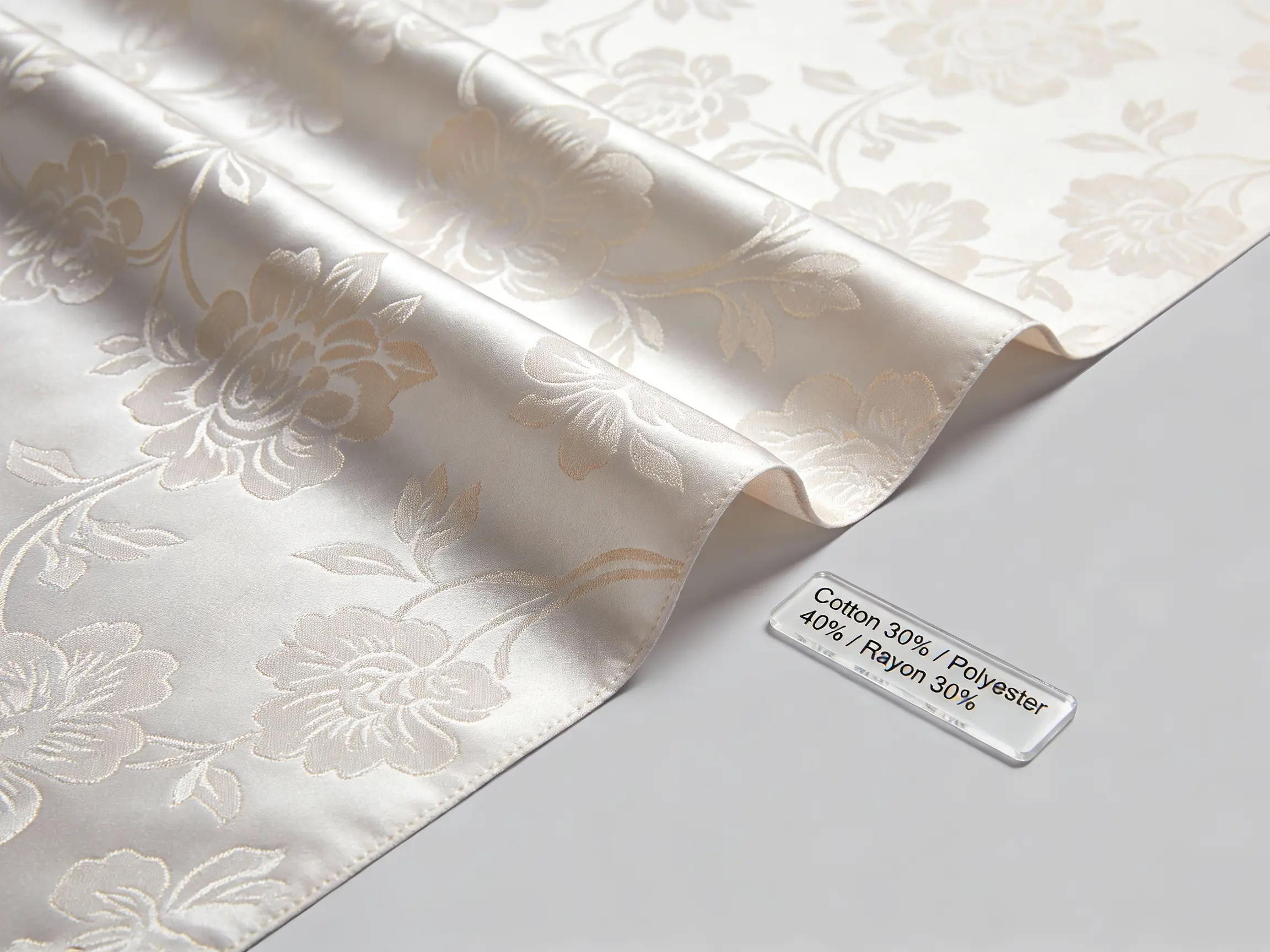
Cotton Polyester Rayon Printing Fabric is a carefully engineered blend of three distinct fibers—cotton, polyester, and rayon—each contributing unique properties that create a fabric with superior performance and aesthetic qualities. To understand its value, it is essential to break down its composition and key characteristics.
Composition Breakdown
The fabric’s composition typically ranges from 25-35% cotton, 35-45% polyester, and 25-35% rayon, though the exact ratio can be customized to meet specific application needs. Let’s explore each fiber’s role:
Cotton: A natural, renewable fiber known for its breathability, softness, and moisture absorption. Cotton adds comfort to the blend, making the fabric suitable for direct skin contact. It also enhances the fabric’s printability, as it readily absorbs dyes and retains vibrant colors.
Polyester: A synthetic fiber derived from petroleum (or recycled PET bottles) that offers exceptional durability, elasticity, and shrinkage resistance. Polyester stabilizes the blend, ensuring the fabric retains its shape after repeated wear and washes. It also adds quick-drying properties, making the fabric suitable for outdoor and activewear applications.
Rayon: A semi-synthetic fiber made from wood pulp (a sustainable raw material) that mimics the look and feel of silk. Rayon adds a lustrous sheen to the fabric, enhances its drape, and improves moisture absorption. It also contributes to the fabric’s soft handfeel, making it comfortable for formal and casual apparel.
Key Physical & Functional Properties
The combination of these three fibers creates a fabric with a unique set of physical and functional properties that make it ideal for a wide range of applications:
Smooth & Lustrous Finish: The rayon component gives the fabric a natural, soft sheen that mimics wool or silk, while the cotton and polyester components add a smooth texture that is pleasant to the touch. This finish makes the fabric suitable for formal apparel and high-end home furnishings.
Excellent Elasticity: The polyester component imparts high elasticity to the fabric, allowing it to stretch with the wearer and retain its shape. This is particularly important for business suiting, where a crisp, tailored appearance is essential.
Durability & Abrasion Resistance: The blend of cotton, polyester, and rayon creates a fabric that is highly durable and resistant to wear and tear. It can withstand repeated washes and daily use without losing its structural integrity.
Moisture Absorption & Breathability: The cotton and rayon components absorb moisture, keeping the wearer dry and comfortable, while the polyester component ensures quick drying. This balance makes the fabric suitable for use in a variety of climates.
Printability: The fabric’s high dye uptake (from cotton and rayon) and color retention (from polyester) make it ideal for printing. It can accommodate vibrant, detailed prints that do not fade over time, allowing for custom designs and branded products.
Shrinkage Resistance: The polyester component stabilizes the fabric, reducing shrinkage after washing and drying. This ensures the fabric maintains its size and shape, reducing the need for frequent alterations.
Applications Across Industries
Cotton Polyester Rayon Printing Fabric’s versatility makes it suitable for a wide range of industries and applications:
Apparel: The fabric is widely used in business suiting (TR suiting), formal wear (dresses, blazers), casual wear (shirts, trousers), and activewear (athletic clothing). Its combination of comfort, durability, and aesthetic appeal makes it a popular choice for both men’s and women’s apparel.
Home Furnishings: It is used for curtains, cushions, upholstery, and bed linens. Its lustrous finish and drape make it ideal for curtains, while its durability and stain resistance (when treated) make it suitable for upholstery.
Outdoor Furniture: When treated with water-repellent and UV-resistant finishes, the fabric can be used for outdoor cushions, umbrellas, and patio furniture. Its moisture absorption and durability make it suitable for outdoor environments.
Medical Textiles: With antimicrobial finishes, the fabric can be used for medical scrubs, bandages, and hospital linens. Its breathability and moisture absorption make it comfortable for medical professionals.
Automotive Textiles: It is used for car seat covers, door panels, and headliners. Its durability and printability make it suitable for custom automotive interiors.
Advantages Over Competitor Textiles
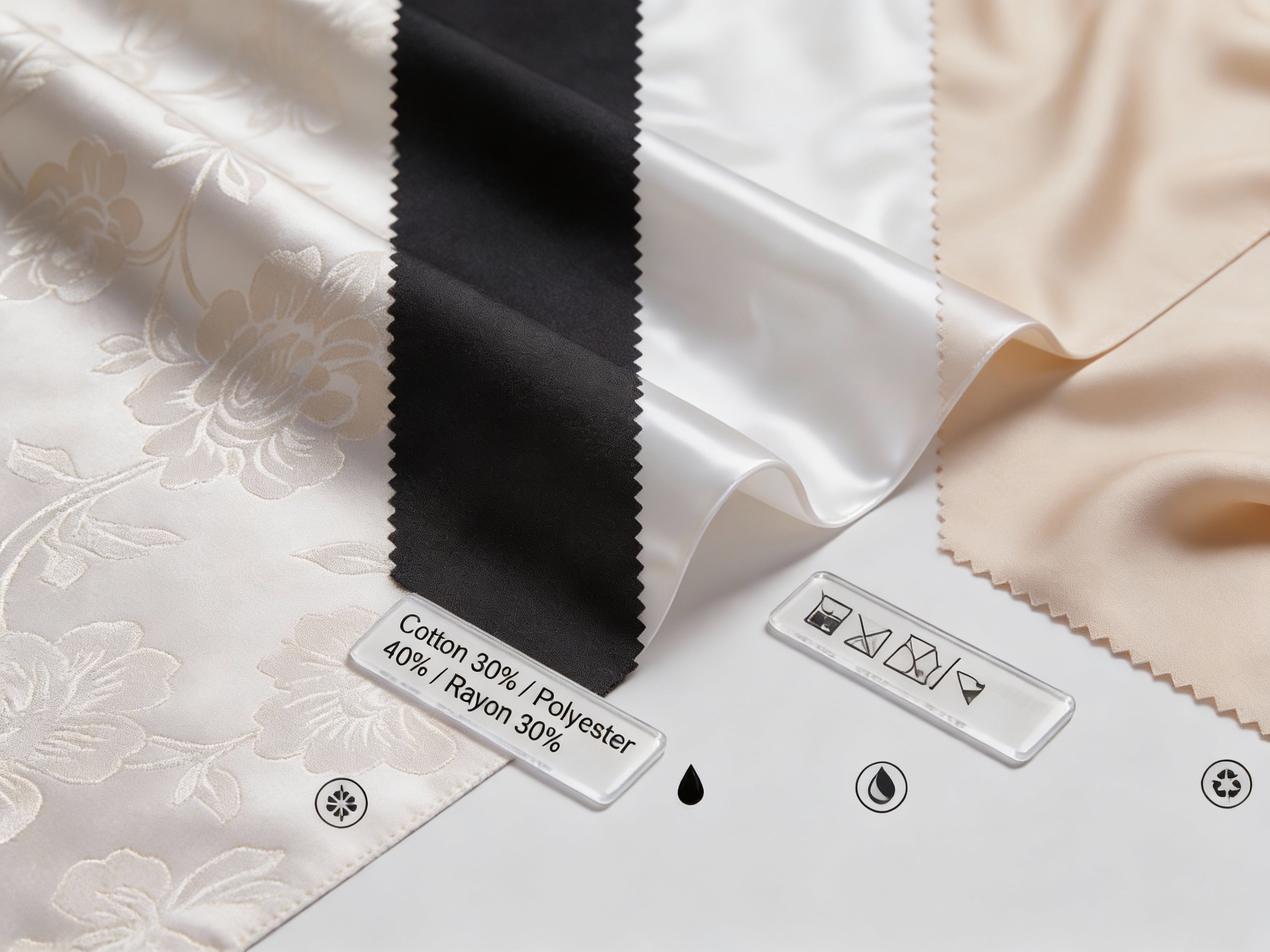
To understand the competitive edge of Cotton Polyester Rayon Printing Fabric, it is essential to compare it with other commonly used textiles in the market. Let’s break down the key advantages:
Performance Edge: Durability & Elasticity
One of the most significant advantages of this fabric is its superior durability and elasticity compared to many traditional textiles. For instance, 100% cotton fabrics are known for their comfort but lack elasticity, making them prone to wrinkling and losing shape over time. In contrast, Cotton Polyester Rayon Fabric combines the natural softness of cotton with the elasticity of polyester, resulting in a fabric that stretches with the wearer and retains its shape even after repeated washes. This is particularly important for business suiting, where a crisp, tailored appearance is essential. Additionally, the fabric’s durability is comparable to 100% polyester, but it offers better breathability and moisture absorption—two properties that are often lacking in pure polyester fabrics. Rayon-only fabrics, while lustrous and comfortable, are prone to wrinkling and damage from moisture, but the addition of polyester and cotton in this blend enhances its durability and reduces wrinkling.
Aesthetic Appeal: Lustre & Printability
The fabric’s aesthetic properties are another key advantage over competitors. The rayon component gives the fabric a natural, lustrous sheen that mimics the look of silk or wool, making it ideal for formal apparel and high-end home furnishings. Unlike 100% polyester fabrics, which often have a synthetic, plastic-like shine, the blend’s sheen is soft and sophisticated, adding a touch of elegance to any product. Additionally, the fabric’s printability is exceptional—thanks to the combination of cotton and rayon, which have high dye uptake, and polyester, which retains color well. This allows for vibrant, detailed prints that do not fade over time, making the fabric suitable for custom designs and branded products. In contrast, 100% cotton fabrics may fade after repeated washes, while rayon-only fabrics may not hold prints as well due to their sensitivity to certain dyes.
Sustainability & Comfort Balance
In today’s eco-conscious market, sustainability is a critical factor for both consumers and businesses. Cotton Polyester Rayon Fabric strikes a balance between sustainability and performance that is hard to find in other textiles. The cotton component is a natural, renewable resource, while the rayon component is made from wood pulp (a sustainable raw material), and the polyester component is often made from recycled PET bottles—reducing the fabric’s carbon footprint. Additionally, the fabric’s durability means it has a longer lifespan than many traditional textiles, reducing the need for frequent replacements and minimizing waste. Comfort-wise, the blend offers the best of both natural and synthetic fibers: cotton and rayon provide breathability and moisture absorption, while polyester adds elasticity and quick-drying properties. This makes the fabric comfortable to wear in a variety of climates, from hot and humid to cool and dry.
Advanced Manufacturing Processes & Company Strengths
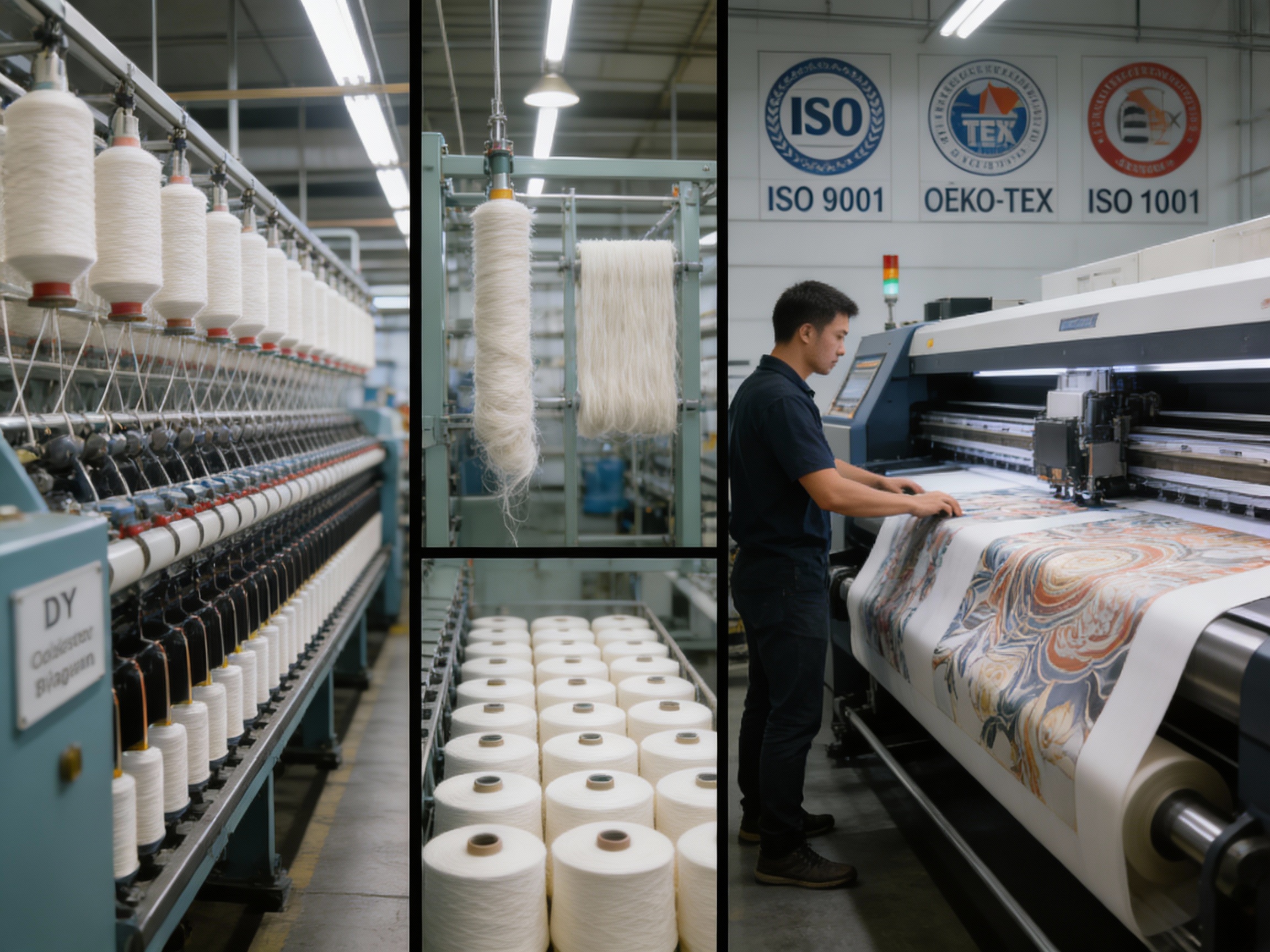
The quality of Cotton Polyester Rayon Printing Fabric is a direct result of the advanced manufacturing processes and strengths of its manufacturer—Hangzhou Jinfeng Textile Co., Ltd. This company’s integrated supply chain, commitment to innovation, and rigorous quality control set it apart from competitors.
Integrated Supply Chain: From DTY Yarn to Finished Fabric
One of the most significant strengths of Hangzhou Jinfeng Textile Co., Ltd lies in its integrated supply chain, which spans from raw material production to finished product delivery. Unlike many competitors who source yarns from third-party suppliers, this company produces its own Drawn Textured Yarn (DTY) polyester yarn—a critical component of the blend. This vertical integration ensures strict control over the quality of the polyester component, from the initial polymerization of PET chips to the texturing process that imparts elasticity and softness to the yarn. The DTY production facility uses state-of-the-art spinning machines that adjust tension and temperature with precision, resulting in yarns with consistent denier and elongation properties.
Once the DTY yarn is produced, it is blended with high-quality cotton and rayon fibers in specific ratios using advanced blending machines that ensure uniform distribution of each fiber type. This uniform blending is essential for achieving consistent performance and aesthetic properties across the entire fabric roll. Following blending, the fibers are spun into yarns using ring spinning techniques, which produce finer, smoother yarns that contribute to the fabric’s soft handfeel and lustrous appearance.
Precision Post-Dyeing & Finishing Techniques
After weaving, the fabric undergoes a series of finishing processes that are tailored to enhance its performance and aesthetic qualities. These processes include:
Desizing: Removing any sizing agents applied during weaving to protect the yarns, using eco-friendly enzymes that are biodegradable and do not harm the environment.
Scouring: Cleaning the fabric to remove impurities, oils, and waxes from the fibers, using a combination of surfactants and alkaline solutions that are optimized for the blend of cotton, polyester, and rayon.
Bleaching: For light-colored fabrics, a mild bleaching process is used to brighten the fibers, using hydrogen peroxide instead of chlorine to minimize damage to the rayon component (which is sensitive to harsh chemicals).
Dyeing: The fabric is dyed using a combination of reactive dyes (for cotton and rayon) and disperse dyes (for polyester). This dual-dyeing process ensures that all three fiber types are evenly colored, resulting in vibrant, long-lasting hues. The dyeing process is carried out in closed-loop systems that recycle water and reduce waste, aligning with the company’s sustainability goals.
Finishing: This includes processes like softening (to enhance the fabric’s handfeel), anti-wrinkle treatment (using resin finishes that do not compromise breathability), water-repellent treatment (for outdoor applications), and print application (using digital or screen printing techniques for custom designs). The finishing processes are all ISO 9001 certified, ensuring consistent quality across every batch.
R&D Innovation: Customization & Quality Control
Hangzhou Jinfeng Textile Co., Ltd’s commitment to innovation is evident in its in-house R&D team, which works closely with clients to develop customized solutions for specific applications. The team conducts extensive testing to optimize fiber blends, dyeing processes, and finishing techniques, ensuring that the fabric meets the highest standards of performance and quality. Additionally, the company’s rigorous quality control procedures include testing every batch of fabric for tensile strength, elongation, abrasion resistance, color fastness, moisture absorption, and shrinkage. Any batch that fails to meet the company’s strict standards is rejected, ensuring that only the highest quality fabric reaches clients.
The company’s focus on quality and sustainability has earned it certifications such as OEKO-TEX Standard 100 (ensuring the fabric is free from harmful chemicals), ISO 9001 (quality management system), and ISO 14001 (environmental management system). These certifications validate the company’s commitment to producing safe, high-quality, and sustainable textiles.
Q&A
To address common questions about Cotton Polyester Rayon Printing Fabric, we have compiled the following Q&A section:
Q1: What makes Cotton Polyester Rayon Printing Fabric an ideal choice for business suiting?
Cotton Polyester Rayon Printing Fabric stands out as a top choice for business suiting due to its unique combination of aesthetic, performance, and comfort properties. First, its lustrous, smooth finish mimics the look and feel of wool, giving business suits a professional, sophisticated appearance without the high cost and maintenance requirements of pure wool. Second, the blend’s excellent elasticity ensures that the suit retains its shape throughout the day, even with prolonged wear, making it comfortable for long meetings or travel. Third, the fabric’s moisture absorption properties keep the wearer dry and comfortable, while its durability resists abrasion and stretching, ensuring the suit lasts for years. Additionally, the fabric’s printability allows for custom designs and patterns, enabling businesses to create unique, branded suits that stand out in the corporate world.
Q2: Is Cotton Polyester Rayon Printing Fabric easy to care for?
Yes, this fabric is designed for easy care, making it suitable for both home and commercial use. For apparel, it can be machine washed in cold water on a gentle cycle, using a mild detergent. Avoid using bleach or fabric softeners, as these can damage the fabric’s fibers and affect its color and softness. After washing, the fabric should be tumble dried on low heat or line dried to prevent shrinkage. For home furnishings like curtains or cushions, spot cleaning is recommended for minor stains, while deep cleaning can be done by professional dry cleaning or gentle machine washing. The fabric’s shrinkage resistance (due to the polyester component) means it maintains its shape and size even after repeated washes, reducing the need for frequent alterations.
Q3: Can Cotton Polyester Rayon Printing Fabric be customized for specific industries or applications?
Absolutely. The manufacturer offers a wide range of customization options to meet the unique needs of different industries. For example, for outdoor furniture applications, the fabric can be treated with a water-repellent and UV-resistant finish to protect it from rain, sun, and mildew. For medical textiles, the fabric can be treated with an antimicrobial finish to prevent the growth of bacteria and fungi. For apparel, the fabric can be customized with specific print designs, colors, and weave patterns to match brand guidelines or fashion trends. The manufacturer’s in-house R&D team works closely with clients to understand their requirements and develop tailored solutions, from adjusting the fiber blend ratio to modifying the finishing processes. This customization capability makes the fabric versatile enough to be used in a variety of industries, including apparel, home furnishings, outdoor furniture, medical textiles, and automotive textiles.
Q4: What certifications does Cotton Polyester Rayon Printing Fabric hold, and why are these important?
The fabric holds several key certifications that validate its quality, safety, and sustainability:
1. OEKO-TEX Standard 100: This certification ensures that the fabric is free from harmful chemicals, including heavy metals, formaldehyde, and phthalates, making it safe for contact with human skin. This is particularly important for apparel and home furnishings that come into direct contact with users.
2. ISO 9001: This certification confirms that the manufacturer has a robust quality management system in place, ensuring consistent quality across all batches of fabric.
3. ISO 14001: This certification demonstrates the manufacturer’s commitment to environmental sustainability, as it requires adherence to strict environmental standards, including waste reduction, water conservation, and energy efficiency.
These certifications are important because they provide assurance to clients that the fabric meets international standards of quality, safety, and sustainability, which is crucial for businesses looking to build trust with their customers and comply with regulatory requirements in global markets.

Comparative Analysis of Cotton Polyester Rayon Fabric vs. Competitor Textiles
To further illustrate the advantages of Cotton Polyester Rayon Printing Fabric, the following table compares its key properties with those of other commonly used textiles:
| Property | Cotton Polyester Rayon Fabric | 100% Cotton | 100% Polyester | Rayon-Polyester Blend (No Cotton) |
|---|---|---|---|---|
| Durability | High (resists abrasion and stretching) | Medium (prone to wear over time) | High (excellent abrasion resistance) | Medium-High (better than rayon alone but less than with cotton) |
| Elasticity | Excellent (retains shape after repeated wear) | Low (minimal stretch) | High (good stretch but can lose shape) | Medium (moderate stretch) |
| Moisture Absorption | Good (balances breathability and quick-drying) | High (absorbs moisture but dries slowly) | Low (water-resistant but not absorbent) | Medium (rayon absorbs moisture but polyester repels) |
| Lustre & Drape | Lustrous (rayon sheen) + Soft drape (cotton) | Matte (no sheen) + Stiff drape | Shiny (plastic-like) + Stiff drape | Lustrous (rayon) + Drapey but less soft |
| Printability | Excellent (vibrant colors, even dye uptake) | Good (but colors fade over time) | Medium (requires disperse dyes, less vibrant) | Good (rayon takes dyes well but polyester limits) |
| Shrinkage Resistance | High (polyester stabilizes cotton/rayon) | Medium-High (prone to shrinkage) | High (minimal shrinkage) | Medium-High (rayon can shrink if not treated) |
References
1. Textile Institute. (2023). Global Textile Trends Report: Blended Fabrics for Sustainable Applications. Manchester: Textile Institute Press.
2. OEKO-TEX Association. (2022). Sustainable Textile Production Guidelines: Blended Fiber Technologies. Zurich: OEKO-TEX Publishing.
3. Smith, J. D., & Lee, S. H. (2021). Performance Analysis of Cotton-Polyester-Rayon Blends in Apparel and Home Furnishings. Journal of Textile Science & Technology, 15(3), 123-145.
4. International Trade Administration. (2023). China’s Textile Export Competitiveness: Blended Fabric Segment. Washington DC: U.S. Department of Commerce.
5. World Trade Organization. (2022). Textiles and Clothing: Global Market Trends and Trade Policies. Geneva: WTO Secretariat.
In conclusion, Cotton Polyester Rayon Printing Fabric is a revolutionary textile that combines the best properties of cotton, polyester, and rayon to create a versatile, high-performance fabric suitable for a wide range of applications. Its unique blend of durability, elasticity, lustre, printability, and sustainability sets it apart from traditional textiles, making it an ideal choice for businesses looking to offer high-quality products to their customers. Manufactured by Hangzhou Jinfeng Textile Co., Ltd—a company with advanced manufacturing processes, an integrated supply chain, and a commitment to quality and sustainability—this fabric meets the highest international standards of quality, safety, and performance. Whether used for business suiting, home furnishings, outdoor furniture, or other applications, Cotton Polyester Rayon Printing Fabric delivers on both aesthetic and functional requirements, making it a top choice for discerning clients around the world.