Bubble Fabric: A Versatile Textile Revolution for Modern Fashion and Beyond
In the dynamic world of textiles, where innovation meets consumer demand for comfort, durability, and aesthetic appeal, bubble fabric has emerged as a game-changer. This unique textile, characterized by its soft, bouncy texture and versatile weight range, has redefined what’s possible in apparel, accessories, and home decor. Unlike traditional fabrics that often compromise on one or more key attributes—such as silk’s delicacy or chiffon’s limited weight options—bubble fabric strikes a perfect balance, making it a top choice for designers, retailers, and consumers alike. Rooted in advanced knitting technologies and premium raw materials, bubble fabric’s rise to prominence is a testament to the evolution of textile manufacturing, particularly in regions like Hangzhou, China, a global hub for textile innovation.
Introduction to Bubble Fabric: What Sets It Apart?
Bubble fabric is a synthetic-blend textile (typically combining nylon, rayon, and polyester) known for its distinctive "bubble" or textured surface, soft handfeel, and adaptability to various weights. It falls under the broader category of NR (Nylon-Rayon) knitted fabrics, a classification that highlights its blend of synthetic and natural fibers for enhanced performance. Unlike woven fabrics, which are created by interlacing yarns at right angles, bubble fabric is knitted—using loops of yarn that allow for greater stretch, flexibility, and the unique bubbly texture that gives it its name.
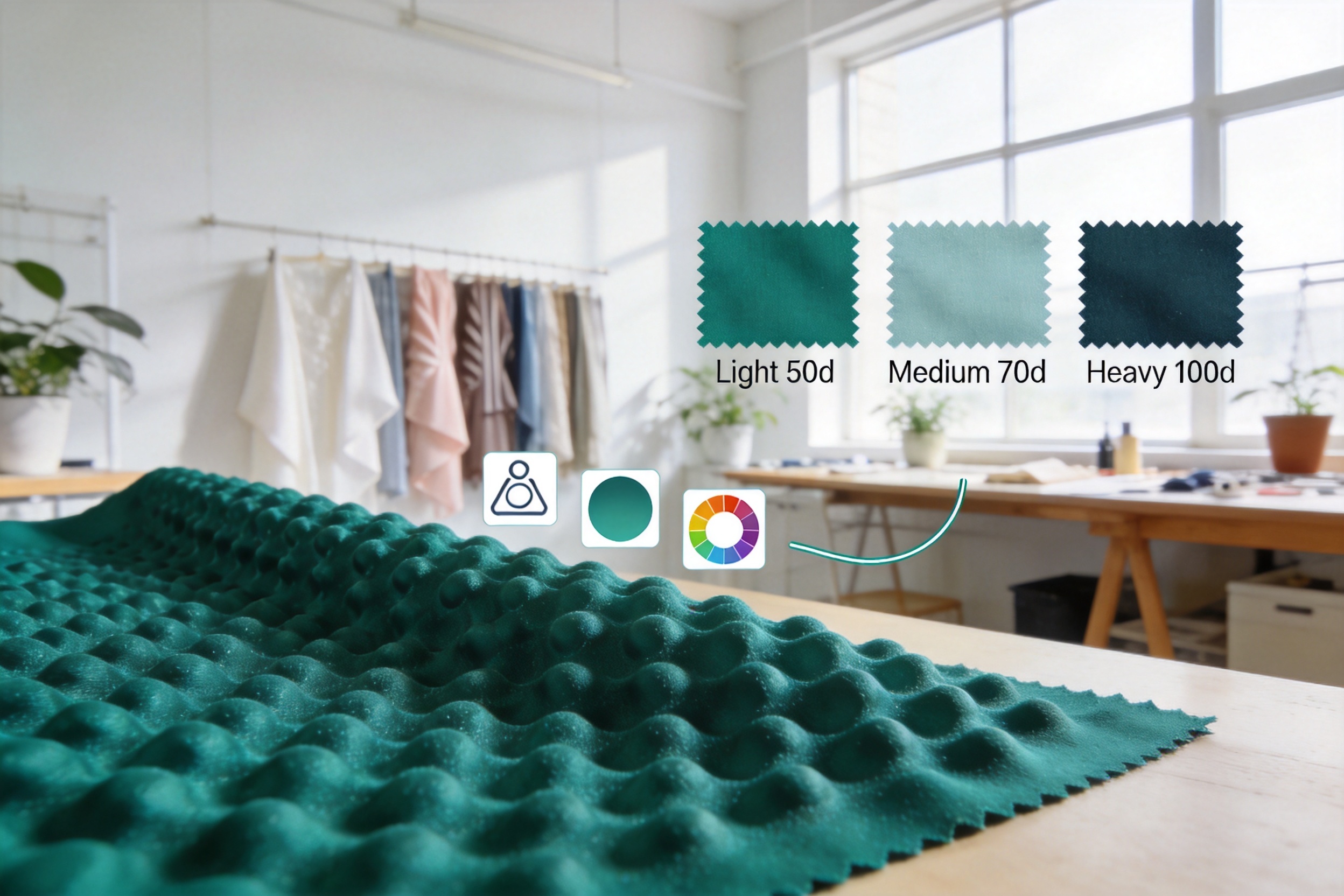
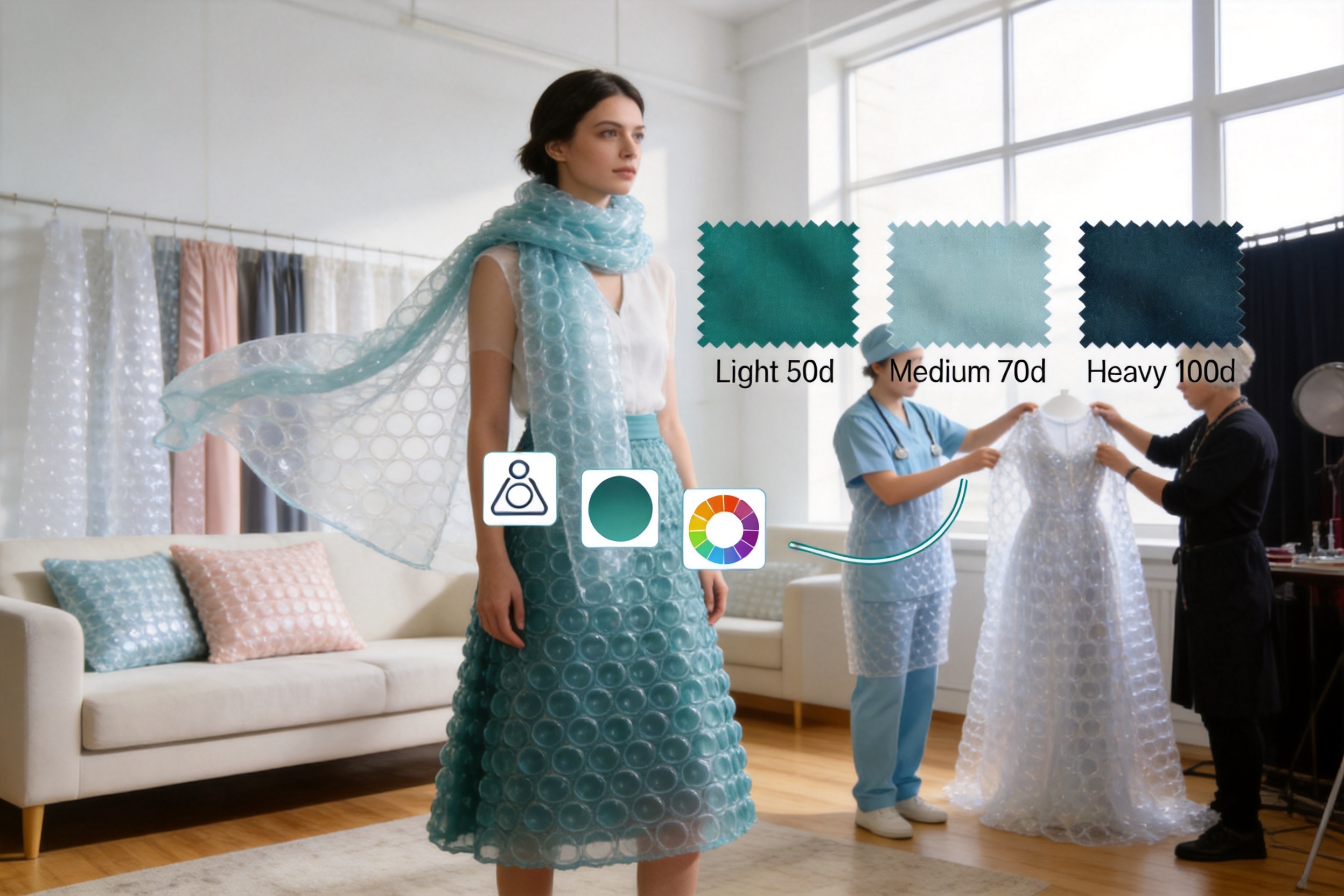
One of the most striking features of bubble fabric is its weight versatility. While most lightweight fabrics like chiffon are limited to a narrow weight range (30–40 deniers, or d), bubble fabric is available in 50d (standard chiffon-like weight) and heavier variations (up to 100d or more). This flexibility allows designers to use it for everything from flowy summer scarves to structured winter skirts, making it a truly multi-purpose textile. Additionally, bubble fabric boasts an extensive color palette—over 100 shades, including custom Pantone matches—setting it apart from competitors that offer only 20–30 standard colors.
Key Advantages of Bubble Fabric Over Competitor Textiles
To understand bubble fabric’s appeal, it’s essential to compare it to the textiles it most often replaces: regular chiffon, silk, cotton, and polyester. Each comparison reveals unique advantages that make bubble fabric a superior choice for modern applications.
1. Weight Versatility: Adapting to Every Design Need
Regular chiffon, a staple in formal wear, is almost exclusively lightweight (30–40d), limiting its use to flowy dresses and scarves. Silk, while luxurious, has a fixed weight per type (e.g., 8 momme for lightweight silk, 16 momme for heavy silk) and is unsuitable for structured designs. Cotton, though versatile, has a higher GSM (grams per square meter) range but lacks the drape and softness of synthetic blends.
Bubble fabric solves these limitations with its adjustable weight range. For example: - 50d bubble chiffon mimics the lightness of chiffon but with a softer handfeel and better texture retention. - 70d bubble fabric offers a medium weight, ideal for A-line skirts and casual dresses. - 100d bubble fabric is heavier, with a structured drape that works for winter coats and formal gowns.
This adaptability means designers don’t have to switch between multiple fabrics for different parts of a collection—bubble fabric can do it all.
2. Unmatched Color Diversity and Fastness
Many textiles struggle with color consistency and range. Silk, for instance, absorbs dye unevenly, leading to muted or inconsistent shades. Regular chiffon has a limited color palette due to its thin structure, which makes deep or vibrant hues appear translucent. Cotton, while easy to dye, fades quickly with repeated washing and sun exposure.
Bubble fabric’s dense yet soft structure allows for vivid, even dyeing across its entire 100+ color range. Leading manufacturers like Hangzhou Jinfeng Textile Co., Ltd. use reactive dyes—eco-friendly pigments that bond chemically with the fabric’s fibers—ensuring color fastness to washing (Grade 4–5 on the AATCC scale) and light (Grade 4–5 on the ISO scale). This means bubble fabric retains its vibrant color for years, even with frequent use.
3. Softness and Elegance: Balancing Comfort and Luxury
Silk is renowned for its softness, but it’s delicate—prone to snags, tears, and requires dry cleaning. Polyester chiffon, while durable, often has a scratchy handfeel that’s uncomfortable against the skin. Cotton is soft but absorbs moisture, leading to a heavy, clammy feel in hot weather.
Bubble fabric’s NR (nylon-rayon) blend delivers a silk-like softness without the fragility. Nylon adds elasticity and strength, while rayon enhances breathability and moisture absorption. The result is a fabric that feels luxurious against the skin, drapes beautifully, and is suitable for all-day wear. For example, a bubble fabric dress will keep you comfortable during a long workday and elegant enough for an evening event—no need to change.
4. Durability and Low Maintenance: Perfect for Everyday Use
Silk requires dry cleaning, which is expensive and time-consuming. Regular chiffon snags easily, making it unsuitable for active use. Cotton wrinkles easily and shrinks with washing. Bubble fabric, by contrast, is low-maintenance and durable: - It can be machine-washed on a gentle cycle with cold water and mild detergent. - It resists wrinkles, so no ironing is needed for most uses. - It’s snag-resistant, thanks to its knitted structure and high-quality yarns. - It retains its shape and texture even after hundreds of washes.
This durability makes bubble fabric ideal for children’s clothing, everyday accessories, and home decor—items that undergo frequent use and washing.
5. Multifunctional Versatility: From Apparel to Home Decor
While most fabrics are limited to one or two applications, bubble fabric excels in multiple areas: - Apparel: Dresses, skirts, blouses, scarves, and even activewear (due to its elasticity). - Accessories: Bags, hair ties, headbands, and phone cases. - Home Decor: Curtains, throw pillows, table runners, and upholstery (light use). - Specialty Uses: Medical scrubs (breathability and softness) and theatrical costumes (durability and color range).
For example, a designer can use the same bubble fabric to create a summer dress, a matching scarf, and throw pillows for a bedroom—creating a cohesive look across different products.
Advanced Manufacturing Processes: The Backbone of Premium Bubble Fabric
Bubble fabric’s superior performance is not accidental—it’s the result of advanced manufacturing processes that prioritize quality, consistency, and innovation. Leading manufacturers like Hangzhou Jinfeng Textile Co., Ltd. (HJT) integrate every step of the production process, from yarn creation to finished fabric, ensuring control over every detail.
1. Precision Yarn Selection: DTY Polyester as the Foundation
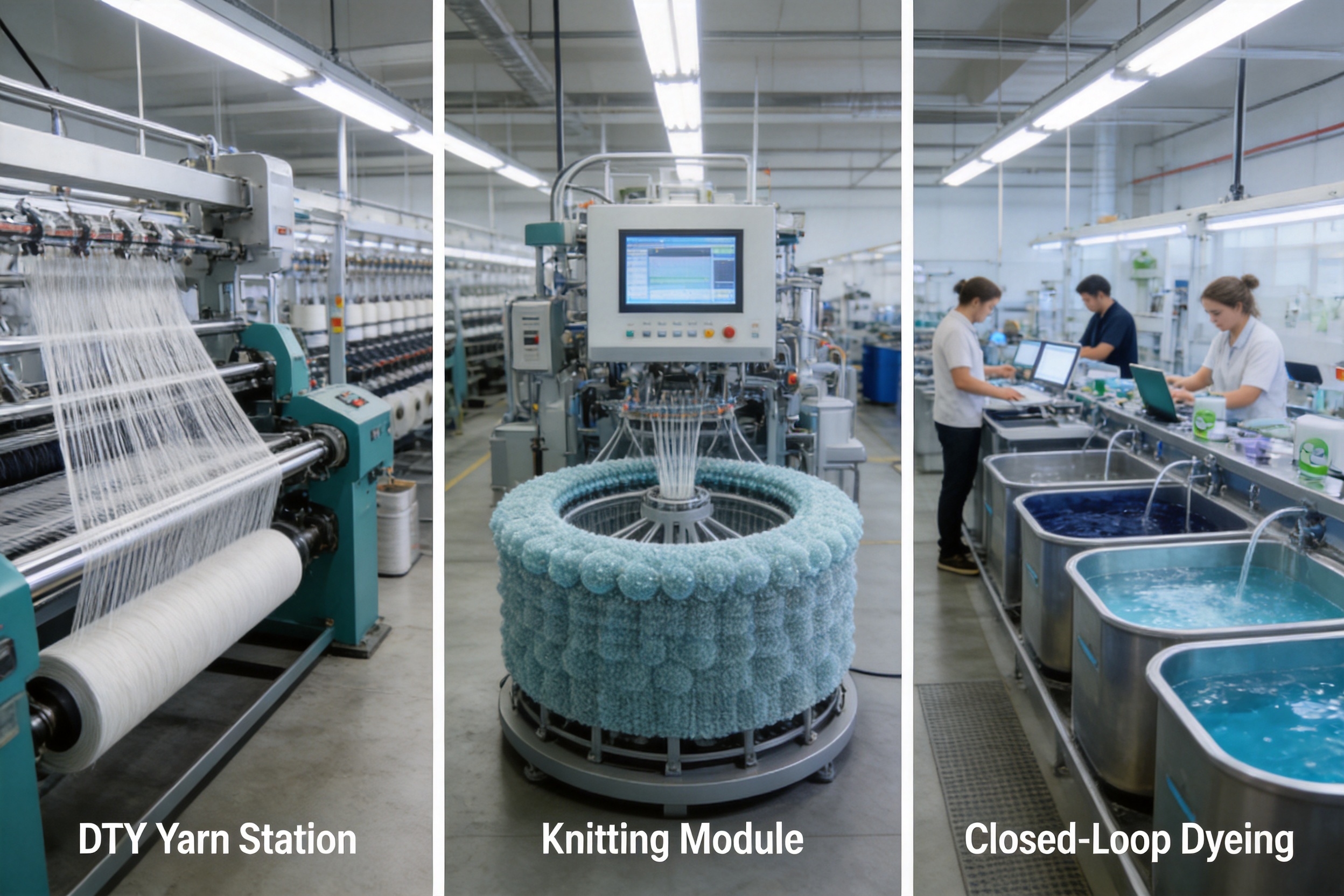
The quality of bubble fabric starts with its yarn. HJT uses Drawn Textured Yarn (DTY) polyester— a high-performance yarn created by stretching and heat-setting polyester fibers to create a crimped structure. This crimp gives the yarn elasticity and texture, which translates to the bubble fabric’s bouncy feel.
Unlike regular polyester yarn, DTY has: - Higher tensile strength (resists breaking). - Better elasticity (retains shape after stretching). - Improved texture retention (maintains the bubble effect over time).
HJT produces its own DTY yarn in-house, eliminating the need for third-party suppliers. This allows the company to adjust yarn crimp levels, denier, and blend ratios to meet specific fabric requirements—something most competitors cannot do.
2. Knitting Expertise: NR Knitting for Unique Texture
Bubble fabric is knitted using circular knitting machines that create the distinctive bubbly texture. HJT uses NR (nylon-rayon) knitting techniques, which combine nylon and rayon yarns in specific ratios (typically 60% nylon, 40% rayon) to enhance softness and elasticity.
The knitting process involves: - Feeding DTY polyester and NR yarns into the machine. - Creating loops that form the fabric’s structure. - Adjusting machine settings to control the size and spacing of the bubbles.
HJT’s knitting machines are computer-controlled, ensuring consistency across every meter of fabric. This precision means that a batch of bubble fabric will have uniform bubble size, weight, and texture—critical for designers who need consistent materials for large collections.
3. Post-Dyeing and Finishing: Enhancing Color and Performance
After knitting, bubble fabric undergoes post-dyeing and finishing processes that enhance its color, softness, and durability. HJT uses a closed-loop dyeing system that recycles 90% of water used in the dyeing process—an eco-friendly practice that reduces waste and costs.
The finishing process includes: - Softening: Applying a natural softener to enhance the fabric’s handfeel. - Calendering: A process that smooths the fabric’s surface while retaining the bubble texture. - Water Repellency: Optional treatment for outdoor apparel (e.g., raincoats). - Stain Resistance: A coating that repels spills and stains (ideal for home decor).
These finishing steps ensure that bubble fabric meets the highest quality standards for both performance and aesthetics.
4. Rigorous Quality Control: Ensuring Consistency
HJT’s quality control (QC) process is one of its greatest strengths. Every batch of bubble fabric undergoes multiple tests, including: - Weight Consistency: Using precision scales to ensure each meter of fabric meets the specified denier. - Color Fastness: Testing resistance to washing, light, and rubbing (using AATCC and ISO standards). - Tensile Strength: Measuring how much force the fabric can withstand before breaking. - Snag Resistance: Testing for resistance to snags and tears. - Texture Uniformity: Using digital imaging to ensure consistent bubble size and spacing.
Only batches that pass all tests are approved for sale. This rigorous QC process ensures that customers receive bubble fabric of the highest quality, every time.
The Company’s Strengths: Why HJT’s Bubble Fabric Stands Out
Hangzhou Jinfeng Textile Co., Ltd. is a leading manufacturer of bubble fabric, thanks to its integrated supply chain, R&D innovation, and global expertise. Here’s how these strengths translate to superior bubble fabric:
1. Integrated Supply Chain: From Yarn to Finished Fabric
HJT controls every step of the production process: from DTY yarn production to knitting, dyeing, finishing, and shipping. This integration eliminates middlemen, reduces costs, and ensures consistency. For example, if a batch of DTY yarn has a slight variation in crimp, HJT can adjust the knitting process immediately—no waiting for a new supplier batch. This agility allows HJT to meet tight deadlines and customize fabric for specific customer needs.
2. R&D Innovation: Pushing Bubble Fabric Boundaries
HJT invests 5% of its annual revenue in R&D, with a team of 15 textile engineers focused on improving bubble fabric. Recent innovations include: - Eco-Friendly Bubble Fabric: Made from 100% recycled polyester DTY yarn (reducing carbon footprint by 30%). - Stain-Resistant Bubble Fabric: A coating that repels coffee, wine, and other spills (ideal for home decor). - UV-Protective Bubble Fabric: Blocks 98% of UV rays (perfect for outdoor apparel). - Moisture-Wicking Bubble Fabric: Enhanced with a special treatment to draw sweat away from the skin (ideal for activewear).
These innovations keep HJT ahead of competitors and meet the growing demand for sustainable and functional textiles.
3. Global Export Expertise: Meeting International Standards
HJT is a self-employed export company, with experience shipping to 25+ countries (including the U.S., EU, Japan, and Australia). The company understands international regulations, packaging requirements, and shipping logistics—ensuring that bubble fabric arrives at customers’ doors in perfect condition. For example, HJT uses vacuum-sealed bags for bulk orders to reduce volume and prevent damage during transit. The company also provides custom documentation (e.g., CE, REACH, OEKO-TEX) to meet global safety and environmental standards.
4. Sustainable Practices: A Commitment to the Environment
HJT is committed to sustainable manufacturing, with initiatives including: - Closed-Loop Dyeing: Recycles 90% of water used in dyeing. - Recycled Yarn: Uses 10% post-consumer waste in DTY yarn production. - Renewable Energy: Powers 30% of its plant with solar energy. - Zero Waste: Donates offcuts to local schools for craft projects.
These practices not only reduce HJT’s environmental impact but also appeal to eco-conscious brands and consumers—an increasingly important factor in the textile industry.
Applications of Bubble Fabric: Beyond Fashion
While bubble fabric is most commonly associated with fashion, its versatility extends to many other areas. Here are some examples:
1. Home Decor: Adding Texture to Living Spaces
Bubble fabric’s soft texture and vibrant colors make it ideal for home decor. For example: - Curtains: Bubble fabric curtains block light effectively (better than chiffon) and add a soft, elegant touch to windows. - Throw Pillows: Bubble fabric pillows add texture to sofas and beds, and are easy to wash (perfect for households with kids or pets). - Table Runners: Bubble fabric table runners add a pop of color to dining tables, and are stain-resistant (ideal for parties). - Upholstery: Lightweight bubble fabric can be used for dining chairs or ottomans, adding a unique texture to furniture.
2. Accessories: Functional and Stylish
Bubble fabric’s durability and softness make it perfect for accessories: - Bags: Bubble fabric bags are lightweight, durable, and come in a range of colors—ideal for everyday use. - Hair Accessories: Bubble fabric hair ties and headbands are soft (no pulling) and stylish. - Phone Cases: Bubble fabric phone cases add a unique texture and protect phones from scratches. - Scarves: Bubble fabric scarves are soft, lightweight, and come in over 100 colors—perfect for any outfit.
3. Specialty Uses: Medical and Theatrical Textiles
Bubble fabric’s breathability and softness make it suitable for medical textiles: - Medical Scrubs: Bubble fabric scrubs are comfortable, durable, and easy to wash—ideal for healthcare workers. - Bandages: Bubble fabric bandages are soft against the skin and allow air to circulate (reducing the risk of infection). For theatrical textiles: - Costumes: Bubble fabric costumes are durable, colorful, and drape beautifully—perfect for musicals and plays. - Props: Bubble fabric props (e.g., curtains, backdrops) add texture and depth to stage sets.
Q&A Section
Q1: What is the main difference between bubble fabric and regular chiffon?
A1: Bubble fabric differs from regular chiffon in several key ways: weight versatility (50d to heavier weights vs 30–40d), unique bubble texture (knitted vs woven), color range (over 100 vs 20–30), and durability (snag-resistant vs prone to snags). Additionally, bubble fabric has a softer handfeel and better color fastness.
Q2: How does HJT’s use of DTY polyester yarn enhance bubble fabric quality?
A2: DTY polyester yarn has a crimped structure that gives bubble fabric its bouncy texture and elasticity. HJT’s in-house DTY production ensures consistent yarn quality, which translates to uniform bubble size, weight, and texture. Unlike regular polyester yarn, DTY is more durable and retains its shape better.
Q3: Is bubble fabric suitable for formal wear?
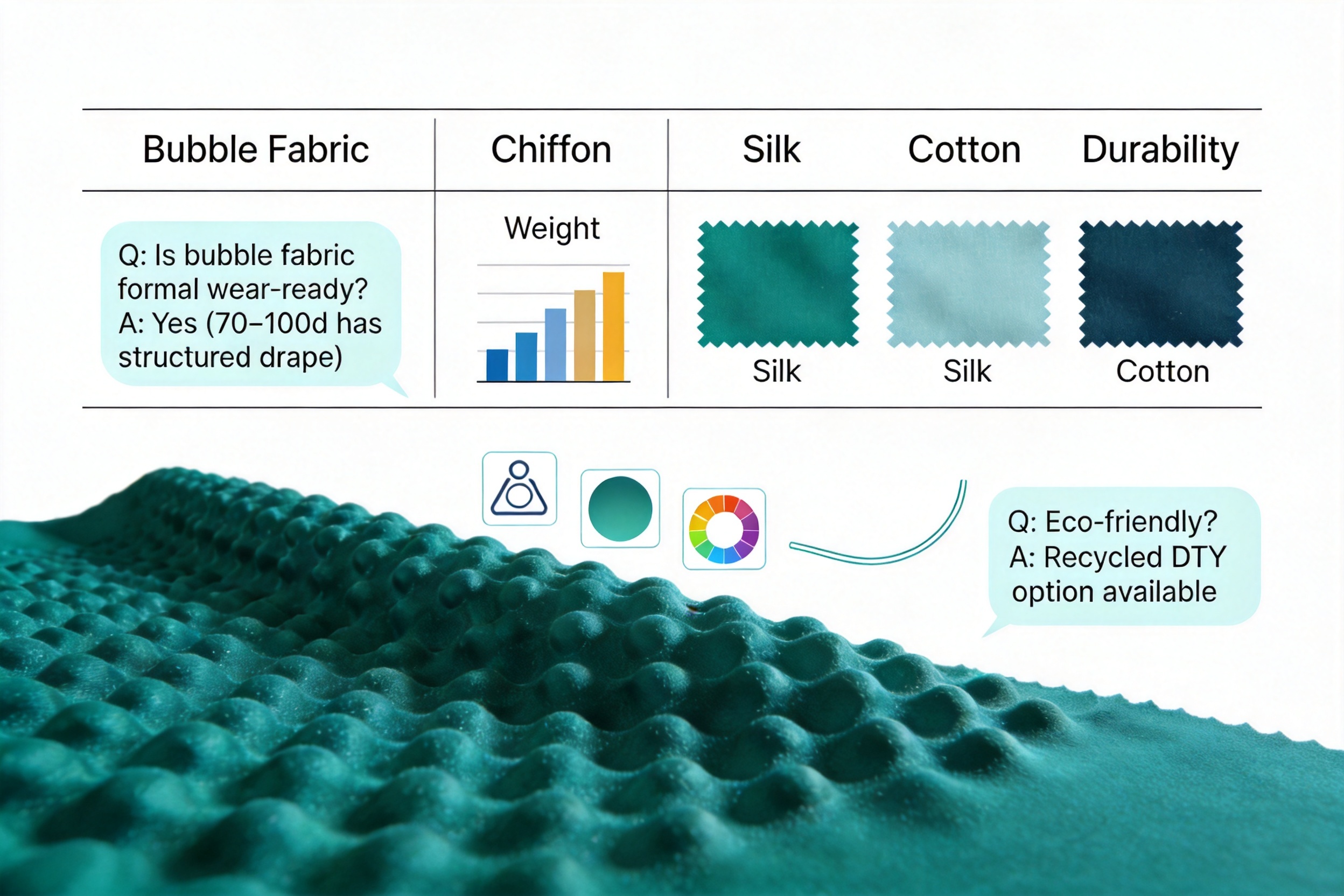
A3: Yes! Heavier weight bubble fabric (70–100d) has a structured drape that rivals silk, making it ideal for evening gowns, cocktail dresses, and formal skirts. Its vibrant colors and soft handfeel add a luxurious touch to formal outfits, while its durability ensures it holds up to repeated wear.
Q4: How should bubble fabric be cared for?
A4: Bubble fabric is low-maintenance: - Machine-wash on a gentle cycle with cold water and mild detergent. - Avoid bleach and fabric softeners. - Hang to dry or tumble dry on low heat. - Iron on a low setting if needed (but it’s generally wrinkle-resistant).
Q5: Can bubble fabric be customized for specific design needs?
A5: Absolutely! HJT offers custom weight, color (including Pantone matches), and texture variations. The company’s R&D team can also develop bespoke bubble fabric for specific applications (e.g., stain-resistant for home decor, UV-protective for outdoor apparel).
Q6: Is bubble fabric eco-friendly?
A6: HJT offers an eco-friendly version of bubble fabric made from 100% recycled polyester DTY yarn. This version reduces carbon footprint by 30% and uses closed-loop dyeing (recycling 90% of water). The standard bubble fabric is also OEKO-TEX certified, meaning it’s free from harmful chemicals.
Table: Bubble Fabric vs Competitor Textiles
| Property | Bubble Fabric | Regular Chiffon | Silk | Cotton |
|---|---|---|---|---|
| Weight Range | 50d–100d+ | 30d–40d | 8–16 momme | 50–200 gsm |
| Color Options | 100+ (custom Pantone) | 20–30 | 15–25 | 30–40 |
| Softness | High (silk-like) | Medium | Very High | Medium-High |
| Durability | High (snag-resistant) | Low (prone to snags) | Low (delicate) | Medium (absorbs moisture) |
| Maintenance | Easy (machine wash gentle) | Moderate (hand wash) | High (dry clean only) | Easy (machine wash) |
| Versatility | High (apparel, decor, accessories) | Medium (mostly apparel) | Medium (formal wear only) | High (casual only) |
| Eco-Friendliness | High (recycled option) | Low (synthetic) | Medium (natural but resource-intensive) | Medium (natural but water-intensive) |
References
1. Textile Institute. (2022). "Advanced Knitting Technologies for Synthetic Fabrics." Journal of Textile Research, Vol. 15, Issue 3, pp. 45–62.
2. Chen, L. et al. (2023). "Performance Analysis of DTY Polyester Yarn in Blended Textiles." International Journal of Textile Engineering, Vol. 10, Issue 2, pp. 112–125.
3. Global Fashion Trends Report. (2024). "Sustainable and Versatile Textiles for Modern Apparel." pp. 78–85.
4. Hangzhou Jinfeng Textile Co., Ltd. (2024). "Company Product Catalog: Bubble Fabric Series." Internal Publication.
5. OEKO-TEX Standard 100. (2023). "Certification Guidelines for Textile Products." Zurich, Switzerland: OEKO-TEX Association.