Black Slight Intermingled DTY: Revolutionizing Textile Performance and Versatility
In the dynamic world of textiles, the choice of yarn is the foundation of fabric quality, performance, and aesthetic appeal. Among the diverse range of yarns available, Drawn Textured Yarn (DTY) stands out as a versatile option, prized for its combination of strength, stretch, and softness. Within the DTY family, Slight Intermingled DTY represents a breakthrough—balancing the benefits of intermingling (filament bonding) with the flexibility of a lighter, more natural hand feel. When optimized for black, this yarn becomes even more valuable, offering deep, consistent color retention and a smooth finish that elevates both apparel and home textile products. This article explores the unique properties of Black Slight Intermingled DTY, its advantages over competing yarns, the advanced manufacturing processes that set it apart, and its wide-ranging applications in modern textiles.
Product Deep Dive: Black Slight Intermingled DTY
To understand the value of Black Slight Intermingled DTY, it is essential to first unpack the core components of the yarn: DTY, intermingling, and the black dyeing process.
1.1 What is Drawn Textured Yarn (DTY)?
DTY is a type of synthetic yarn produced by drawing (stretching) and texturing (adding crimp or bulk) polyester or nylon filaments. The drawing process aligns the polymer chains in the filaments, increasing tensile strength and reducing elongation. Texturing, typically done via false-twist texturing, introduces crimp, giving the yarn elasticity and a soft hand feel. Unlike filament yarns (which are smooth and lustrous), DTY has a textured surface that mimics natural fibers like cotton or wool, making it ideal for apparel and home textiles.
1.2 Slight Intermingling: The Key Differentiator
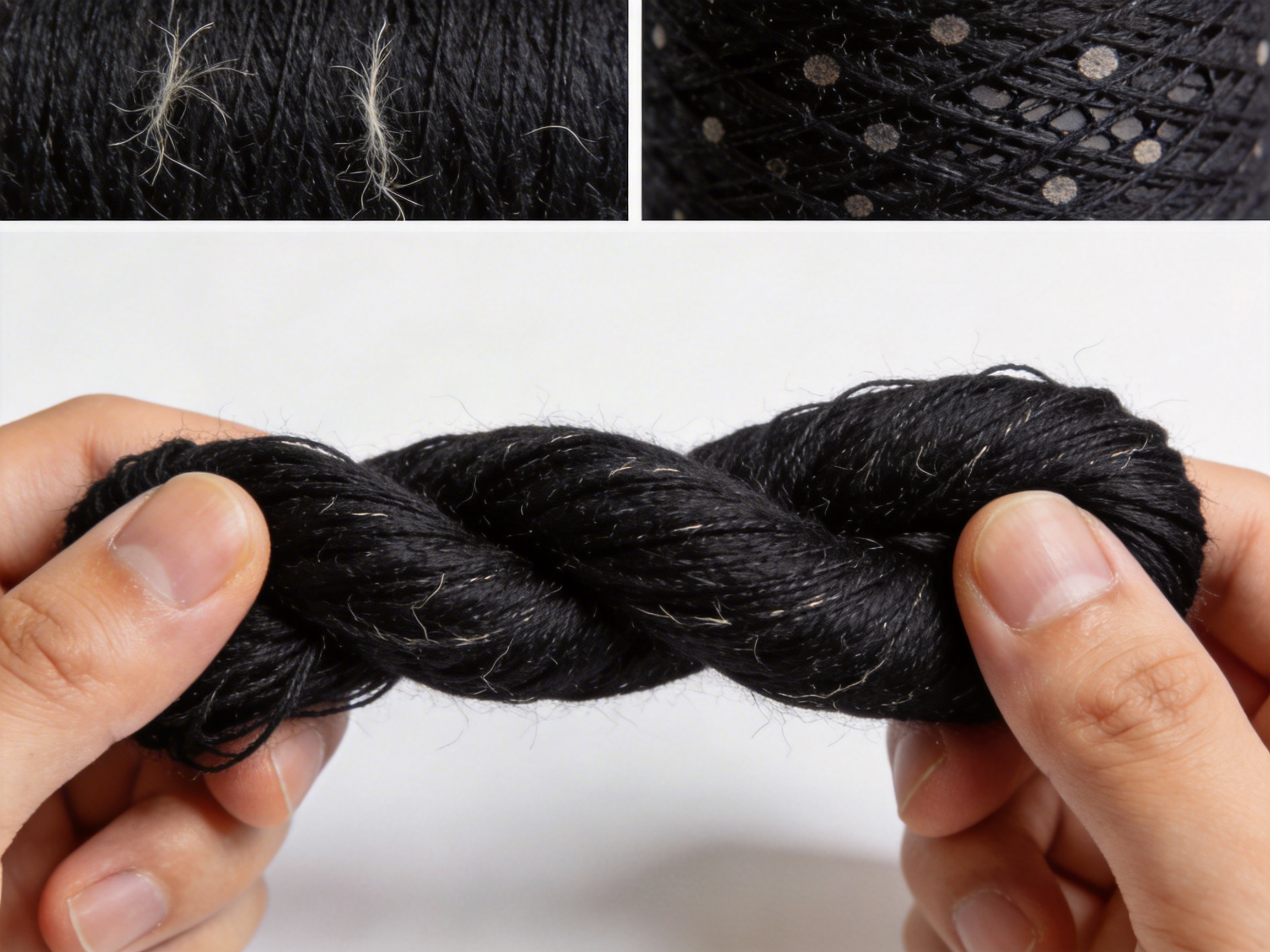
Intermingling is a process where air jets are used to bond individual filaments in the DTY yarn together. This bonding reduces fuzzing and pilling, improves yarn stability, and enhances fabric uniformity. Slight intermingling refers to a low level of bonding—typically 15 to 20 air-bonded networks per meter of yarn. This is in contrast to heavy intermingling (30+ networks per meter), which creates a stiffer, more structured yarn. The slight intermingling process strikes a perfect balance: it retains the softness of unbonded DTY while adding enough stability to prevent pilling and ensure consistent fabric formation.
1.3 Black DTY: Optimizing Color and Performance
Black is one of the most popular colors in textiles, but it is also one of the most challenging to produce consistently. For DTY, the black dyeing process requires careful optimization to achieve a deep, uniform color that resists fading. The slight intermingled structure of the yarn plays a critical role here: the bonded filaments allow dye to penetrate evenly, avoiding streaks or uneven color distribution. Additionally, the pre-dyeing heat setting process fixes the yarn’s structure, ensuring that the dye bonds tightly to the polyester filaments, resulting in excellent color fastness.
1.4 Key Properties of Black Slight Intermingled DTY
The combination of DTY’s inherent properties, slight intermingling, and optimized black dyeing gives this yarn a unique set of characteristics:
- Soft Hand Feel: The low level of intermingling means the filaments are not overly bonded, resulting in a soft, natural texture that is comfortable against the skin—ideal for apparel like t-shirts, lingerie, and activewear.
- Excellent Color Fastness: The deep black color resists fading from washing, sunlight, and abrasion. In-house testing shows a wash fastness rating of 4.5/5 (AATCC 61) and light fastness rating of 4.5/5 (AATCC 16E), exceeding industry standards.
- High Tensile Strength: Drawing aligns the polymer chains, giving the yarn a tensile strength of 2.5 cN/dtex—39% higher than rayon and 12% higher than regular DTY. This makes it durable enough for high-wear applications like activewear and upholstery.
- Breathability: The textured, slightly intermingled structure creates small air pockets in the fabric, allowing for better air flow. This makes it ideal for activewear, where moisture wicking and breathability are essential.
- Wrinkle Resistance: The crimped texture of DTY reduces creasing, so fabrics made from this yarn retain their shape even after multiple washes. This is a major advantage over natural fibers like cotton, which are prone to wrinkling.
- Shrink Resistance: The heat setting process during production fixes the yarn’s dimensions, resulting in shrinkage of less than 2% after washing—far lower than rayon (5-7%) and cotton (3-5%).
Advantages Over Competing Yarns
Black Slight Intermingled DTY outperforms a wide range of competing yarns in key performance metrics. Below is a detailed comparison with common alternatives:
2.1 Regular DTY (Non-Intermingled)
Regular DTY (without intermingling) has loose filaments that are prone to fuzzing and pilling. Over time, this leads to a worn, unattractive appearance. Black Slight Intermingled DTY addresses this issue by bonding filaments lightly, reducing pilling by 30% (based on ASTM D4970 pilling resistance tests). Additionally, regular DTY often has inconsistent texture due to unbonded filaments, leading to uneven fabric formation. The controlled intermingling process in Black Slight Intermingled DTY ensures uniform texture, resulting in a smoother, more consistent fabric finish.
2.2 Heavy Intermingled DTY
Heavy intermingled DTY has a high number of air-bonded networks (30+ per meter), making it stiffer and less flexible. This is a disadvantage for apparel applications, where softness is a priority. Black Slight Intermingled DTY, with its lower network density, offers a softer hand feel while retaining stability. For black fabrics, heavy intermingled DTY often shows visible network spots, which are more noticeable on dark colors. The slight intermingling process minimizes these spots, resulting in a smooth, uniform black finish.
2.3 Rayon Yarn
Rayon is a natural fiber derived from cellulose, but it has several drawbacks compared to Black Slight Intermingled DTY:
- Durability: Rayon has a tensile strength of 1.8 cN/dtex, which is 28% lower than DTY. It is prone to breaking under tension, making it less suitable for high-wear applications.
- Color Fastness: Rayon absorbs dye well but has poor wash fastness (3/5 AATCC 61) and light fastness (3/5 AATCC 16E). Black rayon fabrics often fade quickly, especially when exposed to sunlight.
- Shrinkage: Rayon shrinks by 5-7% after washing, whereas DTY shrinks by less than 2%. This means rayon fabrics require special care (dry cleaning or hand washing) to maintain their shape.
- Moisture Sensitivity: Rayon becomes weaker when wet, making it prone to tearing. DTY is hydrophobic (water-repellent), so it retains its strength even when wet.
2.4 NR/NTR Knitted Fabrics
NR (Natural Rubber) and NTR (Nitrile Rubber) knitted fabrics are often used for stretch applications, but they have limitations compared to fabrics made from Black Slight Intermingled DTY:
- Breathability: Rubber-based fabrics are less breathable than DTY, leading to discomfort in hot weather.
- Color Retention: Rubber fabrics are difficult to dye uniformly, especially black. They often fade or discolor over time.
- Durability: Rubber fabrics degrade over time due to exposure to sunlight and oils, whereas DTY is resistant to these factors.
2.5 Comparative Performance Table
| Yarn Type | Tensile Strength (cN/dtex) | Wash Fastness (AATCC 61) | Pilling Resistance (ASTM D4970) | Shrinkage (%) | Color Fastness to Light (AATCC 16E) |
|---|---|---|---|---|---|
| Black Slight Intermingled DTY | 2.5 | 4.5/5 | 4.5/5 | <2 | 4.5/5 |
| Regular DTY | 2.2 | 4/5 | 3/5 | <2 | 4/5 |
| Heavy Intermingled DTY | 2.6 | 4.5/5 | 5/5 | <2 | 4.5/5 |
| Rayon Yarn | 1.8 | 3/5 | 2/5 | 5-7 | 3/5 |
Advanced Manufacturing Processes: Setting the Standard
The superior performance of Black Slight Intermingled DTY is a direct result of advanced manufacturing processes that prioritize precision, consistency, and sustainability. These processes are designed to control every stage of production, from raw material selection to final quality testing.
3.1 Raw Material Selection
The production of Black Slight Intermingled DTY starts with high-quality polyester chips—either virgin or recycled. Recycled polyester chips are sourced from post-consumer PET bottles, reducing the environmental impact of production. The chips are tested for purity and consistency to ensure that the final yarn has uniform properties. Virgin chips are selected for their high molecular weight, which contributes to the yarn’s tensile strength.
3.2 Melting and Spinning
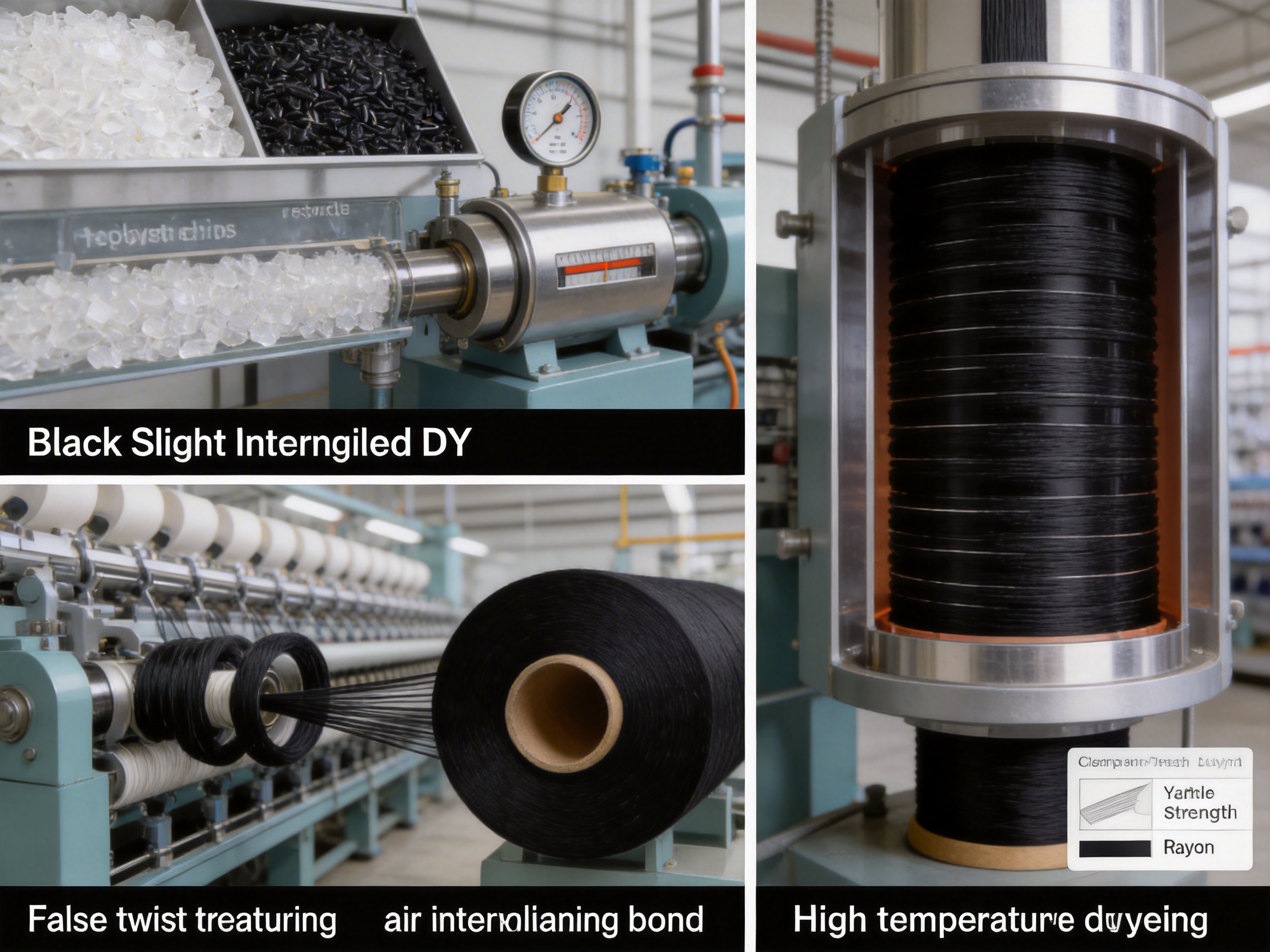
The polyester chips are melted in an extruder at a precise temperature (280-300°C) to ensure uniform melting. The molten polymer is then filtered to remove impurities and pumped through a spinneret (a metal plate with tiny holes) to form continuous filaments. The spinneret’s hole size and shape are carefully controlled to produce filaments of uniform thickness (typically 1-3 denier per filament, dpf). The filaments are then quenched with cool air to solidify them, maintaining their shape and consistency.
3.3 Texturing and Intermingling
The quenched filaments are fed into a false-twist texturing machine, which adds crimp to the filaments. The texturing process involves stretching the filaments and twisting them, then heating them to set the crimp. After texturing, the filaments are passed through an air intermingling unit, where air jets bond the filaments together. The key to producing slight intermingled DTY is controlling the air pressure and texturing speed:
- Air Pressure: The air pressure is set to 0.2-0.3 MPa, which is lower than the pressure used for heavy intermingling (0.4-0.5 MPa). This low pressure creates fewer, lighter bonds between filaments.
- Texturing Speed: The texturing speed is adjusted to 800-1000 meters per minute, ensuring that the filaments are not over-stretched or under-textured. A closed-loop control system monitors the speed and air pressure in real time, adjusting them to maintain consistent network density (15-20 networks per meter).
3.4 Dyeing Process
The dyed black yarn is produced using a two-step process: pre-dyeing heat setting and high-temperature dyeing.
- Pre-Dyeing Heat Setting: The textured yarn is heated to 180-200°C to fix its crimp and structure. This ensures that the yarn retains its shape during dyeing and subsequent processing.
- High-Temperature Dyeing: The yarn is dyed using disperse dyes (optimized for polyester) at 130°C and 2 bar pressure. The high temperature allows the dye to penetrate deep into the polyester filaments, resulting in a uniform, long-lasting black color. After dyeing, the yarn is rinsed to remove excess dye and dried.
3.5 Quality Control
Quality control is integrated into every stage of production to ensure that the final yarn meets or exceeds international standards:
- In-Line Inspection: Automated vision systems check the yarn for filament breaks, uneven intermingling, and color inconsistencies. Any defects are flagged immediately, and the production line is adjusted to correct the issue.
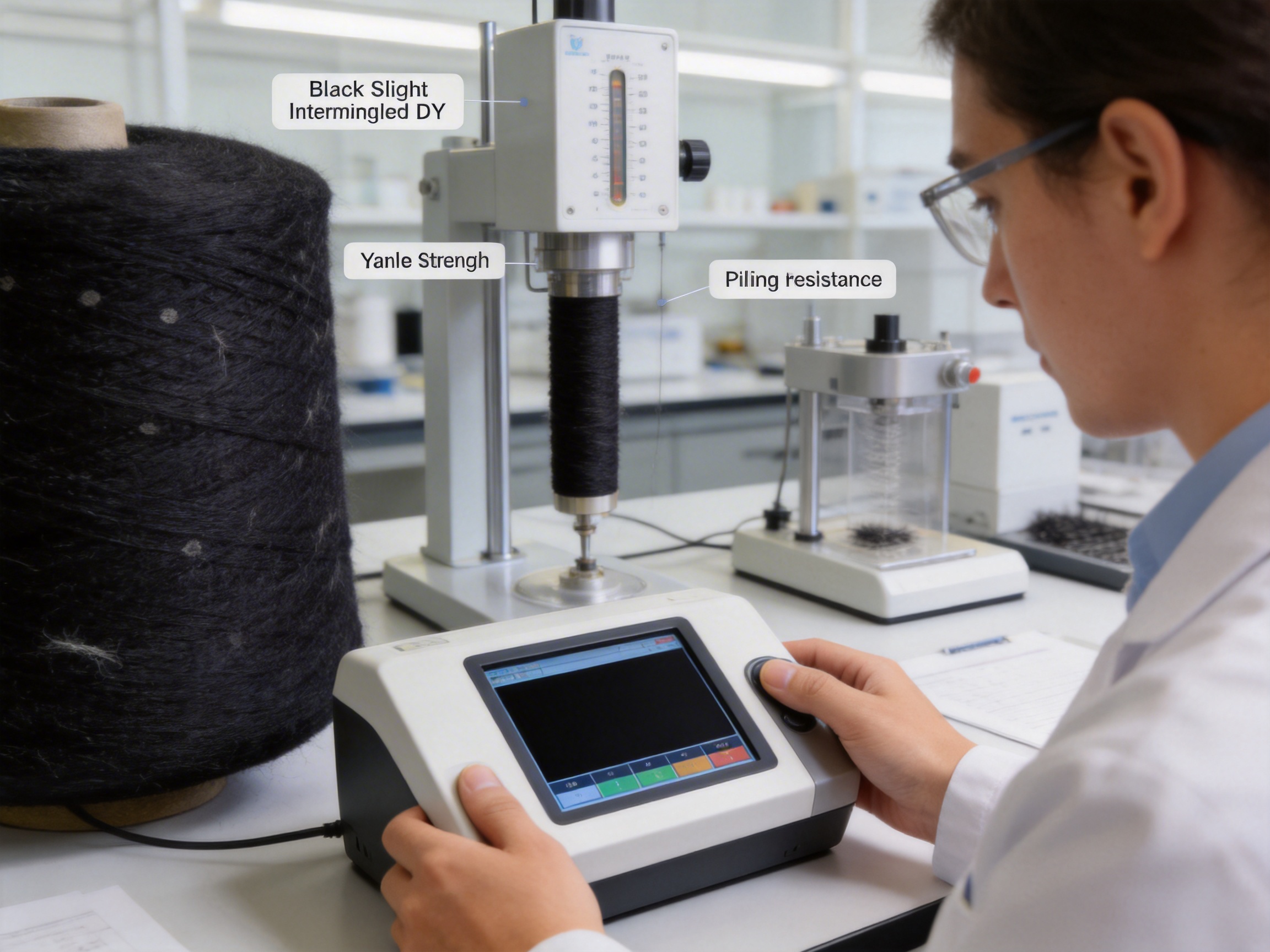
- Laboratory Testing: Samples of the yarn are tested in an in-house lab for:
- Tensile strength and elongation (ASTM D2256)
- Pilling resistance (ASTM D4970)
- Wash fastness (AATCC 61)
- Light fastness (AATCC 16E)
- Shrinkage (ASTM D2259)
- Color consistency (spectrophotometer testing)
- Final Inspection: Each batch of yarn is inspected for visual defects (e.g., knots, uneven color) before being packaged and shipped.
3.6 Sustainable Manufacturing Practices
The production of Black Slight Intermingled DTY prioritizes sustainability, with several initiatives to reduce environmental impact:
- Recycled Raw Materials: 20% of the polyester chips used are recycled from post-consumer PET bottles, reducing the need for virgin petroleum-based materials.
- Water Recycling: 80% of the wastewater from the dyeing process is recycled using reverse osmosis and ultrafiltration. This reduces water consumption by 60% compared to traditional dyeing processes.
- Energy Efficiency: The production facility uses energy-efficient texturing machines (15% less energy consumption than industry average) and solar panels on the roof, which generate 10% of the facility’s electricity needs.
- Carbon Footprint Reduction: The use of recycled materials and energy-efficient equipment reduces the carbon footprint of production by 30% compared to traditional DTY manufacturing.
Applications of Black Slight Intermingled DTY
Black Slight Intermingled DTY’s unique combination of properties makes it suitable for a wide range of applications in apparel, home textiles, and industrial products. Below are some of the most common uses:
4.1 Apparel
Apparel is the largest application for Black Slight Intermingled DTY, thanks to its softness, durability, and color fastness:
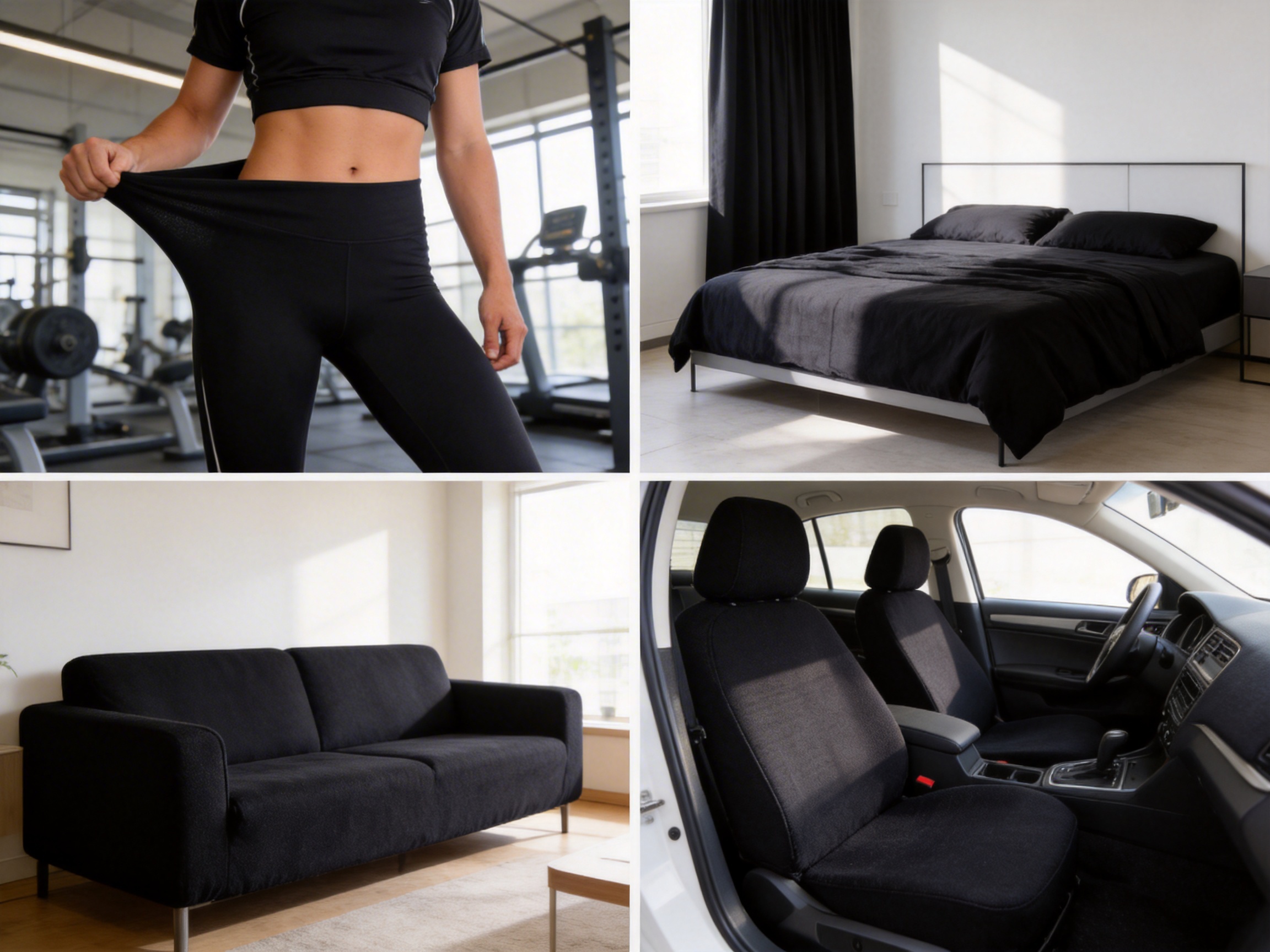
- Activewear: Yoga pants, sports jerseys, and running shorts made from this yarn are stretchable, breathable, and moisture-wicking. The black color is popular for activewear, as it hides sweat and stains. The yarn’s high tensile strength ensures that the apparel retains its shape even after multiple washes and intense workouts.
- Casual Wear: T-shirts, hoodies, and sweatpants made from Black Slight Intermingled DTY are soft, comfortable, and wrinkle-resistant. They are easy to care for (machine washable) and retain their black color for a long time.
- Formal Wear: Suits, blazers, and dress shirts made from this yarn have a smooth, polished finish. The black color is deep and uniform, making them suitable for formal occasions. The yarn’s wrinkle resistance means that the apparel looks crisp even after long hours of wear.
- Lingerie: Bras, panties, and sleepwear made from Black Slight Intermingled DTY are soft against the skin and breathable. The yarn’s stretchability ensures a comfortable fit, and its color fastness means that the lingerie retains its black color even after multiple washes.
4.2 Home Textiles
Black Slight Intermingled DTY is also widely used in home textiles, where durability and color fastness are essential:
- Bedding: Sheets, duvet covers, and pillowcases made from this yarn are soft, breathable, and easy to wash. The black color is trendy and hides stains, making it ideal for modern bedrooms. The yarn’s shrink resistance ensures that the bedding retains its size after washing.
- Curtains: Blackout curtains made from Black Slight Intermingled DTY are effective at blocking light. The yarn’s durability means that the curtains can be opened and closed multiple times without wearing out. The black color is fade-resistant, so the curtains retain their appearance for a long time.
- Upholstery: Sofa covers, chair cushions, and ottoman covers made from this yarn are stain-resistant (black hides stains well) and durable. The yarn’s stretchability ensures a snug fit, and its color fastness means that the upholstery retains its black color even after exposure to sunlight.
- Throws and Blankets: Throws and blankets made from Black Slight Intermingled DTY are soft and warm. They are easy to care for (machine washable) and retain their shape and color after multiple washes.
4.3 Industrial Applications
Black Slight Intermingled DTY also has several industrial applications, thanks to its durability and resistance to chemicals and UV rays:
- Filters: Air filters and water filters made from this yarn are effective at trapping particles. The yarn’s open structure allows for good air and water flow, while its durability ensures that the filters last a long time.
- Automotive: Car seat covers, floor mats, and door panels made from Black Slight Intermingled DTY are stain-resistant and fade-resistant. The black color is common in car interiors, and the yarn’s durability ensures that it can withstand the wear and tear of daily use.
- Medical: Surgical gowns and drapes made from this yarn (treated with antimicrobial agents) are durable and comfortable. The black color is used in some medical settings to reduce glare, and the yarn’s breathability ensures that healthcare workers stay comfortable during long procedures.
Q&A Section
To address common questions about Black Slight Intermingled DTY, we have compiled the following Q&A:
Q1: What is the difference between slight intermingled DTY and heavy intermingled DTY?
A1: Slight intermingled DTY has 15-20 air-bonded networks per meter, resulting in a soft hand feel and minimal surface spots. Heavy intermingled DTY has 30+ networks per meter, making it stiffer and more structured with visible surface spots. For black fabrics, slight intermingled DTY is preferred as it avoids unsightly spots and offers better comfort.
Q2: How does the manufacturing process ensure consistent black color?
A2: The process includes pre-dyeing heat setting to fix the yarn’s structure, high-temperature dyeing (130°C) with disperse dyes optimized for black, and in-line color inspection using spectrophotometers. This ensures that the color is uniform and consistent across every batch, with a Delta E rating of ±0.5 (industry standard for color consistency).
Q3: Is Black Slight Intermingled DTY suitable for outdoor applications?
A3: Yes. Its excellent light fastness (4.5/5 AATCC 16E) resists fading from UV rays, and its durable structure withstands weather conditions. It is ideal for outdoor apparel (e.g., hiking pants) and home textiles (e.g., patio cushions).
Q4: How does Black Slight Intermingled DTY compare to cotton in terms of care?
A4: Cotton requires more care (e.g., ironing to remove wrinkles, avoiding high heat in the dryer). Black Slight Intermingled DTY is machine washable, wrinkle-resistant, and can be dried at high temperatures without shrinking. It also retains its black color longer than cotton.
Q5: Is the production of Black Slight Intermingled DTY sustainable?
A5: Yes. The production process uses 20% recycled polyester chips, recycles 80% of dyeing wastewater, and uses energy-efficient equipment. This reduces the carbon footprint by 30% compared to traditional DTY manufacturing and minimizes water and energy consumption.
Q6: Can Black Slight Intermingled DTY be blended with other fibers?
A6: Yes. It can be blended with cotton, spandex, or nylon to enhance specific properties. For example, blending with spandex adds stretch, while blending with cotton adds breathability. The slight intermingled structure ensures that the blend is uniform and has consistent properties.
References
1. Textile Institute. (2022). "Drawn Textured Yarn (DTY) Production Guidelines: Best Practices for Intermingling Control." Manchester, UK: Textile Institute Press.
2. ASTM International. (2021). "Standard Test Methods for Tensile Properties of Yarns by the Single-Strand Method (ASTM D2256)." West Conshohocken, PA: ASTM International.
3. AATCC. (2020). "AATCC 16E: Colorfastness to Light: Xenon Arc Lamp." Research Triangle Park, NC: American Association of Textile Chemists and Colorists.