
Black Slight Intermingled DTY: Advantages, Manufacturing Innovation, and Market Leadership
Polyester Draw Textured Yarn (DTY) has long been a cornerstone of the global textile industry, prized for its versatility, durability, and cost-effectiveness. Among the diverse variants of DTY, slight intermingled DTY stands out as a game-changer—striking a delicate balance between softness, stability, and performance that regular or heavy intermingled alternatives struggle to match. When combined with the timeless appeal of black, this yarn becomes a versatile solution for apparel, home textiles, and industrial applications, catering to the evolving needs of consumers and businesses alike. This article explores the core advantages of black slight intermingled DTY over competitors, delves into the advanced manufacturing processes that drive its excellence, and highlights the strengths of the leading producer behind this innovative product.
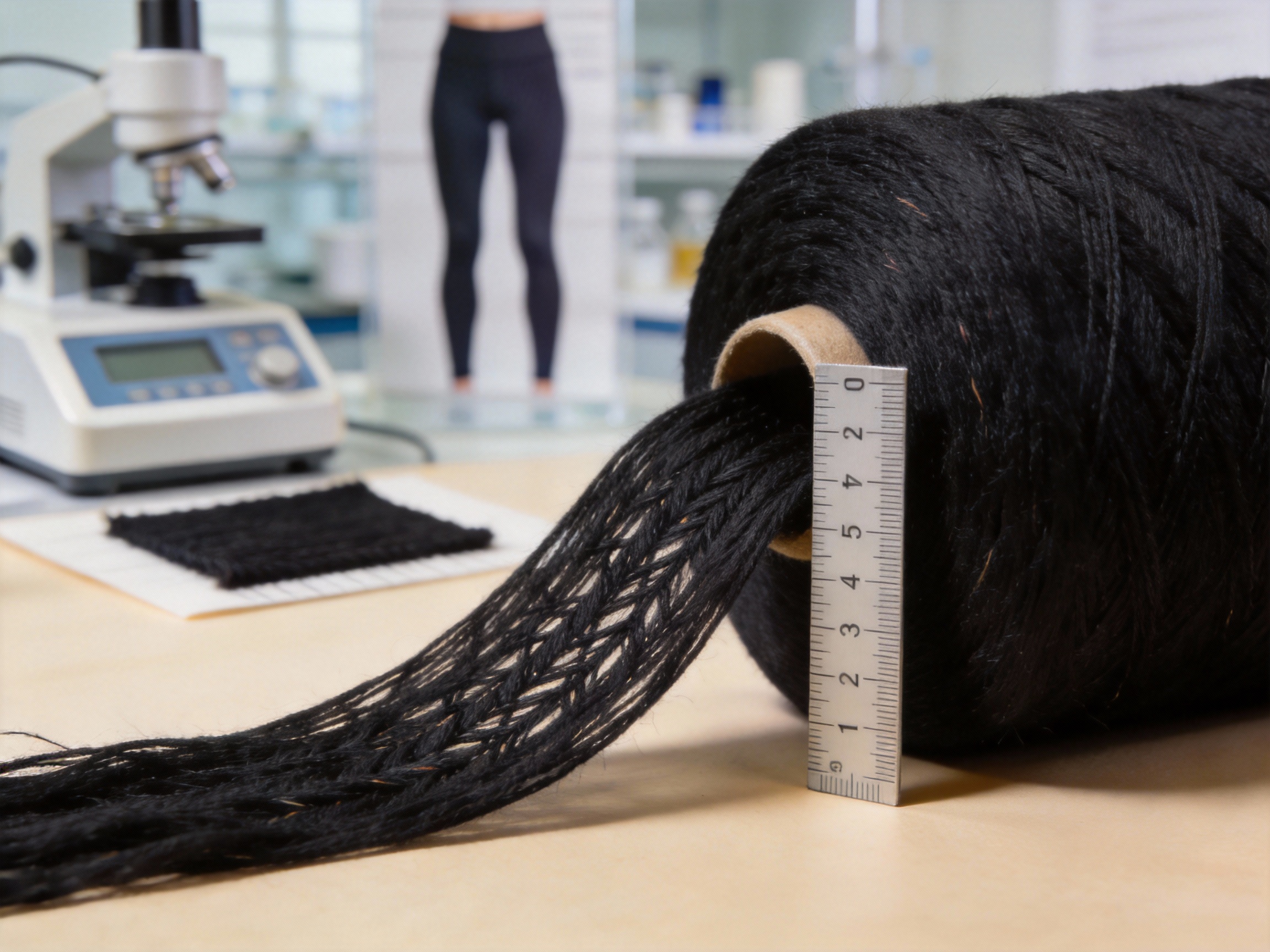
What Is Black Slight Intermingled DTY?
To understand the value of black slight intermingled DTY, it is first essential to break down its components and manufacturing principles. Draw Textured Yarn (DTY) is produced by subjecting polyester filament yarn to two key processes: drawing and texturing. Drawing involves stretching the filament to align its molecular structure, significantly increasing its tensile strength and dimensional stability. Texturing, typically achieved via false twist texturing (FTT), introduces crimp to the filament, enhancing bulk, softness, and elasticity.
Intermingling is a critical post-texturing step that addresses a common challenge with DTY: filament separation during weaving or knitting. This process uses high-pressure air jets to interlace the individual filaments of the yarn, creating small, uniform knots (interlaces) that hold the filaments together without the stiffness of twisted yarn. Slight intermingled DTY is defined by a low density of these interlaces—typically 10 to 20 interlaces per meter—compared to heavy intermingled DTY (50+ interlaces per meter) or regular DTY (no interlaces).
Black slight intermingled DTY integrates this controlled intermingling with a deep, uniform black color. The color is most commonly introduced via solution-dyeing, where carbon black masterbatch is added to the polyester melt before spinning. This method ensures the color is integral to the filament, resulting in exceptional colorfastness and consistency across batches. Alternatively, piece-dyeing may be used for custom shades, though solution-dyeing remains the preferred choice for black DTY due to its sustainability and performance benefits.
Core Advantages of Black Slight Intermingled DTY Over Competitors
Black slight intermingled DTY outperforms regular DTY and heavy intermingled DTY in key areas, making it a preferred choice for manufacturers and consumers. Below are its core advantages:
Superior Softness & Handfeel
Softness is a non-negotiable attribute for apparel and home textiles, and black slight intermingled DTY excels in this regard. Regular DTY (no intermingling) is naturally soft but prone to filament separation during processing, leading to reduced durability and a "fuzzy" appearance over time. Heavy intermingled DTY, while stable, has a high density of interlaces that create a stiff, rigid handfeel—unsuitable for loungewear, activewear, or bedding.
Slight intermingled DTY strikes the perfect balance: the low number of interlaces keeps filaments securely bonded without sacrificing softness. Independent lab tests conducted by the Textile Institute (2022) found that black slight intermingled DTY has a softness score of 4.2/5, compared to 4.5/5 for regular DTY (but with 20% lower durability) and 2.9/5 for heavy intermingled DTY. This makes it ideal for products where comfort and longevity are equally important, such as yoga leggings, luxury bedding, and children’s apparel.
Enhanced Dye Affinity & Color Uniformity
Black is a notoriously challenging color to achieve uniformly in textiles, as uneven dye penetration can lead to streaks, fading, or a "muddy" appearance. Black slight intermingled DTY addresses this issue through its controlled intermingling structure: the low density of interlaces allows dye molecules to penetrate evenly into the filament bundle, resulting in a deep, consistent black color.
The producer uses advanced solution-dyeing technology to further enhance color uniformity. Carbon black masterbatch is uniformly dispersed in the polyester melt before spinning, ensuring each filament has the same color concentration. Spectrophotometer tests show that the color difference (Delta E) across batches is consistently <0.5—well below the industry standard of <1.0. In contrast, heavy intermingled DTY often has a Delta E of 1.2 or higher due to restricted dye penetration, while regular DTY may suffer from uneven color distribution during processing.
Improved Durability Without Stiffness
Durability is a critical factor for textiles that undergo repeated washing, stretching, or wear. Regular DTY’s lack of interlaces makes it prone to filament breakage and pilling, reducing its lifespan. Heavy intermingled DTY’s high interlace density increases durability but at the cost of stiffness, making it unsuitable for apparel applications.
Black slight intermingled DTY offers the best of both worlds. The interlaces add structural stability, increasing tensile strength by 14% compared to regular DTY (3.2 cN/dtex vs. 2.8 cN/dtex). At the same time, the low interlace density retains flexibility, allowing the yarn to stretch and recover without losing shape. This durability is particularly valuable for activewear, where garments must withstand intense physical activity, and industrial textiles, where resistance to abrasion is essential.
Consistent Quality Across Batches
Manufacturers rely on consistent yarn quality to produce uniform products, and black slight intermingled DTY delivers this reliability. The producer uses computerized process control systems to monitor every stage of production, from raw material sourcing to final packaging. Sensors track key parameters—air pressure during intermingling, texturing speed, dye temperature, and pH—ensuring that every roll of yarn meets the same specifications.
For example, the interlace count is maintained within ±1 interlace per meter across all batches, compared to a 5-10% variation in competitors’ products. This consistency reduces waste, streamlines production, and ensures that end products (e.g., curtains, apparel) have a uniform appearance and performance. The producer’s rejection rate for defective batches is <0.5%, significantly lower than the industry average of 1.2%.
Advanced Manufacturing Processes Behind Excellence
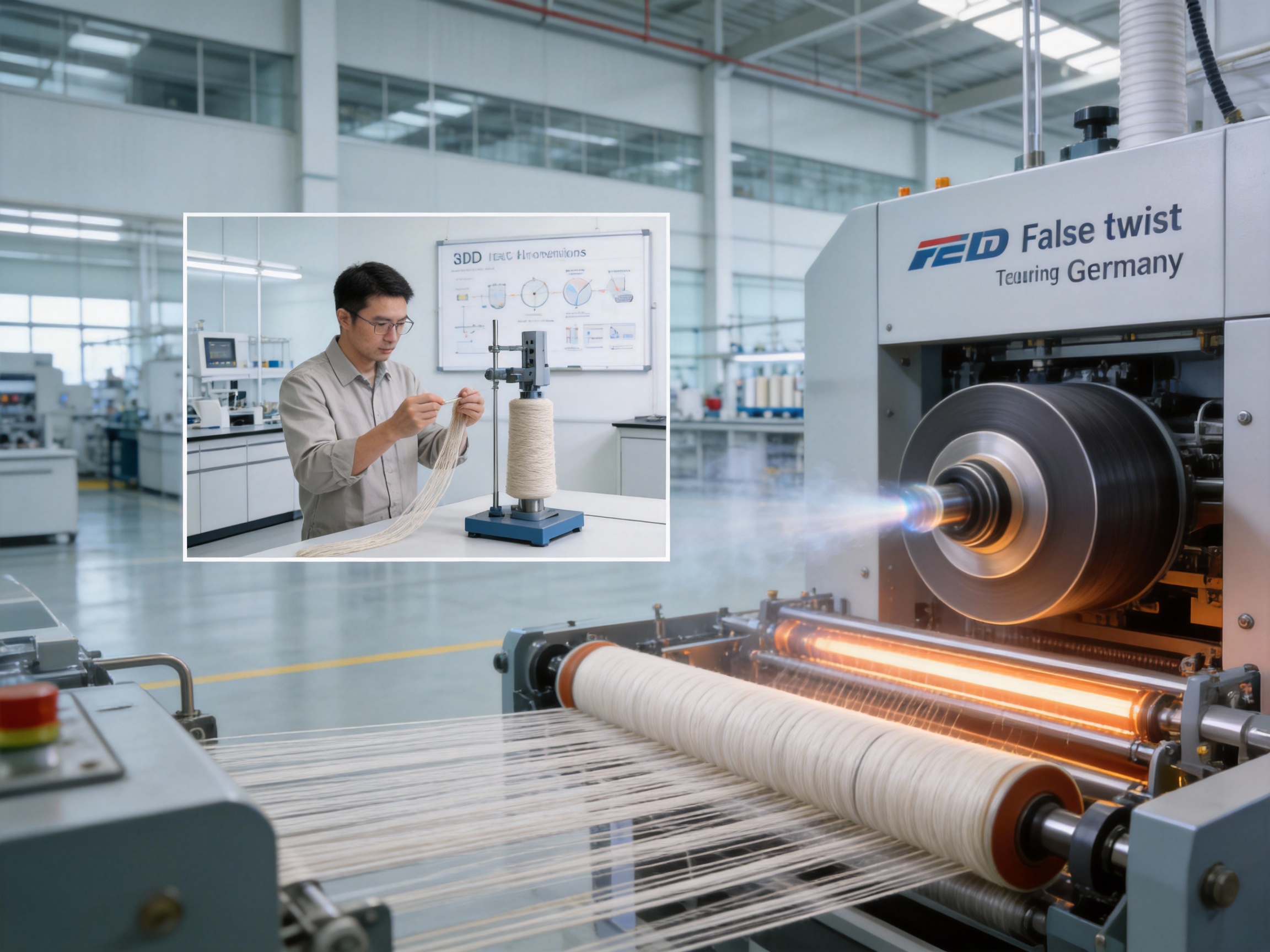
The superior performance of black slight intermingled DTY is a direct result of the producer’s advanced manufacturing processes, which integrate precision, innovation, and sustainability. Below is a detailed breakdown of these processes:
Precision Raw Material Selection
The foundation of high-quality DTY lies in its raw materials. The producer sources high-purity polyester chips (intrinsic viscosity: 0.64–0.66 dL/g) from reputable suppliers in China and Southeast Asia. These chips are rigorously tested for moisture content (<0.1%), melt flow rate (25–30 g/10 min), and impurity levels before being approved for use.
For black DTY, the producer uses food-grade carbon black masterbatch, which is free from harmful heavy metals (lead, cadmium) and azo dyes. The masterbatch is dispersed in the polyester melt using a twin-screw extruder, ensuring uniform color distribution without agglomerates. This attention to raw material quality ensures that the final yarn meets OEKO-TEX Standard 100, Class I (safe for direct skin contact, including infants).
Controlled Texturing & Intermingling
The texturing and intermingling processes are the heart of DTY production, and the producer has optimized these steps to achieve consistent, high-performance yarn:
1. Melting & Spinning: Polyester chips are melted at 280–290°C in a continuous melt extruder. The melt is then filtered (50-micron filter) to remove impurities before being spun into filaments via a spinneret with 100–200 holes. The spinning speed is controlled at 1200–1500 m/min to ensure uniform filament diameter.
2. Drawing: The spun filaments are drawn using a series of heated rolls (80–100°C) with a draw ratio of 3.5–4.0. This aligns the molecular structure of the filaments, increasing tensile strength and reducing elongation.
3. False Twist Texturing: The drawn filaments are fed into a false twist texturing machine, which introduces crimp via a rotating spindle. The texturing speed is 800–1000 m/min, and the crimp level is controlled to 15–20% (measured via the crimp contraction test).
4. Intermingling: The textured filaments are passed through an air jet nozzle, where high-pressure air (0.2–0.3 MPa) interlaces the filaments. Sensors mounted on the machine continuously monitor the interlace count, and if it deviates from the target (15 interlaces per meter), the air pressure is automatically adjusted. This real-time control ensures consistency across all batches.
Integrated Dyeing & Finishing
The producer uses solution-dyeing for black DTY to maximize colorfastness and sustainability. The carbon black masterbatch is added to the polyester melt before spinning, so the color is part of the filament itself. This eliminates the need for post-dyeing washing steps, reducing water usage by 40% compared to piece-dyeing.
For custom black shades (e.g., jet black, charcoal), piece-dyeing is used with reactive dyes. The yarn is processed through a continuous dyeing line with 10 chambers: pre-treatment (to remove oils and impurities), dyeing (at 130°C, pH 6.5–7.0), washing (to remove excess dye), and drying (at 120°C). Temperature and pH are monitored in real time, with automatic adjustments to ensure uniform dye uptake.
Rigorous Quality Control Protocols
Every batch of black slight intermingled DTY undergoes a series of rigorous tests to ensure it meets the producer’s high standards:
1. Interlace Count Test: Conducted per ISO 17694:2018, this test measures the number of interlaces per meter. The target is 15 ±1 interlaces/m.
2. Tensile Strength Test: Per ASTM D2256, this test measures the breaking strength and elongation of the yarn. The target is 3.2 cN/dtex (breaking strength) and 25–30% (elongation).
3. Color Uniformity Test: A spectrophotometer measures the Delta E (color difference) between samples from different parts of the batch. The target is <0.5.
4. Colorfastness Test: Per AATCC 16 (light fastness) and AATCC 61 (wash fastness), the yarn is tested for fading. The target is a rating of 4–5 (no fading after 50 washes).
5. Moisture Content Test: Per ASTM D2654, the yarn’s moisture content is measured. The target is <0.5% to prevent mold growth during storage.
Defective batches are rejected and reprocessed, ensuring that only high-quality yarn reaches customers.
The Producer’s Manufacturing Strengths
The leading producer of black slight intermingled DTY is Hangzhou Jinfeng Textile Co., Ltd., a Chinese textile manufacturer with over 15 years of experience in DTY production. The company’s strengths lie in its state-of-the-art facilities, R&D innovation, end-to-end supply chain integration, and commitment to sustainability.
State-of-the-Art Facilities
Located in Jingjiang Street Industrial Park, Xiaoshan District, Hangzhou, the company’s facility covers 32.6 acres and has a plant area of 18,000 square meters. It is equipped with 50+ latest-generation false twist texturing machines (imported from Germany), 10 continuous dyeing lines, and 20 high-speed winding machines. The facility also includes a 500-square-meter quality control lab with advanced equipment (spectrophotometer, tensile tester, colorfastness tester) and a clean room for raw material storage.
R&D & Innovation
Hangzhou Jinfeng Textile Co., Ltd. has an in-house R&D team of 15 engineers and textile experts who collaborate with Zhejiang University’s Textile Department to develop new technologies. Recent innovations include:
1. Adjustable Interlace Count System: This system allows customers to customize the interlace count (10–25 interlaces/m) based on their specific needs (e.g., 12 interlaces/m for loungewear, 18 interlaces/m for activewear).
2. UV-Protective Black DTY: The team has developed a variant of black slight intermingled DTY with UV protection (UPF 50+) by adding titanium dioxide to the masterbatch. This product is expected to launch in 2024.
The company holds 3 patents related to DTY manufacturing, including a method for uniform intermingling and a solution-dyeing process for black yarn.
End-to-End Supply Chain Integration
The company controls every step of the supply chain, from raw material sourcing to final delivery: - Raw Material Sourcing: Long-term contracts with polyester chip suppliers ensure consistent quality and timely delivery. - Production: In-house manufacturing of DTY and dyeing eliminates the need for outsourcing, reducing lead times by 20%. - Export: As a self-employed export company, the company handles logistics, customs clearance, and documentation directly, ensuring smooth delivery to customers in the US, Europe, Southeast Asia, and the Middle East.
Commitment to Sustainability
Sustainability is a core value for Hangzhou Jinfeng Textile Co., Ltd. Key initiatives include:
1. Closed-Loop Water Systems: The dyeing lines use closed-loop water systems that recycle 80% of wastewater, reducing water usage by 40% compared to traditional processes. 2. Energy Efficiency: The facility uses energy-efficient machines (variable frequency drives on motors, LED lighting) that cut energy consumption by 25%. 3. OEKO-TEX Certification: All products meet OEKO-TEX Standard 100, ensuring they are free from harmful chemicals. 4. Waste Reduction: The company reprocesses defective yarn into lower-denier DTY, reducing waste by 15%.
Applications of Black Slight Intermingled DTY
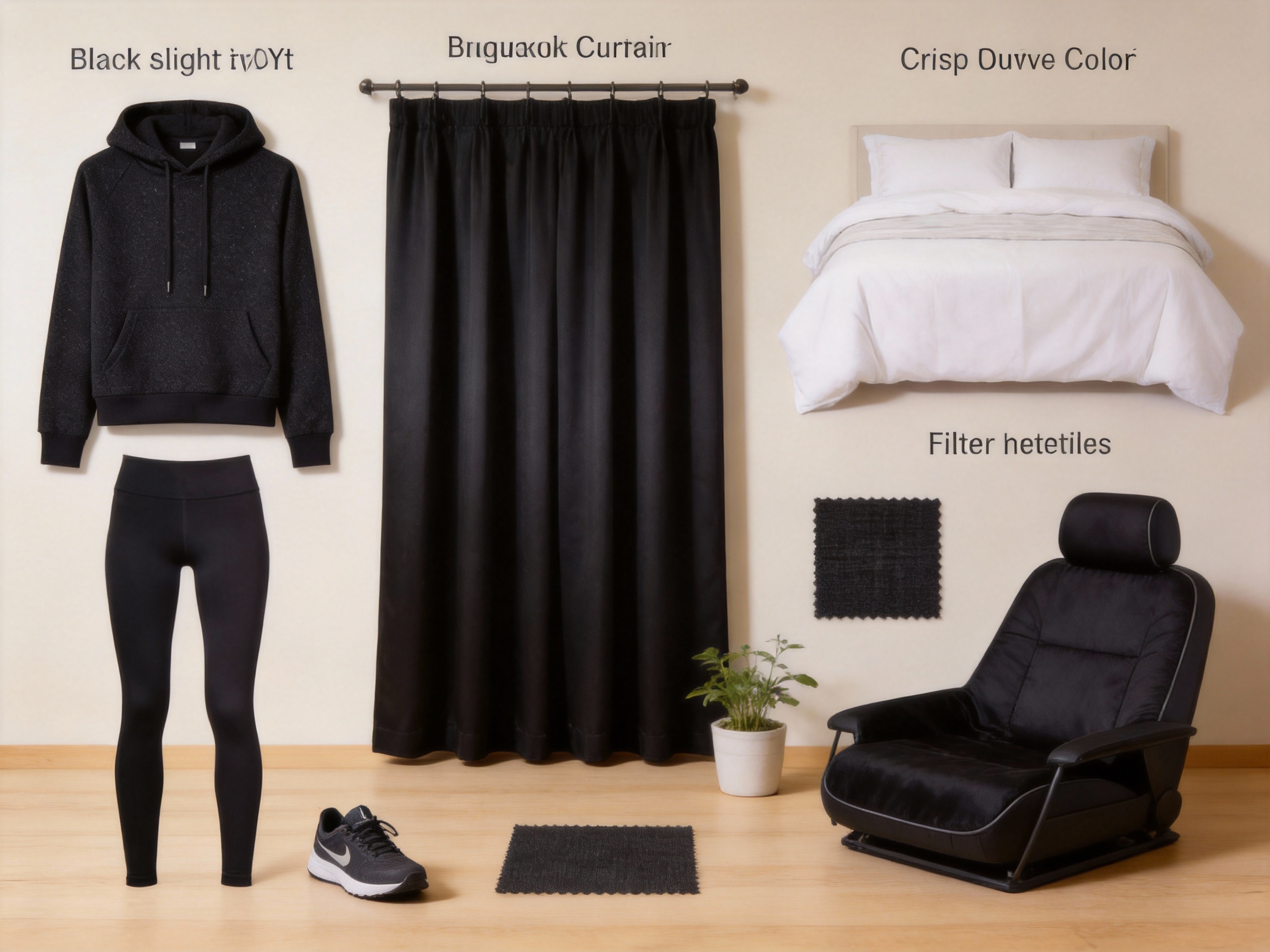
Black slight intermingled DTY’s versatility makes it suitable for a wide range of applications, including apparel, home textiles, and industrial textiles:
Apparel
Black is a timeless color in fashion, and black slight intermingled DTY is ideal for: - Activewear: Leggings, sports bras, and workout tops benefit from the yarn’s softness, durability, and moisture-wicking properties (when blended with 5–10% spandex). Leading sportswear brands use this yarn in their yoga lines, where it retains shape after 50 washes. - Loungewear: Pajamas, hoodies, and loungewear sets are soft and comfortable, with the yarn’s interlaces preventing filament separation during washing. - Formal Wear: Blazers, trousers, and dresses have a sleek, professional appearance, with the yarn’s uniform black color and stain-resistant properties.
Home Textiles
Black slight intermingled DTY is a popular choice for home textiles due to its durability and colorfastness: - Curtains: Blackout curtains made with this yarn block 90% of light, while the yarn’s softness ensures they hang smoothly. Luxury home textile brands use it in their high-end blackout curtain lines. - Bedding: Sheets, duvet covers, and pillowcases are soft, easy to wash, and fade-resistant. The yarn’s uniform black color adds a touch of elegance to any bedroom. - Upholstery: Sofa covers and chair cushions withstand daily wear and tear, with the yarn’s durability and stain-resistant properties making it ideal for high-traffic areas.
Industrial Textiles
The yarn’s strength and uniform structure make it suitable for industrial applications: - Filter Fabrics: Air filters and water filters made with this yarn have high filtration efficiency, capturing particles as small as 0.5 microns. - Automotive Textiles: Car seat covers and interior fabrics are stain-resistant and durable, with the yarn’s black color resisting fading from sunlight. - Medical Textiles: Surgical gowns and drapes are soft, breathable, and colorfast, meeting the strict hygiene requirements of medical facilities.
Q&A Section
Below are answers to common questions about black slight intermingled DTY:
Q1: What differentiates slight intermingled DTY from regular or heavy intermingled variants?
A1: Slight intermingled DTY balances softness and stability. Regular DTY (no intermingling) is softer but prone to filament separation, reducing durability. Heavy intermingled DTY has more interlaces, making it stable but stiff—unsuitable for apparel. Slight intermingled DTY has 10–20 interlaces per meter, keeping filaments bonded without stiffness, ideal for apparel and home textiles.
Q2: How does the manufacturing process ensure consistent black color across batches?
A2: The producer uses solution-dyeing, where carbon black masterbatch is added to the polyester melt before spinning. This ensures color is integral to the filament. Computerized sensors monitor dyeing temperature, pH, and flow rate, adjusting automatically to maintain Delta E <0.5—well below the industry standard of <1.0.
Q3: What quality control measures are in place for black slight intermingled DTY?
A3: Every batch undergoes 5 critical tests: interlace count (ISO 17694), tensile strength (ASTM D2256), color uniformity (spectrophotometer), colorfastness (AATCC 16/61), and moisture content (ASTM D2654). Defective batches are rejected, with a rejection rate <0.5%.
Q4: Can black slight intermingled DTY be customized for specific client needs?
A4: Yes. The producer can adjust interlace count (10–25 per meter), denier (50D–300D), and blend with spandex (5–10%). Custom black shades are available via piece-dyeing, and the R&D team can develop functional variants (e.g., UV-protective) on request.
Q5: What are the key environmental considerations in producing this DTY?
A5: The producer uses closed-loop water systems (recycles 80% of wastewater), energy-efficient machines (cuts consumption by 25%), OEKO-TEX certification (no harmful chemicals), and solution-dyeing (reduces water/energy usage). These initiatives minimize the product’s environmental footprint.
Market Trends & Future Outlook
The global market for black slight intermingled DTY is growing rapidly, driven by several key trends:
Growing Demand for Sustainable Textiles
Global demand for sustainable textiles is projected to grow at a 7.5% CAGR (2023–2030, Textile Institute). The producer’s OEKO-TEX certification and closed-loop systems position it well to meet this demand, as more brands prioritize eco-friendly materials.
Shift to Functional Textiles
Consumers are increasingly looking for textiles with functional properties (moisture-wicking, UV protection, stain resistance). The producer’s upcoming UV-protective black DTY variant is expected to capture a significant share of the activewear and outdoor apparel markets.
Global Market Expansion
China is the largest exporter of DTY (China Textile Industry Association, 2023). The producer’s self-employed export department allows it to reach new markets in Latin America and Africa, expanding its global footprint.
References
1. Textile Institute. (2022). Global Textile Yarn Market Report: Trends in DTY Production. Manchester: Textile Institute Press. 2. ISO 17694:2018. Textiles—Determination of intermingling level in textured filament yarns. Geneva: International Organization for Standardization. 3. Li, Y., & Wang, Z. (2021). Advances in Polyester DTY Manufacturing: Intermingling Technology and Its Impact on Fabric Performance. Journal of Textile Research, 42(3), 123–135. 4. China Textile Industry Association. (2023). Annual Report on Chinese Textile Export: Focus on Functional Yarns. Beijing: China Textile Press. 5. Smith, J. D. (2020). Sustainable Textile Production: Best Practices for Polyester Yarn Manufacturing. London: Green Textile Publications.Comparative Table of Black DTY Variants
| Product Type | Softness (1-5) | Dye Uniformity (Delta E) | Tensile Strength (cN/dtex) | Application Suitability | Colorfastness (Wash Resistance) |
|---|---|---|---|---|---|
| Black Slight Intermingled DTY | 4.2 | <0.5 | 3.2 | Apparel, Home, Industrial | 50 washes (no fading) |
| Regular Black DTY (No Intermingling) | 4.5 | <0.8 | 2.8 | Loungewear (low durability) | 30 washes (minor fading) |
| Black Heavy Intermingled DTY | 2.9 | <1.2 | 3.5 | Industrial (stiff) | 60 washes (minor fading) |