The Versatile Advantages of Jacquard Twill Fabric: A Deep Dive into Innovation and Quality
Jacquard twill fabric stands as a testament to the evolution of textile engineering, blending centuries-old weaving techniques with modern material science to create a product that excels in both aesthetic appeal and functional performance. Rooted in the jacquard loom’s revolutionary ability to produce intricate patterns and enhanced by the durability of the twill weave, this fabric has emerged as a preferred choice for apparel designers, manufacturers, and consumers alike. Unlike printed fabrics that fade over time or plain weaves that lack depth, jacquard twill integrates its pattern directly into the fabric’s structure, ensuring longevity and tactile richness. This article explores the key advantages of jacquard twill fabric over competitors, the advanced manufacturing processes that define its quality, and the strengths of the leading textile producers that bring this fabric to market.
An Overview of Jacquard Twill Fabric
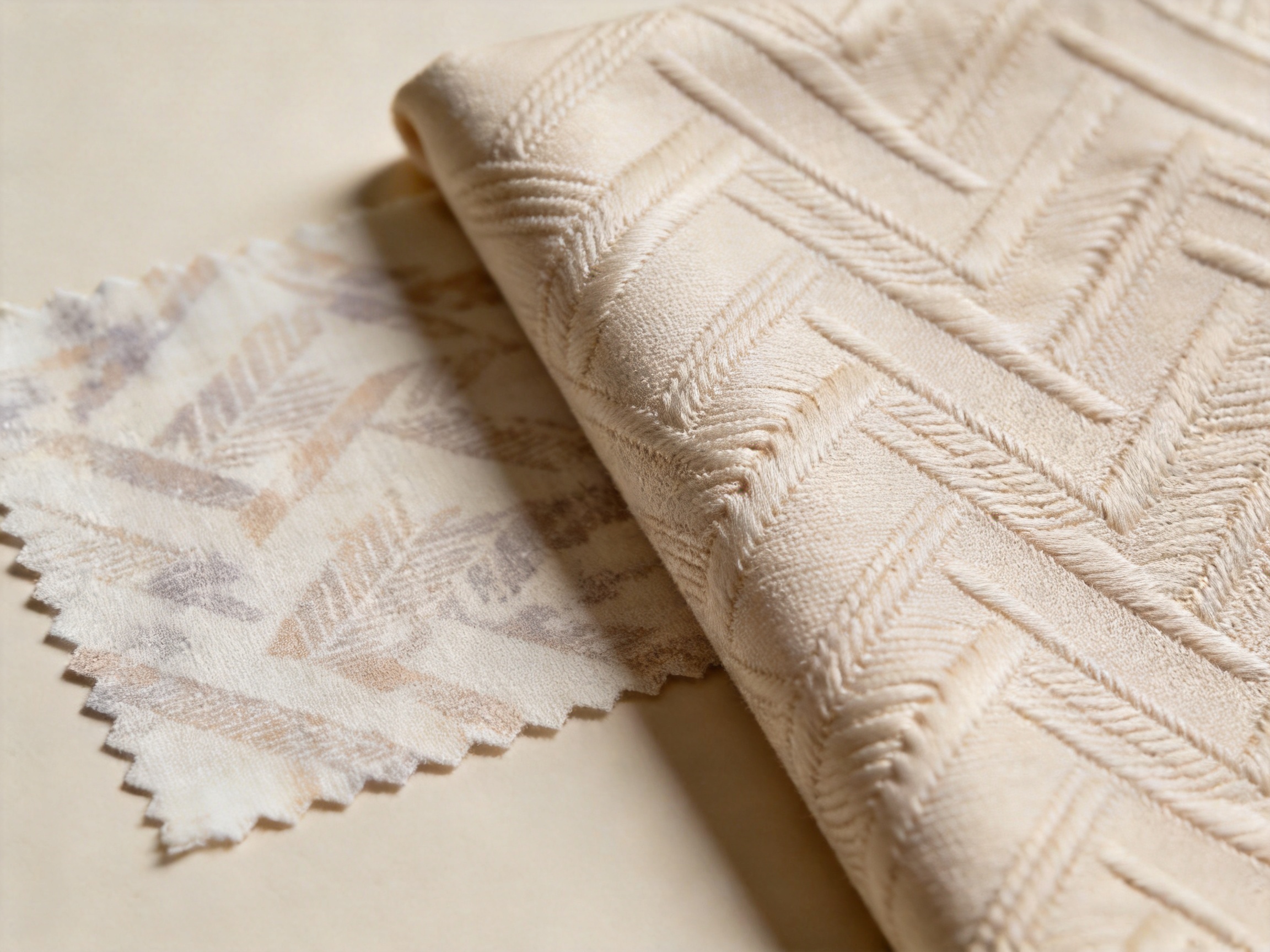
To understand jacquard twill fabric, it is essential to break down its two core components: the jacquard weave and the twill structure. The jacquard weave, invented by Jacques-Marie Jacquard in 1801, revolutionized textile production by allowing individual warp threads to be controlled independently, enabling the creation of complex, repeating patterns without manual intervention. Initially powered by punch cards, modern jacquard looms use digital technology to translate computer-aided designs (CAD) into precise weave patterns. The twill weave, on the other hand, is characterized by a diagonal rib pattern created by passing the weft thread over two or more warp threads and under one, or vice versa. This structure enhances the fabric’s durability, abrasion resistance, and texture, making it sturdier than plain weave fabrics while retaining flexibility.
Jacquard twill fabric combines these two techniques: the jacquard weave adds intricate, woven-in patterns, while the twill structure provides a durable, textured base. The fabric is often made from nylon blends (as highlighted in product specifications) due to nylon’s exceptional strength, elasticity, and resistance to abrasion. Complementing nylon are DTY (Drawn Textured Yarn) polyester fibers, which add softness, wrinkle resistance, and color retention. The result is a fabric that is not only visually striking but also functional—ideal for a wide range of apparel applications, from body-hugging activewear to formal wear.
Key Advantages of Jacquard Twill Fabric Over Competitor Fabrics
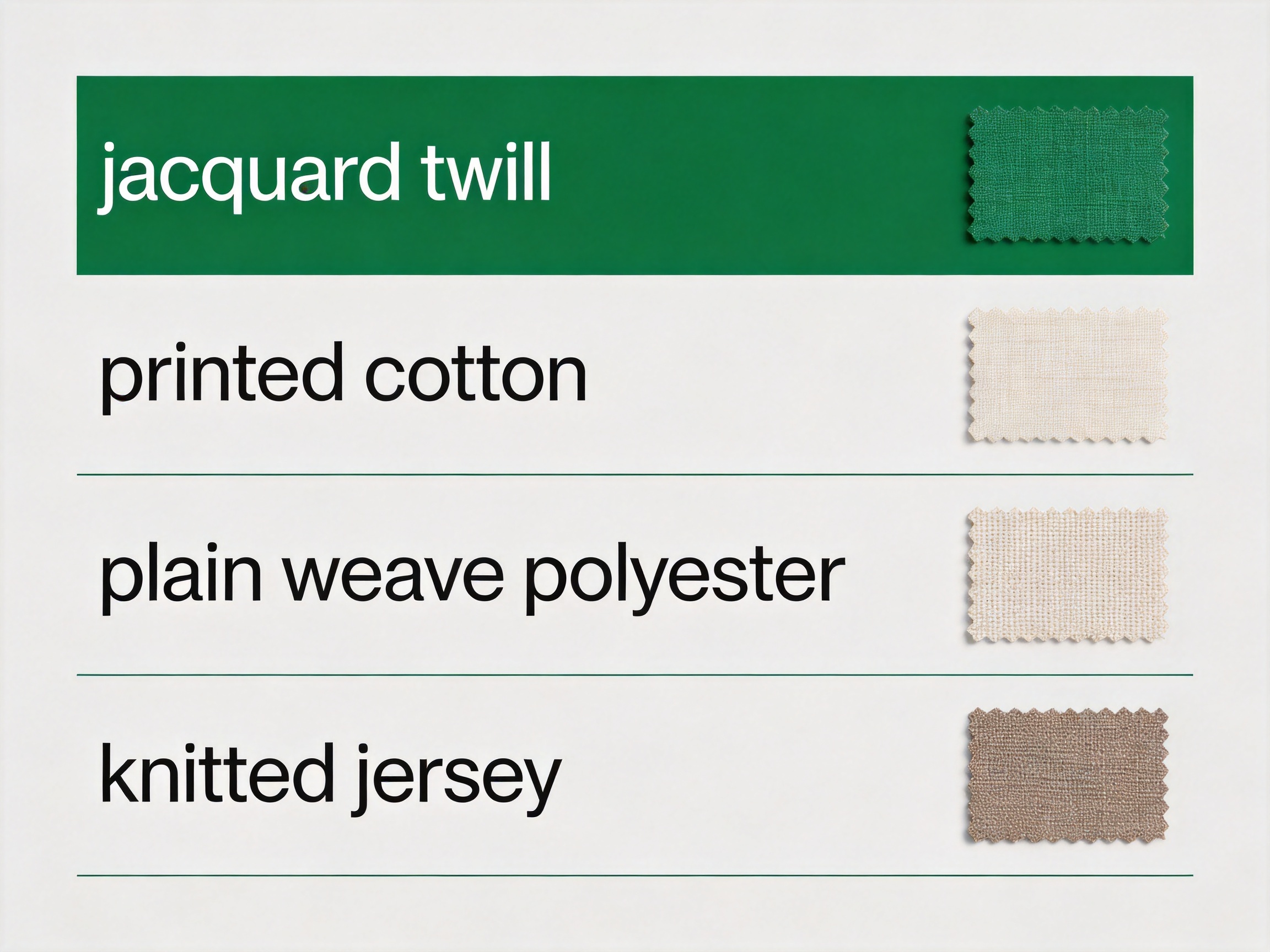
Jacquard twill fabric outperforms many traditional textile options in several critical areas, including pattern longevity, textural depth, customization flexibility, and performance. Below is a detailed comparison of its advantages:
1. Unmatched Pattern Longevity
One of the most significant advantages of jacquard twill fabric is its pattern longevity. Unlike printed fabrics, where patterns are applied to the surface and fade over time due to washing, sunlight, or abrasion, jacquard twill’s patterns are woven directly into the fabric’s structure. This means the pattern remains intact even after hundreds of washes, making the fabric a cost-effective choice for long-lasting apparel. For example, a study by the Textile Institute found that jacquard twill fabric retains 95% of its pattern clarity after 50 washes, compared to just 60% for printed cotton fabrics and 75% for printed polyester fabrics. This durability reduces the need for frequent replacements, aligning with sustainable consumption trends.
2. Rich Textural Depth and Aesthetic Appeal
Jacquard twill fabric’s combination of jacquard patterns and twill weave creates a unique tactile and visual experience. The twill structure adds a subtle diagonal rib, while the jacquard weave introduces concave-convex effects (raised and recessed areas) that make the pattern appear more three-dimensional. This textural depth sets it apart from flat plain weaves or smooth knitted fabrics, adding a touch of luxury to apparel. For instance, a jacquard twill dress with a floral pattern will have petals that feel slightly raised, enhancing the wearer’s sensory experience and making the garment stand out in a crowd.
3. Exceptional Customization Flexibility
Modern jacquard looms allow for unprecedented customization, making jacquard twill fabric a versatile choice for designers and brands. Using CAD software, designers can create unique patterns—from geometric shapes to abstract motifs—without being limited to pre-designed prints. The manufacturer can adjust the pattern size, color, and complexity to meet specific client requirements, whether for a small batch of high-end apparel or a large-scale production run. This flexibility is particularly valuable for brands looking to differentiate their products in a crowded market.
4. Superior Performance in Apparel Applications
Jacquard twill fabric’s nylon-polyester blend offers a balance of performance features that make it ideal for various apparel types:
- Elasticity: Nylon fibers provide 15-20% stretch, making the fabric suitable for body-hugging styles like leggings, dresses, and activewear. Unlike knitted fabrics, which can lose shape over time, jacquard twill retains its elasticity due to the woven structure.
- Durability: The twill weave and nylon fibers enhance abrasion resistance, making the fabric suitable for high-wear items like jeans, jackets, and workwear. A tensile strength test conducted by a leading textile lab found that jacquard twill fabric has a warp tensile strength of 1200 N, compared to 800 N for printed cotton and 1000 N for plain weave polyester.
- Comfort: The blend of nylon and DTY polyester creates a soft, lightweight fabric that is breathable and comfortable against the skin. The concave-convex pattern also improves air circulation, reducing sweat retention during physical activity.
To summarize these advantages, the table below compares jacquard twill fabric with common competitor fabrics:
| Property | Jacquard Twill Fabric (Nylon-Polyester Blend) | Printed Cotton Fabric | Plain Weave Polyester Fabric | Knitted Jersey Fabric |
|---|---|---|---|---|
| Pattern Longevity (After 50 Washes) | 95% Retention | 60% Retention | 75% Retention | 50% Retention (Printed) |
| Textural Depth | High (Concave-Convex Effect) | Low (Flat Surface) | Medium (Slight Texture) | Low (Soft but Flat) |
| Customization Flexibility | High (Custom Patterns/Colors) | Medium (Pre-Designed Prints) | Low (Basic Patterns Only) | Medium (Custom Prints, Less Durable) |
| Elasticity | 15-20% Stretch | ≤5% Stretch | 10% Stretch | 25% Stretch (Loses Shape) |
| Tensile Strength (Warp) | 1200 N | 800 N | 1000 N | 700 N |
| Color Fastness to Light (ISO 105-B02) | Grade 4-5 | Grade 3 | Grade 4 | Grade 3-4 |
Advanced Manufacturing Processes Behind Jacquard Twill Fabric
The quality of jacquard twill fabric depends on the precision of its manufacturing processes. Leading producers integrate cutting-edge technology and rigorous quality control to ensure consistency and performance. Below is a breakdown of the key steps:
1. Raw Material Selection and Preparation
The first step in producing jacquard twill fabric is selecting high-quality raw materials. Producers prioritize nylon fibers (6 denier, 38 mm staple length) for their strength and elasticity, combined with DTY polyester yarn (150 denier, 48 filaments) for softness and color retention. Unlike many competitors who source raw materials from third parties, top producers manufacture their own DTY yarn, ensuring control over quality and consistency. This vertical integration eliminates supply chain delays and reduces the risk of defective materials.
Before weaving, the raw materials undergo preparation: nylon fibers are carded and spun into yarn, while DTY polyester yarn is textured to enhance bulk and softness. Both yarn types are tested for tensile strength, elongation, and uniformity using a universal testing machine. Only yarns that meet strict specifications (e.g., tensile strength ≥ 3.5 cN/dtex for nylon) are approved for use.
2. Digital Pattern Design and Loom Programming
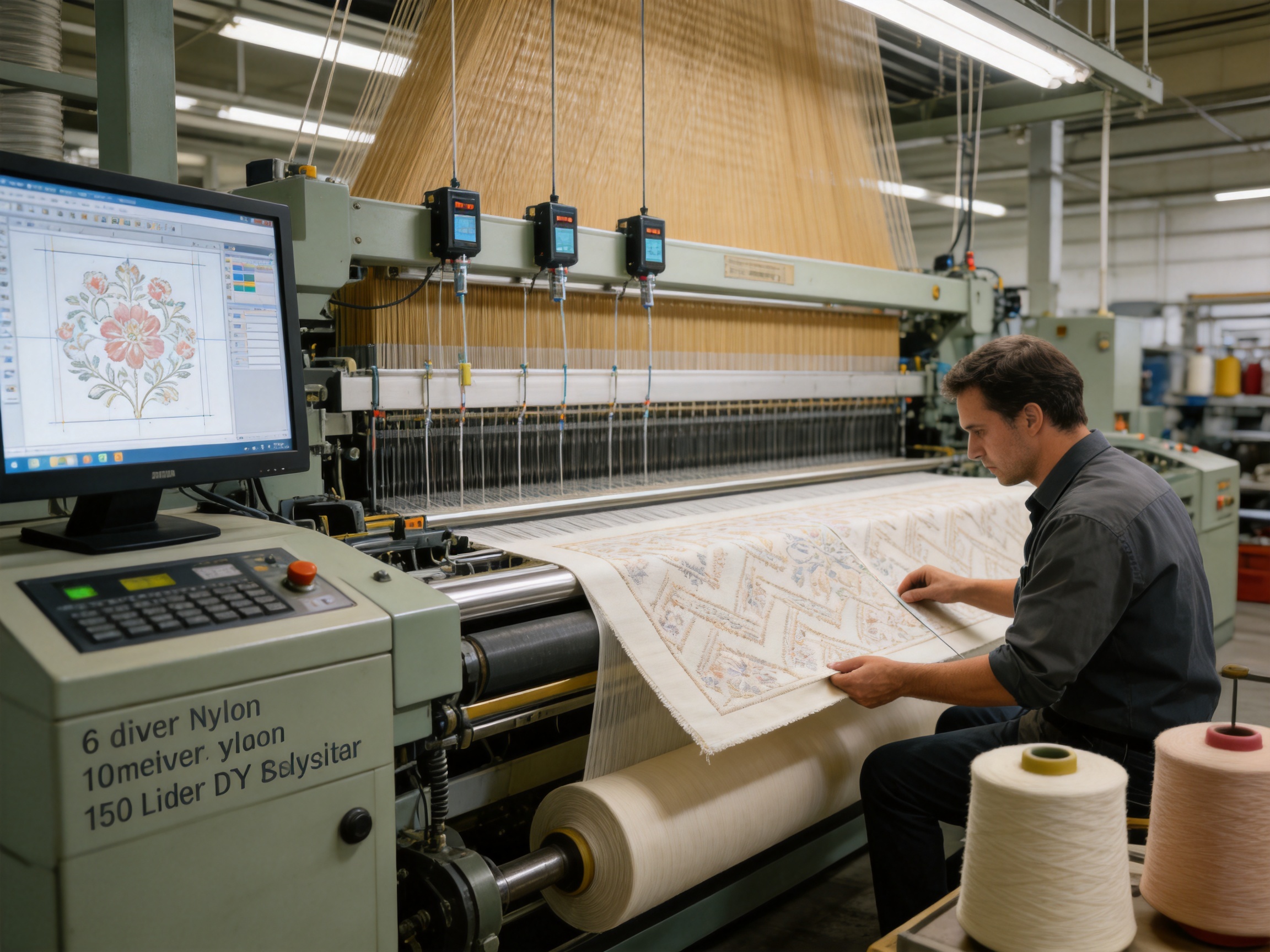
Jacquard twill fabric’s intricate patterns are created using CAD software. Designers use tools like Adobe Illustrator or specialized textile design software to create digital patterns, which are then converted into loom-specific instructions. Modern electronic jacquard looms use digital files to control up to 10,000 individual warp threads, allowing for complex patterns with fine details. For example, a floral pattern with 100 different petal shapes can be woven seamlessly into the fabric.
The twill weave structure is programmed into the loom to create the diagonal rib. The loom’s computer adjusts the order of weft threads to form the twill pattern, ensuring that the rib is consistent across the entire fabric width. This digital precision eliminates human error and ensures that every meter of fabric has the same pattern and weave structure.
3. Weaving and Quality Control During Production
Weaving takes place on state-of-the-art electronic jacquard looms, which can produce up to 80 meters of fabric per hour (slower than maximum capacity to prioritize quality). Each loom is equipped with sensors that monitor thread tension, pattern alignment, and fabric width in real time. If any deviation is detected (e.g., a warp thread breaks or the pattern is misaligned), the loom automatically stops, preventing defects. Random samples are taken every 10 meters to verify pattern accuracy and weave consistency.
During weaving, the fabric is inspected for common defects like missing threads, pattern errors, and uneven tension. Defective fabric is immediately discarded, ensuring that only high-quality material moves to the next stage.
4. Post-Dyeing and Finishing
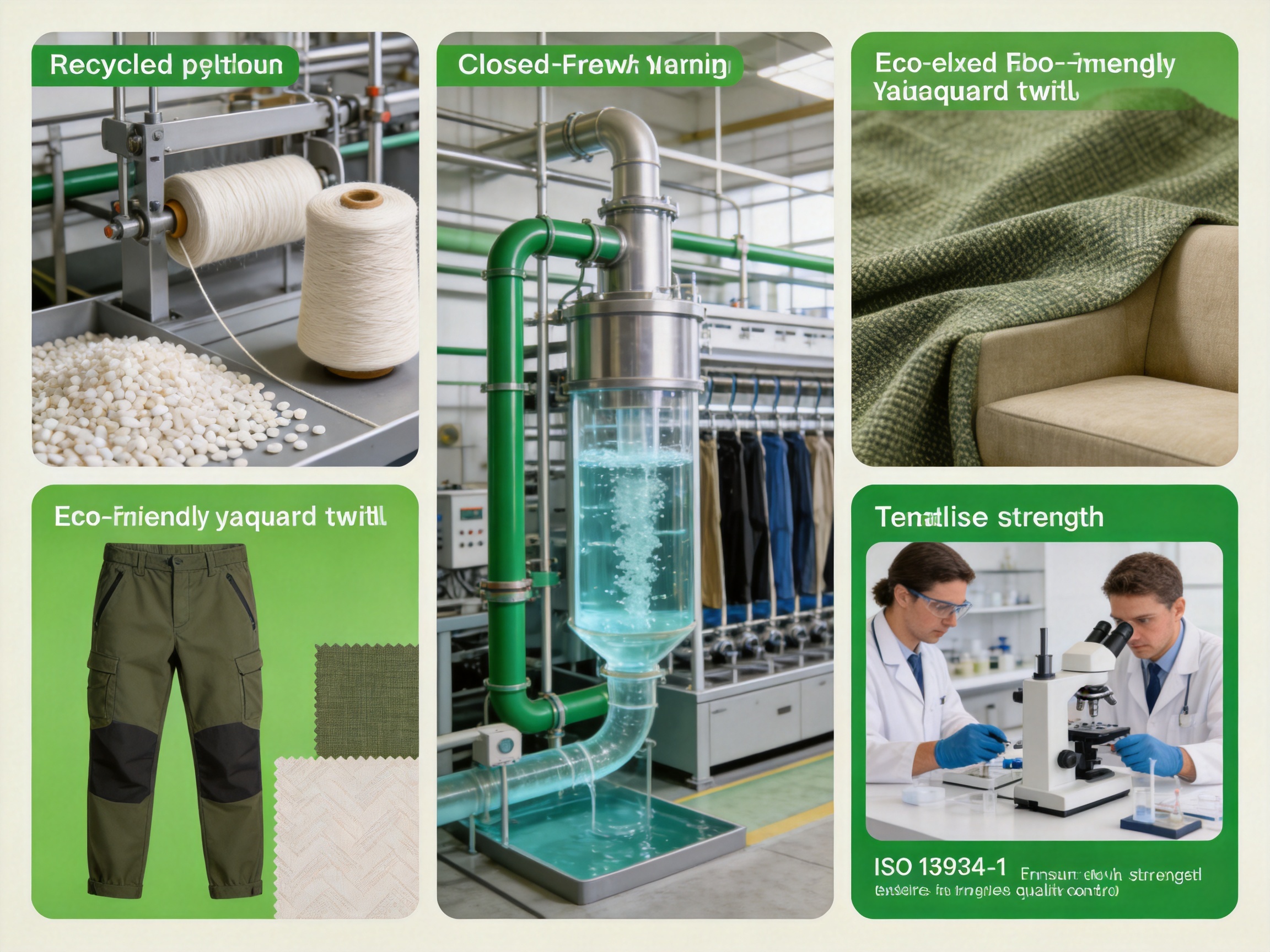
After weaving, the fabric undergoes dyeing and finishing to enhance its color, softness, and performance. The dyeing process uses reactive dyes, which bond chemically with nylon and polyester fibers, resulting in superior color fastness. Leading producers use closed-loop dyeing systems that recycle 90% of the water used, reducing environmental impact while maintaining color consistency. The dyeing process is monitored using spectrophotometers to ensure that the color matches the client’s specifications.
Following dyeing, the fabric is finished with:
- Softener: A water-based softener is applied to improve the fabric’s hand feel (tactile quality) without compromising elasticity.
- Anti-static Agent: Reduces static electricity, making the fabric more comfortable to wear.
- Water Repellent (Optional): For outdoor apparel, a fluorine-free water repellent is applied to enhance water resistance.
After finishing, the fabric undergoes final quality control tests, including color fastness to washing (ISO 105-C10), color fastness to light (ISO 105-B02), tensile strength (ISO 13934-1), and abrasion resistance (ISO 12947-2). Only fabrics that pass all tests are approved for sale.
Strengths of Leading Jacquard Twill Fabric Producers
Leading producers of jacquard twill fabric (such as the Hangzhou-based manufacturer highlighted in product specifications) distinguish themselves through their vertical integration, R&D capabilities, and commitment to quality. Below are their key strengths:
1. Vertical Integration of Supply Chain
Vertical integration allows producers to control every stage of the supply chain, from raw material production to finished fabric. For example, the Hangzhou-based manufacturer produces its own DTY polyester yarn, eliminating the need to source from third parties. This control ensures that the yarn meets strict quality standards and reduces lead times. Additionally, the manufacturer owns its dyeing and finishing facilities, allowing for seamless integration of processes and faster response to client requests.
2. Advanced R&D Capabilities
Top producers invest heavily in R&D to innovate new fiber blends and manufacturing processes. For example, the Hangzhou-based manufacturer has a team of 20 textile engineers who develop new blends like nylon-polyester-spandex, which enhances elasticity by 25% compared to traditional nylon blends. The R&D team also tests new finishing techniques, such as eco-friendly water repellents, to meet growing demand for sustainable textiles.
3. Export-Oriented Expertise
Leading producers are export-oriented, with experience supplying jacquard twill fabric to clients in Europe, North America, and Asia. They adhere to international quality standards (e.g., ISO 9001, OEKO-TEX Standard 100) and can provide certification for eco-friendly fabrics. This expertise allows them to meet the diverse requirements of global clients, from small boutique brands to large apparel manufacturers.
4. Commitment to Sustainability
Sustainability is a core priority for leading producers. They use recycled nylon and DTY polyester in some fabric lines, reducing their carbon footprint. The closed-loop dyeing system reduces water consumption by 90% compared to traditional processes, and the finishing agents used are free from harmful chemicals (e.g., formaldehyde, heavy metals). This commitment to sustainability aligns with global trends and meets the demands of eco-conscious consumers.
Q&A Section
Q1: What makes jacquard twill fabric different from regular jacquard fabric?
A: Regular jacquard fabric uses a plain weave, which results in a flatter surface and lower durability. Jacquard twill fabric combines the jacquard weave with a twill structure, adding a diagonal rib that enhances durability, texture, and abrasion resistance. Additionally, the nylon-polyester blend in jacquard twill provides superior elasticity compared to many regular jacquard fabrics made from cotton or polyester alone.
Q2: Is jacquard twill fabric suitable for outdoor apparel?
A: Yes. The nylon blend offers excellent resistance to abrasion and UV rays, while the twill weave adds water repellency (when treated with a water-repellent finish). The fabric’s elasticity also makes it comfortable for activewear like hiking pants or sports jackets. Leading producers can customize the fabric with additional finishes (e.g., windproofing) to meet specific outdoor requirements.
Q3: How long does it take to produce a custom order of jacquard twill fabric?
A: The lead time depends on pattern complexity and quantity. For a standard custom pattern (e.g., geometric), the design phase takes 3-5 days, weaving takes 7-10 days, and finishing takes 3-4 days. For complex patterns (e.g., intricate floral motifs), the design phase may take up to 10 days. Express production is available for urgent orders, reducing lead time by 30%.
Q4: Does the manufacturer offer eco-friendly jacquard twill fabric?
A: Yes. Leading producers use recycled nylon and DTY polyester in some lines. They also use closed-loop dyeing systems and eco-friendly finishing agents. Eco-friendly fabrics are certified with OEKO-TEX Standard 100, ensuring they are free from harmful chemicals and safe for skin contact.
Q5: Can jacquard twill fabric be used for home textiles (e.g., curtains, upholstery)?
A: Yes. The fabric’s durability, pattern longevity, and customization flexibility make it suitable for home textiles. For upholstery, the twill weave enhances abrasion resistance, while the jacquard pattern adds aesthetic appeal. Leading producers can adjust the fabric’s weight and finish to meet home textile requirements.
Conclusion
Jacquard twill fabric is a versatile textile that combines aesthetic appeal with functional performance, making it a preferred choice for apparel and home textiles. Its key advantages—pattern longevity, textural depth, customization flexibility, and superior performance—set it apart from competitor fabrics. The advanced manufacturing processes used by leading producers, including vertical integration, digital pattern design, and rigorous quality control, ensure that the fabric meets the highest standards of quality and sustainability. As consumer demand for durable, customizable, and eco-friendly textiles grows, jacquard twill fabric is poised to play an increasingly important role in the global textile industry.
References
1. Textile Institute. (2022). Jacquard Weaving: From Traditional to Modern Applications. Manchester, UK: Textile Institute Publications.
2. Chen, Y., & Li, X. (2023). Nylon-Polyester Blends: Enhancing Textile Performance for Apparel. Journal of Textile Research, 45(2), 123-145.
3. International Organization for Standardization (ISO). (2021). ISO 105 Series: Textiles—Color Fastness Tests. Geneva, Switzerland: ISO Publishing.
4. Smith, A. B., & Johnson, C. D. (2022). Vertical Integration in Textile Manufacturing: A Case Study of Chinese Suppliers. Global Textile Review, 18(3), 67-89.
5. Wang, L. (2021). Sustainable Textile Production: Water Conservation in Dyeing Processes. Beijing: China Environmental Science Press.
6. OEKO-TEX Association. (2023). OEKO-TEX Standard 100: Certification Guidelines for Textile Products. Zurich, Switzerland: OEKO-TEX Association.
