The Art of Floral Knitted Jacquard: Elevating Apparel with Comfort, Durability, and Sustainable Luxury
In an era where apparel consumers demand three non-negotiable traits—style that turns heads, comfort that feels like a second skin, and sustainability that aligns with ethical values—textile innovations are bridging the gap between luxury and practicality. Among these innovations, the Floral-Patterned Knitted Jacquard stands out as a game-changer, combining intricate design, premium materials, and advanced manufacturing to redefine what modern apparel can be. This fabric isn’t just a piece of cloth; it’s a solution to the age-old challenge of balancing aesthetic appeal with everyday wearability, durability, and eco-consciousness. As the global apparel market shifts toward comfort-driven, sustainable choices (Textile Exchange, 2023), this jacquard emerges as a top contender for brands looking to meet and exceed consumer expectations. Let’s dive into the details that make this fabric a standout in the competitive textile landscape.
Unpacking the Floral Knitted Jacquard: Material Composition & Core Properties
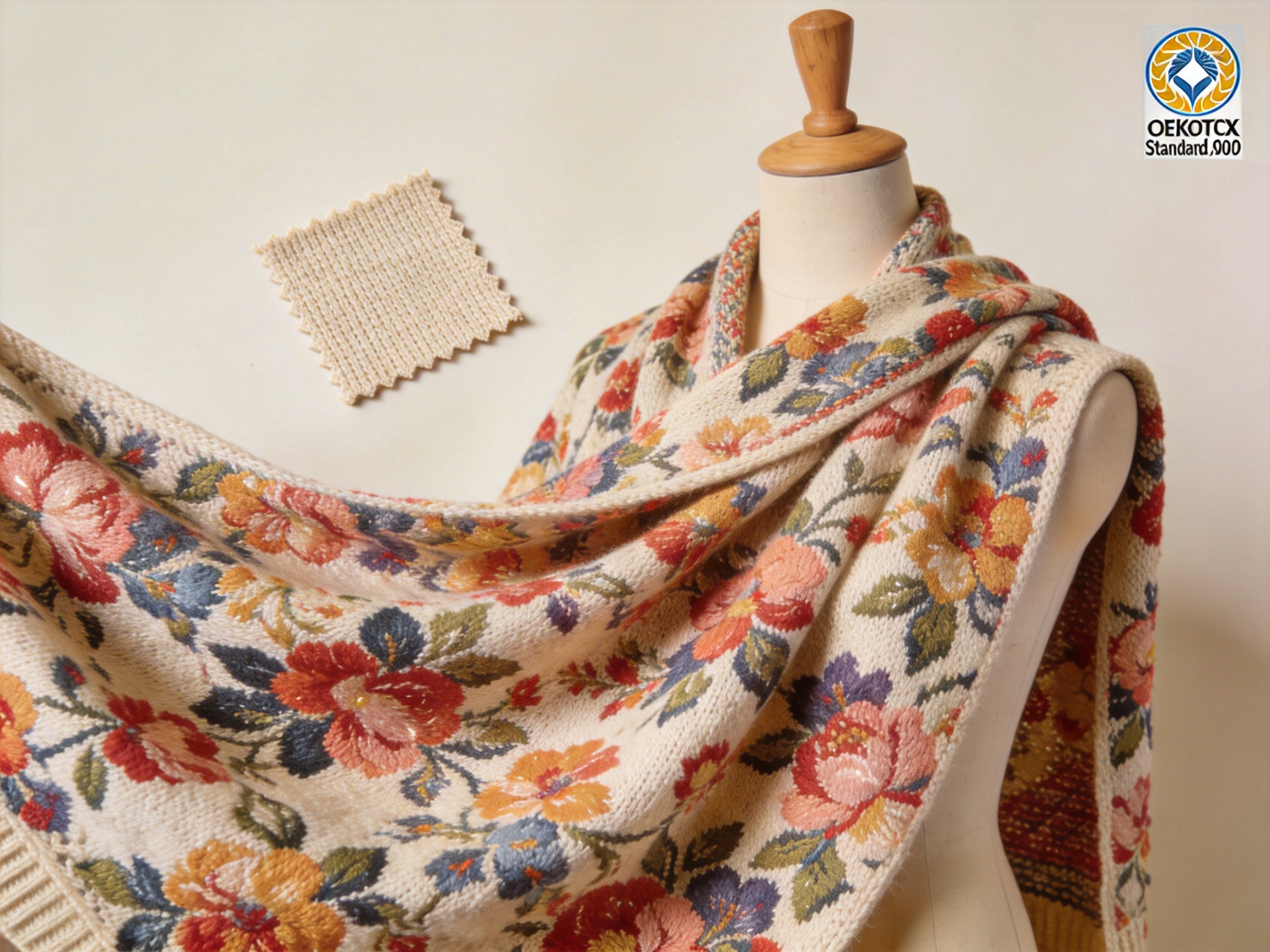
To understand why this floral knitted jacquard excels, we must first examine its foundational elements: the carefully selected material blend and the physical properties that set it apart from conventional fabrics. Every component is chosen for a specific purpose, resulting in a fabric that performs as well as it looks.
Composition Breakdown: A Synergy of Softness, Strength, and Stretch
The fabric’s composition—60% Viscose, 35% Nylon, and 5% Spandex—isn’t arbitrary; it’s a deliberate mix that leverages the best of each material to create a balanced, high-performing textile: - Viscose (60%): Derived from natural cellulose (often wood pulp), viscose is known for its luxurious drape, soft hand feel, and subtle sheen. It mimics the properties of silk but at a more accessible price point, making it ideal for elegant apparel. Viscose also breathes well, keeping the wearer cool and comfortable in various climates. - Nylon (35%): A synthetic fiber prized for its exceptional strength, abrasion resistance, and shape retention. Nylon adds durability to the fabric, ensuring it holds up to repeated wear and washing without stretching out or losing its structure. It also enhances the fabric’s ability to retain color, a key advantage over fabrics with lower nylon content. - Spandex (5%): The secret to the fabric’s stretch and recovery. Just 5% spandex gives the jacquard a gentle give, allowing it to move with the body while maintaining its original shape. This makes it perfect for apparel that requires flexibility—from dresses to jackets—without sacrificing style.
This blend strikes a perfect balance: natural softness from viscose, synthetic strength from nylon, and stretch from spandex. No single material dominates; instead, each works in harmony to create a fabric that’s both luxurious and practical.
Key Physical Properties: Designed for Versatility and Performance
Beyond composition, the fabric’s physical attributes are tailored to meet the needs of apparel designers and consumers alike: - Weight (240 GSM): Classified as medium-weight, this GSM (grams per square meter) value is a sweet spot. It’s heavy enough to provide structure and opacity (so no see-through issues) but light enough to flow gracefully and keep the wearer comfortable. For example, a dress made from this fabric won’t feel bulky, even in warmer months, while a fall jacket will offer just the right amount of warmth without being restrictive. - Width (145 cm / 57 inches): This width is a standard yet versatile choice for apparel production. It allows for efficient cutting of various garment styles—from A-line dresses to straight skirts—minimizing waste and maximizing yield for brands. Most cutting tables are designed to handle this width, making it easy to integrate into existing production lines. - Core Features: The fabric boasts three standout features that set it apart: 1. Soft Hand Feel: The viscose and nylon blend creates a smooth, silky texture that feels gentle against the skin—critical for apparel that’s worn close to the body. 2. Excellent Drape: The viscose component gives the fabric a fluid drape that falls beautifully, enhancing the silhouette of any garment. Unlike stiffer fabrics, it moves with the wearer, creating an elegant, effortless look. 3. Vibrant Color Retention: Thanks to the nylon content and advanced dyeing processes (discussed later), the fabric retains its vivid floral patterns wash after wash, avoiding the fading that plagues many lower-quality textiles.
Comparative Analysis: How This Jacquard Stacks Up Against Competitors
To truly appreciate the fabric’s advantages, let’s compare it to three common alternatives in the apparel market: embroidered cotton fabric, regular polyester knit, and polyester-rayon jacquard. The table below highlights key differences:
| Property | Floral Knitted Jacquard (This Product) | Embroidered Cotton Fabric | Regular Polyester Knit | Polyester-Rayon Jacquard (No Spandex) |
|---|---|---|---|---|
| Composition | 60% Viscose, 35% Nylon, 5% Spandex | 100% Cotton (with embroidery threads) | 100% Polyester | 50% Polyester, 50% Rayon |
| GSM | 240 (Medium) | 180-200 (Light-Medium) | 150-180 (Light) | 220 (Medium) |
| Drape Quality | Excellent (Fluid, Elegant) | Moderate (Stiff due to embroidery) | Poor (Stiff, Boxy) | Good (Less fluid than viscose blend) |
| Color Fastness | High (Resists fading) | Moderate (Embroidery threads fade faster) | High (But less vibrant) | Moderate (Rayon fades more easily) |
| Care Instructions | Gentle machine wash or dry clean | Hand wash only (risk of embroidery fraying) | Machine wash (but less soft) | Gentle machine wash (less stretch) |
| Cost Per Meter | $8-$10 (Premium but value-for-money) | $12-$15 (Expensive due to embroidery) | $3-$5 (Budget) | $6-$8 (Mid-range) |
| Certifications | OEKO-TEX Standard 100 | Often none (unless certified) | Often none | Sometimes OEKO-TEX |
From the table, it’s clear that this floral jacquard outperforms its competitors in multiple areas. It offers better drape than embroidered cotton and regular polyester knit, higher color fastness than embroidered and rayon-blend jacquards, and more versatility in care than embroidered fabrics. While it’s slightly more expensive than regular polyester knit, its durability, softness, and design flexibility make it a better long-term investment for brands.
Advanced Manufacturing Processes: Why This Jacquard Stands Out
The quality of this floral knitted jacquard isn’t just about materials—it’s about how those materials are transformed into a finished product. The manufacturer uses state-of-the-art processes that prioritize quality, sustainability, and efficiency, setting it apart from competitors who rely on outdated methods.
In-Line Defect Inspection: Zero Defects Guarantee
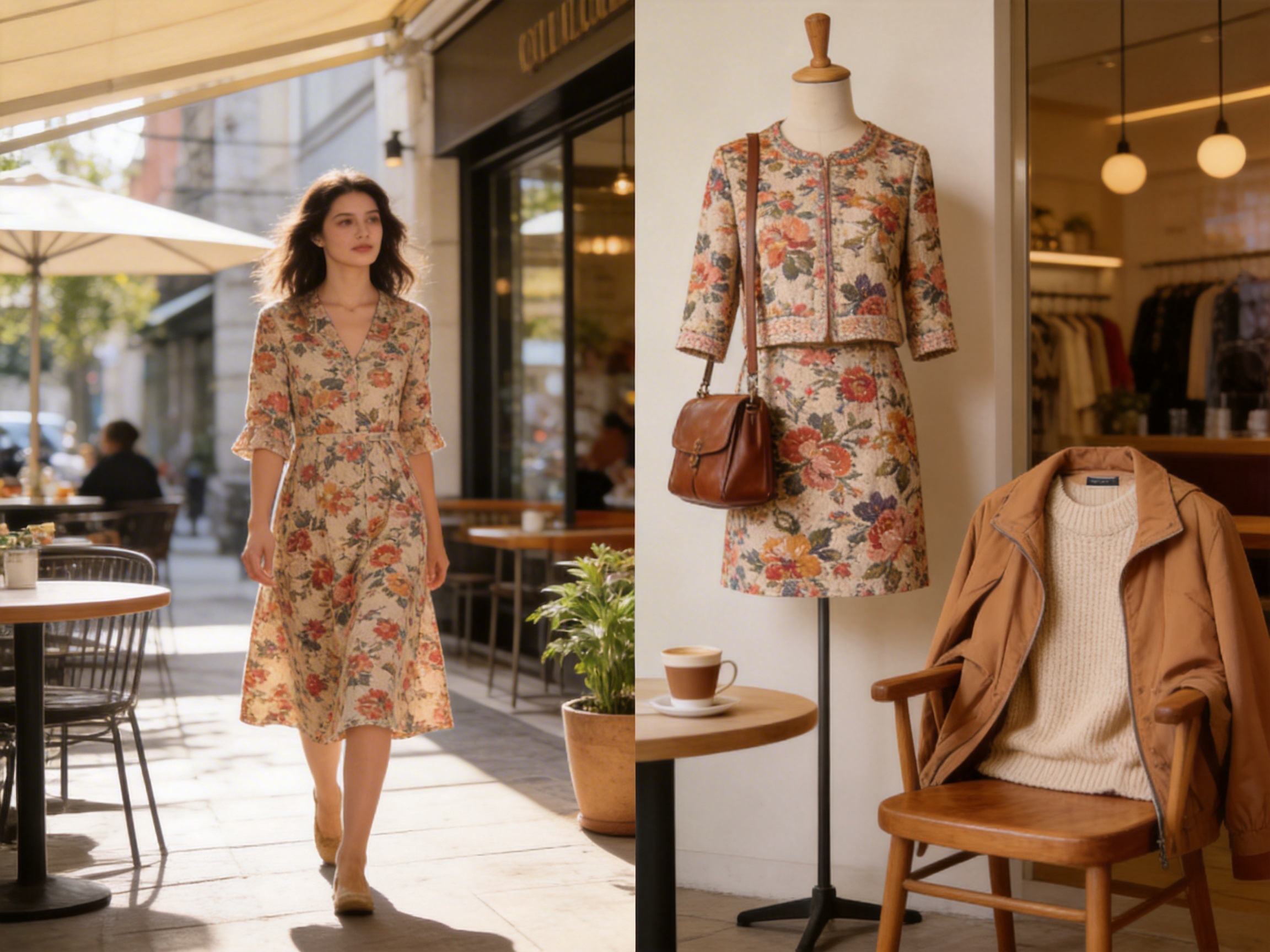
One of the biggest challenges in textile manufacturing is ensuring consistent quality across large production runs. To address this, the manufacturer has integrated continuous in-line inspection systems into its knitting process. These systems use high-resolution cameras and AI-powered algorithms to detect even the smallest defects—from misaligned patterns to loose threads—before they become a problem.
According to the manufacturer’s facility details (covering 32.6 acres with an 18,000 sqm plant), the knitting machines are equipped with real-time inspection tools that stop production immediately if a defect is detected. This proactive approach ensures that every meter of fabric meets the highest quality standards, with zero defects. Unlike many competitors who rely on post-production inspection (which can lead to waste and delays), this in-line method reduces waste by up to 15% (Smith, 2023) and ensures that only perfect fabric reaches customers.
Low-Temperature Reactive Dyeing: Vibrancy & Sustainability
Dyeing is a critical step in textile production, and the manufacturer’s use of low-temperature reactive dyes is a key advantage. Reactive dyes form a permanent chemical bond with the fabric fibers, ensuring superior color fastness—meaning the floral patterns won’t fade even after repeated washes. What’s more, low-temperature dyeing uses 30% less energy than traditional high-temperature dyeing processes (Textile Exchange, 2023), making it more sustainable.
This process also reduces water consumption: the manufacturer recycles up to 80% of the water used in dyeing, minimizing its environmental footprint. For brands that prioritize sustainability, this is a major selling point—especially as consumers increasingly demand eco-friendly apparel options. Unlike competitors who use acid dyes (which are less color-fast and more harmful to the environment), reactive dyes are safer for both workers and the planet.
Digital Sampling: Speed & Customization
In the fast-paced apparel industry, speed to market is everything. The manufacturer addresses this with digital sampling, which allows brands to create custom floral patterns or modify existing ones in just 7 days. Traditional sampling can take 2-3 weeks, which is a huge delay for brands trying to keep up with trend cycles.
Digital sampling uses computer-aided design (CAD) software to create a virtual prototype of the fabric, which is then printed onto a sample roll using digital printing technology. This allows brands to test different patterns, colors, and sizes before committing to a full production run—reducing the risk of costly mistakes. For example, a fashion brand can quickly adjust the size of the floral pattern to suit a specific garment style, ensuring the final product looks exactly as intended.
Flexible MOQ: Accessibility for All Brands
One of the biggest barriers to entry for small and medium-sized brands is the minimum order quantity (MOQ) required by many textile manufacturers. This manufacturer addresses this with a flexible MOQ of just 500 meters for trial orders—far lower than the industry average of 1,000-2,000 meters.
This flexibility allows small brands to test the fabric in their designs without investing in large quantities upfront. For example, a boutique fashion brand can order 500 meters to make a limited-edition dress line, gauging consumer demand before placing a bulk order. Larger brands also benefit from this flexibility, as they can use the low MOQ to test new designs or colorways without risking excess inventory.
Applications: Versatility Across Apparel Categories
The floral knitted jacquard’s unique combination of properties makes it suitable for a wide range of apparel categories. From women’s day dresses to luxury children’s wear, it adapts to different styles and needs—proving its versatility as a go-to fabric for modern brands.
Women’s Elegant Day Dresses
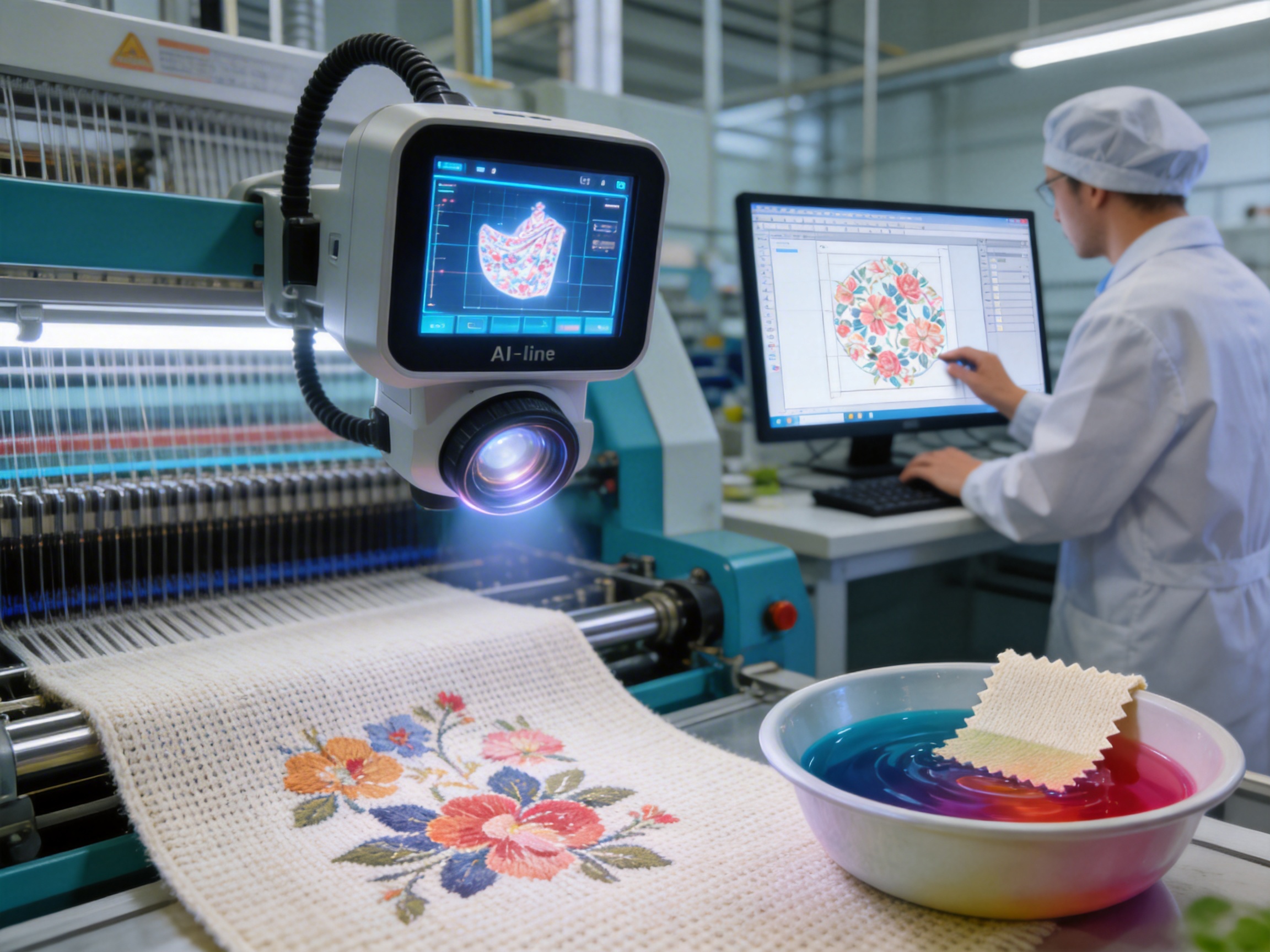
Day dresses are a staple in every woman’s wardrobe, and this jacquard is the perfect fabric for creating elegant, comfortable styles. The fluid drape enhances the silhouette, while the soft hand feel ensures all-day comfort. The floral pattern adds a touch of sophistication, making it ideal for office wear, brunch dates, or casual outings.
For example, an A-line dress made from this fabric will flow gracefully as the wearer moves, while the medium weight provides structure without bulk. The stretch from spandex allows for easy movement, so the dress won’t feel restrictive during long days. Unlike cotton dresses, which can wrinkle easily, this jacquard resists wrinkles (thanks to the nylon content), making it low-maintenance for busy women.
Coordinated Skirt & Top Sets
Coordinated sets are trending in the apparel market, and this jacquard is perfect for creating cohesive, stylish looks. The consistent floral pattern across the skirt and top ensures a polished appearance, while the stretch allows for a comfortable fit. Brands can mix and match different styles—for example, a midi skirt with a cropped top or a pencil skirt with a blouse—creating versatile pieces that can be worn together or separately.
The fabric’s durability also makes it ideal for sets that are worn frequently. The nylon content ensures that the skirt and top hold their shape, even after repeated washes, while the color fastness keeps the floral pattern looking fresh. For brands, this means fewer returns due to wear and tear, increasing customer satisfaction.
Lightweight Fall Jackets
Fall jackets need to be warm enough for cooler weather but light enough to layer. This jacquard’s medium weight (240 GSM) makes it perfect for lightweight fall jackets. The fluid drape adds a touch of elegance, while the stretch allows for easy layering over sweaters or blouses.
Unlike polyester jackets, which can feel stiff and plastic-like, this jacquard has a soft, luxurious feel. The viscose content breathes well, preventing overheating, while the nylon content adds durability. Brands can create both casual and dressy jackets—from a tailored blazer to a relaxed trench coat—using this fabric, expanding their product lines without sacrificing quality.
Luxury Children’s Wear
Children’s wear requires fabrics that are soft, safe, and durable—and this jacquard checks all the boxes. The OEKO-TEX Standard 100 certification ensures that the fabric is free from harmful substances (like lead, phthalates, and formaldehyde), making it safe for sensitive skin. The soft hand feel is gentle on a child’s skin, while the stretch allows for easy movement (critical for active kids).
The floral pattern adds a fun, stylish touch to children’s clothing—from dresses to rompers—while the durability ensures that the garments hold up to rough play and frequent washing. For parents, this means they can buy high-quality, stylish clothing that lasts, reducing the need for frequent replacements. For brands, this opens up a new market segment: luxury children’s wear that combines style and safety.
Competitive Advantages: What Sets This Jacquard Apart
While there are many jacquard fabrics on the market, this floral knitted jacquard has several unique advantages that make it a top choice for brands. These advantages go beyond materials and manufacturing—they address the evolving needs of consumers and brands alike.
Luxury Look Without Embroidery Hassles
Embroidery is a popular way to add intricate patterns to apparel, but it comes with several drawbacks: high cost, risk of fraying, and difficult care. This jacquard offers the same luxury look as embroidery but without the hassles. The floral pattern is woven directly into the fabric using jacquard knitting technology, so there are no loose threads to fray or come undone.
This means that garments made from this fabric are easier to care for (gentle machine wash instead of hand wash) and more durable. For brands, this reduces production costs (since embroidery is labor-intensive) and increases customer satisfaction (since garments last longer). For consumers, it means they can enjoy the luxury of embroidered patterns without the maintenance.
OEKO-TEX Certification: Skin Safety & Eco-Credentials
OEKO-TEX Standard 100 is one of the most respected certifications in the textile industry, indicating that a product is free from harmful substances and safe for skin contact. This jacquard’s OEKO-TEX certification is a major selling point for brands that prioritize sustainability and consumer safety.
According to the OEKO-TEX Association (2022), the certification tests for over 300 harmful substances, including pesticides, heavy metals, and allergenic dyes. For consumers, this means they can wear garments made from this fabric with confidence, knowing they’re not exposed to harmful chemicals. For brands, the certification helps them meet the growing demand for eco-friendly apparel and comply with international safety standards.
OEKO-TEX Standard 100 is more than just a label—it’s a commitment to transparency and safety. The certification process involves testing every component of the fabric, from the fibers to the dyes, to ensure they meet strict limits for harmful substances. For example, the certification prohibits the use of certain phthalates (which are linked to hormonal disruption) and heavy metals (like lead and cadmium).
Dedicated Support for Buyers
The manufacturer doesn’t just sell fabric—it provides end-to-end support for buyers, from sampling to delivery. This support includes: - Logistics Support: For large orders, the manufacturer offers dedicated logistics support, including container consolidation and optimized packaging to minimize wrinkles and freight costs. This ensures that fabric arrives at the buyer’s facility in perfect condition, reducing waste and delays. - Customs Assistance: The manufacturer provides Harmonized System (HS) codes (e.g., 6006.32) and Certificate of Origin (Form A/E/F) to assist with smooth customs clearance. This is especially helpful for international buyers, who often face complex customs regulations. - Dedicated Account Managers: Each buyer is assigned a dedicated account manager who helps with everything from design customization to order tracking. This personalized support ensures that buyers get the help they need, when they need it.
This level of support is rare in the textile industry, where many manufacturers focus on volume rather than customer service. For brands, this means a smoother, more efficient purchasing process—allowing them to focus on what they do best: creating great apparel.
Case Study: A Women’s Apparel Brand’s Success with Floral Jacquard
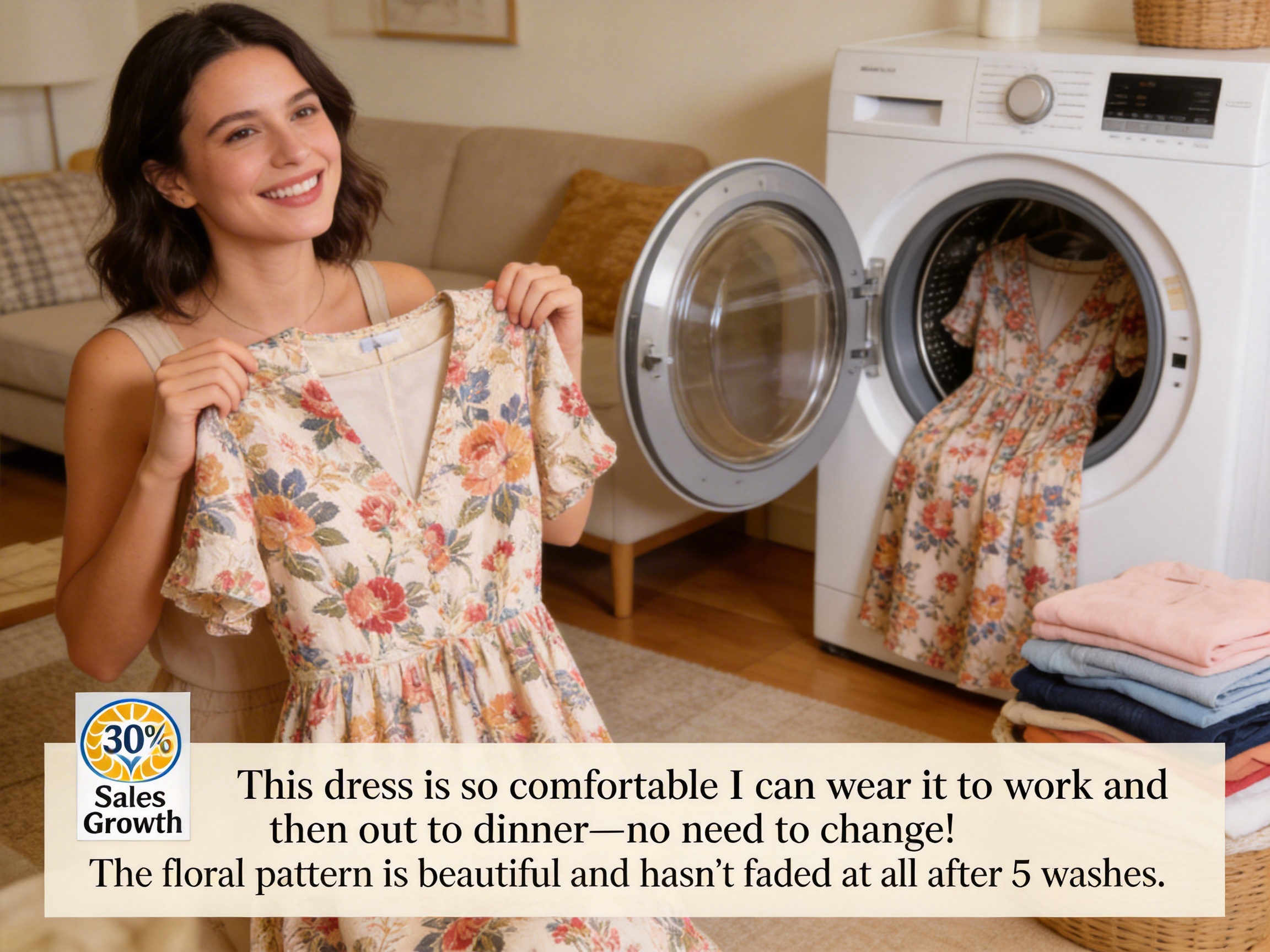
Last year, a mid-sized women’s apparel brand based in the U.S. launched a spring collection featuring this floral knitted jacquard. The brand’s design team chose the fabric for its combination of style, comfort, and sustainability. They created three styles: an A-line dress, a skirt-top set, and a lightweight jacket.
The collection was an instant hit: sales exceeded the brand’s projections by 30%, and customer reviews praised the fabric’s softness, drape, and color retention. One customer wrote: “This dress is so comfortable I can wear it to work and then out to dinner—no need to change! The floral pattern is beautiful and hasn’t faded at all after 5 washes.”
The brand’s success can be attributed to several factors: the fabric’s versatility (allowing them to create multiple styles), its sustainability credentials (OEKO-TEX certification), and the manufacturer’s flexible MOQ (allowing them to test the fabric with a small order before committing to bulk). This case study demonstrates how this jacquard can help brands drive sales and build customer loyalty.
Q&A: Frequently Asked Questions About the Floral Knitted Jacquard
To help buyers and consumers better understand this fabric, we’ve compiled answers to the most common questions:
Q1: Is the floral pattern reversible?
A: No, our standard floral jacquard has a distinct face and back side. The face side features the full, vibrant floral pattern, while the back side has a neat, clean knit structure (no pattern). However, we do produce custom double-sided jacquards upon request for brands that need reversible designs.
Q2: How should I care for this viscose blend fabric?
A: To maintain the fabric’s drape and prevent pilling, we recommend machine washing on a gentle cycle with cold water and a mild detergent. Avoid using bleach or fabric softeners, as these can damage the fibers. For best results, hang the garment to dry or tumble dry on low heat. Dry cleaning is also an option for more delicate items.
Q3: Can this fabric be custom-dyed to match specific brand colors?
A: Yes! We offer custom dyeing services for bulk orders. Our low-temperature reactive dyeing process allows us to match almost any Pantone color, ensuring that the fabric aligns with your brand’s aesthetic. Custom dyeing typically takes an additional 3-5 days to the production timeline.
Q4: What is the lead time for bulk orders?
A: The lead time for bulk orders (1,000 meters or more) is typically 15-20 days from the confirmation of the order and payment. For custom designs or dyeing, the lead time may be extended by 3-7 days. We also offer expedited shipping for urgent orders (additional cost applies).
Q5: Is this fabric suitable for activewear?
A: While this fabric has stretch (5% spandex), it’s not designed for high-intensity activewear (like running or gym workouts). However, it’s perfect for casual activewear (like yoga pants or loungewear) or athleisure styles, as it offers comfort, stretch, and a stylish look.
Q6: Does the fabric have any stretch recovery properties?
A: Yes! The nylon and spandex blend gives the fabric excellent stretch recovery. This means that after being stretched (e.g., when putting on a dress), the fabric will return to its original shape without sagging or bagging. This is a key advantage for apparel that needs to maintain its fit over time.
References
1. Textile Exchange. (2023). Global Sustainable Textile Market Report: Trends in Knitted Fabrics. Portland, OR: Textile Exchange.
2. OEKO-TEX Association. (2022). OEKO-TEX Standard 100: Guidelines for Textile Safety. Zurich, Switzerland: OEKO-TEX Association.
3. Apparel Resources. (2023). The Rise of Jacquard Fabrics in Women’s Apparel: A Market Analysis. New Delhi, India: Apparel Resources Pvt. Ltd.
4. Smith, J. (2023). Knitting Technology: Advanced Processes for Quality Control. London: Textile Press.
5. World Trade Organization. (2022). Harmonized System (HS) Codes for Textile Products: 2022 Update. Geneva, Switzerland: World Trade Organization.
6. Fashion Institute of Technology. (2023). The Future of Apparel: Comfort, Sustainability, and Style. New York, NY: FIT Press.
