
NTR Roman Fabric: A Versatile Knitted Textile for Modern Men’s and Women’s Clothing
NTR Roman Fabric is a practical and versatile knitted textile developed for clothing manufacturers seeking a balance of appearance, comfort, durability, and production flexibility. As a type of NTR knitted fabric, it is suitable for many applications in men’s and women’s apparel, including fashion garments, structured casualwear, uniforms, coordinated sets, and other textile products that require a dependable material with a refined surface.
In today’s textile market, fabric buyers need more than an attractive appearance. They also need stable quality, reliable supply, adaptable specifications, efficient processing, and a manufacturing partner capable of supporting different stages of production. NTR Roman Fabric answers these requirements through its knitted construction, broad application range, compatibility with different colors and materials, and suitability for dyeing and finishing processes.
For manufacturers and wholesalers, the value of this fabric lies in its ability to combine everyday wearability with a more substantial and polished handle than many lightweight jersey fabrics. Its construction can support garments that need body, shape retention, and a clean appearance while still allowing the movement and comfort associated with knitted textiles. This makes it a useful choice for clothing businesses that serve changing fashion trends and diverse customer preferences.
Manufactured by Hangzhou Jinfeng Textile Co., Ltd., NTR Roman Fabric is part of a broader textile product range that includes polyester rayon fabrics, knitted jacquard fabrics, NTR knitted fabrics, NR knitted fabrics, and slightly intermingled draw textured yarn. The company’s integrated capabilities in production, processing, post-dyeing, finishing, research and development, and sales provide a strong foundation for supplying blended fabrics and DTY polyester yarn to domestic and international customers.
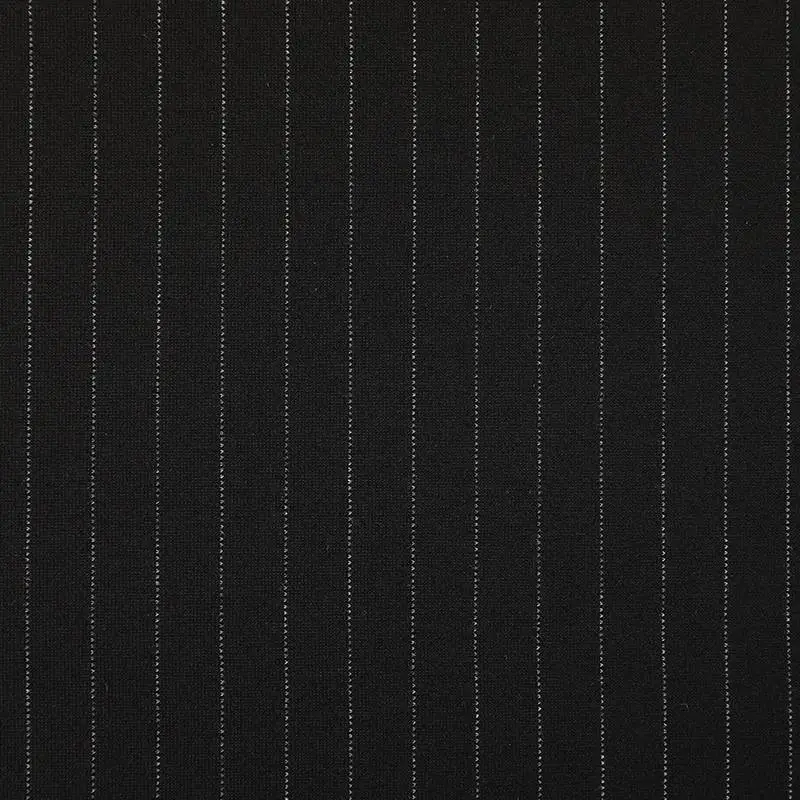
NTR Roman Fabric(Men's and women's clothing fabrics)
Understanding NTR Roman Fabric
NTR Roman Fabric belongs to the category of knitted fabrics commonly selected for garments that need a smooth, stable, and relatively structured appearance. The term “Roman” is often used in the textile industry to describe a knit fabric with a compact construction and a firm yet comfortable hand. Compared with very light single-knit fabrics, Roman-style fabric generally offers greater substance and a more controlled surface.
The NTR designation identifies the product category rather than one universal fiber composition. Depending on the intended use, fabric buyers may request different combinations of fibers, yarn types, weights, widths, colors, and finishing treatments. This flexibility is important because a fabric for women’s dresses may require a different balance of softness and drape from a fabric intended for men’s jackets, trousers, or uniforms.
NTR Roman Fabric can be produced in different colors, sizes, and material combinations according to practical manufacturing requirements. This adaptability allows garment producers to develop coordinated collections without changing the basic textile category. It also allows suppliers to adjust the fabric for seasonal programs, market-specific preferences, and different garment silhouettes.
As a knitted textile, the fabric is formed by interlocking loops rather than by crossing straight warp and weft yarns in the manner of a conventional woven fabric. This construction contributes to flexibility and comfort. At the same time, the compact Roman-style structure can provide the stability needed for garments that must maintain a clean outline during wear.
The result is a textile that sits between soft, relaxed knitwear and more formal, structured fabric categories. It can be used in garments where customers expect easy movement but also want a neat, well-finished appearance. This balance is one of the principal reasons NTR Roman Fabric is suitable for both men’s and women’s clothing.
Key Characteristics of the Fabric
Comfortable Knitted Construction
The looped construction of NTR Roman Fabric allows the material to move with the body. This is especially valuable in clothing designed for daily use, commuting, travel, work, and social occasions. A garment made from a comfortable knitted fabric can feel less restrictive than a rigid woven alternative while still presenting a professional appearance.
Comfort is influenced by several factors, including fiber selection, yarn quality, fabric density, finishing, and garment design. NTR Roman Fabric can be developed with these factors in mind, allowing buyers to select a material appropriate for the intended end use. The fabric may be used in close-fitting styles, relaxed silhouettes, layered clothing, and garments that require moderate stretch or movement.
Stable and Substantial Handle
One of the practical advantages of a Roman-style knit is its substantial handle. The fabric can provide a fuller feel than very thin jersey materials, which helps garments look more complete and less fragile. This characteristic is useful for dresses, skirts, trousers, tops, jackets, and coordinated apparel sets.
A stable handle can also support efficient garment construction. The fabric may be easier to position during cutting and sewing than a very loose or unstable knitted textile. It can contribute to smooth seams, controlled edges, and a more consistent finished shape when handled correctly by an experienced garment manufacturer.
Clean Surface Appearance
NTR Roman Fabric is suitable for clothing where a clean and refined surface is important. Its compact knitted structure can help create a smooth visual effect and a well-defined garment appearance. Depending on the fiber blend and finishing treatment, the fabric may be developed with a soft, matte, lightly lustrous, or otherwise customized surface.
A polished surface makes the fabric suitable for both everyday and semi-formal products. It can support simple minimalist designs as well as garments with tailoring details, panel construction, decorative seams, or color coordination. The fabric’s appearance can also be enhanced through dyeing, finishing, pressing, and careful garment production.
Versatility Across End Uses
Many textile products are optimized for only one type of garment. NTR Roman Fabric is more flexible because it can serve several segments of the apparel market. It may be used in men’s and women’s clothing, fashion collections, workwear-related products, uniforms, casual garments, and other manufactured textile articles.
This broad usability can simplify sourcing for buyers. Instead of managing numerous unrelated fabric categories, a clothing company may use different versions of NTR Roman Fabric across several product lines. The precise material composition, color, weight, and finish can be selected according to each collection while preserving a familiar product platform.
Advantages Compared with Less Suitable Fabric Alternatives
More Structure Than Lightweight Jersey
Lightweight jersey is valued for softness and flexibility, but it may not provide enough body for garments that require a smooth, substantial appearance. Very light knit fabrics can also show a more casual visual character or require additional lining and construction support.
NTR Roman Fabric offers an alternative when a manufacturer wants the comfort of knitwear with a firmer and more controlled handle. Its greater substance can help a garment hang neatly and reduce the impression of excessive thinness. This advantage is relevant for dresses, skirts, trousers, jackets, and premium casualwear.
More Comfort Than Rigid Woven Fabric
Woven fabrics can offer excellent stability, but some rigid constructions may restrict movement or feel less comfortable in close-fitting garments. NTR Roman Fabric can provide a more flexible wearing experience while maintaining a visually organized surface.
For consumers, this means a garment can appear polished without feeling excessively formal or restrictive. For designers, it creates opportunities to combine tailored details with knit comfort. For manufacturers, it can support product categories that need both appearance and ease of movement.
Greater Product Flexibility
Some specialized fabrics are highly effective for one application but difficult to adapt to other products. NTR Roman Fabric can be considered a more flexible platform because it is available in different colors, sizes, and material combinations. This makes it easier to develop product variations for different seasons, markets, and customer groups.
Its compatibility with different fiber arrangements also helps buyers balance performance priorities. A manufacturer may emphasize softness, durability, color development, recovery, drape, or cost efficiency depending on the final garment. The fabric category can therefore support both commercial basics and more specialized collections.
Reliable Use in Repeated Production
For large-scale garment production, a fabric must be more than attractive in a sample. It must be suitable for repeated cutting, sewing, dyeing, finishing, inspection, packaging, and delivery. NTR Roman Fabric is designed as an industrial textile product for clothing and manufacturing applications, making production suitability an important part of its value.
When a supplier has experience in fabric production, post-dyeing, finishing, and sales, the buyer can receive more coordinated support than when each process is handled by unrelated companies. This can help reduce communication gaps and improve the consistency of repeat orders.
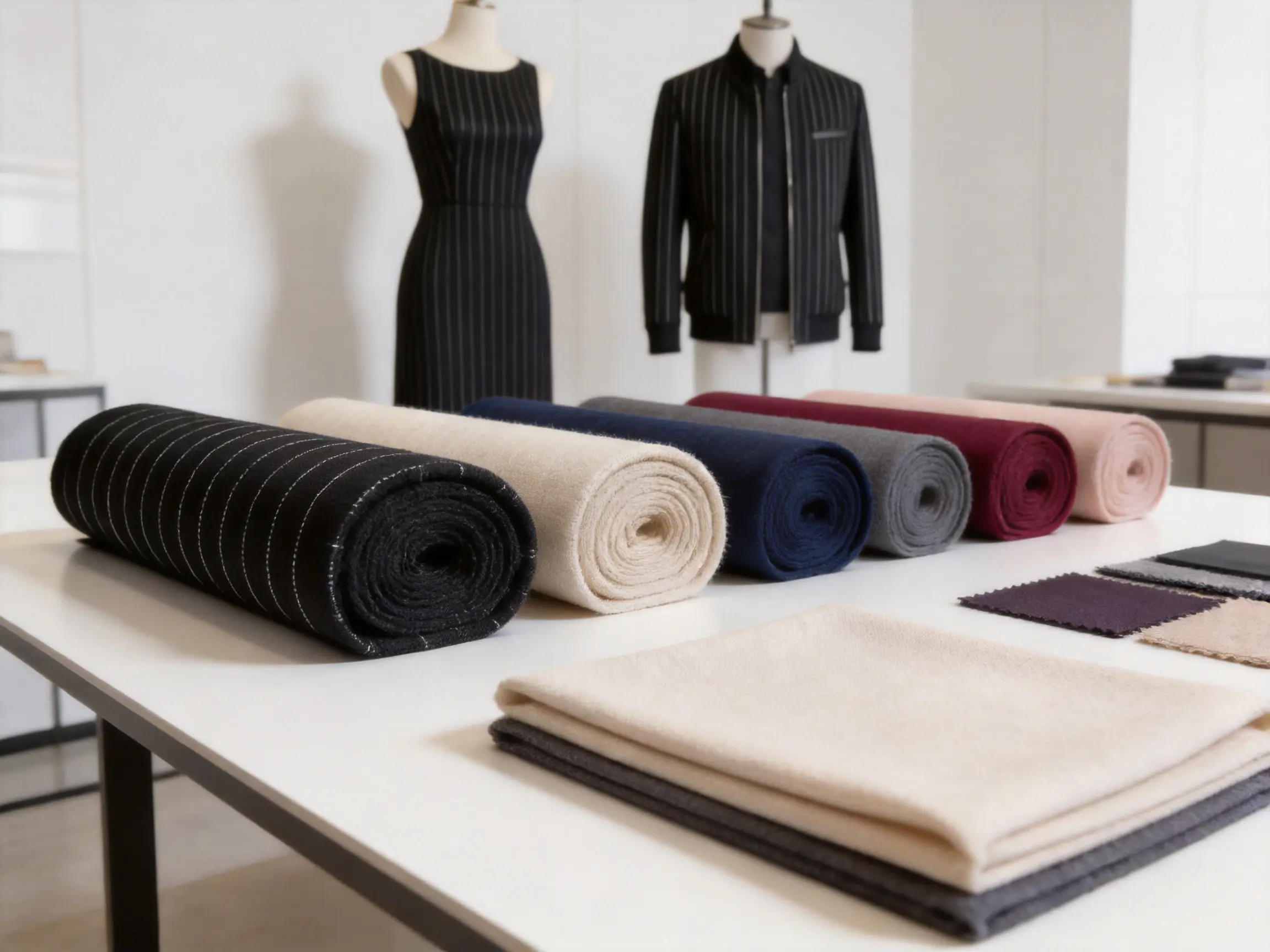
Fiber and Material Selection
The final performance of NTR Roman Fabric depends significantly on the materials used in its construction. The product category can accommodate different fibers and blends, including polyester-based materials and blended fabric systems. Each composition can create a different balance of comfort, appearance, durability, processing behavior, and cost.
Polyester is widely used in modern textile production because of its practical durability, dimensional stability, color development potential, and compatibility with industrial processing. Polyester-containing fabrics are often selected for garments that need to withstand repeated use and regular care. When appropriately engineered and finished, polyester can also provide a smooth surface and dependable shape retention.
Blended fabric construction allows manufacturers to combine the strengths of different fibers. A blend may be developed to improve softness, drape, resilience, appearance, or production efficiency. The most suitable composition depends on the garment category, the target market, the expected care method, and the desired price level.
Buyers should evaluate the fabric according to the intended application rather than assuming that one composition is suitable for every product. A women’s fashion dress, a men’s coordinated set, a uniform, and a casual top may each require different technical priorities. Clear communication with the supplier helps establish the appropriate material combination before bulk production.
Hangzhou Jinfeng Textile Co., Ltd. specializes in blended fabrics such as polyester and spandex, as well as DTY polyester yarn. This background supports the company’s ability to understand how yarn selection and fiber composition influence the behavior of finished knitted fabrics. It also provides a foundation for discussing customized requirements with apparel manufacturers and textile buyers.
Manufacturing Process
Product Planning and Material Preparation
The manufacturing process begins with product planning. The supplier and buyer identify the desired fabric category, end use, color, size, material composition, and finishing requirements. This stage is important because a fabric intended for daily clothing may need different specifications from one used in a more structured or decorative garment.
Material preparation includes the selection and handling of suitable yarns and fibers. Consistency at this stage helps support stable knitting and later processing. Draw textured yarn, including DTY polyester yarn, may be used in relevant textile production to provide particular surface, bulk, flexibility, or processing characteristics. The exact yarn selection should be determined according to the required fabric design and performance objectives.
Knitting
During knitting, yarns are formed into interconnected loops that create the fabric structure. The knitting parameters influence density, width, surface appearance, flexibility, and overall handle. A controlled knitting process is essential for creating a fabric that can be processed and finished consistently.
For NTR Roman Fabric, the construction must provide an appropriate balance between compactness and comfort. If a fabric is too loose, it may lack stability. If it is too compact, it may feel excessively rigid or fail to provide the desired movement. Skilled production planning helps align the knitted structure with the end use.
Knitting also requires attention to yarn behavior, machine settings, tension, and fabric inspection. Variations in yarn tension or machine operation can affect the appearance and dimensions of the finished textile. Consistent production methods help reduce irregularities and support repeatable quality across different batches.
Post-Dyeing
Post-dyeing is a significant stage in the production of many blended fabrics. It can be used to develop the required color and improve the visual uniformity of the textile. Color is often a decisive factor in fashion and apparel, so accurate shade development and batch consistency are important to designers, brands, and garment factories.
The dyeing process must be compatible with the fiber composition and fabric structure. Different materials can absorb dyes differently, and knitted fabrics may require careful handling to preserve their dimensions and surface quality. Appropriate process control helps achieve a balanced appearance while minimizing problems such as uneven coloration, excessive shrinkage, or unwanted distortion.
Hangzhou Jinfeng Textile Co., Ltd. has production and processing capabilities that include post-dyeing. This integrated experience can help the company coordinate fabric development from the greige stage through color processing and finishing. For buyers, coordinated handling may make product communication more efficient and improve the ability to reproduce approved colors in subsequent orders.
Finishing
Finishing gives the fabric its final functional and visual character. Depending on the product requirement, finishing may influence softness, smoothness, dimensional stability, surface appearance, drape, and handling performance. The right finishing process can enhance the qualities already created during knitting and dyeing.
Finishing is particularly important for NTR Roman Fabric because the market may require different versions of the same basic textile. One customer may prefer a softer hand for women’s clothing, while another may want a firmer surface for structured men’s garments. Finishing provides an opportunity to adjust the fabric toward those different commercial requirements.
Careful finishing also supports garment production. A fabric with controlled width and stable dimensions can be easier to cut and sew. A smooth and uniform surface can improve the appearance of finished garments. Although the exact process depends on the composition and product specification, the objective is to create a reliable textile that performs consistently in practical manufacturing conditions.
Inspection and Order Coordination
Fabric inspection is an important part of production management. It helps identify visible defects, color differences, width variation, surface irregularities, and other issues before the fabric reaches the garment factory. Early detection allows corrective action and reduces the risk of unnecessary cutting or sewing losses.
Order coordination is equally important. Buyers need clear information about specifications, sampling, color approval, packaging, quantities, and delivery arrangements. A supplier that combines production and sales capabilities can communicate more directly with customers throughout the order cycle.
Why Integrated Production Matters
The textile supply chain often includes multiple separate stages handled by different companies. While this structure can be effective, it may also create challenges when communication is incomplete or responsibility is divided. An integrated textile manufacturer can offer a more coordinated approach by managing several connected activities within one organization.
Hangzhou Jinfeng Textile Co., Ltd. integrates research and development, production, post-dyeing, finishing, processing, and sales. The company also produces, processes, and sells DTY polyester yarn and blended fabrics. This combination is relevant to NTR Roman Fabric because yarn, fabric construction, dyeing, finishing, and final application are closely related.
Integrated capabilities can provide several advantages. First, product information can move more efficiently between technical and commercial teams. Second, the supplier can respond more effectively to requests involving material, color, or finishing changes. Third, buyers may have a clearer point of contact for sampling and bulk production.
Integration does not eliminate the need for customer testing or approval, but it can make the development process more organized. Buyers can discuss the intended garment, performance expectations, and commercial target with a supplier that understands both textile production and the final apparel market.
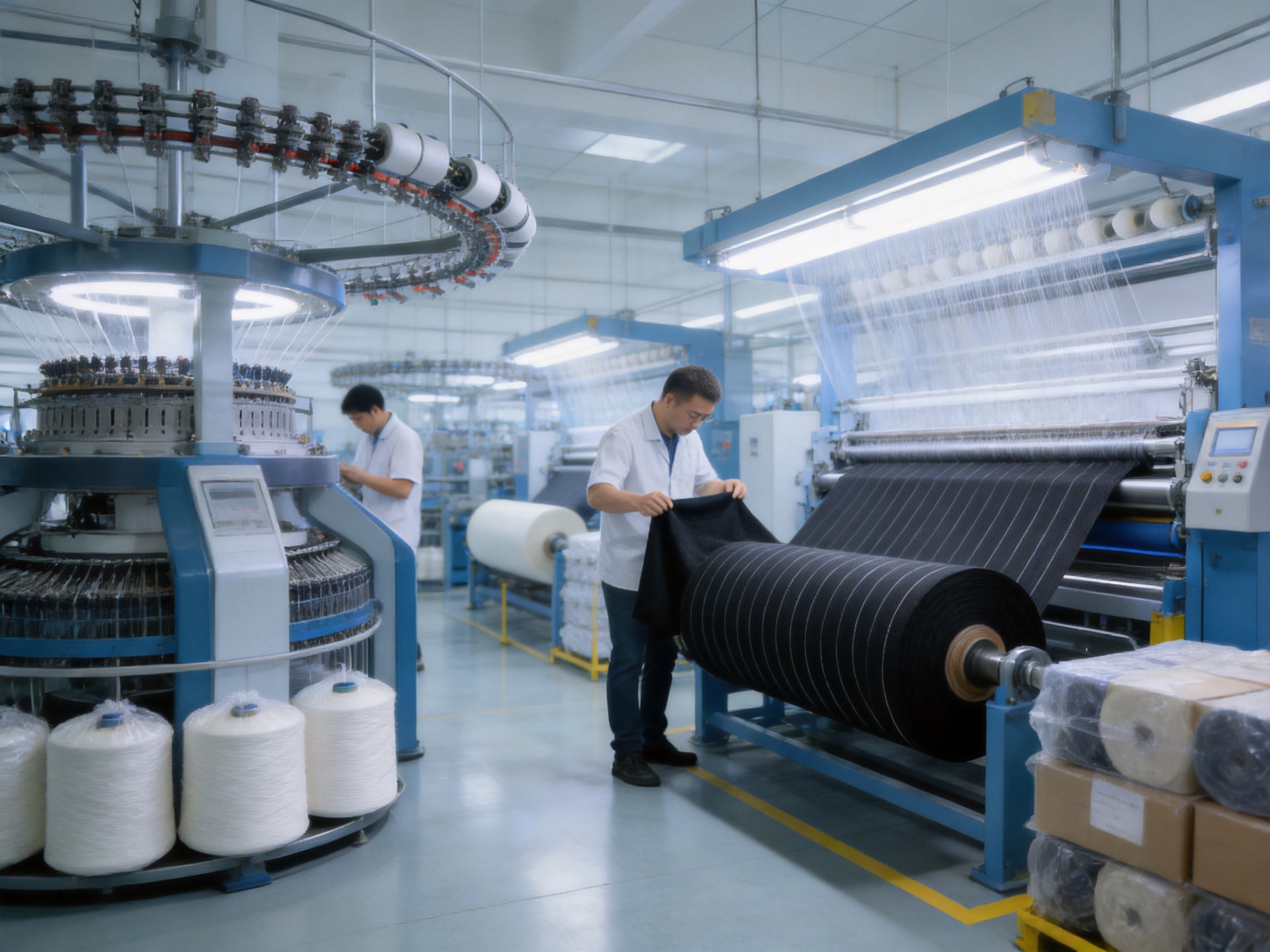
Applications in Men’s Clothing
NTR Roman Fabric is suitable for a broad range of men’s clothing because it can combine comfort with a clean and moderately structured appearance. It may be used in trousers, casual jackets, overshirts, tops, coordinated sets, work-related clothing, and other garments that require a dependable knitted material.
For men’s trousers and structured casualwear, the fabric’s substantial handle can help create a neat silhouette. It may also be suitable for garments designed for travel or daily commuting, where movement and comfort are important. A knitted textile can help reduce the rigid feeling sometimes associated with formal or heavily structured woven fabrics.
For tops and overshirts, NTR Roman Fabric can support a more substantial look than lightweight jersey. Designers may use it for polo-style garments, long-sleeved tops, pullovers, or layered pieces. Its surface can be presented as a simple solid color or coordinated with other fabrics in a collection.
In workwear and uniforms, fabric selection must consider durability, comfort, appearance, and repeatable supply. NTR Roman Fabric can be evaluated for these applications when the required specifications are confirmed through sampling and testing. Its broad color and material flexibility may also help organizations develop coordinated garments for different roles or departments.
Applications in Women’s Clothing
Women’s clothing often requires fabrics that can support both design expression and practical wearability. NTR Roman Fabric is suitable for dresses, skirts, trousers, tops, jackets, cardigans, coordinated sets, and fashion garments that benefit from a smooth and stable knit construction.
In dresses, the fabric may provide a balanced combination of drape and body. It can be used for simple straight silhouettes, fitted styles, panelled designs, or garments with waist shaping. The appropriate weight and finish should be selected according to whether the design is intended for warm-season, transitional, or cool-season use.
For skirts and trousers, a more substantial knitted fabric can help create a controlled outline. It may also provide comfort during sitting, walking, and everyday movement. Designers can use the fabric in solid colors, coordinated separates, or capsule collections where several garments share a consistent textile identity.
NTR Roman Fabric can also support contemporary workwear and smart casualwear for women. The fabric’s polished appearance may complement tailored seams, clean necklines, structured cuffs, and minimal decorative details. At the same time, its knitted construction can help preserve comfort for long periods of wear.
Design and Product Development Benefits
A fabric’s value is not limited to its technical properties. It also affects how easily designers can create marketable garments. NTR Roman Fabric offers a practical base for product development because it can be used across different silhouettes and customer segments.
Designers can explore color as a major feature of the product. The fabric may be developed in neutral shades for commercial basics, bold colors for seasonal fashion, or coordinated shades for complete apparel collections. A consistent base fabric can make it easier to build a unified visual identity across different garments.
The fabric can also support different levels of formality. With a simple cut and casual styling, it may become an everyday garment. With refined finishing, clean tailoring, and carefully selected accessories, it may contribute to a more polished outfit. This adaptability gives clothing companies more opportunities to use one textile category in several market positions.
For product developers, the sampling stage should evaluate fabric appearance, hand feel, stretch behavior, recovery, shrinkage, color, sewing performance, and finished garment appearance. Testing the fabric in an actual garment is important because the final result depends on pattern design, seam construction, thread, pressing, and care treatment as well as the textile itself.
Quality Considerations for Buyers
Composition
Buyers should confirm the exact fiber composition before placing an order. Composition affects comfort, care requirements, dyeing behavior, durability, and cost. The selected blend should match the target garment and the expectations of the final consumer.
Weight and Width
Fabric weight and usable width influence garment design, material consumption, cutting efficiency, and pricing. A suitable weight can improve the appearance and performance of a garment, while a stable width helps factories plan cutting layouts and reduce waste.
Color Consistency
Color consistency is especially important when fabric is used in a collection or when repeat orders are expected. Buyers should approve laboratory dips, sample yardage, or other agreed color standards before bulk production. They should also communicate whether the fabric will be matched with other materials or accessories.
Dimensional Stability
Knitted fabrics can respond to moisture, heat, tension, and finishing conditions. Buyers should evaluate dimensional stability and shrinkage according to the intended care method. Appropriate pre-treatment, finishing, garment washing, and care labeling can help reduce problems after production.
Surface and Handle
The surface should be assessed for uniformity, smoothness, unwanted marks, and consistency between rolls. The hand feel should be compared with the approved sample. A fabric that feels appropriate in a small sample must also maintain the same general character during bulk production.
Garment Performance
Final garment testing should consider seam appearance, pilling tendency, color fastness, stretch and recovery, abrasion resistance, washing response, and general wear comfort where relevant. The appropriate test program depends on the product category and market requirements.
Competitive Strengths of the Supply Program
The main competitive advantage of NTR Roman Fabric is its combination of versatility and manufacturing practicality. It is not limited to a narrow fashion trend or a single garment type. Instead, it can support multiple applications while allowing variation in color, size, and material.
Another advantage is the connection between fabric production and DTY polyester yarn manufacturing. Because yarn quality influences knitting performance and finished fabric appearance, experience in draw textured yarn production can contribute to a more complete understanding of the textile process. This is particularly valuable for buyers who need polyester-based yarn and knitted fabric from a coordinated supplier.
The company’s ability to manage production, processing, post-dyeing, finishing, and sales is also a competitive strength. Customers can discuss fabric development and order requirements with a supplier that is involved in the manufacturing process rather than only acting as a trading intermediary.
Hangzhou Jinfeng Textile Co., Ltd. operates from Jingjiang Street Industrial Park in Xiaoshan District, Hangzhou City, Zhejiang Province. The company covers approximately 32.6 acres and has a plant area of approximately 18,000 square meters. This industrial foundation supports production and processing activities and reflects the company’s ability to serve textile and garment customers on an organized commercial basis.
The company also operates as an export-oriented business integrating research and development, production, and sales. International customers often require clear documentation, stable communication, repeatable quality, and dependable order coordination. An integrated export company is positioned to address these requirements more efficiently than a supplier focused on only one stage of the textile chain.
Application in the Garment Industry
NTR Roman Fabric is well suited to the garment industry because it can be incorporated into both basic and more design-oriented products. Its knitted construction makes it useful for clothing that must accommodate movement, while its structured appearance helps garments maintain a neat visual impression.
Garment factories can use the fabric in small collections, recurring commercial programs, private-label products, and larger manufacturing activities. The product may be ordered in different colors and material combinations to support seasonal updates without requiring a completely new sourcing strategy.
For manufacturers, production planning should take into account the fabric’s knitted nature. Cutting equipment, lay planning, relaxation time, sewing settings, needle selection, pressing temperature, and finishing methods should be selected appropriately. Proper handling helps preserve the intended dimensions and appearance of the material.
Fabric suppliers and garment factories should work together during the development stage. A supplier can provide fabric specifications and sample information, while the garment factory can report how the textile behaves during cutting and sewing. This two-way communication improves the chance of achieving a successful bulk production result.
Sustainable and Efficient Textile Management
Responsible textile production involves efficient use of materials, careful process management, and reduction of avoidable waste. A fabric that can be used across several apparel categories may help companies simplify inventory and improve sourcing efficiency. Rather than purchasing many unrelated materials, a buyer can develop a coordinated fabric program based on different versions of NTR Roman Fabric.
Production efficiency also depends on accurate specifications and clear approval procedures. Confirming composition, width, weight, color, and finish before bulk production can reduce rework and rejected material. Proper roll inspection and packaging can further protect the product during transportation and storage.
Fiber selection should be considered in relation to the intended service life of the garment. Durable fabric can support longer use when combined with suitable garment construction and care. Buyers should also provide consumers with accurate care instructions based on the final composition and finishing treatment.
While no single fabric can satisfy every sustainability objective, organized manufacturing and carefully planned product development can support more responsible purchasing decisions. Buyers should assess the complete product life cycle, including fiber selection, production, transport, garment use, maintenance, and end-of-life considerations.
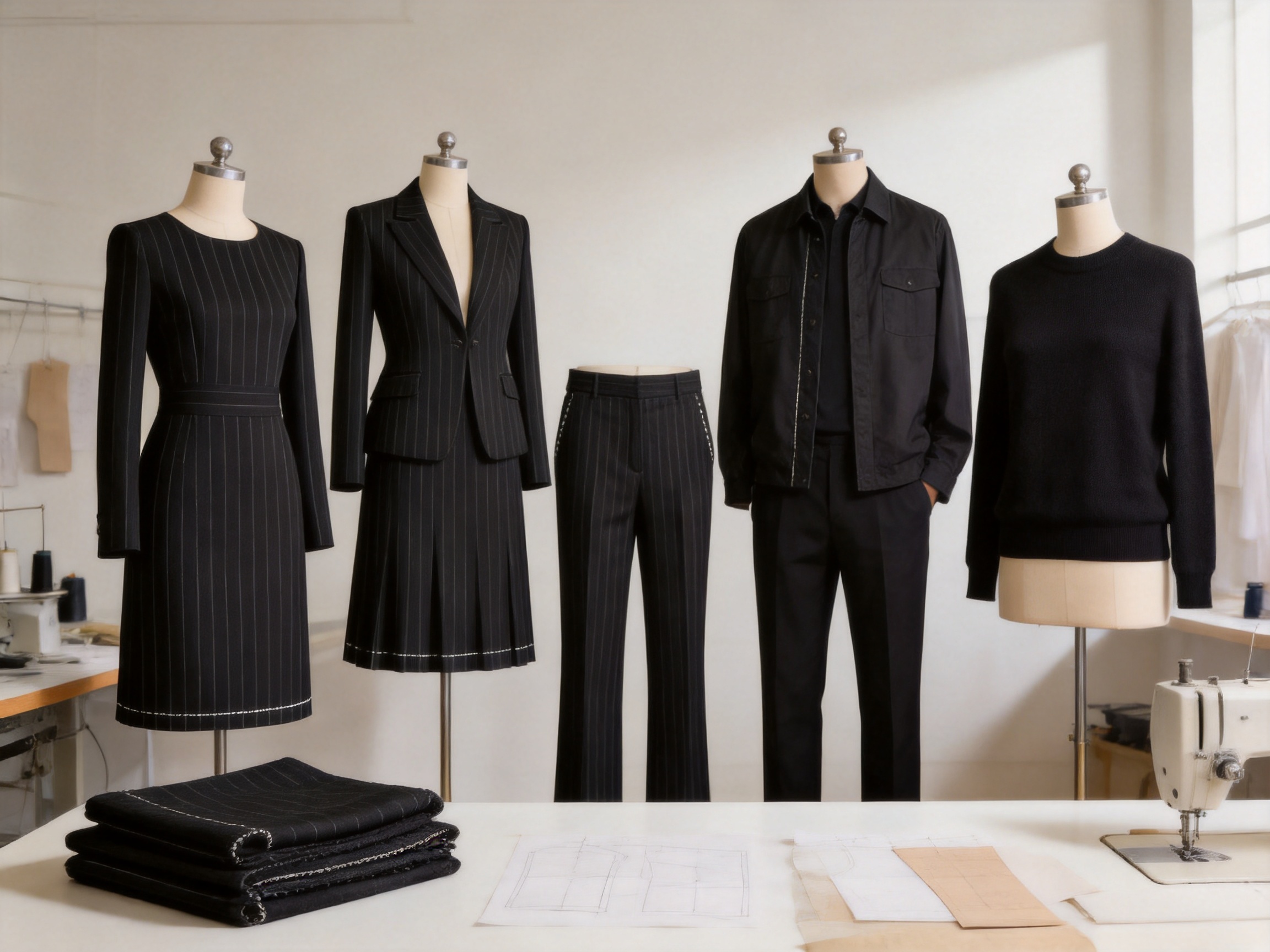
Recommended Purchasing Process
Define the End Use
The first step is to describe the intended garment. Buyers should identify whether the fabric will be used for dresses, trousers, jackets, tops, uniforms, casualwear, or another product. They should also state the expected season, target market, price level, and care method.
Confirm the Technical Specification
The buyer and supplier should agree on composition, fabric category, weight, width, color, finishing, stretch requirements, packaging, and order quantity. If the specification is incomplete, the supplier may not be able to recommend the most suitable version of the fabric.
Request and Evaluate Samples
Sample evaluation should include both visual inspection and practical garment testing. Buyers should check the surface, handle, drape, color, thickness, width, stretch, recovery, and sewing behavior. A sample garment can reveal issues that are not obvious when the fabric is viewed on a flat table.
Approve Color and Finish
Color and finishing approval should be completed before bulk production. The buyer should retain an approved standard for comparison with later deliveries. If the fabric will be matched with trims, lining, rib, buttons, zippers, or other textiles, these materials should be evaluated together.
Plan Bulk Production
After approval, the buyer should confirm quantity, delivery schedule, packaging, shipping documents, inspection requirements, and payment terms. Clear planning helps the supplier organize yarn, knitting, dyeing, finishing, and dispatch activities.
Inspect Before Shipment
Pre-shipment inspection can verify that the finished fabric matches the agreed specification. Depending on the order, inspection may include roll length, usable width, color consistency, surface quality, visible defects, packaging condition, and labeling.
Care and Handling of Finished Garments
The correct care method depends on the final fiber composition, finishing treatment, garment construction, and accessories. Clothing manufacturers should test washing, drying, ironing, and storage conditions before creating care labels.
Garments made from knitted fabrics should generally be handled in a way that avoids unnecessary stretching or excessive heat. The precise recommendations must be based on testing rather than on the fabric name alone. Consumers should follow the care instructions supplied with the finished product.
During storage, fabric rolls should be protected from moisture, direct sunlight, contamination, and excessive compression. Finished garments should also be stored in a clean and dry environment. Proper handling helps preserve color, surface appearance, and dimensional stability before the product reaches the consumer.
Company Manufacturing and Service Strengths
Hangzhou Jinfeng Textile Co., Ltd. is located in an industrial area of Xiaoshan District, Hangzhou, Zhejiang Province, a region with a strong textile and manufacturing background. The company’s facilities cover approximately 32.6 acres, with a plant area of approximately 18,000 square meters.
The company’s business activities include the production and processing of blended fabrics, post-dyeing, finishing, sales, and the production, processing, and sales of DTY polyester yarn. This range of activities supports customers looking for polyester-based textile products and blended fabrics through one established supply channel.
Research and development is included in the company’s integrated business structure. For fabric buyers, this is important because textile requirements can change according to fashion, garment design, and market demand. A supplier with development capability can participate in the adjustment of yarn, color, construction, and finishing rather than supplying only standard stock.
The company also emphasizes cooperation and mutually beneficial business relationships. For international customers, successful cooperation depends on more than product availability. It requires accurate communication, consistent follow-up, practical problem solving, and an understanding of the buyer’s production schedule.
By combining manufacturing, processing, finishing, sales, and export experience, the company can serve customers in the textile and garment industries with a coordinated approach. This makes NTR Roman Fabric a practical option for buyers seeking a stable knitted material and a supplier capable of supporting product development and repeat orders.
Q&A About NTR Roman Fabric
What is NTR Roman Fabric?
NTR Roman Fabric is a knitted fabric with a compact and relatively stable construction. It is designed for clothing and other textile applications where comfort, durability, a clean appearance, and production flexibility are important.
Is NTR Roman Fabric suitable for both men’s and women’s clothing?
Yes. The fabric is suitable for men’s and women’s garments, including dresses, skirts, trousers, tops, jackets, coordinated sets, casualwear, uniforms, and other apparel products. The final suitability depends on the selected composition, weight, color, and finish.
What makes it different from lightweight jersey?
NTR Roman Fabric generally offers a more substantial and controlled handle than very lightweight jersey. It can provide greater body and a cleaner silhouette while retaining the comfort and flexibility associated with knitted construction.
Can the fabric be produced in different colors?
Yes. NTR knitted fabrics can be developed in different colors according to the customer’s requirements. Color approval and bulk production standards should be confirmed before an order is manufactured.
Can the material composition be adjusted?
The product category can accommodate different material combinations. The appropriate composition should be selected according to the intended garment, desired handle, durability requirements, care method, and commercial target.
Is NTR Roman Fabric suitable for garment factories?
Yes. It is an industrial textile intended for clothing and manufacturing applications. Garment factories should still conduct sample testing to confirm cutting, sewing, pressing, washing, and finishing requirements for the specific fabric version.
What role does DTY polyester yarn play in the supply program?
DTY polyester yarn is a draw textured yarn used in relevant textile production. Experience with DTY polyester yarn gives the supplier additional knowledge of yarn behavior, texture, bulk, and processing, which can support the development of polyester-based knitted and blended fabrics.
What should buyers check before bulk production?
Buyers should confirm composition, weight, width, color, finish, stretch and recovery, shrinkage, surface appearance, sewing performance, packaging, quantity, and delivery requirements. A sample garment is recommended when the fabric will be used in an important apparel program.
Can NTR Roman Fabric be used for uniforms?
It may be suitable for uniforms when the selected specification meets the required standards for comfort, durability, appearance, care, and color consistency. Testing should be completed according to the working environment and expected service conditions.
Why is post-dyeing important?
Post-dyeing helps develop the required color and visual uniformity after the fabric has been produced. It must be controlled according to the fiber composition and knitted structure to help maintain appearance and dimensions.
What finishing options are available?
Finishing can be adjusted to influence softness, smoothness, handle, surface appearance, drape, and dimensional stability. The exact treatment depends on the composition and the requirements of the final garment.
Where is the manufacturer located?
Hangzhou Jinfeng Textile Co., Ltd. is located at 1279 Shenda Road, Jingjiang Branch, Xiaoshan District, Hangzhou, Zhejiang Province. The company operates from Jingjiang Street Industrial Park and serves domestic and overseas customers.
Conclusion
NTR Roman Fabric is a versatile knitted textile for manufacturers seeking a dependable balance of comfort, structure, appearance, and adaptability. Its compact knitted construction can provide more body than lightweight jersey while remaining more comfortable and flexible than many rigid woven alternatives.
The fabric is suitable for men’s and women’s clothing and can be developed in different colors, sizes, and material combinations. This makes it useful for dresses, skirts, trousers, tops, jackets, uniforms, casualwear, coordinated collections, and other textile products.
Its competitive value is strengthened by a manufacturing program that includes blended fabric production, DTY polyester yarn production, post-dyeing, finishing, processing, research and development, and sales. These integrated capabilities help support consistent product development and coordinated customer service.
For buyers, the best results come from defining the end use clearly, confirming the technical specification, approving samples and colors, testing the fabric in actual garments, and maintaining communication throughout bulk production. With proper selection and handling, NTR Roman Fabric can serve as a reliable foundation for modern apparel programs and long-term textile sourcing.
References
1. Textile Institute, Textile Terms and Definitions, reference material on knitted fabrics, yarns, fabric construction, and finishing.
2. American Association of Textile Chemists and Colorists, technical methods for textile color evaluation, colorfastness, and fabric testing.
3. International Organization for Standardization, general standards for textile fiber composition, dimensional change, colorfastness, and performance testing.
4. Textile Research Journal, publications concerning knitted fabric construction, textile comfort, dimensional stability, and garment performance.
5. Textile engineering and apparel manufacturing references covering polyester fibers, draw textured yarn, blended fabrics, dyeing, finishing, and quality control.
