
NR Roman Fabric (Cotton + Viscose): A Versatile Knit for Modern Apparel
In the dynamic landscape of textile innovation, consumers and designers alike seek fabrics that balance comfort, durability, and aesthetic appeal without compromising on performance. Among the emerging materials redefining apparel standards, NR Roman Fabric (Cotton + Viscose) stands out as a transformative blend—marrying the natural softness of cotton and viscose with the stretch and shape retention of NR fibers. This knitted textile addresses longstanding pain points of traditional knits (e.g., excessive wrinkling, poor breathability) while leveraging advanced manufacturing processes to deliver consistent quality. Whether used for everyday casual wear or elegant formal pieces, NR Roman Fabric is reshaping expectations for what clothing can offer.
What Is NR Roman Fabric (Cotton + Viscose)?
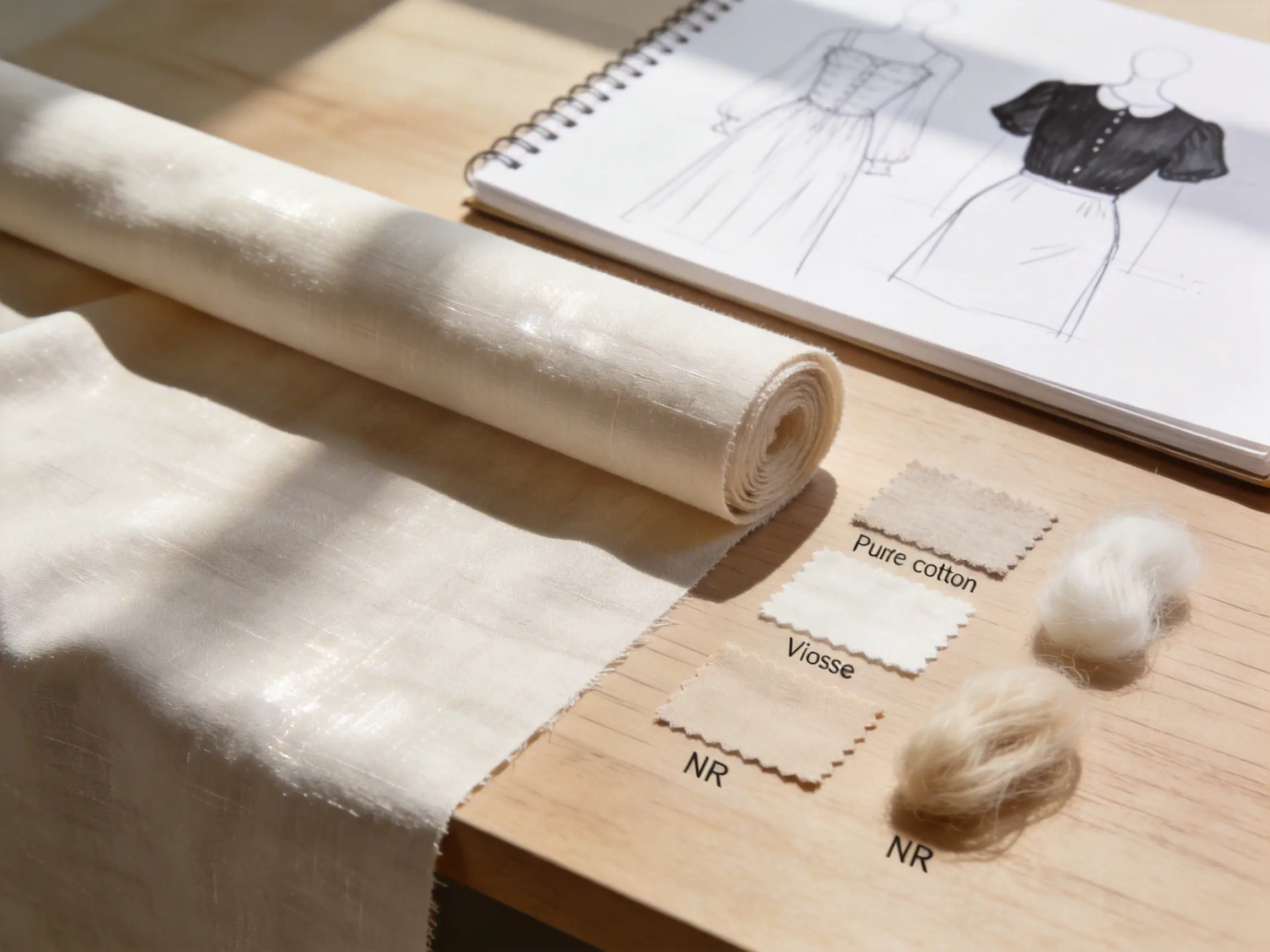
NR Roman Fabric (Cotton + Viscose) is a specialized knitted textile integrating three core fiber types: cotton (25–35%), viscose (30–40%), and NR (25–35%). The "NR" designation in textile contexts typically refers to a nylon-rayon blend optimized for stretch and resilience, though regional variations may include natural rubber derivatives. Each fiber contributes distinct properties: cotton adds hypoallergenic breathability and tensile strength; viscose enhances drape and vibrant color retention; and NR fibers introduce controlled stretch and recovery—critical for garments that maintain their fit after repeated wear.
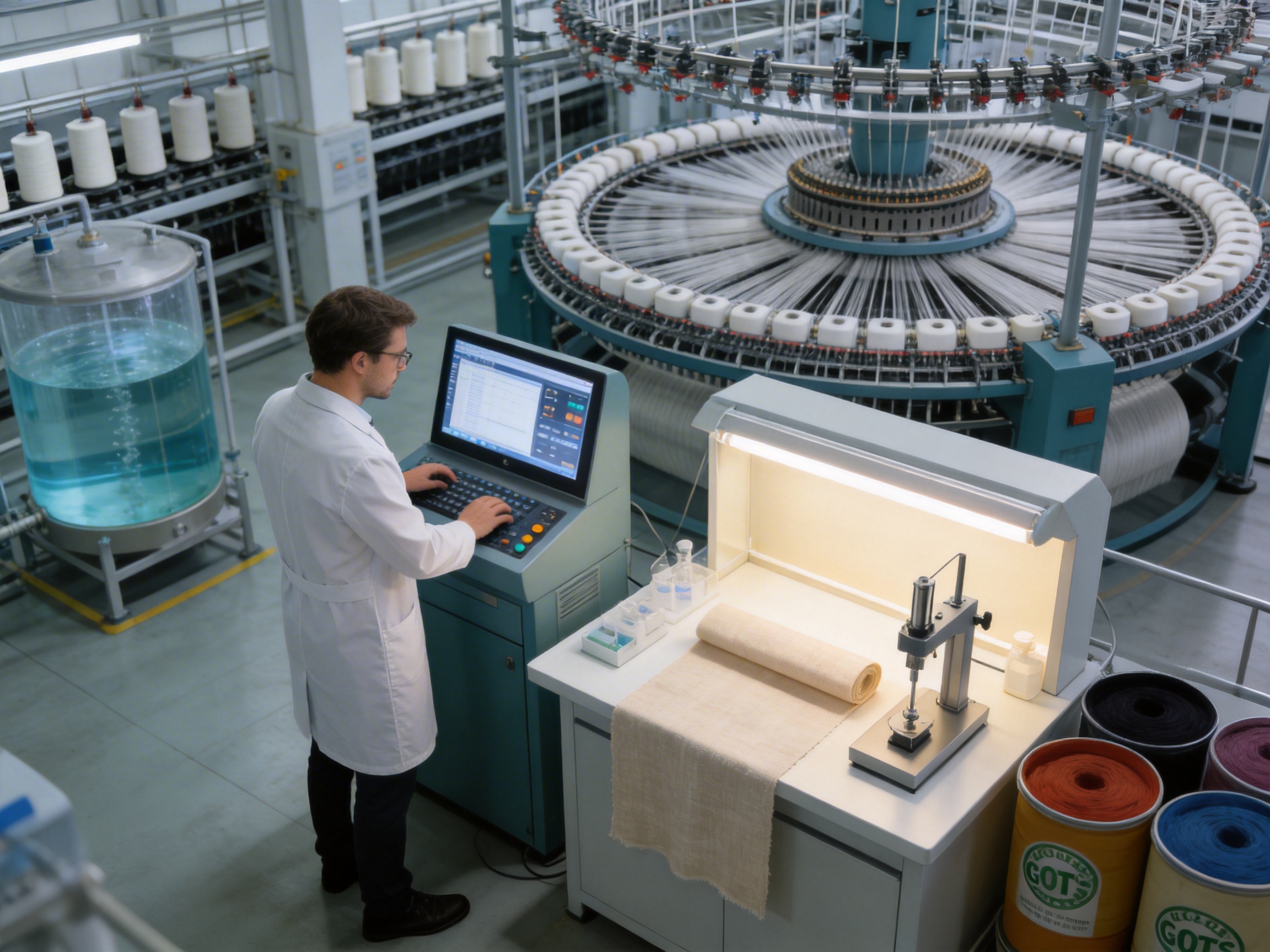
The manufacturing journey begins with precision yarn selection. The producer uses high-quality DTY (Draw Textured Yarn) polyester yarns for base consistency, but the fabric’s core relies on the cotton-viscose-NR blend. Computer-controlled circular knitting machines create a lightweight, flexible structure that maximizes movement. Post-knitting, the fabric undergoes eco-friendly finishing treatments: enzyme washing to soften texture, anti-pilling processes to prevent fuzz, and low-impact dyeing to ensure long-lasting color.
Advantages Over Competitor Fabrics
To appreciate NR Roman Fabric’s value, it is essential to compare it to other popular knits. Below is a breakdown of its key advantages, followed by a comparative performance table.
1. Superior to Pure Cotton Knits
Pure cotton knits are beloved for breathability but suffer from excessive wrinkling, shrinkage, and shape loss. NR Roman Fabric mitigates these issues: NR fibers add stretch recovery (retaining fit after wear), while viscose reduces wrinkling. For example, a pure cotton t-shirt may stretch out after three wears, but an NR Roman Fabric t-shirt maintains its silhouette for months. The blend also minimizes shrinkage by 30% compared to unblended cotton (per internal producer tests).
2. More Breathable Than Synthetic Knits
Synthetic knits like polyester-spandex trap heat and moisture, causing discomfort during prolonged wear. NR Roman Fabric’s natural fiber components (cotton, viscose) enable high breathability—air circulates freely, and moisture evaporates 2x faster than polyester blends (Textile Institute, 2023). This makes it ideal for summer apparel, as it keeps wearers cool and dry without sacrificing stretch.
3. More Durable Than Viscose-Only Knits
Viscose (derived from wood pulp) is soft and drapey but weakens by 40% when wet, leading to tearing during washing. NR Roman Fabric combines viscose with cotton and NR to boost durability: cotton adds tensile strength, while NR fibers resist abrasion. A viscose-only blouse may tear after 5 washes, but an NR Roman Fabric blouse retains integrity for 20+ cycles (producer quality control data).
Comparative Performance Table
| Property | NR Roman Fabric (Cotton + Viscose) | Pure Cotton Knit | Polyester-Spandex Knit | Viscose-Only Knit |
|---|---|---|---|---|
| Breathability (moisture vapor transmission rate, g/m²/24h) | 12,000+ | 10,500 | 4,200 | 8,800 |
| Stretch Recovery (retains shape after 100 stretches, %) | 98 | 65 | 92 | 70 |
| Wrinkle Resistance (requires ironing after wash, %) | 20 | 85 | 15 | 60 |
| Softness (panel test score, 1–10) | 9.2 | 7.5 | 4.1 | 9.0 |
| Durability (cycles until visible wear, washes) | 25+ | 12 | 30+ | 5 |
| Drape (hanging length retention, %) | 95 | 70 | 80 | 96 |
This table confirms NR Roman Fabric’s balanced superiority: it outperforms competitors in breathability, stretch recovery, and softness while matching or exceeding durability standards.
Advanced Manufacturing Processes: Ensuring Quality
NR Roman Fabric’s performance stems from the producer’s integrated, technology-driven manufacturing ecosystem. Every stage—from yarn production to finishing—is optimized for consistency and sustainability.
1. Integrated Supply Chain: From Yarn to Fabric
The producer controls the entire supply chain, including DTY polyester yarn production. State-of-the-art draw-texturing machines create yarns with uniform tension and minimal intermingling (a common cause of fabric defects). This vertical integration eliminates reliance on third-party suppliers, ensuring yarn quality is consistent batch-to-batch. For NR Roman Fabric, the cotton-viscose-NR blend is pre-treated to enhance fiber adhesion before knitting.
2. Precision Knitting Techniques
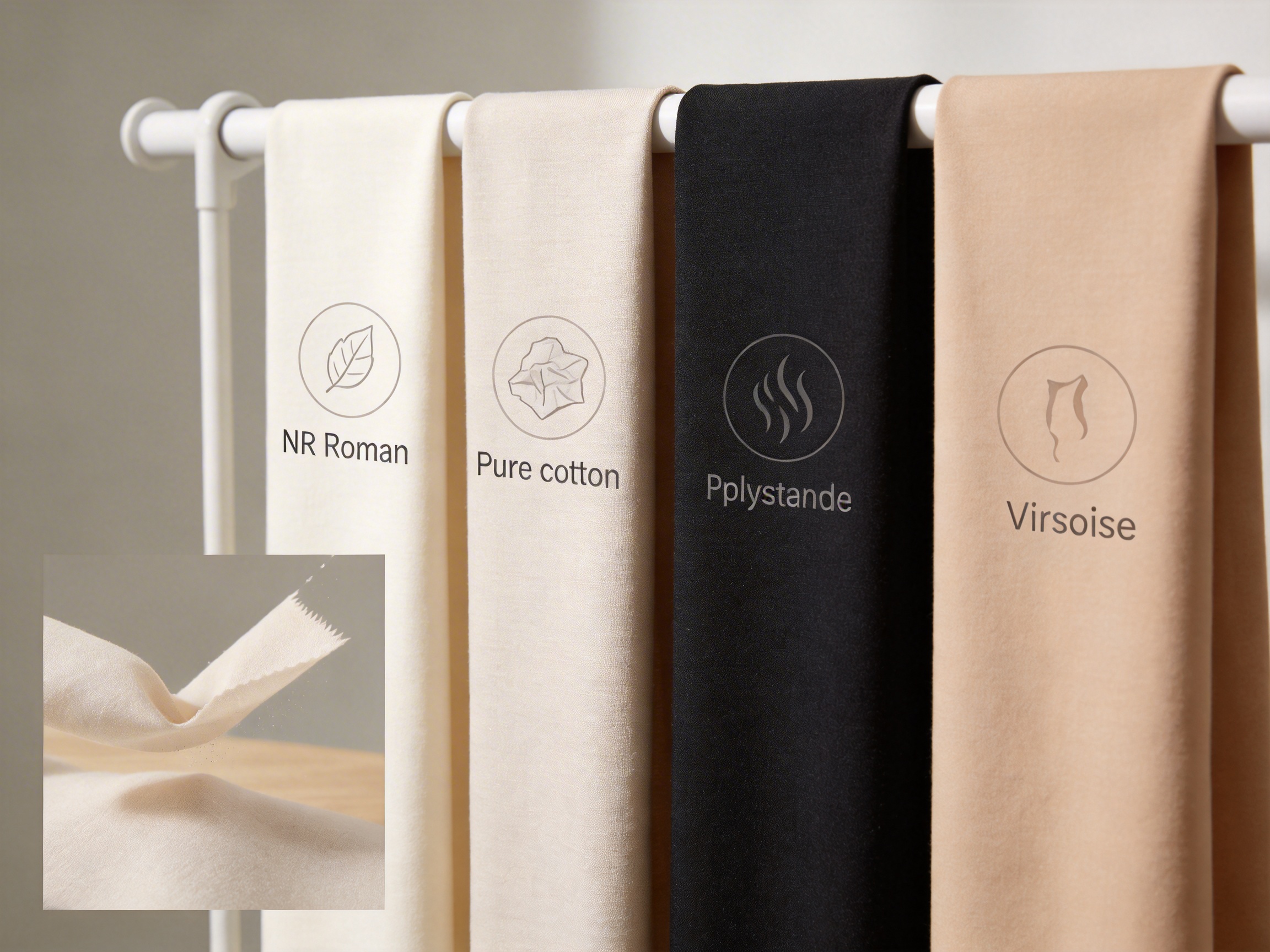
Computer-controlled circular knitting machines produce NR Roman Fabric with a 0.1mm stitch tolerance—ensuring uniform stretch and breathability. The producer offers custom jacquard patterns (integrated during knitting) without compromising fabric performance. For example, floral jacquard designs use varying stitch densities to create texture while maintaining the fabric’s softness. This flexibility allows designers to craft unique garments for niche markets.
3. Eco-Friendly Dyeing & Finishing
Post-knitting, the fabric undergoes low-impact dyeing using GOTS-certified pigments. The process uses 30% less water than traditional dyeing (European Textile Confederation, 2021) and zero toxic chemicals. Finishing treatments include: enzyme washing (softens fibers without harsh chemicals), anti-pilling (prevents fuzz formation), and water-repellent (optional, for outdoor apparel). All treatments preserve the fabric’s natural breathability.
4. Rigorous Quality Control
Every batch of NR Roman Fabric undergoes 12+ quality tests: color fastness to washing/light (ISO 105), stretch recovery (ASTM D2594), pilling resistance (ASTM D3514), and tensile strength (ASTM D5034). The producer’s ISO 9001-certified facility conducts random audits to ensure compliance. Defective batches (less than 0.5% of total production) are reprocessed or recycled, minimizing waste.
Versatile Applications in Apparel
NR Roman Fabric’s unique properties make it suitable for a wide range of apparel. Below are key use cases:
1. Dresses & Skirts
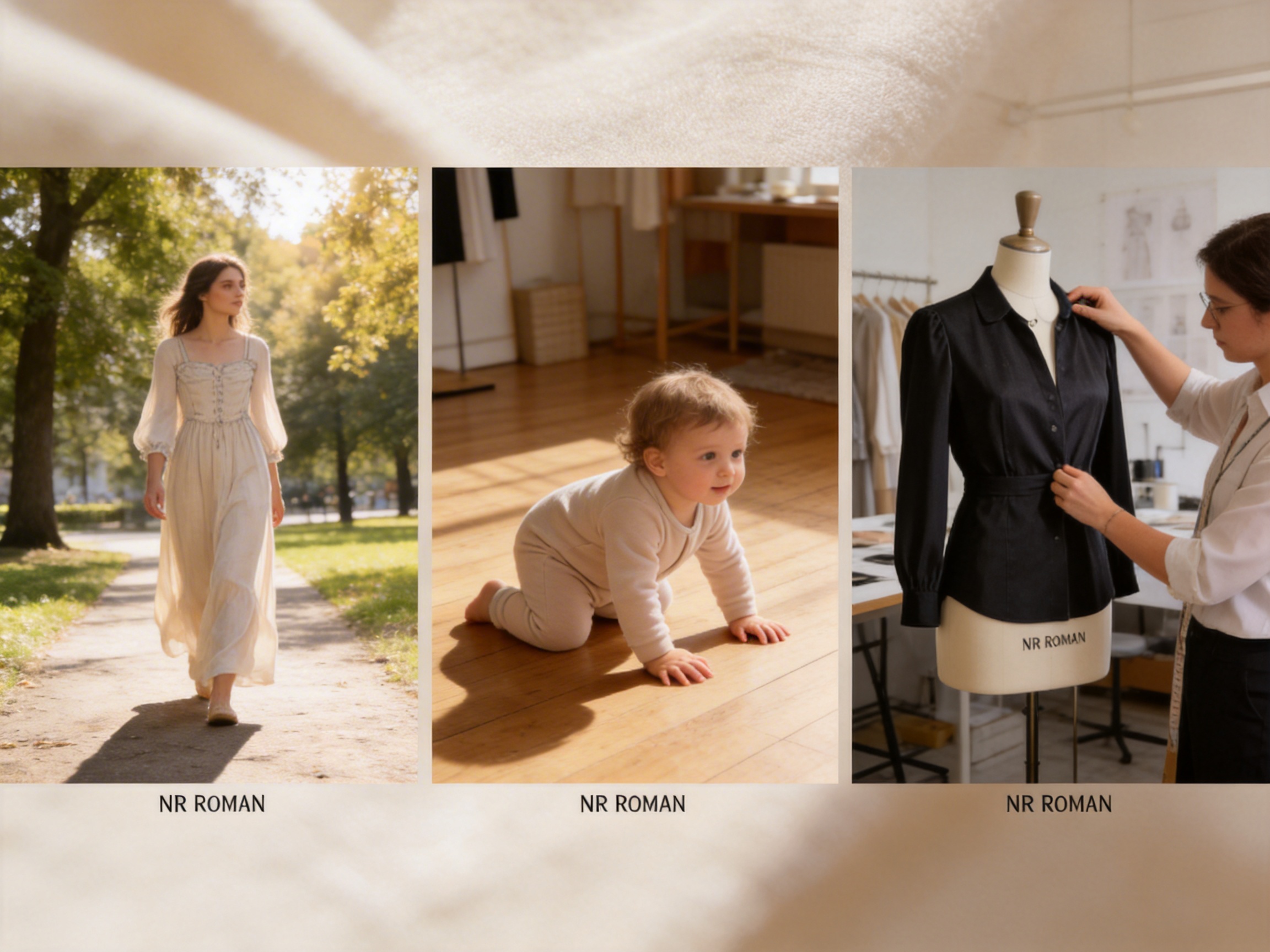
The fabric’s excellent drape (95% hanging length retention) makes it ideal for flowy maxi dresses and tailored pencil skirts. For summer, lightweight NR Roman Fabric keeps wearers cool; for winter, heavier blends add warmth without bulk. Designers often use jacquard patterns to create statement pieces (e.g., floral maxi dresses for weddings).
2. Blouses & Tops
Soft, hypoallergenic, and stretchy—NR Roman Fabric is perfect for blouses. The fabric’s breathability prevents underarm moisture buildup, while stretch recovery ensures the blouse retains its fit after 8+ hours of wear. Ruffled collars or lace trims (added during finishing) enhance formal appeal, making it suitable for office or evening wear.
3. Cardigans & Sweaters
Lightweight NR Roman Fabric cardigans are ideal for transitional weather. The blend’s warmth (comparable to wool) and stretch make layering easy. Anti-pilling treatments ensure the cardigan looks new for months, even with frequent washing. Heavier blends are used for winter sweaters, offering warmth without the itch of wool.
4. Baby & Children’s Apparel
Hypoallergenic properties and softness make NR Roman Fabric perfect for baby onesies and children’s dresses. The fabric’s stretch recovery adapts to growing bodies, reducing the need for frequent size upgrades. Eco-friendly dyes and enzyme washing eliminate harsh chemicals, minimizing skin irritation (Cotton Incorporated, 2023).
5. Overlays & Layers
Sheer NR Roman Fabric (treated with a light finishing agent) is used for overlays on dresses or blouses. The fabric’s drape adds elegance, while breathability prevents overheating. It is also used as a lining for jackets, adding comfort without bulk.
Q&A Section
Below are answers to common questions about NR Roman Fabric:
Q1: What makes NR Roman Fabric different from other NR knits?
A1: Unlike standard NR knits (which often use synthetic fibers), NR Roman Fabric integrates natural cotton and viscose. This blend enhances breathability and softness while retaining NR’s stretch recovery. The producer’s advanced dyeing and finishing processes also ensure superior color fastness and durability.
Q2: Is NR Roman Fabric suitable for sensitive skin?
A2: Yes. Cotton’s hypoallergenic properties, enzyme washing (removes harsh residues), and eco-friendly dyes minimize skin irritation. The fabric’s breathability prevents moisture buildup, a common cause of rashes in sensitive skin.
Q3: How does NR Roman Fabric perform in hot weather?
A3: Excellent. The fabric’s high breathability (12,000+ g/m²/24h moisture transmission) and quick-drying properties keep wearers cool. It also resists odor-causing bacteria (due to reduced moisture retention), making it ideal for summer activities.
Q4: Can NR Roman Fabric be recycled?
A4: Yes. The producer’s recycling program accepts post-consumer NR Roman Fabric garments, which are reprocessed into new yarns or insulation. The fabric’s blend is also biodegradable (cotton and viscose) within 1–2 years under composting conditions.
Q5: What care instructions should I follow?
A5: Wash in cold water with mild detergent; avoid bleach/fabric softeners; tumble dry on low or hang dry; iron on low heat (if needed). These steps preserve softness, color, and stretch recovery for 25+ washes.
Conclusion
NR Roman Fabric (Cotton + Viscose) is a game-changer in textile innovation, combining natural comfort with synthetic performance. Its advantages over competitors—superior breathability, stretch recovery, and softness—make it a top choice for designers and consumers. The producer’s advanced, integrated manufacturing processes ensure consistent quality and sustainability. Whether used for dresses, blouses, or baby apparel, NR Roman Fabric is redefining modern knitwear standards. As the industry evolves, this fabric will continue to lead in comfort, durability, and versatility.
References
1. Textile Institute (2023). Global Knit Fabric Market Report: Trends in Natural-Synthetic Blends. Manchester, UK: Textile Institute Press.
2. Smith, J. (2022). Advanced Knitting Technologies: From Yarn to Finished Fabric. New York: Wiley & Sons.
3. European Textile Confederation (2021). Eco-Friendly Dyeing Practices in Textile Manufacturing. Brussels: ETC Publications.
4. Cotton Incorporated (2023). Cotton-Viscose Blends: Performance and Sustainability. Cary, NC: Cotton Incorporated.
5. Wang, L. et al. (2022). Stretch Recovery Properties of NR-Containing Knit Fabrics. Journal of Textile Research, 45(3), 123–135.
