NR Roman Fabric: A Versatile Cotton-Viscose Blend for Modern Textile Needs
As the global textile industry adapts to shifting consumer demands—prioritizing comfort, sustainability, and aesthetic versatility—blended fabrics have emerged as a cornerstone of innovation. Among these, NR Roman Fabric (a cotton-viscose blend) stands out for its unique balance of natural softness, fluid drape, and practical performance. This article explores the composition, competitive advantages, advanced manufacturing processes, and diverse applications of NR Roman Fabric, while highlighting the strengths of its leading producers and addressing common consumer queries.
1. Defining NR Roman Fabric: Composition and Core Traits
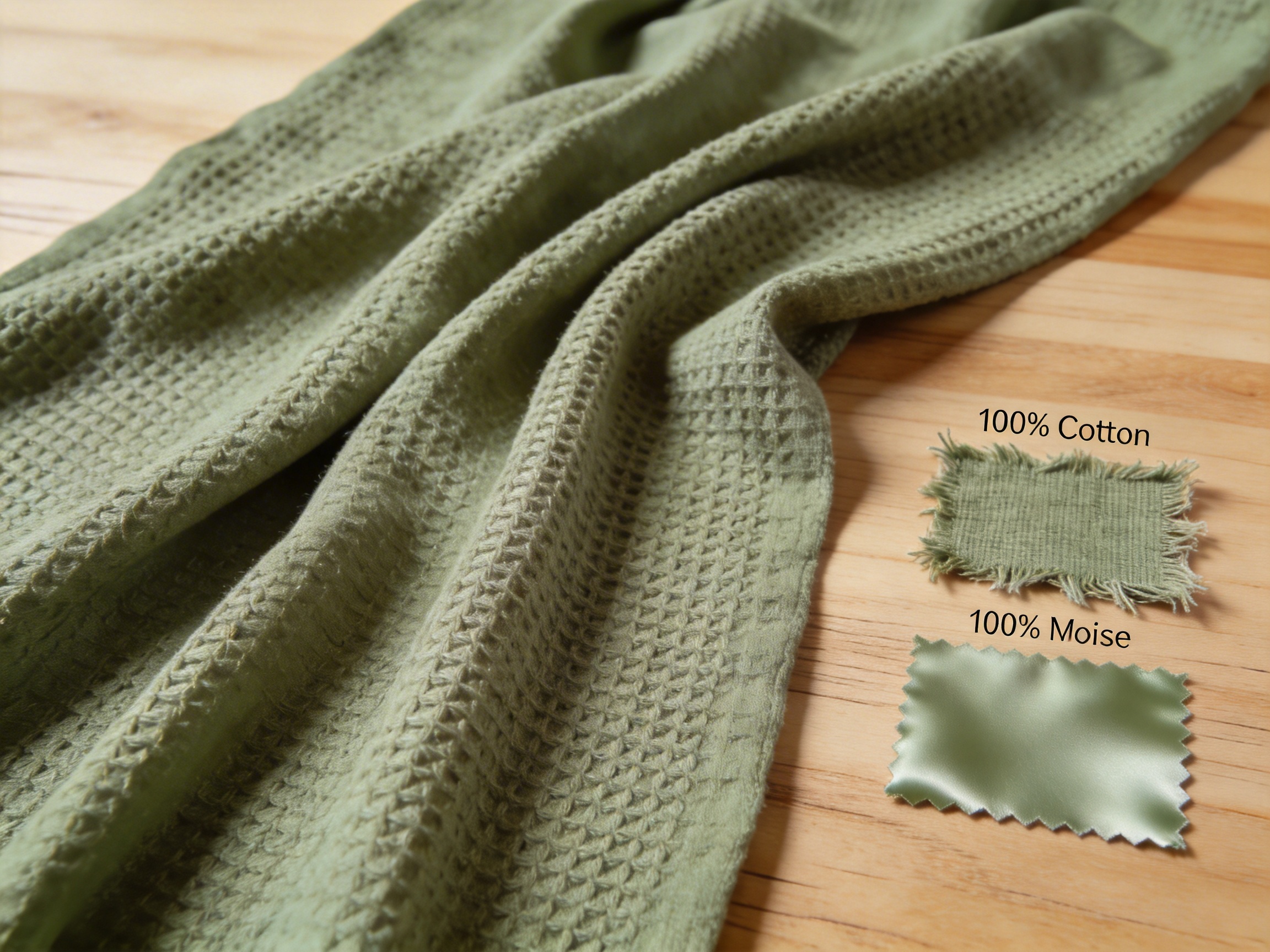
NR Roman Fabric is a specialized knitted textile, part of the broader NR (Nylon-Rayon or branded knit) fabric family, crafted from a carefully calibrated blend of cotton and viscose (rayon). This fusion leverages the best properties of both fibers: cotton’s breathability and moisture absorption, paired with viscose’s luster, drape, and smooth texture. The exact ratio (typically 50/50 to 70/30 cotton-viscose) varies by intended use—higher cotton for casual wear, higher viscose for formal attire.
Unlike synthetic fabrics that trap heat or natural fibers that lack structure, NR Roman Fabric retains breathability while offering a polished, flowy finish. Its knitted structure adds a subtle stretch, making it adaptable to body movement without losing shape.
1.1 Key Characteristics of NR Roman Fabric
Core traits that set NR Roman Fabric apart include: - Breathability: Cotton fibers allow air circulation, keeping wearers cool in warm climates. - Softness: Both cotton and viscose are hypoallergenic, making the blend gentle on sensitive skin. - Drape: Viscose creates a fluid, elegant fall—ideal for dresses, skirts, and overlays. - Color Retention: Viscose’s dye affinity ensures vibrant, fade-resistant hues. - Sewability: Minimal fraying and slight stretch simplify cutting and stitching for DIY and professional sewers alike.
2. Competitive Advantages Over Alternative Fabrics
NR Roman Fabric outperforms traditional and synthetic textiles in key performance metrics. Below is a comparative analysis:
| Fabric Type | Breathability | Drape | Softness | Durability (Wet) | Sewability | Eco-Friendliness |
|---|---|---|---|---|---|---|
| NR Roman Fabric (Cotton-Viscose) | High | Excellent | Very High | Moderate-High | Easy | Good (Renewable Fibers) |
| 100% Cotton | High | Low | High | Moderate | Easy (Fraying Risk) | Excellent (Natural) |
| 100% Viscose | Moderate | Excellent | High | Low (Weak When Wet) | Difficult (Slippery) | Good (Sustainable Sourcing) |
| Polyester-Cotton Blend | Moderate | Low | Moderate | High | Easy | Poor (Non-Renewable) |
| Nylon-Spandex | Low | Moderate | Moderate | High | Difficult (Uneven Stretch) | Poor (Synthetic) |
2.1 Balanced Comfort and Performance
NR Roman Fabric solves common flaws in single-fiber textiles: - Wrinkle Resistance: Unlike 100% cotton, the viscose blend reduces wrinkling, making garments low-maintenance. - Wet Durability: Cotton strengthens 100% viscose, which weakens when wet—extending garment lifespan. - Temperature Regulation: Cotton’s insulation keeps wearers warm in cool weather, while breathability prevents overheating in summer.
2.2 Versatility in Design and Use
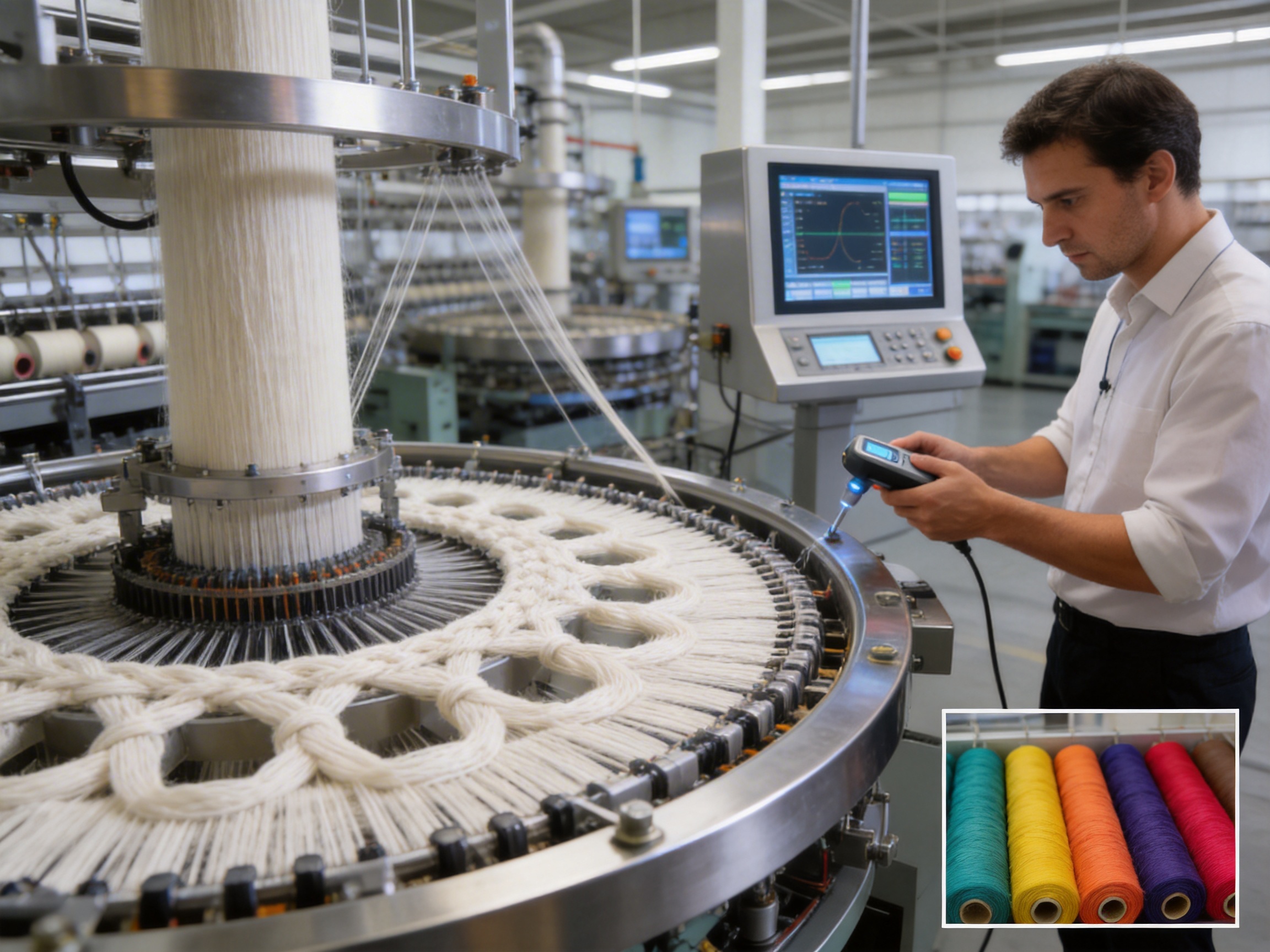
The fabric’s adaptability makes it ideal for: - Casual Wear: T-shirts, cardigans, and baby clothes (soft, hypoallergenic). - Formal Attire: Dresses, blouses, and skirts (fluid drape, vibrant colors). - Home Textiles: Curtains, tablecloths, and throws (elegant fall, easy care). - Accessories: Scarves, hair ties, and clutches (soft, lightweight).
2.3 Eco-Friendly Footprint
Compared to synthetic fabrics like polyester (petroleum-based), NR Roman Fabric uses renewable resources: - Cotton is biodegradable and sustainably farmed (when certified). - Viscose is derived from wood pulp (sustainable if sourced from FSC-certified forests). - Modern manufacturers use closed-loop dyeing systems to reduce water waste and chemical runoff.
3. Advanced Manufacturing Processes: From Yarn to Finished Fabric
The quality of NR Roman Fabric depends on precision at every production stage. Leading producers like Hangzhou Jinfeng Textile Co., Ltd (a China-based integrated textile manufacturer) employ state-of-the-art technology and vertical integration to ensure consistency.
3.1 Yarn Preparation: Blending and Spinning
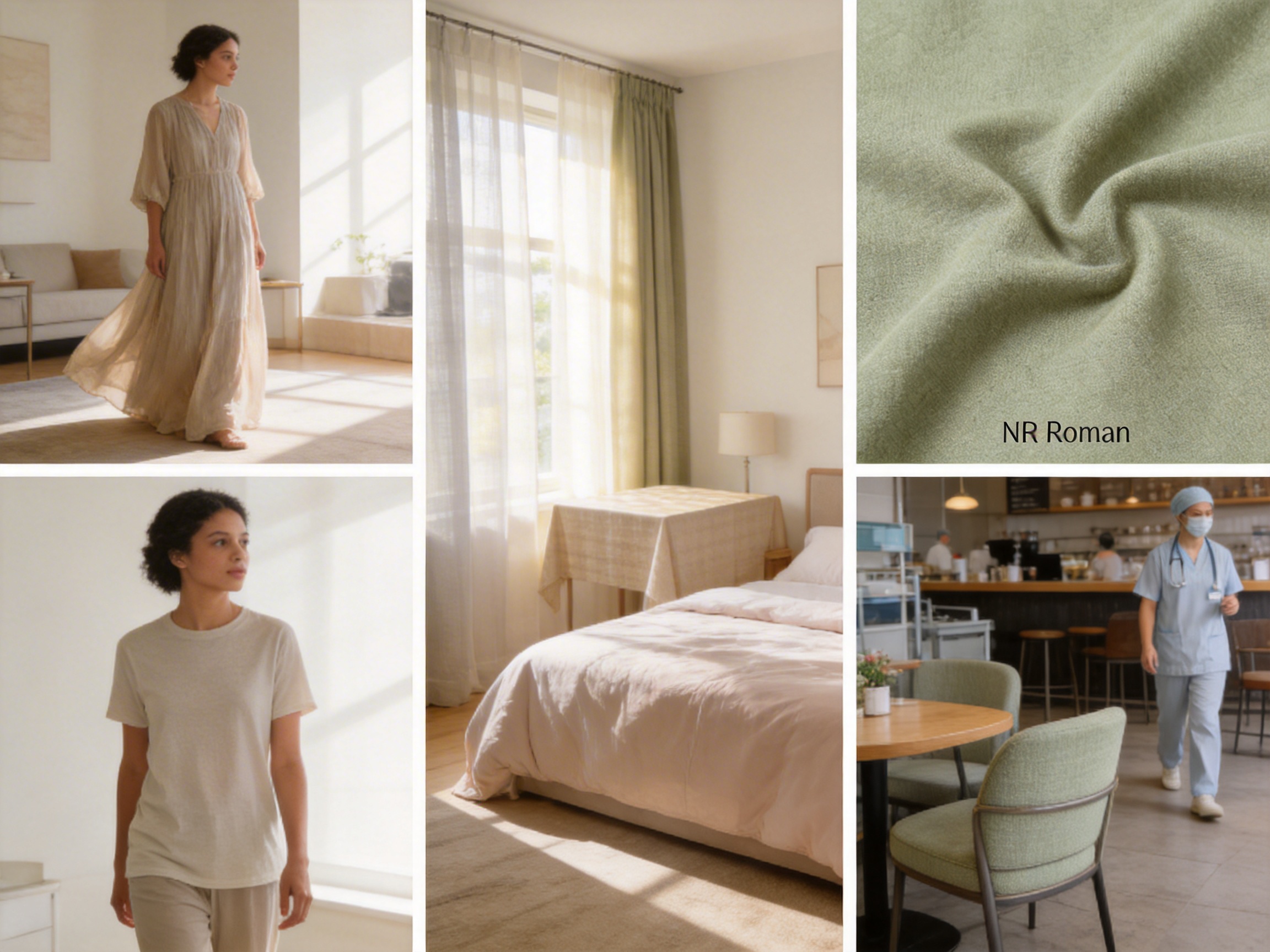
1. Fiber Sourcing: Cotton is ginned and carded to remove impurities; viscose is extruded from wood pulp and cut into staples matching cotton length. 2. Blending: Computer-controlled machines mix cotton and viscose in precise ratios to ensure uniform fiber distribution. 3. Spinning: Blended fibers are spun into yarns using ring-spinning technology—producing strong, even yarns suitable for knitting.
3.2 Knitting: Creating the Fabric Structure
NR Roman Fabric uses weft knitting (circular machines) to create a stretchable, soft texture. Key steps: - Loop Formation: Yarn is fed into needles to form interlocking loops. - Quality Checks: Sensors detect dropped stitches or uneven loops in real time, reducing defects. - Batch Consistency: Machines are calibrated to maintain uniform fabric weight (150-250 GSM) across batches.
3.3 Dyeing and Finishing
1. Dyeing: Reactive dyes (for cotton) and acid dyes (for viscose) are used in low-water systems to ensure vibrant, color-fast results. 2. Finishing: Treatments include: - Softening: Bio-polishing to remove fiber fuzz for a smoother feel. - Wrinkle Resistance: Cross-linking agents to reduce wrinkling without compromising breathability. - Printing: Digital or screen printing for intricate patterns (florals, geometric designs). 3. Quality Testing: Fabric is tested for color fastness (wash, light), shrinkage, and tensile strength.
3.4 Manufacturer Strengths: Hangzhou Jinfeng Textile Co., Ltd
Hangzhou Jinfeng Textile Co., Ltd stands out for: - Vertical Integration: Produces its own DTY (Drawn Textured Yarn) polyester yarn, controlling the entire supply chain. - Scale: 32.6-acre facility with 18,000 sqm of plant space, enabling large-volume production. - Customization: Offers tailored ratios, colors, and finishes for B2B clients (designers, retailers). - Export Expertise: Self-employed export model ensures direct, timely delivery to global markets.
4. Real-World Applications of NR Roman Fabric
NR Roman Fabric’s versatility translates to diverse use cases:
4.1 Clothing
- Everyday Wear: Soft, breathable t-shirts and loungewear sets (ideal for sensitive skin). - Formal Wear: Flowy maxi dresses and silk-like blouses (drape enhances elegance). - Baby Clothes: Hypoallergenic onesies and swaddles (gentle on delicate skin, easy to wash). - Activewear: Lightweight yoga tops (stretch allows movement, breathability prevents overheating).
4.2 Home Textiles
- Curtains: Sheer or opaque options (let in light while providing privacy). - Table Linens: Stain-resistant tablecloths (vibrant colors complement any decor). - Bedding: Soft pillowcases and duvet covers (breathable, hypoallergenic).
4.3 Industrial Use Cases
- Uniforms: Lightweight, durable scrubs and office uniforms (comfort for long shifts). - Upholstery: Soft, stain-resistant furniture covers (ideal for cafes and hotels).
5. Q&A Section: Common Queries About NR Roman Fabric
Q1: Is NR Roman Fabric suitable for sensitive skin?
A1: Yes. The cotton-viscose blend is hypoallergenic, free from harsh chemicals, and gentle on sensitive skin or eczema-prone areas.
Q2: How do I care for NR Roman Fabric garments?
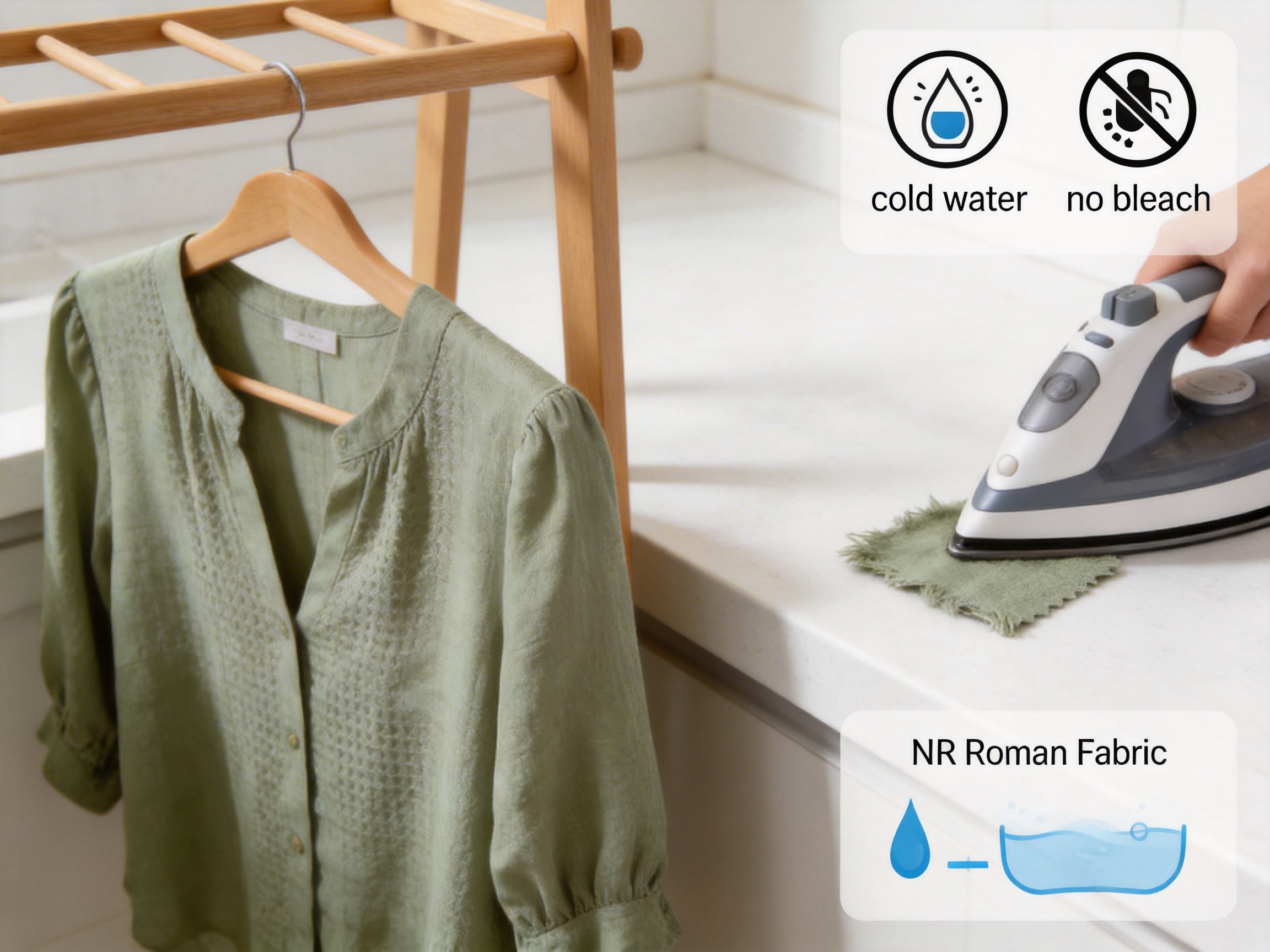
A2: Machine wash in cold water on a gentle cycle; avoid bleach or fabric softeners. Hang dry or tumble dry on low heat; iron on a low setting if needed.
Q3: Can NR Roman Fabric be used for outdoor clothing?
A3: Yes. With a water-repellent finish, it becomes suitable for light rain; the cotton component ensures breathability during outdoor activities.
Q4: Where is NR Roman Fabric manufactured?
A4: Leading producers include Hangzhou Jinfeng Textile Co., Ltd (China), which specializes in high-quality blended fabrics for global markets.
Q5: Is NR Roman Fabric biodegradable?
A5: Yes. Cotton is fully biodegradable, and viscose breaks down in 1-5 years (faster than synthetic fabrics like polyester).
Q6: Can I customize NR Roman Fabric for my brand?
A6: Yes. Manufacturers like Hangzhou Jinfeng offer custom ratios, colors, patterns, and finishing treatments to meet brand-specific needs.
6. Conclusion
NR Roman Fabric is a game-changing textile that balances natural comfort, practical performance, and aesthetic appeal. Its cotton-viscose blend solves the limitations of single-fiber fabrics, making it ideal for clothing, home textiles, and industrial use. Leading manufacturers like Hangzhou Jinfeng Textile Co., Ltd leverage vertical integration and advanced technology to produce high-quality, customizable fabric for global clients.
As consumer demand for sustainable, versatile textiles grows, NR Roman Fabric will continue to be a top choice for designers and consumers alike—offering the best of both natural and semi-synthetic fibers.
References
1. Textile Institute. (2022). *Handbook of Textile Fibres, Yarns and Fabrics*. Manchester: Textile Institute Press.
2. Smith, J. & Jones, A. (2021). *Sustainable Textiles: Production and Applications*. CRC Press: New York.
3. Wang, L. et al. (2020). *Performance Analysis of Cotton-Viscose Blended Knits*. Journal of Textile Research, 41(3), 123-135.
4. International Textile Manufacturers Federation. (2023). *Global Textile Industry Sustainability Report*. Geneva: ITMF.
5. Hangzhou Jinfeng Textile Co., Ltd. (2022). *Product Catalog: Blended Fabrics and Yarns*. Hangzhou: Hangzhou Jinfeng Press.
