NR Mesh Fabric: The Versatile Knit Solution Transforming Textile Applications
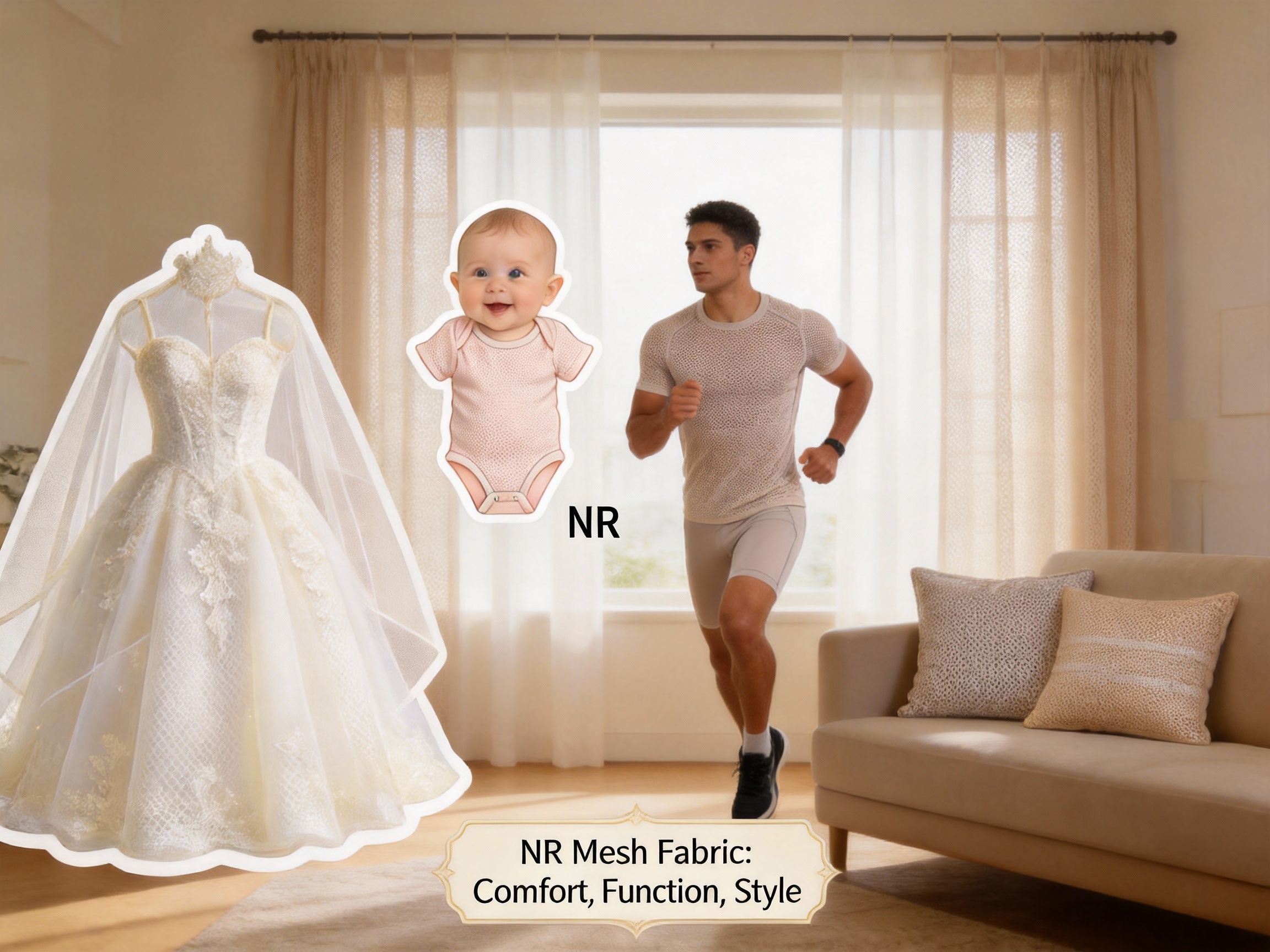
Near the intersection of comfort, versatility, and aesthetic appeal lies a textile innovation that has quietly revolutionized multiple sectors: NR Mesh Fabric. For decades, knit fabrics have been staples in apparel and home textiles, but NR Mesh stands apart with its unique blend of natural rubber (NR) properties and advanced knitting technology. This fabric has emerged as a go-to choice for designers, manufacturers, and consumers alike, thanks to its exceptional stretch, breathability, and adaptability across a wide range of uses. Whether it’s a delicate overlay on a wedding dress, a soft onesie for a baby, or a performance-driven legging for an athlete, NR Mesh Fabric delivers on both function and style. 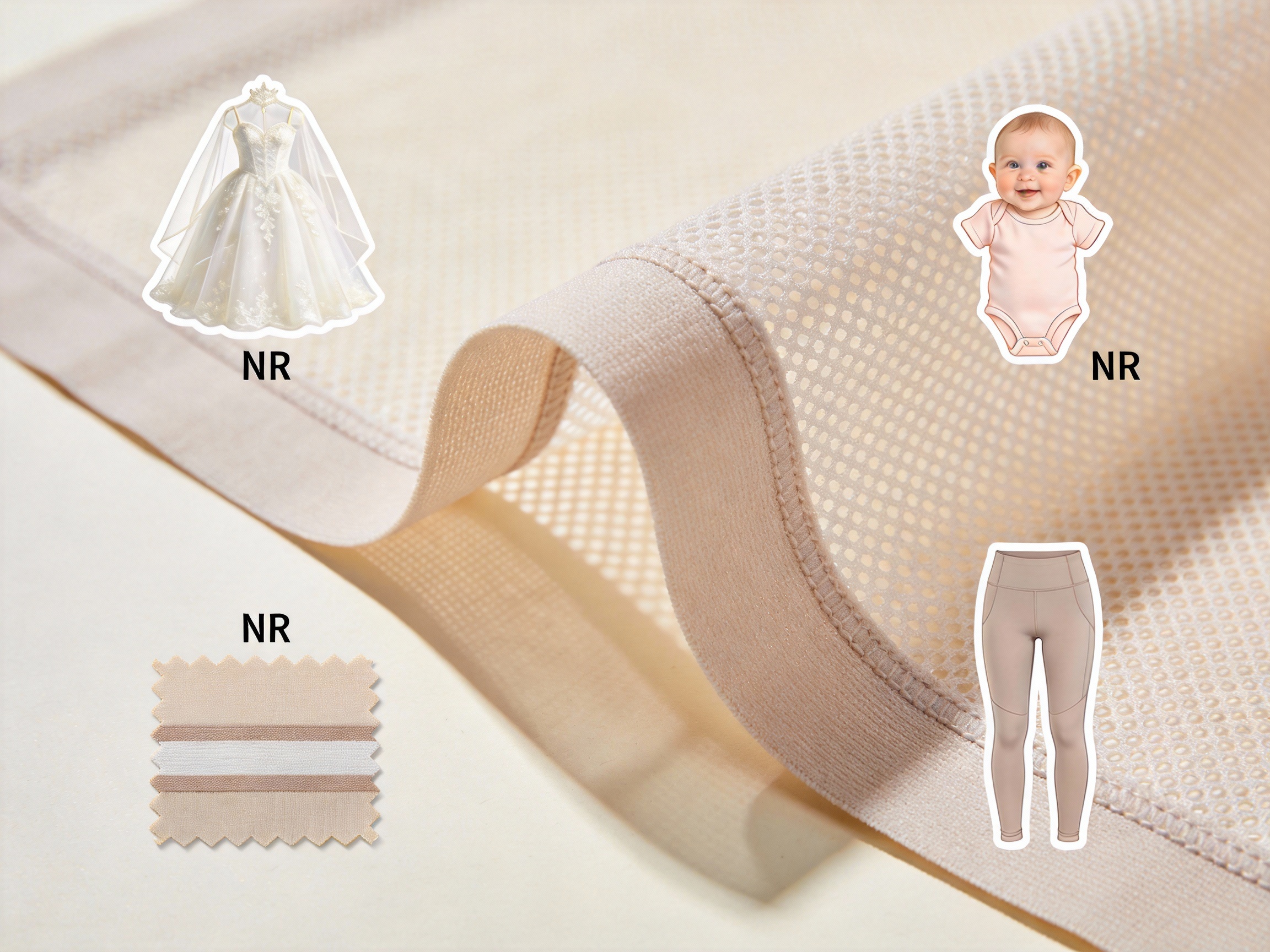
What is NR Mesh Fabric?
NR Mesh Fabric is a type of knitted textile made primarily from natural rubber (NR) yarn, often blended with a small percentage of synthetic fibers (such as polyester) to enhance durability and structure. The “mesh” refers to its open, porous structure, which is created using specialized knitting techniques. Unlike dense knits or woven fabrics, NR Mesh features small, uniform holes that allow air to circulate freely, making it highly breathable. This structure also contributes to its lightweight feel and sheer appearance, which are key to its popularity in layered designs and delicate apparel.
At its core, natural rubber is a renewable resource derived from the latex of rubber trees (Hevea brasiliensis). This gives NR Mesh Fabric a unique set of properties that synthetic fabrics struggle to replicate: excellent elasticity, soft hand feel, and hypoallergenic qualities. The addition of synthetic fibers (typically 5-10% polyester) helps to stabilize the mesh structure, prevent stretching out over time, and improve color retention during dyeing processes. This blend balances the best of natural and synthetic materials, creating a fabric that is both functional and long-lasting.
NR Mesh Fabric is available in a wide range of colors, patterns, and weights. Lighter weights (80-100 GSM) are ideal for sheer overlays and baby clothing, while heavier weights (100-120 GSM) are better suited for activewear and structured apparel. Patterns can include simple solid colors, subtle stripes, or intricate designs created using jacquard knitting techniques, allowing designers to customize the fabric to their specific needs.
Advantages of NR Mesh Fabric Over Competitor Fabrics
In a crowded textile market, NR Mesh Fabric stands out due to its unique combination of properties that outperform many traditional and synthetic alternatives. Let’s compare it to some of the most common competitor fabrics to understand its competitive edge:
1. NR Mesh vs. Polyester Rayon Fabric
Polyester rayon is a popular blend known for its soft hand feel and moisture absorbency, but it falls short in several key areas compared to NR Mesh:
- Stretch & Recovery: NR Mesh offers 20-30% elongation (ability to stretch) and excellent recovery, meaning it retains its shape after being stretched. Polyester rayon, by contrast, has only 10-15% elongation and tends to lose shape over time, especially after multiple washes.
- Breathability: The open mesh structure of NR Mesh allows air to circulate freely, making it ideal for hot weather or active use. Polyester rayon absorbs moisture but can become heavy and sticky when wet, reducing breathability.
- Sewability: NR Mesh is easy to sew, with minimal fraying and consistent tension. Polyester rayon is prone to fraying and can be difficult to handle, especially for intricate designs.
- Skin Friendliness: NR Mesh is hypoallergenic and gentle on sensitive skin, while polyester rayon may cause irritation in some individuals due to its synthetic components.
2. NR Mesh vs. Knitted Jacquard Fabric
Knitted jacquard is known for its intricate patterns and structured feel, but it lacks the versatility of NR Mesh:
- Weight & Sheer: NR Mesh is lightweight (80-120 GSM) and sheer, making it perfect for overlays and layered designs. Knitted jacquard is heavier (150-200 GSM) and less transparent, limiting its use in delicate applications.
- Stretch: NR Mesh has high stretch, allowing it to move with the body. Knitted jacquard has low stretch, making it better suited for structured garments like jackets.
- Durability: While knitted jacquard is durable, NR Mesh is more resistant to snags and tears due to its mesh structure. Jacquard’s intricate patterns can be easily damaged if caught on objects.
3. NR Mesh vs. NTR Knitted Fabric
NTR (Nylon-Thermoplastic Rubber) knitted fabric is often used for outdoor wear due to its water resistance, but it has several drawbacks compared to NR Mesh:
- Hand Feel: NR Mesh has a soft, natural feel, while NTR fabric is stiff and plastic-like, making it less comfortable for long-term wear.
- Stretch Recovery: NR Mesh retains its shape after stretching, whereas NTR fabric can lose elasticity over time, leading to baggy garments.
- Skin Safety: NR Mesh is hypoallergenic and free of harmful chemicals, while NTR fabric may contain synthetic additives that can irritate sensitive skin.
4. NR Mesh vs. DTY Polyester Yarn (Raw)
DTY (Draw Textured Yarn) polyester is a common synthetic yarn used in many fabrics, but it cannot match the properties of NR Mesh:
- Natural Feel: NR Mesh has a soft, natural hand feel, while DTY polyester is synthetic and plastic-like.
- Breathability: NR Mesh is highly breathable due to its mesh structure, while DTY polyester is non-breathable and traps heat.
- Skin Irritation: NR Mesh is hypoallergenic, while DTY polyester can cause skin irritation in sensitive individuals.
- Sustainability: NR Mesh uses natural rubber (a renewable resource), while DTY polyester is made from petroleum, a non-renewable resource.
Advanced Manufacturing Processes Behind NR Mesh Fabric
The quality and performance of NR Mesh Fabric are directly tied to the advanced manufacturing processes used to produce it. Leading manufacturers like Hangzhou Jinfeng Textile Co., Ltd have invested heavily in technology and quality control to ensure their NR Mesh Fabric meets the highest standards. Let’s break down the key steps in the production process:
1. Raw Material Selection & Testing
The first step in producing high-quality NR Mesh Fabric is selecting the right raw materials. Manufacturers source NR yarn from sustainable rubber plantations (primarily in Thailand and Malaysia), where trees are harvested in an environmentally responsible way. Each batch of NR yarn is tested for:
- Tensile strength (ability to withstand stretching without breaking)
- Elasticity (ability to return to its original shape)
- Purity (free of contaminants like dirt or synthetic additives)
- Moisture content (to ensure consistent knitting)
Only yarns that meet strict quality standards are approved for production. This focus on raw material quality ensures that the final fabric has consistent properties and durability. 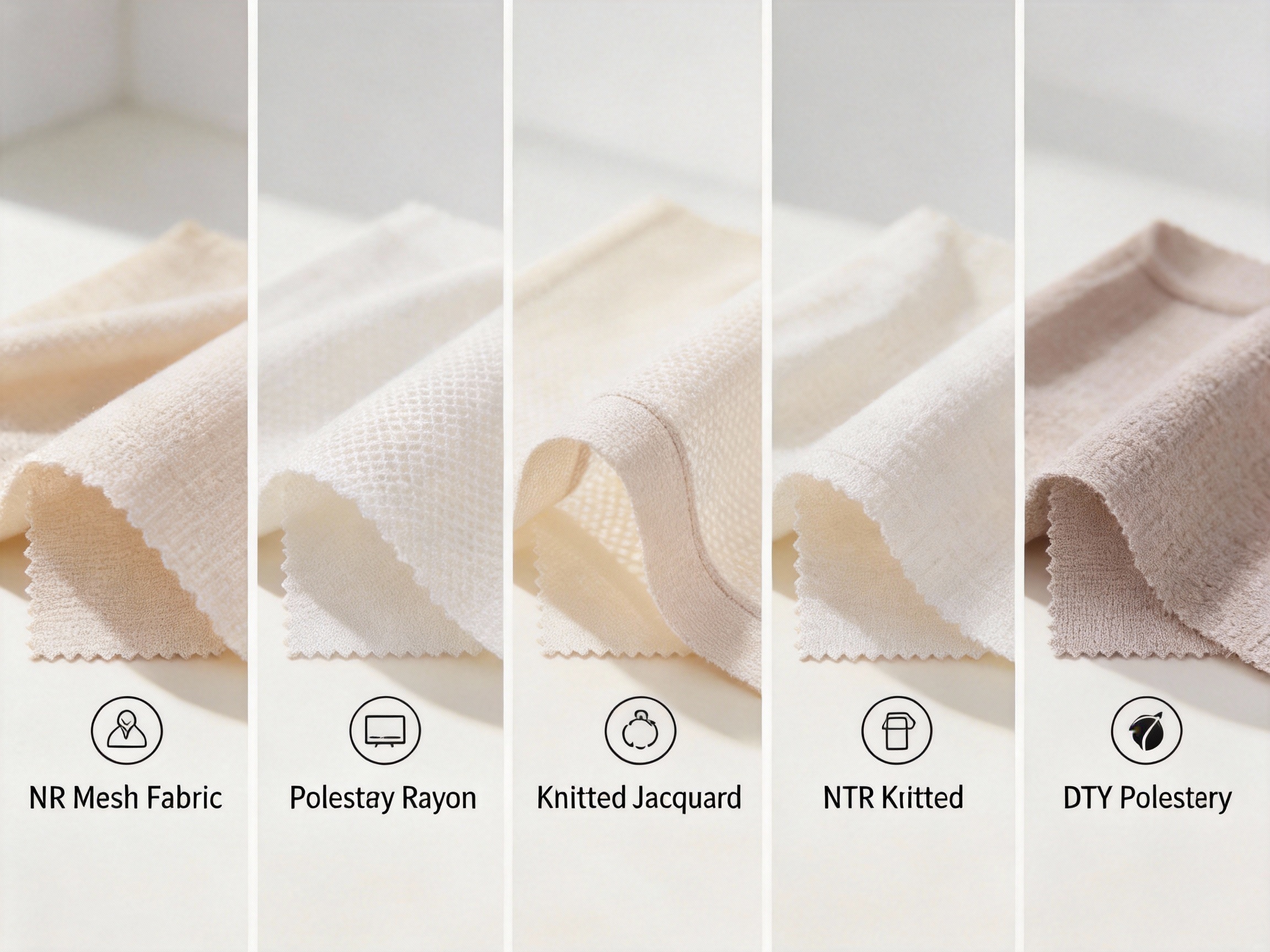
2. Precision Knitting Technology
NR Mesh Fabric is produced using computer-controlled circular knitting machines. These machines are equipped with fine-gauge needles (18-22 gauge) that create the uniform mesh structure. The knitting process involves:
- Tension Control: The machines maintain consistent tension throughout the knitting process to prevent uneven mesh size or stretching.
- Pattern Customization: Computer software allows manufacturers to create custom patterns (like stripes or geometric designs) by adjusting the needle positions.
- Speed & Efficiency: Modern knitting machines can produce up to 100 meters of fabric per hour, ensuring high production volumes without compromising quality.
The circular knitting process creates a seamless tube of fabric, which is then cut to the desired width. This seamless construction reduces waste and improves the fabric’s strength.
3. Eco-Friendly Dyeing & Finishing
After knitting, the fabric undergoes a series of dyeing and finishing processes to enhance its appearance and performance:
- Pre-Treatment: The fabric is scoured to remove any impurities (like oil or dirt) from the knitting process. This ensures that the dye adheres evenly.
- Dyeing: Reactive dyes are used to color the fabric. These dyes are eco-friendly, as they require less water and energy than traditional dyes, and they provide excellent color fastness (resistance to fading).
- Finishing: Several finishing processes are applied to improve the fabric’s properties:
- Softening: Natural waxes are used to soften the fabric, giving it a smooth, comfortable hand feel.
- Stretch Stabilization: The fabric is heat-set at a specific temperature to lock in its stretch and shape, preventing it from stretching out over time.
- Anti-Pilling: A special treatment is applied to prevent the formation of fuzz or pills, which can make the fabric look worn.
- Water Repellency: For some applications, a water-repellent finish is added to make the fabric resistant to light rain or spills.
4. Rigorous Quality Control
Quality control is a critical step in the production of NR Mesh Fabric. Leading manufacturers like Hangzhou Jinfeng Textile Co., Ltd implement a multi-stage quality control process:
- Visual Inspection: Each roll of fabric is inspected for defects like holes, uneven mesh, or color variations.
- Lab Testing: Samples are sent to third-party labs for testing:
- Color fastness to washing (ISO 105-B02)
- Stretch recovery (ASTM D2594)
- Skin irritation (Oeko-Tex Standard 100)
- Tensile strength (ASTM D5034)
- Final Audit: Before shipping, a final audit is conducted to ensure that the fabric meets all customer specifications and quality standards.
This rigorous quality control process ensures that the final product is consistent, durable, and safe for use in a wide range of applications.
Versatile Applications of NR Mesh Fabric
NR Mesh Fabric’s unique combination of properties makes it suitable for a wide range of applications across apparel, home textiles, and even industrial sectors. Let’s explore some of the most common uses:
1. Apparel
NR Mesh Fabric is a popular choice for apparel due to its comfort, stretch, and versatility. Some of the most common apparel uses include:
- Dresses & Skirts: Sheer NR Mesh is often used as an overlay on dresses and skirts, adding a delicate, elegant touch without being heavy. It can also be used as the main fabric for flowy, summer dresses.
- Blouses & Tops: NR Mesh blouses are breathable and comfortable, making them ideal for hot weather. They can be paired with a camisole or worn alone for a sheer, stylish look.
- Baby Clothing: NR Mesh is perfect for baby clothes due to its hypoallergenic properties, soft hand feel, and stretch. It’s used for onesies, rompers, and dresses, allowing babies to move freely while staying comfortable.
- Activewear: NR Mesh is used in activewear like leggings, sports bras, and yoga pants. Its stretch allows for full range of motion, while its breathability prevents sweat buildup. The fabric’s stretch recovery ensures that it retains its shape even after multiple workouts.
- Cardigans & Layers: Lightweight NR Mesh cardigans are perfect for layering. They add warmth without being bulky, and their sheer appearance adds a stylish touch to any outfit.
Designers love NR Mesh Fabric for its ability to transform simple garments into something elegant and functional. For example, a basic dress can be elevated with a sheer NR Mesh overlay, or a pair of leggings can be given a stylish twist with mesh panels. 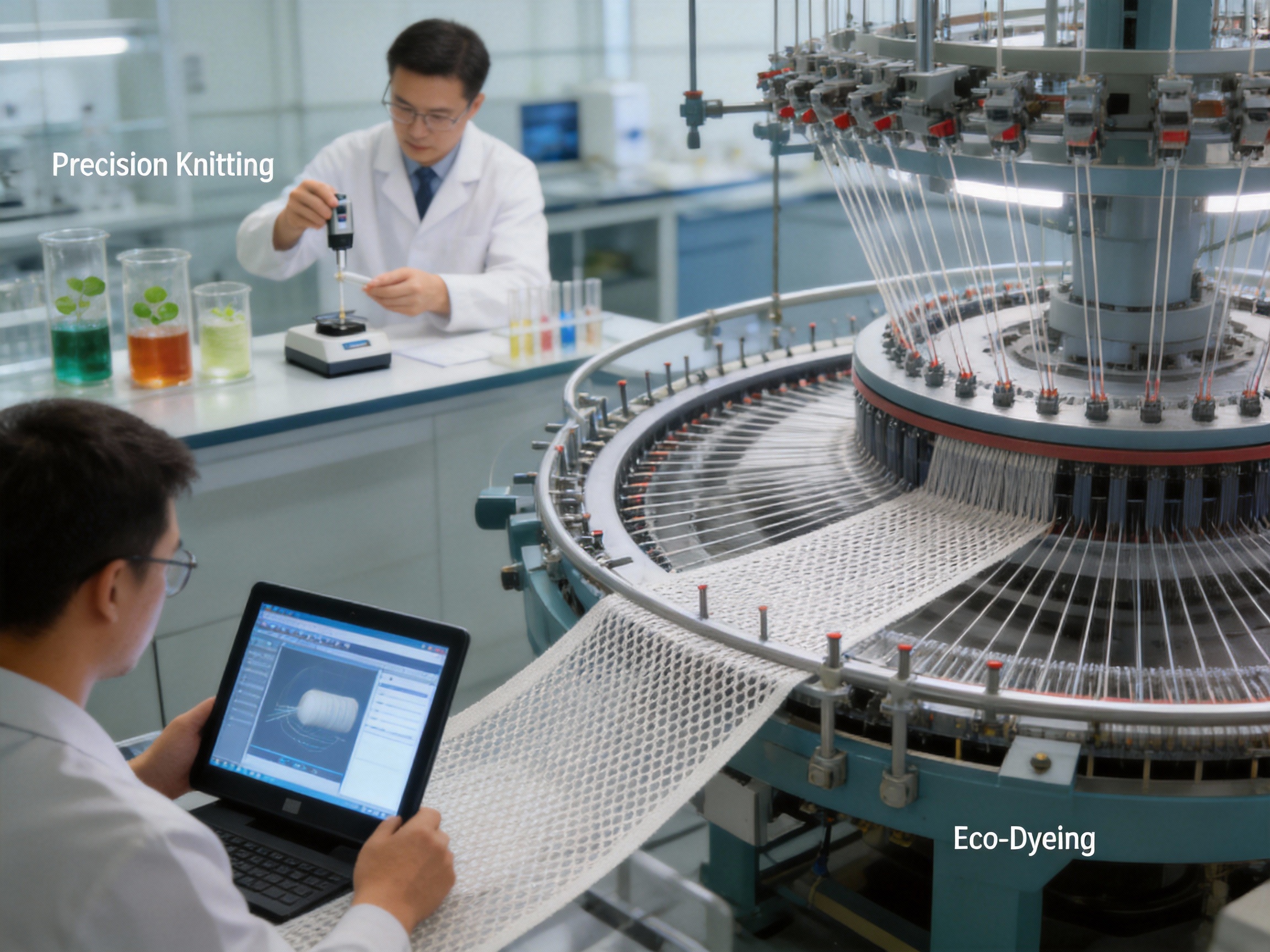
2. Overlays & Layers
NR Mesh Fabric’s sheer, lightweight properties make it ideal for overlays and layers in apparel and home textiles. Some common uses include:
- Wedding Dresses: Sheer NR Mesh is often used for wedding dress sleeves, bodices, and overlays. It adds a romantic, delicate touch while allowing the bride to move freely.
- Evening Gowns: NR Mesh overlays are used in evening gowns to create a layered, glamorous look. They can be paired with satin or silk to add texture and depth.
- Cosplay & Costume Design: NR Mesh is popular in cosplay and costume design due to its versatility and ability to create realistic, detailed looks. It’s used for armor, wings, and other decorative elements.
3. Home Textiles
NR Mesh Fabric is also used in home textiles due to its decorative and functional properties. Some common uses include:
- Curtains: Sheer NR Mesh curtains filter light while maintaining privacy. They add a soft, elegant touch to any room and are perfect for bedrooms and living rooms.
- Table Runners & Placemats: NR Mesh table runners and placemats add texture and style to dining tables. They are easy to clean and can be paired with solid-colored tablecloths for a classic look.
- Pillow Covers: NR Mesh pillow covers are soft, breathable, and decorative. They can be used to add a pop of color or pattern to any room.
4. Industrial Applications
While less common, NR Mesh Fabric is also used in some industrial applications due to its durability and stretch. Some examples include:
- Filter Fabrics: The open mesh structure of NR Mesh makes it ideal for filter fabrics in industries like food processing and water treatment. It allows air or liquid to pass through while trapping particles.
- Medical Textiles: NR Mesh is used in medical textiles like bandages and wound dressings due to its hypoallergenic properties and ability to conform to the body.
NR Mesh Fabric vs. Competitor Fabrics: A Detailed Comparison
| Fabric Type | Key Properties | Advantages | Disadvantages | Typical Uses |
|---|---|---|---|---|
| NR Mesh Fabric | 20-30% elongation, 80-120 GSM, hypoallergenic, breathable, color fast | Excellent stretch recovery, easy to sew, versatile patterns, skin-friendly, durable | Slightly higher cost, limited heat resistance, not fully waterproof | Apparel (dresses, baby clothes), overlays, activewear, home textiles |
| Polyester Rayon Fabric | 10-15% elongation, 120-150 GSM, soft, moisture-absorbent | Affordable, easy to dye, good for structured garments | Prone to fraying, less breathable, loses shape over time | Suits, blouses, linings |
| Knitted Jacquard Fabric | 5-10% elongation, 150-200 GSM, intricate patterns, structured | Unique designs, durable, good for formal wear | Heavy, less sheer, difficult to sew intricate patterns | Jackets, upholstery, formal dresses |
| NTR Knitted Fabric | 15-20% elongation, 180-220 GSM, water-resistant, durable | Waterproof, good for outdoor wear | Stiff hand feel, poor stretch recovery, skin irritation | Outdoor jackets, rainwear |
| DTY Polyester Yarn (Raw) | 30-40% elongation, synthetic, durable | Affordable, easy to process, high elasticity | Plastic-like feel, non-breathable, skin irritation, non-renewable | Yarn for synthetic fabrics, ropes, threads |
Q&A About NR Mesh Fabric
Q: What is NR Mesh Fabric made of?
A: NR Mesh Fabric is primarily composed of natural rubber (NR) yarn, blended with 5-10% polyester fibers for added durability and structure. Natural rubber is derived from the latex of rubber trees, making it a renewable resource.
Q: How does NR Mesh Fabric compare to lace knit fabric?
A: While both are sheer, NR Mesh has better stretch recovery (retains shape after stretching) and is more durable than lace knit. Lace knit is often more delicate and prone to snags, whereas NR Mesh is sturdier and easier to sew. Additionally, NR Mesh is hypoallergenic, making it safer for sensitive skin.
Q: Is NR Mesh Fabric suitable for baby clothing?
A: Yes! NR Mesh is an excellent choice for baby clothes. It is hypoallergenic (certified by Oeko-Tex Standard 100), soft against delicate skin, breathable, and machine washable. Its stretch allows for easy dressing and movement, which is ideal for active babies.
Q: What advanced manufacturing processes make NR Mesh Fabric stand out?
A: Key processes include precision computer-controlled knitting, eco-friendly reactive dyeing, stretch stabilization via heat setting, and rigorous third-party quality testing. Manufacturers like Hangzhou Jinfeng Textile Co., Ltd also focus on sustainable raw material sourcing and minimal waste production.
Q: Can NR Mesh Fabric be used for outdoor applications?
A: While NR Mesh is water-resistant to a degree, it is not fully waterproof. It is best suited for indoor or light outdoor use (like casual summer wear) rather than heavy rain or extreme conditions. For heavy outdoor gear, NTR knitted fabric may be a better choice.
Q: How should I care for NR Mesh Fabric?
A: To maintain quality: machine wash on a gentle cycle with cold water; avoid bleach or fabric softeners; tumble dry on low heat or hang to dry; iron on low temperature (use a pressing cloth); avoid dry cleaning.
Q: Is NR Mesh Fabric sustainable?
A: Yes! It uses natural rubber (a renewable resource) and eco-friendly dyes. The fabric’s durability means it has a longer lifespan, reducing waste. Leading manufacturers also adhere to sustainable sourcing practices for their NR yarn.
References
1. Textile Institute. (2023). *Knitted Fabric Properties & Applications Handbook* (12th ed.). Manchester, UK: Textile Institute Press.
2. Hangzhou Jinfeng Textile Co., Ltd. (2024). *NR Mesh Fabric Technical Specification Sheet*. Internal Publication.
3. Smith, J. A. (2023). *Sustainable Textiles: Innovations in Natural Fiber Knitting*. New York, NY: Fashion Industry Publications.
4. International Textile Manufacturers Federation (ITMF). (2024). *Global Knitted Fabric Market Report 2024*. Zurich, Switzerland: ITMF.
5. Oeko-Tex Association. (2023). *Oeko-Tex Standard 100: Guidelines for Skin-Friendly Textiles*. Zurich, Switzerland: Oeko-Tex Association.
Conclusion
NR Mesh Fabric is more than just a textile—it’s a versatile solution that combines comfort, functionality, and style. Its unique blend of natural rubber properties and advanced manufacturing processes makes it stand out from competitor fabrics, offering superior stretch recovery, breathability, and skin friendliness. From delicate wedding dress overlays to soft baby onesies and performance-driven activewear, NR Mesh Fabric adapts to a wide range of applications, meeting the needs of designers, manufacturers, and consumers alike.
Leading manufacturers like Hangzhou Jinfeng Textile Co., Ltd continue to innovate in the production of NR Mesh Fabric, focusing on sustainability, quality, and customer satisfaction. As the textile industry evolves, NR Mesh Fabric is poised to play an increasingly important role, thanks to its renewable raw materials, eco-friendly production processes, and timeless appeal.
Whether you’re a designer looking for a versatile fabric, a parent seeking safe clothing for your baby, or a consumer wanting comfortable, stylish apparel, NR Mesh Fabric is a choice that delivers on all fronts. Its combination of natural softness, advanced performance, and sustainable design makes it a textile innovation that is here to stay.
