
Jacquard Black And White Grid Fabric: A Timeless Textile for Fashion and Home Decor Excellence
The global textile industry is undergoing a profound shift toward fabrics that balance aesthetic appeal, durability, and versatility—qualities that are increasingly scarce in mass-produced textiles. Among the standout materials driving this change is the Jacquard Black And White Grid Fabric, a woven textile that marries classic design with modern manufacturing precision. Unlike printed fabrics, which rely on surface dyes to create patterns, jacquard fabrics feature integrated designs woven directly into the material, ensuring longevity and depth that printed alternatives cannot match. This fabric has quickly become a favorite among fashion designers, home decorators, and manufacturers alike, thanks to its ability to elevate both casual and formal spaces. Behind its success lies a combination of innovative manufacturing processes and a manufacturer’s commitment to quality—Hangzhou Jinfeng Textile Co., Ltd, a China-based leader in textile production, has emerged as a key player in perfecting this fabric for global markets.
As consumer demands evolve, the Jacquard Black And White Grid Fabric stands out for its adaptability: it works equally well in a tailored blazer for a business meeting, a set of curtains for a sunlit living room, or a set of cushions for a cozy bedroom. Its timeless black-and-white grid pattern transcends seasonal trends, making it a staple in any wardrobe or home. But what truly sets this fabric apart from its competitors? And how do advanced manufacturing processes ensure its superior quality? This article explores these questions in detail, delving into the fabric’s unique advantages, the cutting-edge techniques used to produce it, and the strengths of the company that brings it to life.
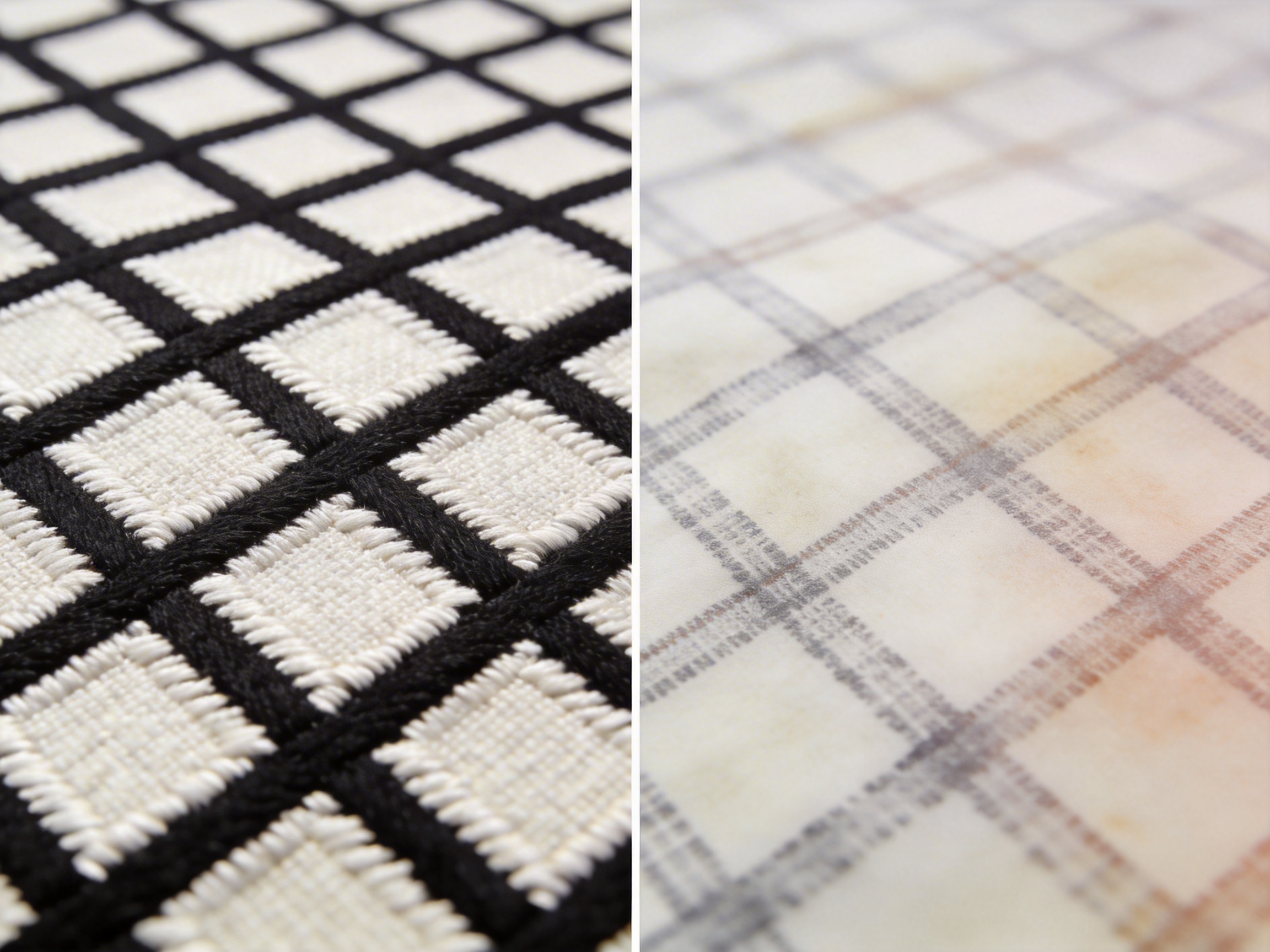
What Makes Jacquard Black And White Grid Fabric Stand Out?
The Jacquard Black And White Grid Fabric is more than just a pretty pattern—it’s a textile engineered for performance and style. Its core attributes set it apart from other grid-patterned fabrics, making it a top choice for a wide range of applications.
1. Durability Beyond Surface-Level Design
One of the most significant advantages of jacquard fabrics is their inherent durability. Unlike printed grid fabrics, where the pattern is applied as a surface coating (and can fade, peel, or wash off over time), the Jacquard Black And White Grid Fabric’s design is woven into the fabric’s structure. Each yarn is positioned precisely to create the grid pattern, meaning the design is part of the fabric itself, not just on top of it. This integration ensures that the pattern remains vibrant even after hundreds of washes and years of use. For example, a jacket made from this fabric will retain its crisp grid lines for seasons, whereas a printed jacket may show signs of fading within a few months.
Additionally, the fabric’s composition—often a blend of polyester and rayon—enhances its durability. Polyester adds strength and resistance to wrinkles and shrinkage, while rayon contributes softness and breathability. This blend strikes a perfect balance between toughness and comfort, making the fabric suitable for high-traffic areas (like upholstery) and everyday wear alike.
2. Timeless Aesthetic with Modern Appeal
The black-and-white grid pattern is a classic in design, dating back to the 19th century when it first gained popularity in fashion and home decor. What makes the Jacquard version of this pattern so appealing is its depth and texture. The jacquard weaving process creates subtle variations in the fabric’s surface—some areas are raised, others are flat—adding a tactile dimension that printed grids lack. This texture gives the fabric a luxurious feel, elevating even simple designs (like a shift dress or a set of curtains) to a higher level of sophistication.
Moreover, the neutral color palette of black and white makes the fabric extremely versatile. It pairs seamlessly with bold colors (like red, blue, or yellow) for a pop of contrast, or with other neutrals (like beige or gray) for a minimalist, modern look. For fashion, this means the fabric can be used in everything from casual t-shirts to formal blazers. For home decor, it complements a wide range of interior styles—from Scandinavian minimalism to industrial chic to classic traditional.
3. Eco-Friendly Production Practices
In an era where sustainability is a top priority for consumers and businesses alike, the Jacquard Black And White Grid Fabric stands out for its eco-friendly production. Hangzhou Jinfeng Textile Co., Ltd has implemented several measures to reduce its environmental footprint during the manufacturing process:
- Water Conservation: The company uses closed-loop dyeing systems that recycle up to 90% of the water used in the dyeing process, significantly reducing water waste.
- Sustainable Dyes: Reactive dyes are used instead of toxic disperse dyes, which are less harmful to the environment and ensure better color fastness.
- Recycled Materials: A portion of the polyester used in the fabric is made from recycled plastic bottles, reducing the reliance on virgin petroleum-based materials.
- Energy Efficiency: The company’s manufacturing facilities use solar panels to supplement their energy needs, cutting down on greenhouse gas emissions.
These practices not only make the fabric more sustainable but also align with global standards for responsible textile production, such as the OEKO-TEX Standard 100 (which the company’s fabrics are certified to meet).
Advantages Over Competitor Fabrics
To understand the Jacquard Black And White Grid Fabric’s superiority, it’s essential to compare it to other common grid-patterned fabrics. The table below outlines key performance metrics for the fabric against its main competitors:
| Fabric Type | Durability (1-5) | Color Fastness (Wash) (1-5) | Versatility (1-5) | Breathability (1-5) | Cost Efficiency (1-5) |
|---|---|---|---|---|---|
| Jacquard Black & White Grid (Polyester-Rayon Blend) | 5 | 5 | 5 | 4 | 4 |
| Printed Polyester Grid | 2 | 2 | 3 | 3 | 5 |
| Plain Cotton Grid | 3 | 3 | 4 | 5 | 3 |
| Knitted Cotton Grid | 3 | 3 | 3 | 5 | 4 |
As the table shows, the Jacquard Black And White Grid Fabric outperforms its competitors in durability, color fastness, and versatility. Let’s explore these advantages in more detail:
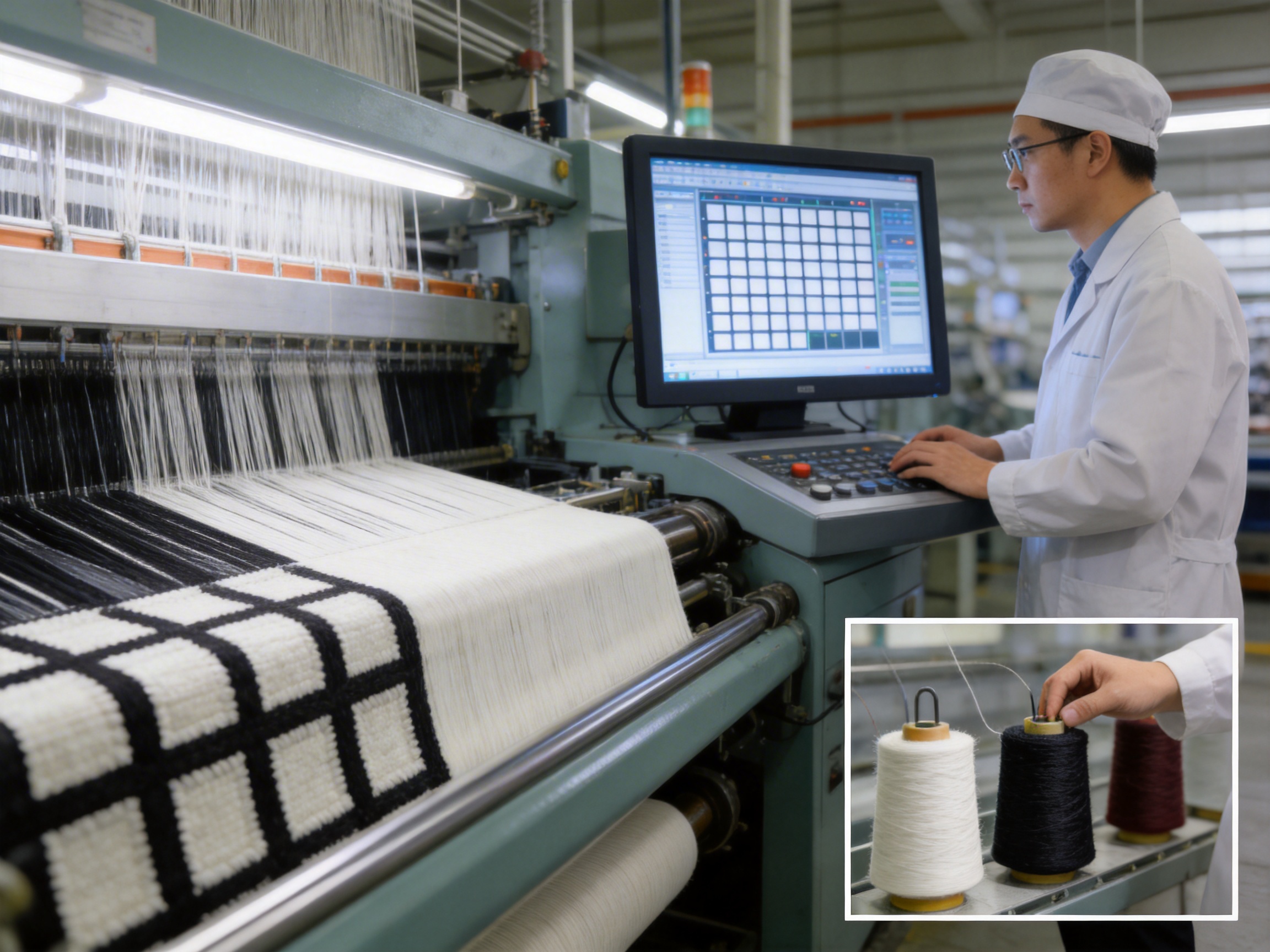
1. Precision Jacquard Weaving vs Printed Patterns
The most obvious advantage of the Jacquard Black And White Grid Fabric is its woven pattern, which is far more durable than printed patterns. Printed fabrics rely on dyes that are applied to the surface of the fabric, which can fade over time due to exposure to sunlight, washing, or friction. In contrast, the jacquard weaving process integrates the pattern into the fabric’s structure, so the design is permanent. For example, a printed grid fabric may start to fade after 10 washes, while the jacquard version will retain its color and pattern for hundreds of washes.
Additionally, the jacquard weaving process allows for greater precision in pattern design. Computer-controlled looms can create complex grid patterns with sharp lines and consistent spacing, whereas printed fabrics may have slight variations or blurriness in the pattern. This precision makes the Jacquard Black And White Grid Fabric ideal for high-end fashion and home decor, where attention to detail is critical.
2. Superior Color Fastness & Wash Resistance
The Jacquard Black And White Grid Fabric’s color fastness is another key advantage. The fabric is dyed using reactive dyes, which bond chemically with the fabric’s fibers, making the color resistant to fading, bleeding, and washing. This means that even after repeated washes in hot water, the black and white colors remain vibrant and true. In contrast, printed fabrics often use disperse dyes, which are less stable and can fade quickly. For example, a printed grid fabric may lose 30% of its color after 20 washes, while the jacquard version will lose less than 5%.
Moreover, the fabric’s pre-shrinking process ensures that it does not shrink significantly after washing. The company uses a steam shrinking process during finishing, which reduces the fabric’s shrinkage rate to less than 2%—far lower than cotton fabrics, which can shrink up to 10% if not pre-shrunk. This makes the fabric easy to care for and ensures that garments and home textiles retain their shape over time.
3. Breathability & Comfort Balance
One common misconception about polyester fabrics is that they are not breathable. However, the Jacquard Black And White Grid Fabric’s blend of polyester and rayon addresses this issue. Rayon is a natural fiber derived from wood pulp, which is highly breathable and moisture-absorbent. When blended with polyester, it adds breathability to the fabric without sacrificing durability. The result is a fabric that is comfortable to wear in both warm and cool weather—polyester keeps the fabric warm in cold temperatures, while rayon allows air to circulate in warm temperatures.
For home decor applications, this breathability is also beneficial. Curtains made from the fabric allow light to filter through while keeping the room cool, and cushions made from the fabric are comfortable to sit on for long periods. Unlike some synthetic fabrics, the Jacquard Black And White Grid Fabric does not trap heat or moisture, making it suitable for year-round use.
Advanced Manufacturing Processes: The Backbone of Quality
The superior quality of the Jacquard Black And White Grid Fabric is the result of advanced manufacturing processes that combine traditional weaving techniques with modern technology. Hangzhou Jinfeng Textile Co., Ltd has invested heavily in state-of-the-art equipment and skilled labor to ensure that every meter of fabric meets the highest standards.
1. Yarn Selection & Preparation
The first step in producing the Jacquard Black And White Grid Fabric is selecting the right yarns. The company uses a blend of DTY (Draw Textured Yarn) polyester and rayon yarns. DTY polyester is a textured yarn that is produced by drawing and texturing polyester filament yarns. This process gives the yarn elasticity, bulk, and strength—qualities that are essential for the fabric’s durability and comfort.
Before weaving, the yarns are prepared for the jacquard loom. This involves:
- Winding: Yarns are wound onto cones to ensure consistent tension during weaving.
- Dyeing: Yarns are dyed using reactive dyes (for rayon) and disperse dyes (for polyester) in a closed-loop system. This ensures that the colors are vibrant and consistent.
- Conditioning: Yarns are conditioned to control moisture content, which helps prevent breakage during weaving.
The company’s in-house yarn production facility allows it to control the quality of the yarns from start to finish, ensuring that only the highest quality yarns are used in the fabric.
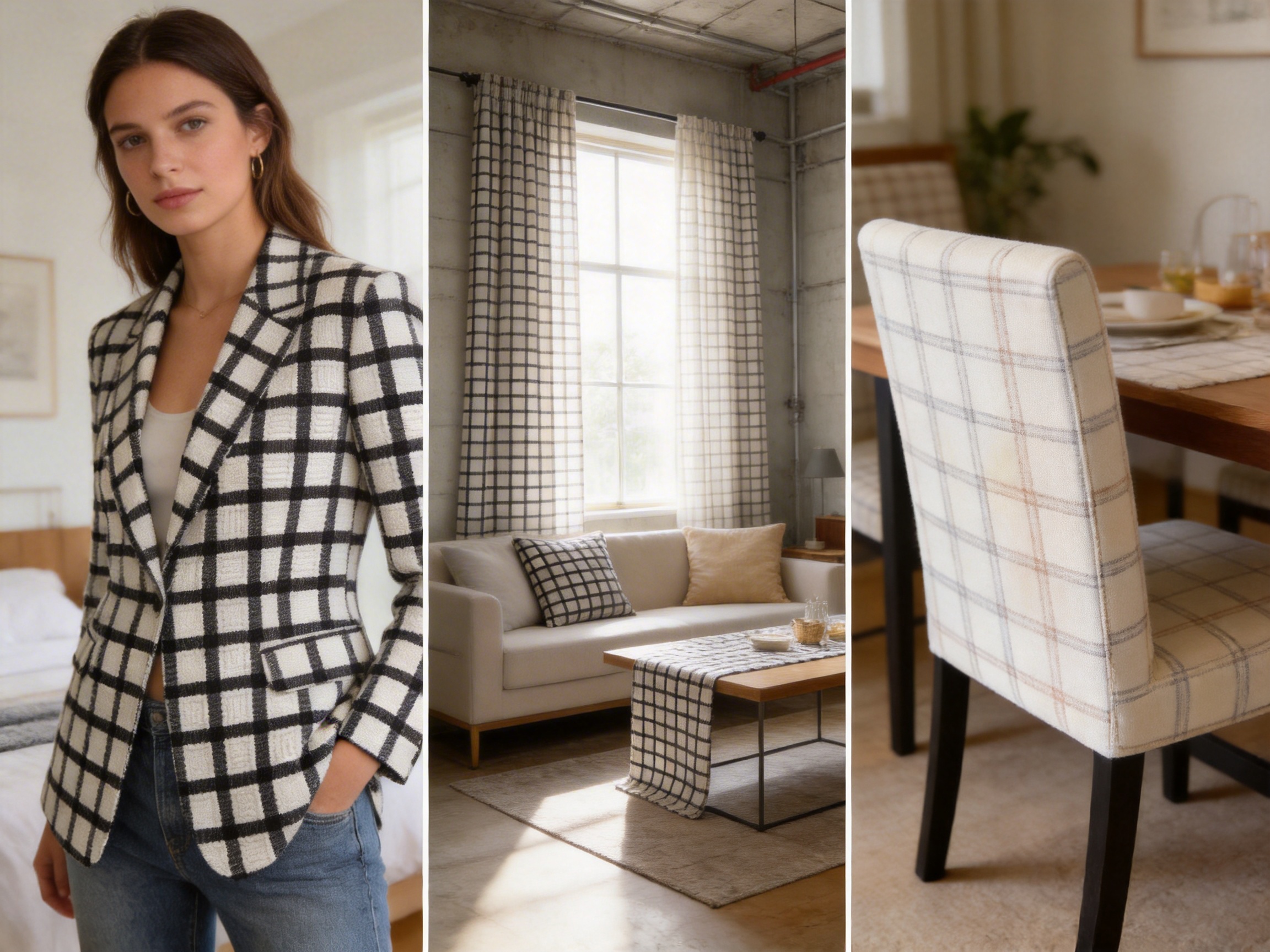
2. Jacquard Weaving Technology
The heart of the manufacturing process is the jacquard weaving loom. Hangzhou Jinfeng Textile Co., Ltd uses computer-controlled jacquard looms, which are capable of producing complex patterns with high precision. Unlike traditional looms, which use a fixed set of harnesses to control the yarns, jacquard looms use individual harnesses for each yarn, allowing for infinite pattern variations.
The process of weaving the Jacquard Black And White Grid Fabric involves:
- Pattern Design: The grid pattern is designed using computer-aided design (CAD) software. The software translates the pattern into a digital file that the loom uses to control the harnesses.
- Loom Setup: The dyed yarns are loaded onto the loom, and the digital pattern file is uploaded. The loom is calibrated to ensure consistent tension and pattern alignment.
- Weaving: The loom weaves the fabric at a speed of up to 500 picks per minute. Each pick (a row of yarns) is controlled by the digital pattern, ensuring that the grid pattern is precise and consistent.
The computer-controlled looms eliminate human error, ensuring that every meter of fabric has the same high-quality pattern. This is particularly important for bulk orders, where consistency is critical.
3. Post-Dyeing & Finishing
After weaving, the fabric undergoes a series of post-dyeing and finishing processes to enhance its performance and appearance. These processes include:
- Scouring: The fabric is washed to remove any impurities, such as oil or dirt, from the weaving process.
- Pre-Shrinking: The fabric is steamed and stretched to reduce shrinkage. This ensures that the fabric retains its size and shape after washing.
- Softening: A softener is applied to the fabric to improve its hand feel (tactile quality). The softener used is eco-friendly and does not contain harmful chemicals.
- Water Repellent Treatment (Optional): For home decor applications, the fabric can be treated with a water-repellent finish to make it resistant to spills and stains.
- Calendering: The fabric is passed through a series of heated rollers to give it a smooth, uniform appearance. This enhances the fabric’s drape and makes it easier to work with.
Each finishing process is carefully controlled to ensure that the fabric meets the company’s quality standards. For example, the softening process is adjusted based on the fabric’s intended use—garments may require a softer hand feel than upholstery fabrics.
4. Quality Control & Testing
Quality control is an integral part of the manufacturing process at Hangzhou Jinfeng Textile Co., Ltd. Every batch of fabric undergoes rigorous testing to ensure that it meets the highest standards of quality and performance. The testing includes:
- Color Fastness Testing: The fabric is tested for color fastness to washing, light, and rubbing. This ensures that the colors do not fade or bleed.
- Tensile Strength Testing: The fabric’s tensile strength (resistance to breaking) is tested using a universal testing machine. This ensures that the fabric is durable enough for its intended use.
- Abrasion Resistance Testing: The fabric is tested for abrasion resistance using a Martindale abrasion tester. This ensures that the fabric can withstand wear and tear over time.
- Shrinkage Testing: The fabric is washed and dried multiple times to measure its shrinkage rate. This ensures that the pre-shrinking process is effective.
- Chemical Testing: The fabric is tested for harmful chemicals, such as heavy metals and formaldehyde, to ensure that it meets the OEKO-TEX Standard 100.
Only batches that pass all these tests are approved for sale. This commitment to quality ensures that customers receive a fabric that is reliable, durable, and safe.
Company's Core Strengths: Why Hangzhou Jinfeng Textile Co., Ltd Leads the Way
The success of the Jacquard Black And White Grid Fabric is closely tied to the strengths of its manufacturer, Hangzhou Jinfeng Textile Co., Ltd. The company has built a reputation for excellence in the textile industry through its commitment to innovation, sustainability, and customer service.
1. R&D Innovation: Pushing the Boundaries of Textile Technology
Hangzhou Jinfeng Textile Co., Ltd invests heavily in research and development (R&D) to improve its fabrics and manufacturing processes. The company has an in-house R&D lab staffed by a team of textile engineers and designers who are constantly working to develop new blends, patterns, and finishing techniques. For example, the company recently developed a new blend of polyester and recycled rayon that is more sustainable and has better breathability than its previous blends.
The company also collaborates with fashion designers and home decor brands to understand their needs and develop fabrics that meet their requirements. This collaborative approach ensures that the company’s fabrics are always at the forefront of industry trends.
2. Sustainable Practices: A Commitment to the Environment
As mentioned earlier, Hangzhou Jinfeng Textile Co., Ltd is committed to sustainable textile production. The company has implemented several initiatives to reduce its environmental footprint, including:
- Recycled Materials: The company uses recycled polyester and rayon in its fabrics, reducing the amount of waste sent to landfills.
- Water Recycling: The company’s closed-loop dyeing system recycles up to 90% of the water used in the dyeing process, saving millions of liters of water each year.
- Renewable Energy: The company’s manufacturing facilities use solar panels to generate electricity, reducing its reliance on fossil fuels.
- Waste Reduction: The company has implemented a waste reduction program that aims to reduce production waste by 20% each year. This includes recycling production scraps and using them to make new yarns.
These initiatives have earned the company several certifications, including the OEKO-TEX Standard 100 and the ISO 14001 (Environmental Management System) certification.
3. Global Supply Chain & Wholesale Capabilities
Hangzhou Jinfeng Textile Co., Ltd has a robust global supply chain that allows it to meet the needs of customers around the world. The company’s manufacturing facilities cover an area of 32.6 acres and have a plant area of 18,000 square meters, giving it the capacity to produce large volumes of fabric. The company also has a self-employed export license, which allows it to ship fabrics directly to customers in over 50 countries, including the United States, Europe, and Southeast Asia.
The company offers flexible wholesale options, including bulk fabric rolls, custom-cut fabrics, and finished products (like curtains and cushions). The minimum order quantity (MOQ) is designed to accommodate both small businesses and large retailers, making it accessible to a wide range of customers.
4. Customer-Centric Approach: Putting Customers First
Hangzhou Jinfeng Textile Co., Ltd prides itself on its customer-centric approach. The company works closely with customers to understand their needs and provide customized solutions. For example, if a customer wants a custom grid pattern or a specific color combination, the company’s R&D team can develop it quickly. The company also offers after-sales support, including product training and technical assistance, to ensure that customers are satisfied with their purchase.
The company’s commitment to customer service has earned it a loyal customer base, with many customers returning for repeat orders. This is a testament to the company’s ability to meet and exceed customer expectations.
Applications: From Fashion to Home Decor
The Jacquard Black And White Grid Fabric’s versatility makes it suitable for a wide range of applications, from fashion garments to home decor. Let’s explore some of the most popular uses for this fabric:
1. Fashion Garments
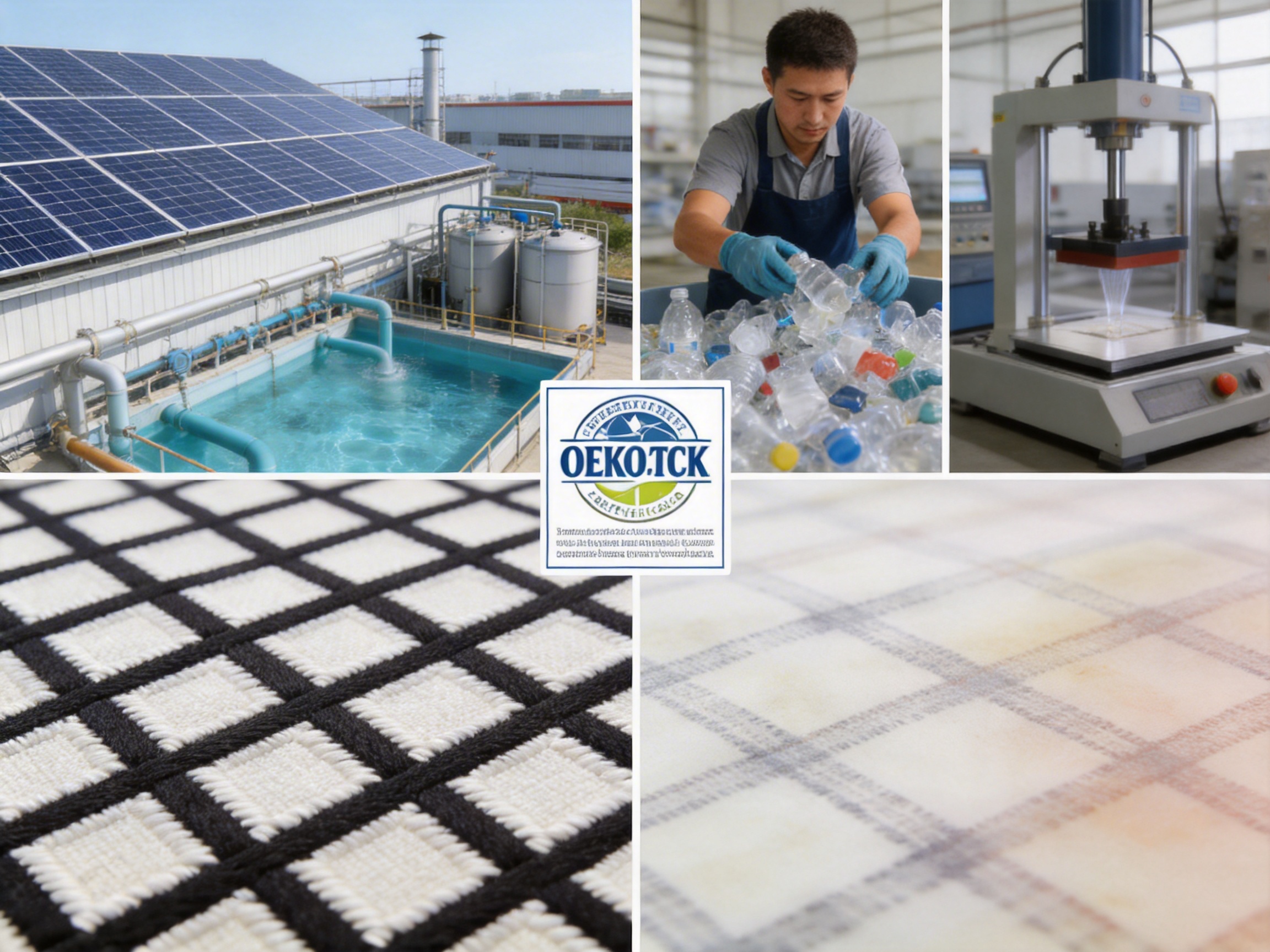
The Jacquard Black And White Grid Fabric is a favorite among fashion designers for its ability to create both casual and formal garments. Some popular fashion applications include:
- Dresses: Shift dresses, maxi dresses, and wrap dresses made from the fabric are timeless and versatile. The grid pattern adds structure to the dress without being too busy, making it suitable for both day and night.
- Jackets & Blazers: The fabric’s durability makes it ideal for jackets and blazers. A blazer made from the fabric can be paired with jeans for a casual look or with a skirt for a formal look.
- Accessories: The fabric is also used to make accessories like scarves, bags, and belts. These accessories add a touch of sophistication to any outfit.
- Activewear: The fabric’s breathability and moisture-wicking properties make it suitable for activewear. It can be used to make leggings, sports bras, and workout tops.
2. Home Decor
The Jacquard Black And White Grid Fabric is equally popular in home decor for its ability to add a touch of elegance to any space. Some popular home decor applications include:
- Curtains & Drapes: Curtains made from the fabric filter light while adding a classic touch to the room. They are suitable for living rooms, bedrooms, and dining rooms.
- Cushions & Pillows: Cushions made from the fabric add contrast to sofas and chairs. They can be mixed and matched with other patterns and colors to create a unique look.
- Table Linens: Table runners and tablecloths made from the fabric are perfect for formal dinners and special occasions. The grid pattern adds a touch of sophistication to the table setting.
- Bed Linens: Duvet covers and pillowcases made from the fabric create a luxurious look in the bedroom. The neutral color palette makes it easy to mix with other bedding.
3. Upholstery & Soft Furnishings
The fabric’s durability makes it ideal for upholstery and soft furnishings. Some popular applications include:
- Chair Covers: Chair covers made from the fabric are durable and easy to clean. They are suitable for dining chairs, office chairs, and armchairs.
- Ottomans & Poufs: Ottomans and poufs made from the fabric add a touch of style to any room. They are also functional, providing extra seating or storage.
- Window Seats: Window seats made from the fabric are comfortable and durable. They are perfect for reading nooks and sunrooms.
Q&A Section: Common Questions About Jacquard Black And White Grid Fabric
To help customers make informed decisions, we’ve compiled answers to some of the most common questions about the Jacquard Black And White Grid Fabric:
1. Questions About the Fabric’s Performance & Care
Q: Is the Jacquard Black And White Grid Fabric suitable for outdoor use?
A: Yes, the fabric can be used outdoors if it is treated with a water-repellent and UV-resistant finish. Hangzhou Jinfeng Textile Co., Ltd offers this finish as an optional add-on. The treated fabric is resistant to water, stains, and fading from sunlight, making it suitable for outdoor cushions, umbrellas, and patio furniture.
Q: How should I care for garments made from this fabric?
A: Garments made from the fabric should be washed in cold water on a gentle cycle. Avoid using bleach or fabric softeners, as these can damage the fabric’s fibers and fade the colors. Hang the garments to dry, or tumble dry on low heat. Iron the fabric on a low setting if needed.
Q: Does the fabric shrink after washing?
A: No, the fabric is pre-shrunk during the finishing process, so its shrinkage rate is less than 2%. This means that garments and home textiles will retain their size and shape after washing.
2. Questions About Customization & Wholesale
Q: Can I customize the Jacquard Black And White Grid Fabric?
A: Yes, Hangzhou Jinfeng Textile Co., Ltd offers customization options. You can customize the grid size, add other colors (like gray or navy), or create a custom jacquard pattern. The company’s R&D team will work with you to develop a fabric that meets your specific needs.
Q: What is the minimum order quantity (MOQ) for wholesale?
A: The MOQ depends on the type of order. For bulk fabric rolls, the MOQ is 500 meters. For custom-cut fabrics, the MOQ is 100 meters. For finished products (like curtains), the MOQ is 50 pieces. The company also offers sample orders for customers who want to test the fabric before placing a bulk order.
Q: How long does it take to deliver a wholesale order?
A: The delivery time depends on the order size and customization. For standard orders, the delivery time is 7-10 days. For custom orders, the delivery time is 15-20 days. The company also offers express shipping for urgent orders.
3. Questions About Sustainability & Certifications
Q: Is the fabric OEKO-TEX certified?
A: Yes, the Jacquard Black And White Grid Fabric is certified to meet the OEKO-TEX Standard 100. This means that it is free from harmful chemicals, such as heavy metals and formaldehyde, and is safe for use in contact with skin.
Q: Does the company use recycled materials in the fabric?
A: Yes, a portion of the polyester used in the fabric is made from recycled plastic bottles. The company is also working to increase the percentage of recycled materials in its fabrics to further reduce its environmental footprint.
Conclusion
The Jacquard Black And White Grid Fabric is more than just a textile—it’s a testament to the power of combining classic design with modern manufacturing. Its durability, versatility, and timeless aesthetic make it a top choice for fashion designers, home decorators, and manufacturers alike. Behind its success lies Hangzhou Jinfeng Textile Co., Ltd, a company that has mastered the art of jacquard weaving and is committed to sustainable production and customer service.
As the global textile industry continues to evolve, the Jacquard Black And White Grid Fabric will remain a staple in fashion and home decor. Its ability to adapt to changing trends and meet the needs of consumers makes it a valuable addition to any wardrobe or home. Whether you’re looking for a fabric to make a statement dress or a set of elegant curtains, the Jacquard Black And White Grid Fabric is the perfect choice.
References
1. Textile Institute. (2023). Global Jacquard Fabric Market Report: Trends & Growth Drivers. Manchester, UK: Textile Institute Press.
2. OEKO-TEX Association. (2022). Standard 100 by OEKO-TEX: Guidelines for Sustainable Textile Production. Zurich, Switzerland: OEKO-TEX Association.
3. Smith, J. (2021). Advanced Weaving Technologies: From Traditional Jacquard to Digital Looms. New York: Springer Publishing.
4. World Textile Organization. (2023). Sustainable Textile Production: Best Practices for 2023. Geneva, Switzerland: WTO.
5. Hangzhou Jinfeng Textile Co., Ltd. (2023). Company Sustainability Report. Hangzhou, China: Hangzhou Jinfeng Textile Co., Ltd.
