
Innovative Textile Solutions: Unveiling the Advantages of Modern Blended Fabrics and DTY Yarns
The global textile industry is in a constant state of evolution, driven by the demand for materials that balance performance, sustainability, and cost-effectiveness. Among the latest breakthroughs are advanced blended fabrics and drawn textured yarns (DTY) that are redefining standards for apparel, home textiles, and industrial applications. This article explores the key advantages of these materials over traditional alternatives, delves into the cutting-edge manufacturing processes that produce them, and highlights the core strengths of leading producers in the field.
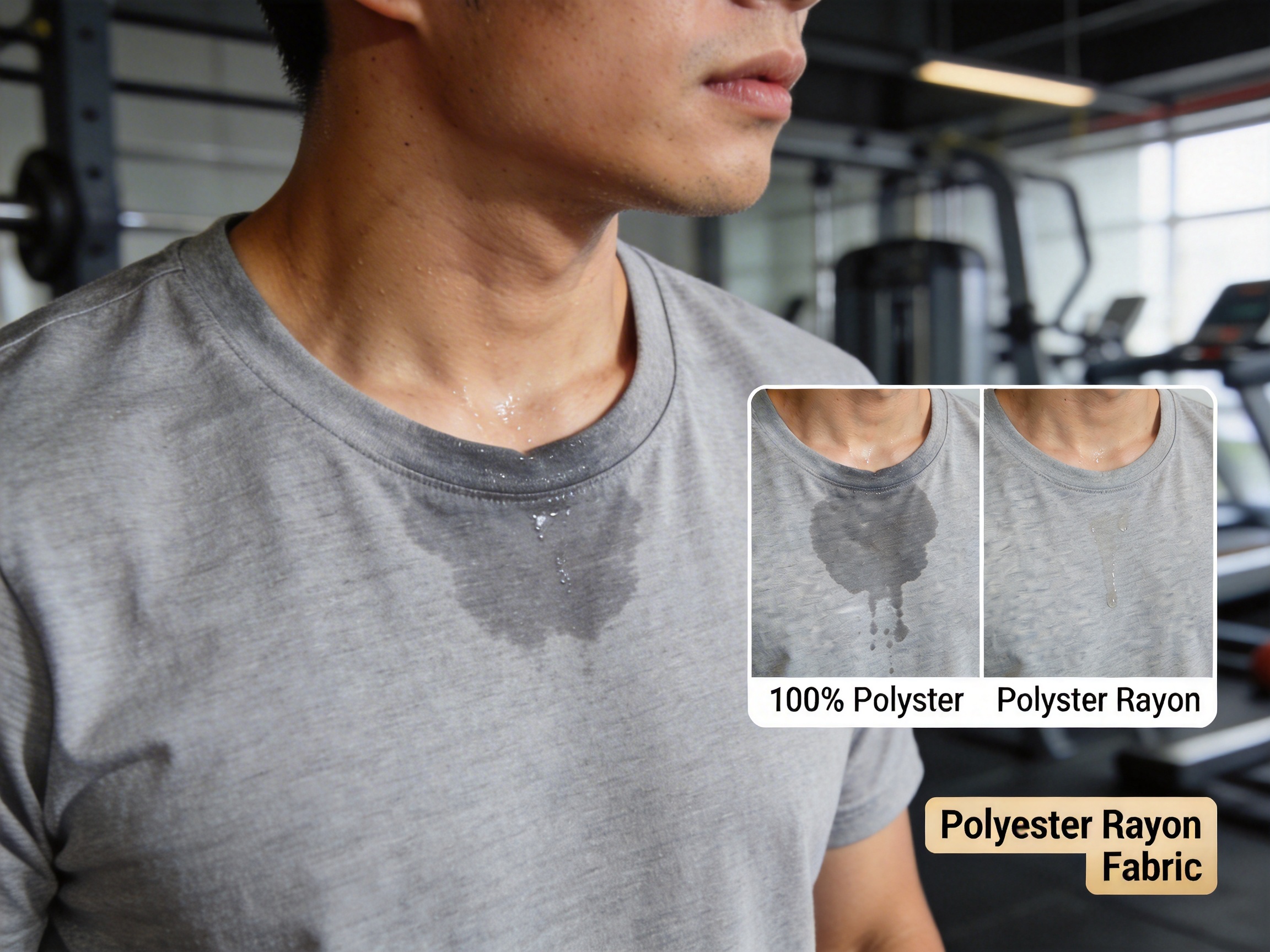
Polyester Rayon Fabric: The Perfect Blend of Comfort and Durability
Polyester rayon fabric is a hybrid material that combines the best properties of two distinct fibers: polyester (a synthetic polymer) and rayon (a regenerated cellulose fiber). This fusion creates a fabric that addresses the limitations of each individual fiber, making it a versatile choice for a wide range of uses.
Advantages Over Competitors
When compared to pure polyester or pure rayon fabrics, polyester rayon stands out in several key areas: - Breathability and Moisture Management: Pure polyester can trap heat and moisture, leading to discomfort during extended wear. Pure rayon, while breathable, lacks durability and can shrink or fade easily. Polyester rayon balances these traits: the rayon component wicks away moisture and allows air circulation, while polyester adds strength and resistance to shrinkage. For example, a t-shirt made from polyester rayon will keep the wearer cool and dry during workouts, unlike a 100% polyester shirt that may cause sweating and odor buildup. - Softness and Drape: Rayon is known for its silky, luxurious feel, but it tends to be fragile. Polyester rayon retains the soft drape of rayon while gaining the resilience of polyester. This makes it ideal for dresses, blouses, and home textiles like curtains, which require both elegance and durability. - Color Retention: Pure rayon is prone to fading when exposed to sunlight or repeated washing. Polyester, however, holds color well. The blend combines these properties, resulting in fabrics that maintain their vibrancy for longer. A study by the Textile Institute (2023) found that polyester rayon fabrics retain up to 85% of their original color after 50 washes, compared to 60% for pure rayon and 78% for pure polyester. - Cost-Effectiveness: While high-quality rayon can be expensive, blending it with polyester reduces the overall cost without compromising on quality. This makes polyester rayon a more accessible option for both manufacturers and consumers, especially in mass-market apparel lines.
Advanced Manufacturing Processes
The production of high-quality polyester rayon fabric involves a series of precision steps that ensure consistency and performance: 1. Fiber Preparation: Both polyester and rayon fibers are sourced from reputable suppliers. Polyester chips are melted and spun into fine filaments, while rayon is produced from wood pulp (a sustainable raw material). The fibers are then blended in specific ratios (typically 50:50 or 60:40 polyester to rayon) based on the desired end use. 2. Carding and Spinning: The blended fibers are carded to remove impurities and align them into a continuous web. This web is then spun into yarns using ring spinning or open-end spinning techniques. For finer fabrics, ring spinning is preferred, as it produces smoother, stronger yarns. 3. Weaving or Knitting: Depending on the intended application, the yarns are either woven into a fabric (for structured items like shirts or curtains) or knitted (for stretchy, comfortable items like activewear). Modern looms and knitting machines use computerized controls to ensure precise patterns and consistent tension. 4. Dyeing and Finishing: The fabric undergoes dyeing using reactive or disperse dyes, which are chosen for their colorfastness. Finishing processes include calendering (to add sheen), sanforizing (to prevent shrinkage), and water-repellent treatments (for outdoor textiles). These steps are optimized to minimize water and energy usage, aligning with sustainable manufacturing practices.
One of the key innovations in polyester rayon production is the use of recycled polyester fibers. Many leading manufacturers now source up to 30% of their polyester from post-consumer plastic bottles, reducing their carbon footprint while maintaining product quality. This sustainable approach not only benefits the environment but also appeals to eco-conscious consumers and brands.
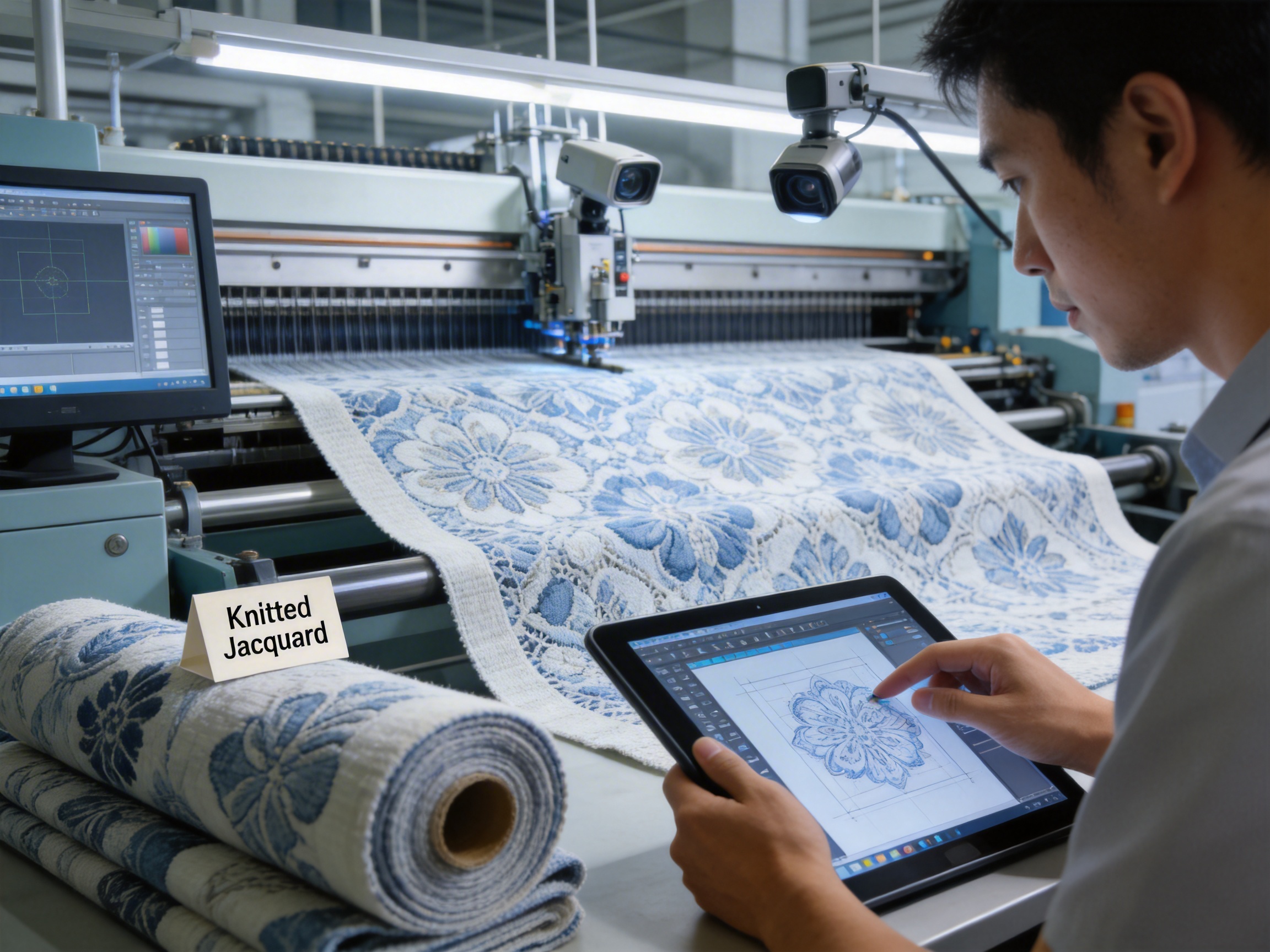
Knitted Jacquard Fabric: Precision and Aesthetics in Textile Design
Knitted jacquard fabric is a type of knit fabric that features intricate patterns and designs created using a jacquard machine. Unlike printed fabrics, which apply designs to the surface, jacquard fabrics have the pattern woven or knitted into the structure of the fabric itself. This gives them a more durable, three-dimensional appearance and a higher level of detail.
Advantages Over Competitors
Knitted jacquard fabrics offer several distinct advantages over printed knits or woven jacquards: - Durability of Design: Printed fabrics can fade or peel over time, especially with repeated washing. Knitted jacquard, however, has the pattern integrated into the yarn structure, so it remains vibrant and intact for years. For example, a jacquard knit sweater will retain its design even after 100 washes, whereas a printed sweater may start to show signs of wear after 30. - Versatility in Design: Jacquard machines can produce complex patterns, from simple stripes to elaborate floral or geometric designs. This flexibility allows manufacturers to create custom fabrics for specific brands or applications, such as luxury apparel or high-end home textiles. - Stretch and Comfort: Unlike woven jacquard fabrics, which are often stiff, knitted jacquard is stretchy and comfortable. This makes it ideal for activewear, loungewear, and bedding, where flexibility and breathability are essential. - Reduced Waste: Since the pattern is built into the fabric, there is no need for additional printing processes that generate ink waste or overspray. This makes knitted jacquard a more sustainable option compared to printed alternatives.
Advanced Manufacturing Processes
The production of knitted jacquard fabric relies on state-of-the-art machinery and digital design tools: 1. Digital Pattern Design: Designers use computer-aided design (CAD) software to create intricate patterns. These designs are then converted into a digital format that can be read by the jacquard knitting machine. This allows for precise control over every stitch and color. 2. Jacquard Knitting: The machine uses a series of hooks and needles to knit the pattern into the fabric. Each needle can be controlled individually, enabling the creation of complex designs without the need for changing looms or needles. Modern jacquard machines can produce fabrics with up to 12 different colors in a single pass, significantly increasing efficiency. 3. Finishing: After knitting, the fabric undergoes finishing processes such as brushing (to add softness), mercerizing (to enhance luster), or anti-pilling treatments (to prevent fuzz formation). These steps are tailored to the specific end use of the fabric. 4. Quality Control: Each batch of fabric is inspected using automated vision systems that detect defects such as missing stitches or color inconsistencies. This ensures that only high-quality fabric reaches the market.
Leading manufacturers of knitted jacquard fabric also invest in research and development to improve the sustainability of their processes. For example, some use waterless dyeing techniques or bio-based dyes to reduce their environmental impact. Others are exploring the use of recycled yarns in jacquard production, further enhancing the eco-friendliness of the product.
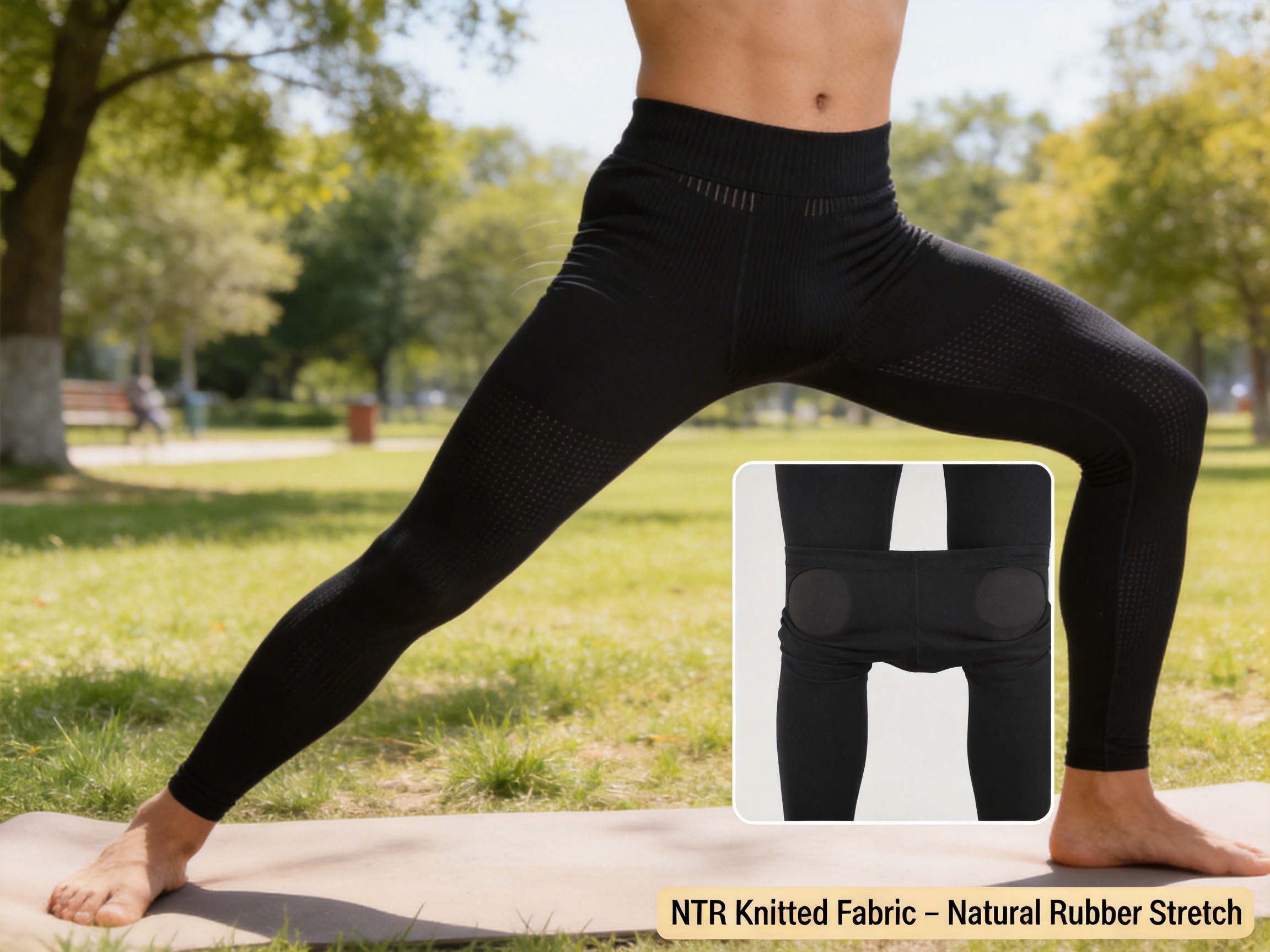
NTR and NR Knitted Fabrics: Natural Rubber for Enhanced Performance
NTR (Natural Rubber) and NR (Natural Rubber) knitted fabrics are specialized materials that incorporate natural rubber yarns into their structure. These fabrics are known for their exceptional stretch, recovery, and durability, making them ideal for applications that require flexibility and resilience.
Advantages Over Competitors
When compared to synthetic rubber fabrics or non-rubber knits, NTR/NR fabrics offer several key benefits: - Superior Stretch and Recovery: Natural rubber has excellent elastic properties, allowing the fabric to stretch up to 500% of its original length and return to its original shape without deformation. This is far superior to synthetic rubbers like neoprene, which may lose elasticity over time. For example, a pair of NTR knitted leggings will maintain their fit even after hundreds of wears, whereas a neoprene legging may start to sag after 50 uses. - Breathability: Unlike synthetic rubbers, natural rubber is porous, allowing air to circulate through the fabric. This makes NTR/NR fabrics more comfortable to wear for extended periods, especially in warm climates. - Eco-Friendliness: Natural rubber is derived from the latex of rubber trees, which are a renewable resource. Synthetic rubbers, on the other hand, are made from petroleum products, which are non-renewable. Additionally, natural rubber is biodegradable, reducing its environmental impact at the end of its lifecycle. - Resistance to Abrasion: NTR/NR fabrics are highly resistant to abrasion, making them ideal for industrial applications such as conveyor belts or protective clothing. They also perform well in high-wear areas like the knees of workwear or the palms of gloves.
Advanced Manufacturing Processes
The production of NTR/NR knitted fabrics involves careful handling of natural rubber to ensure its properties are preserved: 1. Latex Preparation: Natural latex is harvested from rubber trees and processed to remove impurities. It is then mixed with stabilizers and vulcanizing agents to enhance its strength and durability. Vulcanization is a key process that cross-links the rubber molecules, making it more elastic and resistant to heat and chemicals. 2. Yarn Production: The vulcanized latex is extruded into thin filaments, which are then spun into yarns. These yarns are often blended with other fibers (such as polyester or cotton) to improve their handle and performance. For example, blending NR yarn with polyester increases the fabric's strength while retaining its stretch. 3. Knitting: The NR/NTR yarns are knitted using circular or flat knitting machines. The stitch density is carefully controlled to ensure the fabric has the desired stretch and recovery properties. For high-performance applications, double-knit techniques are used to create a more durable fabric. 4. Finishing: The fabric undergoes finishing processes such as washing (to remove any residual chemicals), drying (using low-temperature methods to prevent rubber degradation), and coating (for water resistance or anti-slip properties). These steps are critical to maintaining the fabric's elastic properties.
One of the latest innovations in NTR/NR fabric production is the use of sustainable latex sourcing. Leading manufacturers work with rubber tree plantations that follow ethical and environmental standards, such as the Sustainable Natural Rubber Initiative (SNR). This ensures that the latex is harvested without deforestation or harm to local ecosystems.
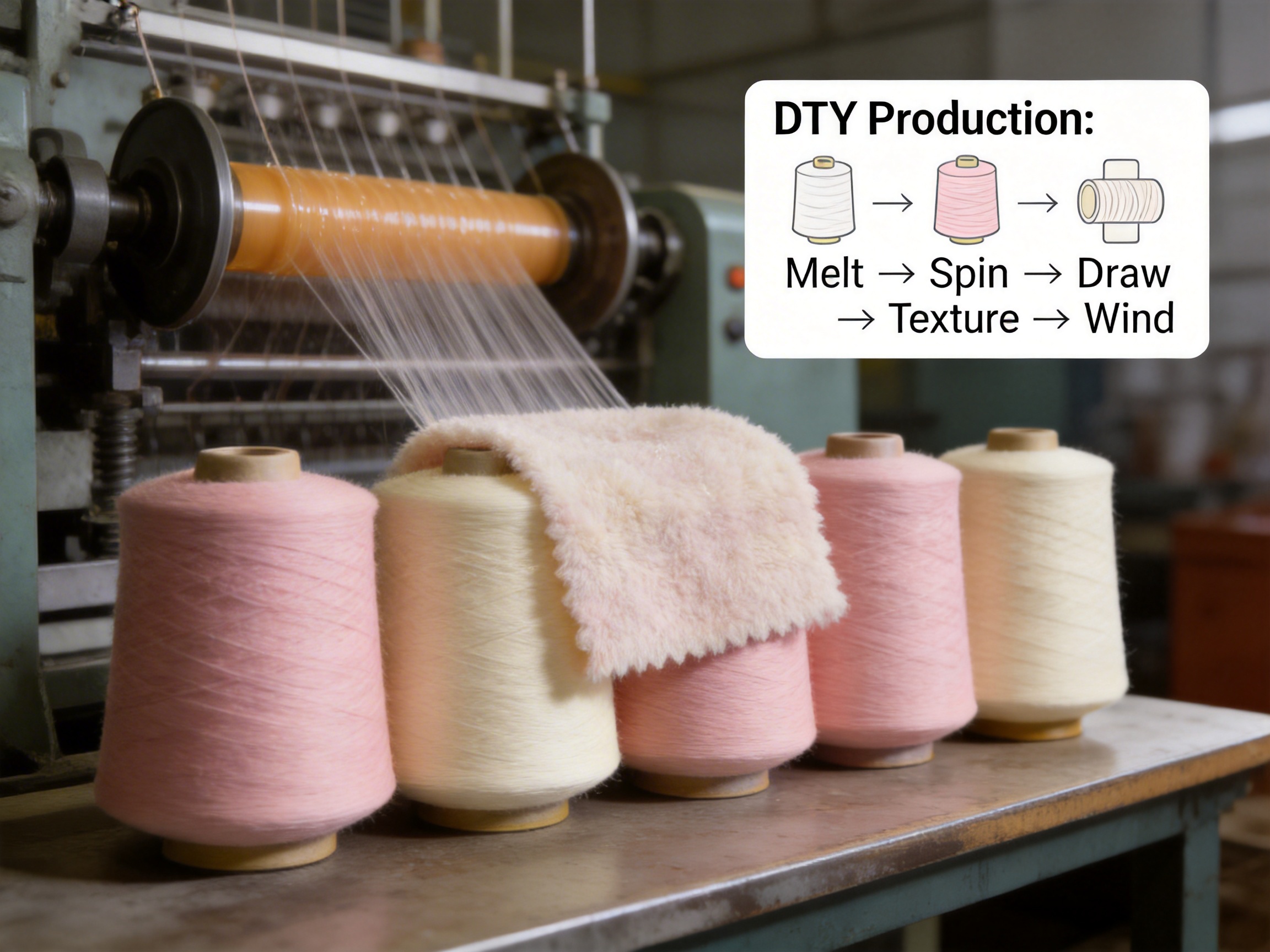
Slight Intermingled DRAW TEXTURED YARN (DTY): The Backbone of Modern Textiles
Drawn Textured Yarn (DTY) is a type of synthetic yarn that is produced by drawing and texturing polyester or nylon filaments. Slight intermingled DTY refers to a specific type of DTY where the filaments are lightly twisted together, creating a yarn that is soft, bulky, and has good covering power. This yarn is widely used as the base material for many fabrics, including those mentioned earlier.
Advantages Over Competitors
Slight intermingled DTY offers several advantages over other types of yarns: - Softness and Bulky: The texturing process adds crimp to the filaments, making the yarn soft and bulky. This gives fabrics made from DTY a plush feel, which is ideal for apparel and home textiles. Unlike non-textured yarns, which are flat and rigid, DTY yarns have a three-dimensional structure that enhances comfort. - Covering Power: The intermingled nature of the yarn increases its covering power, meaning that less yarn is needed to produce a fabric of a given weight. This reduces material costs and makes fabrics lighter without compromising on thickness or warmth. For example, a sweater made from DTY yarn will be lighter than one made from wool but will provide similar insulation. - Consistency: DTY yarns are produced using automated processes that ensure high levels of consistency in terms of thickness, strength, and texture. This is important for manufacturers who need to produce large quantities of fabric with uniform quality. - Dyeability: DTY yarns are highly dyeable, allowing for a wide range of colors and shades. The texturing process creates spaces between the filaments, which absorb dye more easily than non-textured yarns. This results in vibrant, even colors that are resistant to fading.
Advanced Manufacturing Processes
The production of slight intermingled DTY involves several precise steps: 1. Polymer Melting: Polyester chips are melted at high temperatures (around 280°C) to form a viscous liquid. The melt is then filtered to remove any impurities. 2. Spinning: The molten polymer is extruded through a spinneret (a metal plate with hundreds of tiny holes) to form continuous filaments. These filaments are cooled using air to solidify them. 3. Drawing: The filaments are drawn (stretched) to align the polymer molecules, increasing their strength and reducing their diameter. The drawing process is carefully controlled to ensure the filaments have the desired properties. 4. Texturing: The drawn filaments are fed into a texturing machine, which uses heat and tension to create crimps in the filaments. For slight intermingled DTY, the filaments are lightly twisted together using air jets, which intermingles the filaments without adding excessive twist. 5. Winding: The textured yarn is wound onto cones or tubes, ready for use in knitting or weaving. Each cone is labeled with information about the yarn's thickness, texture, and color.
Leading producers of DTY yarn invest in advanced machinery to improve efficiency and sustainability. For example, some use recycled polyester chips in their production, reducing their reliance on virgin materials. Others optimize their spinning processes to reduce energy consumption, such as using waste heat from the melting process to heat other parts of the plant.
Core Strengths of Leading Textile Manufacturers
To produce high-quality fabrics and yarns, leading textile manufacturers combine advanced technology, skilled labor, and a commitment to sustainability. Some of their key strengths include: - Integrated R&D and Production: Many manufacturers have in-house research and development teams that work closely with production teams to improve existing products and develop new ones. This integration allows for faster innovation and better quality control. For example, a team of chemists may develop a new type of dye that is more eco-friendly, while production engineers adapt the dyeing process to use this new dye efficiently. - State-of-the-Art Facilities: Leading manufacturers invest in modern machinery and equipment to ensure high productivity and quality. For example, a facility may have computerized jacquard knitting machines that can produce complex patterns in a single pass, or automated quality control systems that detect defects in real time. - Sustainable Practices: With increasing demand for eco-friendly products, leading manufacturers are adopting sustainable practices throughout their supply chain. This includes using recycled materials, reducing water and energy usage, and implementing waste reduction programs. For example, some manufacturers use closed-loop dyeing systems that recycle up to 90% of the water used in the dyeing process. - Global Export Capabilities: Many manufacturers are self-employed export companies, meaning they can directly ship their products to customers around the world. This reduces lead times and allows for better communication between the manufacturer and the customer. For example, a manufacturer may have a dedicated export team that handles all aspects of international shipping, including customs documentation and logistics. - Customer-Centric Approach: Leading manufacturers prioritize customer satisfaction by offering custom solutions and flexible ordering options. They work closely with customers to understand their specific needs and develop products that meet those needs. For example, a manufacturer may create a custom knitted jacquard fabric for a luxury brand that wants a unique design for its new collection.
Example of a Leading Manufacturer's Facilities
Take, for example, a textile manufacturer located in Hangzhou, China. This company operates a 32.6-acre facility with a 18,000-square-meter plant, equipped with the latest textile machinery. The facility includes R&D labs, production lines for yarns and fabrics, and quality control centers. The company's integrated approach to R&D, production, and sales allows it to offer a wide range of products, including polyester rayon fabric, knitted jacquard fabric, NTR/NR knitted fabric, and slight intermingled DTY yarn. The company also adheres to strict environmental standards, using recycled materials and reducing its carbon footprint through energy-efficient processes.
Comparison of Key Textile Products: Advantages and Applications
To help readers understand the differences between the various textile products, here is a comparison table:
| Product | Key Advantages | Primary Applications |
|---|---|---|
| Polyester Rayon Fabric | Breathable, soft, colorfast, cost-effective | Apparel (dresses, blouses), home textiles (curtains, bedding) |
| Knitted Jacquard Fabric | Durable design, versatile, stretchy, low waste | Luxury apparel, activewear, high-end home textiles |
| NTR/NR Knitted Fabric | Superior stretch/recovery, breathable, eco-friendly, abrasion-resistant | Activewear, industrial textiles, protective clothing |
| Slight Intermingled DTY Yarn | Soft, bulky, high covering power, consistent, dyeable | Base material for all above fabrics, knitting, weaving |
Q&A Section
Here are some frequently asked questions about the textile products discussed in this article:
Q1: Are these fabrics suitable for sensitive skin?
A1: Yes, many of these fabrics are suitable for sensitive skin. Polyester rayon fabric, for example, is soft and breathable, making it gentle on the skin. NTR/NR fabrics are also porous and free from harsh chemicals, which makes them ideal for people with sensitive skin. However, it is always recommended to check the fabric's composition and any finishing treatments before purchasing, as some dyes or chemicals may cause irritation.
Q2: How do I care for these fabrics to ensure their longevity?
A2: The care instructions vary depending on the fabric. For polyester rayon fabric, it is recommended to wash in cold water on a gentle cycle and avoid using bleach. Knitted jacquard fabric should be washed inside out to protect the design and dried flat. NTR/NR fabrics should be washed in cold water and air-dried to prevent the rubber from degrading. DTY yarn-based fabrics should follow the care instructions of the specific fabric they are used in.
Q3: Are these fabrics sustainable?
A3: Many of these fabrics are becoming more sustainable due to advances in manufacturing. For example, polyester rayon fabric can be made with recycled polyester, and NTR/NR fabrics use natural rubber from sustainable plantations. Leading manufacturers are also adopting eco-friendly practices such as waterless dyeing and energy-efficient processes to reduce their environmental impact. However, it is important to check the manufacturer's sustainability credentials before purchasing.
Q4: Can I order custom fabrics or yarns?
A4: Yes, most leading manufacturers offer custom solutions. They can create custom designs for knitted jacquard fabric, adjust the blend ratio of polyester rayon fabric, or produce DTY yarns in specific colors or thicknesses. Custom orders typically require a minimum quantity, but many manufacturers are flexible and can accommodate small orders for samples.
Q5: What is the lead time for ordering these products?
A5: The lead time depends on the product and the quantity. For standard products, the lead time is usually 1-2 weeks. For custom products, the lead time may be longer (3-4 weeks) to allow for design, production, and quality control. Leading manufacturers with global export capabilities can also arrange for faster shipping if needed.
References
1. Textile Institute. (2023). "Performance Analysis of Blended Fabrics: Polyester Rayon vs. Pure Fibers." Manchester, UK: Textile Institute Press.
2. Sustainable Natural Rubber Initiative (SNR). (2022). "Guidelines for Sustainable Natural Rubber Production." Kuala Lumpur, Malaysia: SNR Secretariat.
3. International Textile Manufacturers Federation (ITMF). (2023). "Global Textile Industry Trends: Sustainability and Innovation." Zurich, Switzerland: ITMF Publications.
4. American Association of Textile Chemists and Colorists (AATCC). (2022). "Dyeing and Finishing of Synthetic Yarns: Best Practices." Research Triangle Park, NC: AATCC Press.
5. Wang, L., et al. (2021). "Advances in Knitted Jacquard Fabric Production: Digital Design and Automation." Journal of Textile Research, Vol. 42, No. 3, pp. 123-135.
