
High-Performance Polyester Rayon Fabric for Modern Apparel and Textile Applications
Polyester rayon fabric has become one of the most practical and commercially valuable blended textiles in contemporary apparel, uniform, fashion, home, and light industrial markets. By combining the durability, dimensional stability, and easy-care performance of polyester with the soft touch, breathable comfort, and elegant drape of rayon, this fabric category provides a balanced solution for buyers who need beauty, efficiency, and reliable long-term usability in one material.
For garment manufacturers, fabric wholesalers, fashion labels, uniform suppliers, and textile distributors, polyester rayon fabric offers a strong answer to a common challenge: how to deliver a comfortable fabric that looks refined, processes efficiently, performs consistently, and remains cost-effective. Pure natural fibers may offer comfort but can wrinkle easily, shrink unpredictably, and require more careful maintenance. Pure synthetic fabrics may provide strength and durability but sometimes lack the soft hand and fluid appearance needed for fashionable or professional clothing. A well-engineered polyester rayon fabric bridges these differences.
Hangzhou Jinfeng Textile Co., Ltd. focuses on the production, processing, post-dyeing, finishing, and sales of blended fabrics such as polyester and spandex fabrics, as well as DTY polyester yarn. With manufacturing capabilities connected to yarn processing, fabric production, dyeing, finishing, and sales, the company is positioned to provide stable quality, practical customization, and responsive supply for domestic and international customers. Its experience in polyester rayon fabric, knitted jacquard fabric, NTR knitted fabric, NR knitted fabric, and slight intermingled draw textured yarn supports a complete textile supply chain from yarn to finished fabric.
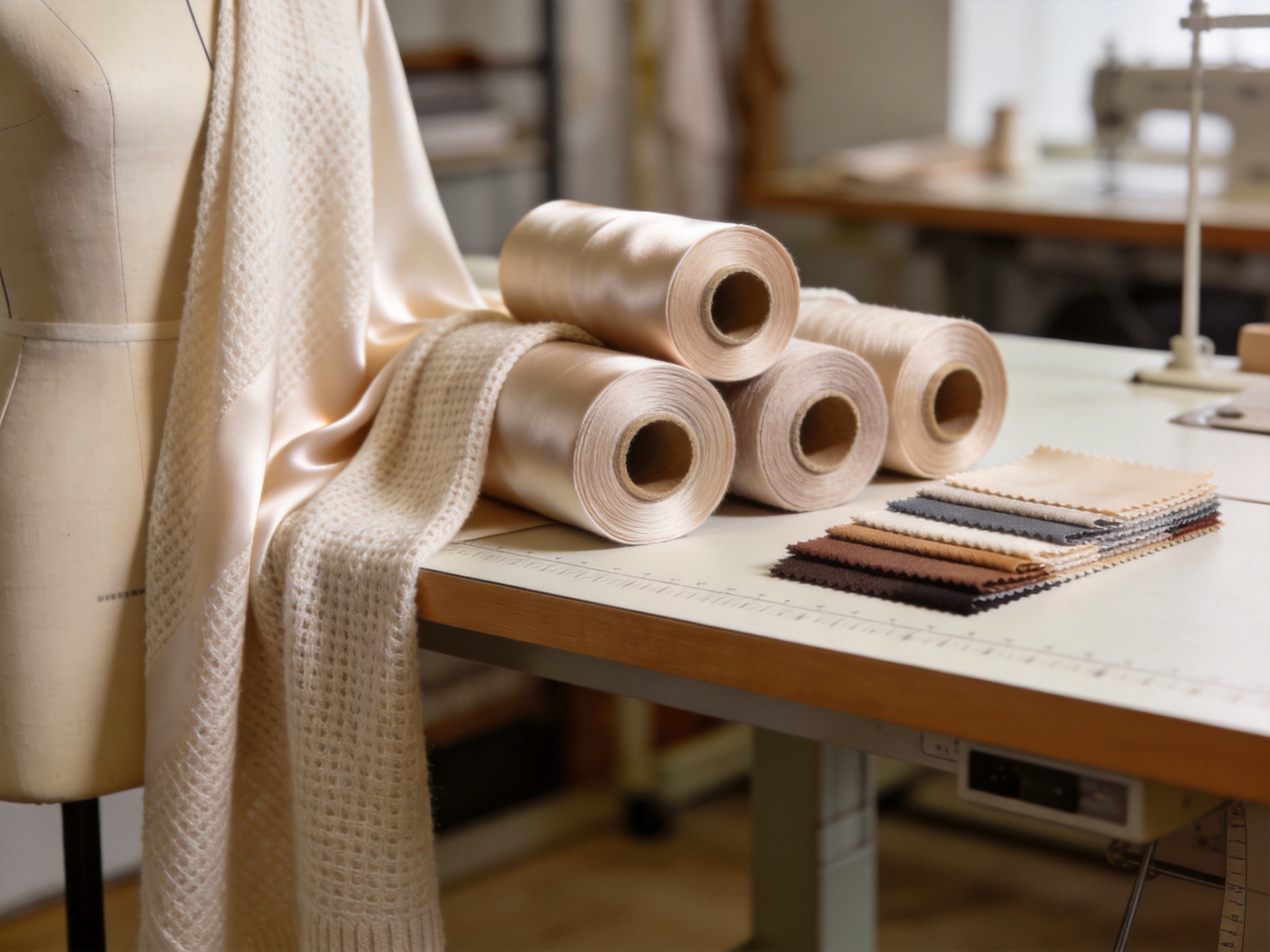
Understanding Polyester Rayon Fabric
Polyester rayon fabric is a blended textile made by combining polyester fibers with rayon fibers in carefully selected proportions. The final performance depends on several factors, including fiber ratio, yarn count, spinning or texturing method, knitting or weaving structure, dyeing process, finishing treatment, and quality inspection standards. Because each of these factors can be adjusted, polyester rayon fabric is highly adaptable for different applications, from breathable casualwear to structured uniforms and stylish knitted garments.
Polyester is known for strength, abrasion resistance, shape retention, quick drying, and resistance to many common forms of wear. Rayon, sometimes called viscose rayon, is appreciated for its smooth surface, soft touch, moisture absorption, and natural-looking drape. When the two are blended, the resulting textile can offer a hand feel closer to natural fibers while retaining much of the stability and resilience associated with polyester.
This balance is especially important in commercial production. Buyers often need fabrics that can be cut, sewn, dyed, finished, packed, shipped, displayed, worn, washed, and reused with minimal problems. Polyester rayon fabric supports this entire lifecycle. It is easier to maintain than many delicate natural fabrics, and it can be engineered to present a clean appearance after repeated use. For brands, this means fewer complaints. For garment factories, it means smoother production. For end users, it means more comfortable and dependable clothing.
The term polyester rayon fabric can include woven fabrics, knitted fabrics, and specialty structures. In a knitted version, the fabric can provide flexibility, comfort, and improved body movement. In jacquard constructions, it can display patterns, textures, and visual depth without relying only on printing. In NTR and NR knitted fabric categories, different yarn and fiber combinations can create distinctive touch, stretch behavior, surface appearance, and wearing comfort. This makes the product category flexible for both basic and fashion-driven markets.
Key Product Advantages Over Competing Fabrics
One major advantage of polyester rayon fabric is its combination of softness and durability. Compared with pure polyester fabric, a polyester rayon blend often feels smoother, more breathable, and more skin-friendly. Compared with pure rayon fabric, it generally provides better strength, better recovery, improved shape retention, and better resistance to repeated washing. Compared with cotton fabrics, it can offer better wrinkle resistance, more stable dimensions, and faster drying, depending on construction and finishing.
In many apparel categories, consumers want garments that look polished without demanding extensive ironing or delicate care. Polyester rayon fabric supports this demand. It can be finished to maintain a clean surface and refined drape, making it suitable for shirts, dresses, trousers, skirts, uniforms, business casual garments, lightweight jackets, and fashion knitwear. The rayon component contributes comfort and fluidity, while the polyester component helps the garment maintain its designed silhouette.
Another competitive advantage is dyeing and color presentation. Polyester and rayon require thoughtful dyeing techniques because the fibers have different chemical properties. A manufacturer with experience in post-dyeing and finishing can control shade consistency, fabric hand, and colorfastness more effectively. When processed correctly, polyester rayon fabric can achieve attractive colors, smooth surfaces, and reliable performance in washing and wearing. This gives brands confidence when ordering repeat colors or developing seasonal collections.
The fabric also offers economic advantages. A well-designed polyester rayon blend can reduce dependence on more expensive fibers while still delivering a premium look and feel. For large-volume garment programs, even small improvements in fabric stability, cutting efficiency, sewing performance, and defect reduction can produce significant cost benefits. Polyester rayon fabric is therefore popular not only because of its hand feel, but also because it helps optimize the total cost of garment production.
Compared with low-quality blended fabrics in the market, professionally produced polyester rayon fabric can provide more consistent width, weight, color, shrinkage, surface quality, and roll-to-roll stability. These details matter greatly to garment factories. Uneven fabric can cause cutting waste, garment size variation, seam twisting, shade differences, and customer dissatisfaction. A supplier with integrated manufacturing and quality control can reduce these risks and deliver a more predictable product.
Company Manufacturing Strengths
Hangzhou Jinfeng Textile Co., Ltd. is located in Jingjiang Street Industrial Park, Xiaoshan District, Hangzhou, Zhejiang Province. The company covers an area of 32.6 acres and has a plant area of approximately 18,000 square meters. This production foundation supports the company’s integrated operations in textile manufacturing, processing, dyeing, finishing, and sales. Such an integrated structure is valuable because polyester rayon fabric quality is not determined by only one step; it is built through every stage of production.
The company is involved in DTY polyester yarn production, processing, and sales, as well as blended fabric production and post-finishing. DTY polyester yarn, or drawn textured yarn, is widely used in knitted and woven fabrics because it provides bulk, elasticity, softness, and improved fabric coverage. By working with yarn processing and fabric production, the company can better understand how yarn properties influence final fabric performance. This helps create polyester rayon fabrics with stable texture, comfortable touch, and dependable appearance.
Manufacturing strength also comes from process experience. Polyester rayon fabric production requires careful attention to fiber compatibility, yarn tension, fabric structure, dyeing temperature, finishing chemistry, drying conditions, and inspection standards. If any step is poorly controlled, the final fabric may show uneven dyeing, poor dimensional stability, harsh hand feel, excessive shrinkage, pilling, skewing, or surface defects. A company with production, dyeing, and finishing knowledge can manage these risks more effectively.
The company’s business philosophy emphasizes cooperation and win-win relationships. In textile supply, this is more than a slogan. Fabric buyers need a partner who can communicate clearly, understand end-use requirements, support sample development, manage production schedules, and help solve technical problems. A cooperative textile supplier can help customers choose proper fabric weight, structure, yarn specification, color standard, finishing method, and packing requirement according to the target market.
As a self-operated export company integrating research and development, production, and sales, Hangzhou Jinfeng Textile Co., Ltd. can support customers beyond simple fabric supply. Export-oriented textile customers often require clear specifications, stable repeat orders, packaging consistency, documentation support, and communication across time zones. Integrated sales and production teams can respond more quickly to questions about availability, customization, lead time, and technical feasibility.
Advanced Process Flow from Yarn to Finished Fabric
The quality of polyester rayon fabric begins with raw material selection. Polyester fibers, rayon fibers, and related yarns must be chosen according to the desired fabric performance. For example, a fabric intended for soft fashion apparel may require a smoother rayon-rich hand, while a uniform fabric may need more polyester content for strength and dimensional stability. Yarn count, filament type, twist, texture, and blend ratio all influence the final result.
In yarn preparation, drawn textured yarn plays an important role for many polyester-based fabrics. DTY polyester yarn is produced through a texturing process that gives the yarn bulk, stretch, and a softer hand compared with flat filament yarn. Slight intermingling can improve yarn cohesion, reduce filament separation, and support smoother downstream processing. These yarn characteristics contribute to better knitting or weaving efficiency and improved fabric appearance.
During fabric formation, machine settings are carefully adjusted to control fabric density, loop length, tension, pattern definition, and width. For knitted polyester rayon fabrics, consistent yarn feeding is essential. In jacquard fabric production, pattern precision and stable machine control are particularly important because design clarity depends on accurate loop formation and yarn behavior. NTR knitted fabric and NR knitted fabric may require specific handling to achieve the intended comfort, elasticity, and surface quality.
After greige fabric production, inspection is necessary to identify defects such as broken yarns, oil stains, holes, uneven loops, barre marks, streaks, or shade risks. Early inspection helps prevent defective material from moving into dyeing and finishing, where problems can become more costly. Reliable suppliers maintain inspection procedures to protect both production efficiency and customer satisfaction.
Dyeing is one of the most technically sensitive stages in polyester rayon fabric production. Polyester and rayon absorb dyes differently, so dye selection, bath conditions, temperature control, time control, and after-treatment must be designed carefully. The objective is to achieve the required shade, levelness, colorfastness, and hand feel without damaging the rayon component or compromising polyester stability. Advanced dyeing control helps reduce shade variation between lots and supports repeat-order reliability.
Finishing gives the fabric its final commercial character. Depending on customer requirements, finishing may improve softness, smoothness, dimensional stability, wrinkle resistance, moisture management, surface appearance, or drape. Heat setting is commonly used for polyester-containing fabrics to stabilize dimensions and width. Softening treatments can enhance hand feel, while mechanical finishing can adjust surface texture. The finishing stage must be balanced: too little finishing may leave the fabric unstable, while excessive treatment may reduce natural comfort or alter color.
Final inspection verifies whether the finished fabric meets customer expectations. Parameters may include width, weight, shade, colorfastness, shrinkage, skewness, bowing, surface defects, hand feel, stretch, recovery, and packaging condition. Professional quality control ensures that fabric rolls are suitable for cutting and sewing. For export customers, consistent roll labeling, packing, and documentation also help streamline receiving and production planning.
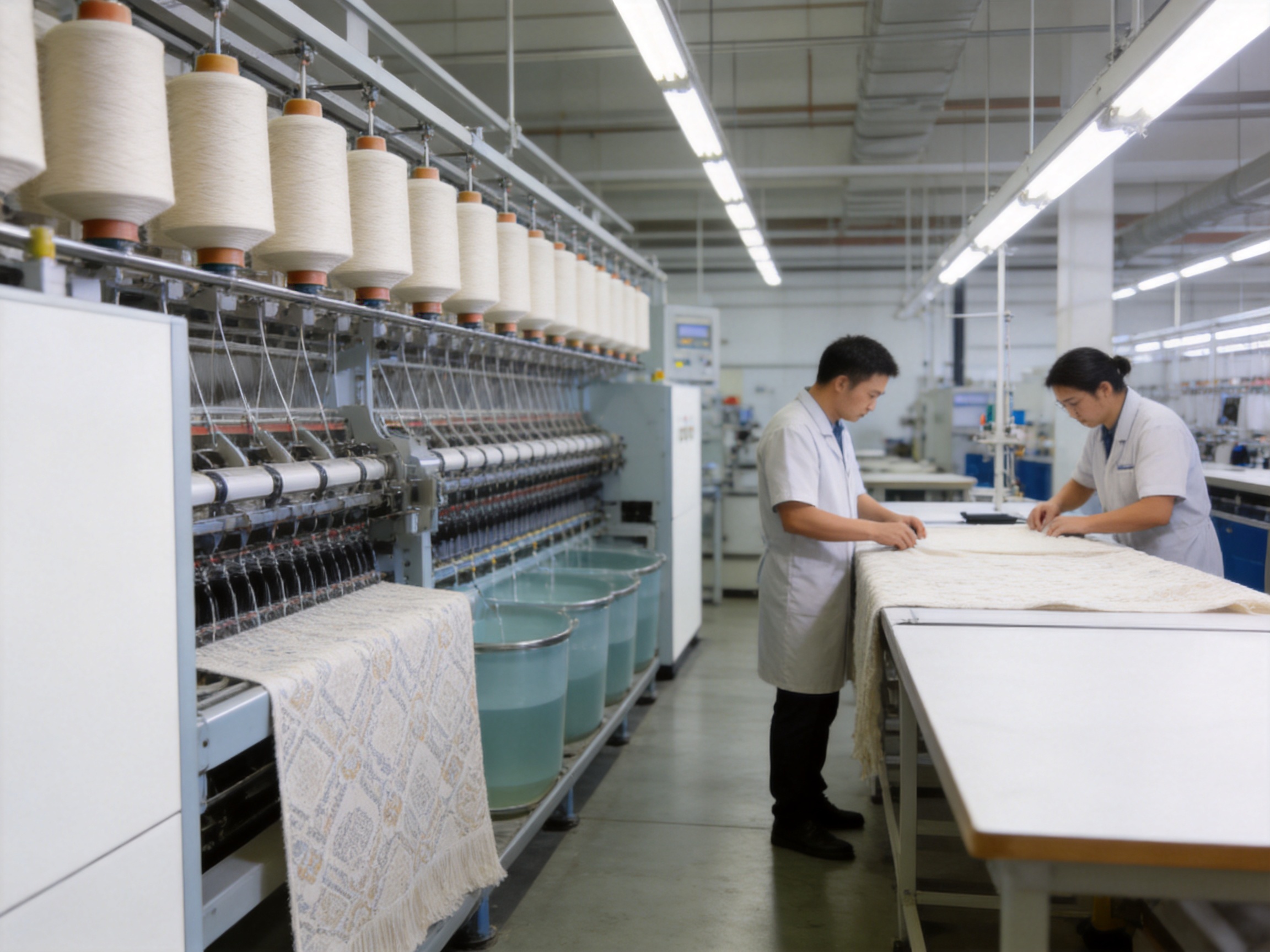
Performance Characteristics That Matter to Buyers
Buyers evaluating polyester rayon fabric often consider several performance characteristics at the same time. The fabric must look attractive, feel comfortable, cut efficiently, sew smoothly, maintain shape, and meet the price target. A fabric that performs well in only one area may not be commercially successful. Polyester rayon fabric is valued because it offers a balanced performance profile across multiple requirements.
Softness is one of its most noticeable features. Rayon contributes a smooth and comfortable touch that improves the wearing experience, especially for garments worn close to the skin. Polyester adds structure and resilience, preventing the fabric from becoming too weak or unstable. The result is a textile that can feel refined while remaining practical for daily use.
Drape is another important characteristic. A good polyester rayon fabric can fall gracefully on the body, making it suitable for dresses, blouses, loose trousers, skirts, cardigans, and fashion tops. Drape helps garments look elegant and move naturally. Compared with stiff synthetic fabrics, polyester rayon blends can offer a more fluid silhouette. Compared with fragile rayon-only fabrics, they can offer better durability and easier maintenance.
Dimensional stability is essential for garment production. Shrinkage problems can cause incorrect garment sizing, customer returns, and production waste. Because polyester has excellent stability and rayon can be controlled through proper processing, a well-finished polyester rayon fabric can achieve reliable shrinkage performance. Heat setting, compacting, and controlled finishing help maintain fabric width and length.
Wrinkle resistance gives polyester rayon fabric a practical advantage in office wear, travel garments, uniforms, and daily apparel. While rayon improves comfort, polyester helps reduce creasing and supports easier care. This makes the fabric attractive to modern consumers who want garments that require less ironing and maintain a neat appearance throughout the day.
Color quality is also a major buying factor. Fashion brands and uniform suppliers both need consistent color. In fashion, seasonal colors must match design intent. In uniforms, color consistency supports professional appearance across multiple orders. Polyester rayon fabric can be dyed in rich and attractive shades when processed with appropriate dyeing technology and quality control.
Product Applications
Polyester rayon fabric serves a wide range of apparel and textile applications. In women’s fashion, it is suitable for dresses, blouses, skirts, soft trousers, tunics, and lightweight outer layers. Its drape and touch help create graceful garments that feel comfortable throughout the day. Knitted variations can add stretch and movement, making them appropriate for casualwear and fashion knitwear.
In men’s and women’s business casual clothing, polyester rayon fabric is useful for shirts, trousers, jackets, and coordinated sets. The blend supports a polished appearance while reducing the maintenance burden compared with fabrics that wrinkle easily. For office environments, uniforms, and service apparel, this balance between appearance and practicality is especially valuable.
Uniform suppliers can benefit from polyester rayon fabric because uniforms must withstand repeated washing and daily wear while maintaining comfort. In hospitality, retail, education, administration, and light industrial settings, workers need clothing that looks professional but does not restrict movement. Polyester rayon fabric can be engineered to meet these expectations through appropriate weight, structure, and finishing.
Knitted jacquard fabric made with polyester rayon or related yarn combinations can serve fashion markets that require texture and pattern. Jacquard structures allow visual interest to be built into the fabric itself. This can create a more premium look than plain fabric and reduce the need for additional printing. Patterned knit fabrics are useful for dresses, tops, cardigans, and decorative apparel panels.
NTR knitted fabric and NR knitted fabric can provide additional options for customers seeking specific hand feel, elasticity, warmth, breathability, or surface effect. The ability to offer multiple fabric categories allows buyers to source related products from one supplier, simplifying communication and development. For distributors, a wider product range also supports broader market coverage.
Technical Comparison Table
| Fabric Type | Main Strengths | Common Limitations | Polyester Rayon Advantage |
|---|---|---|---|
| Pure Polyester Fabric | Durable, quick-drying, stable, easy to maintain | Can feel less breathable or less natural against the skin | Rayon improves softness, drape, and comfort while polyester maintains strength |
| Pure Rayon Fabric | Soft, breathable, smooth, elegant drape | Can shrink, wrinkle, or weaken more easily if not handled well | Polyester improves stability, durability, and wrinkle resistance |
| Cotton Fabric | Natural comfort, good breathability, familiar hand feel | Can wrinkle, dry slowly, and shrink depending on construction | Polyester rayon can offer easier care, faster drying, and refined drape |
| Low-Grade Blended Fabric | Often low cost | May have unstable quality, uneven dyeing, or poor hand feel | Controlled manufacturing supports consistent color, width, weight, and performance |
| Polyester Rayon Fabric | Balanced comfort, durability, appearance, and cost efficiency | Requires skilled dyeing and finishing for best results | Integrated yarn, fabric, dyeing, finishing, and inspection capabilities enhance reliability |
Why Integrated Production Creates Better Fabric
Textile buyers sometimes focus only on the final fabric price, but true value depends on the entire production chain. Integrated manufacturing can reduce technical uncertainty because the supplier understands how yarn behavior affects fabric formation, how fabric structure affects dyeing, and how finishing affects garment performance. This type of knowledge is especially important for polyester rayon fabric because the blend contains fibers with different properties.
When yarn production and fabric production are closely connected, yarn specifications can be selected more accurately for the target fabric. For example, a fabric intended for soft knitwear may require textured yarn with a certain bulk and smoothness. A fabric intended for stable uniform applications may require different strength and shrinkage behavior. Knowledge of DTY polyester yarn gives the manufacturer greater control over these decisions.
Integrated dyeing and finishing also support quality consistency. If a supplier only sells fabric produced and finished by unrelated factories, communication gaps may occur. Shade corrections, finishing adjustments, and defect analysis can take longer. A company with internal or closely coordinated processing capabilities can respond more efficiently, making it easier to maintain repeat-order consistency.
For customers, integrated production can mean fewer risks. A buyer can discuss fabric style, color, finishing, delivery, and packaging with one coordinated supplier instead of managing multiple parties. This simplifies development and can reduce errors. It also helps when customers need modifications, such as a softer hand, adjusted weight, improved shrinkage, or a special color.
In international trade, this advantage becomes even more important. Export customers require reliable production schedules and clear quality communication. Delays or inconsistencies can disrupt garment manufacturing plans. A supplier that integrates research and development, production, and sales is better able to support practical timelines and technical problem-solving.
Quality Control at Each Stage
Quality control for polyester rayon fabric should begin before production. Raw material inspection verifies whether yarns and fibers meet required specifications. This can include checking yarn count, strength, evenness, appearance, oil content, and package condition. Stable raw materials reduce the risk of defects during knitting, weaving, dyeing, and finishing.
During fabric production, machine operators and technicians monitor fabric surface, tension, density, and pattern accuracy. For knitted fabrics, loop consistency is essential. Uneven loop formation can cause streaks, surface irregularities, and inconsistent stretch. For jacquard structures, pattern clarity requires precise machine control. Proper machine maintenance and production monitoring help ensure stable fabric quality.
Greige inspection is an important checkpoint. Detecting defects before dyeing prevents unnecessary processing costs and protects customer orders. Common greige defects may include holes, stains, missing yarns, thick or thin places, uneven edges, and machine marks. Professional inspection systems help classify defects and determine whether fabric should proceed, be repaired, or be rejected.
Dyeing quality control includes shade matching, levelness evaluation, pH control, washing performance, and colorfastness testing. Polyester rayon blends require technical experience because polyester and rayon respond differently to dyes and process conditions. Proper control helps avoid two-tone effects, uneven absorption, and poor fastness. For repeat orders, shade continuity is especially important.
Finishing quality control checks fabric hand, width, weight, shrinkage, skew, bow, appearance, and special treatment effects. The finished fabric must meet both technical standards and subjective expectations. A fabric may meet weight requirements but still fail if the hand feel is too harsh or the drape is unsuitable. Experienced finishing teams understand how to balance measurable specifications with market expectations.
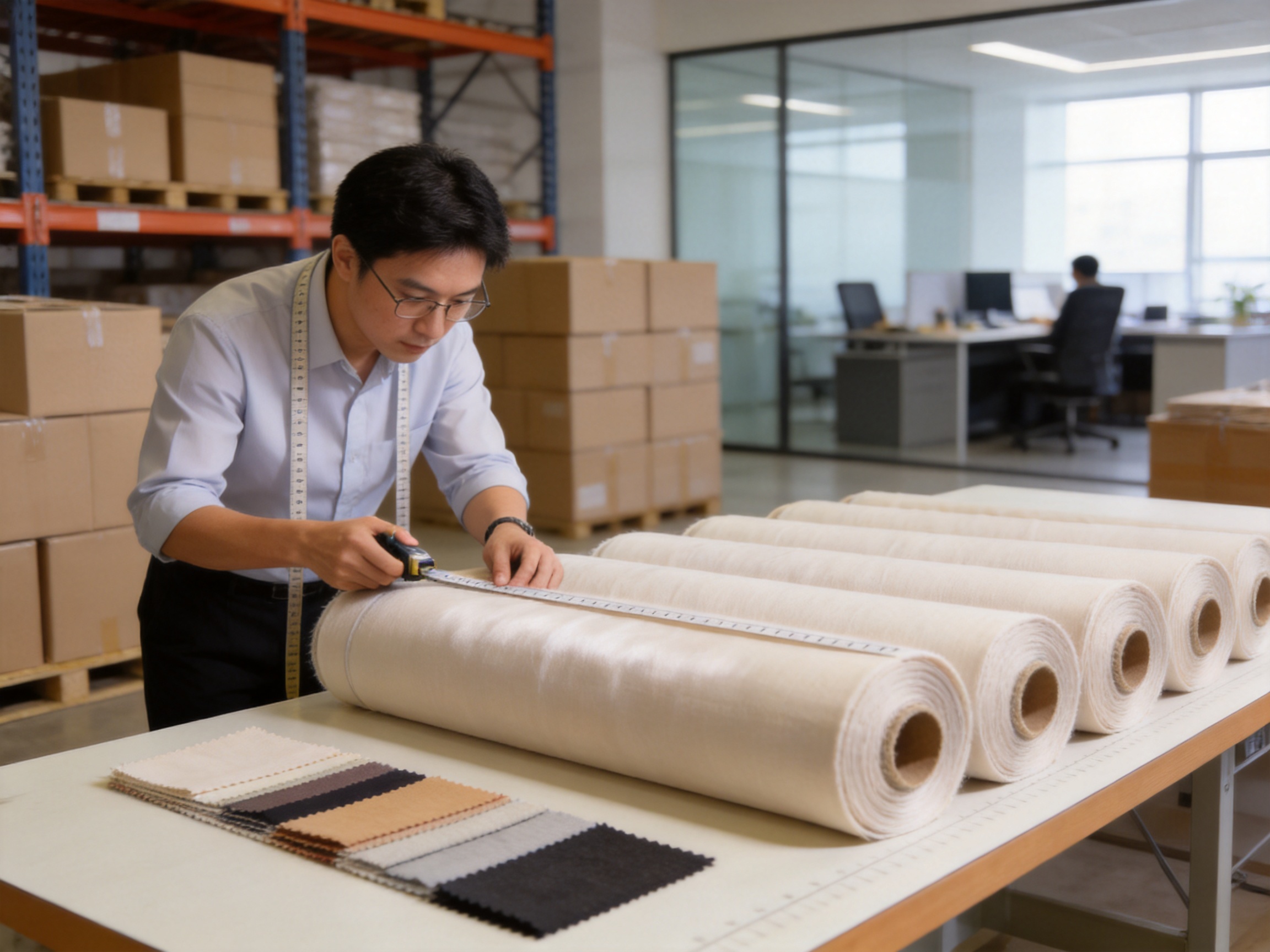
Final inspection and packing complete the quality chain. Rolls should be checked, measured, labeled, and packed according to customer requirements. Clear roll information helps garment factories plan cutting and production. Consistent packing protects fabric during transport and storage. These details may seem simple, but they are essential for professional textile supply.
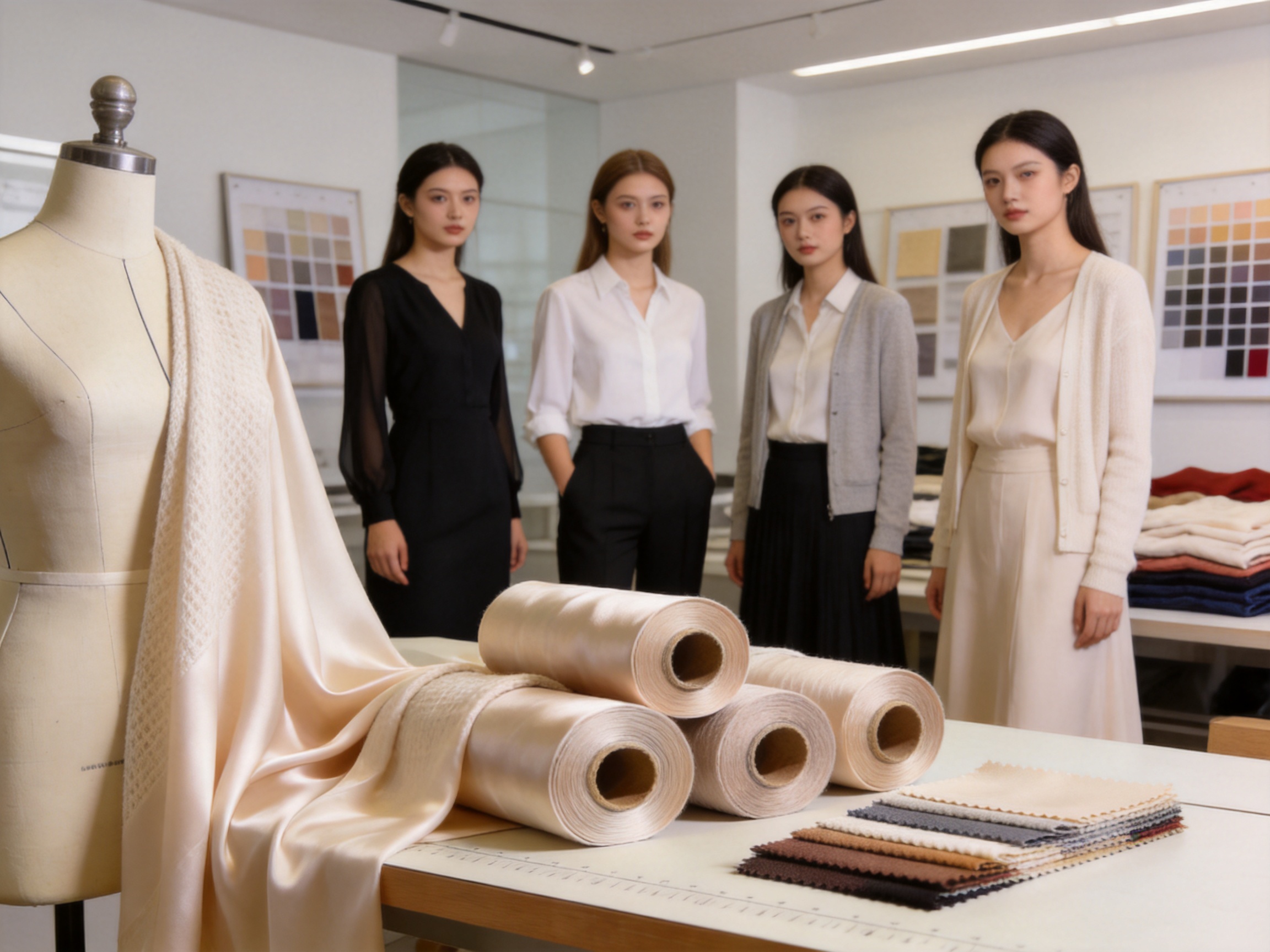
Design Flexibility and Customization
One of the strengths of polyester rayon fabric is its design flexibility. By adjusting fiber ratio, yarn type, fabric structure, weight, color, and finishing, manufacturers can create different products for different markets. A lightweight blend may be used for soft summer garments, while a heavier structure may be suitable for trousers, uniforms, or transitional-season apparel.
Customers may request different hand feels. Some markets prefer a cool, smooth, and flowing fabric, while others prefer a fuller, warmer, or more structured touch. Finishing treatments can be adjusted to support these preferences. Softening agents, brushing, compacting, heat setting, and mechanical finishing can all influence the final character of the fabric.
Color customization is also important. Fashion customers often require seasonal shades, while uniform buyers may need long-term color continuity. Polyester rayon fabric can support a broad color range when dyeing is properly managed. For buyers, the ability to develop custom colors and repeat them consistently can be a major supplier selection factor.
Pattern development is possible through knitted jacquard technology. Jacquard fabric can create raised or recessed textures, geometric patterns, floral effects, stripe variations, and other design elements. Because the pattern is created by the fabric structure, it can offer durability and depth. This is useful for brands seeking visual interest without relying only on surface printing.
Functional customization may include improved wrinkle resistance, enhanced softness, dimensional stability, anti-pilling performance, or moisture comfort. Requirements vary by market and garment type. A fabric used for travel clothing may prioritize wrinkle recovery and easy care. A fabric used for soft fashion tops may prioritize drape and skin comfort. A professional supplier can help select the correct specification.
DTY Polyester Yarn and Its Role in Fabric Performance
DTY polyester yarn is an important product category connected to the performance of many polyester-based fabrics. Drawn textured yarn is produced by stretching and texturing partially oriented yarn, creating a yarn with bulk, elasticity, and a softer character. This makes it suitable for knitted fabrics, woven fabrics, upholstery, sportswear, fashion apparel, and many other textile products.
In polyester rayon fabric and related blends, DTY yarn can improve coverage and texture. The bulk of textured yarn helps create a fuller fabric surface, which can improve opacity and hand feel. Its elastic behavior can also support better fabric recovery, especially in knitted constructions. Slight intermingling improves processing stability by helping filaments stay together during fabric formation.
By producing and processing DTY polyester yarn, Hangzhou Jinfeng Textile Co., Ltd. strengthens its understanding of the upstream factors that influence finished fabric quality. Yarn quality affects everything that follows. If yarn is uneven, poorly textured, or unstable, the fabric may show streaks, inconsistent dyeing, or mechanical problems. High-quality yarn control contributes to stable fabric production.
For customers, access to both yarn and fabric expertise can be valuable. Some buyers may need yarn for their own production, while others may purchase finished fabric. A supplier with knowledge across the chain can advise on yarn selection, fabric structure, and end-use performance. This supports more informed purchasing decisions and better product development outcomes.
Comfort and Wearability
Comfort is a major reason polyester rayon fabric remains popular. Modern consumers expect clothing to feel pleasant during long periods of wear. Rayon contributes moisture absorption and a soft touch, helping reduce the plastic-like sensation sometimes associated with synthetic fabrics. Polyester contributes resilience, preventing the fabric from becoming overly limp or fragile.
Breathability and moisture comfort depend on fabric structure and finishing as well as fiber content. A properly designed polyester rayon fabric can allow comfortable air movement and moisture handling for everyday wear. Knitted structures can further improve flexibility and body movement, making the fabric suitable for tops, dresses, and garments that require comfort during activity.
The fabric’s drape improves the way garments fit and move. A garment made from stiff fabric may restrict movement or create an unattractive silhouette. Polyester rayon fabric can provide a more natural fall, enhancing both comfort and appearance. This is particularly useful for women’s fashion, business casual clothing, and soft tailoring.
Skin feel is also important. Many customers judge fabric quality by touch before considering technical data. A smooth polyester rayon fabric can create an immediate impression of quality. When combined with stable dyeing, clean finishing, and attractive color, the fabric can support higher perceived value in finished garments.
Easy Care and Long-Term Practicality
Consumers increasingly prefer fabrics that are easy to wash, quick to dry, and simple to maintain. Polyester rayon fabric can meet this demand when properly engineered. Polyester improves drying speed and wrinkle resistance, while rayon maintains comfort. This combination makes the fabric suitable for garments that must look good with minimal care.
For uniforms and workwear, easy care is especially important. Employees may wash garments frequently, and organizations expect uniforms to maintain a consistent appearance. Polyester rayon fabric can support repeated use while preserving professional style. With appropriate finishing, it can reduce ironing time and maintain dimensional stability.
For travel apparel, polyester rayon fabric offers a useful balance of compactness, comfort, and wrinkle performance. Garments made from this fabric can be packed, worn, and refreshed more easily than many delicate materials. This practicality helps brands develop clothing for business travelers, tourists, and consumers with active lifestyles.
Long-term practicality also depends on pilling resistance, seam performance, and colorfastness. A well-produced polyester rayon fabric should be tested and finished to reduce surface deterioration. Proper yarn selection, fabric structure, and finishing can help control pilling and maintain a clean appearance. This increases garment life and improves customer satisfaction.
Market Value for Wholesalers and Apparel Brands
For fabric wholesalers, polyester rayon fabric is attractive because it serves multiple markets. A single product category can be adapted for fashion, uniforms, casualwear, business apparel, and seasonal collections. This flexibility helps wholesalers manage inventory and respond to customer demand. Offering related categories such as knitted jacquard fabric, NTR knitted fabric, NR knitted fabric, and DTY polyester yarn can further strengthen market coverage.
For apparel brands, polyester rayon fabric supports both design and production efficiency. Designers appreciate its drape, color potential, and comfortable touch. Production teams appreciate its stability, cutting performance, and manageable care requirements. Merchandising teams appreciate its ability to meet price targets while still presenting a quality appearance. This cross-functional value explains why the fabric is widely used.
For garment factories, consistent fabric reduces waste and improves productivity. Stable width and weight support efficient marker planning. Controlled shrinkage reduces sizing problems. Even dyeing reduces shade sorting. Smooth surface quality reduces inspection issues. A reliable polyester rayon fabric supplier can therefore contribute directly to factory performance and profitability.
For end consumers, the value is simple: garments made from good polyester rayon fabric look attractive, feel comfortable, and are easier to maintain. The fabric supports the modern lifestyle in which people want clothing that can move from work to travel to casual occasions without excessive care.
Sustainability and Responsible Efficiency
Textile sustainability is a complex topic involving fiber source, energy use, water management, dyeing chemicals, fabric durability, waste reduction, and product lifespan. Polyester rayon fabric can contribute to responsible efficiency when produced with controlled processes and used in garments designed for longer service life. Durable and easy-care fabrics can reduce replacement frequency and help consumers use garments longer.
Manufacturing efficiency also matters. Stable production reduces waste from defects, reprocessing, and rejected fabric. Accurate dyeing reduces the need for correction. Proper finishing reduces customer complaints and returns. These practical improvements support more responsible resource use across the textile supply chain.
Blended fabrics must be designed thoughtfully because end-of-life recycling can be more complex than single-fiber textiles. However, the commercial value of polyester rayon fabric lies in its ability to provide comfort and durability together. When garments last longer and remain wearable, their environmental impact per use can be improved. Responsible buyers should work with suppliers that focus on quality stability and process control.
How to Select the Right Polyester Rayon Fabric
Choosing the correct polyester rayon fabric begins with the end use. A dress fabric may require elegant drape and soft touch, while a trouser fabric may require better structure and recovery. A uniform fabric may require durability, colorfastness, and dimensional stability. A knitted top may require stretch, breathability, and skin comfort. Clear end-use information allows the supplier to recommend suitable specifications.
Fabric weight is another important factor. Lightweight fabrics are suitable for blouses, dresses, and warm-weather garments. Medium-weight fabrics can be used for trousers, skirts, tops, and uniforms. Heavier fabrics may be used for structured garments or cooler-season products. Weight should be considered together with construction, because two fabrics of similar weight can feel very different depending on yarn and structure.
Blend ratio affects performance. More rayon may improve softness, moisture comfort, and drape. More polyester may improve durability, wrinkle resistance, and stability. The best ratio depends on the target product. A professional supplier can help balance these factors to achieve both comfort and practicality.
Testing requirements should be discussed early. Buyers may need tests for shrinkage, colorfastness to washing, colorfastness to rubbing, pilling, tensile strength, bursting strength, spirality, and dimensional stability. Establishing standards before production helps prevent misunderstandings. It also gives the manufacturer clear targets during dyeing and finishing.
Sampling is essential for new developments. Lab dips confirm color direction, while handloom or strike-off samples help evaluate structure and appearance. Bulk samples can verify final performance before full production. This step-by-step development process supports better quality and reduces risk.
Service and Communication Advantages
In textile sourcing, service quality is as important as product quality. Customers need timely responses, clear specifications, honest lead-time communication, and practical technical support. Hangzhou Jinfeng Textile Co., Ltd. emphasizes cooperation and win-win business relationships, which is valuable for long-term textile partnerships. A fabric order often involves many details, and good communication helps ensure that those details are properly managed.
The company provides contact channels including email at [email protected] and telephone at 86-0571-82995618. Its address is 1279 Shenda Road, Jingjiang Branch, Xiaoshan District, Hangzhou. For buyers who value supplier visits, factory inspections, and direct negotiation, the company welcomes friends from all walks of life to visit, inspect, and discuss business. This openness supports trust and transparency.
Because the company integrates research and development, production, and sales, it can communicate with customers from both commercial and technical perspectives. Sales teams can understand customer requirements, while production teams can evaluate feasibility. This connection helps customers receive practical recommendations instead of generic answers.
For wholesale DTY yarn, blended fabric, polyester rayon fabric, and related knitted fabric categories, responsive communication can shorten development time. If a customer needs a fabric with specific width, weight, color, or finishing, early technical discussion can reduce trial-and-error. This improves development efficiency and supports faster market response.
Frequently Asked Questions
What is polyester rayon fabric?
Polyester rayon fabric is a blended textile made by combining polyester fibers with rayon fibers. Polyester contributes durability, shape retention, wrinkle resistance, and easy care, while rayon contributes softness, breathability, smooth touch, and elegant drape. The blend creates a balanced fabric for apparel, uniforms, fashion garments, and other textile applications.
Why choose polyester rayon fabric instead of pure polyester?
Pure polyester is strong and stable, but it may feel less natural or less breathable in some applications. Adding rayon improves comfort, softness, and drape. Polyester rayon fabric is often preferred when buyers want the durability of polyester with a more refined, skin-friendly touch.
Why choose polyester rayon fabric instead of pure rayon?
Pure rayon is soft and elegant but can wrinkle, shrink, or weaken more easily if not processed and cared for properly. Polyester improves fabric stability, strength, and wrinkle resistance. A polyester rayon blend is therefore more practical for many garments that require both comfort and easy maintenance.
What garments can be made from polyester rayon fabric?
Polyester rayon fabric can be used for dresses, blouses, skirts, trousers, shirts, business casual clothing, uniforms, lightweight jackets, tunics, cardigans, and knitted fashion garments. The exact application depends on fabric weight, structure, blend ratio, and finishing.
Can polyester rayon fabric be customized?
Yes. The fabric can be customized by adjusting blend ratio, yarn type, fabric structure, weight, width, color, pattern, and finishing. Customization may include softer hand feel, better wrinkle resistance, improved dimensional stability, jacquard patterns, or specific color requirements.
Is polyester rayon fabric suitable for uniforms?
Yes. Polyester rayon fabric is suitable for many uniform applications because it combines comfort, durability, wrinkle resistance, and professional appearance. With proper dyeing and finishing, it can provide stable color and reliable performance after repeated washing.
What role does DTY polyester yarn play?
DTY polyester yarn provides bulk, elasticity, softness, and fabric coverage. It is widely used in knitted and woven textiles. In polyester-based blends and related fabrics, DTY yarn can improve texture, hand feel, and processing stability.
How does finishing affect polyester rayon fabric?
Finishing determines many final fabric properties, including softness, width stability, shrinkage, drape, wrinkle performance, and surface appearance. Proper finishing is essential for turning greige fabric into a commercially ready textile suitable for garment production.
What should buyers check before ordering?
Buyers should confirm end use, fabric weight, width, blend ratio, color standard, shrinkage requirement, colorfastness standard, hand feel, finishing requirement, packaging, and delivery schedule. Testing and sampling are recommended before bulk orders, especially for new developments.
Why work with an integrated textile manufacturer?
An integrated textile manufacturer can better coordinate yarn selection, fabric production, dyeing, finishing, inspection, and sales communication. This reduces quality risks, improves development efficiency, and supports more consistent bulk production.
Conclusion
Polyester rayon fabric offers a valuable balance of comfort, durability, drape, easy care, and commercial efficiency. It meets the needs of modern apparel markets where buyers expect fabrics to look refined, feel comfortable, perform reliably, and remain cost-effective. Compared with pure polyester, it provides improved softness and elegance. Compared with pure rayon, it offers better stability and practical durability. Compared with many low-grade blends, professionally manufactured polyester rayon fabric delivers greater consistency and long-term value.
Hangzhou Jinfeng Textile Co., Ltd. supports this product category through integrated strengths in blended fabric production, DTY polyester yarn processing, post-dyeing, finishing, research and development, production, and sales. Its manufacturing base in Hangzhou, plant resources, export experience, and broad product range allow it to serve customers seeking polyester rayon fabric, knitted jacquard fabric, NTR knitted fabric, NR knitted fabric, and slight intermingled drawn textured yarn.
For fabric wholesalers, garment manufacturers, uniform suppliers, and apparel brands, the right polyester rayon fabric can improve product quality, reduce production risk, and enhance customer satisfaction. With careful selection, professional dyeing, controlled finishing, and reliable inspection, this fabric can support a wide range of stylish and practical textile applications. As markets continue to demand comfort, performance, and value, polyester rayon fabric remains a smart and versatile choice.
References
Collier, B. J., and Epps, H. H. Textile Testing and Analysis. Pearson Education.
Kadolph, S. J. Textiles. Pearson.
Gohl, E. P. G., and Vilensky, L. D. Textile Science. CBS Publishers.
Cook, J. G. Handbook of Textile Fibres: Man-Made Fibres. Woodhead Publishing.
Shenai, V. A. Technology of Textile Processing: Textile Fibres. Sevak Publications.
Sinclair, R. Textiles and Fashion: Materials, Design and Technology. Woodhead Publishing.
