Double-Sided Mesh for Pants Fabric: Advantages, Manufacturing Innovation, and Applications in Modern Apparel
The global apparel industry is in a constant state of evolution, driven by shifting consumer demands for comfort, versatility, sustainability, and aesthetic appeal. As activewear, athleisure, and casual wear continue to dominate market trends, the need for fabrics that can meet multiple functional and stylistic requirements has never been greater. Enter double-sided mesh for pants fabric—a revolutionary textile that combines the breathability of mesh with the versatility of reversible design, setting a new standard for modern apparel. This article explores the core characteristics of this fabric, its distinct advantages over competitor materials, the advanced manufacturing processes that bring it to life, and its wide-ranging applications in the apparel sector. Additionally, we will highlight the strengths of the leading manufacturer behind this innovative fabric and address common questions from designers, retailers, and consumers.
What Is Double-Sided Mesh for Pants Fabric?
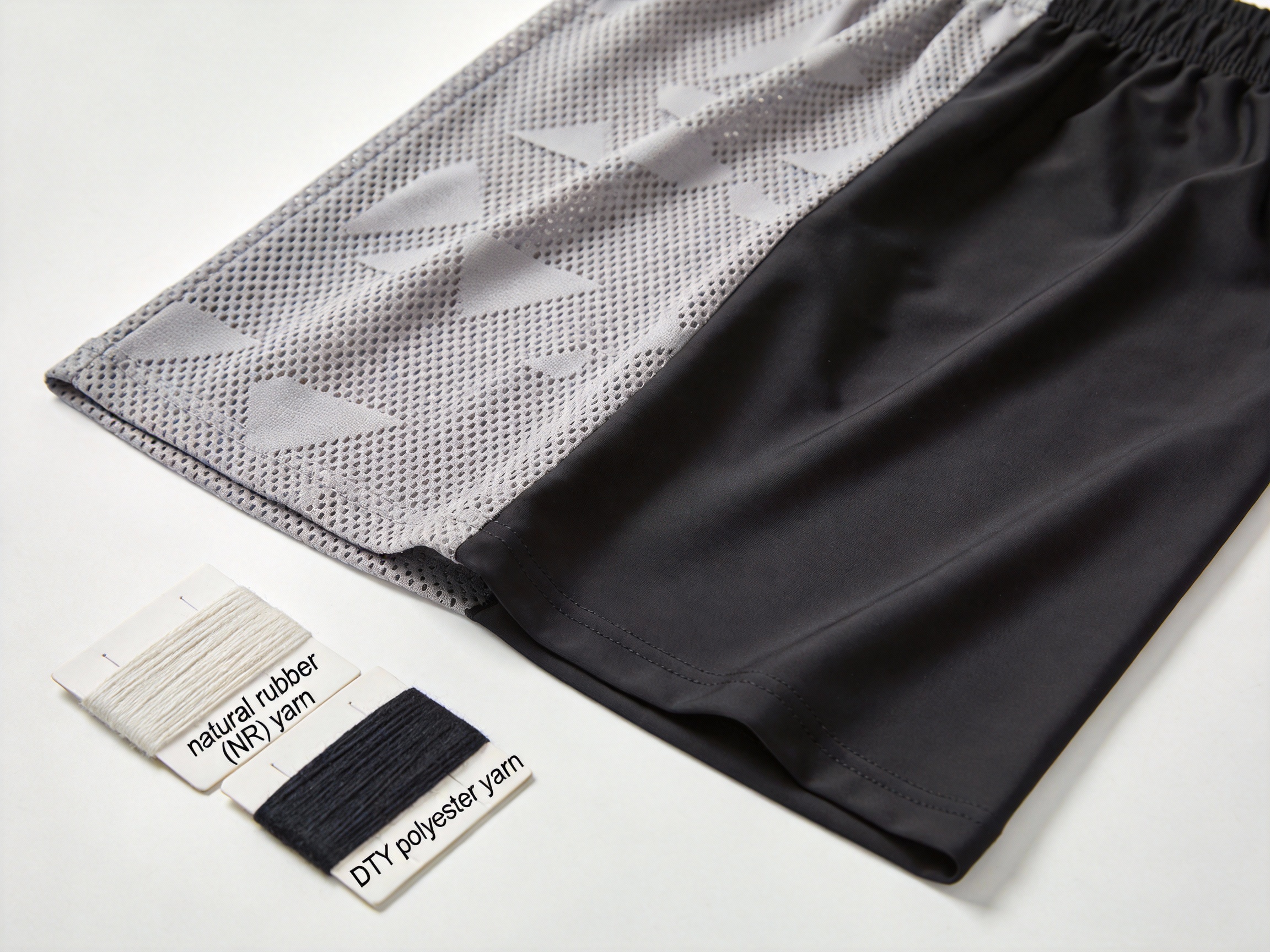
Double-sided mesh for pants fabric is a specialized knitted textile designed with two distinct, usable face sides—each featuring unique patterns, textures, or colors. Unlike traditional single-sided mesh, which only has one functional surface, this fabric leverages advanced jacquard knitting technology to create a reversible structure that allows garments to be worn in two distinct styles. At its core, the fabric is typically composed of a blend of natural rubber (NR) yarn and other high-performance fibers (such as DTY polyester), which enhances its stretch, durability, and comfort.
Core Characteristics of Double-Sided Mesh Fabric
The key features that define double-sided mesh for pants fabric include:
Reversibility: Two distinct face sides that can be used interchangeably, offering endless design possibilities for apparel designers.
Breathability: A mesh structure that promotes air circulation, keeping the wearer cool and dry—critical for activewear and daily use.
Stretch and Recovery: The NR blend provides excellent elasticity, allowing the fabric to conform to the body without losing shape over time.
Durability: Resistant to snags, pilling, and wear, making it suitable for high-activity use and repeated washing.
Aesthetic Flexibility: Contrasting patterns or textures on each side enable designers to create garments that transition seamlessly from casual to formal settings.
Material Composition: NR Knitted Fabric Foundation
Double-sided mesh for pants fabric falls under the category of NR knitted fabric—a material known for its softness, elasticity, and skin-friendliness. Natural rubber (NR) yarn is derived from the latex of rubber trees, making it a renewable resource with inherent stretch properties. When blended with DTY polyester (draw textured yarn), the fabric gains additional strength, color retention, and moisture-wicking capabilities. This combination ensures that the fabric is not only comfortable but also durable enough to withstand the rigors of daily wear.
Advantages Over Competitor Fabrics
To understand the value of double-sided mesh for pants fabric, it is essential to compare it to common alternative materials used in apparel. The following table summarizes its key advantages:
| Feature | Double-Sided Mesh for Pants Fabric | Single-Sided Mesh Fabric | Regular Jacquard Fabric | Cotton Mesh Fabric |
|---|---|---|---|---|
| Reversibility | Full (two distinct usable sides) | None (only one functional side) | Limited (one side has loose threads) | None (single-sided structure) |
| Breathability | High (mesh + double layers for air flow without see-through) | Medium (may be thin, leading to see-through) | Low (dense patterns restrict air flow) | Medium (absorbs moisture but dries slowly) |
| Durability | Excellent (NR blend + anti-pilling; retains shape after 50+ washes) | Moderate (prone to snags; loses shape quickly) | Good (dense but frays at edges) | Poor (cotton fibers break easily; shrinks) |
| Aesthetic Options | High (contrasting patterns; reversible designs) | Low (limited to one pattern/color) | Medium (one-sided pattern; no reversible option) | Low (simple patterns; poor color retention) |
| Cost per Yard (Wholesale) | $3.50-$5.00 (value for versatility) | $2.00-$3.00 (limited use) | $4.00-$6.00 (higher cost for single-sided design) | $2.50-$3.50 (poor durability) |
Versatility & Reversibility: A Game-Changer for Designers
One of the most significant advantages of double-sided mesh fabric is its reversibility. Unlike single-sided mesh, which restricts designers to one pattern or color, this fabric allows for two distinct looks in a single garment. For example, a pair of pants can feature a subtle geometric pattern on one side and a solid color on the other, enabling consumers to switch styles based on their mood or occasion. This versatility not only increases the value of the garment for consumers but also reduces production costs for brands, as they can offer multiple styles with a single fabric.
Comfort & Breathability: Ideal for Active Lifestyles
Breathability is a critical factor for apparel, especially for activewear and daily wear. Double-sided mesh fabric’s open structure promotes air circulation, preventing the buildup of heat and moisture. Unlike cotton mesh, which absorbs sweat and takes time to dry, the NR-polyester blend wicks moisture away from the skin, keeping the wearer dry and comfortable. Additionally, the double-layered structure eliminates the see-through issues common in thin single-sided mesh, making it suitable for a wide range of body types and occasions.
Durability & Wear Resistance: Long-Lasting Performance
Durability is another key advantage of double-sided mesh fabric. The NR blend provides excellent elasticity and resilience, allowing the fabric to stretch and recover without losing shape. The anti-pilling finish applied during manufacturing prevents the formation of small balls on the surface, ensuring the fabric looks new even after repeated washing. In contrast, cotton mesh tends to shrink and lose shape after a few washes, while single-sided mesh is prone to snags and tears. This durability makes double-sided mesh fabric a cost-effective choice for brands and consumers alike.
Aesthetic Flexibility: Endless Design Possibilities
The reversible nature of double-sided mesh fabric opens up a world of design possibilities. Designers can create garments with contrasting patterns, textures, or colors on each side, adding a unique touch to their collections. For example, a pair of yoga pants can feature a floral pattern on one side and a striped pattern on the other, catering to consumers who want to express their individuality. Additionally, the fabric’s soft texture and smooth finish make it suitable for both casual and formal wear, expanding its application beyond activewear.
Advanced Manufacturing Processes Behind the Fabric
The production of double-sided mesh for pants fabric requires precision, innovation, and a commitment to quality. The leading manufacturer of this fabric uses state-of-the-art technology and rigorous quality control processes to ensure consistency and performance. Below is a detailed breakdown of the manufacturing workflow:
1. Precision Jacquard Knitting Technology
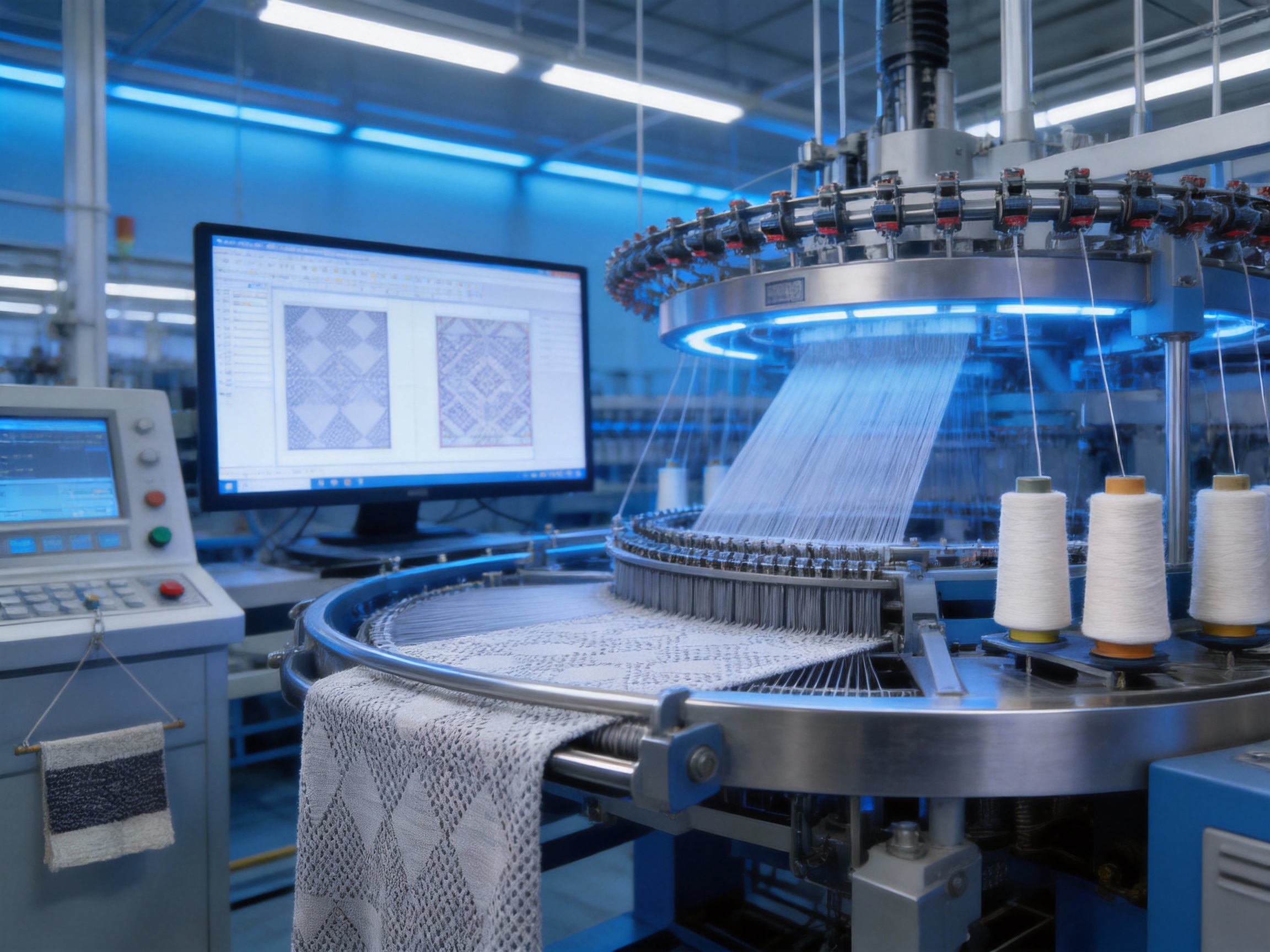
The fabric is produced using computerized circular jacquard knitting machines—advanced equipment that can create complex patterns on both sides of the fabric simultaneously. The process begins with a CAD (computer-aided design) file, which specifies the pattern for each side of the fabric. The machine uses multiple feeders to knit the two layers together, ensuring that the patterns align perfectly. This technology allows for high customization, as designers can easily modify the pattern or color scheme by adjusting the CAD file.
2. Material Sourcing & Pre-Treatment
The manufacturer sources high-quality NR yarn from sustainable rubber plantations and DTY polyester yarn from its own integrated production facility. Before knitting, the yarn is pre-treated to enhance its elasticity and softness. The NR yarn is washed to remove impurities and then dried using a controlled temperature process to prevent shrinkage. The DTY polyester yarn is also treated to improve its color retention and moisture-wicking properties.
3. Post-Dyeing & Finishing Innovations
After knitting, the fabric undergoes a series of post-dyeing and finishing processes to enhance its performance and appearance:
Dyeing: The fabric is dyed using reactive dyes, which bond chemically with the NR fibers to ensure long-lasting color fastness. The manufacturer uses low-impact dyes to minimize environmental impact, aligning with global sustainability standards.
Washing: The dyed fabric is washed multiple times to remove excess dye and ensure color consistency. The washing process uses soft water to prevent damage to the fibers.
Finishing: The fabric is treated with anti-pilling, water-repellent (optional), and softening agents. The anti-pilling agent coats the fibers to reduce friction, while the softening agent enhances the fabric’s comfort against the skin. The water-repellent finish is ideal for outdoor apparel, as it sheds water without compromising breathability.
4. Rigorous Quality Control Protocols
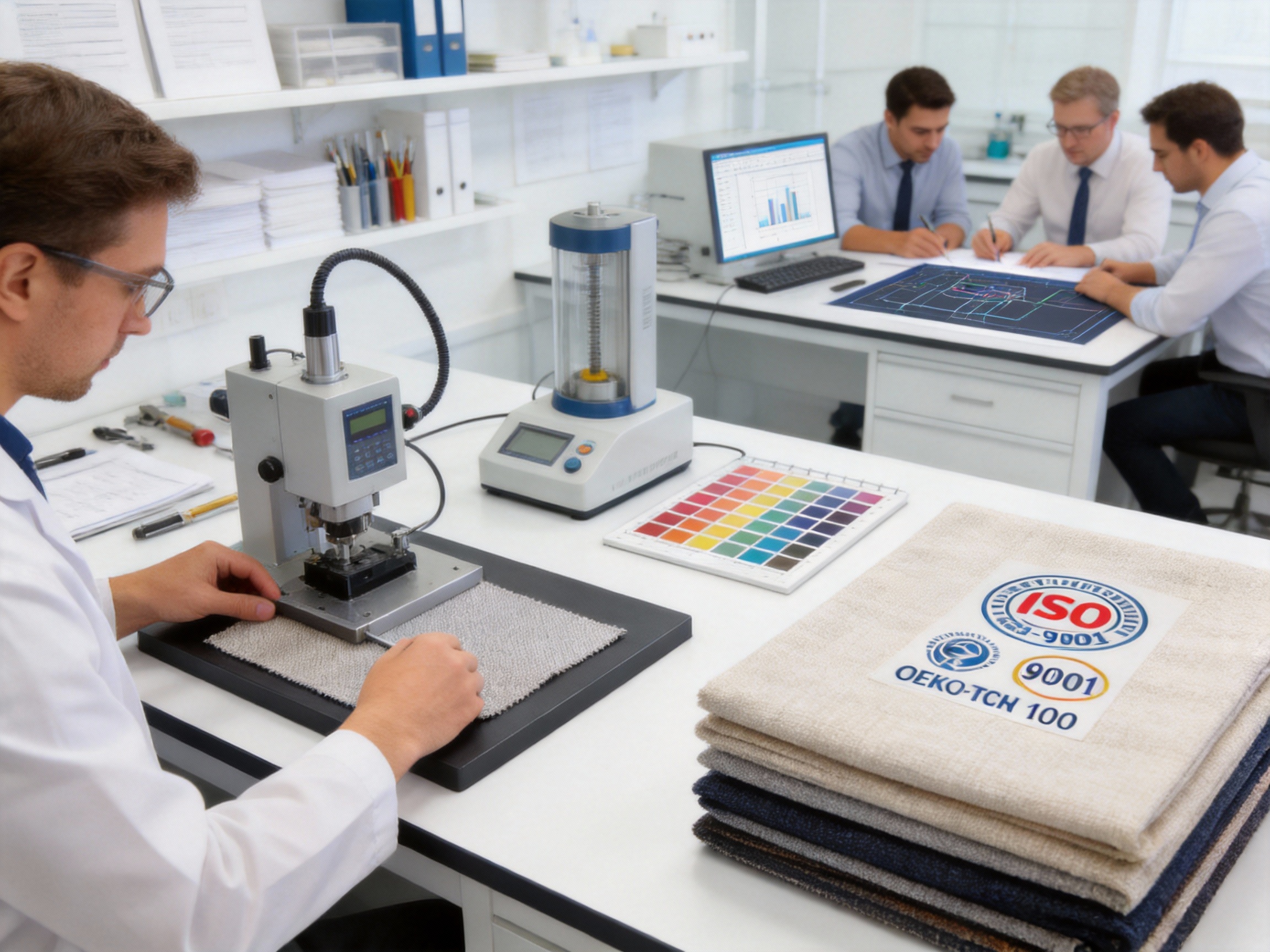
Each batch of fabric undergoes rigorous quality control tests to ensure it meets the manufacturer’s high standards. The tests include:
Stretch Recovery Test: A sample is stretched to 50% of its original length and held for 10 minutes. If it returns to within 5% of its original length, it passes.
Color Fastness Test: The fabric is washed 5 times at 60°C and checked against a color chart. If the color change is less than 4 (on the AATCC scale), it is approved.
Breathability Test: Air permeability is measured using an ASTM D737 test. The fabric must have a permeability of at least 150 cm³/cm²/s to ensure good air flow.
Durability Test: The fabric is tested using the Martindale method to measure its resistance to wear. It must withstand at least 10,000 cycles without showing signs of damage.
Applications of Double-Sided Mesh for Pants Fabric
Double-sided mesh for pants fabric’s versatility makes it suitable for a wide range of apparel applications. Below are some of the most common uses:
1. Athleisure & Activewear Pants
Athleisure and activewear are the fastest-growing segments of the apparel industry, and double-sided mesh fabric is perfectly suited for this market. Its breathability, stretch, and durability make it ideal for yoga pants, running pants, gym shorts, and leggings. For example, yoga pants made from this fabric feature a smooth side for next-to-skin comfort and a textured side for style. The fabric’s moisture-wicking properties keep the wearer dry during intense workouts, while its stretch allows for deep stretches and movements.
2. Casual & Daily Wear Pants
Double-sided mesh fabric is also popular for casual and daily wear pants, such as joggers, jeans alternatives, and lounge pants. Its reversible design allows consumers to switch between two styles, making it a versatile addition to any wardrobe. For example, a pair of joggers can feature a floral pattern on one side and a solid color on the other, enabling wearers to match their outfit to the occasion. The fabric’s soft texture and comfortable fit make it perfect for everyday use.
3. Workwear & Uniform Pants
Workwear and uniform pants require durability, comfort, and a professional appearance—all of which double-sided mesh fabric provides. The fabric’s durable structure resists snags and tears, making it suitable for professions like hospitality, healthcare, and retail. The reversible design allows for a subtle pattern on one side (for a professional look) and a solid color on the other (for easy cleaning). Additionally, the fabric’s moisture-wicking properties keep employees cool and comfortable during long workdays.
4. Sustainable Apparel Lines
As consumers become more environmentally conscious, sustainable apparel lines are gaining popularity. Double-sided mesh fabric is an eco-friendly choice, as it uses renewable NR yarn and low-impact dyes. The manufacturer also uses recycled DTY polyester yarn in some blends, reducing its carbon footprint. This makes the fabric ideal for brands looking to create sustainable apparel collections.

Leading Manufacturer’s Strengths in Delivering This Fabric
The double-sided mesh for pants fabric is produced by Hangzhou Jinfeng Textile Co., Ltd—a leading textile manufacturer based in Hangzhou, China. The company’s strengths lie in its integrated supply chain, advanced R&D capabilities, global export experience, and customer-centric approach.
1. Integrated Supply Chain
Hangzhou Jinfeng Textile has a fully integrated supply chain, from yarn production to finished fabric. The company produces its own DTY polyester yarn, which ensures consistent quality and reduces lead times. This vertical integration allows the company to control every stage of the production process, from raw material sourcing to final quality control.
2. Advanced R&D Capabilities
The company has a team of 15 textile engineers who work on developing new blends, patterns, and finishes. Recent innovations include a blend of NR, DTY polyester, and 5% spandex that offers 20% more stretch than previous versions while retaining durability. The R&D team also collaborates with designers and brands to create custom fabrics tailored to specific needs.
3. Global Export Experience
Hangzhou Jinfeng Textile is a self-employed export company with experience shipping to over 30 countries, including the US, EU, and Southeast Asia. The company has certifications such as ISO 9001 (quality management), OEKO-TEX Standard 100 (safe for human use), and REACH compliance (for EU markets). This ensures that its fabrics meet international regulatory standards.
4. Customer-Centric Approach
The company prioritizes customer satisfaction, offering custom pattern design, color matching, and small batch orders for startups. It also provides after-sales support, including product training and technical assistance. The company’s "cooperation, win-win" business philosophy ensures that it works closely with clients to meet their needs and achieve mutual success.
Q&A Section
Below are answers to common questions about double-sided mesh for pants fabric:
Q1: What makes double-sided mesh for pants fabric different from single-sided mesh?
A: Double-sided mesh features two distinct, usable face sides—unlike single-sided mesh, which only has one functional surface. This reversibility allows garments to be worn in two styles, maximizing versatility. Additionally, the double-layered structure provides better breathability without see-through issues, making it ideal for pants.
Q2: Is this fabric suitable for all body types?
A: Yes. The fabric’s stretch (from NR and spandex blends) accommodates a wide range of body shapes. Its body-hugging properties are gentle and non-restrictive, while the reversible design allows wearers to choose the side that flatters their silhouette best.
Q3: How does the manufacturer ensure color fastness?
A: The fabric is dyed using reactive dyes that bond chemically with NR fibers. Each batch undergoes a color fastness test (AATCC 61), where it is washed 5 times at 60°C. Only fabrics with a color change of less than 4 are approved.
Q4: Can the fabric be customized for specific design needs?
A: Yes. The manufacturer’s R&D team can create custom patterns, colors, and blends. For example, a sportswear brand can request a water-repellent finish or a specific geometric pattern on both sides of the fabric.
Q5: What are the care instructions for garments made from this fabric?
A: Garments should be washed in cold water with mild detergent. Avoid using bleach or fabric softeners. Tumble dry on low heat or hang dry. Iron on low heat if necessary (avoid ironing directly on the pattern).