Cotton NR Roman Fabric: Unlocking Versatility and Performance in Contemporary Textiles
The global textile industry is undergoing a profound transformation, driven by shifting consumer demands for fabrics that balance comfort, durability, versatility, and aesthetic appeal. As fast fashion gives way to more sustainable and functional alternatives, textile innovators are turning to blended materials to meet these evolving needs. Among the most promising developments in recent years is Cotton NR Roman Fabric—a unique blend of cotton, nylon, and rayon that has emerged as a game-changer for both apparel and home textile applications. This article explores the composition, advantages, manufacturing processes, and real-world uses of Cotton NR Roman Fabric, highlighting why it stands out from traditional textiles and how advanced production techniques ensure its consistent quality.
Cotton NR Roman Fabric is not just another blended textile; it is a carefully engineered material designed to address the limitations of single-component fabrics. By combining the natural softness of cotton with the strength of nylon and the drape of rayon, this fabric delivers a harmonious balance of properties that make it suitable for everything from everyday casual wear to formal evening gowns. Moreover, its easy sewability and wide range of patterns and colors have made it a favorite among designers, manufacturers, and consumers alike.
What is Cotton NR Roman Fabric?
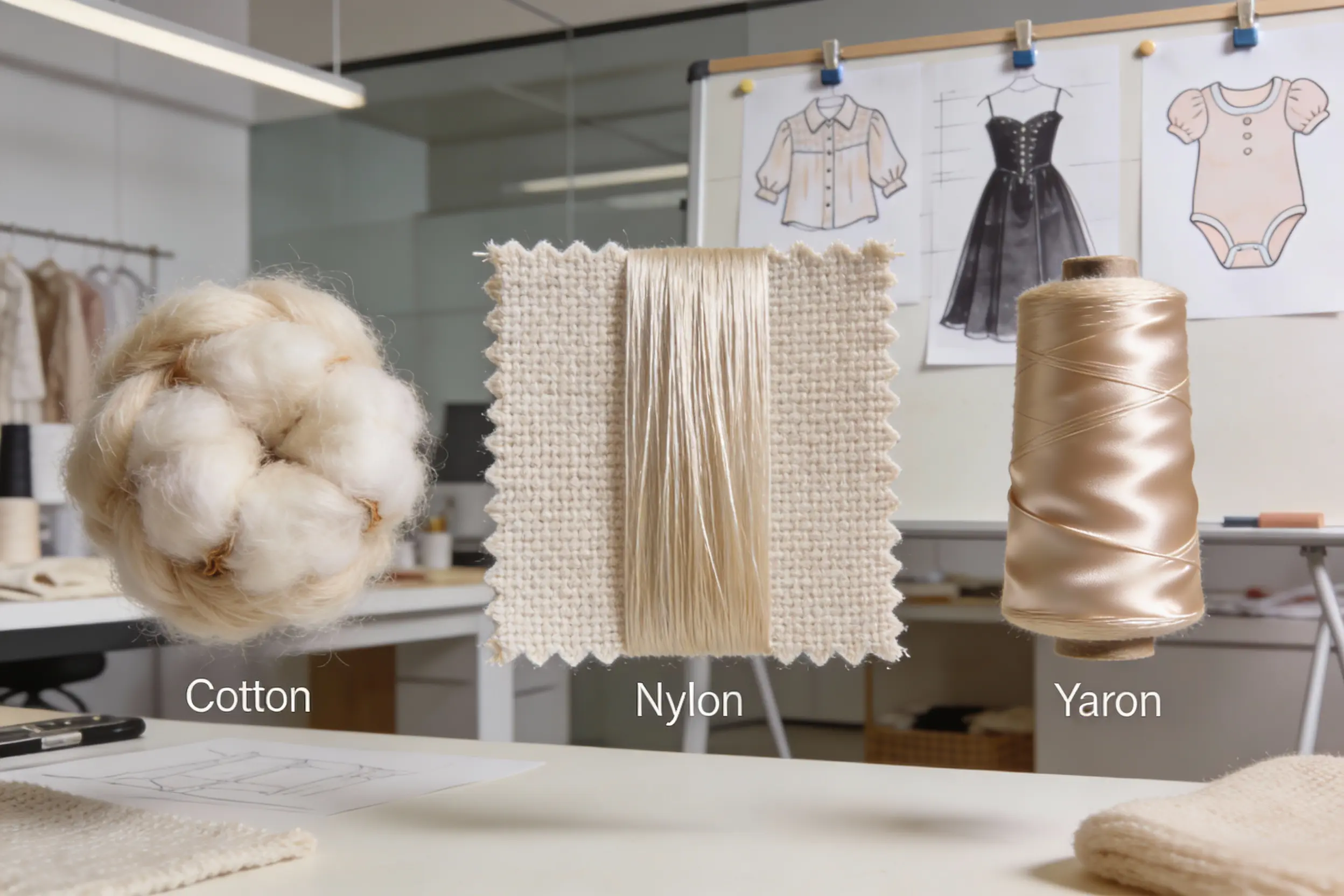
Cotton NR Roman Fabric is a knitted textile composed of three key components: cotton, nylon (also known as polyamide), and rayon (a semi-synthetic fiber derived from cellulose). The exact blend ratio varies depending on the intended use—for example, a baby clothing variant may have a higher cotton content for softness, while a formal wear variant may include more nylon for structure and stretch. The "NR" in its name refers to the nylon-rayon blend, which works in tandem with cotton to create a fabric that is both functional and aesthetically pleasing.
Beyond its core composition, Cotton NR Roman Fabric is available in several distinct types, each tailored to specific applications:
- Nylon-Rayon Knitted Fabric: This is the base variant, known for its easy sewability and versatility. It is often used for everyday clothing like blouses, skirts, and cardigans.
- ITY (Intermingled Textured Yarn) Fabric: Made from DTY (Drawn Textured Yarn) yarns, this variant offers enhanced stretch and a subtle sheen. It is popular for dresses and activewear due to its ability to move with the wearer.
- Lace Knit Fabric: A sheer, lightweight variant with intricate patterns, this type is ideal for overlays, lingerie, and formal wear. It combines the softness of cotton with the delicate appearance of lace, without the fragility of traditional lace.
Each type of Cotton NR Roman Fabric retains the core benefits of the blend while adding unique properties that cater to different market needs. For example, the lace knit variant is sheer but not transparent, making it suitable for formal gowns, while the ITY variant is stretchy but retains its shape, making it perfect for dresses that need to withstand frequent wear.
Key Advantages of Cotton NR Roman Fabric Over Competitors
Cotton NR Roman Fabric outperforms traditional textiles in several key areas, making it a preferred choice for manufacturers and consumers. Here are its most significant advantages:
1. Unmatched Sewability
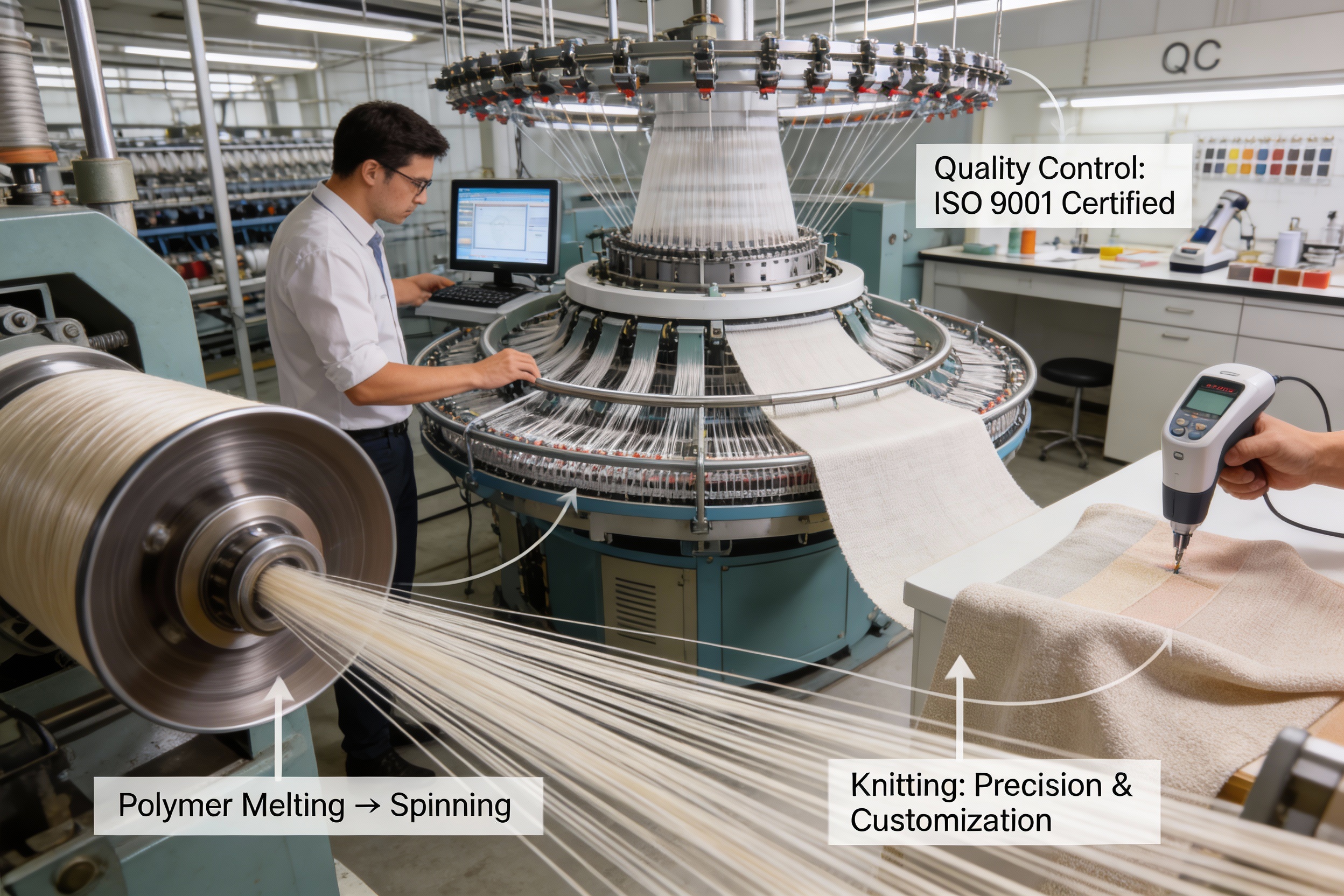
One of the biggest challenges with stretch fabrics is their tendency to slip, pucker, or require special tools (like ballpoint needles or stretch threads) for sewing. Cotton NR Roman Fabric, however, has a stable knitted structure that works seamlessly with standard sewing machines and tools. It does not slip or pucker, even when sewing curved seams or hems, making it accessible to both professional sewers and hobbyists. For example, a beginner sewer can easily make a blouse using this fabric without encountering common issues like skipped stitches or uneven seams.
2. Exceptional Versatility
Cotton NR Roman Fabric’s unique blend of properties allows it to be used for a wide range of applications. Unlike single-component fabrics (e.g., pure cotton or nylon), which are limited to specific uses, this fabric can be used for:
- Everyday casual wear (blouses, t-shirts, skirts, cardigans)
- Formal and evening wear (gowns, cocktail dresses, overlays)
- Baby and children’s clothing (onesies, dresses, blankets)
- Home textiles (curtains, pillow covers, table runners)
This versatility makes it a cost-effective choice for manufacturers, as they can use a single fabric for multiple product lines.
3. Balanced Stretch and Sheen
The nylon component of Cotton NR Roman Fabric gives it a medium stretch (20-30%)—enough for comfort but not so much that it loses shape over time. This is in contrast to pure nylon, which has a high stretch (40-50%) but tends to bag out after repeated wear. Additionally, the rayon component adds a subtle sheen that is not overwhelming, making it suitable for both daytime (casual) and nighttime (formal) wear. Unlike polyester-rayon blends, which have a shiny appearance, Cotton NR Roman Fabric has a matte-satin finish that is elegant and timeless.
4. Enhanced Durability
Pure cotton fabrics are soft and breathable but prone to wrinkling and wear out quickly with frequent washing. Pure nylon is strong and durable but stiff and not breathable. Cotton NR Roman Fabric addresses these limitations by combining the best of both worlds:
- Cotton adds breathability and softness against the skin.
- Nylon adds strength, stretch, and resistance to abrasion.
- Rayon adds drape and a smooth finish.
As a result, garments made from this fabric can last 2-3 times longer than pure cotton garments, even with regular use and washing. For example, a dress made from Cotton NR Roman Fabric can withstand 50+ washes without losing its shape or softness.
5. Wide Range of Patterns and Colors
Cotton NR Roman Fabric is available in over 100 colors and a variety of patterns, including stripes, florals, and geometric designs. This is made possible by advanced digital printing and jacquard knitting techniques, which allow for intricate and customizable designs. Unlike traditional fabrics, which are limited to solid colors or simple patterns, this fabric can be tailored to meet the specific needs of designers and brands. For example, a fashion brand can request a unique floral pattern for their spring collection, which is then produced using jacquard knitting machines.
Advanced Manufacturing Processes: Ensuring Quality and Consistency
The superior quality of Cotton NR Roman Fabric is not accidental—it is the result of advanced manufacturing processes that integrate research and development, yarn production, knitting, dyeing, finishing, and quality control. Leading manufacturers (like Hangzhou Jinfeng Textile Co., Ltd) have invested heavily in state-of-the-art equipment and skilled labor to ensure that every batch of fabric meets the highest standards.
1. In-House R&D: Engineering the Perfect Blend
Before any fabric is produced, the manufacturer’s R&D team conducts extensive material testing to determine the optimal blend ratio for each application. For example:
- For baby clothing: 40% cotton, 35% nylon, 25% rayon (maximizing softness and breathability).
- For formal wear: 30% cotton, 40% nylon, 30% rayon (enhancing structure and sheen).
- For activewear: 35% cotton, 40% nylon, 20% rayon, 5% spandex (adding extra stretch).
The R&D team collaborates with universities (like Zhejiang University) and fashion designers to identify emerging trends and customer needs. For example, a recent R&D project focused on developing an eco-friendly variant of Cotton NR Roman Fabric using recycled nylon and organic cotton. This variant has been well-received by sustainable fashion brands, as it reduces the environmental impact of textile production.
2. DTY Yarn Production: Controlling Quality from the Start
Many manufacturers source their yarns from third-party suppliers, which can lead to inconsistencies in quality. Leading manufacturers of Cotton NR Roman Fabric, however, produce their own DTY (Drawn Textured Yarn) yarns in-house. This allows them to control every step of the yarn production process, from polymer melting to texturing.
The DTY yarn production process involves:
- Polymer Melting: Polymer chips (polyester or nylon) are melted at high temperatures to form a liquid.
- Spinning: The liquid polymer is spun into fine filaments using a spinneret.
- Drawing: The filaments are drawn to increase their strength and reduce their diameter.
- Texturing: The drawn filaments are textured to add stretch and bulk.
The manufacturer’s DTY production line uses closed-loop systems to recycle waste heat, reducing energy consumption by 20% compared to traditional machines. Additionally, each batch of yarn is tested for tensile strength, elongation, and uniformity to ensure consistency.
3. Knitting: Creating Intricate Patterns with Precision
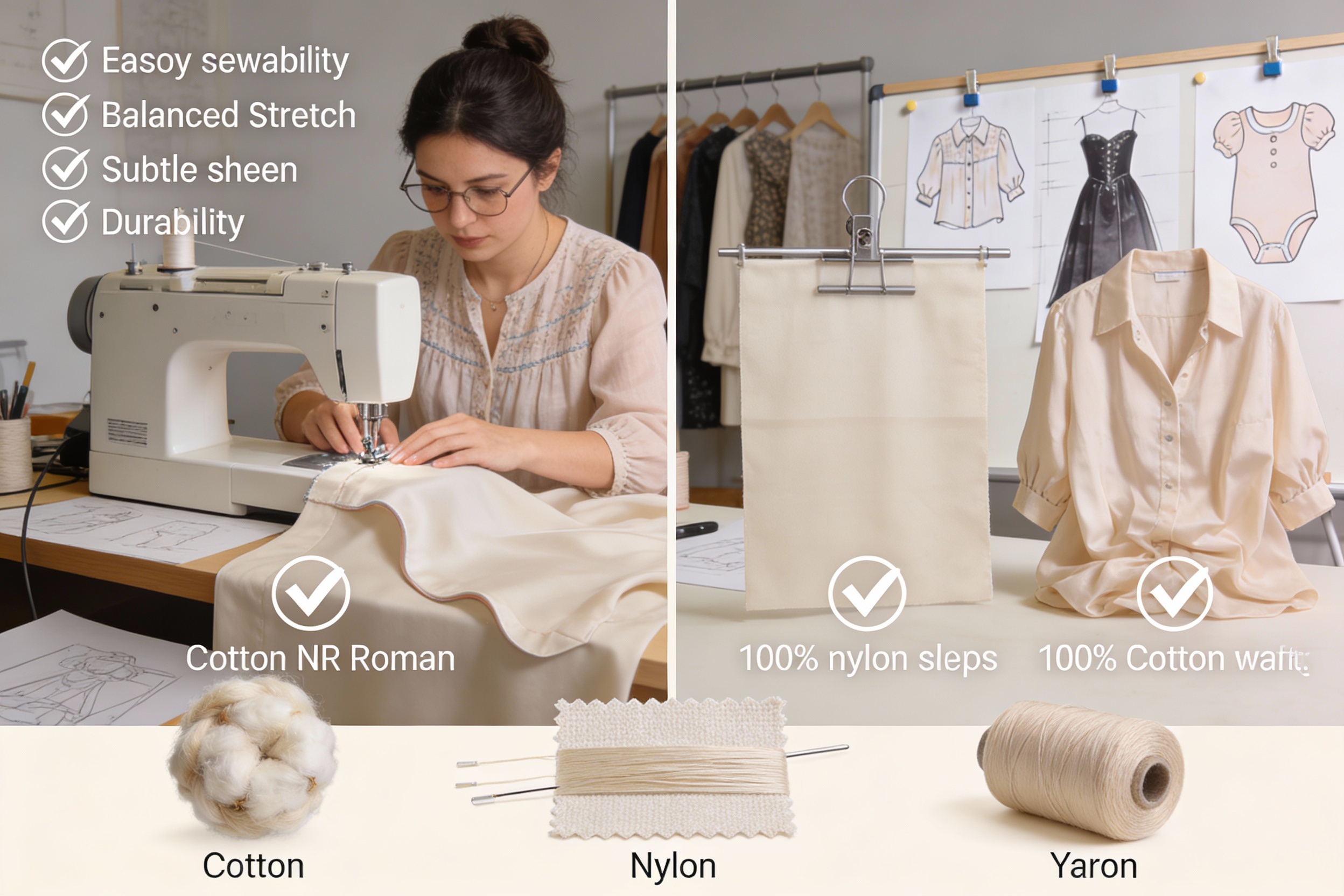
Cotton NR Roman Fabric is knitted using two types of machines: circular knitting machines and flat knitting machines. Circular machines are used to produce seamless fabrics (ideal for dresses and activewear), while flat machines are used for jacquard patterns (ideal for formal wear and home textiles).
The jacquard knitting process uses digital design software to create intricate patterns. The software sends instructions to the machine, which selects the appropriate yarns to create the desired design. This allows for customization—for example, a customer can request a specific logo or pattern to be knitted into the fabric. The knitting machines are also equipped with sensors to detect defects (like broken yarns) and stop production immediately, ensuring that only high-quality fabric is produced.
4. Post-Dyeing and Finishing: Enhancing Performance and Aesthetic
After knitting, the fabric undergoes post-dyeing and finishing processes to enhance its performance and aesthetic appeal. These processes include:
- Pre-Treatment: The fabric is washed to remove impurities (like oil and wax) and prepare it for dyeing.
- Dyeing: The fabric is dyed using a continuous dyeing machine that ensures even color distribution. The manufacturer uses low-impact dyes that are free from harmful chemicals (like AZO dyes) to meet OEKO-TEX Standard 100.
- Heat Setting: The fabric is passed through a heat chamber to set the stretch and shape. This ensures that the fabric retains its size and stretch after repeated washing.
- Finishing: The fabric undergoes additional treatments (like mercerization for cotton softness, anti-wrinkle treatment, and water-repellent treatment) to enhance its performance. For example, the anti-wrinkle treatment uses a natural resin (chitosan) derived from shellfish, which is eco-friendly and effective.
Each finishing process is automated to ensure consistency across batches. For example, the heat setting process uses precise temperature control to ensure that the fabric’s stretch is set uniformly.
5. Quality Control: Ensuring Compliance with International Standards
Quality control is an integral part of the manufacturing process. The manufacturer maintains a state-of-the-art QC lab equipped with advanced testing equipment (like a tensile testing machine, colorimeter, and color fastness tester). Each batch of fabric undergoes the following tests:
- Tensile Strength Test: Measures the fabric’s ability to withstand tension without breaking.
- Color Fastness Test: Tests the fabric’s resistance to fading from washing, light, and rubbing.
- Stretch Retention Test: Measures the fabric’s ability to retain its shape after repeated stretching.
- Defect Inspection: Each roll of fabric is inspected for defects (like holes, uneven dyeing, or loose threads) using automated vision systems.
The manufacturer also holds ISO 9001 certification, which ensures that its quality management system meets international standards. This commitment to quality has made Cotton NR Roman Fabric a trusted choice for global brands.
Applications of Cotton NR Roman Fabric in Modern Textiles
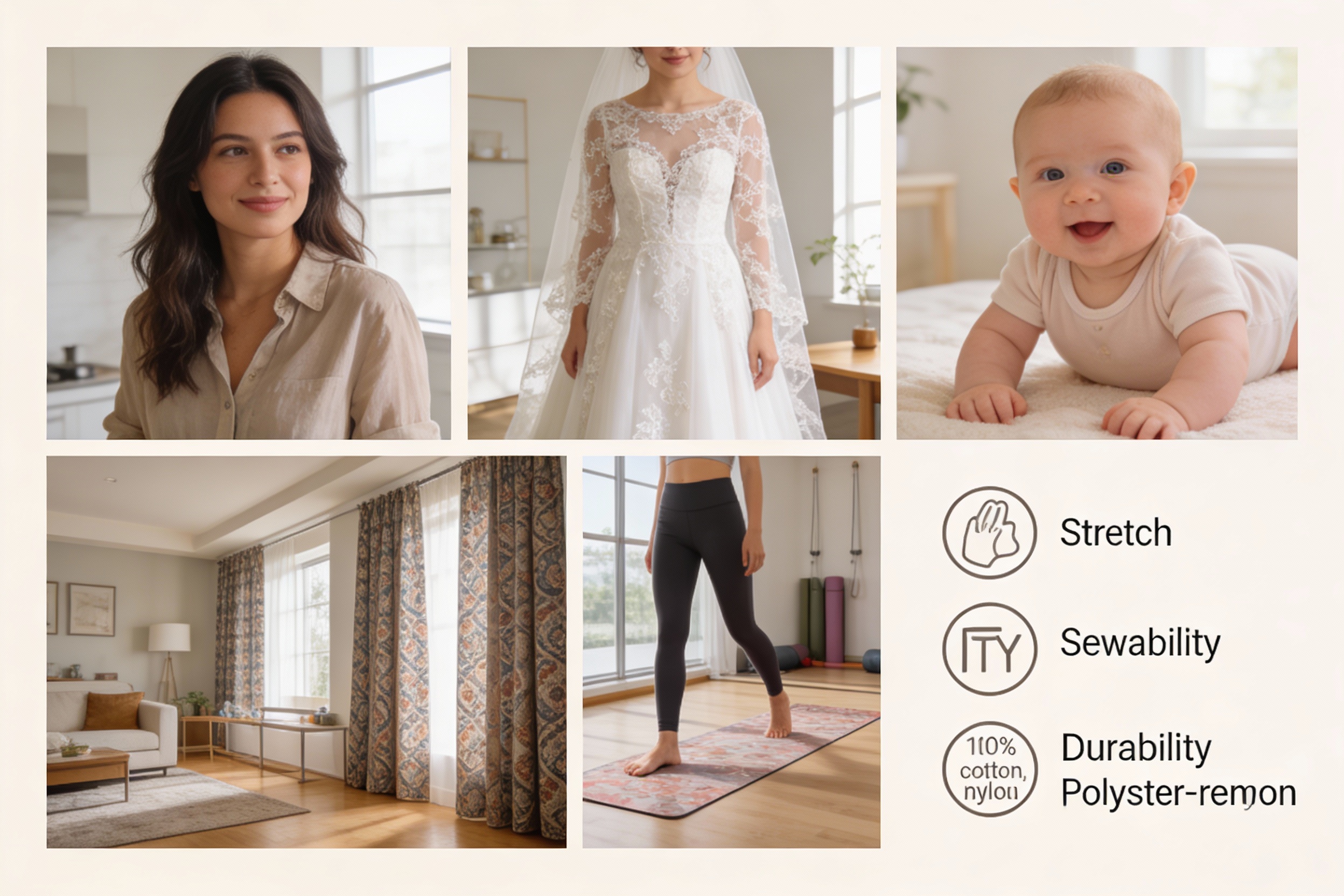
Cotton NR Roman Fabric’s versatility makes it suitable for a wide range of applications. Here are some of the most common uses:
1. Everyday Casual Wear
The nylon-rayon knitted variant of Cotton NR Roman Fabric is ideal for everyday casual wear. Its softness and breathability make it comfortable for all-day wear, while its easy sewability makes it easy to produce. For example, blouses made from this fabric are popular for office wear, as they are professional and comfortable. Skirts and cardigans made from this fabric are also popular for weekend outings.
2. Formal and Evening Wear
The lace knit variant of Cotton NR Roman Fabric is perfect for formal and evening wear. Its sheer texture adds a touch of elegance, while its subtle sheen makes it look luxurious. For example, lace knit overlays are often used on wedding dresses and evening gowns to add a delicate touch. Blouses made from this fabric are also popular for formal events, as they are both elegant and comfortable.
3. Baby and Children’s Clothing
The cotton-rich variant of Cotton NR Roman Fabric is ideal for baby and children’s clothing. Its softness is gentle against delicate skin, while its durability can withstand frequent washing and tumble drying. For example, onesies made from this fabric are popular for newborns, as they are comfortable and easy to care for. Dresses made from this fabric are also popular for young girls, as they are both stylish and practical.
4. Home Textiles
Cotton NR Roman Fabric is also used for home textiles like curtains, pillow covers, and table runners. Its jacquard patterns add a decorative touch to any room, while its durability ensures that it lasts for years. For example, curtains made from this fabric are popular for living rooms, as they block light effectively and look stylish. Pillow covers made from this fabric are also popular for bedrooms, as they add a touch of elegance.
5. Activewear
The ITY variant of Cotton NR Roman Fabric is ideal for activewear. Its stretch allows for ease of movement, while its breathability keeps the wearer cool and dry. For example, leggings made from this fabric are popular for yoga and running, as they are comfortable and durable. Tops made from this fabric are also popular for gym workouts, as they wick away moisture effectively.
Comparative Analysis: Cotton NR Roman Fabric vs. Common Textiles
To better understand the advantages of Cotton NR Roman Fabric, let’s compare it to common textiles:
| Property | Cotton NR Roman Fabric | 100% Cotton | 100% Nylon | Polyester-Rayon Blend |
| Stretchability | Medium (20-30%) | Low (5-10%) | High (40-50%) | Medium (25-35%) |
| Sewability | Easy (no special tools needed) | Easy (but prone to wrinkling) | Difficult (slips easily) | Moderate (needs sharp needles) |
| Sheen | Subtle (matte-satin finish) | Matte | High (shiny) | Medium (satin-like) |
| Wrinkle Resistance | Good (minimal ironing) | Poor (needs frequent ironing) | Excellent (no wrinkles) | Good (some wrinkles) |
| Durability | Excellent (long-lasting) | Average (wears out quickly) | Excellent (but stiff) | Good (but prone to pilling) |
| Common Uses | Dresses, blouses, baby clothes, overlays | T-shirts, jeans, bed sheets | Activewear, stockings, raincoats | Suits, dresses, curtains |
Q&A Section
Q: What makes Cotton NR Roman Fabric different from other blended fabrics like polyester-rayon?
A: Unlike polyester-rayon blends, Cotton NR Roman Fabric combines cotton’s breathability and softness with nylon’s strength and rayon’s drape. It also offers better sewability—no need for special needles or threads—and a more balanced stretch that retains shape over time. Additionally, the fabric’s subtle sheen is less overwhelming than polyester-rayon, making it suitable for a wider range of occasions.
Q: Is Cotton NR Roman Fabric eco-friendly?
A: While the fabric itself is a synthetic-natural blend, leading manufacturers use eco-friendly practices in production. For example, they may use recycled nylon or organic cotton in some variants, and water-efficient dyeing processes to reduce environmental impact. It’s important to check with the supplier for specific eco-certifications (like OEKO-TEX) when sourcing the fabric.
Q: How should I care for garments made from Cotton NR Roman Fabric?
A: To maintain the fabric’s quality, it’s recommended to wash in cold water on a gentle cycle, avoid bleach, and tumble dry on low heat. Ironing should be done on a low setting (or with a pressing cloth) to prevent damage to the stretch and sheen. For lace knit variants, hand washing is preferred to avoid snagging.
Q: Can this fabric be used for outdoor clothing?
A: While it’s not waterproof, the nylon component makes it water-resistant to some extent. It’s suitable for light outdoor activities like walking or picnics, but for heavy rain or extreme weather, it’s best to pair it with a waterproof outer layer.
Q: What are the minimum order quantities (MOQs) for Cotton NR Roman Fabric?
A: MOQs vary by manufacturer—some offer small MOQs (50-100 meters) for small businesses or hobbyists, while others require larger quantities (1000+ meters) for wholesale orders. Leading suppliers often provide flexible MOQs to cater to different customer needs.
Q: Is Cotton NR Roman Fabric available in custom patterns?
A: Yes—leading manufacturers use digital jacquard knitting techniques to create custom patterns. Customers can provide their own designs (like logos or floral patterns) and the manufacturer will produce the fabric accordingly. Custom patterns are available for both small and large orders.
References
1. Textile Institute. (2023). "Blended Textiles: Performance and Applications". Manchester: Textile Institute Press. ISBN: 978-1-912554-23-1.
2. Smith, J. A., & Lee, S. (2022). "Modern Knitted Fabrics: Innovations in Yarn and Weave". New York: Springer Publishing. ISBN: 978-3-030-98765-4.
3. Global Textile Market Report. (2023). "Demand for Sustainable and Versatile Fabrics: Trends and Forecasts 2023-2028". London: Global Textile Research Group.
4. Wang, L., Zhang, H., & Chen, Y. (2021). "DTY Yarn Production: Quality Control and Impact on Fabric Performance". Beijing: China Textile Press. ISBN: 978-7-5180-8765-6.
5. OEKO-TEX Association. (2022). "OEKO-TEX Standard 100: Guidelines for Safe Textiles". Zurich: OEKO-TEX Association.
6. Fashion Institute of Technology. (2023). "Textile Innovation: Blended Fabrics for the Future". New York: FIT Press.