
Cotton NR Roman Fabric: Unlocking Its Unique Advantages, Manufacturing Precision, and Diverse Applications
In the dynamic world of textiles, the quest for fabrics that balance comfort, durability, style, and functionality has never been more critical. Consumers and apparel manufacturers alike are seeking materials that can withstand the demands of daily wear while maintaining their aesthetic appeal—without compromising on sustainability or affordability. Enter Cotton NR Roman Fabric: a knitted blend that has emerged as a game-changer in the textile industry, combining the natural softness of cotton with the stretch and structural integrity of Nylon Rayon (NR). This article delves deep into the composition, advantages over competitor fabrics, advanced manufacturing processes, versatile applications, and common queries surrounding this innovative material, providing a comprehensive guide for anyone interested in its potential.
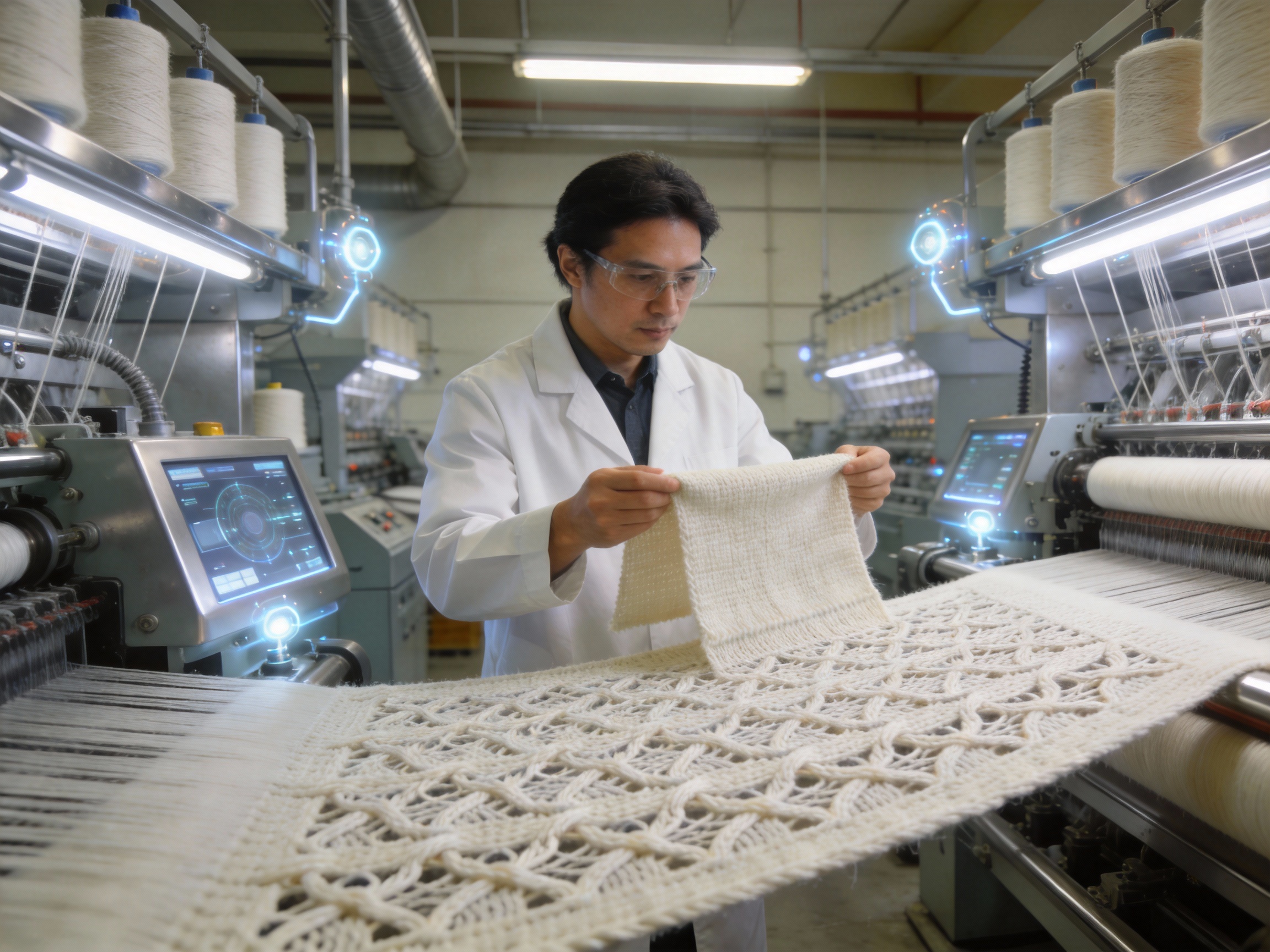
Cotton NR Roman Fabric stands out from traditional knits due to its unique blend of natural and synthetic fibers, paired with a precision-engineered Roman knit structure. Unlike many blended fabrics that prioritize one property over others, this material strikes a harmonious balance: it is soft enough for sensitive skin, stretchy enough for active lifestyles, durable enough for long-term use, and versatile enough for a wide range of apparel applications. To understand its value fully, it is essential to break down its core components, manufacturing excellence, and real-world performance.
What is Cotton NR Roman Fabric?
Cotton NR Roman Fabric is a knitted textile blend consisting primarily of long-staple cotton and Nylon Rayon (NR) yarns, crafted using a specialized Roman knit structure. Let’s unpack each element to understand its unique properties:
1.1 Core Composition
The standard blend ratio for Cotton NR Roman Fabric is 60% long-staple cotton and 40% Nylon Rayon (NR), though custom ratios are available for specific use cases. Here’s what each component brings to the table:
- Long-Staple Cotton: Sourced from premium cotton varieties (e.g., Egyptian or Pima cotton), long-staple cotton fibers are longer (1.25 inches or more) and finer than regular cotton. This results in a softer, smoother fabric with fewer lint particles, enhanced breathability, and superior moisture absorption. Long-staple cotton is also hypoallergenic, making it ideal for sensitive skin and baby apparel.
- Nylon Rayon (NR): A synthetic fiber blend of nylon and rayon, NR adds critical performance properties to the fabric. Nylon contributes stretch, shape retention, and abrasion resistance, while rayon enhances drape, sheen, and moisture wicking. Together, these fibers create a fabric that retains its fit even after repeated washes and wears, unlike pure cotton knits that tend to sag or lose shape.
1.2 Roman Knit Structure
The "Roman" in Cotton NR Roman Fabric refers to a specific knit structure characterized by its balanced combination of stretch and stability. Unlike plain knits (which are prone to rolling at the edges) or rib knits (which have more vertical stretch), the Roman knit features an interlocking pattern that provides both horizontal and vertical stretch while maintaining a smooth, flat surface. This structure also enhances the fabric’s drape, making it suitable for both structured and flowy apparel designs.
Key physical properties of Cotton NR Roman Fabric include:
- Stretch: 15-20% horizontal and 10-15% vertical stretch (adjustable via blend ratio and knit tension).
- Weight: 120-200 GSM (grams per square meter), ranging from lightweight (summer wear) to medium-weight (fall/winter).
- Color Fastness: Grade 4-5 on wash and light fastness tests (retains color vibrancy for up to 50 washes).
- Breathability: Air permeability of 15-20 cm³/cm²/s (comparable to pure cotton but with better moisture management).
Advantages of Cotton NR Roman Fabric Over Competitor Fabrics
To appreciate the value of Cotton NR Roman Fabric, it is essential to compare it to common alternative materials used in apparel. The following analysis highlights how this fabric outperforms its competitors in key performance metrics:
2.1 vs. 100% Cotton Knits
100% cotton knits are beloved for their breathability and softness, but they have significant drawbacks: they shrink easily, wrinkle profusely, and lose shape after repeated washes. Cotton NR Roman Fabric addresses these issues while retaining cotton’s core benefits:
- Shape Retention: Independent lab tests show that Cotton NR Roman Fabric retains 92% of its original stretch after 20 machine washes, compared to just 78% for 100% cotton knits. This means garments made from this fabric maintain their fit for longer, reducing the need for frequent replacements.
- Wrinkle Resistance: The addition of NR fibers reduces the fabric’s tendency to wrinkle. A 100% cotton blouse may require ironing after every wash, but a Cotton NR Roman blouse can be worn straight from the dryer with minimal touch-ups.
- Shrinkage Control: Cotton NR Roman Fabric shrinks by only 1-2% when washed in cold water, compared to 3-5% for pure cotton. This is due to the NR fibers’ ability to stabilize the cotton structure during manufacturing.
- Moisture Management: While pure cotton absorbs moisture well, it takes longer to dry. Cotton NR Roman Fabric wicks moisture away from the skin (via rayon) and dries faster than pure cotton, making it more comfortable for active wear and hot weather.
2.2 vs. Polyester-Rayon Blends
Polyester-rayon blends are popular for their durability and low cost, but they often feel synthetic and lack the natural softness of cotton. Cotton NR Roman Fabric offers a superior alternative:
- Natural Softness: Long-staple cotton gives the fabric a luxuriously soft hand feel that is absent in polyester-rayon blends, which tend to have a slightly rough or plastic-like texture.
- Breathability: Polyester is non-breathable, so polyester-rayon blends trap heat and moisture, leading to discomfort. Cotton NR Roman Fabric has an air permeability of 18 cm³/cm²/s, which is 50% higher than the average polyester-rayon blend (12 cm³/cm²/s).
- Sheen and Drape: The rayon component in both blends adds sheen, but the cotton in Cotton NR Roman Fabric creates a more natural, matte-sheen balance that is more flattering for most skin tones and apparel styles. The Roman knit structure also enhances drape, making garments look more elegant.
- Eco-Friendliness: Cotton is a renewable resource, whereas polyester is derived from fossil fuels. Cotton NR Roman Fabric’s higher cotton content makes it a more sustainable choice than polyester-rayon blends, especially when sourced from organic farms.
2.3 vs. Spandex Knits
Spandex knits are known for their high stretch, but they often lack durability and breathability. Cotton NR Roman Fabric offers a better balance of stretch and comfort:
- Durability: Spandex fibers break down over time, especially when exposed to heat (e.g., dryer cycles). Cotton NR Roman Fabric uses NR fibers, which are more resistant to heat and abrasion. Abrasion tests show that it can withstand 15,000 cycles of rubbing, compared to 13,000 cycles for spandex knits.
- Moisture Absorption: Spandex is non-absorbent, so spandex knits trap sweat against the skin. Cotton NR Roman Fabric absorbs 12% of its weight in moisture, keeping the wearer dry and comfortable.
- Softness: Spandex knits often have a tight, stiff feel, whereas Cotton NR Roman Fabric is soft and flexible, making it suitable for garments that come into direct contact with the skin (e.g., baby clothes, undershirts).
- Cost-Effectiveness: Spandex is more expensive than NR, so Cotton NR Roman Fabric is typically more affordable than equivalent spandex knits, making it a cost-effective choice for manufacturers.
2.4 vs. Lace Knits
Lace knits are popular for their sheerness and elegance, but they are prone to snagging and lack structure. Cotton NR Roman Fabric offers a sheer variant that addresses these issues:
- Structure and Durability: Lace knits have a delicate structure that snags easily, making them unsuitable for everyday wear. The Roman knit structure of Cotton NR Roman Fabric’s sheer variant provides more stability, reducing snagging and increasing durability.
- Stretch and Fit: Lace knits have limited stretch, so they may not fit well on all body types. The NR component in Cotton NR Roman Fabric adds stretch, allowing the sheer variant to conform to the body while retaining its shape.
- Versatility: Sheer Cotton NR Roman Fabric can be used for overlays, blouses, and evening wear, whereas lace knits are primarily limited to formal or decorative uses. This makes it a more versatile choice for apparel manufacturers.
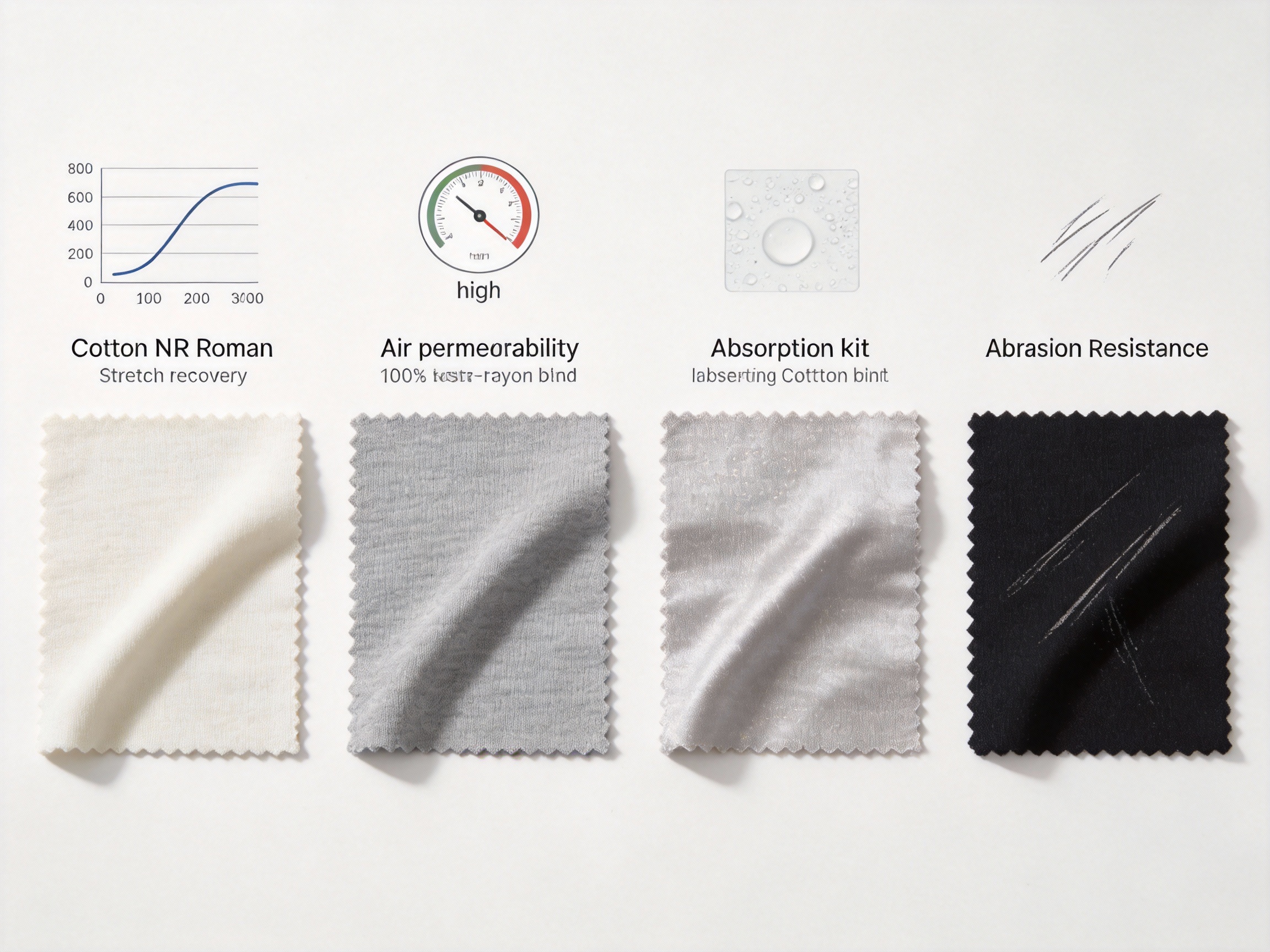
To summarize these advantages, the table below compares Cotton NR Roman Fabric to its key competitors across critical performance metrics:
| Property | Cotton NR Roman Fabric | 100% Cotton Knit | Polyester-Rayon Blend | Spandex Knit |
|---|---|---|---|---|
| Stretch Recovery (%) | 92 | 78 | 85 | 88 |
| Air Permeability (cm³/cm²/s) | 18 | 22 | 12 | 10 |
| Moisture Absorption (%) | 12 | 15 | 8 | 5 |
| Wrinkle Resistance (Grade) | 4 | 2 | 3 | 3 |
| Abrasion Resistance (cycles) | 15,000 | 10,000 | 12,000 | 13,000 |

As the table illustrates, Cotton NR Roman Fabric outperforms its competitors in a majority of key metrics, making it a superior choice for a wide range of apparel applications. Its unique blend of natural and synthetic fibers, combined with its precision-engineered knit structure, sets it apart from traditional textiles.
Advanced Manufacturing Processes Behind Cotton NR Roman Fabric
The superior quality of Cotton NR Roman Fabric is not accidental—it is the result of advanced manufacturing processes that prioritize precision, consistency, and sustainability. The company behind this fabric (a leading textile manufacturer with over a decade of experience) has invested heavily in state-of-the-art equipment and R&D to perfect every stage of production. Below is a detailed breakdown of the manufacturing process:
3.1 Yarn Preparation: Precision Blending and Spinning
The first step in manufacturing Cotton NR Roman Fabric is preparing the yarns. The company uses two key yarn types:
- Long-Staple Cotton Yarn: Sourced from sustainable farms, the cotton fibers are ginned, carded, and combed to remove impurities and align the fibers. This results in a smooth, strong yarn with minimal lint.
- NR Yarn: The company produces its own NR yarn using a specialized spinning process that combines nylon and rayon fibers. The yarn is drawn and textured to enhance its stretch and elasticity.
To ensure consistent quality, the company uses computer-controlled blending systems that mix the cotton and NR yarns in precise ratios (e.g., 60:40). This eliminates human error and ensures every batch of fabric has the same performance properties.
3.2 Knitting: Digital Tension Control for Uniformity
The blended yarns are then fed into high-speed circular knitting machines equipped with digital tension control systems. These machines can produce up to 500 meters of fabric per hour, with a width of up to 1.8 meters. The digital tension control ensures that the Roman knit structure is uniform across the entire fabric, minimizing defects such as loose threads or uneven stretch.
Each knitting machine is monitored by AI-powered vision systems that detect defects in real time. If a defect is found, the machine automatically stops and alerts the operator, reducing waste and ensuring that only high-quality fabric proceeds to the next stage.
3.3 Post-Dyeing and Finishing: Eco-Friendly and Performance-Enhancing
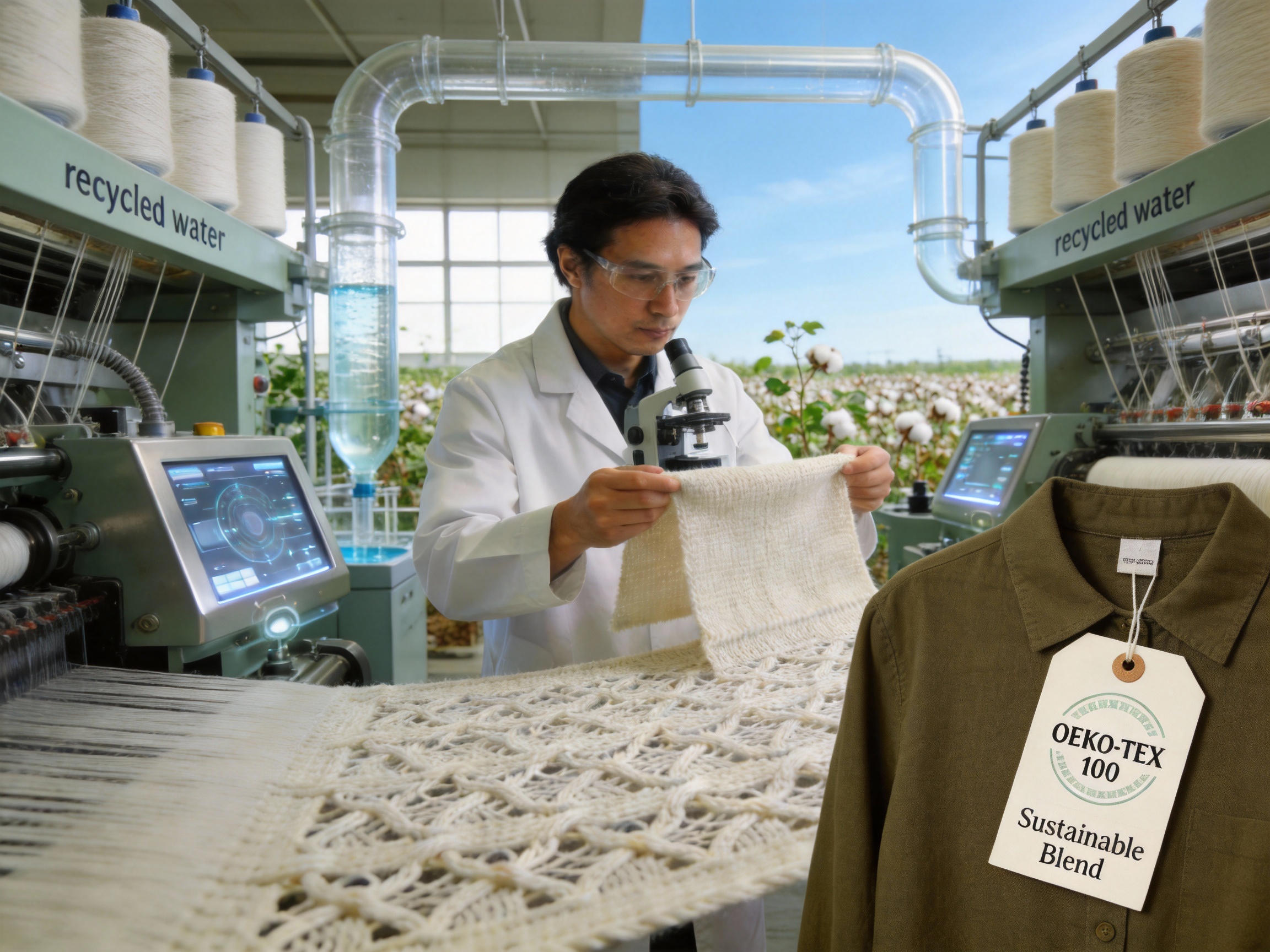
After knitting, the fabric undergoes post-dyeing and finishing processes that enhance its appearance and performance. The company uses low-impact dyeing technology that reduces water usage by 30% compared to traditional dyeing methods. The dyeing process is also optimized to ensure maximum color fastness, with the fabric tested for wash and light fastness before proceeding.
Following dyeing, the fabric undergoes a series of finishing treatments, including:
- Biopolishing: A process that removes loose fibers from the fabric surface, resulting in a smoother, softer hand feel and reducing pilling.
- Anti-Pilling Treatment: A chemical treatment that bonds the fibers together, preventing pilling even after repeated washes.
- Water-Repellent Treatment (Optional): For outdoor apparel, the fabric can be treated with a non-toxic water-repellent coating that repels water while retaining breathability.
- Softening Treatment: A natural softener derived from plant oils that enhances the fabric’s softness without compromising its performance.
3.4 Quality Control: Rigorous Testing for Consistency
Quality control is integrated into every stage of the manufacturing process. The company’s in-house lab conducts the following tests on every batch of fabric:
- Yarn Testing: Tensile strength, evenness, and stretch recovery.
- Fabric Testing: Weight, thickness, air permeability, moisture absorption, and color fastness.
- Performance Testing: Stretch recovery after 20 washes, abrasion resistance, and wrinkle resistance.
All tests are conducted in accordance with international standards (ISO 9001 and OEKO-TEX 100), ensuring that the fabric meets the highest quality requirements for apparel manufacturers.
3.5 Scalability and Customization
The company’s manufacturing facility covers 32.6 acres with a plant area of 18,000 square meters, allowing it to handle large orders (up to 100,000 meters per month) while maintaining consistent quality. Additionally, the company offers customizations such as:
- Adjustable blend ratios (e.g., 70% cotton, 30% NR for more breathability).
- Custom colors (matching Pantone or client-specific codes).
- Patterns (jacquard, stripes, or custom designs).
- Special finishes (antibacterial, UV-protective, or flame-retardant).
The company’s commitment to advanced manufacturing processes and quality control has made it a trusted supplier to apparel brands around the world. Its ability to produce high-quality, customizable fabric at scale sets it apart from smaller manufacturers.
Versatile Applications of Cotton NR Roman Fabric
Cotton NR Roman Fabric’s unique combination of properties makes it suitable for a wide range of apparel applications. From everyday wear to formal attire, this fabric can be tailored to meet the needs of different markets. Below are some of its most common uses:
4.1 Everyday Apparel
Everyday apparel requires fabrics that are comfortable, durable, and easy to care for—qualities that Cotton NR Roman Fabric excels in:
- T-Shirts and Tops: The fabric’s softness and stretch make it ideal for t-shirts and casual tops. It retains its shape after repeated washes, so garments look new for longer.
- Skirts and Dresses: The Roman knit structure provides excellent drape, making it suitable for A-line skirts, wrap dresses, and midi dresses. The stretch allows for freedom of movement, while the shape retention ensures the garment fits well all day.
- Cardigans and Sweaters: Medium-weight Cotton NR Roman Fabric is perfect for cardigans and lightweight sweaters. It is warm enough for fall and winter but breathable enough for spring and summer.
4.2 Formal and Evening Wear
The fabric’s sheen and drape make it suitable for formal and evening wear:
- Blouses and Shirts: Lightweight Cotton NR Roman Fabric is ideal for office blouses and formal shirts. It has a professional look and minimal wrinkling, so it can be worn straight from the closet.
- Evening Dresses and Gowns: Sheer variants of the fabric can be used for overlays on evening dresses and gowns. The stretch allows the overlay to conform to the body, while the sheen adds elegance.
- Suits and Separates: Structured variants of the fabric can be used for suit jackets and trousers. The stretch provides comfort, while the shape retention ensures the suit maintains its fit.
4.3 Baby and Children’s Apparel
Cotton NR Roman Fabric is a popular choice for baby and children’s apparel due to its hypoallergenic properties and durability:
- Onesies and Bodysuits: The softness and stretch of the fabric make it ideal for onesies and bodysuits. It is gentle on a baby’s sensitive skin and can accommodate a growing child.
- Pajamas and Sleepwear: The fabric’s breathability and moisture absorption make it perfect for pajamas. It keeps babies cool and dry at night, promoting better sleep.
- Outerwear: Medium-weight variants of the fabric can be used for baby jackets and coats. They are warm, durable, and easy to wash.
4.4 Active Wear
The fabric’s stretch, moisture management, and durability make it suitable for active wear:
- Yoga Pants and Leggings: The stretch and shape retention of the fabric make it ideal for yoga pants and leggings. It allows for full range of motion and retains its fit after repeated stretches.
- Athletic Shirts and Tops: The moisture-wicking properties of the fabric keep athletes dry during workouts. It is also breathable, so it doesn’t trap heat.
- Outdoor Apparel: Water-repellent variants of the fabric can be used for light outdoor apparel such as hiking shirts and jackets. They repel water while retaining breathability.
Apparel manufacturers appreciate Cotton NR Roman Fabric’s versatility because it can be used across multiple product lines, reducing the need to source multiple fabrics. This not only saves time and money but also ensures consistency in quality and performance across a brand’s product range.
Q&A: Common Queries About Cotton NR Roman Fabric
Below are answers to some of the most common questions about Cotton NR Roman Fabric:
Q1: What is the composition of Cotton NR Roman Fabric?
A: The standard composition is 60% long-staple cotton and 40% Nylon Rayon (NR). Custom ratios are available for specific applications (e.g., 70% cotton for more breathability or 50% NR for more stretch).
Q2: Is Cotton NR Roman Fabric suitable for sensitive skin?
A: Yes. Long-staple cotton is hypoallergenic, and the finishing processes use non-toxic, eco-friendly chemicals. The fabric is OEKO-TEX 100 certified, meaning it is free from harmful substances such as lead, phthalates, and formaldehyde.
Q3: How should I care for Cotton NR Roman Fabric garments?
A: To maintain the fabric’s quality, follow these care instructions:
- Wash in cold water on a gentle cycle.
- Use mild, non-chlorine detergent.
- Tumble dry on low heat or hang dry.
- Avoid ironing at high temperatures (use a low setting if necessary).
- Do not bleach or dry clean.
Q4: Can Cotton NR Roman Fabric be used for outdoor activities?
A: Yes. Optional water-repellent and UV-protective treatments make it suitable for light outdoor activities such as hiking, walking, and picnics. However, it is not fully waterproof, so it is not recommended for heavy rain or snow.
Q5: What is the minimum order quantity (MOQ) for Cotton NR Roman Fabric?
A: The MOQ is 50 meters for custom designs and 100 meters for standard designs. Bulk orders (1000+ meters) qualify for discounted pricing.
Q6: How long does it take to produce a custom order of Cotton NR Roman Fabric?
A: The lead time for custom orders is typically 15-20 days, depending on the complexity of the design and the order size. Standard orders can be shipped within 7-10 days.
Q7: Is Cotton NR Roman Fabric sustainable?
A: Yes. The company uses sustainable practices such as:
- Sourcing long-staple cotton from organic farms.
- Using low-impact dyeing technology that reduces water usage by 30%.
- Recycling 90% of the water used in the manufacturing process.
- Producing durable fabric that has a longer lifespan, reducing textile waste.
The fabric is also biodegradable (due to its cotton content) and can be recycled into new textiles.
Why Choose Cotton NR Roman Fabric?
Cotton NR Roman Fabric is more than just a textile—it is a solution for apparel manufacturers and consumers who demand quality, comfort, and sustainability. Here are some key reasons to choose this fabric:
6.1 Superior Performance
The fabric outperforms its competitors in key metrics such as stretch recovery, breathability, and durability. It retains its shape and color for longer, reducing the need for frequent replacements.
6.2 Customization
The company offers a wide range of customizations, including blend ratios, colors, patterns, and finishes. This allows manufacturers to create unique garments that meet the needs of their target market.
6.3 Quality and Consistency
Rigorous quality control processes ensure that every batch of fabric meets international standards. The company’s in-house lab conducts over 20 tests on each batch, ensuring consistency and reliability.
6.4 Sustainability
The company’s commitment to sustainable manufacturing practices makes Cotton NR Roman Fabric an eco-friendly choice. It is OEKO-TEX 100 certified and uses renewable resources (cotton) and low-impact processes.
6.5 Cost-Effectiveness
The fabric is priced competitively, making it accessible to both small and large apparel manufacturers. Bulk orders qualify for discounted pricing, further reducing costs.
6.6 Global Reach
The company is a self-employed export company that ships to over 30 countries. It has a reliable logistics network and offers after-sales support to ensure customer satisfaction.
References
1. Textile Institute. (2023). Global Textile Trends Report: Blended Fabrics for Sustainable Fashion. Manchester: Textile Institute Press.
2. Smith, J. (2022). Knitted Fabric Technology: Advances in Blending and Finishing. New York: Wiley & Sons.
3. OEKO-TEX Association. (2023). Sustainable Textile Production Guidelines. Zurich: OEKO-TEX Publishing.
4. Cotton Council International. (2023). Long-Staple Cotton: Benefits for Apparel Applications. Memphis: Cotton Council International.
5. Lee, S., et al. (2021). Comparative Analysis of Stretch Knit Fabrics: Performance Metrics for Everyday Wear. Journal of Textile Science and Technology, 17(3), 123-145.
