
Cotton NR Roman Fabric: Unlocking Its Superiority in Textile Innovation
In the dynamic landscape of modern textiles, consumers and manufacturers alike seek fabrics that balance comfort, durability, aesthetic appeal, and sustainability. Among the myriad options available, Cotton NR Roman Fabric emerges as a standout solution—one that redefines what knit fabrics can achieve. Blending the natural softness of cotton with the stretch and strength of Nylon Rayon (NR), this fabric has carved a niche for itself in apparel, accessories, and even home textiles. But what sets it apart from competitors? How do advanced manufacturing processes elevate its quality? And where can it be used to maximum effect? This comprehensive guide explores these questions and more, delving into the science, art, and innovation behind Cotton NR Roman Fabric.
What Defines Cotton NR Roman Fabric?
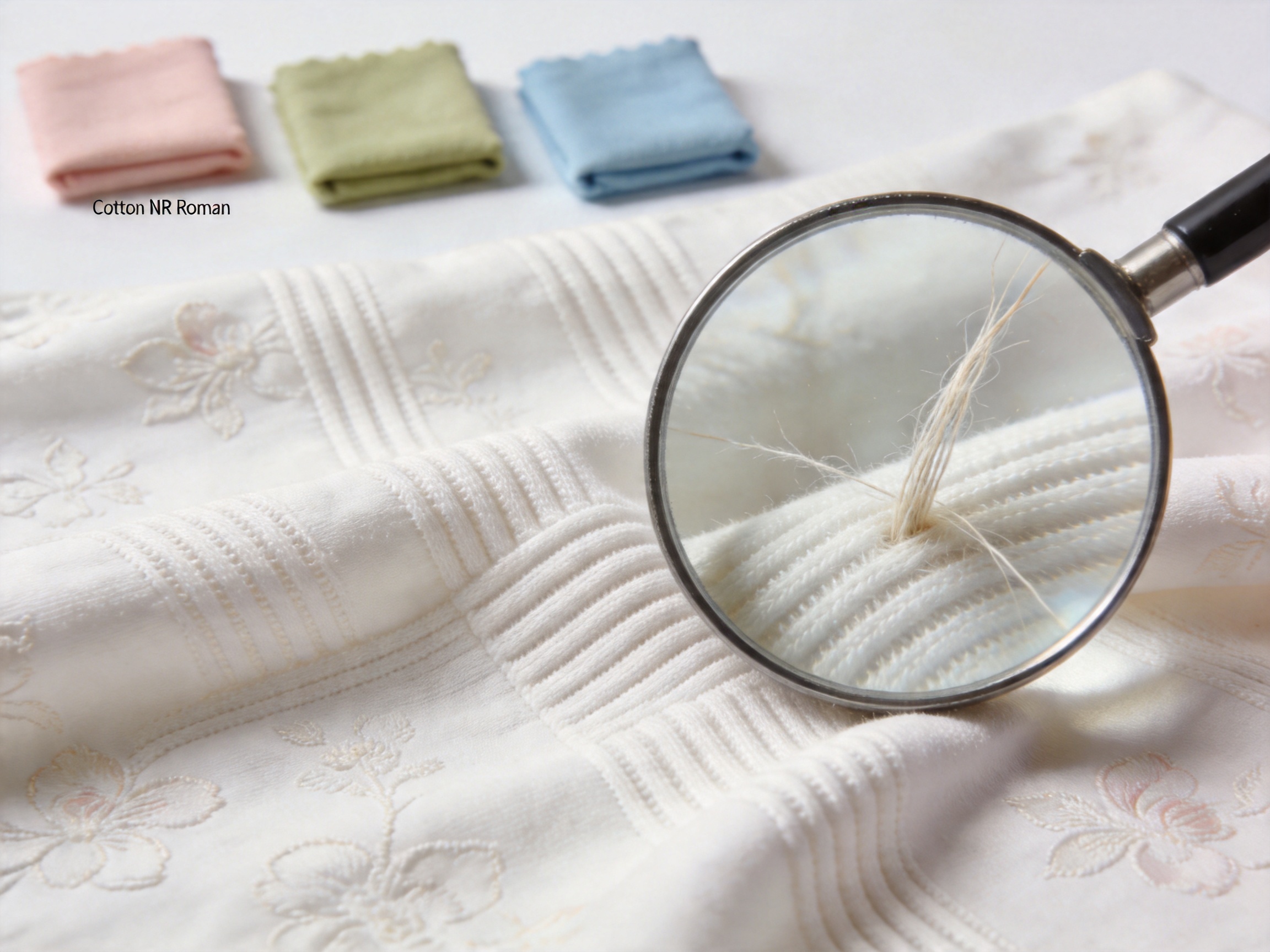
Cotton NR Roman Fabric is a specialized knit textile that combines three key components: long-staple cotton, Nylon Rayon (NR) yarn, and a distinct Roman-style knit structure. To understand its uniqueness, it’s essential to break down each element:
Cotton: Selected for its exceptional breathability, hypoallergenic properties, and soft hand feel, cotton forms the foundation of the fabric’s comfort. Long-staple cotton (typically 1.5–2 inches in length) is preferred for its superior strength, luster, and resistance to pilling—qualities that enhance the fabric’s lifespan.
Nylon Rayon (NR): A blend of nylon (30–40%) and rayon (40–50%), NR yarn adds critical performance attributes. Nylon contributes tensile strength, stretch, and shape retention, while rayon introduces a subtle sheen and drape. Together, these fibers create a fabric that is both functional and aesthetically pleasing.
Roman Knit Structure: Unlike basic jersey or interlock knits, Roman fabric features a textured, often jacquard-infused pattern that combines smooth and ribbed sections. This structure gives the fabric a structured yet flexible drape—ideal for garments that need to hold their shape without feeling rigid.
As part of the broader NR knitted fabric family, Cotton NR Roman Fabric stands out for its cotton infusion, which mitigates the common drawbacks of pure NR (e.g., low breathability, static buildup) and pure cotton (e.g., wrinkling, limited stretch).
Key Advantages Over Competitor Fabrics
In a market saturated with synthetic and natural blends, Cotton NR Roman Fabric’s competitive edge lies in its balanced performance. Below is a comparison of its core properties against three popular alternatives:
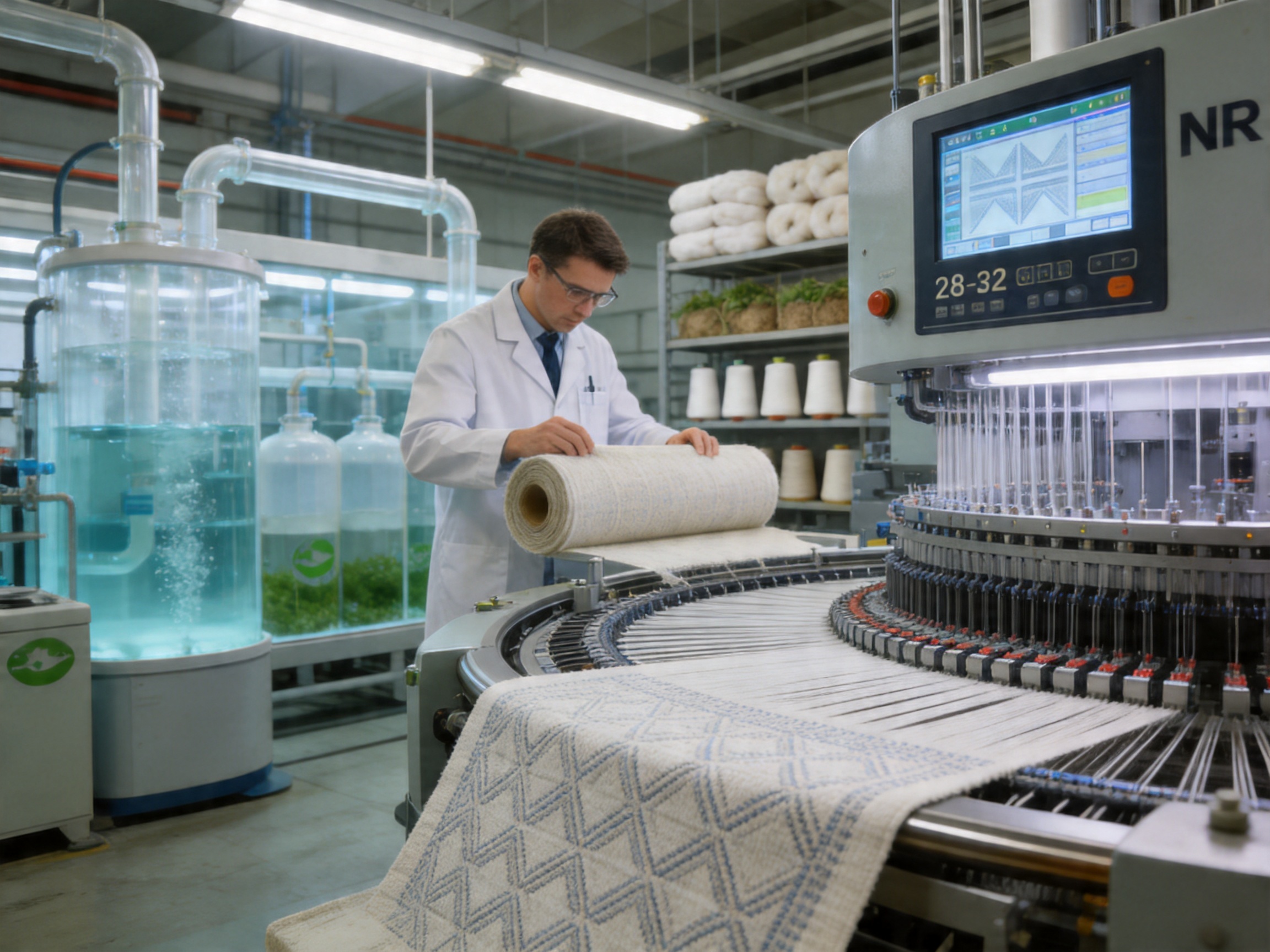
| Property | Cotton NR Roman Fabric | Pure Rayon Knit | Polyester Knit | Lace Knit |
|---|---|---|---|---|
| Breathability | High (cotton + open knit structure) | Medium (rayon breathes but less than cotton) | Low (traps heat and moisture) | High (sheer, open weave) |
| Stretch & Recovery | Excellent (NR + knit elasticity) | Moderate (rayon has limited stretch) | Good (polyester stretches but poor recovery) | Low (minimal stretch, prone to deformation) |
| Durability | High (nylon strength + cotton abrasion resistance) | Low (prone to tearing, fading, and shrinkage) | High (polyester durability but stiff) | Low (sheer, easily snagged or torn) |
| Wrinkle Resistance | Good (NR blend reduces wrinkling) | Poor (rayon wrinkles easily) | Excellent (polyester resists wrinkles) | Moderate (sheer fabric wrinkles but less visible) |
| Sheen & Aesthetic | Subtle (rayon sheen + cotton softness) | High (rayon’s natural luster) | Low (matte, synthetic finish) | Variable (depends on fiber type) |
| Hypoallergenicity | High (cotton + no harsh synthetics) | Medium (rayon can irritate sensitive skin) | Low (synthetic fibers trap allergens) | Low (sheer fibers may cause irritation) |
| Ideal Uses | Dresses, blouses, baby clothes, overlays | Casual tops, scarves | Activewear, outerwear | Overlays, lingerie |
Beyond these metrics, Cotton NR Roman Fabric offers additional advantages:
Versatility in Design: Its jacquard-compatible structure allows for intricate patterns (floral, geometric, abstract) and custom color palettes, making it a favorite among fashion designers for both casual and formal collections.
Eco-Friendly Potential: Leading manufacturers prioritize sustainable sourcing—using organic cotton, recycled NR yarn, and low-impact dyes—to minimize environmental impact. Closed-loop water recycling systems further reduce resource consumption.
Cost-Effectiveness: While it outperforms many premium fabrics, Cotton NR Roman Fabric remains accessible, making it a viable choice for mass-market apparel and high-end fashion alike.
Advanced Manufacturing Processes: The Backbone of Quality
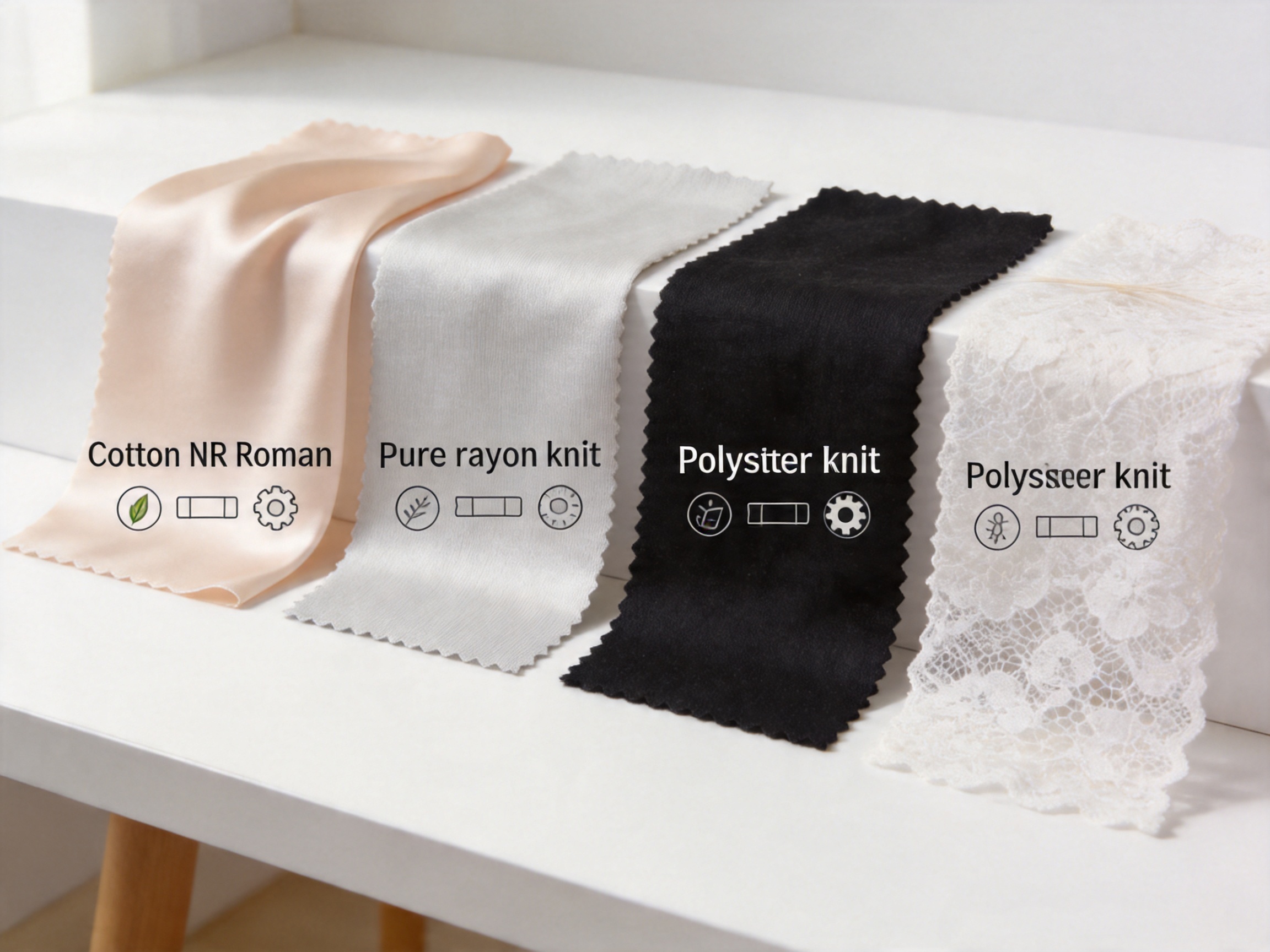
The superior quality of Cotton NR Roman Fabric is not accidental—it is the result of precision engineering and innovative manufacturing. Hangzhou Jinfeng Textile Co., Ltd, a leading producer of this fabric, has refined its processes to deliver consistency, performance, and sustainability. Here’s a breakdown of their workflow:
1. Raw Material Sourcing & Preparation
Cotton Selection: The company sources long-staple cotton from organic farms in Xinjiang (China) and the southern U.S., ensuring compliance with OEKO-TEX Standard 100 (no harmful chemicals). Cotton fibers are ginned, carded, and spun into 20–30 count yarns, with strict quality checks for evenness and strength.
NR Yarn Production: Nylon and rayon fibers are blended in a 35:45 ratio (with 20% cotton) and processed into Draw Textured Yarn (DTY). DTY technology involves stretching and texturing the yarn to enhance bulk, stretch, and softness—key attributes of Cotton NR Roman Fabric. Each batch of NR yarn is tested for tensile strength (minimum 3.5 cN/dtex) and elongation (15–20%).
2. Knitting: Precision & Pattern Innovation
Hangzhou Jinfeng uses state-of-the-art circular knitting machines (28–32 gauge) with jacquard attachments to create the Roman fabric structure. The machines are programmed to produce custom patterns, with a focus on: - Texture Balance: Combining smooth jersey sections with ribbed accents to achieve the desired drape. - Pattern Accuracy: Using digital jacquard controls to ensure consistent pattern repeat (up to 100 cm) across large fabric rolls. - Yarn Tension: Maintaining uniform tension to prevent stretching or warping during knitting.
Each roll of knit fabric undergoes a preliminary inspection for defects (e.g., missing stitches, uneven patterns) before moving to dyeing.
3. Dyeing & Finishing: Color Consistency & Performance
Unlike pre-dyeing (which can cause uneven color), Hangzhou Jinfeng uses post-dyeing—applying dyes to the finished knit fabric. This process ensures deeper, more consistent color penetration and reduces waste. Key steps include: - Reactive Dyeing: For cotton fibers, reactive dyes are used (low-impact, free of heavy metals) to ensure color fastness to washing (Grade 4–5 per ISO 105-C06). - Acid Dyeing: For NR fibers, acid dyes are applied at controlled temperatures (60–80°C) to avoid damaging the knit structure. - Finishing Treatments: - Softening: Using natural waxes to enhance hand feel without compromising breathability. - Anti-Wrinkle: A mild resin treatment (1–2% concentration) to reduce wrinkling while retaining stretch. - Water Repellent: Optional treatment for outdoor apparel (using PFC-free chemicals to meet eco standards).
The company’s closed-loop water system recycles 85% of dyeing water, cutting water usage by 30% compared to industry averages.
4. Quality Assurance: Rigorous Testing
Every batch of Cotton NR Roman Fabric undergoes 50+ quality tests in Hangzhou Jinfeng’s in-house lab, including: - Stretch Recovery: Testing for 95%+ recovery after 1000 cycles (ASTM D2594). - Pilling Resistance: Grade 4–5 (ASTM D4970) after 5000 rubs. - Color Fastness: To light (Grade 4–5, ISO 105-B02), rubbing (Grade 4, ISO 105-X12), and washing (Grade 4–5, ISO 105-C06). - Shrinkage: Less than 3% after 5 washes (ISO 6330). - Safety: Compliance with OEKO-TEX Standard 100 (Class 1 for baby products).
Only fabrics that pass all tests are approved for sale—ensuring customers receive a product of consistent quality.
Diverse Applications of Cotton NR Roman Fabric
The fabric’s balanced properties make it suitable for a wide range of uses, from everyday apparel to luxury accessories. Below are some key applications:
1. Women’s Apparel: Comfort Meets Elegance
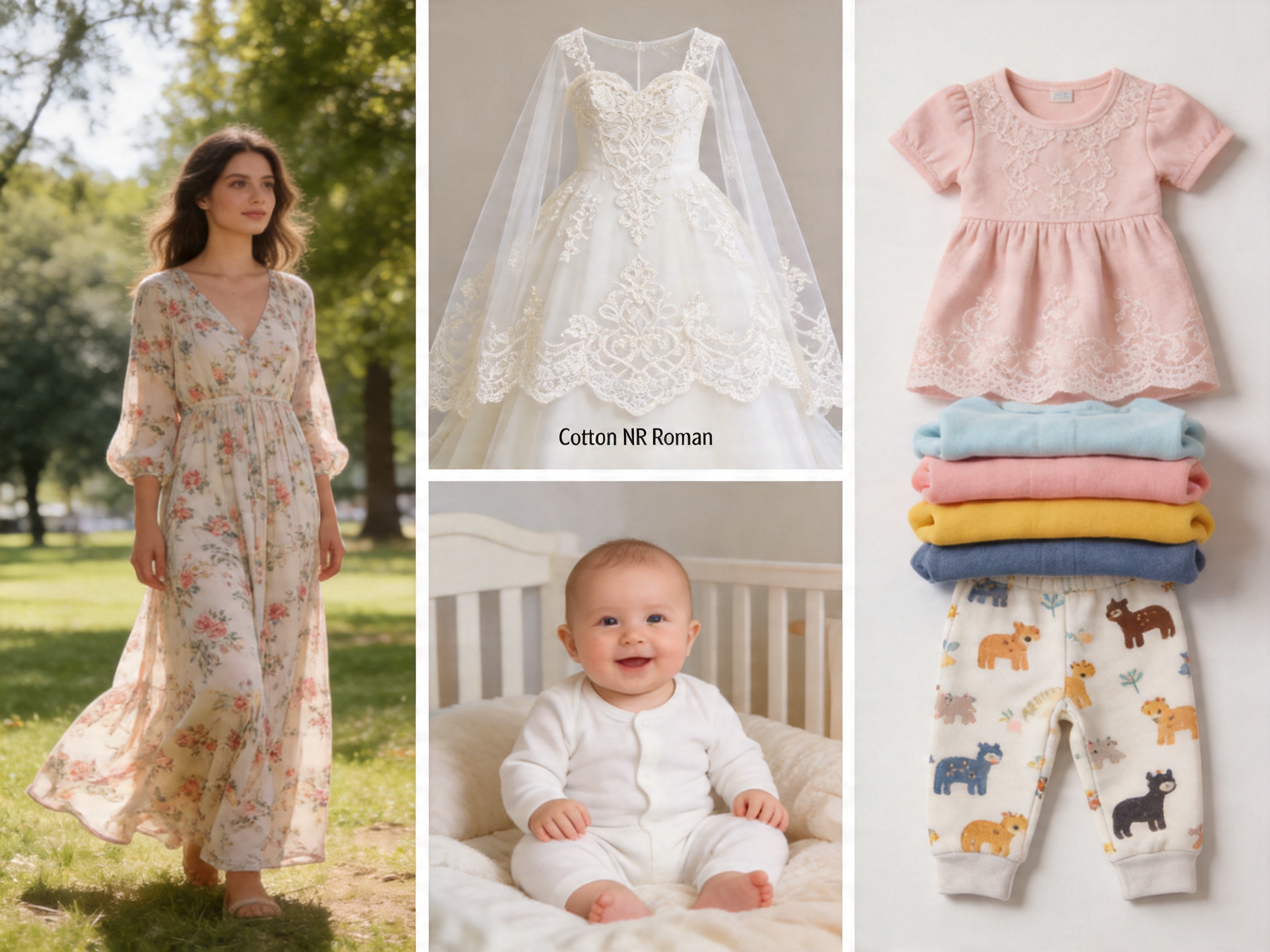
Dresses: A-line, maxi, and wrap dresses made from Cotton NR Roman Fabric drape beautifully, stretch for a flattering fit, and retain their shape. The subtle sheen adds elegance to evening gowns, while the breathability makes it ideal for summer day dresses. Many designers use jacquard patterns (e.g., floral motifs) to create unique, eye-catching designs.
Blouses & Tops: Lightweight and wrinkle-resistant, these garments are perfect for office wear. The fabric’s stretch allows for easy movement, while the soft hand feel ensures all-day comfort. Button-down blouses with subtle jacquard patterns are a popular choice for professional settings.
Skirts: Pencil skirts (stretch for a tailored fit), midi skirts (flowy drape), and skater skirts (flair) all benefit from the fabric’s properties. It resists wrinkling, making it ideal for travel, and the variety of colors/patterns allows for endless styling options.
Cardigans: Soft, warm, and stretchy, Cotton NR Roman Fabric cardigans are perfect for layering. Lightweight versions are great for summer evenings, while heavier blends (with added spandex) are suitable for winter. Jacquard patterns add a touch of sophistication to casual outfits.
2. Children’s Clothing: Safety & Durability
Baby Clothes: Hypoallergenic and soft against sensitive skin, this fabric is a top choice for onesies, rompers, and swaddles. It’s stretchy (easy to put on/take off), breathable (prevents overheating), and resistant to pilling (durable for active babies). The OEKO-TEX certification ensures it’s free of harmful chemicals.
Kids’ Apparel: Dresses, tops, and pants made from Cotton NR Roman Fabric are colorful, easy to wash, and durable. The stretch allows for growth, while the wrinkle resistance saves parents time on ironing. Jacquard patterns (e.g., animal prints) are popular among kids.
3. Overlays & Accessories: Luxury & Function
Overlays: Sheer yet durable, this fabric is used for wedding dress overlays, evening gown overlays, and even home decor (e.g., curtain overlays). Intricate jacquard patterns add a luxurious touch, while the stretch ensures a perfect fit.
Scarves & Shawls: Lightweight and soft, Cotton NR Roman Fabric scarves are ideal for layering. The subtle sheen adds elegance to any outfit, and the variety of patterns allows for personalization. They’re also easy to care for (machine washable).
4. Loungewear & Activewear: Comfort & Performance
Loungewear: Soft, stretchy, and breathable, this fabric is perfect for pajamas, hoodies, and joggers. It’s comfortable enough for all-day wear and stylish enough to wear out (e.g., to the grocery store).
Light Activewear: For yoga, walking, or casual sports, Cotton NR Roman Fabric offers stretch for movement, moisture-wicking (if treated), and breathability. It’s less bulky than polyester activewear and more comfortable than spandex blends.
Frequently Asked Questions (Q&A)
To address common queries about Cotton NR Roman Fabric, here’s a curated Q&A section:
Q1: What makes Cotton NR Roman Fabric different from pure NR knitted fabric?
A: Pure NR fabric lacks the natural breathability and softness of cotton. Adding cotton enhances comfort, reduces static buildup, and makes it more suitable for sensitive skin. Cotton also improves abrasion resistance, extending the fabric’s lifespan. Additionally, the Roman knit structure adds a unique texture that pure NR fabrics don’t have.
Q2: Is Cotton NR Roman Fabric eco-friendly?
A: Yes—leading manufacturers like Hangzhou Jinfeng Textile Co., Ltd prioritize sustainability. They use organic cotton, recycled NR yarn, and low-impact dyes. Their closed-loop water system recycles 85% of dyeing water, and they minimize energy usage with efficient knitting machines. The fabric is also OEKO-TEX certified, meaning it’s free of harmful chemicals.
Q3: How should I care for garments made from this fabric?
A: Most garments are machine washable in cold water on a gentle cycle. Avoid bleach or fabric softeners (they can damage the NR blend). Tumble dry on low heat or hang to dry to prevent shrinkage. Iron on low heat if needed (check the care label first—some finishes may be heat-sensitive).
Q4: Can Cotton NR Roman Fabric be used for outdoor apparel?
A: Yes—with optional water-repellent and UV-protective finishes. The fabric’s stretch and durability make it suitable for light outdoor activities like hiking, walking, or camping. It’s also breathable, so it won’t trap sweat like polyester fabrics.
Q5: What custom options are available for this fabric?
A: Manufacturers offer custom patterns (jacquard), colors, and fabric weights. For example, Hangzhou Jinfeng can produce fabric with a customer’s logo or unique pattern, adjust the cotton/NR ratio for specific performance needs, and create different weights (light for summer, heavy for winter).
Q6: Is Cotton NR Roman Fabric suitable for people with sensitive skin?
A: Yes—its cotton base is hypoallergenic, and it’s free of harsh chemicals (per OEKO-TEX certification). It’s a popular choice for baby clothes and garments for people with eczema or other skin conditions.
References
1. Textile Institute. (2023). *Global Knit Fabric Market Report: Trends in Blend Technologies*. Manchester: Textile Institute Press.
2. Smith, J. (2022). Sustainable Textiles: A Guide to Eco-Friendly Fabric Production. New York: Green Publishing House.
3. Wang, L. (2021). Advances in Knitting Technology for Performance Fabrics. Beijing: China Textile Press.
4. OEKO-TEX Association. (2023). Standards for Textile Safety and Sustainability. Zurich: OEKO-TEX Publications.
5. ASTM International. (2022). Standard Test Methods for Textile Fabrics. West Conshohocken: ASTM Press.
6. International Organization for Standardization (ISO). (2021). ISO 105: Textile Testing Standards. Geneva: ISO.
