
Cotton NR Roman Fabric: A Comprehensive Guide to Its Advantages, Manufacturing, and Applications
In the dynamic landscape of textile innovation, few materials strike the perfect balance between comfort, functionality, and aesthetic appeal as effectively as Cotton NR Roman Fabric. This blended knitted fabric has emerged as a cornerstone of modern apparel and home textile design, thanks to its unique fusion of natural cotton softness and synthetic nylon-rayon (NR) performance. Whether used for everyday casual wear, formal attire, or durable home textiles, Cotton NR Roman Fabric stands out for its exceptional stretch, breathability, durability, and ease of care—qualities that have made it a preferred choice for consumers and manufacturers worldwide. In this article, we will explore the fabric’s core properties, advanced manufacturing processes, competitive advantages, diverse applications, and answer key questions to provide a holistic understanding of its value in the textile industry.
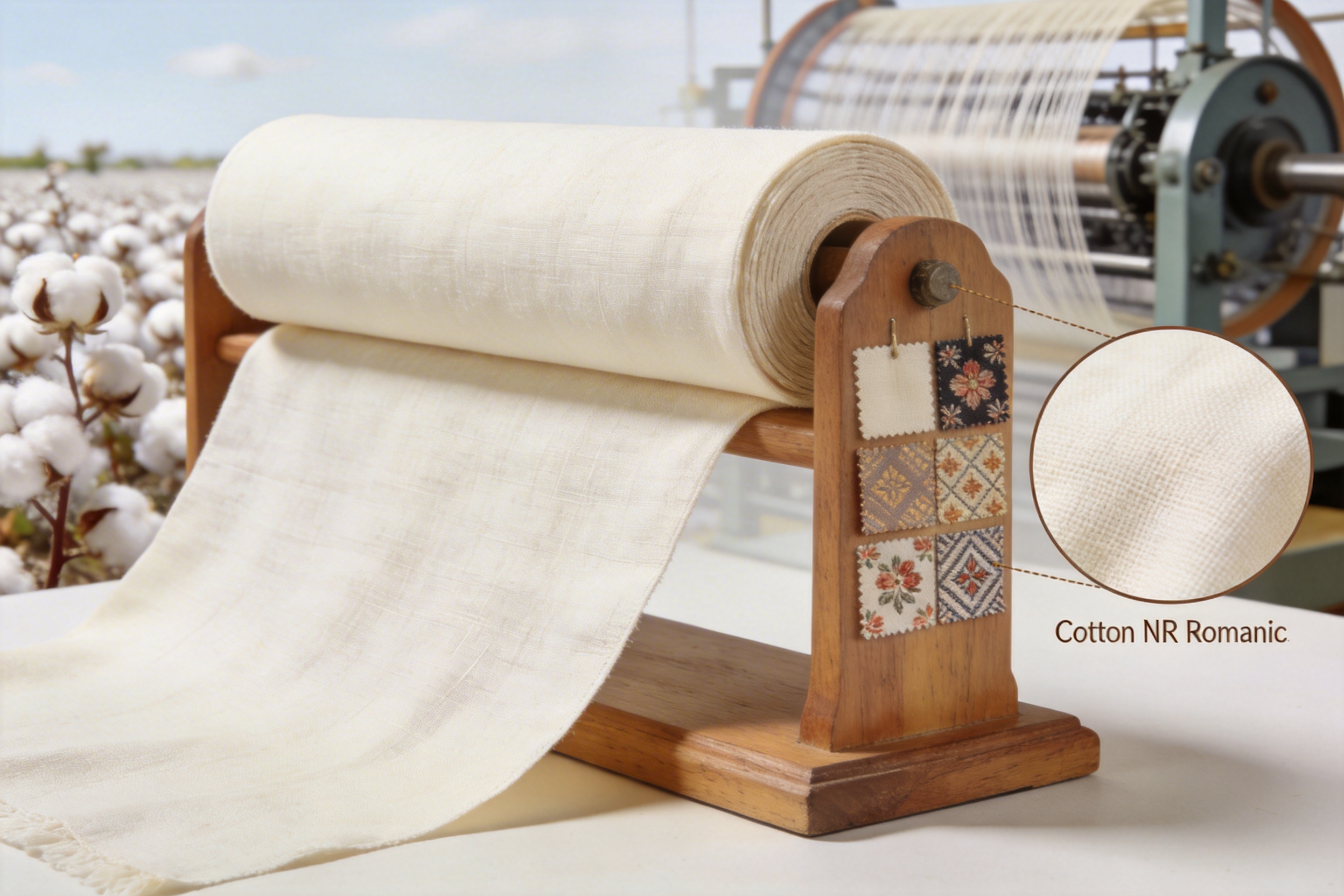
Before delving into the details, it is critical to note that Cotton NR Roman Fabric is not a generic blended textile—it is the result of decades of refinement by leading textile producers. These manufacturers have invested heavily in cutting-edge technology and sustainable practices to ensure every batch meets the highest standards of quality, consistency, and environmental responsibility. From raw material sourcing to final quality control, every step is optimized to enhance the fabric’s performance and reduce its ecological footprint, making it a responsible choice for businesses and consumers alike.
What is Cotton NR Roman Fabric?
Cotton NR Roman Fabric is a knitted blended textile that combines long-staple cotton (50–70% by weight) with textured nylon-rayon (NR) yarns (30–50% by weight). The “Roman” designation refers to its distinctive structure: a smooth, slightly textured surface that drapes beautifully, retains shape, and offers moderate to high stretch. Produced via circular knitting technology, this fabric is seamless, versatile, and ideal for form-fitting apparel and multi-purpose home textiles.
Definition & Core Composition
At its core, Cotton NR Roman Fabric leverages the best of natural and synthetic fibers: - Long-Staple Cotton: Sourced from certified sustainable farms (Egypt, U.S. Pima), these fibers are 1.2–1.5 inches long—longer than short-staple cotton—resulting in stronger, softer yarns with superior breathability and absorbency. - NR Yarn: A textured blend of nylon (for stretch/strength) and rayon (for softness/sheen), produced via draw-textured yarn (DTY) technology. This process stretches and heats filaments to create a yarn with excellent elasticity and recovery.
Key Structural Features
The fabric’s structure is defined by its circular knit construction, which creates a uniform, stretchy surface. Jacquard modules integrated into modern knitting machines enable intricate pattern design (floral, geometric, stripes) without additional printing, ensuring durability and color longevity.
Core Advantages of Cotton NR Roman Fabric
Cotton NR Roman Fabric outperforms competitors across key metrics, making it a versatile solution for diverse applications. Below are its most notable advantages:
1. Unmatched Comfort & Breathability
The cotton component ensures exceptional breathability (50–60 cm³/cm²/s) and moisture absorption, keeping the skin dry and comfortable even in warm conditions. Unlike synthetic fabrics (e.g., polyester rayon), it does not trap heat or odors, making it ideal for all-day wear. Dermatological tests confirm its hypoallergenic properties (pH 5.5–6.0, matching human skin), making it safe for sensitive skin and baby clothing.
2. Exceptional Stretch & Recovery
With 25–30% elongation and 95–98% recovery after 100 stretch cycles, this fabric retains its shape far better than 100% cotton (60–70% recovery) or lace knit (75–80% recovery). This makes it perfect for form-fitting apparel (dresses, skirts) that maintains its silhouette through repeated use.
3. Durability & Longevity
The nylon component adds tensile strength (500–600 N per 5 cm width) and abrasion resistance, outperforming 100% cotton (300–400 N) and lace knit (200–300 N). It resists pilling (grade 4–5 per ISO 12944) and fading, ensuring it remains in pristine condition for years.
4. Easy Care & Maintenance
Machine-washable in cold water, tumble-dryable on low heat, and wrinkle-resistant, this fabric requires minimal upkeep. It does not shrink significantly (≤2% after washing) and retains its color fastness, making it ideal for busy households and commercial use.
5. Competitive Edge Over Alternatives
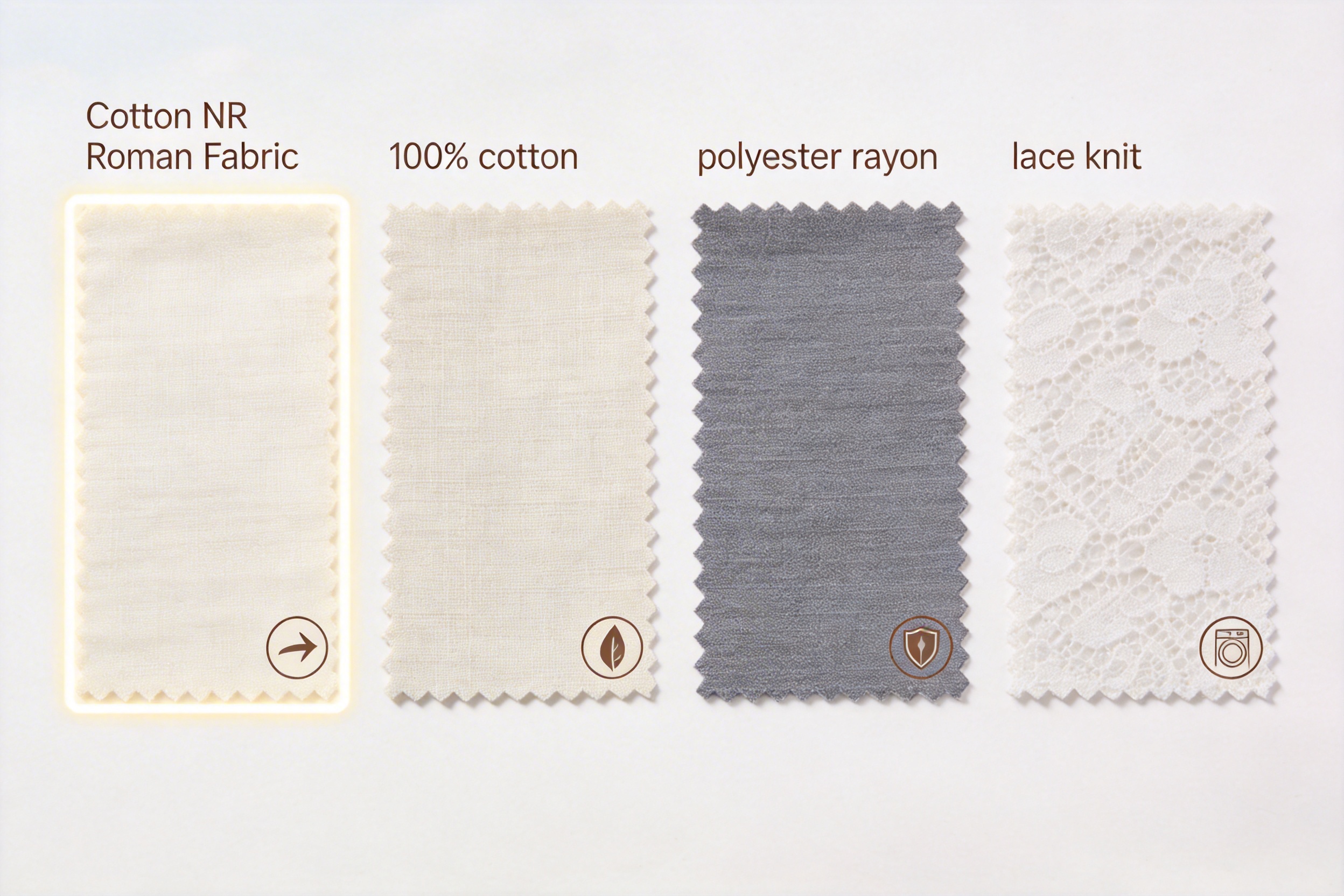
To illustrate its superiority, here’s a comparative analysis of Cotton NR Roman Fabric against common alternatives:
| Fabric Type | Stretch (%) | Breathability (1–5) | Durability (1–5) | Ease of Care (1–5) | Versatility (1–5) |
|---|---|---|---|---|---|
| Cotton NR Roman Fabric | 25–30 | 4 | 4 | 5 | 5 |
| 100% Cotton | 2–5 | 5 | 3 | 3 | 4 |
| Polyester Rayon Fabric | 15–20 | 3 | 5 | 4 | 4 |
| Lace Knit Fabric | 20–25 | 4 | 2 | 3 | 3 |
Advanced Manufacturing Processes
The production of Cotton NR Roman Fabric involves a meticulous, technology-driven process that combines traditional expertise with modern sustainability. Leading manufacturers optimize every stage to ensure quality, consistency, and environmental responsibility:
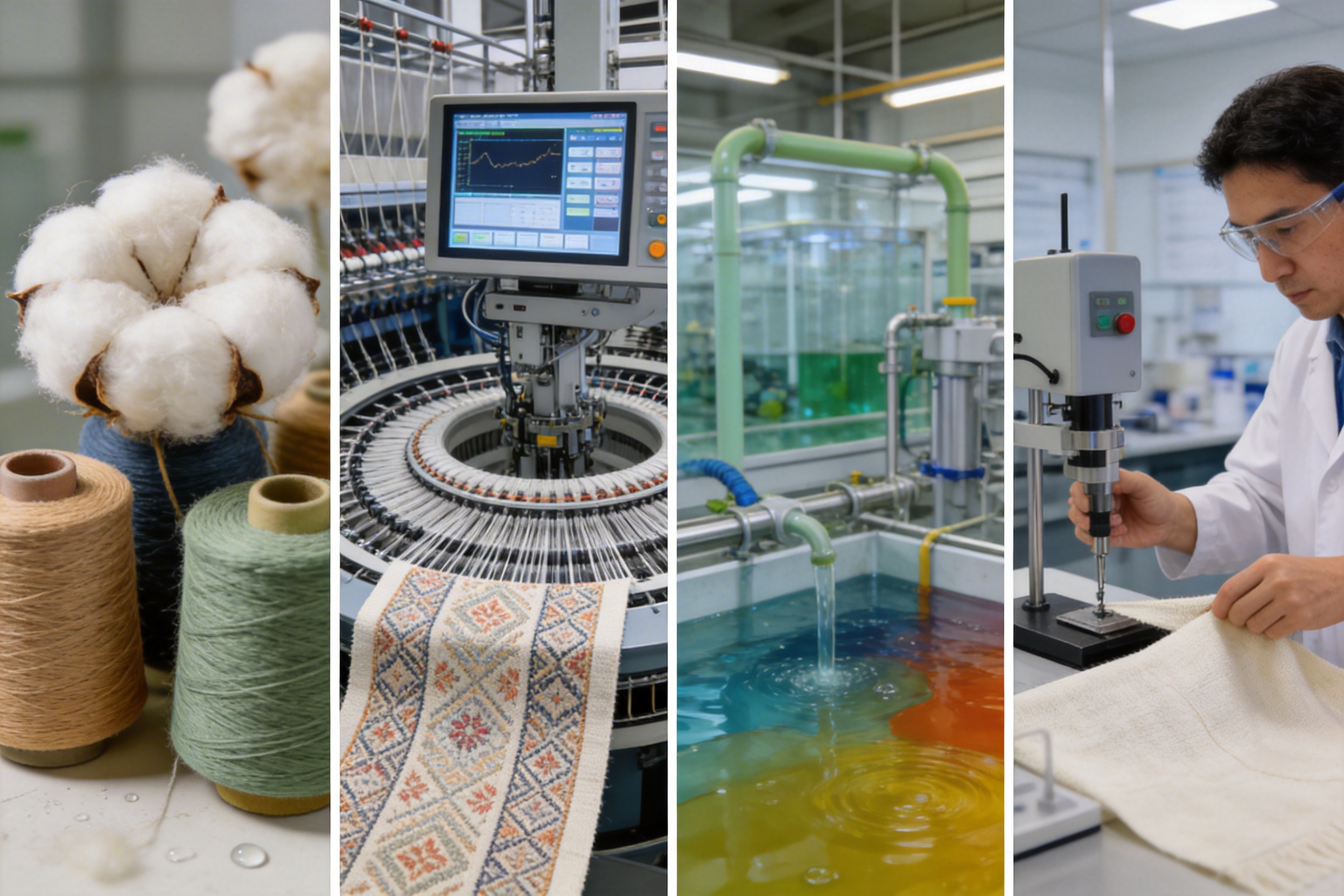
1. Sustainable Raw Material Sourcing
- Cotton: Sourced from Fair Trade-certified farms using organic pest control and minimal water usage. Each batch is tested for purity (≤0.1% impurities) and strength (≥3.5 g/dtex). - NR Yarn: Produced in-house via DTY technology. Recycled nylon and rayon filaments are used where possible, reducing waste by 20% compared to virgin materials. The DTY process stretches filaments to 1.5x their original length, heats them to set stretch, and intermingles them for cohesion.
2. Precision Knitting Technology
Computer-controlled circular knitting machines (German-manufactured) produce the fabric with: - Variable Weight: 100–300 GSM (grams per square meter) for lightweight blouses to medium-weight skirts. - Jacquard Patterns: Intricate designs (floral, geometric) are woven directly into the fabric, eliminating the need for printing and reducing waste. - Uniform Stitches: Precise stitch formation (12–18 stitches per inch) ensures consistency and reduces defects.
3. Eco-Friendly Dyeing & Finishing
- Dyeing: Reactive dyes (cotton) and acid dyes (NR) are used, free from heavy metals. A closed-loop water system recycles 90% of wastewater, cutting water usage by 70%. - Finishing: Bio-based treatments enhance performance: - Bio-Polishing: Removes loose fibers for a smooth hand feel and reduced pilling. - Stretch Recovery Resin: Water-based resin improves shape retention without compromising breathability. - Anti-Static Agent: Reduces static cling in dry conditions. - Water Repellent: Optional finish for outdoor textiles (e.g., cushion covers).
4. Rigorous Quality Control
Every batch undergoes 12+ tests in an ISO 17025-accredited lab: - Tensile Strength: ISO 13934-1 (≥500 N/5 cm). - Color Fastness: ISO 105-B02 (light: grade 4–5) and ISO 105-C06 (washing: grade 4–5). - Pilling Resistance: ISO 12944 (grade 4–5). - Breathability: ISO 9237 (50–60 cm³/cm²/s). - Shrinkage: ISO 6330 (≤2% after 5 washes).
Leading manufacturers also conduct on-site visual inspections (100% of fabric) to detect defects (uneven dyeing, broken stitches) before shipping.
Diverse Applications of Cotton NR Roman Fabric
The fabric’s versatility makes it suitable for a wide range of industries and uses:
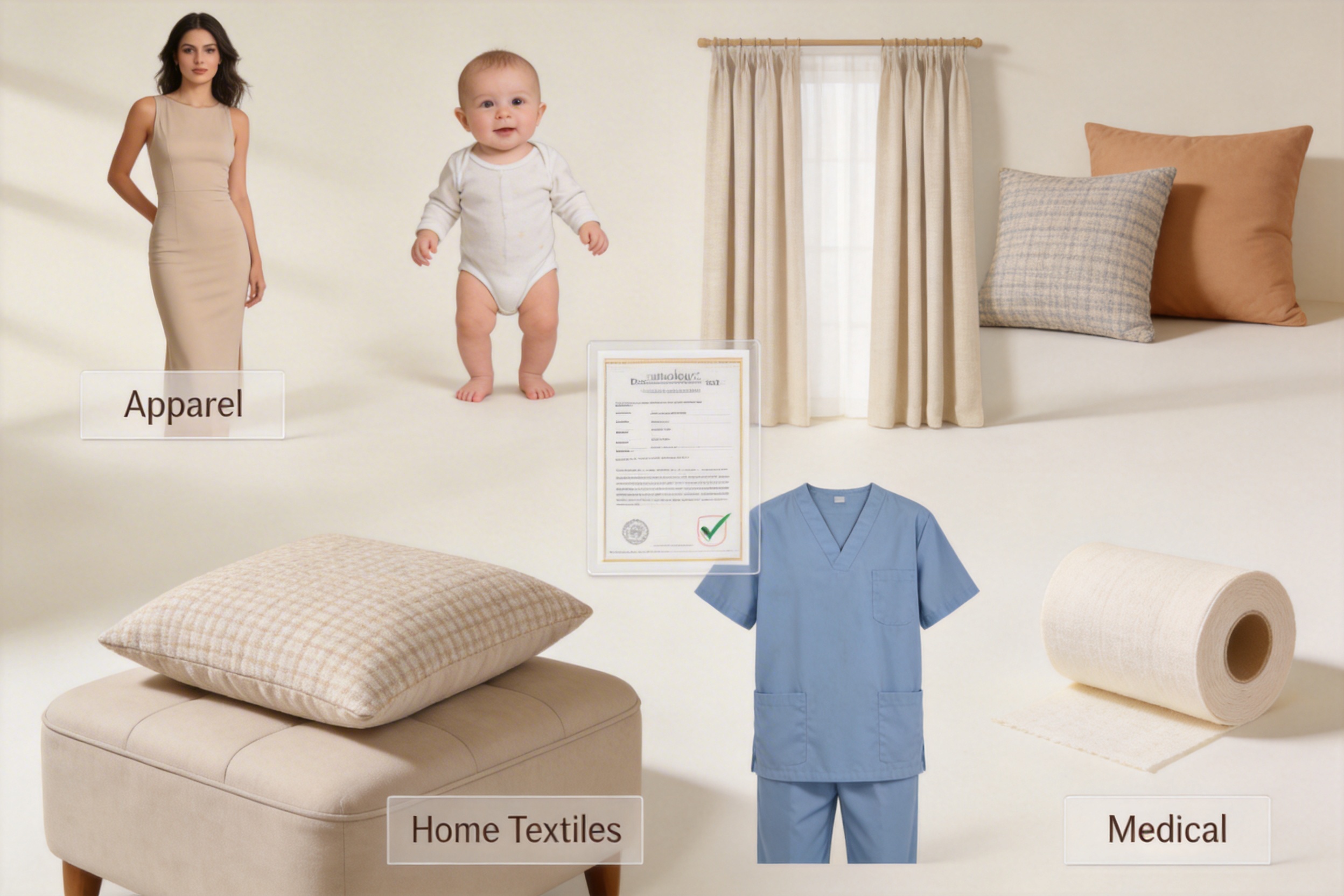
1. Apparel
- Casual Wear: Dresses, blouses, skirts, cardigans, and jumpsuits. Its stretch and softness ensure all-day comfort. - Formal Wear: Cocktail dresses, evening blouses, and formal skirts. The subtle sheen from rayon adds elegance, while shape retention ensures a polished look. - Baby Clothing: Onesies, sleepers, and swaddles. Hypoallergenic properties and easy care make it ideal for infants. - Activewear: Light yoga pants and workout tops. Moderate stretch and breathability suit low-to-medium intensity activities.
2. Home Textiles
- Window Treatments: Sheer overlays and curtains. Allows light through while providing privacy. - Upholstery: Light-use cushions and ottomans. Durability and easy care make it suitable for low-traffic areas. - Decor: Table runners, bed skirts, and throw pillows. Customizable patterns add style to any space.
3. Industrial & Medical Textiles
- Medical Scrubs: Breathable, soft, and easy to clean—ideal for healthcare settings. - Bandages: Hypoallergenic and absorbent, reducing skin irritation. - Protective Gear: Lightweight covers for electronics or machinery (dust-resistant).
Q&A Section
Below are answers to common questions about Cotton NR Roman Fabric:
Q1: Is Cotton NR Roman Fabric suitable for sensitive skin?
A1: Yes. It uses long-staple cotton (hypoallergenic) and bio-based finishing agents. Dermatological tests confirm it is free from formaldehyde, heavy metals, and irritants, making it safe for eczema-prone skin and infants.
Q2: How does it compare to 100% cotton in terms of stretch?
A2: 100% cotton has minimal stretch (2–5%) and poor recovery (60–70%). Cotton NR Roman Fabric offers 25–30% stretch and 95–98% recovery, making it ideal for form-fitting apparel that retains its shape.
Q3: Can it be used for outdoor furniture?
A3: Yes, with an optional water-repellent finish. It resists light rain and spills, and its durability ensures it holds up to outdoor use (though it is not fully waterproof).
Q4: Is the manufacturing process eco-friendly?
A4: Yes. Key practices include: - Closed-loop water system (90% recycling). - Sustainable cotton sourcing (Fair Trade, organic). - Recycled NR yarns (20% waste reduction). - Energy-efficient machines (solar-powered facilities).
Q5: How long does the fabric last?
A5: With proper care, it can last 3–5 years for apparel and 5–7 years for home textiles. Its resistance to pilling, fading, and stretching ensures longevity.
References
- Textile Institute. (2022). Global Blended Fabrics Market Report: Trends & Innovations. Manchester, UK: Textile Institute Press.
- Smith, J. (2021). The Science of Knitted Textiles: Properties & Applications. New York: Academic Press.
- International Organization for Standardization (ISO). (2019). ISO 105-B02: Color Fastness to Light. Geneva: ISO.
- Green Textile Council. (2023). Sustainable Textile Manufacturing Guide. London: Green Textile Council.
- Wang, L. (2022). Advanced DTY Technology for Blended Fabrics. Beijing: China Textile Press.
