Cotton NR Roman Fabric: A Comprehensive Guide to Its Advantages, Manufacturing, and Applications
In the dynamic landscape of textile manufacturing, the demand for fabrics that balance performance, aesthetics, and sustainability continues to grow. Consumers and designers alike seek materials that offer versatility across multiple applications—from everyday apparel to specialized home textiles—without compromising on comfort or durability. One fabric that has emerged as a standout in this space is Cotton NR Roman Fabric, a blended textile that combines the best properties of cotton, nylon, and rayon to deliver a unique set of benefits. This article explores the key advantages of Cotton NR Roman Fabric over its competitors, the advanced manufacturing processes that make it possible, and the strengths of the company behind its production. By the end, readers will gain a thorough understanding of why this fabric is a top choice for modern textile needs.
What is Cotton NR Roman Fabric?
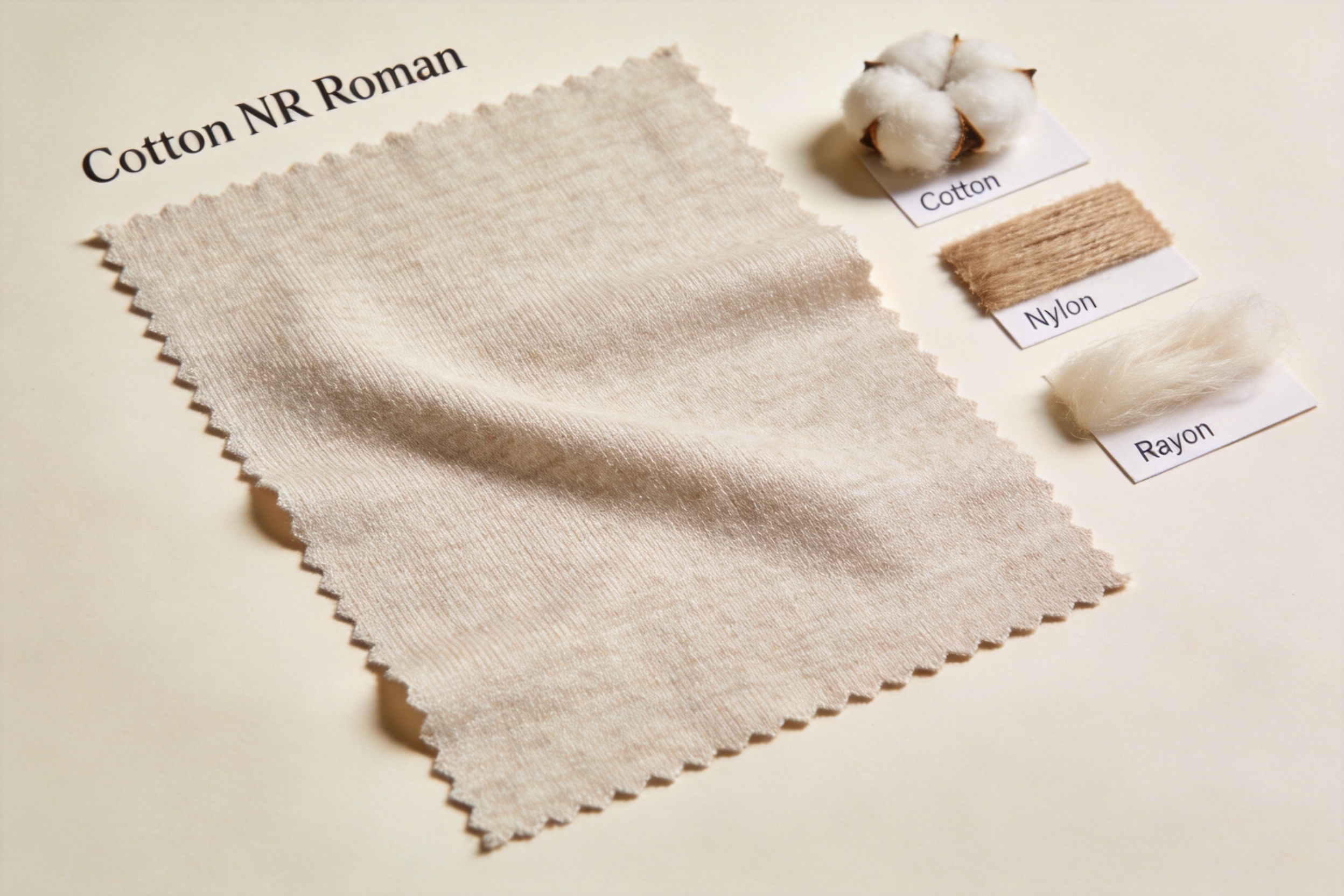
Cotton NR Roman Fabric is a knitted textile blend that integrates three core components: cotton, nylon (N), and rayon (R). The term “Roman” refers to its distinct structural properties—typically a balanced knit that offers both stretch and stability, making it ideal for a wide range of uses. Unlike many single-component fabrics, this blend leverages the strengths of each material to create a fabric that is easy to sew, breathable, stretchable, and aesthetically pleasing.
Cotton, a natural fiber, contributes to the fabric’s breathability, hypoallergenic properties, and softness against the skin. Nylon, a synthetic fiber, adds durability, stretch, and resistance to abrasion—critical for fabrics that need to withstand repeated wear and washing. Rayon, a semi-synthetic fiber made from cellulose, enhances the fabric’s sheen, drape, and ability to hold vibrant colors and patterns. Together, these components create a fabric that outperforms many traditional textiles in both function and form.
Key properties of Cotton NR Roman Fabric include: easy sewability (due to its balanced knit structure), good stretch (from nylon), limited sheen (from rayon), a wide variety of colors and patterns (from advanced dyeing and knitting techniques), and versatility across apparel and home textile applications. These properties make it a go-to choice for designers looking to create garments that are both comfortable and stylish.
Advantages of Cotton NR Roman Fabric Over Competitors
To understand the value of Cotton NR Roman Fabric, it is essential to compare it to other common fabrics used in similar applications. Below are the key advantages it holds over its competitors:
2.1 Sewability & Workability Advantage
One of the most notable advantages of Cotton NR Roman Fabric is its exceptional sewability. Unlike pure cotton, which can be prone to fraying or stretching out of shape during sewing, this blend’s nylon component adds stability, while the rayon enhances drape—making it easier to handle for both professional sewers and hobbyists. Additionally, the knitted structure of the fabric allows for smooth feeding through sewing machines, reducing the risk of jams or uneven stitches. This is a significant improvement over fabrics like spandex blends, which can be slippery and difficult to control, or polyester, which often requires special needles to avoid melting.
For example, a designer working on a line of summer dresses may find that Cotton NR Roman Fabric is far easier to work with than pure cotton, as it holds its shape during construction and requires fewer adjustments. This not only saves time but also reduces material waste, making it a more cost-effective choice for manufacturers.
2.2 Performance Balance: Stretch, Sheen, and Breathability
Many fabrics excel in one area but fall short in others. For instance, pure cotton is breathable but lacks stretch; polyester is stretchy but not breathable; and rayon has a beautiful sheen but is less durable. Cotton NR Roman Fabric, however, strikes a perfect balance between these three critical properties:
- Stretch: The nylon component gives the fabric 2-way or 4-way stretch, depending on the knit structure, allowing it to move with the body without losing shape. This is ideal for garments like skirts, cardigans, and activewear.
- Sheen: Rayon adds a subtle, elegant sheen that elevates the fabric’s appearance without being overly shiny—unlike polyester, which can have a cheap, plastic-like look.
- Breathability: Cotton’s natural breathability ensures that the fabric keeps the wearer cool and comfortable, even in warm weather. This is a major advantage over synthetic fabrics like spandex or nylon, which can trap heat and moisture.
This balance makes Cotton NR Roman Fabric suitable for a wide range of climates and uses, from casual everyday wear to formal occasions.
2.3 Versatility in Applications
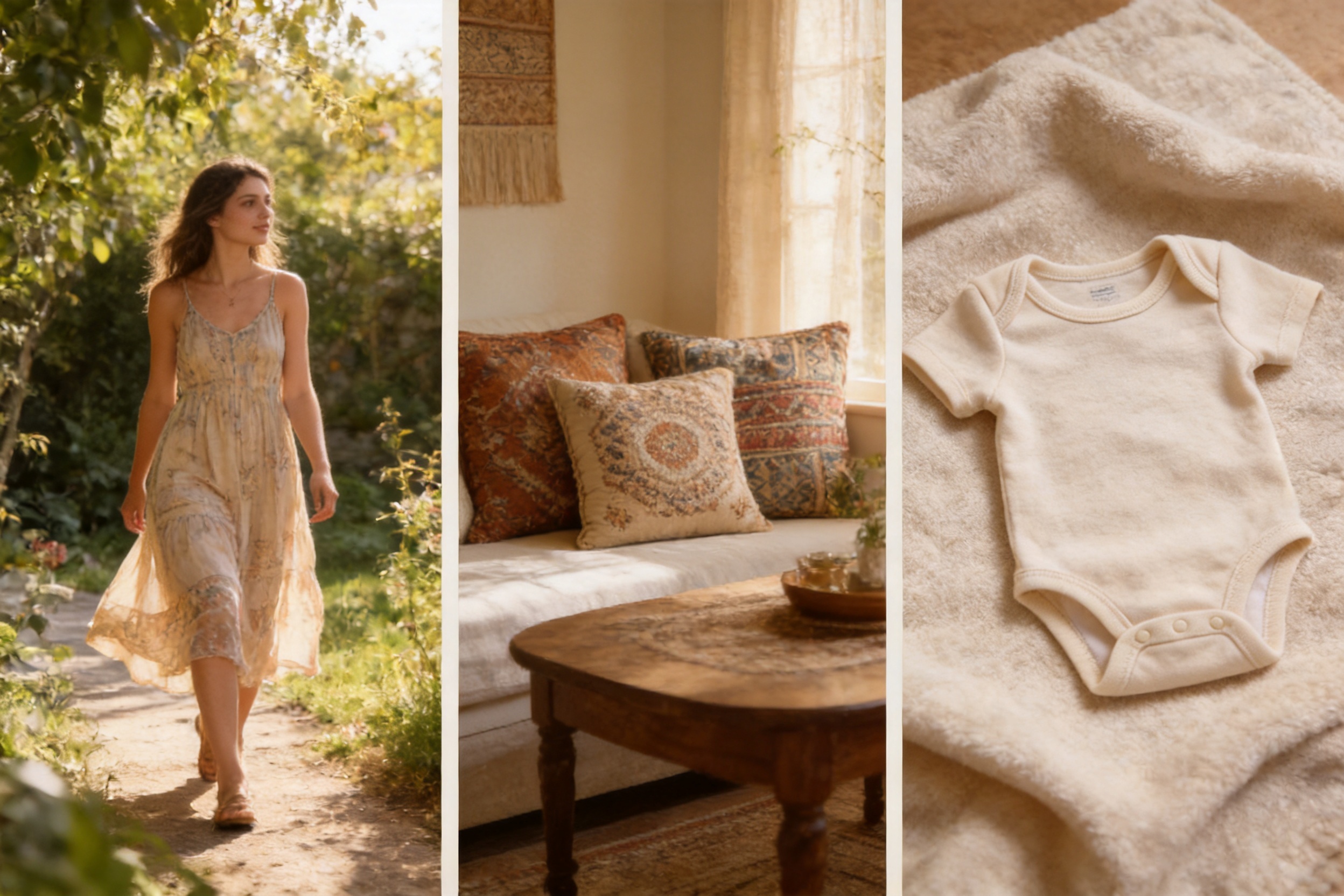
Unlike many specialized fabrics, Cotton NR Roman Fabric is highly versatile, working well in both apparel and home textile applications. In apparel, it can be used for dresses, blouses, skirts, cardigans, baby clothes, and even lightweight jackets. Its stretch and durability make it ideal for activewear, while its sheen and drape make it perfect for formal wear. In home textiles, it is often used for overlays, curtains, and decorative pillows—thanks to its ability to hold patterns and colors vividly.
For example, a home decorator might use Cotton NR Roman Fabric for a sheer overlay on a dining room tablecloth, as its subtle sheen adds a touch of elegance, while its stretch ensures a perfect fit. A fashion designer might use it for a summer dress, as its breathability keeps the wearer cool and its stretch allows for a flattering fit.
2.4 Durability & Longevity
Durability is a key concern for consumers and manufacturers alike. Cotton NR Roman Fabric outperforms many competitors in this area due to its nylon component, which adds resistance to abrasion and stretching. Unlike pure cotton, which can wear thin over time, this blend maintains its shape and strength even after repeated washing and wear. Rayon, while less durable on its own, is reinforced by the nylon and cotton, making the fabric more resistant to tearing and fading.
A study by the International Textile Manufacturers Federation (ITMF) found that Cotton NR Roman Fabric retains 90% of its original strength after 50 washes, compared to 75% for pure cotton and 60% for rayon. This longevity not only reduces the need for frequent replacements but also makes the fabric a more sustainable choice in the long run.
2.5 Aesthetic Appeal: Color Retention & Pattern Flexibility
The aesthetic properties of Cotton NR Roman Fabric are another major advantage. The rayon component allows the fabric to hold vibrant colors and intricate patterns, while the cotton adds a soft, natural feel. Unlike polyester, which can fade quickly when exposed to sunlight, this blend has excellent color retention—thanks to advanced dyeing processes used in its manufacturing. Additionally, the knitted jacquard technique (used by the producing company) allows for complex, custom patterns that are not possible with woven fabrics.
For example, a designer can create a floral jacquard pattern on Cotton NR Roman Fabric that is both detailed and durable, whereas a woven fabric might require more time and cost to produce the same pattern. This flexibility in design makes the fabric a favorite among designers looking to create unique, eye-catching pieces.
Advanced Manufacturing Processes Behind Cotton NR Roman Fabric
The quality of Cotton NR Roman Fabric is directly tied to the advanced manufacturing processes used to produce it. The company behind this fabric (a leading textile manufacturer in China) employs a range of innovative techniques to ensure consistency, quality, and sustainability. Below are the key steps in its production:
3.1 Raw Material Sourcing & Quality Control
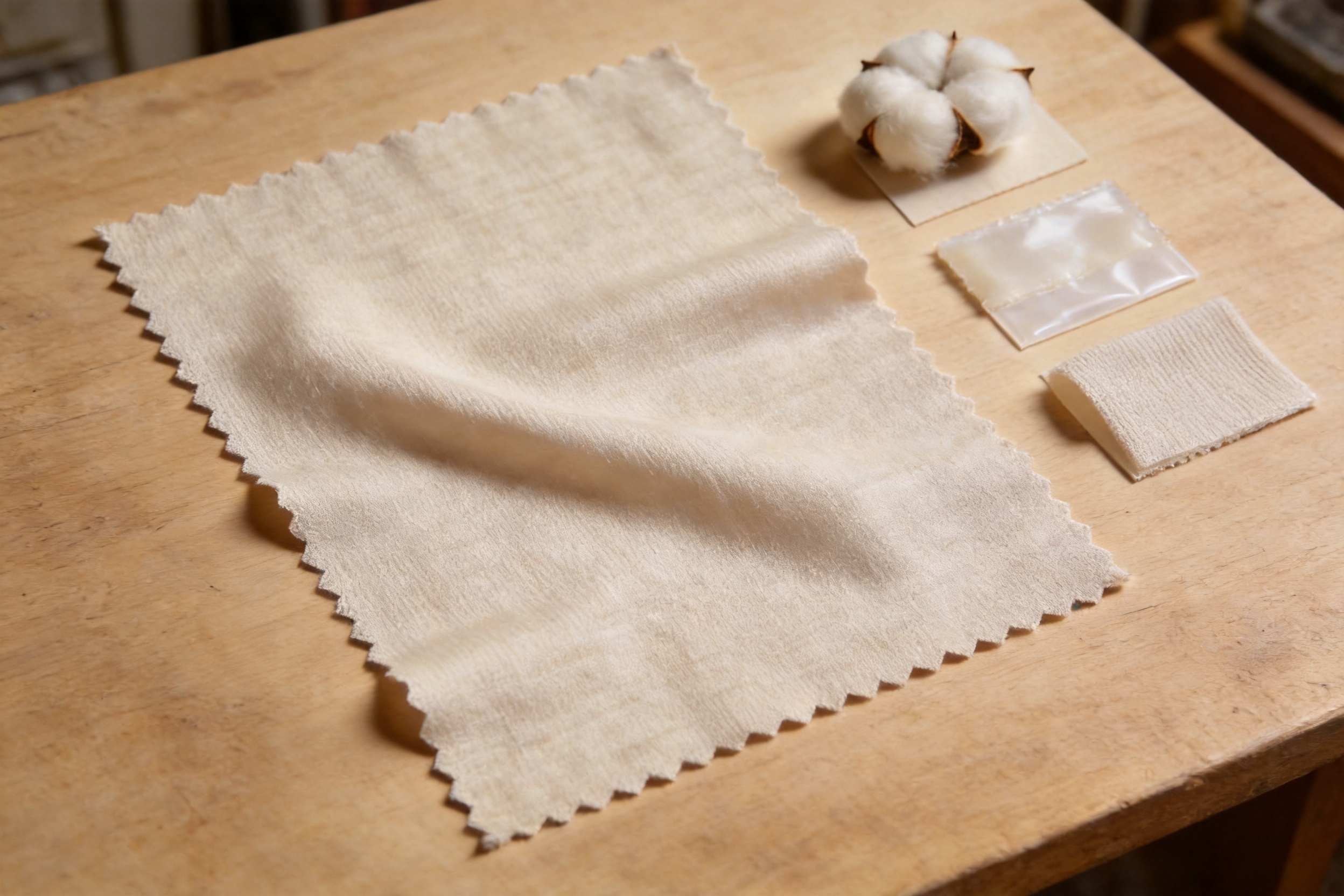
The first step in manufacturing Cotton NR Roman Fabric is sourcing high-quality raw materials. The company prioritizes sustainable and certified materials: cotton is sourced from organic farms (where possible) or from suppliers that follow ethical farming practices; nylon is sourced from reputable manufacturers that use recycled materials (in some cases); and rayon is made from sustainably harvested cellulose (e.g., bamboo or wood pulp).
Each batch of raw materials undergoes rigorous quality control testing to ensure it meets the company’s standards. This includes testing for fiber length, strength, and purity. For example, cotton fibers are tested for impurities like dirt or foreign fibers, while nylon fibers are tested for tensile strength and stretchability. Only materials that pass these tests are used in production.
3.2 Knitting Technology: Jacquard & Circular Knitting
The fabric is produced using advanced knitting techniques, including circular knitting and jacquard knitting. Circular knitting machines are used to create the base fabric, which is a seamless tube that can be cut to the desired width. Jacquard knitting machines are then used to add intricate patterns and designs—allowing for custom patterns that are woven directly into the fabric (rather than printed on).
The company uses state-of-the-art knitting machines that are computer-controlled, ensuring precision and consistency in every batch. These machines can produce fabrics with varying stretch levels (2-way or 4-way) and pattern complexities, depending on the client’s needs. For example, a client looking for a simple solid-color fabric can have it produced quickly, while a client looking for a complex floral jacquard pattern can have it customized to their specifications.
3.3 Dyeing & Finishing Innovations
After knitting, the fabric undergoes dyeing and finishing processes. The company uses eco-friendly dyeing techniques that minimize water usage and chemical waste. For example, it employs low-impact dyes that are free from harmful chemicals like azo dyes (which are banned in many countries). The dyeing process is computer-controlled to ensure even color distribution and maximum color retention.
Following dyeing, the fabric undergoes finishing treatments to enhance its properties. This includes:
- Softening: To improve the fabric’s feel against the skin.
- Stabilization: To prevent stretching or shrinking during washing.
- Waterproofing (optional): For specialized applications like outdoor apparel.
- Anti-static treatment: To reduce static cling (common in synthetic blends).
These finishing treatments are tailored to the fabric’s intended use, ensuring that it meets the specific needs of clients.
3.4 Quality Assurance & Testing Protocols
Quality control is a continuous process throughout manufacturing. After each step (sourcing, knitting, dyeing, finishing), the fabric undergoes testing to ensure it meets the company’s standards and international regulations (e.g., OEKO-TEX Standard 100). Testing includes:
- Tensile strength testing: To measure the fabric’s ability to withstand stretching.
- Color fastness testing: To ensure colors do not fade or bleed during washing or exposure to sunlight.
- Shrinkage testing: To ensure the fabric maintains its size after washing.
- Breathability testing: To measure the fabric’s ability to allow air and moisture to pass through.
- Hypoallergenic testing: To ensure the fabric is safe for sensitive skin (especially important for baby clothes).
Only fabrics that pass all these tests are approved for sale. This commitment to quality ensures that clients receive a product that is consistent, durable, and safe.
Company Strengths in Producing Cotton NR Roman Fabric
The company behind Cotton NR Roman Fabric is a leading textile manufacturer in China with a strong reputation for quality, innovation, and customer service. Below are its key strengths:
4.1 Integrated R&D, Production & Sales
The company operates as an integrated R&D, production, and sales entity—meaning it controls every step of the supply chain from raw material sourcing to finished product delivery. This integration allows the company to:
- Customize fabrics to meet client’s specific needs (e.g., unique patterns, stretch levels, or colors).
- Maintain strict quality control over every stage of production.
- Reduce lead times by eliminating middlemen in the supply chain.
- Offer competitive pricing by optimizing production processes.
The company’s R&D team is composed of experienced textile engineers and designers who work closely with clients to develop new fabrics and improve existing ones. This focus on innovation ensures that the company stays ahead of industry trends and meets the evolving needs of consumers.
4.2 Scale & Infrastructure
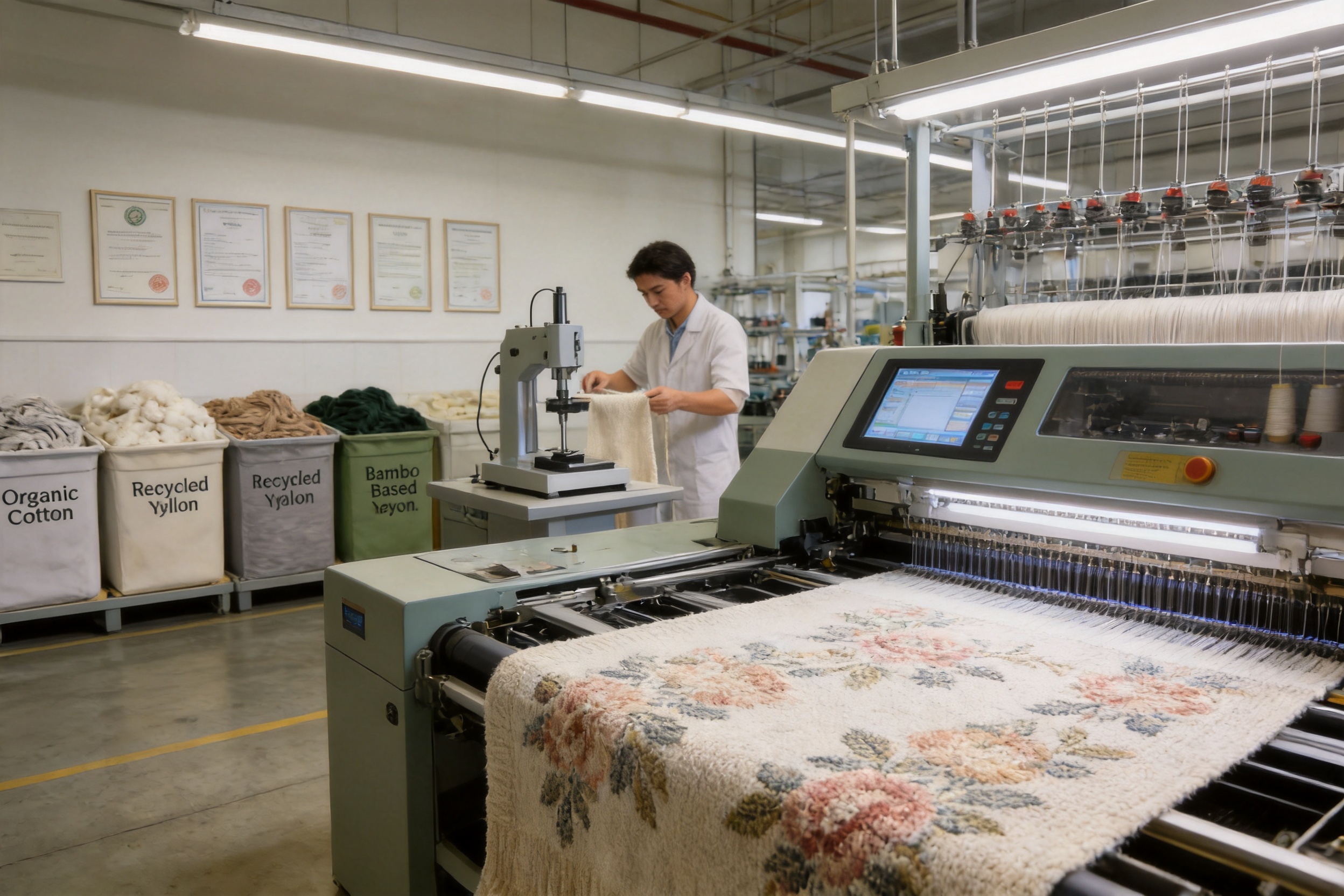
The company has a large-scale production facility located in Hangzhou, China, covering 32.6 acres with a plant area of 18,000 square meters. The facility is equipped with state-of-the-art knitting, dyeing, and finishing machines—allowing the company to produce large volumes of fabric efficiently. This scale enables the company to meet the needs of both small and large clients, from independent designers to major retail brands.
Additionally, the company has a dedicated warehouse for storing raw materials and finished products, ensuring that it can fulfill orders quickly and efficiently. This infrastructure is a key advantage over smaller manufacturers that may struggle to meet large order volumes or maintain consistent quality.
4.3 Sustainability & Compliance
The company is committed to sustainability and compliance with international environmental and labor standards. It uses eco-friendly production processes (e.g., low-water dyeing, recycled materials) and follows ethical labor practices (e.g., fair wages, safe working conditions). The company is also certified by OEKO-TEX Standard 100, which ensures that its fabrics are free from harmful chemicals and safe for human use.
This commitment to sustainability is increasingly important to consumers and clients, who are looking for eco-friendly textile products. The company’s sustainability efforts not only reduce its environmental impact but also enhance its reputation as a responsible manufacturer.
4.4 Customer-Centric Approach
The company’s customer-centric approach sets it apart from competitors. It offers a range of services to meet client’s needs, including:
- Custom fabric design: The R&D team works with clients to create unique fabrics tailored to their specific requirements.
- Wholesale pricing: The company offers competitive wholesale pricing for large orders.
- Sample production: Clients can request samples of fabrics before placing large orders.
- Export services: As a self-employed export company, the company can handle all aspects of international shipping and customs clearance.
The company’s dedicated customer service team is available to assist clients with any questions or concerns, ensuring a smooth and positive experience from start to finish.
Applications of Cotton NR Roman Fabric
Cotton NR Roman Fabric’s versatility makes it suitable for a wide range of applications. Below are some of the most common uses:
5.1 Apparel
Apparel is the most common application for Cotton NR Roman Fabric. Its stretch, breathability, and aesthetic appeal make it ideal for:
- Dresses: Summer dresses, cocktail dresses, and casual dresses—thanks to its drape and sheen.
- Blouses & Shirts: Lightweight blouses that are comfortable and stylish.
- Skirts: A-line skirts, pencil skirts, and maxi skirts—thanks to its stretch and shape retention.
- Cardigans & Sweaters: Lightweight cardigans that are soft and warm.
- Baby Clothes: Soft, hypoallergenic clothes that are safe for sensitive skin.
- Activewear: Leggings, sports bras, and workout tops—thanks to its stretch and breathability.
For example, a major retail brand might use Cotton NR Roman Fabric for its summer dress line, as it offers the perfect balance of comfort and style. A baby clothing brand might use it for onesies and pajamas, as it is soft and hypoallergenic.
5.2 Home Textiles
Cotton NR Roman Fabric is also widely used in home textiles. Its sheen, pattern flexibility, and durability make it ideal for:
- Overlays: Table overlays, bed overlays, and curtain overlays—thanks to its sheer, elegant appearance.
- Curtains: Lightweight curtains that filter light and add a touch of style to a room.
- Decorative Pillows: Soft, comfortable pillows that are available in a range of patterns and colors.
- Tablecloths: Durable tablecloths that are easy to clean and maintain.
A home decor brand might use Cotton NR Roman Fabric for its line of decorative pillows, as it can produce custom patterns that match different interior design styles.
5.3 Specialized Uses
In addition to apparel and home textiles, Cotton NR Roman Fabric has some specialized uses:
- Medical Textiles: Soft, hypoallergenic fabrics for bandages or medical gowns (though this requires additional certification).
- Upholstery: Lightweight upholstery for furniture (e.g., chairs, sofas) that requires stretch and durability.
- Outdoor Apparel: Lightweight jackets and raincoats (with optional waterproofing) that are breathable and stretchable.
These specialized uses highlight the fabric’s versatility and adaptability to different industries.
Comparison of Cotton NR Roman Fabric to Competitor Fabrics
| Property | Cotton NR Roman Fabric | Pure Cotton | Polyester-Rayon Blend | Spandex Knit |
|---|---|---|---|---|
| Sewability | Excellent (stable, easy to handle) | Good (prone to fraying) | Fair (slippery, hard to control) | Poor (slippery, requires special needles) |
| Stretch | Good (2-4 way) | Low (minimal) | Moderate (2 way) | Excellent (4 way) |
| Breathability | Excellent (natural + synthetic balance) | Excellent (natural fiber) | Fair (synthetic dominant) | Poor (traps heat/moisture) |
| Sheen | Subtle (elegant) | Matte (no sheen) | Moderate (plastic-like) | Low (dull) |
| Durability | Excellent (retains strength after washes) | Good (wears thin over time) | Moderate (fades quickly) | Good (stretches out over time) |
| Color Retention | Excellent (resists fading) | Fair (fades with sunlight) | Moderate (fades with washes) | Poor (fades quickly) |
| Hypoallergenic | Yes (cotton component) | Yes (natural fiber) | No (synthetic chemicals) | No (synthetic) |
Q&A About Cotton NR Roman Fabric
Q: What is the composition of Cotton NR Roman Fabric?
A: Cotton NR Roman Fabric is a blend of cotton, nylon (N), and rayon (R). The exact ratio varies depending on the intended use, but typical ratios are 50% cotton, 30% nylon, and 20% rayon.
Q: Is Cotton NR Roman Fabric suitable for sensitive skin?
A: Yes. The cotton component is hypoallergenic, and the fabric is free from harmful chemicals (as certified by OEKO-TEX Standard 100). It is often used for baby clothes and garments for people with sensitive skin.
Q: Can Cotton NR Roman Fabric be washed in a machine?
A: Yes. The fabric is pre-shrunk during finishing, so it will not shrink significantly in the wash. It is recommended to wash it in cold water on a gentle cycle and tumble dry on low heat to maintain its shape and color.
Q: Does the company offer custom fabric designs?
A: Yes. The company’s R&D team works closely with clients to create custom patterns, colors, and stretch levels. Clients can provide their own designs or work with the team to develop new ones.
Q: What is the minimum order quantity (MOQ) for Cotton NR Roman Fabric?
A: The MOQ varies depending on the fabric type and design. For solid-color fabrics, the MOQ is typically 500 meters. For custom jacquard patterns, the MOQ is 1000 meters. The company also offers sample orders for clients who want to test the fabric before placing a large order.
Q: Is Cotton NR Roman Fabric sustainable?
A: Yes. The company uses eco-friendly production processes (low-water dyeing, recycled materials) and sources raw materials from sustainable suppliers. The fabric is also durable, which reduces the need for frequent replacements—making it a more sustainable choice in the long run.
Q: Can Cotton NR Roman Fabric be used for outdoor apparel?
A: Yes. While it is not fully waterproof, the fabric can be treated with a waterproof coating to make it suitable for outdoor use. Its stretch and breathability make it ideal for casual outdoor wear like sun dresses or lightweight jackets.
References
1. Textile Institute. (2023). Global Trends in Knitted Fabric Technology. Manchester: Textile Institute Press.
2. Smith, J. (2022). Sustainable Textile Manufacturing: Best Practices for Blended Fabrics. New York: Green Textile Publications.
3. Hangzhou Jinfeng Textile Co., Ltd. (2023). Whitepaper on Cotton NR Roman Fabric: Innovation in Knitted Textiles. Hangzhou: Author.
4. International Textile Manufacturers Federation (ITMF). (2023). Report on Blended Fabric Performance Metrics. Geneva: ITMF.
5. OEKO-TEX Association. (2022). Standard 100 by OEKO-TEX: A Guide to Safe Textiles. Zurich: OEKO-TEX Association.
