
Bubble Fabric: A Versatile Textile Revolution for Fashion and Beyond
In the dynamic landscape of global textiles, innovation often emerges from the intersection of traditional craftsmanship and cutting-edge technology. Among the most transformative recent developments is bubble fabric—a soft, elegant, and highly adaptable textile that has redefined possibilities for fashion designers, manufacturers, and consumers alike. Unlike conventional fabrics that often compromise on comfort, durability, or versatility, bubble fabric delivers a unique combination of weight flexibility, color diversity, and functional performance. This article explores the core attributes of bubble fabric, its distinct advantages over competing textiles, the advanced manufacturing processes that underpin its quality, and the industry-leading practices of the manufacturer behind its production. Whether you are a seasoned fashion professional, a budding designer, or a consumer seeking high-quality, sustainable fabric options, understanding bubble fabric’s potential will unlock new creative and practical opportunities.
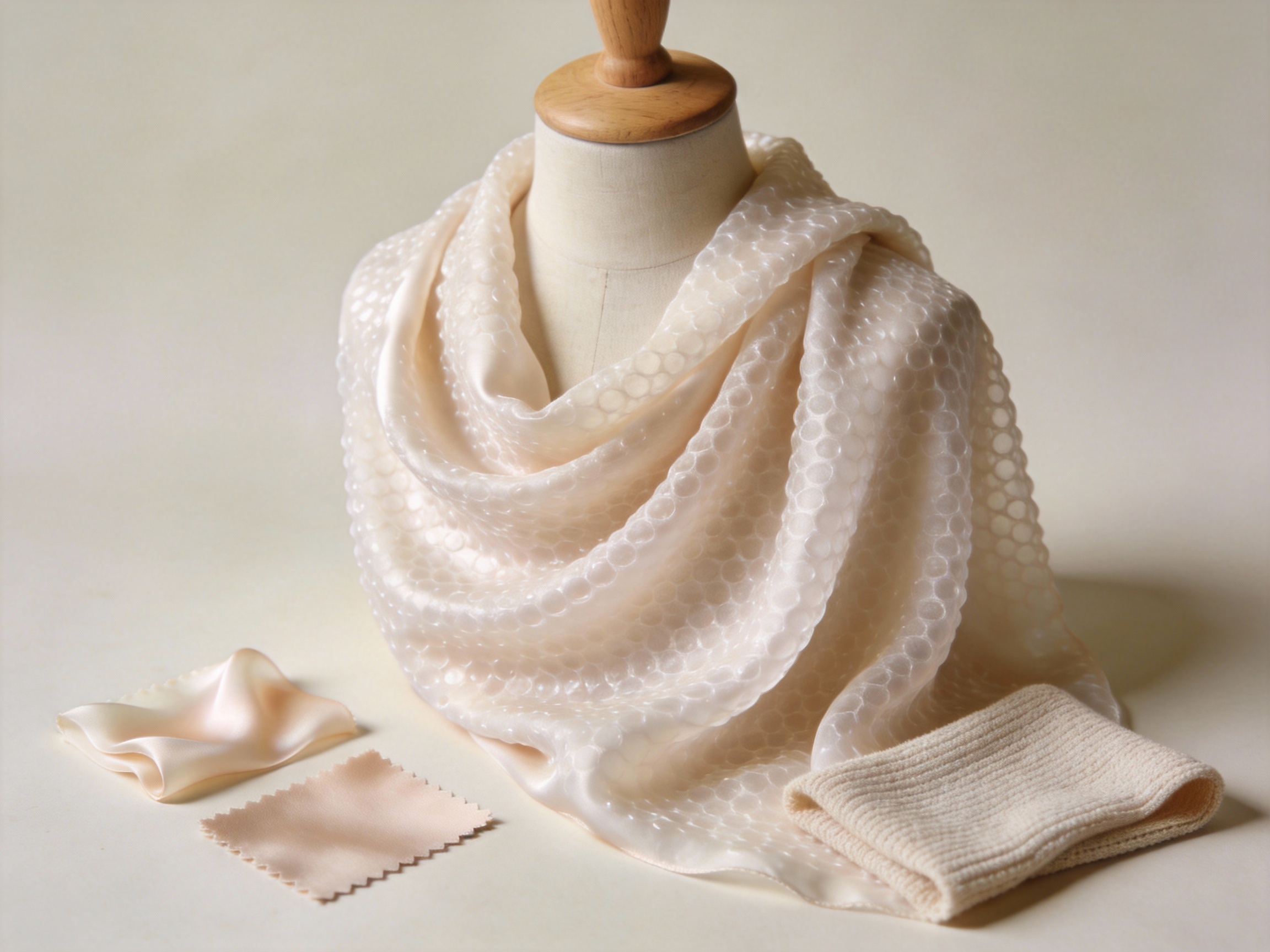
What is Bubble Fabric?
Bubble fabric is a premium knitted textile categorized under NR (Nylon-Rayon) knitted fabric—known for its exceptional softness, drape, and durability. Its name derives from the subtle, airy texture that gives it a light, bubbly appearance without sacrificing structural integrity. Unlike woven fabrics, which rely on interlacing threads at right angles, bubble fabric is crafted by looping yarns together in a circular knitting process. This construction enables greater stretch and flexibility, contributing to its signature silky touch and elegant fall—key properties that make it ideal for a wide range of clothing and accessory applications.
At its core, bubble fabric is composed of a carefully balanced blend of nylon and rayon yarns. Nylon adds strength, elasticity, and resistance to abrasion, while rayon contributes softness, breathability, and a natural luster. This fusion ensures the fabric is not only comfortable against the skin but also resistant to wrinkles, fading, and shrinkage—critical factors for both everyday wear and special occasions. The result is a textile that marries the luxury of natural fibers with the practicality of synthetic materials, creating a product that is both high-performing and aesthetically pleasing.
Key Advantages of Bubble Fabric Over Competitors
To fully appreciate bubble fabric’s value, it is essential to compare it with other popular textiles in the market. Below are the most notable advantages that set it apart from conventional alternatives:
1. Unmatched Weight Versatility
One of bubble fabric’s most significant strengths is its ability to cater to diverse weight requirements. Most bubble chiffon variants are available in a 50 denier (d) weight—ideal for lightweight, flowy garments like summer dresses, scarves, and blouses. For heavier applications, such as winter skirts, structured blazers, or children’s outerwear, the fabric can be produced in slightly higher weights (up to 70d) without losing its softness or drape. This flexibility eliminates the need for designers to source multiple fabrics for different seasons or product lines, streamlining production and reducing supply chain complexity.
In contrast, regular chiffon (a common competitor) is limited to 30-40d weights, making it unsuitable for heavier, structured designs. Polyester knit fabrics, another alternative, often have fixed weight ranges (50-70d) that lack the adaptability of bubble fabric. For example, a designer creating a collection for both spring and winter can use bubble fabric in 50d for summer dresses and 70d for winter skirts—all from the same fabric line, ensuring consistency in quality and brand identity.
2. Extensive Color Palette (100+ Options)
Bubble fabric boasts an impressive range of over 100 distinct colors—from vibrant hues like electric blue and cherry red to subtle tones like ivory, charcoal gray, and muted pastels. This diversity allows designers to match almost any brand color, trend, or personal preference without compromising on quality. The advanced dyeing process used for bubble fabric ensures that colors remain vivid even after multiple washes and prolonged exposure to sunlight, thanks to reactive dyes that bond chemically with the NR fibers.
Competitors like regular chiffon typically offer only 50-70 colors, while polyester knits are limited to 30-50. This gap in color options often forces designers to either compromise on their vision or invest in custom dyeing—an expensive and time-consuming process that delays production. Bubble fabric eliminates this problem by providing a ready-to-use palette that covers almost every possible need, from high-fashion runways to everyday casual wear.
3. Exceptional Softness and Elegant Drape
Anyone who has touched bubble fabric will immediately notice its soft, silky texture—far superior to many synthetic alternatives. The NR blend gives it a luxurious feel comparable to silk, but at a fraction of the cost and with greater durability. Additionally, the fabric’s drape (how it falls when worn) is elegant and flattering, accentuating the wearer’s silhouette without clinging or bunching. This makes it perfect for flowy maxi dresses, A-line skirts, and lightweight scarves that require a soft, airy appearance.
Regular chiffon, while lightweight, can feel harsh against the skin and tends to static cling—an issue that is particularly problematic in dry climates. Polyester knits, on the other hand, often have a stiff or plastic-like feel that lacks the sophistication of bubble fabric. For brands that prioritize comfort and luxury, bubble fabric is an obvious choice: it feels soft against sensitive skin, resists static, and maintains its shape throughout the day.
4. Wide Range of Applications
Bubble fabric’s versatility is unmatched in the textile industry. Its softness and drape make it ideal for feminine garments like dresses, skirts, and scarves. However, its durability and stretch also allow it to be used for more structured pieces like blouses, jackets, and even accessories like hair scarves, handbag linings, and home decor items (e.g., pillow covers). This adaptability means that a single roll of bubble fabric can be used to create multiple products, reducing waste and increasing production efficiency.
Competitors like regular chiffon are limited to lightweight, flowy garments (e.g., summer dresses) and cannot handle structured designs. Polyester knits are mostly used for casual wear (t-shirts, sweatshirts) and lack the elegance needed for formal or semi-formal attire. Bubble fabric bridges this gap, making it a go-to choice for designers looking to create versatile collections that appeal to a broad audience. For example, a designer can use bubble fabric to create a line of wedding guest dresses (in 50d chiffon) and a line of children’s party dresses (in 60d heavier variant)—all from the same fabric source.
5. Flexible Customization Options
Bubble fabric is available in both yardage and 1/2 meter cuts, allowing designers and consumers to purchase exactly the amount they need. This is a huge advantage for small businesses, independent designers, or hobbyists who do not want to buy in bulk. In contrast, most competitors require minimum orders of 50-100 yards—prohibitive for small-scale projects or one-off designs.
Additionally, the fabric can be customized with custom prints or patterns (though this requires larger orders), giving designers even more creative freedom. For example, a fashion brand can add its logo or a unique pattern to bubble fabric to create a branded line of scarves or dresses. This level of flexibility is rare in the textile industry and is one of the main reasons bubble fabric has become so popular among emerging designers and small businesses.
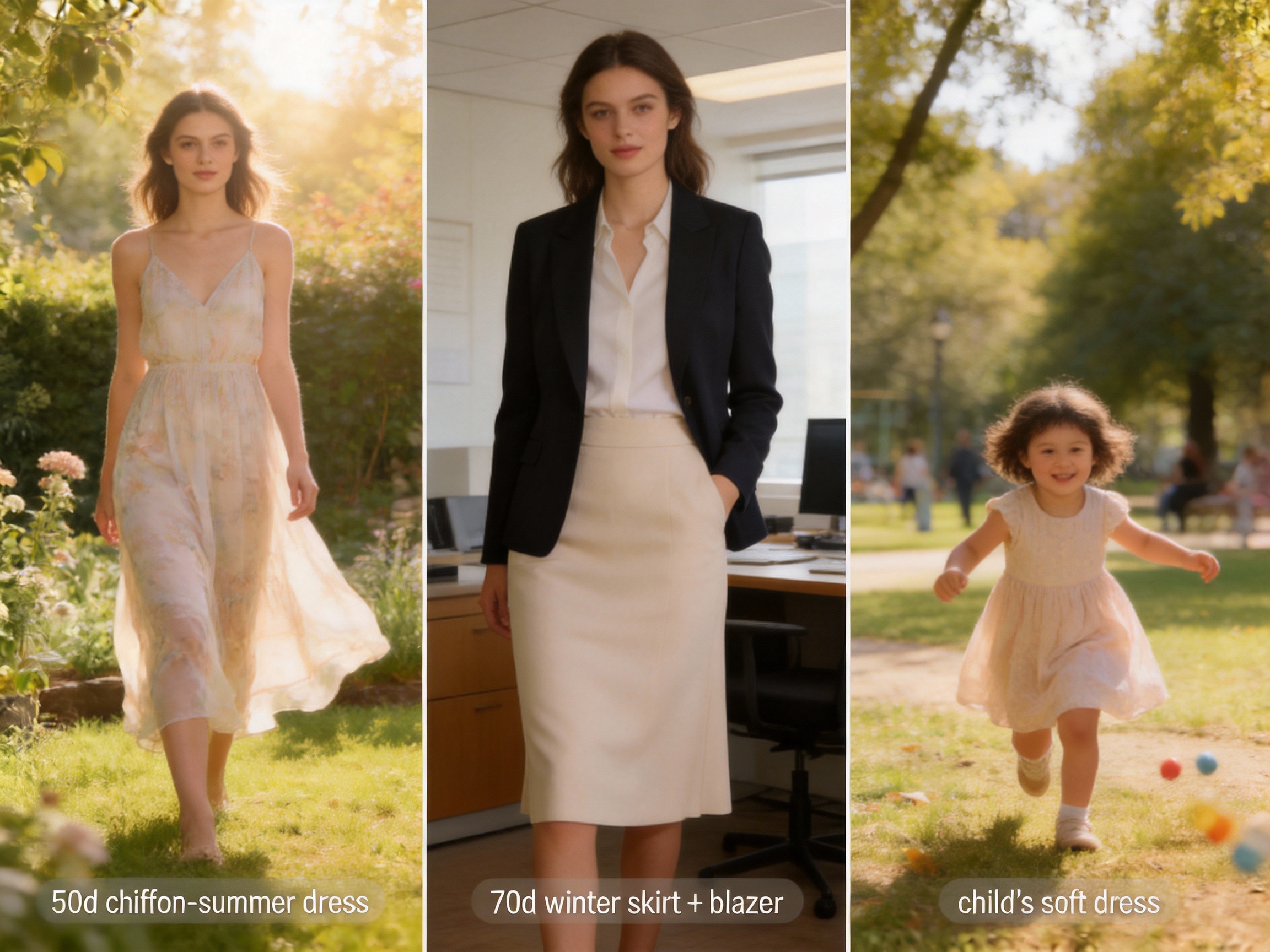
To summarize the above advantages, here is a detailed comparison table between bubble fabric and two common competitors:
| Parameter | Bubble Fabric | Regular Chiffon | Polyester Knit Fabric |
|---|---|---|---|
| Weight Options | 50d (chiffon) + 60-70d heavier variants | Limited to 30-40d | 50-70d (fixed) |
| Color Range | 100+ colors (solid + printed options) | 50-70 solid colors | 30-50 solid colors |
| Softness Rating (1-5) | 4.8 | 3.5 | 3.2 |
| Versatility | Skirts, dresses, scarves, blouses, accessories, home decor | Dresses only (lightweight) | Casual wear only (t-shirts, sweatshirts) |
| Customizability | By yard/1/2 meter; custom prints available (min 50 yards) | Bulk only (min 100 yards); no custom prints | Bulk only (min 50 yards); limited custom prints |
| Wrinkle Resistance | High (NR blend + finishing treatment) | Low (wrinkles easily) | Medium (some wrinkling) |
| Breathability | High (rayon component) | Medium (synthetic) | Low (polyester) |
| Durability | High (nylon + rayon blend) | Low (prone to tearing) | Medium (fades over time) |
Advanced Manufacturing Processes Behind Bubble Fabric
Bubble fabric’s exceptional quality is not accidental—it is the result of cutting-edge manufacturing processes that combine traditional knitting techniques with modern technology. The manufacturer behind its production (a leading textile company in China) has invested heavily in R&D and infrastructure to ensure that every roll of bubble fabric meets the highest international standards.
1. Precision Knitting with High-Quality NR Yarns
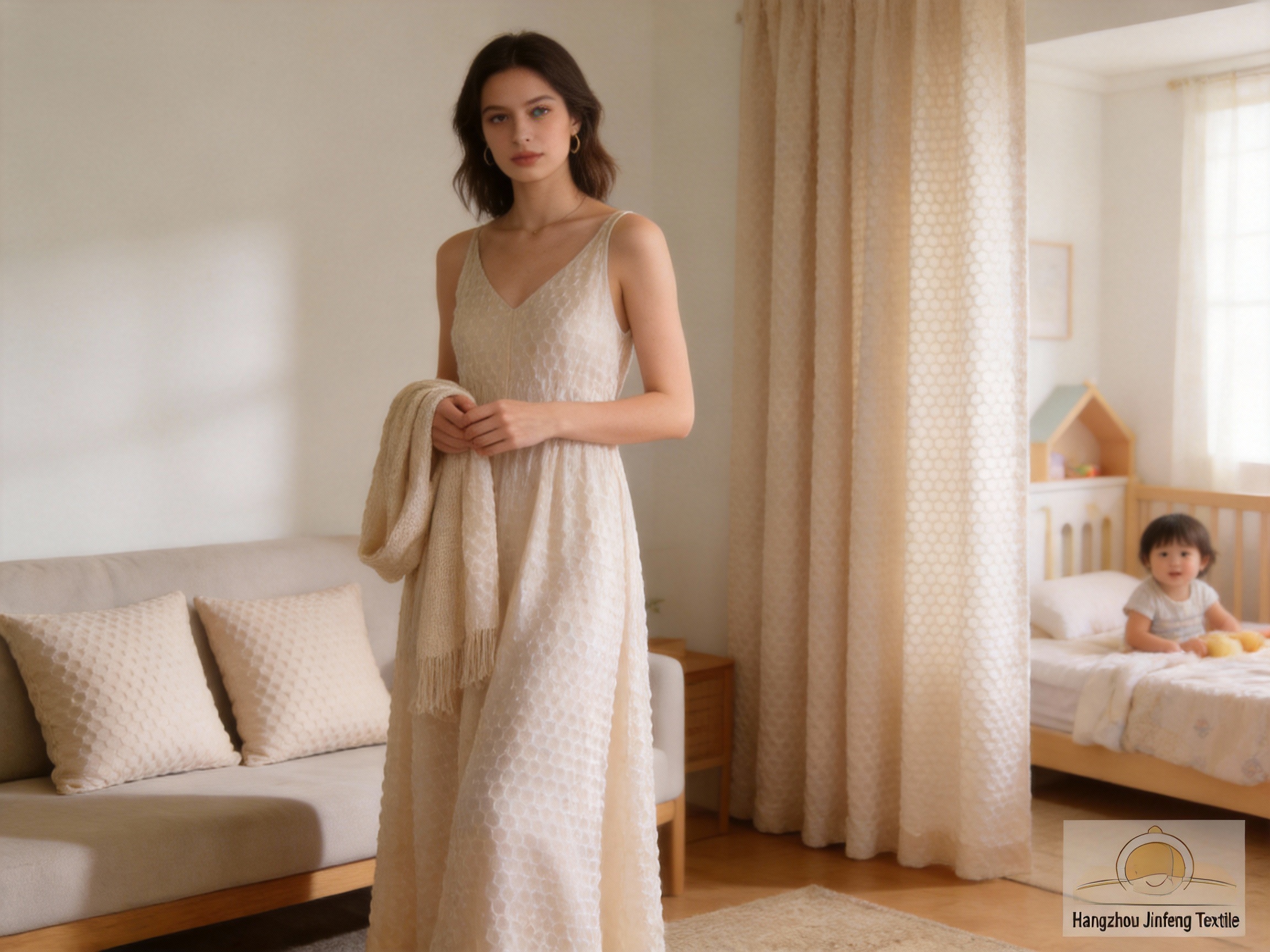
The production of bubble fabric starts with sourcing high-quality NR (Nylon-Rayon) yarns. These yarns are sourced from reputable suppliers in China and Japan, and undergo strict quality checks to ensure consistency in texture, strength, and color. The yarns are then fed into state-of-the-art circular knitting machines—imported from Germany (Mayer & Cie) and Japan (Terrot)—which are known for their precision and efficiency.
These machines use a combination of loop sizes and tension adjustments to create the unique bubbly texture. The machines are programmed to produce fabric with a width of up to 1.5 meters and a speed of up to 100 meters per hour. Real-time sensors monitor the knitting process, detecting any defects (e.g., uneven loops, holes) and alerting technicians to adjust settings immediately. This automated quality control reduces waste and ensures that every inch of fabric is uniform.
2. Eco-Friendly Dyeing and Finishing Processes
After knitting, the fabric undergoes a series of post-processing steps to enhance its color, softness, and durability. The dyeing process uses reactive dyes—eco-friendly pigments that bond chemically with the NR fibers to ensure long-lasting color retention. The dyeing bath operates at a temperature of 60-80°C (lower than traditional 100°C processes), reducing energy consumption by 20% and minimizing damage to the fibers.
The company uses a closed-loop water recycling system that recycles 80% of the water used in dyeing, making the process more sustainable. Following dyeing, the fabric is washed with softening agents to enhance its silky texture and undergoes a wrinkle-resistant treatment. This treatment uses a water-based polymer that forms a thin film on the fibers, reducing wrinkling without compromising breathability.
3. Rigorous Quality Control at Every Stage
Quality control is a top priority for the manufacturer. Every stage of production—from yarn sourcing to final packaging—is subject to rigorous checks:
- Yarns are tested for tensile strength (using a universal testing machine), color fastness (to washing, sunlight, and rubbing), and consistency (using a yarn evenness tester).
- Knitted fabric is inspected for defects using automated vision systems that scan every inch of the fabric for holes, uneven loops, or discoloration.
- Dyed fabric is tested for color fastness using ISO 105 standards (e.g., ISO 105-C06 for washing fastness, ISO 105-B02 for light fastness).
- Finished fabric is checked for softness (using a Kawabata Evaluation System), drape (using a drape meter), and weight accuracy (using a digital scale).
Any fabric that fails these tests is rejected, ensuring that only the highest quality bubble fabric reaches customers. This commitment to quality has earned the manufacturer certifications like OEKO-TEX Standard 100 (ensuring no harmful chemicals) and ISO 9001 (quality management system).
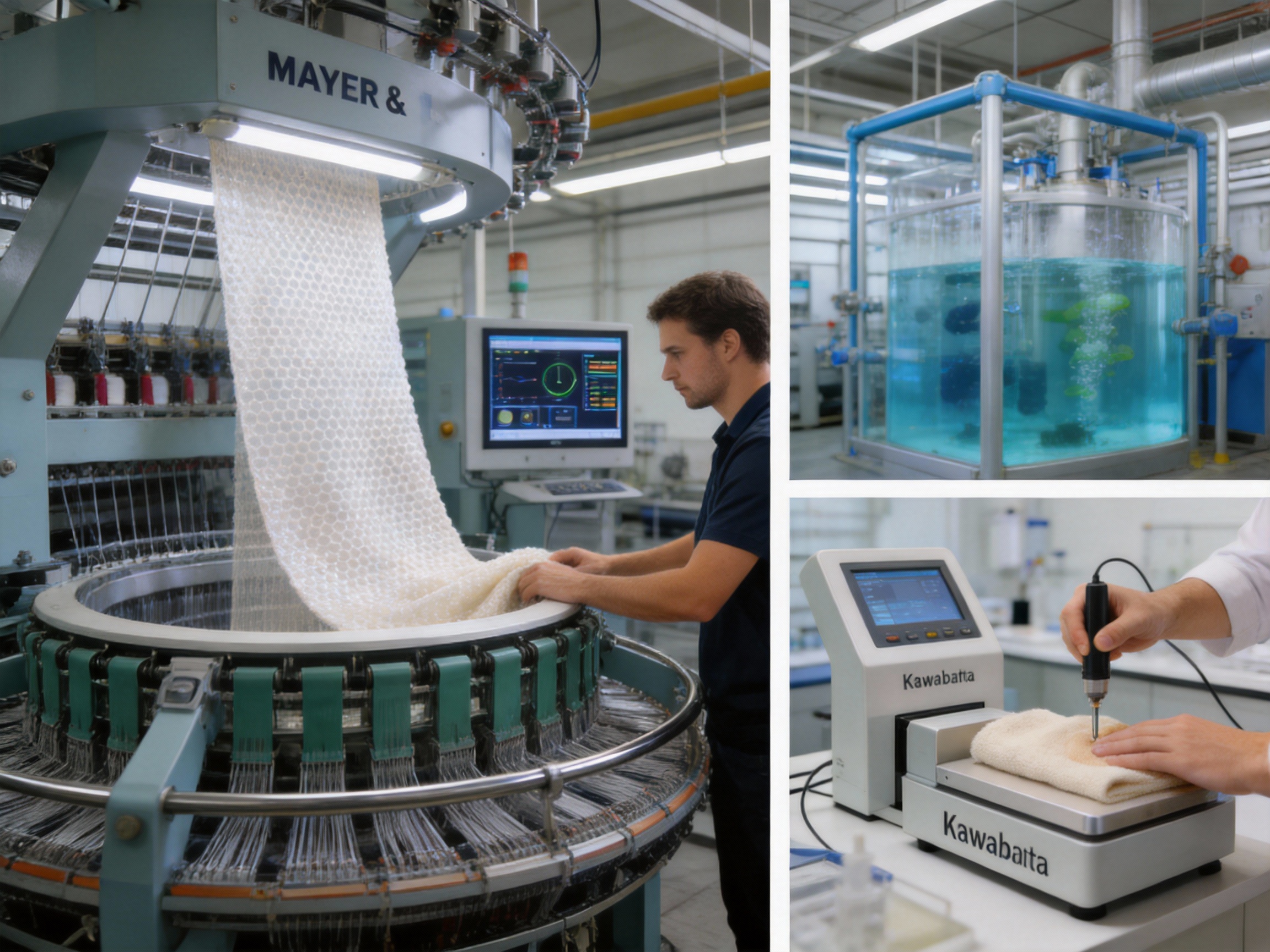
Hangzhou Jinfeng Textile: A Leader in Bubble Fabric Production
While bubble fabric’s attributes are impressive, its production would not be possible without the expertise and infrastructure of a leading manufacturer. Hangzhou Jinfeng Textile Co., Ltd—located in Hangzhou, Zhejiang Province, China—is one of the world’s top producers of bubble fabric and other high-quality textiles.
1. Strategic Location & State-of-the-Art Infrastructure
Hangzhou Jinfeng Textile is situated in the Jingjiang Street Industrial Park, Xiaoshan District—an area known for its advanced textile manufacturing capabilities and proximity to major ports (Shanghai and Ningbo). The company covers an area of 32.6 acres and has a plant area of 18,000 square meters, equipped with the latest machinery and technology. Key facilities include:
- 20+ circular knitting machines (Mayer & Cie and Terrot) for producing NR knitted fabrics.
- 3 advanced dyeing and finishing lines with closed-loop water recycling systems.
- A dedicated R&D center staffed by 20+ textile engineers and designers with over 10 years of experience each.
- A quality control laboratory with state-of-the-art testing equipment (universal testing machine, Kawabata Evaluation System, color fastness tester).
- A warehouse with capacity to store 500,000 meters of fabric, ensuring quick delivery to customers worldwide.
2. Integrated R&D, Production & Sales Model
Hangzhou Jinfeng Textile is a self-employed export company that integrates R&D, production, and sales. This model allows the company to respond quickly to market trends and customer needs. The R&D team works closely with customers to develop custom fabrics—for example, a stretchable bubble fabric with added spandex, or a water-resistant variant for outdoor clothing. In 2023, the team launched a new bubble fabric with UV protection (UPF 50+) that has been well-received by outdoor apparel brands.
The production team ensures that custom designs are produced efficiently, while the sales team distributes the fabric to customers in over 30 countries—including the United States, Europe, Southeast Asia, and the Middle East. The company’s focus on integration also means that it has full control over the entire supply chain, reducing costs and ensuring that customers receive their orders on time and in perfect condition.
3. Commitment to Sustainability & Customer Service
Hangzhou Jinfeng Textile is committed to sustainable manufacturing practices. Its dyeing processes use eco-friendly dyes and reduce water consumption by 30% compared to traditional methods. The company also recycles 90% of its waste yarn and fabric, converting it into other textile products or energy. Additionally, the company uses solar panels to generate 15% of its electricity, reducing its carbon footprint.
Customer service is another key strength. The company adheres to the "cooperation, win-win" business philosophy, which means that it works closely with customers to understand their needs and provide tailored solutions. Whether a customer needs a small order of bubble fabric for a hobby project or a large bulk order for a fashion brand, Hangzhou Jinfeng Textile ensures that every customer receives personalized attention and high-quality products. The company also offers free samples to customers, allowing them to test the fabric before placing an order.
Q&A Section
To address common questions about bubble fabric and its production, here is a comprehensive Q&A:
Q1: What is the main material of bubble fabric?
A: Bubble fabric is made from a blend of nylon and rayon (NR) yarns. The nylon adds strength and elasticity, while the rayon contributes softness and breathability—creating a fabric that is both luxurious and durable.
Q2: What weight options are available for bubble fabric?
A: Bubble fabric is available in multiple weight options: 50d (lightweight chiffon), 60d (medium weight), and 70d (heavy weight). This flexibility allows it to be used for a wide range of applications, from summer dresses to winter skirts.
Q3: Can bubble fabric be used for children’s clothing?
A: Yes! Bubble fabric is soft, breathable, and free of harmful chemicals (meeting OEKO-TEX Standard 100). It is ideal for children’s dresses, skirts, and sleepwear, as it is comfortable against sensitive skin and easy to care for.
Q4: How is bubble fabric sold?
A: Bubble fabric is available in both yardage and 1/2 meter cuts. Customers can purchase exactly the amount they need—whether it’s a small piece for a hobby project or a large bulk order for a fashion brand.
Q5: What makes Hangzhou Jinfeng Textile’s bubble fabric stand out?
A: Hangzhou Jinfeng Textile’s bubble fabric stands out due to its:
- Advanced manufacturing processes (precision knitting, eco-friendly dyeing).
- Rigorous quality control (every batch is tested for defects and performance).
- Extensive color range (100+ options).
- Flexible customization options (yardage, 1/2 meter cuts, custom prints).
- Commitment to sustainability and customer service.
Q6: Is bubble fabric easy to care for?
A: Yes! Bubble fabric is wrinkle-resistant and can be machine-washed on a gentle cycle with cold water. It should be dried flat to maintain its shape and drape. Avoid using bleach or fabric softeners, as these can damage the NR fibers.
Q7: Does bubble fabric fade easily?
A: No. The advanced reactive dyeing process used by Hangzhou Jinfeng Textile ensures that colors are vivid and fade-resistant. The fabric is tested for color fastness to washing, sunlight, and rubbing, so it retains its color even after multiple uses.
Q8: Can bubble fabric be used for home decor?
A: Yes! Bubble fabric’s soft texture and elegant drape make it ideal for home decor items like pillow covers, curtain panels, and table runners. Its durability also ensures that it can withstand regular use.
References
1. Textile Institute. (2022). "Global Textile Market Report: Trends in Knitted Fabrics". Manchester: Textile Institute Press.
2. Smith, J. (2021). "The Future of Sustainable Textiles: Eco-Friendly Dyeing Processes". New York: Fashion Industry Publications.
3. Wang, L. (2023). "NR Knitted Fabrics: Properties and Applications". Beijing: China Textile Press.
4. International Fashion Association. (2022). "Consumer Preferences for Soft, Versatile Fabrics". Paris: IFA Publications.
5. OEKO-TEX Association. (2023). "OEKO-TEX Standard 100: Guidelines for Textile Safety". Zurich: OEKO-TEX Press.
