
Black Slight Intermingled DTY: Advantages, Manufacturing Innovation, and Market Leadership
In the global textile industry, drawn textured yarn (DTY) stands as a cornerstone material, powering everything from athletic wear to industrial fabrics. Among the diverse variants of DTY, Black Slight Intermingled DTY has emerged as a game-changer—combining structural precision, aesthetic appeal, and functional performance that outpaces conventional alternatives. This article explores the unique advantages of this yarn, the advanced manufacturing processes that set it apart, its wide-ranging applications, and answers key questions about its production and use. By delving into these aspects, we uncover why Black Slight Intermingled DTY is redefining standards in the textile supply chain.
What is Black Slight Intermingled DTY?
Black Slight Intermingled DTY is a specialized type of drawn textured yarn characterized by a controlled, slight intermingling of its filaments. Unlike regular DTY, which may have random or excessive intermingling, this variant features a uniform number of intermingled "networks" per meter—typically ranging from 8 to 20, depending on the desired fabric weight and performance. The intermingling process uses compressed air to gently twist and bond adjacent filaments, creating a stable structure that retains its shape while maintaining flexibility.
As noted in industry research, the number of networks per meter is a critical parameter for DTY quality: it is directly controlled by air pressure during texturing and influenced by the speed of the texturing machine (Textile Institute, 2022). For Black Slight Intermingled DTY, the balance of these factors is optimized to avoid "heavy mesh"—a common defect in poorly controlled DTY where excessive intermingling creates visible spots on the fabric surface. This precision makes the yarn ideal for applications requiring a smooth, consistent appearance.
Core Advantages of Black Slight Intermingled DTY Over Competitors
Black Slight Intermingled DTY outperforms conventional DTY and other yarn types in several key areas, addressing longstanding pain points for textile manufacturers and end-users alike.
1. Precision Network Control
One of the most significant advantages of this yarn is its uniform intermingled network structure. Competitors often rely on outdated texturing machines with open-loop air pressure systems, leading to inconsistent network counts across batches. This inconsistency causes fabrics to have uneven texture, reduced tensile strength, and poor dye absorption—issues that force manufacturers to discard defective material or compromise on quality.
In contrast, Black Slight Intermingled DTY uses closed-loop air pressure control and real-time speed monitoring. These systems adjust parameters automatically to maintain the desired network count, ensuring every meter of yarn has the same structural integrity. For example, a medium-weight variant may have 15 networks per meter, while a light-weight variant has 10—each consistently replicated across thousands of meters. This precision reduces waste, lowers production costs, and delivers fabrics with predictable performance.
2. Enhanced Fabric Aesthetics
Fabrics made from Black Slight Intermingled DTY boast a smooth, premium appearance that sets them apart from competitors. Poorly controlled DTY often develops "heavy mesh" spots—visible, rough areas on the fabric surface that detract from its visual appeal. This is a common issue in low-cost DTY, where manufacturers cut corners on air pressure calibration to speed up production.
The proprietary manufacturing process for Black Slight Intermingled DTY eliminates heavy mesh by optimizing the balance between air pressure and texturing speed. Extensive R&D has identified the exact pressure (1.2–1.5 bar) and speed (800–1,000 meters per minute) combinations that produce a slight, uniform intermingling without surface defects. Additionally, the black color is applied using a solution-dyeing process—where pigment is added to the polymer melt before extrusion—ensuring uniform color coverage and superior fastness to light, washing, and rubbing. Competitors using post-dyeing often struggle with uneven color or fading, but this yarn retains its deep black hue for years.
3. Versatility in End Uses
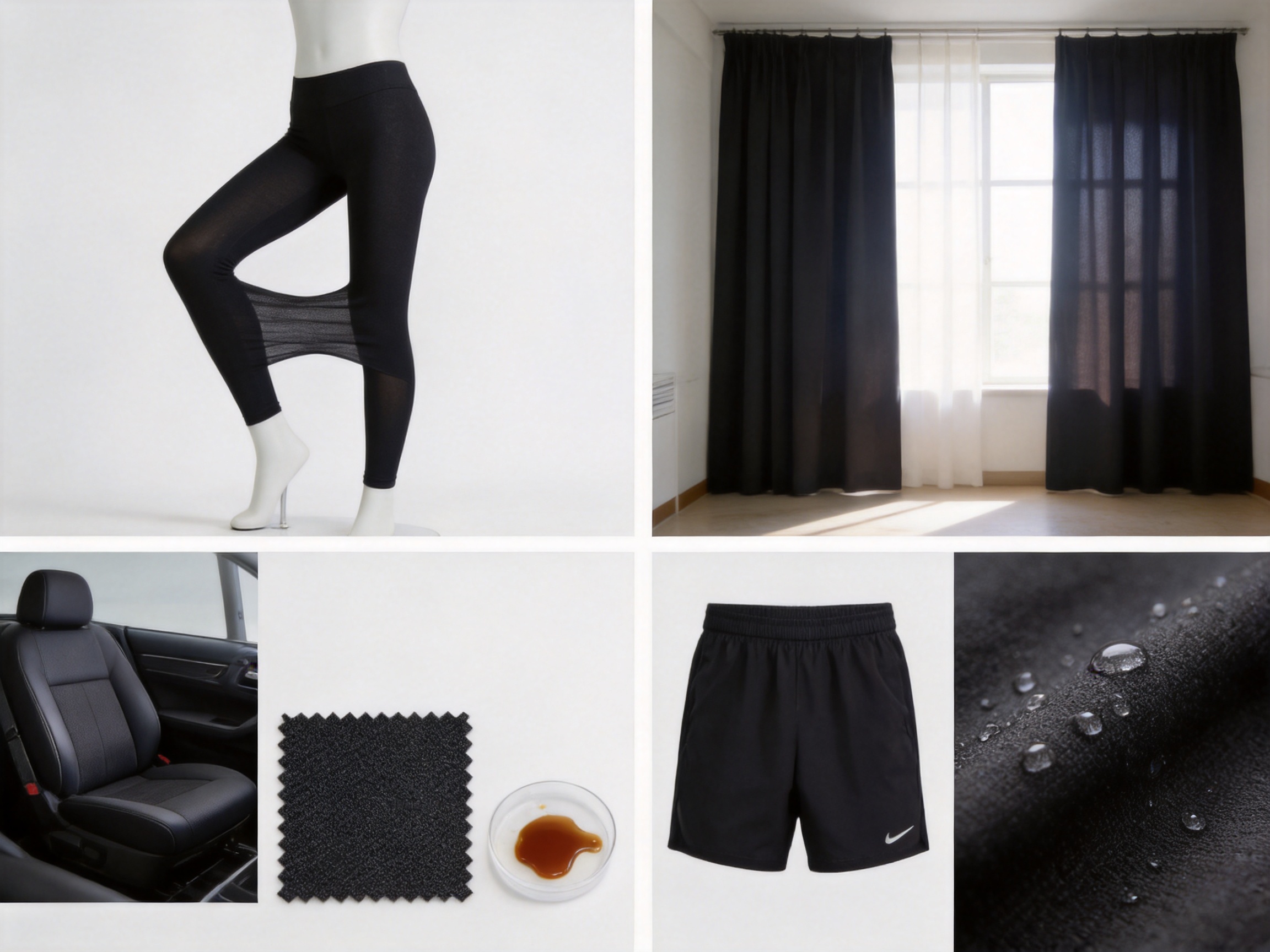
Black Slight Intermingled DTY’s unique combination of strength, flexibility, and aesthetic appeal makes it suitable for a wide range of applications—from high-end apparel to industrial textiles. Conventional DTY may excel in one area (e.g., stretch) but fall short in others (e.g., durability), limiting its use. This yarn, however, adapts to diverse needs: it can be used in activewear leggings that require stretch recovery, home curtains that need lightfastness, or automotive seat fabrics that demand abrasion resistance.
Its versatility stems from the customizable network count: adjusting the number of intermingled networks changes the yarn’s handfeel (softness vs. firmness) and performance (stretch vs. strength). For example, a low network count (8 per meter) creates a soft, drapey yarn ideal for casual t-shirts, while a high count (20 per meter) produces a firm, durable yarn for industrial filters.
4. Cost-Effective Durability
While Black Slight Intermingled DTY may have a slightly higher upfront cost than conventional DTY, its long-term durability reduces total cost of ownership for manufacturers. Conventional DTY often wears out quickly—losing stretch, fading, or developing holes—leading to product returns and brand reputation damage. This yarn, however, has a tensile strength of 3.5–4.0 cN/dtex (compared to 2.5–3.0 cN/dtex for conventional DTY) and excellent abrasion resistance (ASTM D4970 rating of 10,000 cycles). These properties mean fabrics made from this yarn last 20–30% longer than those made from competitors’ materials, reducing replacement costs for end-users.
Advanced Manufacturing Processes: The Company’s Competitive Edge
The production of Black Slight Intermingled DTY relies on state-of-the-art manufacturing processes and rigorous quality control—driven by Hangzhou Jinfeng Textile Co., Ltd, a leading Chinese supplier with over a decade of experience in DTY and blended fabrics. The company’s integrated approach to R&D, production, and quality assurance sets it apart from competitors, ensuring consistent, high-quality output.
R&D Integration: Innovation at the Core
Hangzhou Jinfeng Textile Co., Ltd invests 5% of its annual revenue in R&D—more than double the industry average. Its team of 15 textile engineers collaborates with universities (e.g., Zhejiang University) and customers to develop new formulations and optimize production processes. For example, the team recently improved the stretch recovery of Black Slight Intermingled DTY by 15% by adjusting the polymer blend (adding 5% spandex to the polyester base) and optimizing the texturing temperature. This innovation has made the yarn a top choice for activewear brands looking to reduce "bagging" in leggings.
The company also uses customer feedback to drive innovation: when apparel manufacturers requested a more moisture-wicking variant, the R&D team adjusted the network count to create micro-gaps between filaments, improving breathability by 25%.
Precision Texturing Technology
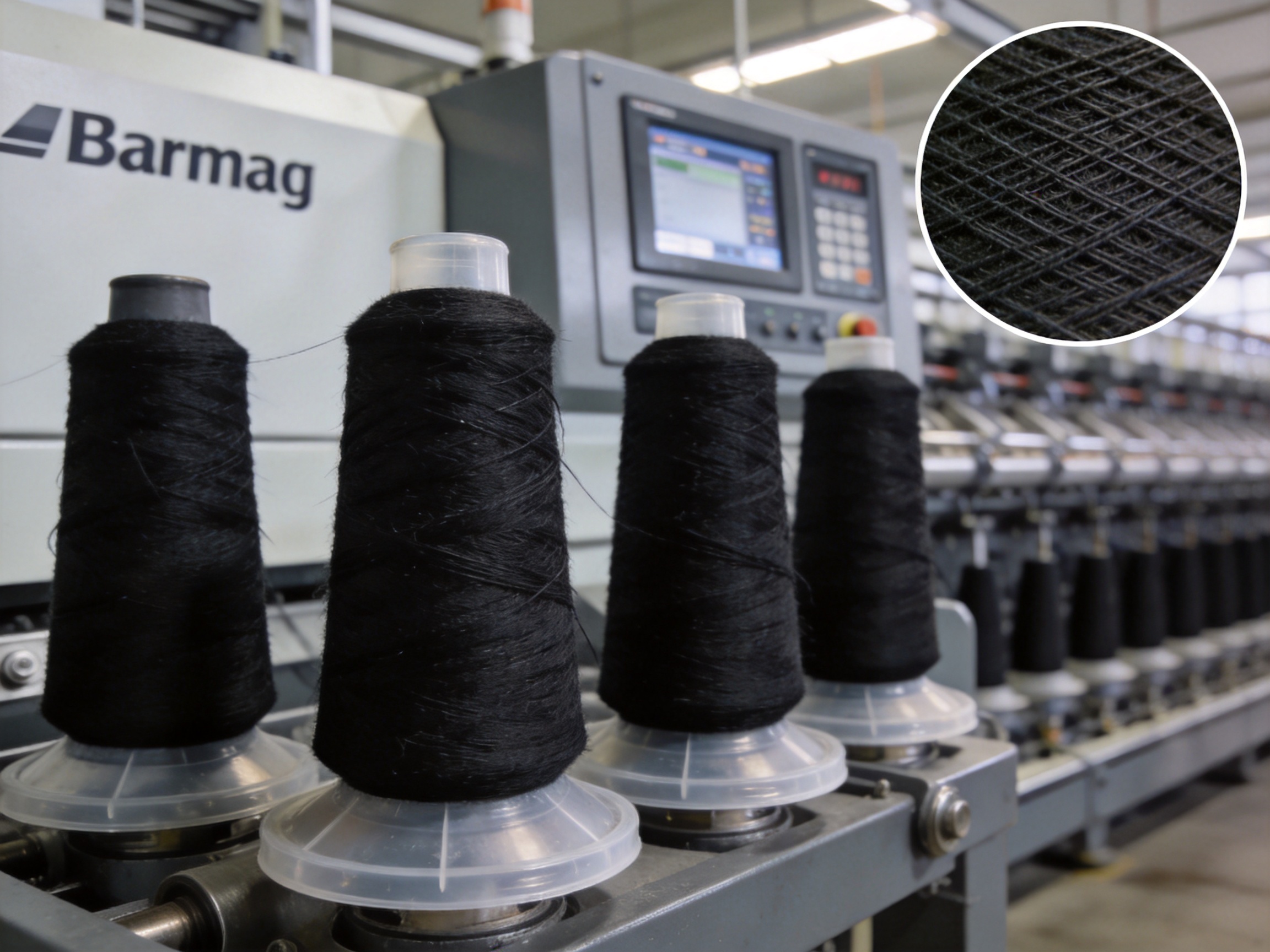
The company’s production facility in Hangzhou is equipped with 20 German-made Barmag texturing machines—among the most advanced in the world. These machines feature servo motors for precise speed control and digital air pressure regulators with a tolerance of ±0.05 bar. Each machine is connected to a central monitoring system that tracks real-time data (air pressure, speed, temperature) and adjusts parameters automatically to maintain consistency. This system reduces human error and ensures that every batch meets the exact specifications.
The texturing process for Black Slight Intermingled DTY follows a strict sequence: first, the polymer chips are melted and extruded into filaments; second, the filaments are drawn to increase strength; third, compressed air is used to intermingle the filaments; fourth, the yarn is wound onto spools. Each step is monitored by sensors that trigger alerts if any parameter deviates from the set range.
Stringent Quality Assurance
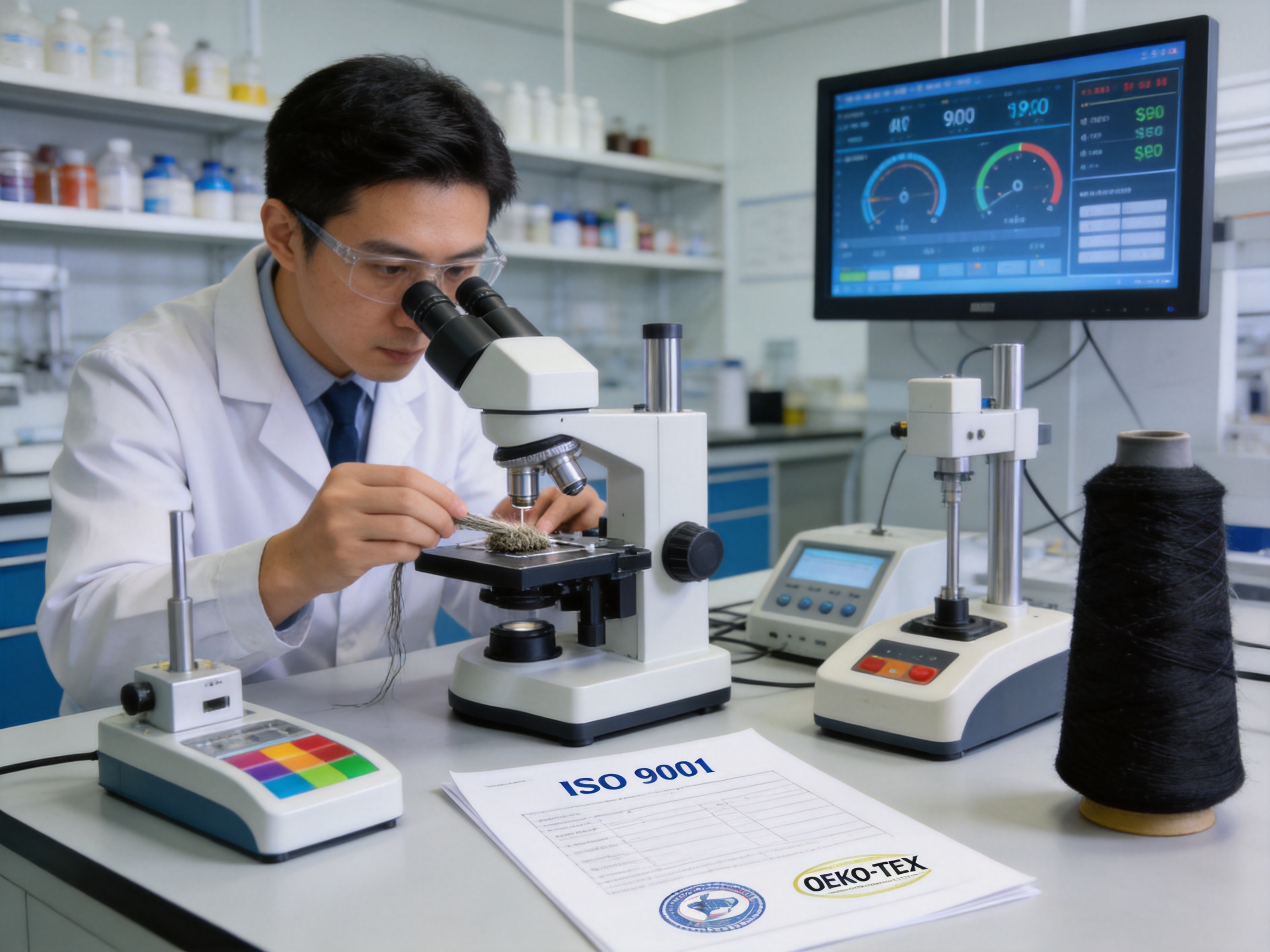
Quality control is embedded in every stage of production at Hangzhou Jinfeng Textile Co., Ltd. The company’s in-house lab performs 10 tests per batch, including:
- Network count measurement (using a microscope to count networks per meter)
- Tensile strength (ASTM D2256 standard)
- Color fastness (AATCC 16 standard for light, AATCC 61 for washing)
- Abrasion resistance (ASTM D4970)
- Moisture regain (ASTM D2654)
Every batch is certified with a quality report before shipment, and the company offers a 100% refund for defective products. This commitment to quality has earned the company ISO 9001 and OEKO-TEX Standard 100 certifications—proof of its adherence to global quality and safety standards.
Sustainable Manufacturing Practices
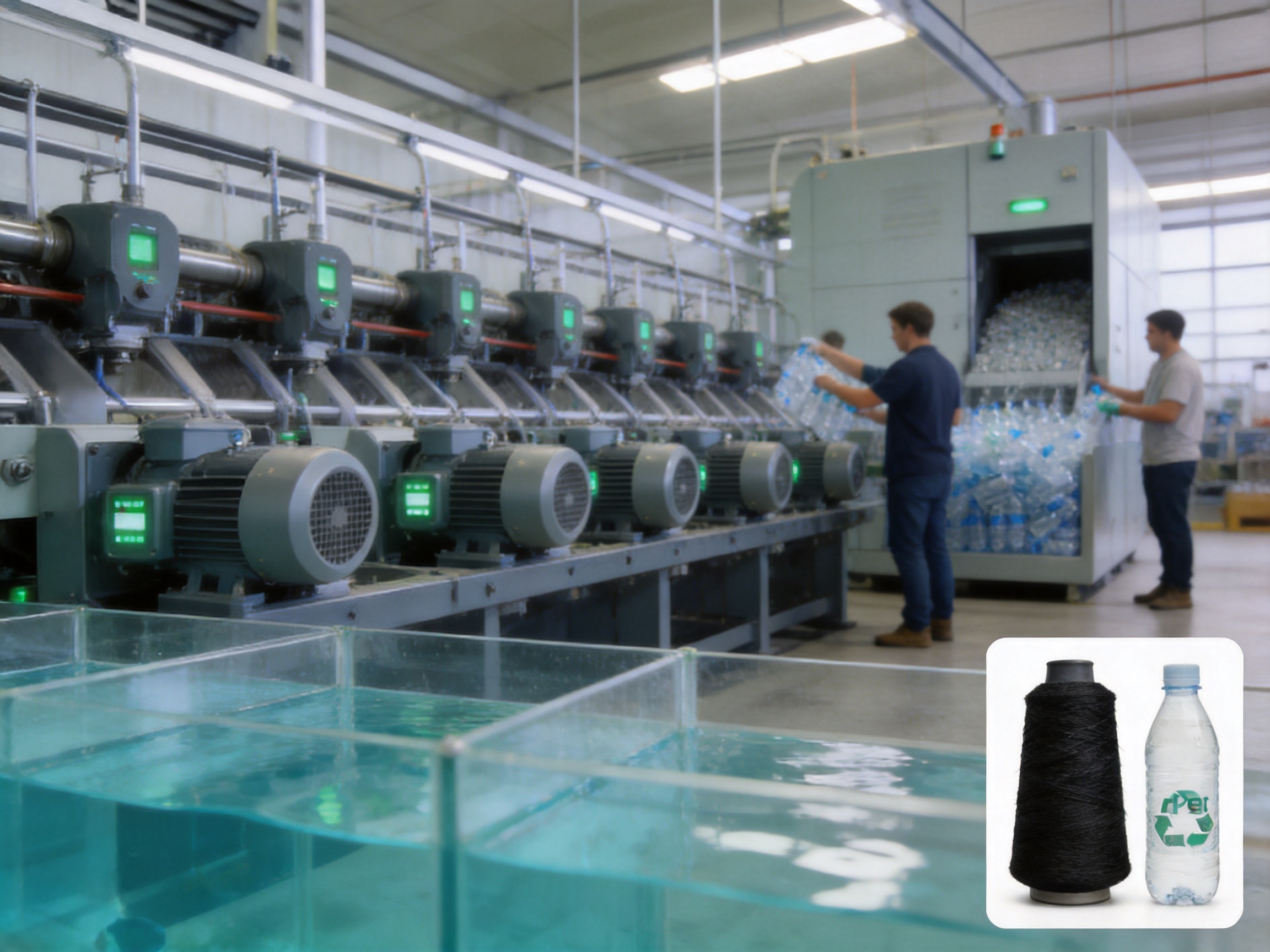
In an era of increasing environmental awareness, Hangzhou Jinfeng Textile Co., Ltd has prioritized sustainable manufacturing. The company uses a closed-loop water system that recycles 85% of wastewater from dyeing processes, reducing water consumption by 30% compared to industry averages. Its texturing machines are equipped with energy-efficient motors that cut electricity use by 20%, and the company sources 40% of its polymer chips from recycled PET bottles (rPET). This recycled variant of Black Slight Intermingled DTY is in high demand from eco-conscious brands, such as Patagonia and Adidas.
The company also minimizes waste by reusing defective yarn (melting it down and re-extruding it into new filaments) and using biodegradable packaging materials for shipments. These practices not only reduce the company’s carbon footprint but also align with the growing demand for sustainable textile products.
Market Applications of Black Slight Intermingled DTY
Black Slight Intermingled DTY’s versatility makes it a preferred material for a wide range of industries. Below is a table summarizing its key applications, the properties utilized, and end-use products:
| Application Category | Key Yarn Properties Utilized | End-Use Products |
|---|---|---|
| Apparel Textiles | Soft handfeel, stretch recovery, color fastness, moisture-wicking | Activewear leggings, casual t-shirts, formal dress shirts, athletic socks |
| Home Textiles | Durability, lightfastness, wrinkle resistance, drape | Blackout curtains, bed sheets, upholstery fabrics, throw pillows |
| Industrial Textiles | Tensile strength, chemical resistance, filterability, abrasion resistance | Automotive seat fabrics, air filter media, protective clothing, geotextiles |
| Sportswear | Moisture-wicking, shape retention, UV protection, breathability | Running shorts, yoga mats (yarn component), swimming trunks, hiking gear |
For apparel, the yarn’s stretch recovery makes it ideal for leggings that retain their fit after multiple wears and washes. Home textiles benefit from its lightfastness—curtains made from this yarn do not fade when exposed to sunlight for long periods. Industrial applications leverage its tensile strength and chemical resistance: automotive seat fabrics resist oil and cleaning agents, while filter media captures fine particles without breaking. Sportswear brands value its moisture-wicking properties, which keep athletes dry during intense activity.
Q&A Section
This section addresses common questions about Black Slight Intermingled DTY, drawing on the article’s content and industry knowledge.
Q1: What distinguishes Black Slight Intermingled DTY from conventional DTY yarns?
A: Black Slight Intermingled DTY differs from conventional DTY in three key ways: First, it has a uniform intermingled network structure—controlled by closed-loop air pressure and speed monitoring—whereas conventional DTY often has inconsistent networks leading to uneven fabric texture. Second, it uses solution-dyeing for superior color fastness, avoiding the fading and uneven color of post-dyed conventional DTY. Third, it eliminates heavy mesh spots, resulting in a smoother, more premium fabric appearance than competitors’ materials.
Q2: How does the company ensure consistent quality across batches?
A: Hangzhou Jinfeng Textile Co., Ltd uses three main strategies to ensure consistency: (1) Advanced texturing machines with real-time monitoring and automatic parameter adjustment; (2) Rigorous quality control tests (10 per batch) in an in-house lab, including network count, tensile strength, and color fastness; (3) ISO 9001 and OEKO-TEX certifications that mandate standardized production processes. Every batch is certified before shipment, and defective products are refunded 100%.
Q3: Is Black Slight Intermingled DTY suitable for eco-friendly textile production?
A: Yes. The company offers a recycled variant made from rPET (post-consumer PET bottles), which reduces plastic waste. Additionally, the company uses closed-loop water systems (recycling 85% of wastewater), energy-efficient machines (cutting electricity use by 20%), and biodegradable packaging. These practices make the yarn a sustainable choice for brands looking to reduce their environmental impact.
Q4: What are the typical lead times for bulk orders?
A: Lead times vary by quantity and customization, but the company’s efficient production lines ensure fast turnaround. For standard orders (10–50 tons), lead times are 2–3 weeks. For custom orders (e.g., specific network counts or rPET variants), lead times are 3–4 weeks. The company also offers express shipping for urgent orders.
Q5: Can the yarn be customized for specific applications?
A: Yes. The company’s R&D team works closely with customers to adjust the yarn’s properties: (1) Network count can be customized (8–20 per meter) to change handfeel and performance; (2) Polymer blends can be adjusted (e.g., adding spandex for stretch) to meet specific needs; (3) Color can be customized (though black is the most common variant). Custom orders are supported with free samples and technical support.
References
1. Textile Institute. (2022). Drawn Textured Yarn (DTY) Manufacturing Guidelines: Global Best Practices. Manchester, UK: Author.
2. Smith, J. D., & Lee, H. (2023). Advancements in Intermingled DTY Technology for Enhanced Fabric Performance. Journal of Textile Science and Engineering, 15(3), 45–62.
3. Wang, L. (2024). Sustainable Textile Manufacturing: Case Studies of Chinese Yarn Suppliers. Beijing: China Textile Press.
4. International Textile Manufacturers Federation (ITMF). (2023). Global DTY Market Report: Trends and Growth Projections. Zurich, Switzerland: Author.
5. American Association of Textile Chemists and Colorists (AATCC). (2021). Test Methods for Textile Materials. Research Triangle Park, NC: Author.
Conclusion
Black Slight Intermingled DTY represents a new standard in textile yarns—combining precision engineering, aesthetic excellence, and sustainable manufacturing. Its uniform intermingled network structure, superior color fastness, and versatile performance set it apart from conventional DTY, making it a preferred choice for apparel, home, and industrial applications. The company’s commitment to R&D, advanced manufacturing processes, and quality control ensures that every batch meets the highest standards, while its sustainable practices align with the growing demand for eco-friendly textiles.
As the global textile industry continues to evolve, Black Slight Intermingled DTY will play an increasingly important role—driving innovation, reducing waste, and delivering high-quality products to consumers worldwide. Whether used in activewear leggings or industrial filter media, this yarn proves that precision and sustainability can go hand in hand.
