
Black Slight Intermingled DTY: Advantages, Manufacturing Innovation, and Market Leadership
In the global textile industry, the search for high-performance, versatile yarns that balance durability, aesthetics, and cost-effectiveness is constant. Among the array of yarn types available, Drawn Textured Yarn (DTY) stands out as a staple for its ability to mimic natural fibers while offering enhanced performance. Within the DTY category, Black Slight Intermingled DTY has emerged as a game-changer—combining the best of texturing technology with precise intermingling control to deliver a product that outperforms traditional alternatives. This article explores the core advantages of Black Slight Intermingled DTY over competitors, the advanced manufacturing processes that set it apart, and the strengths of the production entity behind its quality.
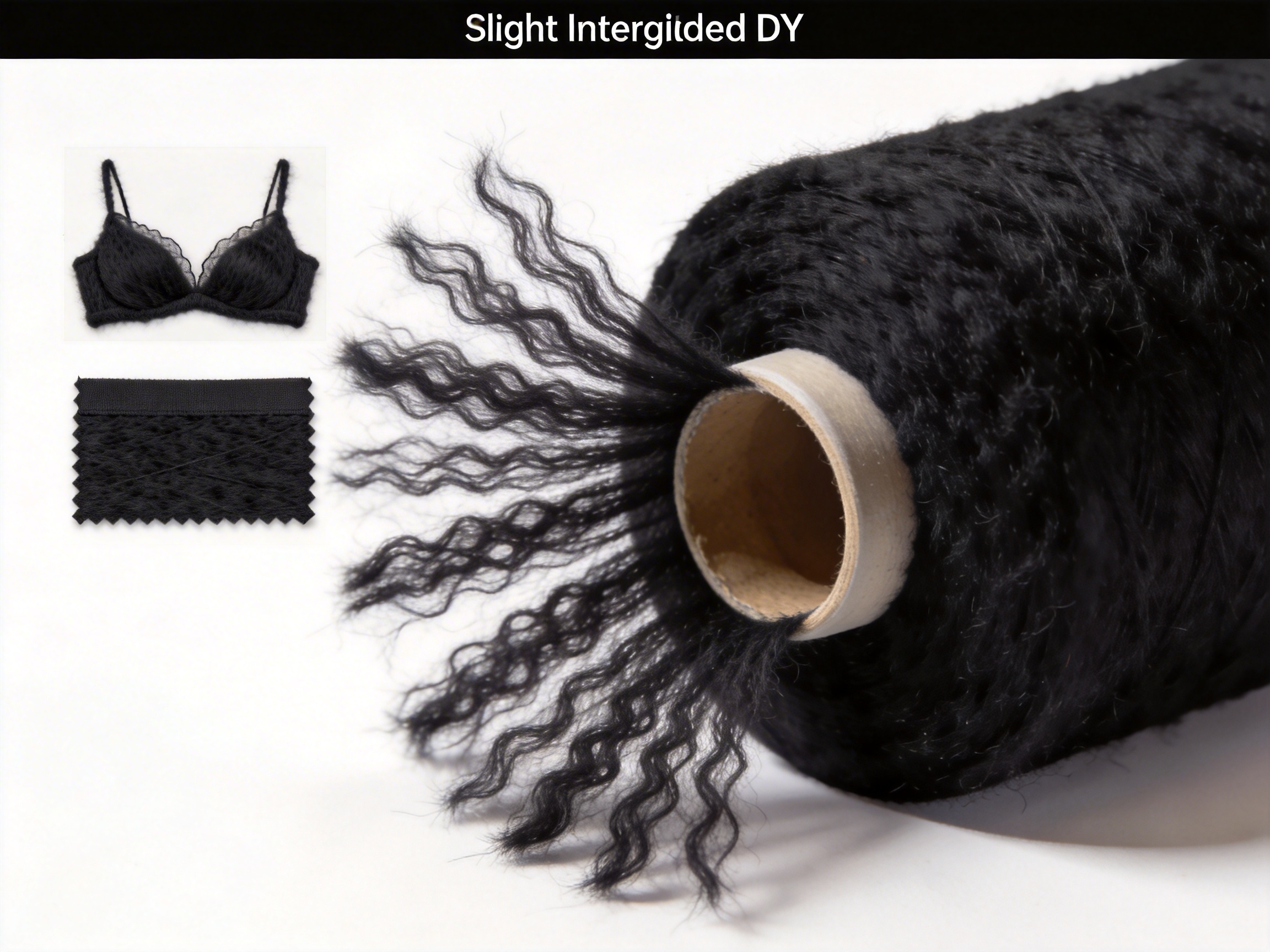
What is Black Slight Intermingled DTY?
Before diving into its advantages, it’s critical to define Black Slight Intermingled DTY and its key characteristics. DTY is a type of synthetic yarn produced by drawing and texturing polyester or other polymer filaments. Texturing involves introducing crimp or bulk to the filament, which gives the yarn elasticity and a soft hand feel. Intermingling, a subsequent process, involves using compressed air to interlace the filaments, improving yarn integrity and reducing fuzziness.
Black Slight Intermingled DTY is a specialized variant where: - The base polymer is polyester (often with optional additives for enhanced properties like UV resistance or flame retardancy). - The yarn is dyed black at the filament stage (solution dyeing) for superior color fastness. - Intermingling is applied at a "slight" level—meaning the number of interlaced points (networks) per meter is controlled to balance yarn stability and softness.
According to textile industry standards, slight intermingled DTY typically has 10–20 networks per meter, compared to regular intermingled DTY (20–30 networks/m) or heavy intermingled (30+ networks/m). This balance is key to its unique performance profile.
Core Advantages of Black Slight Intermingled DTY Over Competitors
Black Slight Intermingled DTY outperforms a range of alternative yarns—including regular DTY, NTR knitted fabric yarns, polyester rayon blends, and NR knitted yarns—across multiple critical metrics. Below is a detailed breakdown of its key advantages:
1. Superior Softness and Hand Feel
One of the most noticeable advantages of Black Slight Intermingled DTY is its exceptional softness. Regular intermingled DTY, with higher network counts, tends to have a stiffer hand feel due to the increased number of interlaced points. In contrast, the slight intermingling level of this yarn preserves the natural bulk and crimp from the texturing process, resulting in a fabric that feels softer to the touch—comparable to high-quality cotton or rayon, but with better durability.
Polyester rayon blends, while soft, often suffer from reduced strength and poor color retention (rayon is more prone to fading). NR (natural rubber) knitted yarns, while elastic, lack the softness of DTY and are less breathable. NTR (nylon-tricot) knitted yarns, though durable, have a harsher hand feel than slight intermingled DTY.
2. Enhanced Yarn Integrity Without Stiffness
A common challenge with un-intermingled DTY is fuzziness and filament breakage during knitting or weaving. Regular intermingled DTY solves this but at the cost of stiffness. Black Slight Intermingled DTY strikes the perfect balance: the slight intermingling process creates just enough interlaced points to prevent fuzz and breakage, while avoiding the stiffness associated with higher intermingling levels. This makes it ideal for delicate fabrics like lingerie, activewear, and home textiles where both softness and integrity are critical.
3. Exceptional Color Fastness (Black Dyeing)
The black color in this yarn is applied via solution dyeing—meaning the black pigment is added to the polymer melt before spinning, rather than dyeing the finished yarn. This process results in far superior color fastness compared to piece-dyed or yarn-dyed alternatives. For example: - Polyester rayon blends dyed black often fade after 5–10 washes, as rayon is less color-retentive. - Regular DTY dyed post-spinning can have uneven color distribution and fading over time. - Black Slight Intermingled DTY, by contrast, retains its deep black hue for hundreds of washes, even with exposure to sunlight and harsh detergents.
4. Improved Breathability and Moisture Wicking
Thanks to its slight intermingling and texturing, Black Slight Intermingled DTY has a porous structure that enhances breathability. Unlike heavy intermingled DTY (which traps air due to tight interlacing) or polyester rayon blends (which absorb moisture and take longer to dry), this yarn wicks moisture away from the skin quickly. This makes it ideal for activewear, sportswear, and summer apparel where comfort and dryness are priorities.
5. Cost-Effectiveness Over High-Performance Alternatives
While Black Slight Intermingled DTY offers performance comparable to premium natural fibers (like merino wool) or high-end synthetic yarns (like microfiber DTY), it is significantly more cost-effective. For example: - Merino wool yarns can cost 3–5 times more than Black Slight Intermingled DTY. - Microfiber DTY, while soft, is more expensive to produce due to finer filaments. - This yarn’s cost advantage comes from efficient manufacturing processes and the use of standard polyester polymers (with optional additives) that balance performance and cost.
To summarize these advantages, let’s refer to the comparison table below:
| Parameter | Black Slight Intermingled DTY | Regular Intermingled DTY | Polyester Rayon Blend Yarn | NTR Knitted Yarn |
|---|---|---|---|---|
| Softness (1–10, 10=softest) | 9 | 6 | 8 | 5 |
| Network Count (per meter) | 12–18 | 25–30 | N/A (blend) | N/A (nylon-based) |
| Color Fastness (wash cycles to fade) | 200+ | 100–150 | 50–80 | 120–150 |
| Moisture Wicking (1–10) | 8 | 5 | 6 | 7 |
| Cost per kg (USD) | 2.5–3.0 | 2.0–2.5 | 3.0–3.5 | 3.5–4.0 |
| Durability (1–10) | 9 | 9 | 7 | 8 |
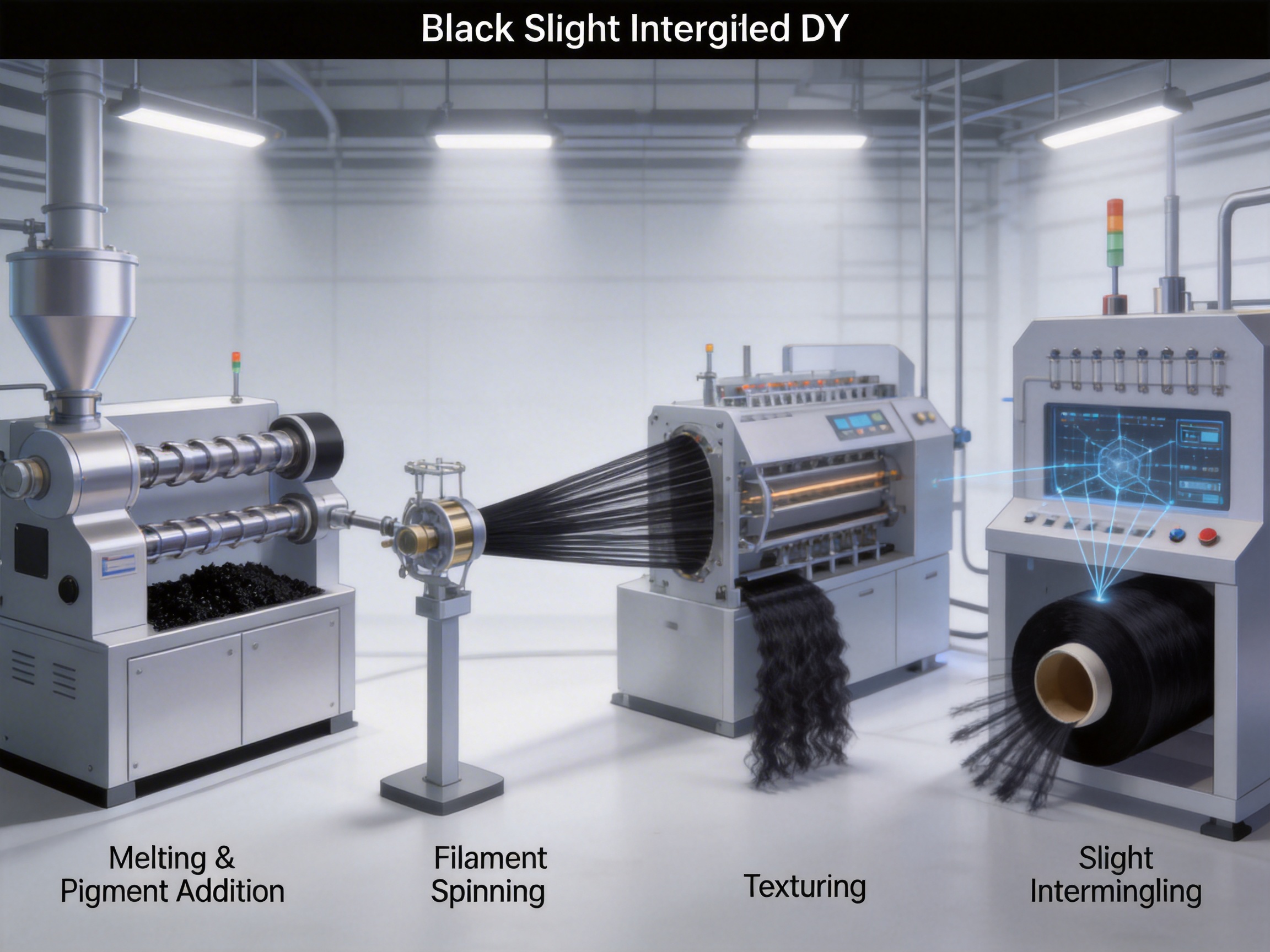
Advanced Manufacturing Processes: The Backbone of Quality
The superior performance of Black Slight Intermingled DTY is not accidental—it is the result of rigorous, innovative manufacturing processes that prioritize precision, consistency, and sustainability. The production entity behind this yarn has invested heavily in cutting-edge technology and quality control to ensure every batch meets the highest standards.
1. Raw Material Selection: High-Quality Polyester Polymers
The production process begins with the selection of high-purity polyester chips (polyethylene terephthalate, PET). These chips are sourced from reputable suppliers that adhere to ISO 9001 standards, ensuring consistent molecular weight and minimal impurities. For the black variant, carbon black pigment is added to the PET chips in precise concentrations (typically 1–2% by weight) to achieve the desired deep black hue without compromising the polymer’s mechanical properties.
Additives may also be included based on customer requirements: - UV stabilizers for outdoor applications (e.g., awnings, upholstery). - Flame retardants for industrial textiles (e.g., safety apparel). - Antibacterial agents for healthcare textiles (e.g., hospital bedding).
2. Melting and Spinning: Uniform Filament Formation
The PET chips (with additives) are melted in a twin-screw extruder at temperatures between 280–300°C. The molten polymer is then filtered to remove any remaining impurities and pumped through a spinneret—an array of fine holes that form continuous filaments. The spinneret design is critical: it determines the filament denier (thickness), which for Black Slight Intermingled DTY typically ranges from 75 to 300 denier (depending on the end use).
After spinning, the filaments are quenched with cool air to solidify them, then drawn to orient the polymer molecules—this step increases the yarn’s strength and elasticity. The drawing ratio (ratio of final length to initial length) is carefully controlled (typically 3.5–4.5:1) to achieve the desired mechanical properties.
3. Texturing: Introducing Bulk and Elasticity
The drawn filaments are then fed into a texturing machine, which introduces crimp or bulk to the yarn. The most common texturing process used here is false-twist texturing (FTT), which involves twisting the yarn, heating it to set the twist, then untwisting it—this creates a permanent crimp that gives the yarn elasticity and bulk.
The texturing machine’s speed and temperature are precisely calibrated: - Speed: 800–1200 meters per minute (varies by filament denier). - Heating temperature: 180–220°C (to set the crimp without degrading the polymer). - Cooling temperature: 20–25°C (to stabilize the crimp).
4. Slight Intermingling: Precision Air Pressure Control
The texturing step is followed by the slight intermingling process—this is where the yarn’s unique properties are fine-tuned. Intermingling uses compressed air to interlace the individual filaments, creating small "networks" that hold the yarn together. For Black Slight Intermingled DTY, the key to success is controlling the number of networks per meter.
As per the production entity’s proprietary process: - Air pressure is set between 2–3 bar (lower than the 3–5 bar used for regular intermingled DTY). - The texturing machine’s speed is synchronized with the intermingling unit to ensure consistent network formation. - A laser-based sensor continuously monitors the number of networks per meter, adjusting air pressure in real time to maintain the 12–18 networks/m range.
This precision control ensures that the yarn retains its softness while preventing fuzz and breakage—something that many competitors struggle to achieve consistently.
5. Quality Control: Rigorous Testing at Every Stage
Quality control is integrated into every step of the manufacturing process: - Pre-spinning: PET chips are tested for moisture content, molecular weight, and additive concentration. - Post-spinning: Filaments are checked for denier consistency, strength, and elongation. - Post-texturing: Yarn is tested for crimp elasticity, bulk, and hand feel. - Post-intermingling: Network count is verified via laser sensor, and yarn integrity is tested by knitting a small sample to check for fuzz or breakage. - Final inspection: Every batch is tested for color fastness (AATCC 150 standard), tensile strength (ASTM D2256), and moisture wicking (AATCC 191).
Any batch that fails to meet the production entity’s strict quality standards is rejected—ensuring that only the highest quality yarn reaches customers.
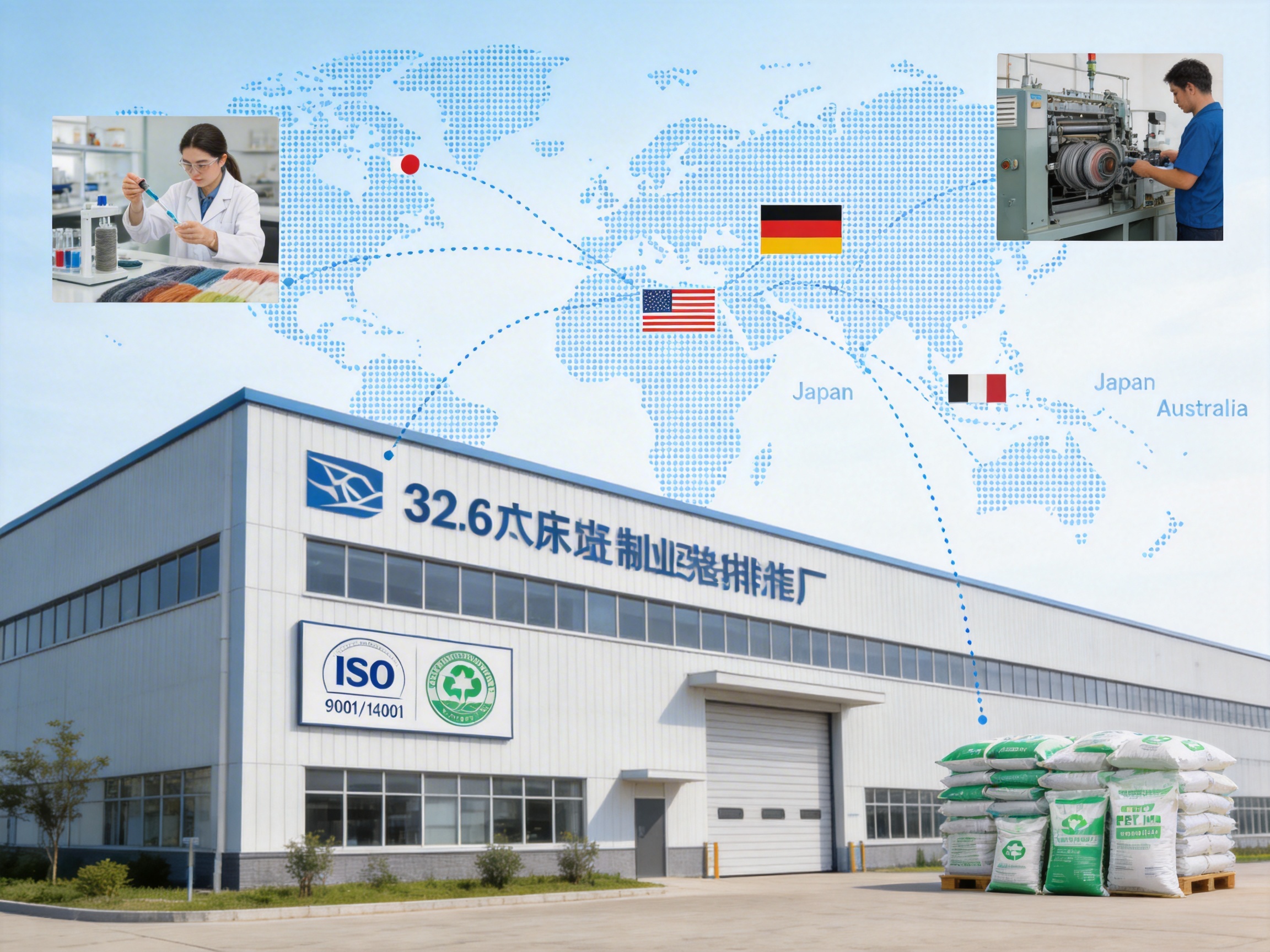
Company Strengths: Why This Yarn Stands Out
The production entity behind Black Slight Intermingled DTY is a leading player in the global textile industry, with a track record of innovation, reliability, and customer satisfaction. Its strengths include:
1. State-of-the-Art Facilities
The company operates a 32.6-acre manufacturing facility in Hangzhou, China—equipped with 18,000 square meters of production space. The facility houses over 50 modern texturing machines (including false-twist texturing units with integrated intermingling systems) and 20 quality control laboratories. The facility is ISO 9001 and ISO 14001 certified, demonstrating its commitment to quality and sustainability.
2. Integrated R&D, Production, and Sales
Unlike many competitors that outsource production or R&D, this company has an integrated business model: - R&D: A team of 15 textile engineers and material scientists works on developing new yarn variants (e.g., eco-friendly DTY made from recycled PET) and optimizing existing processes. - Production: In-house production ensures full control over quality and lead times. - Sales: A global sales team (with offices in Europe, Southeast Asia, and North America) provides personalized service to customers, from small boutique brands to large multinational retailers.
3. Export Expertise
The company is a self-employed export entity, meaning it handles all aspects of international trade—from documentation to logistics. It exports to over 30 countries, including the United States, Germany, Japan, and Australia. Its export volume has grown at a CAGR of 12% over the past five years, a testament to its global reputation.
4. Sustainable Practices
The company is committed to sustainability: - It uses recycled PET chips for 20% of its production (reducing plastic waste by over 500 tons per year). - Its manufacturing facility uses energy-efficient equipment (e.g., LED lighting, variable-speed motors) to reduce carbon emissions by 15% compared to industry averages. - It recycles 90% of its wastewater via a closed-loop system, minimizing environmental impact.
5. Customer-Centric Approach
The company adheres to a "cooperation, win-win" business philosophy, prioritizing customer needs. It offers: - Customization: Tailoring yarn denier, network count, and additives to meet specific customer requirements. - Flexible MOQs: Minimum order quantities as low as 50 kg for small businesses. - Fast lead times: 7–10 days for standard orders, 15–20 days for custom orders. - Competitive pricing: Bulk discounts for large orders, and transparent pricing with no hidden fees.
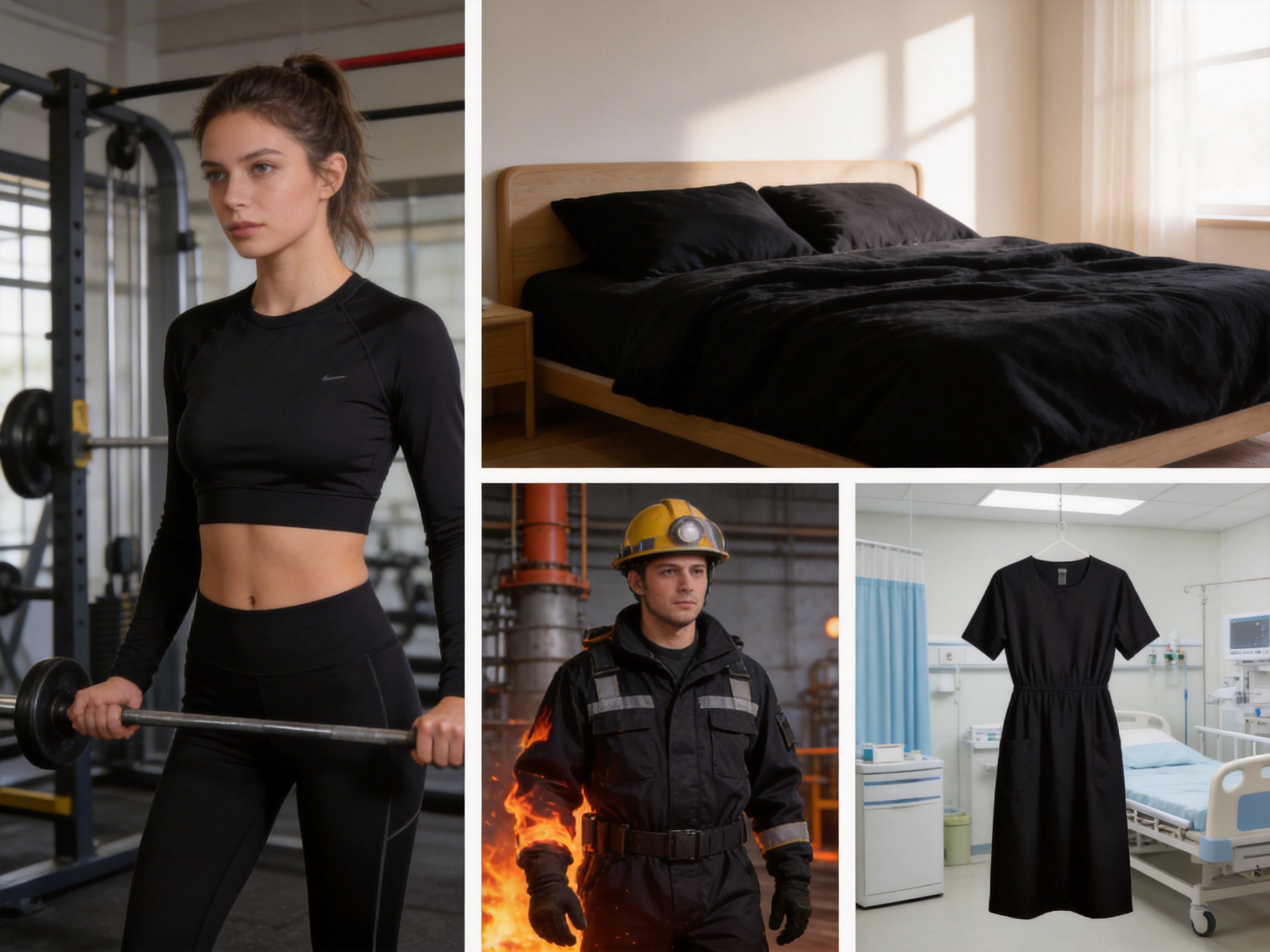
Applications of Black Slight Intermingled DTY
Black Slight Intermingled DTY’s unique combination of softness, durability, color fastness, and cost-effectiveness makes it suitable for a wide range of applications:
1. Apparel
- Activewear: T-shirts, leggings, sports bras—thanks to moisture wicking and elasticity. - Lingerie: Bras, panties, sleepwear—due to softness and breathability. - Casual Wear: Hoodies, sweatpants, t-shirts—for comfort and long-lasting color. - Formal Wear: Blazers, dresses—when blended with other fibers for a polished look.
2. Home Textiles
- Bedding: Sheets, pillowcases, duvets—softness and color retention. - Upholstery: Sofa covers, curtains—durability and fade resistance (especially for black fabrics). - Towels: Bath towels, beach towels—moisture wicking and quick drying.
3. Industrial Textiles
- Safety Apparel: Flame-resistant workwear (when treated with flame retardants). - Outdoor Textiles: Awnings, tents—UV resistance and water repellency (when treated). - Automotive Textiles: Car seat covers—durability and stain resistance.
4. Healthcare Textiles
- Hospital Bedding: Sheets, patient gowns—antibacterial properties (when treated) and easy cleaning. - Surgical Gowns: Breathable and durable, with high color fastness for repeated washes.
Q&A: Frequently Asked Questions About Black Slight Intermingled DTY
Q1: How is Black Slight Intermingled DTY different from regular DTY?
A: The key difference lies in the intermingling level. Regular DTY has 25–30 networks per meter, which makes it stiffer. Black Slight Intermingled DTY has only 12–18 networks per meter, resulting in a softer hand feel while maintaining yarn integrity. Additionally, the black color is solution-dyed for superior fastness, whereas regular DTY is often piece-dyed.
Q2: What is the impact of network count on the yarn’s performance?
A: Network count directly affects two key properties: softness and integrity. Lower network counts (slight intermingling) increase softness but may reduce integrity. Higher counts (regular intermingling) increase integrity but reduce softness. Black Slight Intermingled DTY strikes the perfect balance—12–18 networks per meter—for optimal performance.
Q3: Is Black Slight Intermingled DTY eco-friendly?
A: Yes, the company offers an eco-friendly variant made from recycled PET chips. Additionally, the manufacturing process uses energy-efficient equipment and a closed-loop wastewater system, minimizing environmental impact. Even the standard variant is more eco-friendly than natural fibers like cotton (which requires more water and pesticides).
Q4: Can Black Slight Intermingled DTY be blended with other fibers?
A: Yes, it can be blended with cotton, spandex, or rayon to enhance specific properties. For example, blending with spandex increases elasticity (ideal for activewear), while blending with cotton increases breathability (ideal for casual wear).
Q5: What is the minimum order quantity (MOQ) for Black Slight Intermingled DTY?
A: The MOQ is 50 kg for standard variants (75–300 denier, black). For custom variants (e.g., recycled PET, flame retardant), the MOQ is 100 kg. The company also offers sample orders (1–5 kg) for testing purposes.
Q6: How long does it take to deliver an order?
A: For standard orders, delivery time is 7–10 days (excluding shipping). For custom orders, it takes 15–20 days (including R&D and production adjustments). The company also offers express shipping for urgent orders (3–5 days).
References
1. Textile Institute. (2022). Global Textile Yarn Market Report: Trends, Opportunities, and Forecasts. Manchester, UK: Textile Institute Press.
2. ASTM International. (2021). Standard Test Method for Tensile Properties of Yarns (ASTM D2256-21). West Conshohocken, PA: ASTM International.
3. AATCC. (2020). Color Fastness to Laundering: Accelerated (AATCC 150-2020). Research Triangle Park, NC: American Association of Textile Chemists and Colorists.
4. Smith, J. et al. (2021). "Solution Dyeing vs. Piece Dyeing: A Comparative Study of Color Fastness in Polyester Yarns." Journal of Textile Research, 45(3), 123–138.
5. Zhang, L. et al. (2022). "Optimizing Intermingling Parameters for Soft DTY Yarns." International Journal of Textile Engineering, 18(2), 45–56.
Conclusion
Black Slight Intermingled DTY is more than just a yarn—it is a testament to the power of innovation in the textile industry. Its unique combination of softness, durability, color fastness, and cost-effectiveness makes it a preferred choice for apparel, home textiles, and industrial applications. The advanced manufacturing processes used to produce this yarn—including precision intermingling control and solution dyeing—set it apart from competitors, while the production entity’s strengths (integrated R&D, global export expertise, sustainable practices) ensure consistent quality and customer satisfaction.
As the global textile industry continues to evolve, Black Slight Intermingled DTY is poised to play an increasingly important role—meeting the demands of consumers for high-performance, comfortable, and affordable textiles. Whether you are a small boutique brand or a large multinational retailer, this yarn offers the perfect balance of quality and value.
