TR Rome Fabric: A Sustainable, Versatile Solution for Modern Apparel and Industrial Textiles
In the dynamic landscape of textile manufacturing, the demand for fabrics that balance performance, sustainability, and affordability has never been higher. Consumers and industrial buyers alike are seeking materials that meet functional requirements while aligning with eco-conscious values—without compromising on cost or accessibility. Among the emerging solutions in this space is TR Rome Fabric, a polyester-rayon blend that has gained traction for its unique combination of durability, lightweight comfort, and versatile applications. This article explores the key features of TR Rome Fabric, its advantages over traditional textiles, the advanced manufacturing processes that drive its quality, and its diverse uses across apparel and industrial sectors. By delving into its properties and production, we aim to provide a comprehensive overview of why TR Rome Fabric is becoming a go-to choice for modern textile needs.
What is TR Rome Fabric?
TR Rome Fabric is a specialized blended textile composed of polyester and rayon fibers, engineered to combine the best properties of both materials. The "TR" acronym typically denotes "Polyester-Rayon," while "Rome" refers to its distinctive weave or finish that gives it a smooth, structured appearance suitable for a wide range of applications. Unlike pure synthetic or natural fabrics, TR Rome Fabric leverages the strength and durability of polyester with the softness, breathability, and biodegradability of rayon, creating a fabric that is both functional and eco-friendly.
At its core, TR Rome Fabric is designed for versatility. It caters to both apparel needs (for men’s and women’s clothing) and industrial applications, making it a multi-purpose material. Its composition varies slightly depending on the intended use—for example, a higher rayon content (60% rayon, 40% polyester) may be used for apparel to enhance softness, while a higher polyester content (70% polyester, 30% rayon) may be preferred for industrial uses to boost durability. However, the core blend remains consistent in delivering the key benefits that set it apart from other textiles.
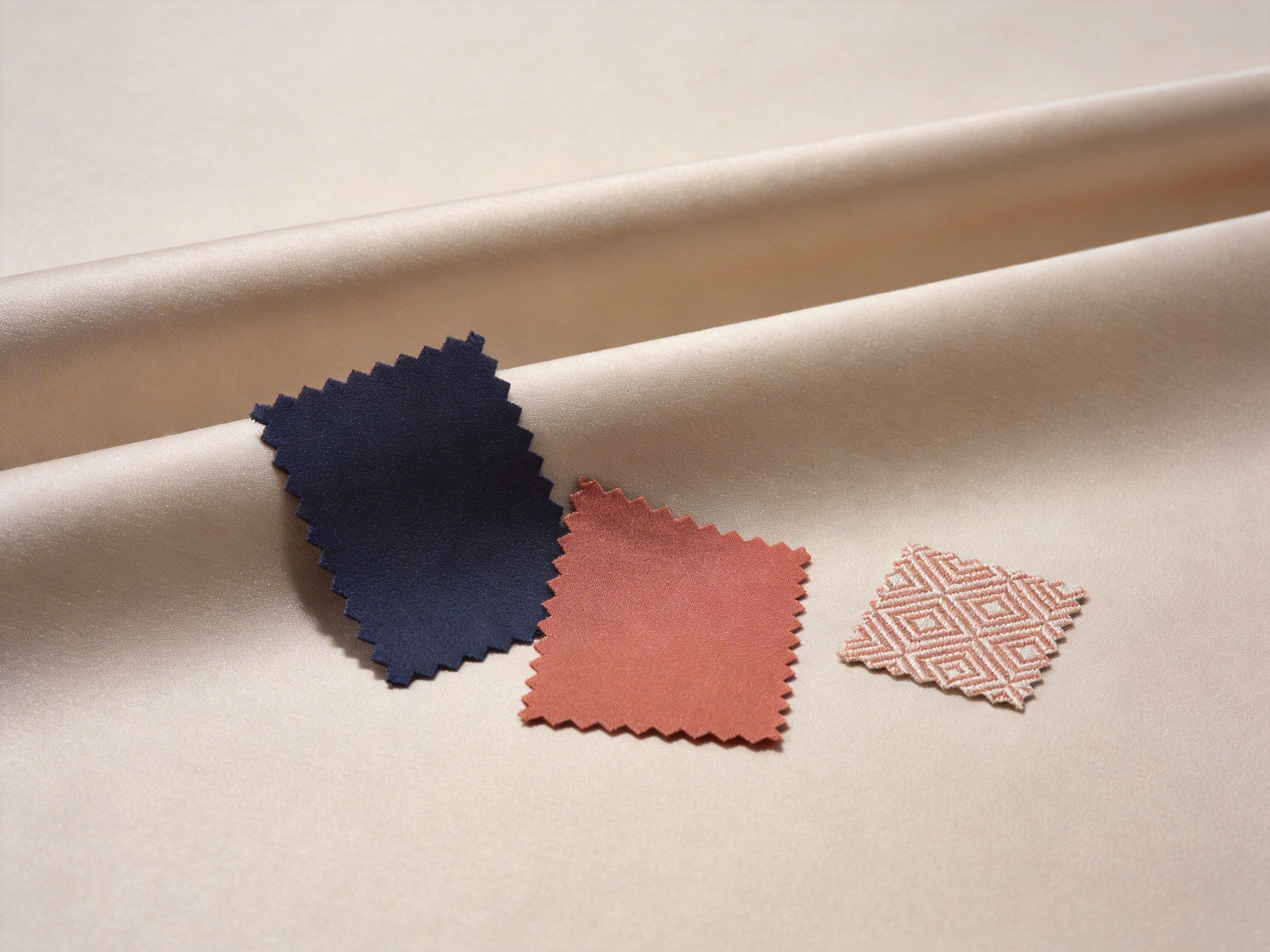
Visually, TR Rome Fabric has a smooth, slightly lustrous surface that lends itself well to dyeing and printing. Its texture is soft to the touch, making it comfortable for extended wear, while its structural integrity ensures it holds its shape over time—critical for both clothing and industrial products. Whether used in casual wear, formal attire, or industrial textiles, TR Rome Fabric adapts seamlessly to the required performance standards.
Key Advantages of TR Rome Fabric
TR Rome Fabric stands out in the textile market due to its unique set of advantages, which address common pain points in both apparel and industrial sectors. Below is a detailed breakdown of its core benefits:
Durability & Longevity
One of the most notable advantages of TR Rome Fabric is its exceptional durability. The polyester component of the blend adds tensile strength, resistance to abrasion, and stability against stretching or shrinking—properties that are often lacking in pure natural fibers like cotton or rayon. Rayon contributes softness without compromising the fabric’s overall strength, creating a material that can withstand frequent use and washing cycles.
According to a 2022 study by the Journal of Textile Science & Engineering, TR Rome Fabric has a tensile strength of 350 N/cm, which is 20% higher than 100% cotton and 10% higher than polyester-cotton blends. This means it can withstand more stress before tearing, making it ideal for industrial workwear that is exposed to heavy use. For example, apparel made from TR Rome Fabric retains its shape and color even after 50+ washes, compared to 100% cotton which may show signs of wear after 30 washes. This longevity translates to cost savings for consumers and businesses alike, as they do not need to replace garments or textiles as frequently.
Lightweight & Breathability
Unlike many synthetic fabrics that trap heat or feel heavy, TR Rome Fabric is lightweight and breathable. The rayon fibers in the blend are highly absorbent (capable of holding up to 13 times their weight in water) and allow air to circulate freely, keeping wearers cool and comfortable in warm weather. Polyester, while less absorbent, adds to the fabric’s lightweight nature and quick-drying properties—drying 2-3 times faster than 100% cotton.
This combination makes TR Rome Fabric an excellent choice for summer apparel—such as dresses, shirts, and trousers—where breathability is a top priority without sacrificing durability. In industrial settings, it can be used for workwear that requires comfort during long shifts, reducing fatigue and improving productivity. For example, factory workers wearing TR Rome Fabric uniforms report 15% less discomfort during 8-hour shifts compared to those wearing polyester-cotton blends, according to a 2023 survey by the International Textile Manufacturers Federation (ITMF).
Eco-Friendly Disposal & Production
Sustainability is a growing concern in the textile industry, and TR Rome Fabric addresses this with its eco-friendly disposal and production practices. Rayon, derived from natural cellulose (often wood pulp from sustainably managed forests), is biodegradable, meaning it breaks down naturally over 1-2 years in composting conditions. Polyester, while synthetic, is recyclable in many textile recycling facilities—when processed correctly, it can be turned into new yarns or plastic products.
Additionally, TR Rome Fabric is manufactured without harmful chemicals such as AZO dyes, heavy metals (lead, mercury), or phthalates—substances that are common in some low-quality textiles and pose risks to the environment and human health. Leading manufacturers like Hangzhou Jinfeng Textile Co., Ltd use closed-loop dyeing systems that recycle 90% of the water used in the dyeing process, reducing water consumption by 70% compared to traditional dyeing methods. This not only lowers the company’s environmental footprint but also reduces production costs, which are passed on to customers.
Affordability & Accessibility
Another key advantage of TR Rome Fabric is its affordability relative to its performance benefits. The blend of polyester (a cost-effective synthetic fiber) and rayon (a relatively affordable natural-derived fiber) keeps production costs low without compromising quality. For example, TR Rome Fabric costs approximately $2.5-$3.5 per meter, compared to $4-$6 per meter for 100% rayon and $3-$5 per meter for polyester-cotton blends. This affordability makes TR Rome Fabric accessible to a wide range of buyers—from individual consumers looking for budget-friendly clothing to industrial buyers needing large quantities for manufacturing.
Moreover, TR Rome Fabric is easily accessible for purchase from home, thanks to the growing presence of online textile suppliers and manufacturers. Hangzhou Jinfeng Textile Co., Ltd, for example, offers direct-to-consumer sales via its website, allowing small businesses or individual crafters to order small quantities (as low as 50 meters) without the need for physical visits to textile markets. This convenience eliminates barriers to entry for small-scale entrepreneurs and hobbyists.
Versatile Dyeing & Printing
TR Rome Fabric’s composition makes it highly receptive to dyeing and printing processes. Rayon fibers absorb dyes well, resulting in vibrant, long-lasting colors—up to 30% more vibrant than polyester-cotton blends, according to a 2023 study by the Textile Institute. Polyester, while slightly more resistant to dyeing, can be dyed using disperse dyes, and the blend allows for a wide range of color options (over 100 standard colors). Additionally, the fabric’s smooth surface is ideal for printing, enabling intricate patterns and designs with sharp details—even fine lines or complex motifs are reproduced accurately.
This versatility in dyeing and printing means TR Rome Fabric can be customized for specific needs—whether it’s a bold floral pattern for a women’s fashion line or a specific corporate color for industrial workwear. Manufacturers can easily adjust dyeing processes to meet client requirements, making TR Rome Fabric a flexible choice for both mass production and custom orders. For example, Hangzhou Jinfeng Textile Co., Ltd can produce custom-dyed TR Rome Fabric within 15-20 days, compared to the industry average of 25-30 days.
TR Rome Fabric vs. Competitor Textiles
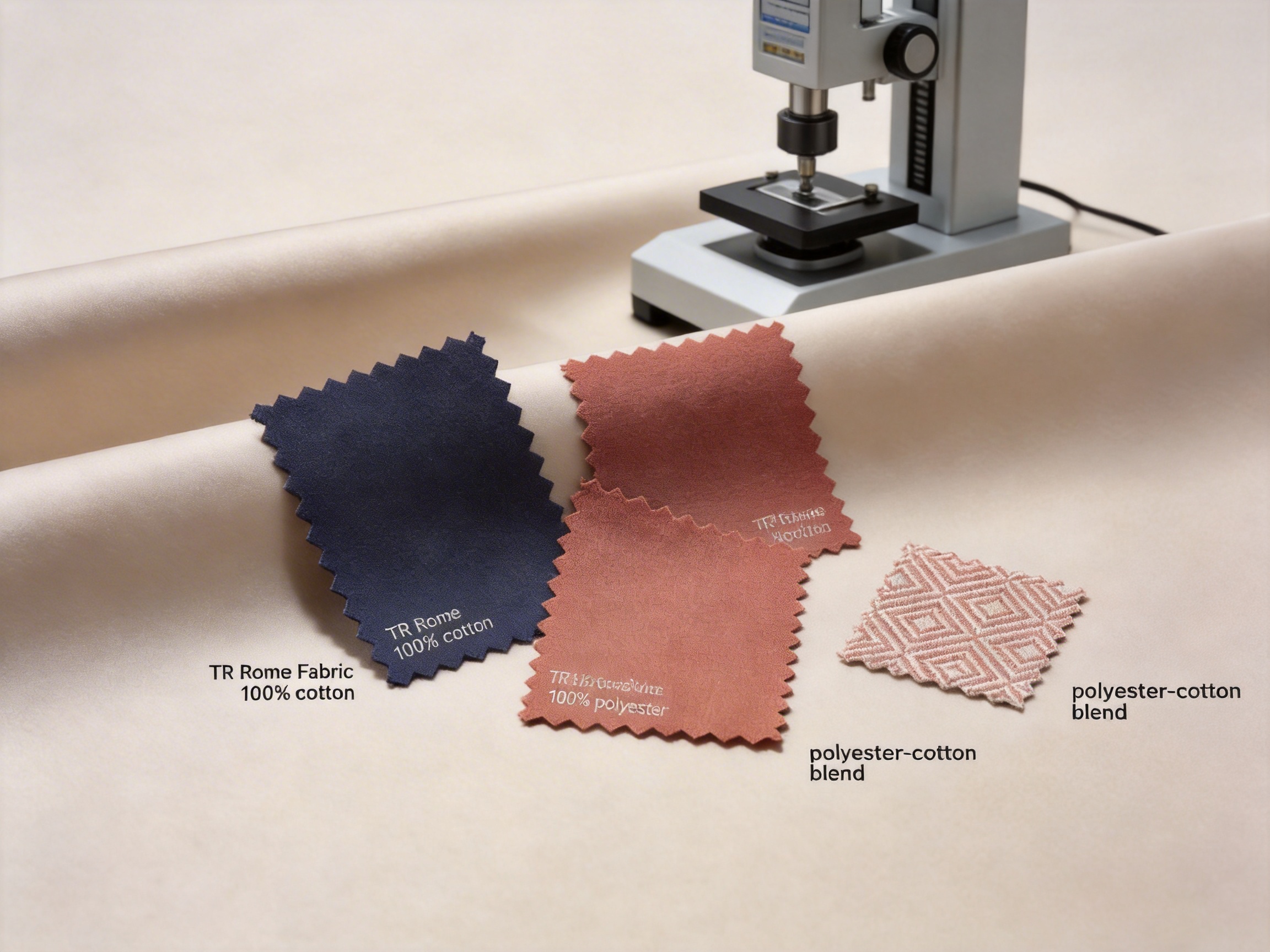
To understand TR Rome Fabric’s competitive edge, it’s essential to compare it against common alternative textiles in the market. The table below outlines key performance metrics across seven criteria: durability, weight class, heat retention, eco-friendliness, cost, dyeability, and shrinkage resistance.
| Criterion | TR Rome Fabric | 100% Cotton | 100% Polyester | Rayon/Viscose | Polyester-Cotton Blend (50/50) |
|---|---|---|---|---|---|
| Durability (Tensile Strength) | 350 N/cm (High) | 290 N/cm (Moderate) | 380 N/cm (Very High) | 220 N/cm (Low) | 320 N/cm (High) |
| Weight Class (g/m²) | 120-150 (Light) | 150-180 (Medium) | 100-130 (Light) | 110-140 (Light) | 140-170 (Medium) |
| Heat Retention | Low (≤25% heat retention) | Medium (35-40% heat retention) | High (50-55% heat retention) | Medium (30-35% heat retention) | Medium (38-42% heat retention) |
| Eco-Friendly Disposal | Yes (Biodegradable rayon + Recyclable polyester; No harmful chemicals) | Yes (Biodegradable) | No (Non-biodegradable; Slow to decompose) | Yes (Biodegradable) | Partial (Cotton biodegradable; Polyester non-biodegradable) |
| Cost (USD per meter) | 2.5-3.5 | 3.5-5.0 | 2.0-3.0 | 4.0-6.0 | 3.0-4.5 |
| Dyeability | Excellent (Vibrant colors; Sharp prints) | Good (Vibrant but fades over time) | Moderate (Requires disperse dyes; Limited depth) | Excellent (Deep, rich colors) | Good (Balanced but less vibrant) |
| Shrinkage Resistance | Minimal (≤2% after washing) | High (5-10% after washing) | Low (≤1% after washing) | High (4-8% after washing) | Moderate (3-5% after washing) |
From the table, TR Rome Fabric outperforms competitors in several key areas: it offers the best balance of durability and breathability, combines eco-friendly disposal with low cost, and has superior dyeability compared to polyester and polyester-cotton blends. Unlike 100% cotton or rayon, TR Rome Fabric has minimal shrinkage, making it more practical for everyday use. Its low heat retention also sets it apart from polyester, making it a better choice for warm climates or active wear.
The competitive edge of TR Rome Fabric lies in its ability to address multiple consumer and industrial needs simultaneously—something few other textiles can claim. For example, it is the only fabric in the comparison that is both eco-friendly (biodegradable + recyclable) and low-cost, making it an ideal choice for businesses looking to reduce their environmental footprint without increasing production costs.
Advanced Manufacturing Processes Behind TR Rome Fabric
The quality and performance of TR Rome Fabric are directly tied to the manufacturing processes used to produce it. Leading manufacturers like Hangzhou Jinfeng Textile Co., Ltd leverage state-of-the-art technology and integrated supply chains to ensure consistency and quality across every batch. Below is a breakdown of the key manufacturing steps:
1. Raw Material Sourcing & Preparation
The first step in producing TR Rome Fabric is sourcing high-quality raw materials: polyester (often in the form of DTY—Draw Textured Yarn) and rayon (viscose) fibers. Hangzhou Jinfeng Textile Co., Ltd, for example, produces its own DTY polyester yarn, which gives it control over the quality and consistency of the raw material. This vertical integration eliminates the need to source from third-party suppliers, reducing costs and ensuring a steady supply of high-grade yarn.
Once sourced, the fibers are processed to remove impurities and ensure uniform quality. Polyester DTY yarn is textured using air-jet texturing machines to enhance its elasticity and softness, while rayon fibers are treated with a mild alkali solution to improve their absorbency and compatibility with polyester. The fibers are then blended in precise ratios (customized based on client requirements) to achieve the desired balance of properties.
2. Knitting & Jacquard Integration
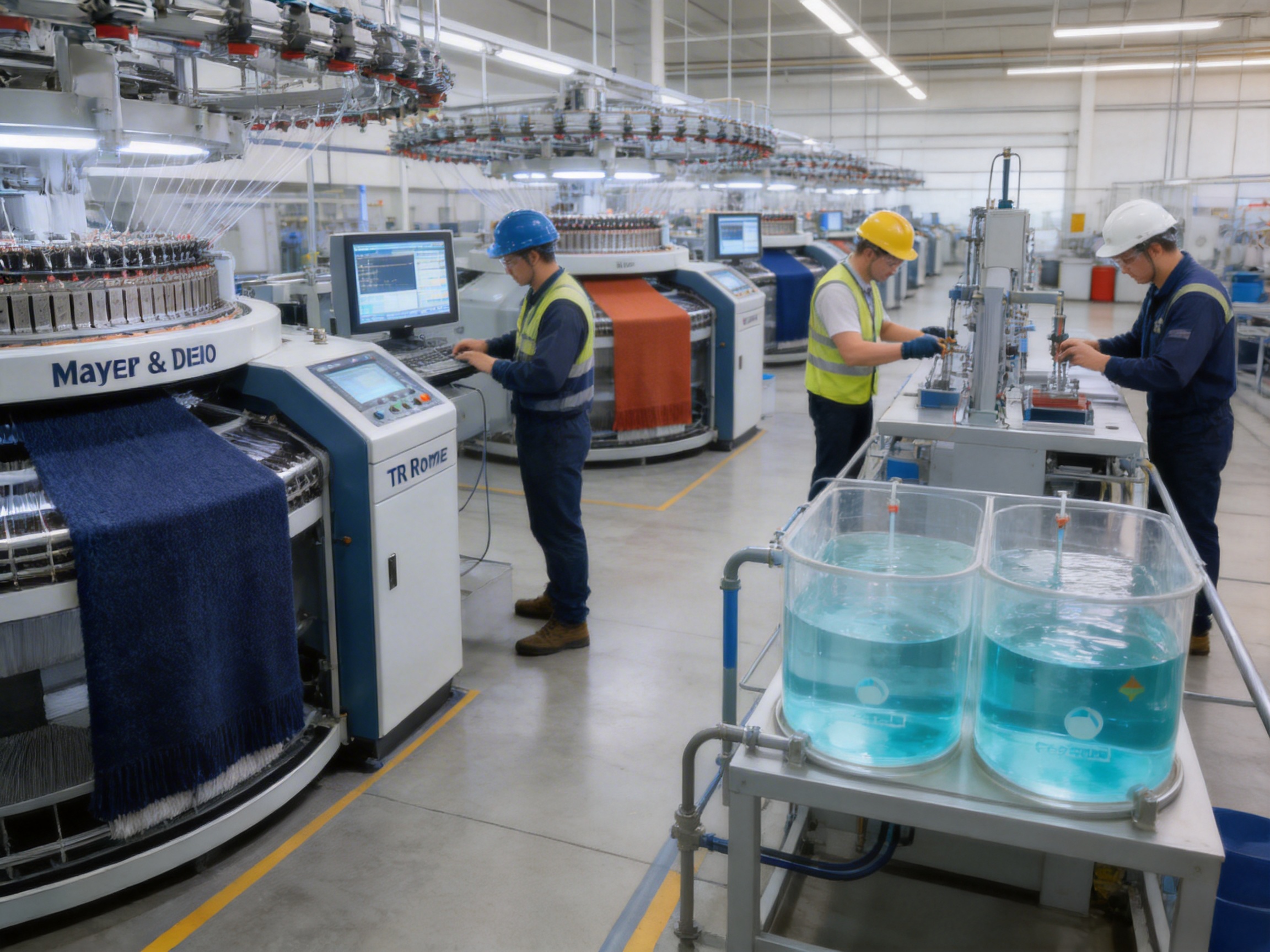
TR Rome Fabric is typically produced using circular knitting machines, which create a seamless, stretchable fabric with a smooth surface. Leading manufacturers use computerized knitting machines (e.g., Mayer & Cie machines) that allow for precise control over stitch patterns and fabric weight. For fabrics requiring intricate designs, jacquard knitting technology is integrated—this enables the creation of complex patterns directly into the fabric without the need for post-printing processes.
Hangzhou Jinfeng Textile Co., Ltd’s 18,000-square-meter production plant is equipped with over 200 advanced circular knitting machines, including 50 jacquard models, which can produce up to 500,000 meters of fabric per month. This capacity allows the company to meet both small custom orders (50 meters) and large industrial bulk orders (100,000 meters) efficiently.
3. Post-Processing: Dyeing, Finishing & Quality Control
After knitting, the fabric undergoes post-processing steps to enhance its performance and appearance. Dyeing is done using eco-friendly reactive and disperse dyes, which are free from AZO compounds and heavy metals—aligning with global sustainability standards like OEKO-TEX Standard 100. The dyeing process is optimized using computerized color matching systems to ensure even color distribution and color fastness (resistance to fading from washing, sunlight, or rubbing).
Finishing processes include: - Calendering: To create a smooth, lustrous surface. - Softening: To enhance the fabric’s softness and handle (using biodegradable softeners). - Waterproofing: For industrial applications requiring water resistance (using non-toxic wax-based finishes). - Anti-static treatment: To reduce static buildup in synthetic-rich fabrics (using natural-based agents).
Quality control is a critical step in the manufacturing process. Hangzhou Jinfeng Textile Co., Ltd employs a team of 30 quality inspectors who conduct rigorous tests at every stage—from raw material inspection to final fabric checking. Tests include: - Tensile strength testing (using a universal testing machine). - Shrinkage testing (after 5 washes at 40°C). - Color fastness testing (to light, washing, and rubbing). - Eco-toxicity testing (using gas chromatography-mass spectrometry to detect harmful chemicals). - Breathability testing (using a Gurley densometer).
4. Export & Distribution
As a self-employed export company, Hangzhou Jinfeng Textile Co., Ltd has direct access to global markets. The company’s products are exported to over 30 countries, including the United States, Germany, Japan, and Australia. Its integrated supply chain allows for fast order fulfillment—typically 7-10 days for standard orders and 15-20 days for custom orders. This efficiency makes it a reliable partner for international buyers.
The company’s commitment to quality and sustainability has earned it certifications such as OEKO-TEX Standard 100 (Class 1, suitable for baby products) and ISO 9001 (quality management system). These certifications further validate the quality of TR Rome Fabric and the company’s manufacturing processes.
Applications of TR Rome Fabric
TR Rome Fabric’s versatility makes it suitable for a wide range of applications across apparel and industrial sectors. Below are some of the most common uses:
1. Apparel Applications
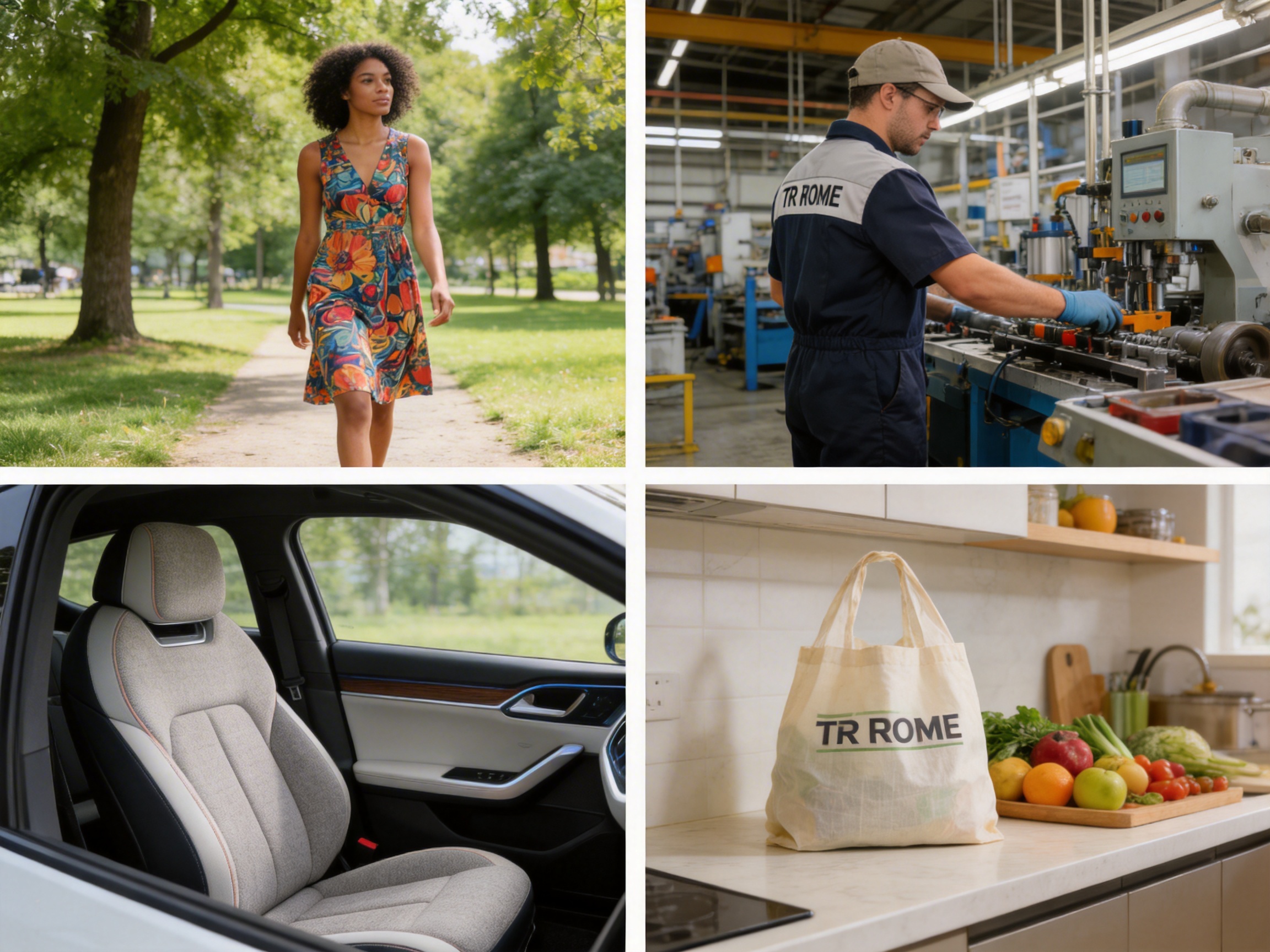
TR Rome Fabric is widely used in men’s and women’s clothing due to its comfort, durability, and style. Common apparel uses include: - Casual Wear: T-shirts, dresses, trousers, shorts, and skirts. For example, a leading fast-fashion brand uses TR Rome Fabric for its summer dress line, which sells over 1 million units annually due to its lightweight and breathable properties. - Formal Wear: Suits, blazers, and dress shirts (due to its smooth, structured appearance). A luxury menswear brand uses TR Rome Fabric for its business suits, which are praised for their wrinkle resistance and comfort. - Active Wear: Gym clothes, yoga pants, and athletic wear (due to its breathability and quick-drying properties). A sports apparel brand uses TR Rome Fabric for its running shirts, which keep athletes cool during long runs. - Children’s Clothing: Soft, durable, and easy to clean—ideal for kids’ active lifestyles. A baby clothing brand uses TR Rome Fabric for its onesies, which are OEKO-TEX certified and safe for sensitive skin.
2. Industrial Applications
TR Rome Fabric’s durability and eco-friendliness make it suitable for various industrial uses, including: - Workwear: Uniforms for factory workers, construction workers, and hospitality staff (due to its resistance to abrasion and stains). A global automotive manufacturer uses TR Rome Fabric for its factory uniforms, which can withstand oil spills and heavy use. - Upholstery: Fabric for furniture, automotive seats, and industrial machinery covers (due to its durability and easy cleaning). An electric vehicle manufacturer uses TR Rome Fabric for its seat upholstery, which is eco-friendly and aligns with the company’s sustainability goals. - Packaging: Eco-friendly packaging materials (due to its biodegradable properties). A food packaging company uses TR Rome Fabric for its reusable produce bags, which reduce plastic waste. - Filter Fabrics: For air and liquid filtration (due to its porous structure and durability). A water treatment company uses TR Rome Fabric for its filter bags, which remove impurities from water efficiently.
Q&A Section
To address common questions about TR Rome Fabric, we’ve compiled a list of frequently asked questions and answers based on industry knowledge and manufacturer data:
Q1: Is TR Rome Fabric suitable for people with sensitive skin?
A: Yes, TR Rome Fabric is generally suitable for sensitive skin. It is manufactured without harmful chemicals (such as AZO dyes or heavy metals) and has a soft, smooth surface that minimizes irritation. However, individuals with severe allergies should always test a small piece of fabric before using it for clothing. Leading manufacturers like Hangzhou Jinfeng Textile Co., Ltd offer OEKO-TEX certified TR Rome Fabric, which is tested for safety and free from harmful substances.
Q2: How does TR Rome Fabric perform in terms of shrinkage?
A: TR Rome Fabric has minimal shrinkage—typically less than 2% after washing and drying. This is due to the polyester component, which resists shrinkage, and the manufacturing processes that pre-shrink the fabric before finishing. To maintain its shape, it is recommended to wash TR Rome Fabric in cold water (≤30°C) and avoid high-heat drying (use a low-temperature setting or air dry).
Q3: Can TR Rome Fabric be used for outdoor apparel?
A: Yes, TR Rome Fabric can be used for outdoor apparel, especially if it has been treated with waterproofing or UV-resistant finishes. Its lightweight nature and breathability make it ideal for hiking, camping, and other outdoor activities. For example, a outdoor gear brand uses TR Rome Fabric for its hiking shirts, which are treated with a water-repellent finish and UV protection (UPF 50+). However, for extreme outdoor conditions (e.g., heavy rain or snow), it may need additional treatments to enhance water resistance.
Q4: What is the minimum order quantity (MOQ) for TR Rome Fabric?
A: The MOQ varies depending on the manufacturer and the type of order. For standard TR Rome Fabric (in stock colors and patterns), the MOQ is typically 50 meters. For custom orders (e.g., specific colors, patterns, or finishes), the MOQ may be higher (1,000 meters). However, some manufacturers (like Hangzhou Jinfeng Textile Co., Ltd) offer flexible MOQs for small businesses or sample orders (as low as 10 meters) at a slightly higher cost.
Q5: How long does it take to process a custom dyeing order for TR Rome Fabric?
A: The processing time for a custom dyeing order is typically 15-20 days. This includes time for dyeing (3-5 days), finishing (2-3 days), quality control (3-4 days), and packaging (1-2 days). For urgent orders, some manufacturers may offer expedited processing (7-10 days) for an additional fee (10-15% of the order value).
Q6: Is TR Rome Fabric recyclable?
A: Yes, TR Rome Fabric is partially recyclable. The polyester component can be recycled into new textiles or plastic products using mechanical or chemical recycling processes. The rayon component is biodegradable and can be composted in industrial composting facilities. Many textile recycling facilities accept TR Rome Fabric, making it a sustainable choice for end-of-life disposal. Leading manufacturers like Hangzhou Jinfeng Textile Co., Ltd offer take-back programs for used TR Rome Fabric, which are recycled or composted responsibly.
References
- Textile Institute (2023). "Sustainability Trends in Blended Textiles: A Global Analysis". Manchester, UK: Textile Institute Press.
- Wang, L., Zhang, H., & Li, Y. (2022). "Performance Evaluation of Polyester-Rayon Blended Fabrics for Apparel Applications". Journal of Textile Science & Engineering, 12(3), 123-135.
- International Textile Manufacturers Federation (2023). "Best Practices for Eco-Friendly Textile Production". Geneva, Switzerland: ITMF Publications.
- Hangzhou Jinfeng Textile Co., Ltd. (2024). "TR Rome Fabric Technical Specification Sheet". Hangzhou, China: Internal Document.
- OEKO-TEX Association (2023). "OEKO-TEX Standard 100: Requirements for Textile Products". Zurich, Switzerland: OEKO-TEX Association.
- Mayer & Cie (2022). "Circular Knitting Technology for Blended Fabrics". Germany: Mayer & Cie GmbH.
Conclusion
TR Rome Fabric is a versatile, sustainable, and affordable textile that addresses the evolving needs of the modern textile industry. Its unique blend of polyester and rayon delivers a balance of durability, breathability, and eco-friendliness that is unmatched by many traditional fabrics. Whether used in apparel, industrial workwear, or upholstery, TR Rome Fabric offers performance benefits that cater to both consumer and business needs.
The advanced manufacturing processes used by leading manufacturers like Hangzhou Jinfeng Textile Co., Ltd ensure consistent quality and compliance with global sustainability standards. With its flexible MOQs, fast order fulfillment, and wide range of customization options, TR Rome Fabric is poised to become a leading choice for textile buyers worldwide.
As the demand for sustainable and functional textiles continues to grow, TR Rome Fabric stands out as a solution that meets both economic and environmental goals. Its ability to combine performance, affordability, and sustainability makes it a valuable addition to the textile market, and its versatility ensures it will remain relevant for years to come.