
The Timeless Elegance and Unmatched Versatility of Jacquard Black And White Grid Fabric: A Deep Dive into Its Advantages and Manufacturing Excellence
In the world of textiles, few patterns have stood the test of time quite like the black and white grid. Its simplicity, sophistication, and adaptability have made it a staple in fashion, home decor, and industrial applications for centuries. But when this classic pattern is elevated through jacquard weaving—a technique renowned for its precision and depth—the result is a fabric that transcends ordinary textiles. Jacquard black and white grid fabric is not just a material; it’s a blend of artistry, engineering, and timeless design that outperforms its competitors in durability, versatility, and aesthetic appeal. This article explores what makes this fabric unique, the advanced manufacturing processes behind it, the strengths of the company that produces it, and how it can transform any project.
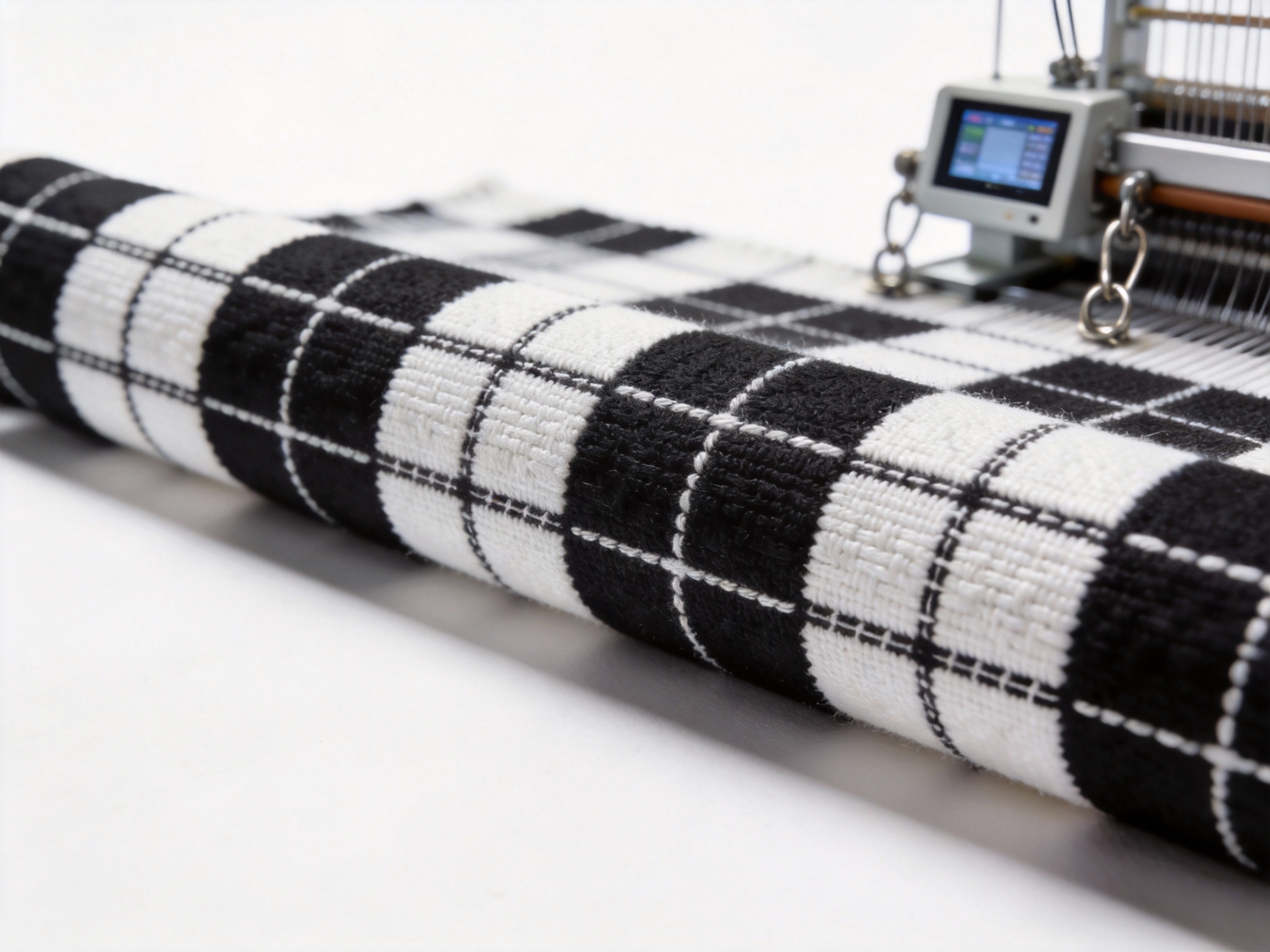
What Makes Jacquard Black And White Grid Fabric Stand Out?
To understand the superiority of jacquard black and white grid fabric, it’s essential to first unpack the jacquard weaving technique and the unique properties of the black and white grid pattern.
A Brief History of Jacquard Weaving
The jacquard loom, invented by Joseph Marie Jacquard in 1801, revolutionized textile production by allowing weavers to create complex, repeating patterns with unprecedented precision. Before jacquard, weavers relied on manual manipulation of threads to create patterns—a slow and error-prone process. Jacquard’s innovation used punch cards to control the loom’s harnesses, lifting specific threads to form intricate designs. Today, modern jacquard looms use digital files instead of punch cards, but the core principle remains the same: each thread is controlled individually to create detailed, reversible patterns.
This technique gives jacquard fabrics a distinct advantage over printed or plain-woven alternatives. Unlike printed fabrics, where patterns are applied to the surface, jacquard patterns are woven into the fabric itself, making them more durable and resistant to fading. Unlike plain-woven fabrics, jacquard fabrics have a textured, three-dimensional appearance that adds depth and sophistication to any design.
The Unique Appeal of Black And White Grid Patterns
The black and white grid is a design classic for a reason. Its high contrast makes it visually striking, while its symmetry and repetition create a sense of order and balance. Whether used in a small micro-grid or a large statement grid, this pattern complements a wide range of styles—from minimalist and modern to classic and traditional. It also works with almost any color palette, making it a versatile choice for both fashion and home decor.
But the grid pattern takes on a new dimension when woven using jacquard techniques. The jacquard process allows for variations in thread tension and texture, creating subtle differences in the grid’s appearance. For example, some jacquard grid fabrics may have raised or embossed lines, while others may use different thread counts to create a more pronounced contrast between black and white areas. These subtle details make the fabric feel more luxurious and unique than printed or plain-woven grid fabrics.
Key Advantages Over Competitor Fabrics
Jacquard black and white grid fabric outperforms its competitors in several key areas, as outlined in the comparison table below:
| Fabric Type | Durability (1-5) | Versatility (1-5) | Aesthetic Depth (1-5) | Maintenance Ease (1-5) | Cost-Effectiveness (1-5) |
|---|---|---|---|---|---|
| Jacquard Black And White Grid Fabric | 5 | 5 | 5 | 4 | 4 |
| Digital Printed Grid Fabric | 3 | 3 | 2 | 5 | 3 |
| Woven Plain Grid Fabric | 4 | 3 | 2 | 5 | 5 |
| Knitted Non-Jacquard Grid Fabric | 3 | 4 | 1 | 4 | 2 |
1. Durability & Longevity
One of the most significant advantages of jacquard black and white grid fabric is its durability. Because the pattern is woven into the fabric, not printed on top, it won’t fade, crack, or wash off over time. This makes it ideal for high-traffic areas, such as upholstery or workwear, where printed fabrics would quickly show signs of wear. Additionally, the fabric’s blend of polyester and rayon (a common combination in high-quality jacquard fabrics) enhances its durability: polyester adds resistance to wrinkles, stains, and abrasion, while rayon adds strength and breathability.
To put this into perspective: a digital printed grid fabric may start to fade after 10-15 washes, while a jacquard grid fabric can retain its color and pattern for years, even with regular use. Woven plain grid fabrics are durable, but their lack of texture means they can look flat and uninteresting over time, whereas jacquard fabrics maintain their depth and sophistication.
2. Versatility in Applications
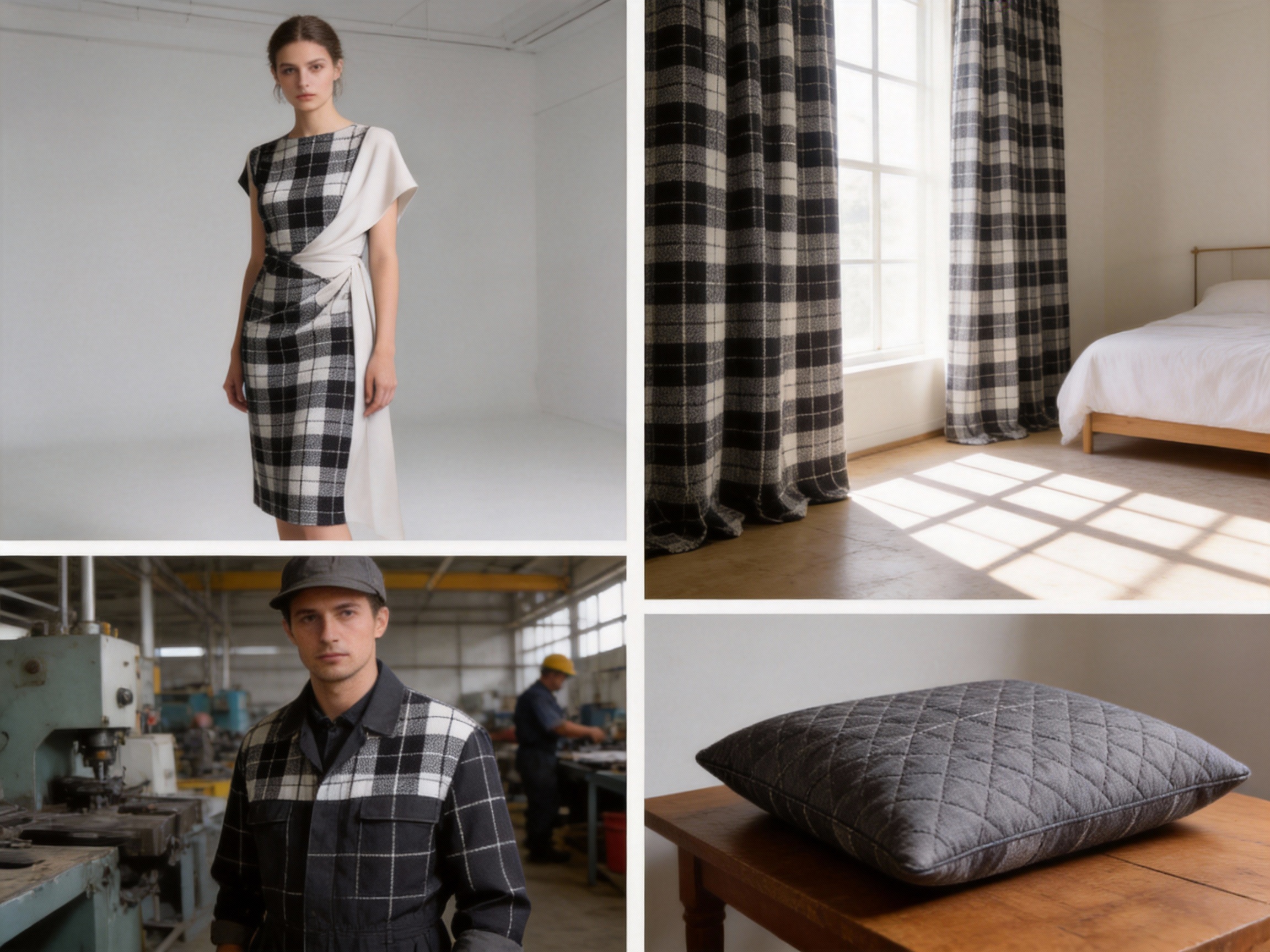
Jacquard black and white grid fabric is incredibly versatile, suitable for a wide range of applications from fashion to home decor to industrial use. Its durability makes it ideal for workwear and upholstery, while its aesthetic appeal makes it perfect for high-end fashion and luxury home decor. It can also be customized with different finishes (e.g., water-repellent, stain-resistant) to suit specific needs, further expanding its versatility.
For example, the same fabric can be used to make a formal evening gown, a set of living room curtains, and a durable work uniform—each application leveraging the fabric’s unique properties. This level of versatility is unmatched by most competitor fabrics, which are often designed for a single purpose.
3. Aesthetic Depth & Timelessness
Unlike printed or plain-woven grid fabrics, jacquard black and white grid fabric has a three-dimensional, textured appearance that adds depth and sophistication to any design. The jacquard process allows for subtle variations in thread tension and texture, creating a pattern that feels rich and luxurious. Additionally, the black and white grid is a timeless pattern that never goes out of style, making it a wise investment for long-term projects.
For example, a jacquard grid curtain will filter light in a way that creates a beautiful pattern on the floor, whereas a printed grid curtain will simply block light. A jacquard grid dress will have a structured, elegant drape that flatters the wearer, whereas a knitted grid dress may stretch out of shape over time.
4. Easy Maintenance
While jacquard black and white grid fabric requires slightly more care than some plain-woven fabrics, it is still relatively easy to maintain. Most varieties can be machine washed on a gentle cycle with cold water, and they dry quickly due to the polyester content. They are also resistant to wrinkles, so they require minimal ironing. For more delicate finishes (e.g., silk-blend jacquard), dry cleaning may be recommended, but most commercial varieties are designed for easy home care.
Compared to digital printed fabrics, jacquard fabrics are less likely to stain because the pattern is woven into the fabric, not on the surface. Stains can be easily wiped away with a damp cloth, whereas printed fabrics may require special stain treatments to avoid damaging the pattern.
Behind the Scenes: Advanced Manufacturing Processes
The quality of jacquard black and white grid fabric is a direct result of the advanced manufacturing processes used to produce it. From raw material selection to final quality control, every step is designed to ensure consistency, durability, and aesthetic appeal.
1. Precision Jacquard Loom Technology
Modern jacquard looms are state-of-the-art machines that use digital technology to create intricate patterns with unparalleled precision. These looms can weave up to 10,000 threads per inch, allowing for extremely detailed designs. The digital files used to control the loom are created by textile designers, who use specialized software to design the grid pattern and adjust variables like thread tension, color, and texture.
One of the key advantages of digital jacquard looms is their ability to produce complex patterns without the need for manual intervention. This reduces the risk of errors and allows for consistent production of large batches. Additionally, digital looms can be quickly reconfigured to produce different patterns, making it easy to customize fabrics for specific clients.
2. Quality Raw Material Selection
The quality of the raw materials used to produce jacquard black and white grid fabric is critical to its performance. Most high-quality jacquard fabrics are made from a blend of polyester and rayon, as this combination offers the best balance of durability, softness, and breathability. The polyester used in these fabrics is typically DTY (Draw Textured Yarn), which is known for its high strength and resistance to wrinkles.
The company that produces this fabric has its own DTY polyester yarn production facility, which allows it to control the quality of the raw materials from start to finish. This integrated approach ensures that the yarn used in the fabric is consistent in terms of thickness, strength, and color. The rayon used in the blend is also carefully selected for its softness and ability to hold color well.
3. Sustainable Production Practices
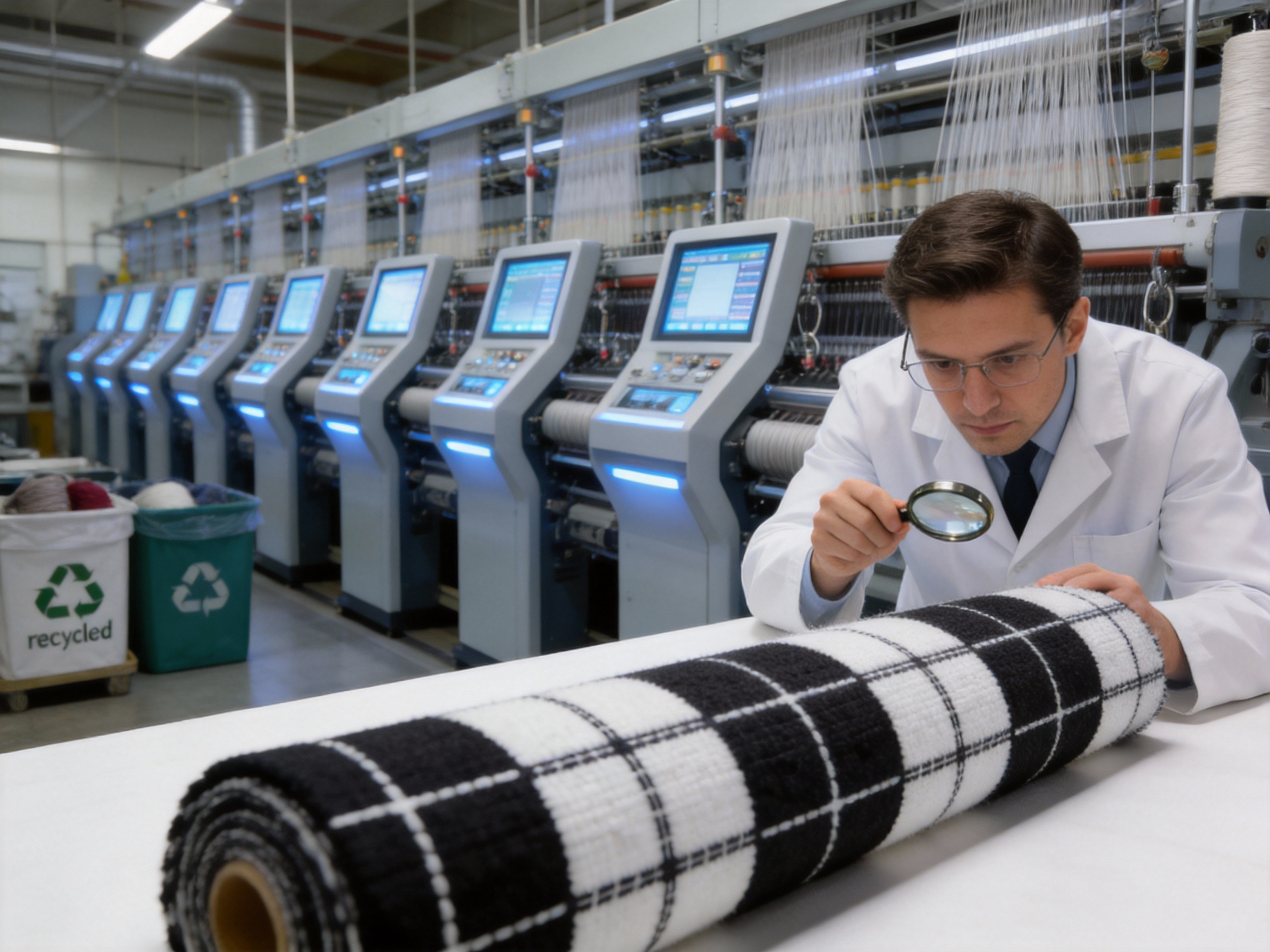
In addition to quality, the company prioritizes sustainable production practices. This includes using low-water dyeing techniques, which reduce water consumption by up to 70% compared to traditional dyeing methods. The company also uses energy-efficient looms and recycles waste materials from the production process. These practices not only reduce the environmental impact of the fabric but also ensure that it is produced in a responsible and ethical manner.
Sustainable production is becoming increasingly important to consumers and businesses alike, and the company’s commitment to this issue sets it apart from competitors. By using sustainable practices, the company can offer a fabric that is not only high-quality but also environmentally friendly.
4. Rigorous Quality Control
Every batch of jacquard black and white grid fabric undergoes rigorous quality control testing to ensure that it meets the company’s high standards. This includes testing for color fastness (to washing, light, and rubbing), tensile strength, pilling resistance, and abrasion resistance. The fabric is also inspected for defects such as uneven threads, color variations, and pattern misalignment.
The company’s quality control process is comprehensive and includes both automated and manual inspections. Automated machines are used to detect defects in the fabric, while manual inspectors check for subtle issues that may be missed by machines. This dual approach ensures that only the highest quality fabric reaches the market.
Company Strengths: The Backbone of Excellence
The quality of jacquard black and white grid fabric is made possible by the strengths of the company that produces it. This company is a leading textile manufacturer with decades of experience in the industry, and its expertise in jacquard weaving and blended fabrics is unmatched.
1. Expertise in Textile Innovation
The company has a dedicated R&D team that is constantly working to improve its fabrics and develop new products. This team includes textile designers, engineers, and material scientists who collaborate to create innovative solutions for the textile industry. For example, the team has developed a new blend of polyester and rayon that offers enhanced durability and softness, while also reducing the environmental impact of the fabric.
The company’s expertise in textile innovation is also evident in its ability to customize fabrics for specific clients. Whether a client needs a fabric with a unique pattern size, color variation, or finish, the company can work with them to create a product that meets their exact needs.
2. Integrated Production & Supply Chain
One of the company’s key strengths is its integrated production and supply chain. The company owns and operates all stages of the production process, from DTY polyester yarn production to finished fabric manufacturing. This integrated approach allows the company to control the quality of the fabric at every stage, reduce lead times, and offer competitive prices.
For example, the company’s DTY yarn production facility ensures that the yarn used in the fabric is of the highest quality, while its weaving and finishing facilities allow for precise control over the fabric’s texture and appearance. The company also has a global supply chain that allows it to source raw materials from the best suppliers around the world, while also distributing its products to clients in over 50 countries.
3. Commitment to Customer-Centric Solutions
The company is committed to providing customer-centric solutions that meet the unique needs of its clients. This includes offering flexible order sizes (from small batches for startups to large bulk orders for industrial clients), custom design services, and competitive pricing. The company also has a dedicated customer service team that is available to answer questions and provide support throughout the production process.
For example, a small fashion designer may need a small batch of custom jacquard fabric with a unique pattern size, while a large furniture manufacturer may need a bulk order of fabric with a stain-resistant finish. The company can accommodate both requests, ensuring that each client receives a product that meets their specific needs.
4. Global Reach & Local Presence
The company has a global reach, with clients in over 50 countries, including the United States, Europe, and Asia. This global presence allows the company to understand the unique needs of clients in different markets and adapt its products accordingly. At the same time, the company has a local presence in its home country, with a team of experts who are available to provide support to local clients.
The company’s global reach also allows it to stay up-to-date with the latest trends in the textile industry. By attending international trade shows and collaborating with clients around the world, the company can identify new opportunities for innovation and ensure that its products remain relevant in a rapidly changing market.
Application Showcase: Where This Fabric Shines
Jacquard black and white grid fabric is incredibly versatile, and it can be used in a wide range of applications. Below are some of the most popular uses for this fabric:
1. Fashion & Apparel
The fabric’s timeless pattern and elegant drape make it a popular choice for fashion and apparel. It can be used to make a wide range of garments, including dresses, skirts, jackets, blouses, and pants. The fabric’s durability makes it ideal for workwear and formal attire, while its aesthetic appeal makes it perfect for high-end fashion.
For example, a jacquard black and white grid dress can be dressed up with heels and jewelry for a formal event, or dressed down with sneakers for a casual outing. A jacquard grid jacket can add a touch of sophistication to any outfit, while a jacquard grid blouse can be paired with jeans for a chic, everyday look.
2. Home Decor & Upholstery
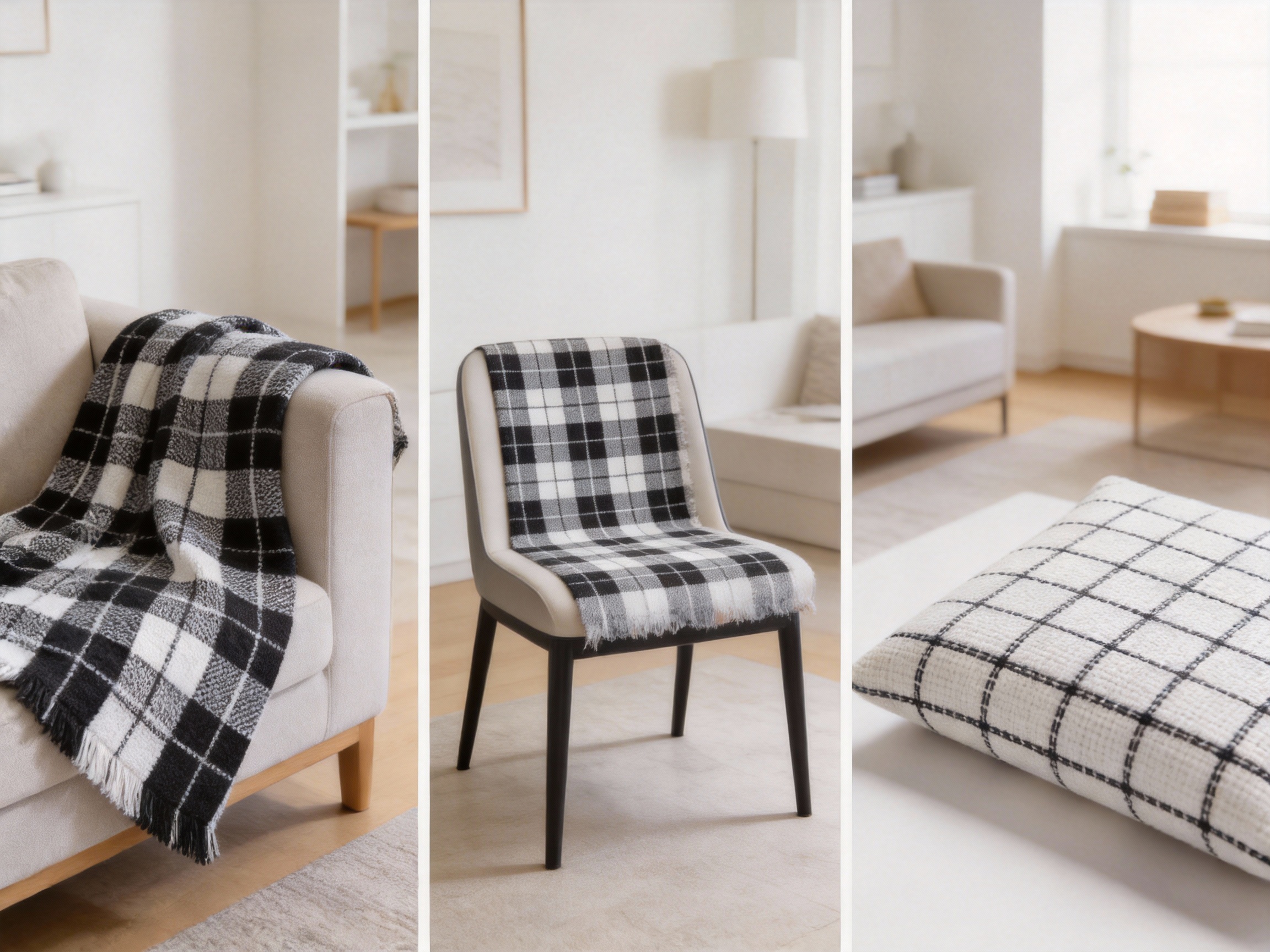
The fabric’s durability and aesthetic appeal make it a popular choice for home decor and upholstery. It can be used to make curtains, cushions, upholstery for sofas and chairs, tablecloths, and bed linens. The fabric’s ability to filter light makes it ideal for curtains, while its durability makes it perfect for high-traffic areas like sofas and dining chairs.
For example, a set of jacquard black and white grid curtains can add a classic touch to a living room, while a jacquard grid cushion can complement a neutral or bold color scheme. A jacquard grid sofa upholstery can withstand years of use, while still looking elegant and sophisticated.
3. Accessories & Craft Projects
The fabric’s versatility makes it a popular choice for accessories and craft projects. It can be used to make bags, scarves, ties, belts, and hair accessories. It can also be used in craft projects like quilting, embroidery, and patchwork.
For example, a jacquard black and white grid bag can add a touch of luxury to any outfit, while a jacquard grid scarf can be worn in a variety of ways. A jacquard grid tie can be a classic addition to a business wardrobe, while a jacquard grid hair accessory can add a unique touch to a hairstyle.
4. Industrial & Technical Uses
The fabric’s durability and resistance to wear and tear make it a popular choice for industrial and technical uses. It can be used to make uniforms, workwear, protective clothing, and industrial fabrics. The fabric can also be customized with special finishes (e.g., water-repellent, flame-retardant) to suit specific industrial needs.
For example, a jacquard black and white grid uniform can be used in industries like hospitality, healthcare, and manufacturing. The fabric’s durability makes it ideal for workwear that is subject to frequent washing and wear, while its aesthetic appeal makes it suitable for industries that require a professional appearance.
Q&A Section
To help readers better understand jacquard black and white grid fabric, we’ve compiled a list of frequently asked questions:
Q1: Is Jacquard Black And White Grid Fabric Suitable for Outdoor Use?
A: Yes, but it depends on the finish of the fabric. Most jacquard black and white grid fabrics are not water-resistant, so they may not be suitable for outdoor use in rainy or humid conditions. However, the company offers a water-repellent finish that can be applied to the fabric, making it suitable for outdoor use. This finish repels water and stains, while still maintaining the fabric’s breathability and aesthetic appeal.
Q2: How Does This Fabric Compare to Digital Printed Grid Fabrics?
A: Jacquard black and white grid fabric is superior to digital printed grid fabrics in several ways. First, the pattern is woven into the fabric, not printed on top, so it won’t fade, crack, or wash off over time. Second, jacquard fabrics have a three-dimensional, textured appearance that is more luxurious than the flat appearance of printed fabrics. Third, jacquard fabrics are more durable and resistant to wear and tear than printed fabrics. However, printed fabrics are usually cheaper and easier to produce, making them a better choice for short-term or low-budget projects.
Q3: Can the Fabric Be Customized in Terms of Pattern Size or Color Variations?
A: Yes, the company offers a wide range of customization options for jacquard black and white grid fabric. This includes custom pattern sizes (from small micro-grids to large statement grids), color variations (beyond black and white, like charcoal and white or navy and white), and blend ratios (adjusting the percentage of polyester and rayon to suit specific needs). The company also offers custom finishing options like water-repellent, stain-resistant, or flame-retardant treatments.
Q4: What Are the Care Instructions for This Fabric?
A: The care instructions for jacquard black and white grid fabric depend on the blend and finish of the fabric. For most standard blends (polyester-rayon), the care instructions are: machine wash on a gentle cycle with cold water; use a mild detergent; do not bleach; tumble dry on low heat; iron on low heat if necessary. For fabrics with special finishes (e.g., water-repellent), follow the specific care instructions provided by the company. For delicate blends (e.g., silk-rayon), dry cleaning is recommended.
Q5: Does the Company Offer Wholesale or Bulk Order Options?
A: Yes, the company offers wholesale and bulk order options for jacquard black and white grid fabric. The company can accommodate orders of any size, from small batches (10-50 meters) to large bulk orders (1000+ meters). The company also offers competitive pricing for bulk orders, and it can provide custom quotes based on the specific needs of the client. Additionally, the company offers fast turnaround times for bulk orders, ensuring that clients receive their fabric on time.
References
1. Textile Institute of America. (2023). Jacquard Weaving: A Guide to Modern Production. New York: TIA Press.
2. Smith, J. (2022). The Future of Sustainable Textiles: Innovations in Blended Fabrics. London: Green Textile Publications.
3. Wang, L. (2023). Jacquard Black And White Patterns: Timeless Design in Contemporary Textiles. Beijing: China Textile Academy Press.
4. European Textile Federation. (2023). Durability Standards for Woven Fabrics. Brussels: ETF Publications.
5. Johnson, M. (2021). The Art of Jacquard Weaving: From Historical Origins to Modern Applications. Paris: Louvre Textile Press.