
Slight Intermingled Draw Textured Yarn: Manufacturing Excellence, Performance Advantages, and Textile Applications
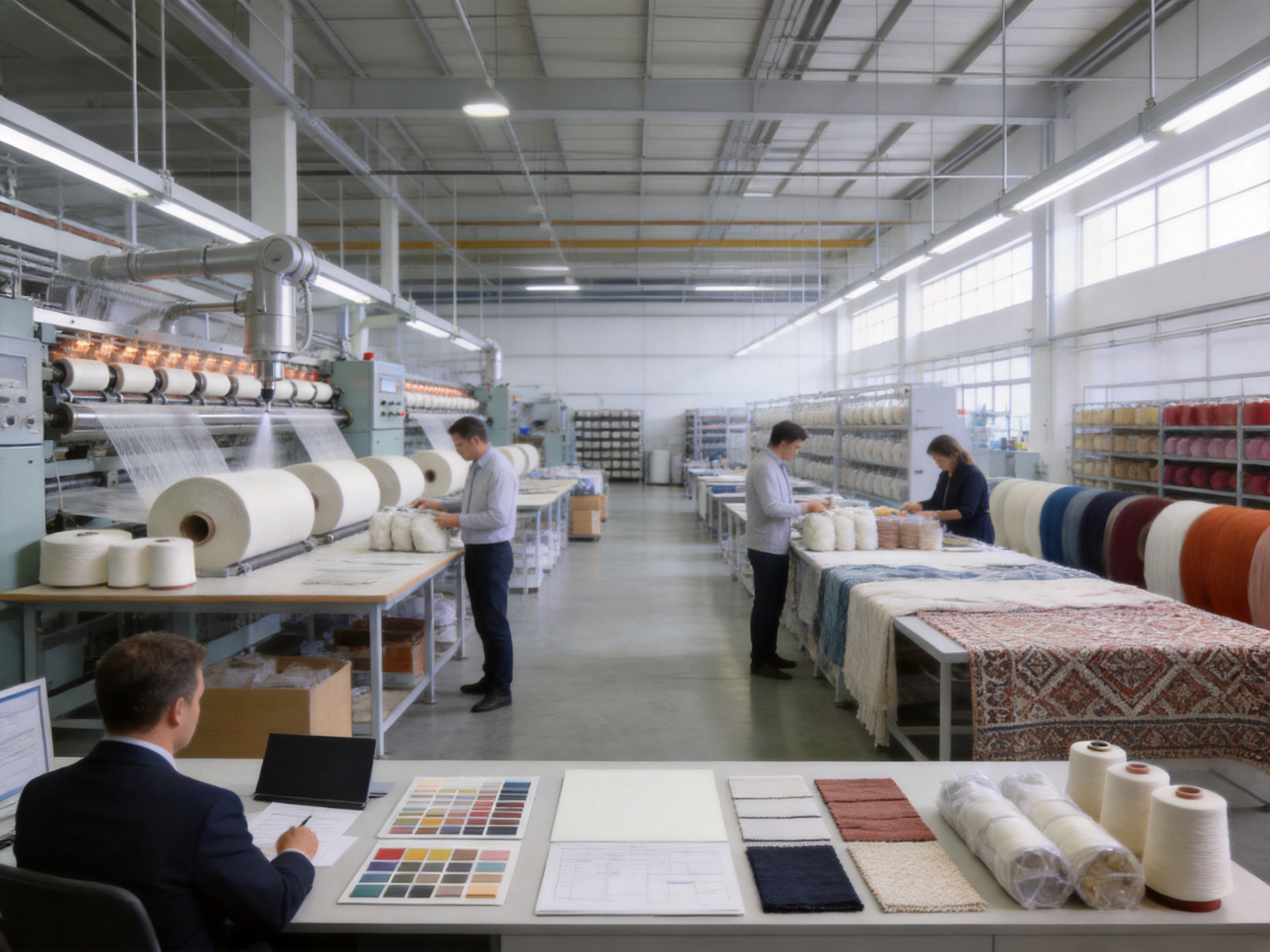
Slight Intermingled Draw Textured Yarn is an engineered polyester yarn designed to combine the efficiency of filament production with the soft handle, elasticity, bulk, and visual character required by modern textile manufacturing. As a specialized form of Drawn Textured Yarn, commonly known as DTY polyester yarn, it offers manufacturers a practical material for knitted fabrics, woven fabrics, apparel linings, home textiles, sportswear, and blended textile products.
The defining feature of this yarn is the controlled intermingling of individual filaments. During processing, selected filament bundles receive a carefully managed amount of air-jet intermingling. This creates small, stable entanglement points within the yarn. These points help the filaments stay together during winding, warping, knitting, weaving, dyeing, and finishing, while maintaining the soft and flexible behavior expected from textured polyester yarn.
When intermingling is kept slight rather than excessive, the yarn can achieve a useful balance between cohesion and softness. It can run smoothly through textile machinery without becoming unnecessarily rigid. At the same time, it retains the bulk, resilience, coverage, and surface texture associated with DTY. This balance makes Slight Intermingled Draw Textured Yarn suitable for producers seeking dependable processing performance and attractive finished-fabric results.
Hangzhou Jinfeng Textile Co., Ltd. specializes in the production, processing, finishing, and sales of blended fabrics and DTY polyester yarn. Its product portfolio also includes polyester rayon fabric, knitted jacquard fabric, NTR knitted fabric, and NR knitted fabric. The company operates from Jingjiang Street Industrial Park in Xiaoshan District, Hangzhou, Zhejiang Province, with a site covering approximately 32.6 acres and a plant area of about 18,000 square meters.
By combining yarn production with fabric development, post-dyeing, finishing, and sales, the company is positioned to understand the complete textile chain. This integrated perspective is valuable because yarn quality cannot be evaluated only at the spinning or texturing stage. The final test is how the yarn performs in real knitting, weaving, dyeing, finishing, cutting, sewing, and end-use applications.
Understanding Slight Intermingled Draw Textured Yarn
Draw Textured Yarn is produced from partially oriented polyester yarn through a drawing and texturing process. Drawing improves molecular orientation and helps establish the desired strength and dimensional behavior. Texturing introduces crimp or bulk into the filament bundle, giving the yarn a more natural appearance and a softer hand than a completely flat filament yarn.
Unlike staple fiber yarns, DTY is formed from continuous filaments. This construction can provide a smooth and consistent yarn body, low fiber shedding, and efficient processing. The texturing stage changes the visual and physical character of the filament bundle. It can add stretch, recovery, loft, coverage, and a more comfortable touch, depending on the yarn specification and processing conditions.
Intermingling is an additional process used to improve filament cohesion. Air jets create localized entanglement points that temporarily or permanently hold filaments together. The number and strength of these points can be adjusted according to the intended application. Slight intermingling is particularly useful when the desired product requires a stable yarn that still preserves softness, drape, and textile flexibility.
The yarn may be supplied in different deniers, filament counts, luster levels, colors, and winding formats according to customer requirements. The correct specification depends on the final fabric structure, machine gauge, fabric weight, desired coverage, dyeing method, and performance target. A lightweight knitted fabric may require a different yarn construction from a dense jacquard fabric or a polyester-rayon blended material.
Core Characteristics
Slight Intermingled Draw Textured Yarn generally offers a combination of filament cohesion, soft touch, controlled bulk, good covering power, stable running behavior, and attractive dye response. These characteristics are not isolated benefits. They work together to improve the efficiency of downstream textile production.
The yarn’s continuous-filament structure contributes to a clean and uniform appearance. Because the filaments are produced as a controlled bundle, the yarn can provide consistent coloration and surface formation when the production process is properly managed. The absence of short loose fibers can also support cleaner knitting and weaving environments.
The textured structure gives the yarn more body than a flat polyester filament. This added body can support fabrics that require a fuller appearance, better opacity, improved drape, or a pleasant hand. It can also help create the visual depth needed in fashion fabrics, knitted jacquards, and decorative textile constructions.
The slight intermingling level helps balance yarn cohesion with flexibility. Excessive intermingling can make a yarn feel hard or create unwanted irregularity, while insufficient intermingling may allow filament separation during processing. A carefully controlled level is therefore important for reliable downstream operation.
Advantages Compared with Conventional Yarn Options
Textile manufacturers often compare DTY polyester yarn with flat polyester filament, staple fiber yarn, highly intermingled yarn, and other synthetic yarn alternatives. Each material has its own advantages, but Slight Intermingled Draw Textured Yarn can provide a versatile middle ground for applications requiring efficiency, comfort, and appearance.
Compared with Flat Polyester Filament
Flat polyester filament has a smooth, compact structure and is suitable for applications where a clean, sleek surface is required. However, it may not provide the same degree of bulk, softness, or fabric coverage as a textured yarn. Slight Intermingled Draw Textured Yarn introduces a more textile-like character while preserving the processing advantages of continuous filament.
For knitted fabrics, the textured structure can help produce a softer touch and fuller surface. It can also improve the visual richness of the fabric, particularly when combined with suitable knitting structures, dyeing methods, and finishing treatments. The result may be more comfortable for apparel and more attractive for fashion-oriented applications.
Compared with Staple Fiber Yarn
Staple fiber yarn is made from shorter fibers that are spun together. It can offer a familiar natural-fiber-like appearance, but it may also produce more lint and fiber shedding during processing. Continuous-filament DTY can reduce these concerns because its filaments remain substantially connected along the length of the yarn.
For high-speed knitting and weaving, the continuous structure can support stable operation and consistent material consumption. It may also help manufacturers achieve a more uniform fabric surface and reduce the variation that can arise from short-fiber distribution.
Compared with Heavily Intermingled Yarn
Highly intermingled yarn is useful when maximum filament cohesion is required. Nevertheless, higher intermingling can influence the hand, flexibility, appearance, and processing behavior of the yarn. Slight intermingling is advantageous when manufacturers need cohesion without sacrificing softness and drape.
The appropriate intermingling level should always be selected according to the final product. A yarn for a dense industrial fabric may require stronger cohesion than a yarn for a soft fashion knit. A professional supplier can help assess the relationship between intermingling, filament count, denier, fabric construction, and finishing conditions.
Compared with Less Specialized Polyester Yarns
General polyester yarn may be available at a low initial price, but cost alone does not determine textile value. Variations in yarn regularity, winding quality, moisture control, tension management, and packaging can affect production efficiency. A DTY product made under disciplined process control may reduce downstream difficulties and provide more consistent fabric results.
The value of Slight Intermingled Draw Textured Yarn is therefore connected to its total performance. A suitable yarn can contribute to smoother machine operation, more stable fabric formation, fewer visible defects, better dye uniformity, and easier finishing. These benefits can influence the effective production cost even when the purchase price is not the only consideration.
Manufacturing Process and Technical Control
The quality of textured yarn depends on the entire manufacturing sequence. Raw material selection, equipment condition, temperature control, drawing ratio, texturing settings, intermingling pressure, winding tension, package formation, inspection, and storage all influence the final product.
Raw Material Preparation
Polyester feedstock must be selected according to the required yarn characteristics. Different polymer properties, filament counts, and starting yarn specifications can influence strength, elongation, luster, dye behavior, and texturing response. Consistent raw material preparation provides a stable foundation for later stages.
Before processing, the production team should confirm material identification, lot information, packaging integrity, and storage conditions. Polyester is less sensitive to moisture than many natural fibers, but moisture and temperature can still influence processing stability and package condition. Organized material management helps reduce mix-ups and supports traceability.
Drawing and Orientation
Drawing changes the orientation of the polyester molecules and contributes to the strength and dimensional behavior of the yarn. The drawing ratio and heating conditions must be coordinated with the characteristics of the feed yarn and the intended final specification.
Stable drawing is important because excessive or insufficient drawing can influence elongation, strength, shrinkage, and texturing response. Properly managed drawing helps the yarn maintain consistent behavior from package to package. It also supports the repeatability required by customers who purchase the same specification over multiple production cycles.
False-Twist Texturing
False-twist texturing introduces crimp into the filament bundle. The yarn is twisted, heated, and untwisted in a controlled sequence. Although the temporary twist is removed, the heat-setting stage allows a textured configuration to remain in the yarn.
Texturing conditions affect bulk, recovery, stretch, surface appearance, and hand. The production team must coordinate spindle or friction-unit performance, heater temperature, yarn speed, cooling, and tension. Small variations can produce visible differences in fabric appearance, so process consistency is essential.
For Slight Intermingled Draw Textured Yarn, the texturing stage must create enough bulk and flexibility without causing unstable filament behavior. The objective is not simply to maximize crimp. Instead, it is to create a balanced yarn structure appropriate for the target application.
Air-Jet Intermingling
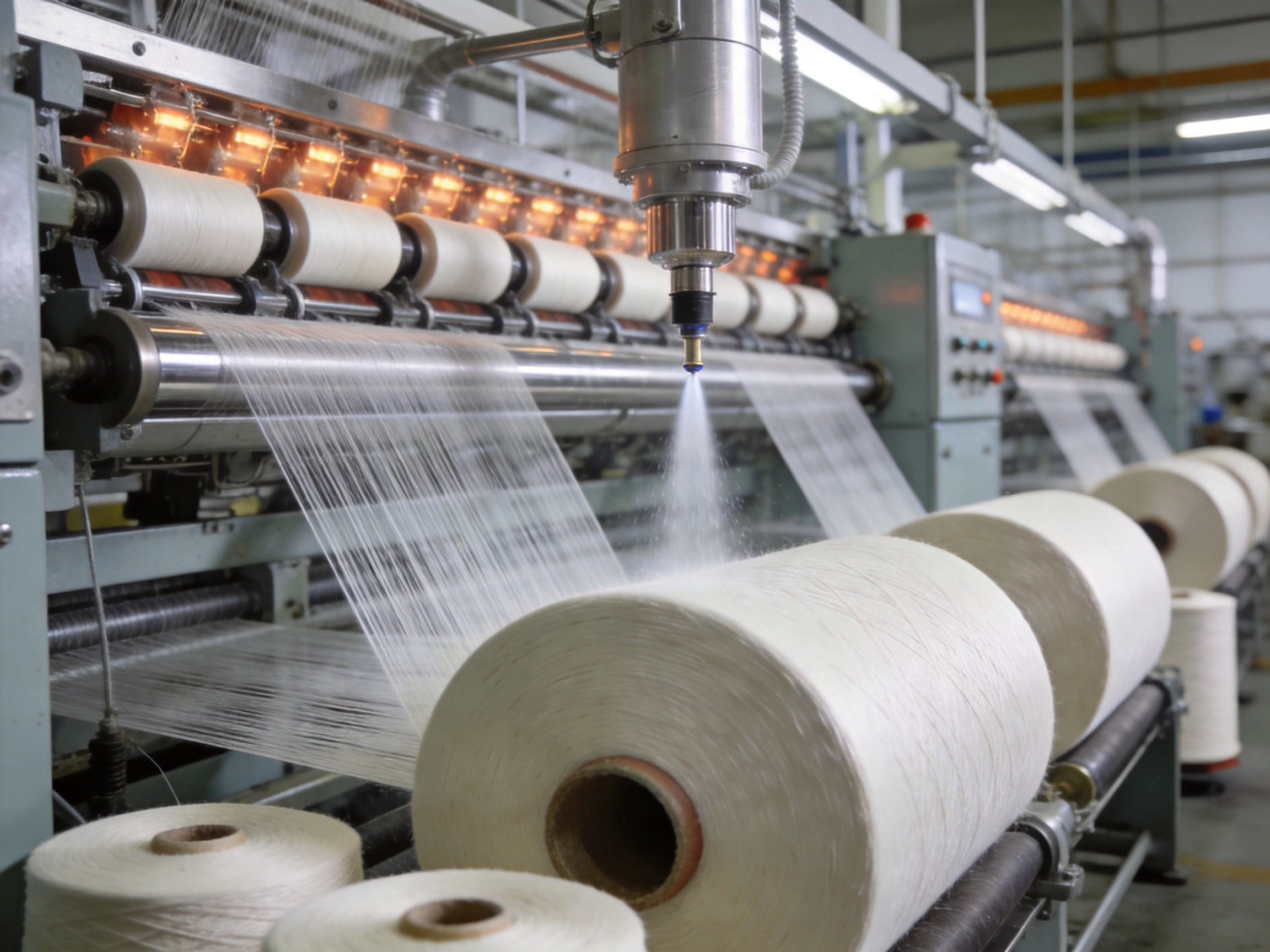
After texturing, the filament bundle may pass through an air-jet intermingling device. Compressed air causes the filaments to open, cross, and entangle at controlled points. The resulting intermingling improves cohesion and helps the yarn maintain its integrity during subsequent processing.
Air pressure, jet design, yarn speed, and filament condition all influence the intermingling result. If the pressure is too low, filament cohesion may be insufficient. If it is too high, the yarn may become unnecessarily compact, firm, or irregular. Slight intermingling therefore requires careful adjustment and regular monitoring.
Intermingling quality can be evaluated through suitable laboratory and production checks. Depending on the customer specification, these may include cohesion behavior, visual inspection, yarn regularity, tensile properties, elongation, crimp characteristics, and downstream knitting or weaving performance.
Winding and Package Formation
Good winding is essential for efficient customer use. Packages should have stable edges, appropriate density, consistent tension, and a format compatible with the customer’s equipment. Poor winding can create unwinding problems even when the yarn itself meets other technical requirements.
Winding tension must be controlled so that the yarn is neither packed too loosely nor compressed excessively. Package hardness, shape, and surface condition can influence unwinding speed and yarn tension. Consistent package formation supports uninterrupted production and reduces the possibility of sudden tension variation.
Inspection and Release
Quality inspection should take place throughout the process rather than only at the end. Operators and technical personnel can monitor yarn appearance, equipment behavior, package formation, and process parameters during production. Finished packages can then be checked against the relevant specification before release.
Inspection procedures may include visual assessment, linear density verification, tensile testing, elongation testing, yarn evenness evaluation, intermingling assessment, and dyeing or fabric trials when required. The exact testing program can be adapted to the customer’s product and intended use.
Manufacturing Strengths and Integrated Textile Capability
Hangzhou Jinfeng Textile Co., Ltd. combines manufacturing, processing, finishing, and sales within one textile business structure. This integrated capability is a significant advantage for customers who need more than a basic commodity yarn quotation.
The company’s production base in Xiaoshan District provides space for organized production, material handling, quality management, and product development. The reported plant area of approximately 18,000 square meters supports a practical manufacturing environment for yarn and fabric-related activities.
Its product range includes DTY polyester yarn as well as polyester rayon fabric, knitted jacquard fabric, NTR knitted fabric, and NR knitted fabric. This range reflects an understanding of both yarn-level and fabric-level requirements. A supplier that works with several related textile structures can better appreciate how yarn specifications affect fabric weight, stretch, surface texture, dimensional stability, and finishing results.
Experience Across Yarn and Fabric Production
Yarn buyers often need advice on whether a specific denier, filament count, luster, or intermingling level will perform correctly in a chosen fabric construction. A supplier with fabric production experience can discuss these questions from a practical perspective.
For example, a yarn intended for a knitted jacquard fabric may need to provide a balance of coverage and flexibility. A polyester-rayon blended fabric may require compatibility with another fiber’s dyeing and finishing behavior. A fabric using spandex may require careful attention to tension, stretch recovery, and heat-setting conditions. Experience across these product categories can make technical communication more effective.
Post-Dyeing and Finishing Knowledge
Textile performance is strongly influenced by post-dyeing and finishing. The same yarn can produce different results depending on pretreatment, dye selection, heat setting, softening, compacting, brushing, calendaring, and other finishing operations.
Because the company is involved in post-dyeing and finishing, it can evaluate how material choices affect the finished fabric rather than focusing only on the initial yarn stage. This can help customers select a practical combination of yarn and processing conditions for color, hand, dimensional stability, and appearance.
Research, Development, and Customer Service
The company describes itself as an export-oriented business integrating research and development, production, and sales. For international customers, this integrated approach can support clearer communication from initial inquiry to shipment.
Product development may involve adjusting yarn specifications, reviewing sample requirements, evaluating fabric performance, and coordinating production details. A responsive supplier should be able to discuss application, quantity, color, packaging, delivery expectations, and quality requirements before commercial production begins.
The company’s stated business philosophy emphasizes cooperation, mutual benefit, and service to customers at home and abroad. In practical terms, long-term cooperation depends on consistent quality, reliable communication, accurate documentation, and the ability to solve problems promptly.
Performance Benefits in Textile Production
Stable Running Behavior
Properly made Slight Intermingled Draw Textured Yarn can run smoothly on suitable knitting and weaving equipment. The intermingled points help maintain the filament bundle, while the textured structure provides the flexibility needed for fabric formation.
Stable running behavior is valuable because stoppages can increase labor costs, reduce machine efficiency, and create fabric defects. Yarn quality is only one factor in machine performance, but it is an important factor. Correct machine settings, suitable yarn tension, and appropriate storage are also necessary.
Softness and Comfort
Textured polyester yarn can provide a softer and fuller hand than flat filament yarn. The crimped filament structure creates additional space and flexibility within the yarn, contributing to comfort in apparel and other products that contact the skin.
The final hand depends on yarn specification, fabric construction, dyeing, and finishing. Nevertheless, the yarn provides a useful foundation for soft knitted fabrics, lightweight fashion textiles, sportswear, casual clothing, linings, and home textile products.
Bulk and Covering Power
DTY can help create a fuller fabric appearance without requiring an excessive material weight. Its textured structure can improve coverage and contribute to a rich surface effect. This is particularly useful in fabrics where manufacturers want a comfortable, substantial feel while maintaining manageable weight.
Covering power can also influence color depth and visual uniformity. The relationship between yarn bulk, fabric density, dye concentration, and finishing must be evaluated during development, but a suitable DTY specification can support attractive results.
Color and Appearance
Polyester is widely used because of its practical dyeing and performance characteristics. DTY polyester yarn can be produced for dope-dyed, solution-colored, or piece-dyed applications depending on the manufacturing program and customer needs.
For piece-dyed fabrics, yarn regularity and consistent filament behavior can help support uniform coloration. For colored yarn programs, accurate lot management and shade control are important. Customers should confirm the required color system, tolerance, light source, and approval procedure before production.
Durability and Easy Care
Polyester is valued for durability, abrasion resistance, shape retention, and relatively easy care. Fabrics made with DTY polyester yarn can be designed for repeated use and routine laundering, subject to the construction and finishing method.
These characteristics make the yarn suitable for garments, uniforms, sportswear, casual clothing, curtains, bedding, upholstery accents, and other products where practical maintenance and reliable service life are important.
Compatibility with Blended Fabrics
DTY polyester yarn can be combined with rayon, cotton, spandex, and other fibers to create blended fabrics with balanced properties. A polyester-rayon blend, for instance, may combine polyester’s durability and dimensional stability with rayon’s soft hand and fluid drape.
Blending requires careful control of fiber ratios, yarn count, shrinkage, dyeing conditions, and finishing. The supplier’s involvement in polyester rayon fabric and other blended fabrics provides useful insight into these development requirements.
Application Areas
Knitted Apparel
Slight Intermingled Draw Textured Yarn is suitable for circular knitting, warp knitting, and other textile structures when the yarn specification matches the machine and fabric design. It can be used in tops, dresses, skirts, trousers, sportswear, casual garments, and lightweight outerwear.
Knitted apparel manufacturers may select DTY for its softness, stretch potential, bulk, and clean filament appearance. Fabric designers can adjust stitch density, yarn combination, finishing, and color to create different surface effects.
Knitted Jacquard Fabric
Knitted jacquard fabrics rely on color, structure, and pattern to create a decorative surface. A stable textured yarn can contribute to pattern clarity and fabric fullness. The appropriate yarn must run consistently through the knitting system so that changes in stitch formation do not produce unwanted irregularity.
Different luster levels and color combinations can be used to emphasize jacquard patterns. DTY may also be combined with other yarn types to produce contrast in texture, shine, or surface depth.
Polyester Rayon Fabric
Polyester rayon fabric is used when manufacturers seek a balance between durability and a softer, more fluid appearance. DTY polyester yarn can serve as the polyester component in selected blended constructions.
The blend ratio and finishing process should be determined according to the target application. Garment fabrics, uniforms, fashion textiles, and lining materials may require different levels of drape, crease resistance, strength, and color performance.
Sportswear and Functional Clothing
Sportswear requires comfort, flexibility, durability, and reliable appearance after repeated use. Textured polyester yarn can support fabrics with stretch, recovery, moisture-management treatments, and smooth movement. The yarn itself does not automatically provide every functional property; fabric design and finishing remain important.
When combined with spandex or other performance fibers, DTY can be used in leggings, athletic tops, training garments, swimwear components, and active casualwear. Heat-setting and tension control should be carefully managed to preserve the intended stretch and dimensional stability.
Home Textiles
DTY polyester yarn can be used in selected curtains, decorative fabrics, cushion covers, bedding products, throws, and other home textile applications. Its durability, color potential, and easy-care characteristics are valuable in products that must withstand regular handling and cleaning.
Industrial and Decorative Uses
Depending on denier, filament count, strength, and fabric construction, textured polyester yarn may also be applied in decorative panels, furniture fabrics, packaging textiles, and other non-apparel products. Technical suitability should be confirmed through application-specific testing.
Recommended Specification and Purchasing Considerations
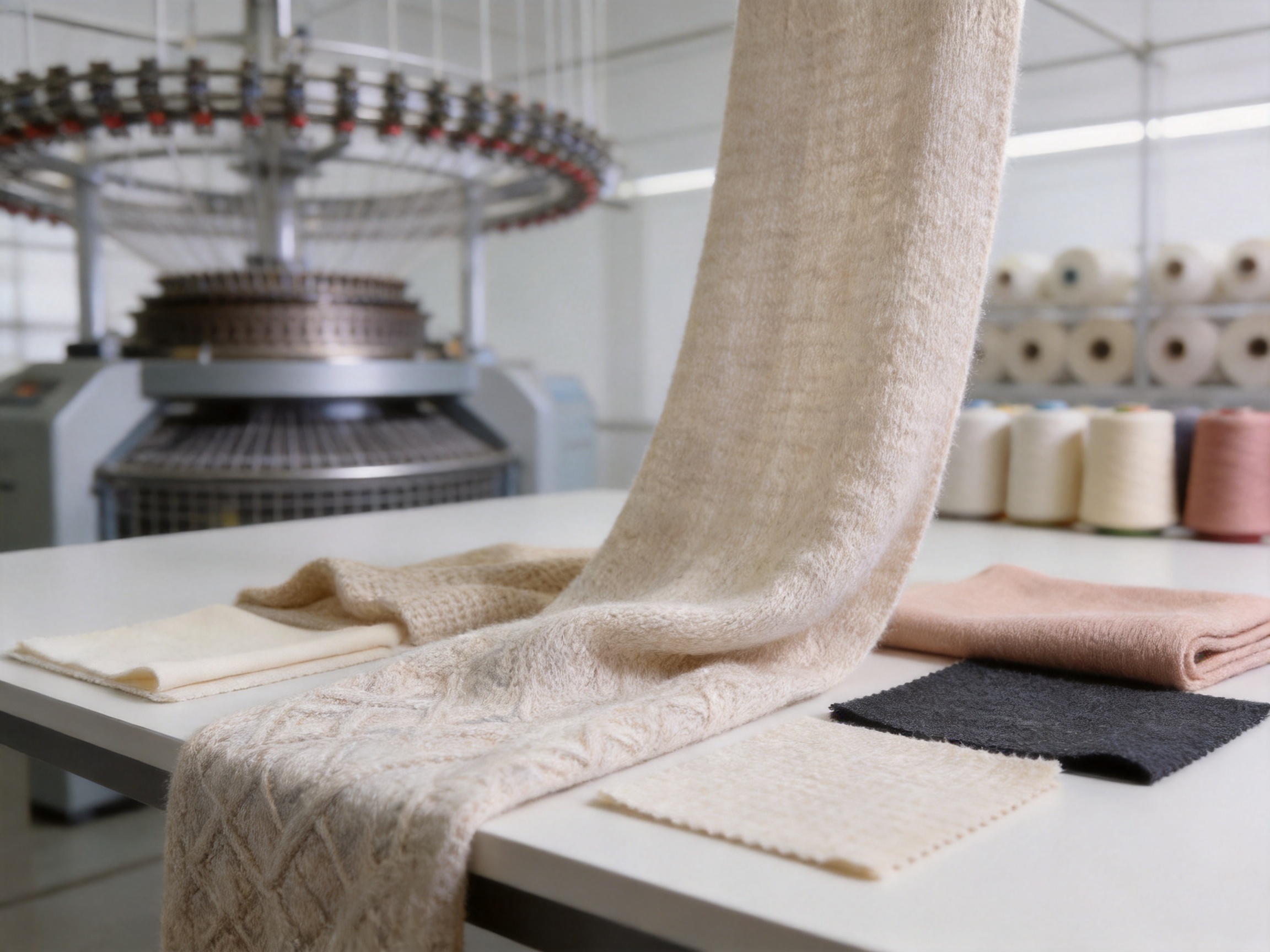
Purchasing decisions should begin with the final fabric rather than with yarn price alone. Buyers should define the intended machine, fabric construction, weight, stretch requirement, hand, luster, color, finishing process, and performance expectations.
| Evaluation Item | Why It Matters | Purchasing Recommendation |
|---|---|---|
| Yarn linear density | Influences fabric weight, coverage, and handle | Match the denier to the machine and fabric design |
| Filament count | Affects softness, surface uniformity, and bulk | Choose according to the required hand and appearance |
| Intermingling level | Controls filament cohesion and flexibility | Use slight intermingling when softness and stable running are both required |
| Luster | Changes brightness and visual effect | Confirm bright, semi-dull, or other appearance requirements |
| Color format | Determines the dyeing and shade-control process | Confirm raw white, dope-dyed, or piece-dyed production |
| Package format | Affects unwinding and machine compatibility | Specify package weight, winding type, and customer equipment |
| Strength and elongation | Influence processing stability and fabric durability | Set acceptable ranges according to the application |
| Shrinkage and recovery | Influence dimensional stability and stretch behavior | Evaluate together with fabric heat setting and finishing |
| Packaging and labeling | Support traceability and safe transport | Confirm lot identification, carton details, and moisture protection |
Denier and Filament Count
Linear density and filament count should be considered together. A yarn with a larger total denier may create a heavier or fuller fabric, while a finer multifilament yarn may offer a softer and smoother touch. The best choice depends on fabric gauge, stitch density, machine speed, and desired end use.
Luster Selection
Luster can strongly influence the character of the finished fabric. Bright yarns can create a more reflective appearance, while semi-dull or dull yarns can provide a quieter and more sophisticated surface. Color, fabric structure, and finishing can further change the visual effect.
Color and Lot Management
Color consistency is critical for commercial textile production. Buyers should establish shade standards, sample approval methods, acceptable tolerance, and lot separation procedures in advance. Each shipment should be labeled clearly so that production teams can trace material to its source and manufacturing batch.
Packaging and Storage
Yarn packages should be protected from dust, crushing, excessive heat, and direct sunlight. Proper storage helps preserve package shape and unwinding performance. Customers should avoid placing heavy loads on yarn cartons and should allow materials to acclimatize to the production environment when necessary.
Quality Assurance for International Buyers
International buyers usually require clear specifications and reliable documentation. A professional purchasing process should define the product name, yarn type, denier, filament count, intermingling level, luster, color, package weight, quantity tolerance, inspection method, packaging, and shipping marks.
Pre-production samples can help confirm whether the yarn is suitable for the customer’s machinery and fabric design. Sample knitting or weaving is particularly useful when the order involves a new specification, a new color, or a new blend.
Laboratory testing can be arranged according to the customer’s quality program. Common evaluations include yarn count, strength, elongation, evenness, crimp, shrinkage, intermingling, appearance, and color. Fabric trials may additionally assess weight, width, stretch, recovery, pilling, washing behavior, colorfastness, and dimensional change.
Quality control should be understood as a cooperative process. The supplier is responsible for manufacturing according to the confirmed specification, while the buyer must provide accurate application information and clear acceptance criteria. Open communication can prevent misunderstandings and reduce unnecessary rework.
Environmental and Operational Considerations
Polyester yarn is a synthetic material, and responsible textile production requires attention to energy use, process efficiency, waste reduction, and chemical management. Stable production can help reduce rejected packages, defective fabric, and unnecessary resource consumption.
Improved process control can also support more efficient use of compressed air, heating systems, and production time. Accurate winding and packaging reduce handling loss, while coordinated yarn and fabric development can lower the risk of unsuitable material being produced.
Customers increasingly evaluate not only product performance but also the supplier’s operational discipline. Clear material records, controlled production conditions, responsible storage, and transparent communication are all important elements of a dependable supply relationship.
Where recycled polyester, certified materials, or specific environmental standards are required, buyers should discuss these requirements before quotation and production. Material origin, certification, testing, and labeling should be confirmed based on the actual order rather than assumed.
Why Choose a Specialized Supplier
A specialized supplier can offer more than access to a standard yarn catalog. The supplier can help customers select a practical specification, identify potential processing risks, and connect yarn properties with finished-fabric requirements.
Hangzhou Jinfeng Textile Co., Ltd. has experience in DTY polyester yarn production as well as blended fabric manufacturing, post-dyeing, finishing, and sales. This combination differentiates the company from suppliers focused only on trading or a single processing stage.
The company’s location in Hangzhou’s Xiaoshan textile manufacturing area provides access to an established industrial environment and a broad textile supply chain. Its export-oriented business model also indicates experience in serving customers outside the domestic market.
Its product portfolio allows customers to discuss related materials through one organization. A buyer interested in DTY polyester yarn may also require polyester rayon fabric, knitted jacquard fabric, NTR knitted fabric, or NR knitted fabric. Coordinating these needs with one experienced textile partner can simplify communication and product development.
The company’s stated focus on cooperation and mutual benefit is consistent with the requirements of long-term textile sourcing. Reliable service means responding to technical questions, maintaining consistent quality, supporting sample evaluation, and addressing production issues professionally.
Practical Guide to Product Development
Step One: Define the End Use
Begin by identifying whether the yarn will be used for apparel, sportswear, home textiles, decorative fabrics, or another application. End use determines the importance of softness, strength, stretch, coverage, color, abrasion resistance, and care performance.
Step Two: Confirm the Fabric Structure
Specify whether the product will be knitted, woven, or blended with other materials. Include information about machine gauge, fabric density, width, target weight, and finishing. These details help the supplier recommend a more appropriate yarn construction.
Step Three: Select Yarn Parameters
Choose denier, filament count, luster, color format, intermingling level, and package type. If the final specification is uncertain, begin with a sample program and evaluate the yarn in a representative fabric.
Step Four: Conduct a Production Trial
A trial should use the actual or equivalent knitting or weaving equipment. Monitor unwinding, tension, breakage, fabric appearance, dyeing behavior, and finishing response. Trial results are more informative than laboratory data alone because they reveal how the yarn behaves in a real production environment.
Step Five: Establish Acceptance Criteria
After the sample is approved, document the agreed technical requirements. Include test methods, tolerances, packaging, labeling, and inspection procedures. This document should be used for future orders to support consistent quality.
Step Six: Review Commercial Performance
After production, evaluate not only the yarn price but also machine efficiency, defect rates, fabric yield, processing time, and customer feedback. A material that performs consistently can provide greater commercial value than a lower-priced material with unstable quality.
Frequently Asked Questions
What is Slight Intermingled Draw Textured Yarn?
It is a textured polyester filament yarn with a controlled, relatively light level of air-jet intermingling. The texturing process provides bulk and softness, while intermingling helps maintain filament cohesion during downstream processing.
How is it different from ordinary polyester filament yarn?
Ordinary flat polyester filament is generally smoother and more compact. Slight Intermingled Draw Textured Yarn has a textured structure that can provide greater bulk, softness, coverage, and a more textile-like appearance.
What does DTY mean?
DTY means Drawn Textured Yarn. It is typically produced by drawing and texturing a polyester filament feed yarn to create a crimped and more flexible yarn structure.
What does intermingling do?
Intermingling creates localized entanglement points among the filaments. These points help keep the yarn bundle together and can improve processing stability during knitting, weaving, winding, and other operations.
Why choose slight intermingling instead of heavy intermingling?
Slight intermingling can provide a balance between cohesion and softness. It is useful when the yarn must remain stable during processing without becoming excessively firm or compact.
Can this yarn be used for knitted fabrics?
Yes. It can be used for suitable knitted constructions, including apparel fabrics, sportswear, decorative knits, and knitted jacquard products. The denier, filament count, and machine settings should be matched to the fabric design.
Can it be used in blended fabrics?
Yes. DTY polyester yarn can be combined with rayon, cotton, spandex, and other fibers. The blend ratio and finishing conditions should be confirmed through development trials because different fibers may have different dyeing and shrinkage behavior.
What product information should buyers provide?
Buyers should provide the intended application, fabric type, yarn denier, filament count, luster, color, package format, quantity, delivery requirements, and any testing or certification requirements.
Does the company supply fabric as well as yarn?
Yes. The company’s product range includes DTY polyester yarn and several fabric categories, including polyester rayon fabric, knitted jacquard fabric, NTR knitted fabric, and NR knitted fabric.
Can a sample be requested before bulk production?
A sample or trial order is recommended, especially for new applications, new colors, or blended fabric development. Buyers should discuss sample requirements, testing, and approval procedures with the supplier before placing a commercial order.
How should the yarn be stored?
Store the yarn in a clean, dry, well-ventilated area away from direct sunlight, excessive heat, moisture, and heavy pressure. Keep packages in their protective packaging until they are needed for production.
What makes a DTY supplier reliable?
Important factors include consistent raw materials, controlled texturing and intermingling, stable winding, inspection procedures, traceability, responsive communication, practical fabric knowledge, and the ability to support customers after delivery.
Conclusion
Slight Intermingled Draw Textured Yarn provides a balanced solution for textile manufacturers seeking the benefits of textured polyester filament with controlled yarn cohesion. Its combination of softness, bulk, flexibility, coverage, durable performance, and stable processing makes it suitable for a broad range of knitted, woven, blended, apparel, sportswear, and home textile products.
The greatest value of the product comes from the relationship between yarn design and manufacturing control. Drawing, texturing, air-jet intermingling, winding, inspection, and packaging must work together to produce a reliable commercial yarn. A slight intermingling level must be carefully managed so that cohesion is improved without sacrificing the soft and flexible character required by many modern fabrics.
Hangzhou Jinfeng Textile Co., Ltd. brings together DTY polyester yarn production, blended fabric manufacturing, post-dyeing, finishing, research and development, and sales. Its approximately 18,000-square-meter plant and broader textile product portfolio support an integrated approach to customer service and product development.
For buyers, the most effective sourcing process is to define the final application, confirm technical parameters, conduct representative trials, establish quality criteria, and evaluate total production value. With appropriate specification and professional process control, Slight Intermingled Draw Textured Yarn can help manufacturers improve fabric appearance, processing efficiency, product consistency, and market competitiveness.
References
1. Textile Institute, Textile Terms and Definitions, terminology related to filament yarns, texturing, knitting, weaving, and finishing.
2. A. K. Sen, Coated Textiles: Principles and Applications, technical discussion of textile fibers, yarn structures, and performance properties.
3. J. E. McIntyre and P. R. B. W. Smith, Handbook of Textile Fibres, general reference on synthetic fibers and textile processing.
4. Textile Research Journal, technical studies concerning polyester filament yarn, false-twist texturing, filament cohesion, and fabric performance.
5. International textile testing practices concerning yarn linear density, tensile properties, elongation, evenness, shrinkage, colorfastness, and dimensional stability.
6. Product and company information supplied for Hangzhou Jinfeng Textile Co., Ltd., including DTY polyester yarn, blended fabrics, knitted jacquard fabric, NTR knitted fabric, NR knitted fabric, manufacturing facilities, and business capabilities.