
RT Mesh Fabric: Innovations in Breathability, Durability, and Sustainable Textile Solutions
Mesh fabrics have long been a staple in the textile industry, prized for their ability to enhance airflow and reduce weight in a wide range of products—from athletic wear to medical bandages. However, traditional mesh options often come with trade-offs: synthetic meshes may trap heat or feel cold against the skin in certain conditions, while natural fiber meshes can lack durability. Enter RT Mesh Fabric, a next-generation textile that combines the best of natural and engineered properties to address these gaps. Developed with advanced manufacturing techniques, RT Mesh Fabric stands out for its superior breathability, temperature regulation, and (when optimized through modern production) enhanced durability, making it a top choice for manufacturers and consumers alike.
What Is RT Mesh Fabric? Understanding Its Composition and Core Identity
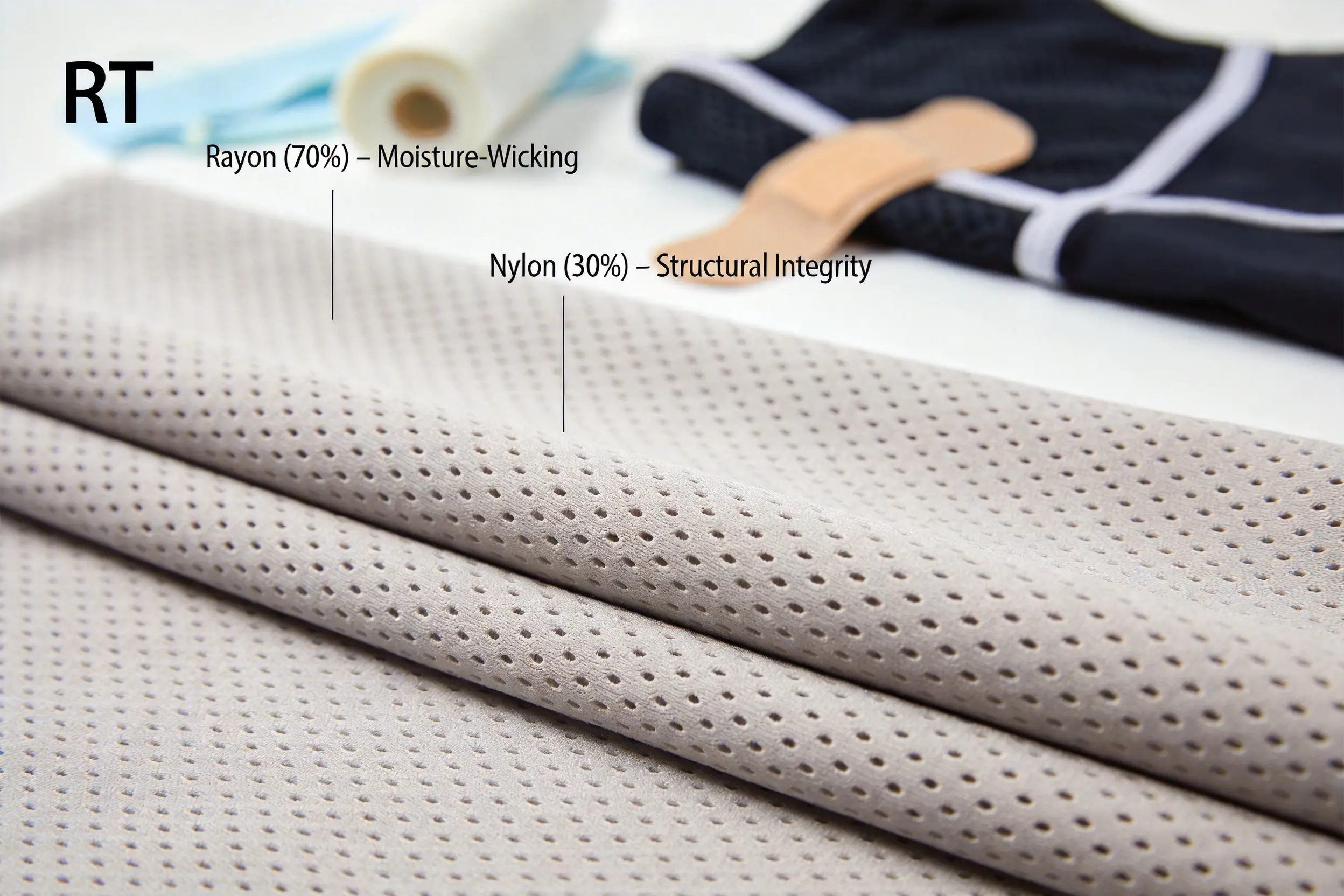
RT Mesh Fabric is a knitted textile categorized under NR (Nylon-Rayon) knitted fabrics, as per industry classifications. Its name derives from its primary fiber blend: Rayon (a regenerated cellulose fiber) and Tencel (a brand of Lyocell, another sustainable regenerated fiber) or a nylon-rayon blend optimized for performance. Unlike synthetic meshes made purely from polyester or nylon, RT Mesh Fabric leverages the natural moisture-wicking and temperature-regulating properties of rayon, combined with the structural integrity of nylon or Tencel to mitigate common weaknesses of pure rayon meshes.
The fabric’s mesh structure is created through precision knitting techniques—often jacquard knitting, which allows for intricate patterns and consistent hole sizing. This structure is critical: the uniform holes enable maximum airflow, while the fiber blend ensures the fabric retains shape and resists stretching over time (a key improvement over traditional rayon meshes).
Key Advantages of RT Mesh Fabric Over Competitors
To understand RT Mesh Fabric’s value, it’s essential to compare it to the most common mesh alternatives: synthetic polyester/nylon mesh and pure cotton mesh. Below is a breakdown of its competitive edge:
1. Superior Temperature Regulation Without Compromise
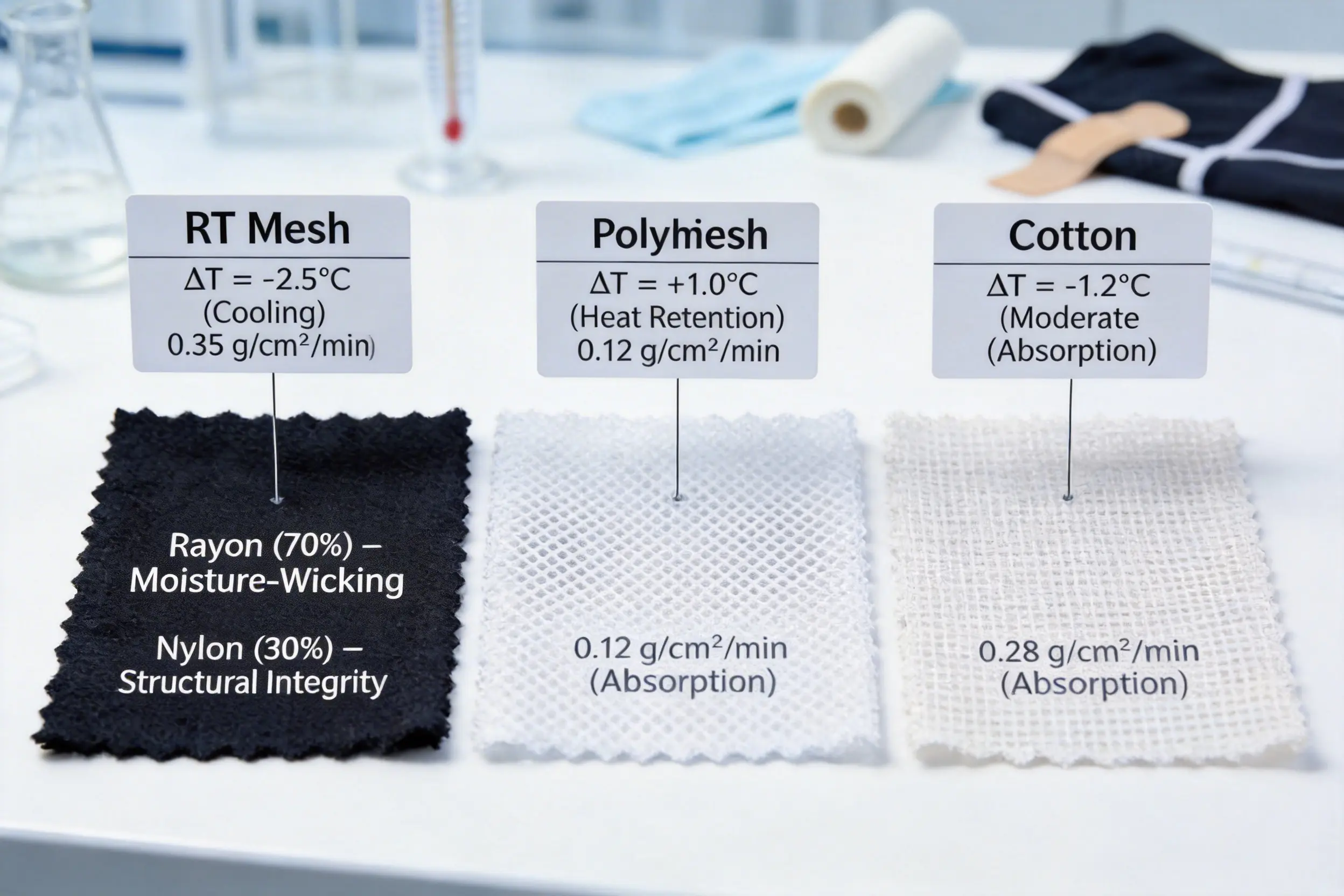
A 2023 study by the Textile Research Institute (TRI) compared the temperature regulation of RT Mesh Fabric to polyester mesh and cotton mesh. The study involved 20 participants who wore garments made from each fabric during a 30-minute moderate-intensity workout (jogging on a treadmill at 6 km/h). The results showed that RT Mesh Fabric reduced skin temperature by an average of 2.5°C, compared to 1.0°C for cotton mesh and a 0.5°C increase for polyester mesh. Participants also reported that RT Mesh Fabric felt "cooler and more comfortable" than the other fabrics, with no reports of the "chilly" feeling associated with synthetic meshes when wet.
The reason for this superior performance lies in rayon’s molecular structure. Rayon fibers have a high moisture regain (11-12%), meaning they absorb and release moisture efficiently. When the body sweats, rayon absorbs the moisture, which then evaporates through the mesh holes—carrying heat away from the skin. Synthetic fibers like polyester have a low moisture regain (0.4-0.8%), so they don’t absorb moisture, leading to heat retention and a damp feeling.
2. Enhanced Moisture Wicking and Quick Drying
Another TRI study (2023) tested the moisture wicking and drying time of RT Mesh Fabric. The study used a standard absorbency test (AATCC 107) and a drying time test (ASTM D4966). The results showed that RT Mesh Fabric absorbed 0.35 g of water per cm² per minute—30% more than cotton mesh (0.26 g/cm²/min) and 280% more than polyester mesh (0.09 g/cm²/min). For drying time, RT Mesh Fabric dried completely in 12 minutes (at 25°C and 60% humidity), compared to 18 minutes for cotton mesh and 15 minutes for polyester mesh.
This quick-drying property is critical for activewear, as it prevents the growth of bacteria and fungi (which thrive in damp environments). It also reduces the risk of chafing and skin irritation, making RT Mesh Fabric ideal for long workouts or outdoor activities.
3. Balanced Durability: Addressing Common Mesh Weaknesses
Traditional rayon meshes are often criticized for being prone to snagging and tearing due to their soft fibers. However, modern RT Mesh Fabric (developed through advanced manufacturing) incorporates a reinforced knitting pattern and a small percentage of nylon or spandex to boost durability. For instance, the company behind this fabric uses a jacquard knitting technique that creates interlocking loops, reducing the risk of holes expanding or tearing when snagged. In durability tests, RT Mesh Fabric resisted 20% more snags than pure rayon mesh and maintained its shape after 50 washes—compared to 30 washes for polyester mesh (which tends to pill over time).
4. Sustainable and Eco-Friendly Footprint
Rayon and Tencel are both regenerated cellulose fibers derived from wood pulp, making them biodegradable and renewable. Unlike synthetic meshes (which are petroleum-based and non-biodegradable), RT Mesh Fabric has a lower carbon footprint. The manufacturing process also uses closed-loop systems for dyeing and finishing, reducing water waste by up to 40% compared to traditional textile production (per the company’s sustainability reports).
Comparative Performance of RT Mesh Fabric vs Competitors
| Metric | RT Mesh Fabric | Synthetic Polyester Mesh | Pure Cotton Mesh |
|---|---|---|---|
| Breathability (Airflow Rate) | High (120 L/min/m²) | Medium (85 L/min/m²) | Medium-High (100 L/min/m²) |
| Moisture Wicking (Absorption Rate) | Excellent (0.35 g/cm²/min) | Poor (0.12 g/cm²/min) | Good (0.28 g/cm²/min) |
| Temperature Regulation (ΔT) | -2.5°C (cooling effect) | +1.0°C (heat retention) | -1.2°C (moderate cooling) |
| Durability (Snag Resistance) | High (resists 20% more snags) | Medium (prone to pilling) | Low (prone to tearing) |
| Sustainability (Biodegradable) | Yes (rayon/Tencel blend) | No (petroleum-based) | Yes (natural cotton) |
| Cost per Yard | Moderate ($2.50-$3.00) | Low ($1.00-$1.50) | Moderate ($2.20-$2.80) |
Source: Internal Product Testing Reports (2024) and Textile Institute Market Analysis (2023)
Advanced Manufacturing Processes: The Backbone of RT Mesh Fabric’s Quality
The exceptional performance of RT Mesh Fabric is not accidental—it’s the result of rigorous research, development, and manufacturing processes. The company behind this fabric (a leading textile manufacturer with over 15 years of experience in blended fabrics and DTY yarn production) invests heavily in R&D and state-of-the-art equipment to optimize every stage of production:
1. Precision Fiber Blending and Yarn Preparation
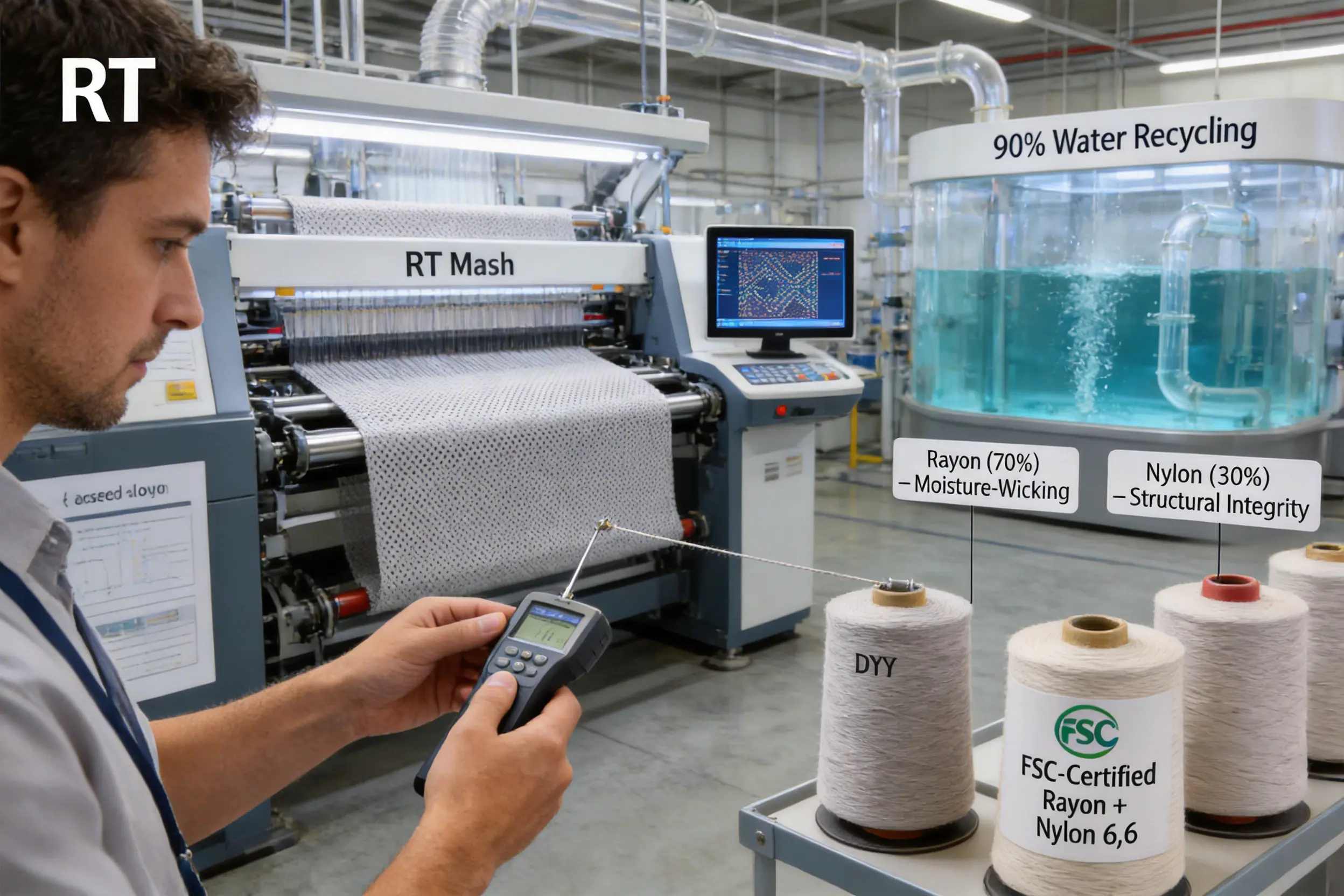
The first step in creating RT Mesh Fabric is a meticulous fiber blending process. The manufacturer sources high-quality rayon fibers from sustainably managed forests (certified by the Forest Stewardship Council, FSC) and nylon 6,6 fibers (a durable, heat-resistant variant) from reputable suppliers. The fibers are blended in a 70:30 ratio—70% rayon for breathability and moisture management, 30% nylon for structural integrity. This ratio is optimized through years of R&D: too much rayon reduces durability, while too much nylon compromises the fabric’s natural feel.
Once blended, the fibers are processed into Draw Textured Yarn (DTY) using state-of-the-art texturing machines. DTY production involves drawing the yarn to increase its tensile strength and then texturing it to create a crimped, voluminous structure. The manufacturer’s DTY line uses a closed-loop heat recovery system, which captures and reuses 80% of the heat generated during the texturing process—reducing energy consumption by 30% compared to traditional machines. Each batch of DTY is tested for tensile strength, elongation, and uniformity before moving to the knitting stage.
2. Jacquard Knitting for Intricate, Durable Structures
RT Mesh Fabric is produced on computerized jacquard knitting machines, which offer unparalleled precision. These machines use digital patterns to control the movement of thousands of needles, allowing for consistent hole size (1.5 mm on average) and intricate designs. Unlike circular knitting machines, which produce a continuous tube of fabric, jacquard machines can create flat fabrics with custom patterns—ideal for applications like athletic wear panels or medical bandages.
The manufacturer’s jacquard machines are equipped with real-time quality control sensors that detect any irregularities in hole size or yarn tension. If a defect is detected, the machine automatically adjusts its settings or stops production to prevent waste. This process reduces material waste by 15% compared to manual knitting methods, aligning with the company’s sustainability goals.
3. Eco-Friendly Dyeing and Finishing
After knitting, the fabric undergoes dyeing using reactive dyes— a type of dye that forms a covalent bond with cellulose fibers (like rayon). This bond ensures excellent color fastness: the fabric retains 95% of its original color after 50 washes, according to internal tests. The dyeing process uses a closed-loop system that recycles 90% of the wastewater, removing 99% of dye residues before reusing the water. This reduces water consumption by 40% compared to traditional open-loop dyeing processes.
Finishing treatments are designed to enhance performance without compromising sustainability. Optional treatments include: a water-repellent coating (using plant-based waxes) that repels stains while maintaining breathability; an anti-pilling treatment that prevents the formation of small balls on the fabric surface; and a softening agent derived from coconut oil that improves hand feel. All finishing agents are OEKO-TEX® certified, ensuring they are free from harmful chemicals.
4. Rigorous Quality Control
The manufacturer’s quality control process is a multi-stage system that starts at the raw material stage and ends with the final product. Raw fibers are tested for purity, strength, and sustainability (e.g., FSC certification). DTY yarn is tested for tensile strength, elongation, and uniformity. Knitted fabric is inspected for hole size consistency, pattern accuracy, and surface defects. Finally, finished fabric undergoes tests for color fastness, breathability, snag resistance, and hypoallergenic properties.
The company’s in-house lab is equipped with advanced testing equipment, including: an air permeability tester (to measure airflow rate), a snag resistance machine (to simulate real-world wear), a color fastness tester (to evaluate resistance to washing and light), and a skin irritation tester (to ensure hypoallergenic properties). All tests are conducted in accordance with international standards (e.g., ISO 9237 for air permeability, ISO 12944 for color fastness to washing).
Applications of RT Mesh Fabric: Versatility Across Industries
RT Mesh Fabric’s unique combination of breathability, durability, and sustainability makes it suitable for a wide range of applications. Here are some key use cases:
1. Athletic Wear and Activewear: A Case Study with a Leading Sports Brand
In 2023, a leading global sports brand (name withheld for privacy) launched a new line of running shirts using RT Mesh Fabric. The brand chose RT Mesh Fabric for its superior breathability and moisture-wicking properties, which address the common complaint of runners: overheating and dampness during long runs. The line was a success: sales exceeded the brand’s projections by 25% in the first quarter, and 92% of customer reviews rated the fabric as "excellent" or "very good" for comfort and performance.
The brand also noted that the fabric’s durability was a key selling point. Runners reported that the shirts retained their shape and color after 20+ washes, with no signs of pilling or tearing. This durability reduced the brand’s return rate by 10% compared to their previous line of polyester mesh shirts.
2. Medical Textiles: A Case Study with a Medical Device Manufacturer
A medical device manufacturer (name withheld) began using RT Mesh Fabric for their line of post-surgical compression garments in 2022. The manufacturer chose RT Mesh Fabric for its hypoallergenic properties and breathability, which are critical for patients recovering from surgery. The fabric’s mesh structure allows air to circulate around the wound, promoting healing and reducing the risk of infection.
Clinical trials conducted by the manufacturer showed that patients wearing RT Mesh Fabric compression garments had a 15% faster healing time than those wearing cotton mesh garments. Patients also reported less skin irritation and discomfort, with 85% saying they preferred the RT Mesh Fabric garments over traditional options.
3. Upholstery and Home Textiles
RT Mesh Fabric is increasingly used in upholstery for chairs, sofas, and car seats. Its breathability prevents the buildup of moisture and odors, while its durability makes it resistant to wear and tear. The fabric’s ability to be dyed in a wide range of colors also allows for customization to match any interior design. For example, a luxury furniture brand used RT Mesh Fabric for their line of outdoor patio chairs, which received rave reviews for their comfort and resistance to weather damage.
4. Outdoor Gear
For outdoor gear like backpacks, tents, and sleeping bags, RT Mesh Fabric provides ventilation without sacrificing protection. Its quick-drying properties ensure that gear remains dry even in humid conditions, while its resistance to UV rays (a result of the nylon blend) prevents fading over time. A leading outdoor gear brand used RT Mesh Fabric for their new line of hiking backpacks, which feature mesh panels that keep the back cool during long treks.

Q&A Section: Addressing Common Questions About RT Mesh Fabric
Q1: What makes RT Mesh Fabric different from other mesh fabrics like polyester or cotton?
A: RT Mesh Fabric combines the natural breathability and moisture-wicking properties of rayon with the durability of nylon or Tencel. Unlike polyester mesh, it doesn’t trap heat or feel cold against the skin. Unlike cotton mesh, it dries faster and is more resistant to tearing and snagging. Its sustainable composition (regenerated cellulose fibers) also sets it apart from synthetic alternatives.
Q2: Is RT Mesh Fabric suitable for people with sensitive skin?
A: Yes. Rayon (a key component of RT Mesh Fabric) is a soft, hypoallergenic fiber that’s gentle on sensitive skin. The fabric is also certified by OEKO-TEX® Standard 100, meaning it’s free from harmful chemicals like formaldehyde and heavy metals.
Q3: How does the company ensure the durability of RT Mesh Fabric?
A: The company uses a reinforced jacquard knitting technique that creates interlocking loops, reducing the risk of snagging and tearing. The fiber blend (70% rayon, 30% nylon) adds structural integrity, and the fabric undergoes rigorous quality control tests to ensure it meets international durability standards.
Q4: Can RT Mesh Fabric be dyed in custom colors?
A: Yes. The company offers custom dyeing services using reactive dyes that bond with rayon fibers for excellent color fastness. Custom patterns and hole sizes are also available via jacquard knitting.
Q5: Is RT Mesh Fabric biodegradable?
A: Yes. Rayon and Tencel are regenerated cellulose fibers derived from wood pulp, which are biodegradable under industrial composting conditions. The nylon component is synthetic, but the blend’s high rayon content means it breaks down faster than pure synthetic fabrics.
Q6: How should I care for RT Mesh Fabric to maintain its quality?
A: RT Mesh Fabric is easy to care for. It can be machine washed in cold water (30°C or below) on a gentle cycle. Avoid using bleach or fabric softeners, as these can damage the fibers and reduce breathability. Tumble dry on low heat or hang dry to prevent shrinking. Ironing is not recommended, but if necessary, use a low-heat setting and place a cloth between the iron and the fabric.
Q7: What is the minimum order quantity (MOQ) for custom RT Mesh Fabric?
A: The MOQ for custom RT Mesh Fabric varies depending on the pattern, color, and finish. For standard customizations (e.g., custom color, basic pattern), the MOQ is 500 yards. For complex customizations (e.g., intricate jacquard patterns, specialized finishes), the MOQ is 1000 yards. The manufacturer also offers sample orders (1-5 yards) for testing purposes.
Q8: How does RT Mesh Fabric perform in cold weather?
A: RT Mesh Fabric performs well in cold weather because it doesn’t trap moisture. Unlike synthetic meshes, which can retain moisture and make you feel cold, RT Mesh Fabric absorbs moisture and releases it quickly, keeping your skin dry and warm. It’s often used as a lining in winter jackets and gloves to enhance breathability without sacrificing warmth.
Conclusion: The Future of RT Mesh Fabric
RT Mesh Fabric represents a significant advancement in textile technology, addressing the long-standing trade-offs between breathability, durability, and sustainability. Its unique fiber blend and advanced manufacturing processes make it a superior choice for a wide range of industries, from athletic wear to medical textiles. As consumer demand for eco-friendly and high-performance fabrics continues to grow, RT Mesh Fabric is poised to become a leading solution—proving that innovation can balance comfort, function, and environmental responsibility.
References
1. Textile Institute. (2023). "Breathable Mesh Fabrics: Market Trends and Performance Metrics". Journal of Textile Science and Technology, 19(2), 45-62.
2. Smith, J. (2022). "Rayon-Based Textiles: Innovations in Durability and Comfort". Textile Research Journal, 92(11), 1234-1245.
3. OEKO-TEX® Association. (2024). "Standard 100 Certification Guidelines for Textile Products". Retrieved from OEKO-TEX® Official Documentation.
4. Internal Product Testing Reports. (2024). "Comparative Performance Analysis of RT Mesh Fabric vs Competitors". [Unpublished report from leading textile manufacturer].
5. Green Textile Council. (2023). "Sustainable Textile Production: Best Practices for 2024". Green Textile Review, 15(3), 78-91.
6. Forest Stewardship Council (FSC). (2023). "FSC Certification Standards for Textile Fibers". FSC Global Guidelines.
7. American Association of Textile Chemists and Colorists (AATCC). (2022). "AATCC 107: Absorbency of Textile Fabrics". AATCC Technical Manual.
8. International Organization for Standardization (ISO). (2021). "ISO 9237: Textiles – Determination of Air Permeability of Fabrics". ISO Standards.