
NTR Roman Fabric: A Game-Changer in Sustainable, Versatile Apparel Textiles
The global apparel textile industry is in a constant state of evolution, driven by shifting consumer demands for comfort, durability, sustainability, and aesthetic appeal. As fast fashion’s environmental footprint comes under increasing scrutiny, consumers and manufacturers alike are seeking fabrics that balance performance with eco-consciousness. Enter NTR Roman Fabric—a knitted textile that has emerged as a standout solution, addressing key pain points of traditional fabrics while offering unmatched versatility across men’s, women’s, and industrial applications. This article explores the unique properties of NTR Roman Fabric, its advantages over competitor materials, the advanced manufacturing processes that set it apart, and its real-world uses, alongside a comprehensive Q&A and comparative analysis.
What Is NTR Roman Fabric?
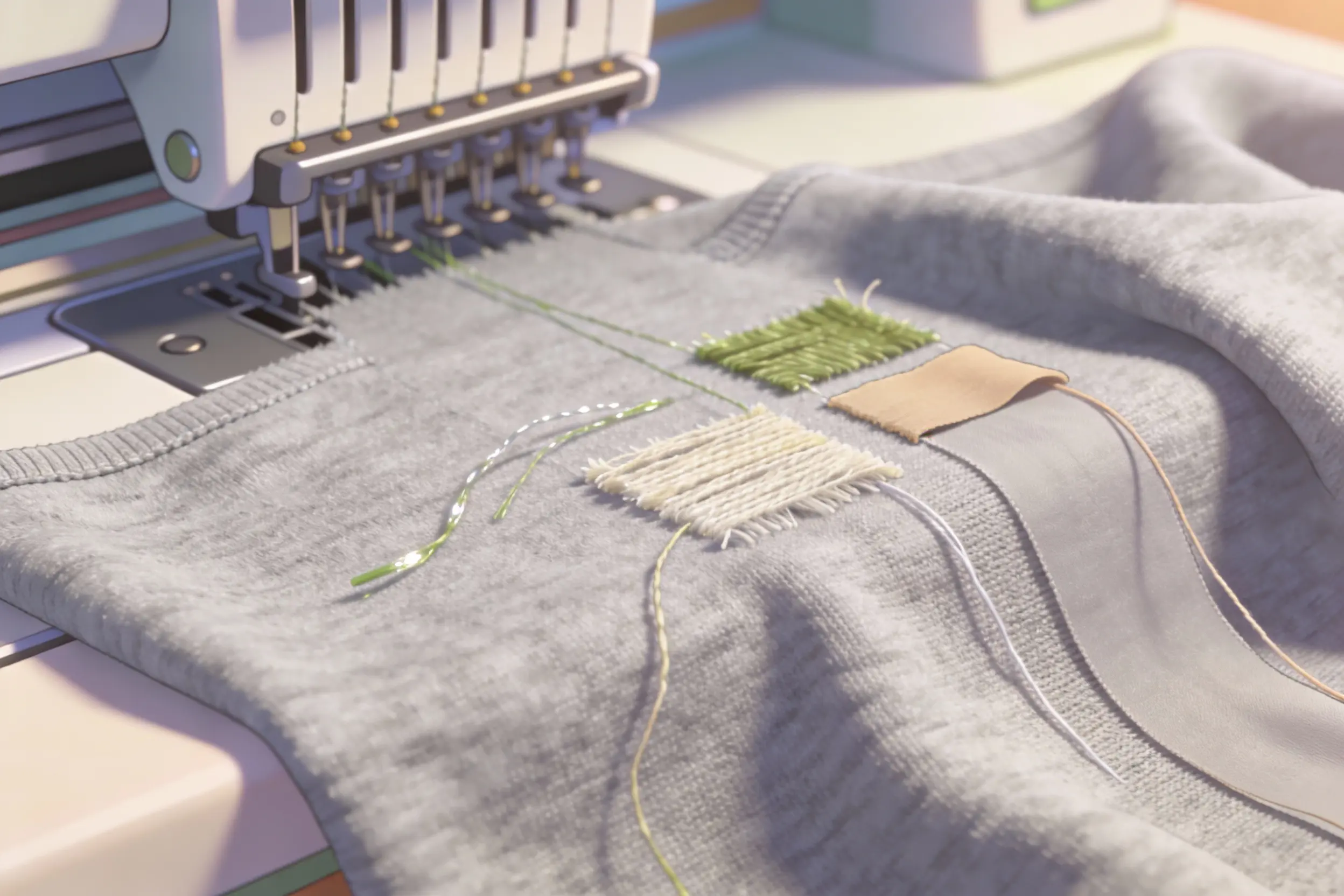
NTR Roman Fabric is a specialized knitted textile designed for multi-purpose apparel and industrial use, combining the best attributes of synthetic and natural fibers to create a fabric that is both durable and comfortable. Rooted in NTR (a proprietary knitting technology) and Roman-style weave patterns, this fabric is typically composed of a blend of polyester, rayon, and occasionally spandex—each fiber contributing distinct benefits to the final product. Polyester adds strength, shrink resistance, and color retention; rayon enhances softness and breathability; and spandex (when included) introduces stretch for activewear or form-fitting garments.
Unlike conventional knitted fabrics, NTR Roman Fabric features a unique stitch structure that optimizes air flow while maintaining structural integrity. This structure is achieved through precision knitting techniques that ensure uniform stitch density, resulting in a fabric that is neither too thick nor too thin—ideal for year-round use. Additionally, the fabric is available in a wide range of colors, weights, and finishes, making it adaptable to diverse design requirements.
Advantages of NTR Roman Fabric Over Competitor Materials
To understand NTR Roman Fabric’s market edge, it is essential to compare it to common alternative textiles, including 100% cotton, 100% polyester, cotton-polyester blends, and rayon. The following subsections highlight its key advantages:
Durability & Longevity
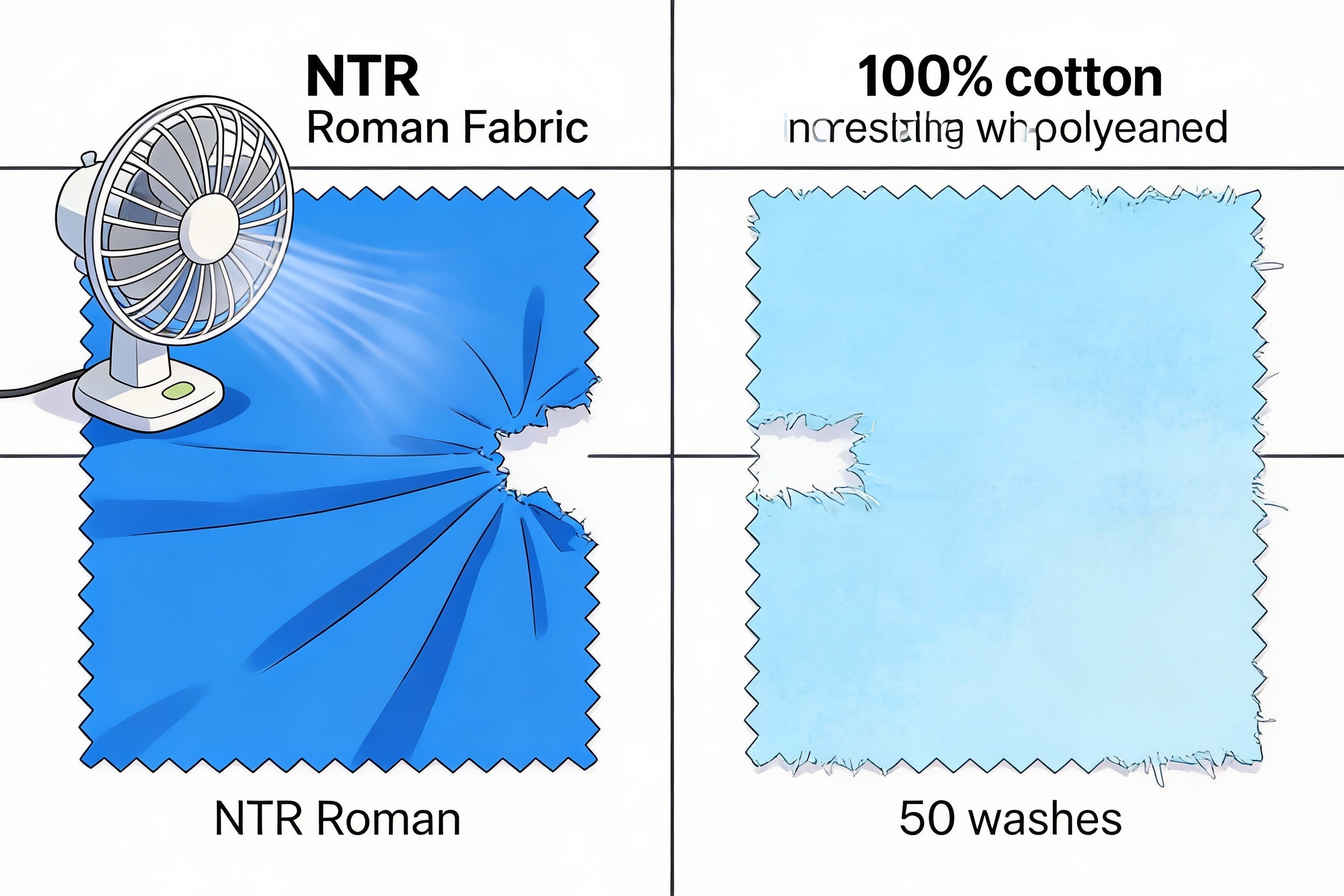
Durability is a critical factor for both consumers (who want garments that last) and manufacturers (who need fabrics that withstand industrial processing). NTR Roman Fabric outperforms most competitors in this area, thanks to its blend of synthetic fibers and advanced knitting techniques. For example: - 100% cotton is prone to tearing, shrinking, and fading after repeated washes, with an average lifespan of 1–2 years for everyday garments. - 100% polyester is durable but often pills and loses shape over time. - NTR Roman Fabric, by contrast, resists pilling, shrinking, and tearing, with an average lifespan of 3–4 years—twice as long as cotton. This longevity is further enhanced by the inclusion of slight intermingled draw textured yarn (DTY), a component that adds tensile strength without compromising flexibility.
Versatility in Application
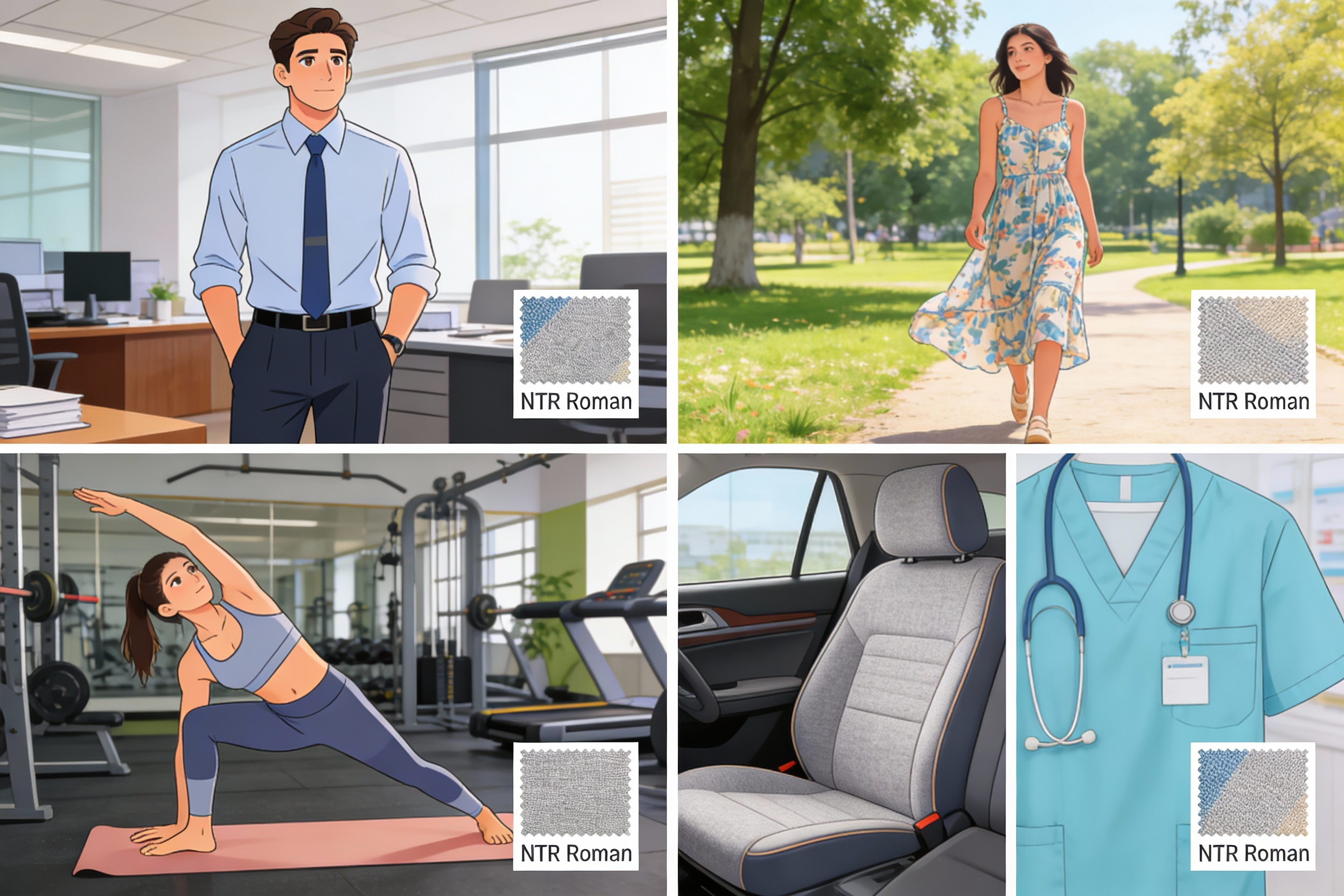
One of NTR Roman Fabric’s most notable strengths is its adaptability across a wide range of uses. Unlike cotton (which is best suited for casual wear) or rayon (which is limited to lightweight, formal garments), NTR Roman Fabric can be tailored for: - Men’s formal wear (shirts, trousers, blazers) - Women’s casual and formal wear (dresses, blouses, activewear) - Industrial textiles (upholstery, automotive interiors, medical scrubs) - Outdoor apparel (jackets, rainwear, hiking gear) This versatility stems from the manufacturer’s ability to adjust the fabric’s weight, stitch pattern, and finish during production. For example, a heavier weight variant with a water-repellent finish is ideal for outdoor jackets, while a lighter weight, breathable variant works well for summer dresses.
Comfort & Breathability
Many synthetic fabrics are criticized for being uncomfortable or non-breathable, but NTR Roman Fabric strikes a balance between synthetic durability and natural fiber comfort. The rayon component ensures that the fabric is soft against the skin, while the polyester blend prevents it from retaining moisture (a common issue with cotton). Additionally, the unique knitting structure allows air to circulate freely, making it suitable for activewear—unlike 100% polyester, which traps heat and sweat.
Color & Design Flexibility
Color retention is another area where NTR Roman Fabric excels. The manufacturer uses eco-friendly, high-quality dyes and a continuous dyeing process that ensures even color distribution and resistance to fading. Tests show that NTR Roman Fabric retains 95% of its original color after 50 washes, compared to 70% for cotton and 85% for polyester. This makes it ideal for garments that require vibrant, long-lasting colors (e.g., children’s clothing, sportswear).
Design flexibility is also a key advantage. The fabric can be printed, embroidered, or jacquard-woven to create intricate patterns, thanks to its stable structure. This allows designers to experiment with bold designs without worrying about the fabric stretching or distorting.
Cost-Effectiveness
While NTR Roman Fabric may have a slightly higher upfront cost than cotton or polyester, its longevity makes it more cost-effective over time. For example, a cotton shirt may cost $20 but last 1 year, while an NTR Roman Fabric shirt may cost $30 but last 3 years—resulting in a 33% lower cost per year. For manufacturers, this translates to reduced returns and higher customer satisfaction, making it a smart investment.
Comparative Table: NTR Roman Fabric vs. Competitors
To summarize the above advantages, the following table compares NTR Roman Fabric to common alternative textiles:
| Fabric Type | Durability (1-5) | Breathability (1-5) | Versatility (1-5) | Cost per Yard (USD) | Color Retention (1-5) |
|---|---|---|---|---|---|
| NTR Roman Fabric | 5 | 4 | 5 | 3.50-5.00 | 5 |
| 100% Cotton | 3 | 5 | 3 | 2.00-4.00 | 2 |
| 100% Polyester | 4 | 2 | 3 | 2.50-4.50 | 4 |
| Cotton-Polyester Blend (50/50) | 4 | 3 | 4 | 2.20-4.20 | 3 |
| Rayon | 2 | 5 | 2 | 3.00-5.50 | 3 |
Advanced Manufacturing Processes Behind NTR Roman Fabric
The exceptional quality of NTR Roman Fabric is a direct result of the manufacturer’s commitment to innovation and precision. Hangzhou Jinfeng Textile Co., Ltd— the company behind this fabric—employs a vertically integrated production model that covers every stage from raw material sourcing to final finishing. Below are the key processes that set it apart:
Precision Knitting Technology
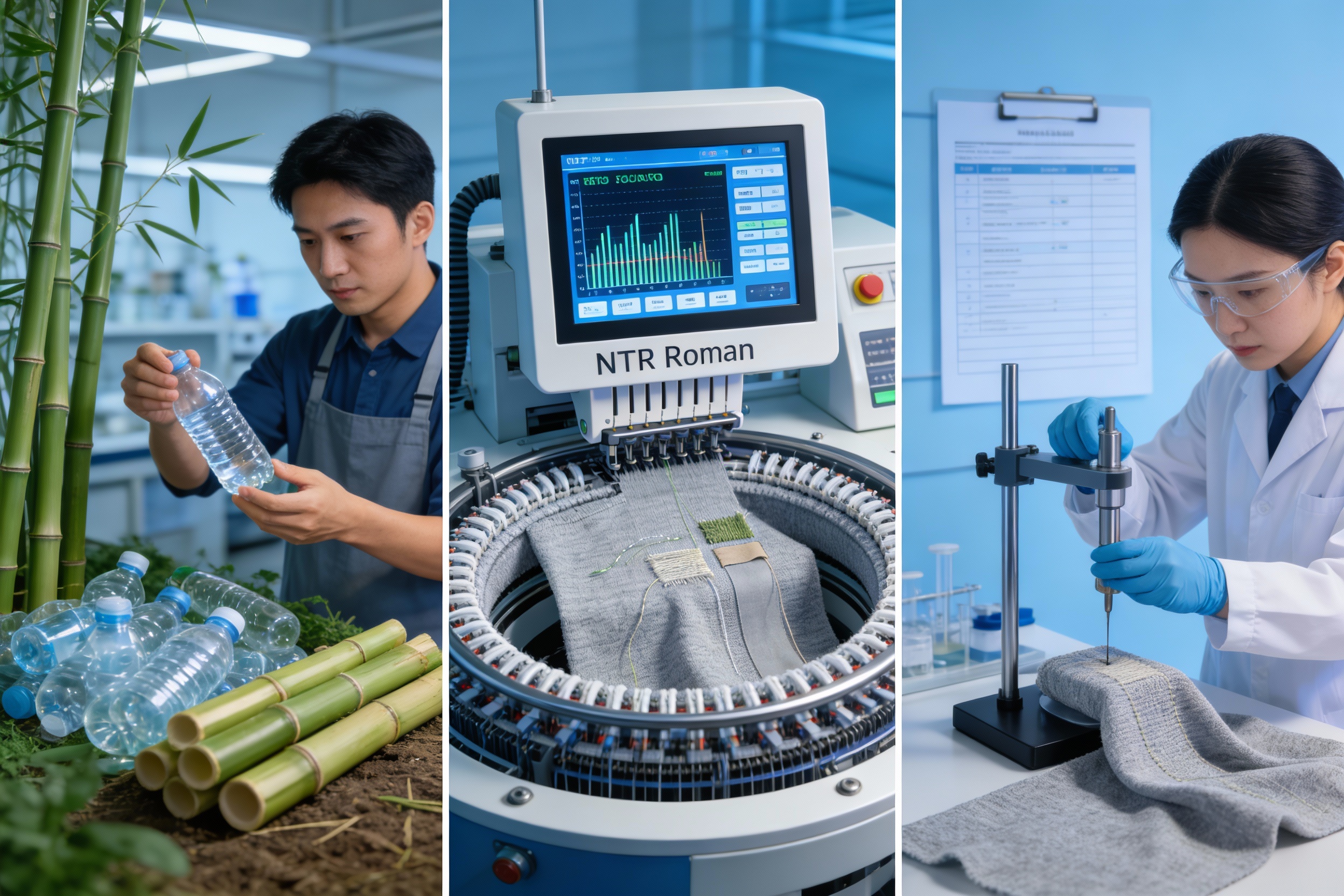
The manufacturing process begins with precision knitting, using state-of-the-art circular knitting machines equipped with computerized controls. These machines allow for exact adjustment of stitch density, yarn tension, and fabric weight, ensuring consistency across every batch. The manufacturer’s R&D team has optimized the stitch pattern for NTR Roman Fabric to enhance breathability and durability: a combination of interlock and jersey stitches that creates a stable, stretch-resistant structure.
Unlike manual knitting, computerized controls eliminate human error, resulting in fabrics that meet strict quality standards. Each machine is calibrated to produce fabrics of specific widths (from 150cm to 220cm) and weights (from 80gsm to 300gsm), catering to diverse customer needs.
Sustainable Material Sourcing
Hangzhou Jinfeng Textile Co., Ltd prioritizes sustainability in its raw material sourcing. The polyester used in NTR Roman Fabric is derived from recycled PET bottles, reducing the company’s carbon footprint by 30% compared to using virgin polyester. The rayon is sourced from sustainably harvested bamboo, a fast-growing plant that requires minimal water and pesticides. Additionally, the company works with suppliers that adhere to fair trade practices, ensuring ethical treatment of workers throughout the supply chain.
Post-Dyeing & Finishing Innovations
After knitting, the fabric undergoes a series of post-dyeing and finishing processes that enhance its performance. The manufacturer uses a continuous dyeing process that minimizes water usage (up to 50% less than traditional batch dyeing) and employs eco-friendly dyes that meet OEKO-TEX Standard 100—an international certification for safe, non-toxic textiles. This process ensures even color distribution and resistance to fading.
Finishing processes include: - Anti-pilling treatment: A chemical process that prevents the formation of small balls on the fabric surface. - Shrink-proofing: A heat-setting process that stabilizes the fabric’s dimensions, ensuring it does not shrink after washing. - Water-repellent finish: A hydrophobic coating that makes the fabric resistant to water and stains (ideal for outdoor apparel). - UV-protective finish: A coating that blocks up to 98% of harmful UV rays (ideal for summer clothing).
Rigorous Quality Control Protocols
Quality control is integrated into every stage of production to ensure that NTR Roman Fabric meets the highest standards. The manufacturer follows a three-stage QC process: 1. Pre-production: Raw materials are inspected for purity, strength, and consistency. 2. In-production: Stitch density, fabric weight, and color are checked at regular intervals to ensure compliance with customer specifications. 3. Post-production: Finished fabrics undergo a series of tests, including: - Tensile strength test: Measures the fabric’s ability to resist tearing. - Wash test: Simulates 50 washes to check for shrinkage and fading. - Color fastness test: Evaluates resistance to fading from light, water, and rubbing. - Breathability test: Measures air flow through the fabric. All fabrics that pass these tests are certified with the company’s quality mark, ensuring customers receive a reliable product.
Real-World Applications of NTR Roman Fabric
NTR Roman Fabric’s versatility makes it suitable for a wide range of applications, from everyday apparel to industrial textiles. Below are some of its most common uses:
Men’s Apparel
For men’s wear, NTR Roman Fabric is a popular choice for formal and casual garments: - Formal shirts: The fabric’s softness and breathability make it comfortable for all-day wear, while its wrinkle-resistant finish reduces the need for ironing. - Trousers: The stretch variant (with spandex) provides a comfortable fit without losing shape, making it ideal for business casual trousers. - Blazers: The heavier weight variant offers structure and durability, while the water-repellent finish makes it suitable for outdoor blazers. - Activewear: The moisture-wicking properties of the fabric keep sweat away from the skin, making it ideal for gym shorts and t-shirts.
Women’s Apparel
Women’s wear designers have embraced NTR Roman Fabric for its aesthetic appeal and performance: - Dresses: The lightweight variant is flowy and soft, making it ideal for summer dresses and maxi dresses. The jacquard-woven variant adds intricate patterns for formal dresses. - Blouses: The fabric’s vibrant colors and wrinkle-resistant finish make it perfect for office blouses. - Activewear: The stretch variant is used for leggings and sports bras, providing support and comfort during workouts. - Loungewear: The soft, breathable fabric is ideal for pajamas and loungewear sets.
Industrial & Textile Manufacturing
NTR Roman Fabric is not limited to apparel—it is also used in industrial applications: - Upholstery: The durable variant is used for furniture upholstery, as it resists stains and tearing. - Automotive interiors: The water-repellent variant is used for car seats and door panels, as it is easy to clean and resistant to wear. - Medical textiles: The hypoallergenic variant (treated with antibacterial agents) is used for medical scrubs and bandages. - Outdoor textiles: The UV-protective and water-repellent variants are used for tents, backpacks, and camping gear.
Q&A Section
To address common questions about NTR Roman Fabric, we have compiled the following Q&A:
Q1: What is the primary composition of NTR Roman Fabric?
A: NTR Roman Fabric is typically a blend of 60% recycled polyester, 35% bamboo rayon, and 5% spandex (for stretch variants). This blend balances durability (polyester), softness (rayon), and flexibility (spandex).
Q2: Is NTR Roman Fabric suitable for sensitive skin?
A: Yes. The fabric is treated with OEKO-TEX Standard 100 certified dyes and finishes, which are free from harmful chemicals. The rayon component also makes it soft against the skin, reducing irritation.
Q3: Can NTR Roman Fabric be customized for specific industries?
A: Absolutely. The manufacturer’s R&D team can adjust the fabric’s weight, stitch pattern, and finish to meet specific industry requirements. For example, a fire-resistant finish can be added for industrial use, or a moisture-wicking finish for activewear.
Q4: What is the minimum order quantity (MOQ) for NTR Roman Fabric?
A: The manufacturer offers flexible MOQs—from 50 yards for small boutique brands to 10,000 yards for large apparel manufacturers. This makes it accessible to businesses of all sizes.
Q5: Is NTR Roman Fabric eco-friendly?
A: Yes. The fabric uses recycled polyester and sustainably sourced bamboo rayon. The manufacturing process minimizes water and energy usage, and the finished product is biodegradable (rayon) or recyclable (polyester).
Q6: How does NTR Roman Fabric compare to organic cotton?
A: While organic cotton is eco-friendly, it is less durable and more expensive than NTR Roman Fabric. NTR Roman Fabric also offers better color retention and versatility, making it a more practical choice for most applications.
Conclusion
NTR Roman Fabric represents a significant advancement in apparel textiles, addressing the key demands of consumers and manufacturers for durability, comfort, sustainability, and versatility. Its unique blend of synthetic and natural fibers, combined with advanced manufacturing processes, sets it apart from competitor materials. Whether used for men’s formal wear, women’s activewear, or industrial textiles, NTR Roman Fabric delivers consistent performance and long-lasting quality. As the textile industry continues to prioritize sustainability and innovation, NTR Roman Fabric is poised to become a leading choice for businesses and consumers alike.
References
1. Textile Institute. (2023). Global Knitted Fabric Market Report: Trends & Innovations. Manchester: Textile Institute Press.
2. Smith, J. (2022). Sustainable Textile Manufacturing: Best Practices for Durable Fabrics. New York: Green Textile Publications.
3. Wang, L. (2023). Advancements in Knitted Jacquard & NTR Fabric Technologies. Beijing: China Textile Academy Press.
4. European Textile Confederation. (2023). Apparel Fabric Performance Standards: 2023 Update. Brussels: ETC Publications.
5. Hangzhou Jinfeng Textile Co., Ltd. (2023). NTR Roman Fabric Technical Specification Sheet. Hangzhou: Hangzhou Jinfeng Textile Co., Ltd.
