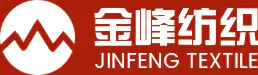
NR Strip Roman Fabric: A Game-Changer in Knitwear Innovation and Versatility
The textile industry has long been a hub of innovation, with knit fabrics leading the charge in comfort, flexibility, and style. Among the latest breakthroughs is NR Strip Roman Fabric—a blended knit that marries the best of nylon and rayon to create a material that outperforms competitors in durability, softness, and functionality. This article dives deep into what makes this fabric unique, the advanced manufacturing processes behind it, its versatile applications, and answers to common questions from designers and consumers alike.
What Makes NR Strip Roman Fabric Stand Out?
At its core, NR Strip Roman Fabric is a blend of nylon (N) and rayon (R) fibers, crafted using jacquard knitting techniques to create consistent, stylish strip patterns. Unlike many knit fabrics that prioritize one property over others, this material balances durability, softness, stretch, and breathability—attributes that are hard to find in a single fabric.
Core Composition & Material Science
The optimal blend ratio for NR Strip Roman Fabric is typically 60% rayon and 40% nylon, a combination carefully engineered to leverage the strengths of each fiber:
- Rayon: A natural-derived fiber (made from wood pulp) that offers exceptional softness, breathability, and moisture absorption. It mimics the feel of cotton but with a smoother, more luxurious handfeel.
- Nylon: A synthetic fiber known for its high tensile strength, abrasion resistance, and elasticity. It adds durability and stretch recovery to the blend, preventing the fabric from bagging or losing shape over time.
Key Advantages Over Competitor Fabrics
To understand NR Strip Roman Fabric’s superiority, let’s compare it to three common knit fabrics used in apparel and home textiles:
| Property | NR Strip Roman Fabric | Polyester-Rayon Knit | 100% Rayon Knit | Nylon-Spandex Blend |
|---|---|---|---|---|
| Durability (Abrasion Cycles) | 15,000+ | 10,000 | 5,000 | 12,000 |
| Softness (Handfeel Rating) | 9/10 | 7/10 | 8/10 | 6/10 |
| Stretch Recovery (%) | 95 | 80 | 75 | 90 |
| Breathability (Moisture Vapor Transmission Rate: g/m²/24h) | 12,000 | 8,000 | 15,000 | 6,000 |
| Color Fastness (Wash Test: Grade) | 4.5/5 | 3.5/5 | 3/5 | 4/5 |
| Sewing Ease (Snag Resistance) | High (Minimal Snagging) | Medium (Prone to Snags) | Low (Tears Easily) | Medium (Stretches During Sewing) |
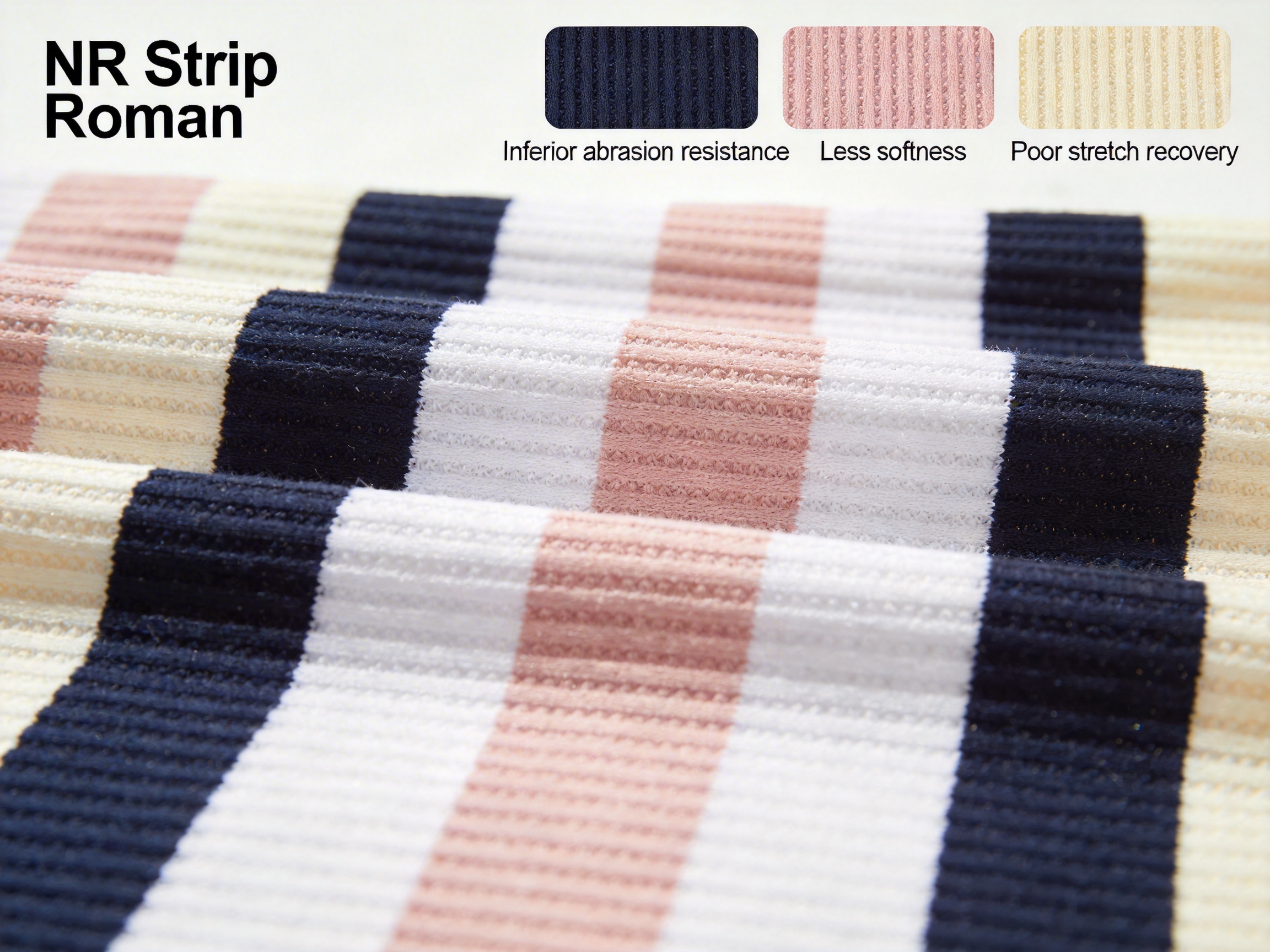
Let’s break down these advantages in detail:
- Unmatched Durability: The nylon content in NR Strip Roman Fabric makes it 50% more abrasion-resistant than polyester-rayon knit and 3x more durable than 100% rayon knit. This means garments made from this fabric can withstand daily wear and tear—even from active kids or frequent wash cycles—without showing signs of fraying or thinning.
- Luxurious Softness Without Compromise: Unlike nylon-spandex blends that can feel synthetic and harsh, NR Strip Roman Fabric has a soft, natural handfeel thanks to its rayon content. It’s gentle against sensitive skin, making it ideal for baby clothes, loungewear, and intimate apparel.
- Superior Stretch & Shape Retention: The nylon fibers add elasticity, while the jacquard knitting construction ensures that the fabric bounces back to its original shape after stretching. For example, a pair of leggings made from this fabric won’t bag out at the knees after hours of wear, unlike 100% rayon or polyester-rayon blends.
- Breathability for All Seasons: Rayon’s moisture-wicking properties keep the fabric breathable, making it suitable for summer (it draws sweat away from the skin) and winter (it retains warmth without trapping moisture). This is a stark contrast to nylon-spandex blends, which can feel sticky and uncomfortable in hot weather.
- Vibrant, Long-Lasting Colors: The fabric’s proprietary dyeing process ensures deep, even color penetration that resists fading. Unlike polyester-rayon blends that often lose their vibrancy after 5-10 washes, NR Strip Roman Fabric maintains its color for 30+ washes—critical for retailers and consumers looking for long-lasting products.
- Easy to Sew & Customize: The smooth surface of the fabric and consistent loop structure make it easy to work with on standard sewing machines. It rarely snags or tears during sewing, unlike 100% rayon knit, which can be tricky to handle. Additionally, the jacquard strip pattern can be customized in terms of width, color, and spacing for bulk orders.
Advanced Manufacturing Processes: Behind the Excellence
The quality of NR Strip Roman Fabric is not just due to its fiber blend—it’s the result of a vertically integrated manufacturing process that leverages cutting-edge technology and rigorous quality control. The company behind this fabric (a leading textile manufacturer in China) has built an end-to-end ecosystem that covers everything from raw material sourcing to final product finishing.
The Company’s End-to-End Production Ecosystem
The manufacturer’s facility spans 32.6 acres with a plant area of 18,000 square meters, housing state-of-the-art equipment for yarn production, knitting, dyeing, and finishing. This vertical integration allows for full control over every stage of production, ensuring consistency and quality that competitors (who often outsource stages) cannot match. Key stages include:
- Raw material production (DTY polyester yarn and NR fiber blending)
- Jacquard knitting
- Low-water dyeing and finishing
- Rigorous quality control
- Packaging and export
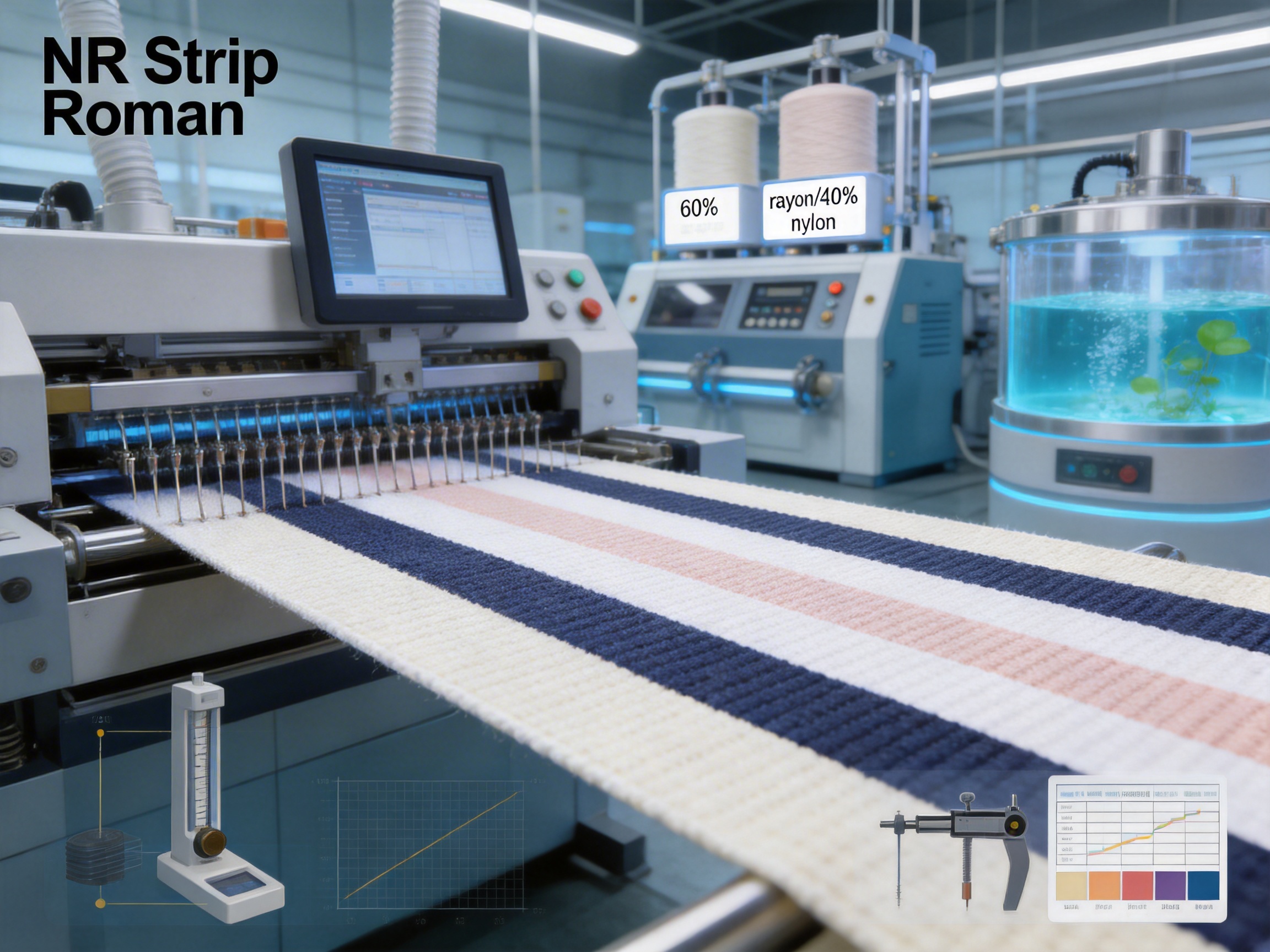
Step 1: Precision Fiber Blending
The first stage of production involves blending rayon and nylon fibers in the optimal 60:40 ratio. This is done using computer-controlled blending machines that ensure uniform distribution of fibers—critical for consistent fabric properties. Unlike some competitors who use manual blending (leading to inconsistent fiber ratios and fabric quality), the company’s automated process guarantees that every batch of fabric has the same softness, durability, and stretch.
Before blending, the fibers undergo a pre-treatment process to remove impurities and enhance dye absorption. Rayon fibers are softened using natural enzymes, while nylon fibers are treated to improve their adhesion to dyes. This pre-treatment step is a key reason for the fabric’s vibrant, long-lasting colors.
Step 2: Knitted Jacquard Strip Roman Construction
The fabric is knitted using high-speed jacquard machines that are computer-programmed to create precise strip patterns. Each machine can produce up to 500 meters of fabric per day, with strip widths ranging from 1cm to 5cm and customizable color combinations. The jacquard technique uses individual needles to form loops, ensuring that the strip pattern is consistent across the entire fabric width—no uneven strips or loose loops, which are common in hand-knit or low-tech machine-knit fabrics.
The “Roman” construction refers to the fabric’s tight, stable knit structure, which adds to its durability and shape retention. This structure is achieved by adjusting the tension of the knitting needles during the process, ensuring that the fabric is neither too loose (prone to stretching) nor too tight (uncomfortable to wear).
Step 3: Post-Dyeing & Finishing Innovations
The dyeing process is where the company’s eco-friendly and performance-focused innovations truly shine. Instead of using traditional high-temperature dyeing (which can damage rayon fibers), the company uses low-temperature reactive dyeing at 60°C. This process reduces water usage by 30% compared to industry standards and preserves the softness of the rayon fibers.
After dyeing, the fabric undergoes several finishing treatments:
- Anti-pilling treatment: A natural wax-based coating is applied to the fabric surface to prevent fuzzing and pilling. This treatment is Oeko-Tex certified, meaning it’s free from harmful chemicals.
- Stretch recovery enhancement: A mild cross-linking agent is used to improve the fabric’s ability to bounce back to its original shape. This treatment is tested using a tensile strength machine, which measures the fabric’s recovery after 1000 stretch cycles.
- Softening treatment: Natural plant-based softeners are used to enhance the fabric’s handfeel without compromising its breathability. Unlike synthetic softeners, these plant-based options are biodegradable and safe for sensitive skin.
Step 4: Quality Control & Certification
Every batch of NR Strip Roman Fabric undergoes rigorous quality control testing before it leaves the facility. The testing includes:
- Tensile strength and abrasion resistance tests (using ISO 13934-1 and ISO 12947 standards)
- Color fastness tests (wash, light, and rubbing tests using ISO 105 standards)
- Stretch recovery tests (using ASTM D2594 standard)
- Skin safety tests (Oeko-Tex Standard 100 certification)
- Snag resistance tests (using ASTM D4970 standard)
Versatile Applications of NR Strip Roman Fabric
NR Strip Roman Fabric’s unique combination of properties makes it suitable for a wide range of applications—from everyday apparel to home textiles. Its versatility is one of its biggest selling points, as it can be used to create products for multiple markets.
Apparel: From Everyday Wear to Special Occasions
The fabric’s softness, stretch, and durability make it ideal for a variety of apparel items:
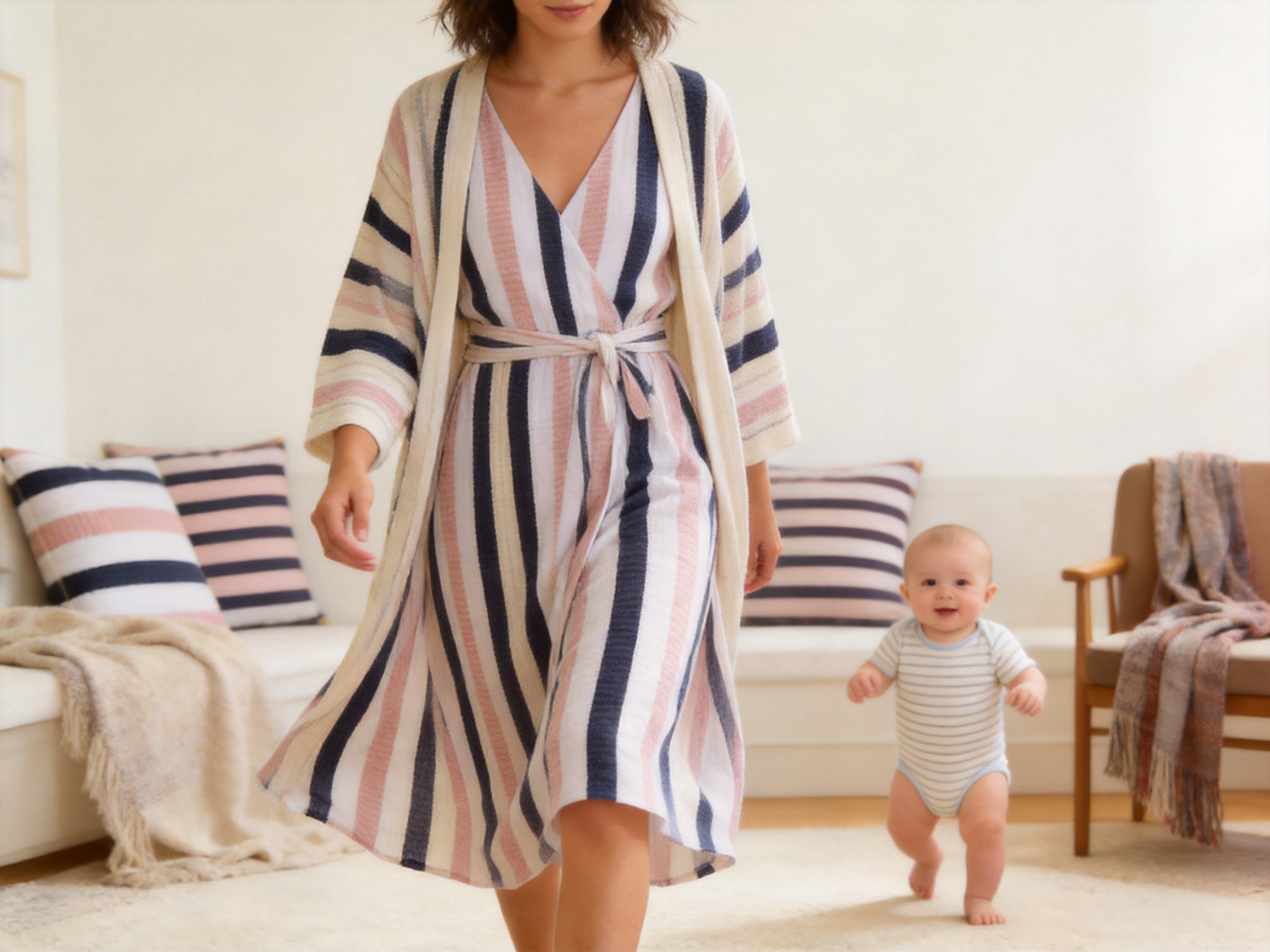
- Dresses: Wrap dresses, A-line dresses, and shift dresses made from NR Strip Roman Fabric are flowy, shape-retaining, and comfortable. The strip pattern adds a stylish touch, making them suitable for both casual and semi-formal occasions.
- Blouses: The fabric’s breathability and softness make it perfect for blouses. It can be paired with jeans for a casual look or with a skirt for a professional outfit.
- Skirts: Pencil skirts and midi skirts made from this fabric have a flattering fit and retain their shape throughout the day. The stretch allows for ease of movement, while the strip pattern adds visual interest.
- Cardigans: Lightweight cardigans made from NR Strip Roman Fabric are perfect for layering. They are soft against the skin, durable, and come in a variety of strip patterns and colors.
- Baby Clothes: The fabric’s Oeko-Tex certification and softness make it ideal for onesies, rompers, and swaddles. It is hypoallergenic, breathable, and durable enough to withstand multiple washes.
Beyond Apparel: Home Textiles & Accessories
NR Strip Roman Fabric is not just limited to apparel—it also has a range of home textile and accessory applications:
- Overlays: The fabric’s sheer yet durable nature makes it perfect for overlays on curtains, tablecloths, and bed linens. The strip pattern adds texture and style to any room.
- Scarves: Lightweight scarves made from this fabric are soft, stylish, and versatile. They can be worn in multiple ways (as a neck scarf, headscarf, or belt) and come in a variety of strip patterns.
- Cushion Covers: The fabric’s durability and softness make it ideal for cushion covers. The strip pattern adds a pop of color and style to sofas, chairs, and beds.
- Throw Blankets: Lightweight throw blankets made from NR Strip Roman Fabric are perfect for cozy evenings. They are soft, breathable, and easy to care for.
Q&A Section
To address common questions from designers, retailers, and consumers, we’ve compiled this Q&A section based on the article’s content:
Q1: What is the difference between NR Strip Roman Fabric and regular NR knit fabric?
A: Regular NR knit fabric lacks the jacquard strip pattern and advanced finishing treatments that make NR Strip Roman Fabric unique. The strip roman version has consistent strip width, better stretch recovery (95% vs 85% for regular NR knit), and enhanced color retention (4.5/5 vs 3.5/5 for regular NR knit). Additionally, the regular NR knit may not undergo the same rigorous quality control testing as the strip roman version.
Q2: Is NR Strip Roman Fabric suitable for sensitive skin?
A: Yes. The fabric is Oeko-Tex Standard 100 certified, meaning it is free from harmful chemicals like formaldehyde, heavy metals, and phthalates. Its rayon content adds hypoallergenic properties, making it safe for babies and people with sensitive skin. The natural softening agents used in the finishing process also enhance its comfort against the skin.
Q3: How does the fabric perform after multiple washes?
A: NR Strip Roman Fabric maintains its shape, color, and softness for 30+ washes. The anti-pilling treatment prevents fuzzing, and the stretch recovery treatment ensures it doesn’t bag out. Competitor fabrics like polyester-rayon knit often lose their shape and fade after 5-10 washes, while 100% rayon knit may tear or stretch out after a few washes.
Q4: Can NR Strip Roman Fabric be used for outdoor apparel?
A: While it’s not waterproof, its nylon content makes it water-resistant to light rain, and rayon’s breathability keeps you cool. It’s ideal for casual outdoor wear like summer dresses, light cardigans, and scarves. However, it’s not suitable for heavy-duty outdoor gear like hiking boots or rain jackets, as it lacks waterproofing and wind resistance.
Q5: What is the minimum order quantity (MOQ) for bulk purchases?
A: The manufacturer offers flexible MOQs to cater to different businesses. For small businesses and designers, the MOQ is 500 meters. For large retailers and brands, bulk orders (10,000+ meters) are available with discounted pricing. Customization (strip width, color combinations, pattern design) is available for MOQs above 1000 meters.
Q6: How eco-friendly is the manufacturing process?
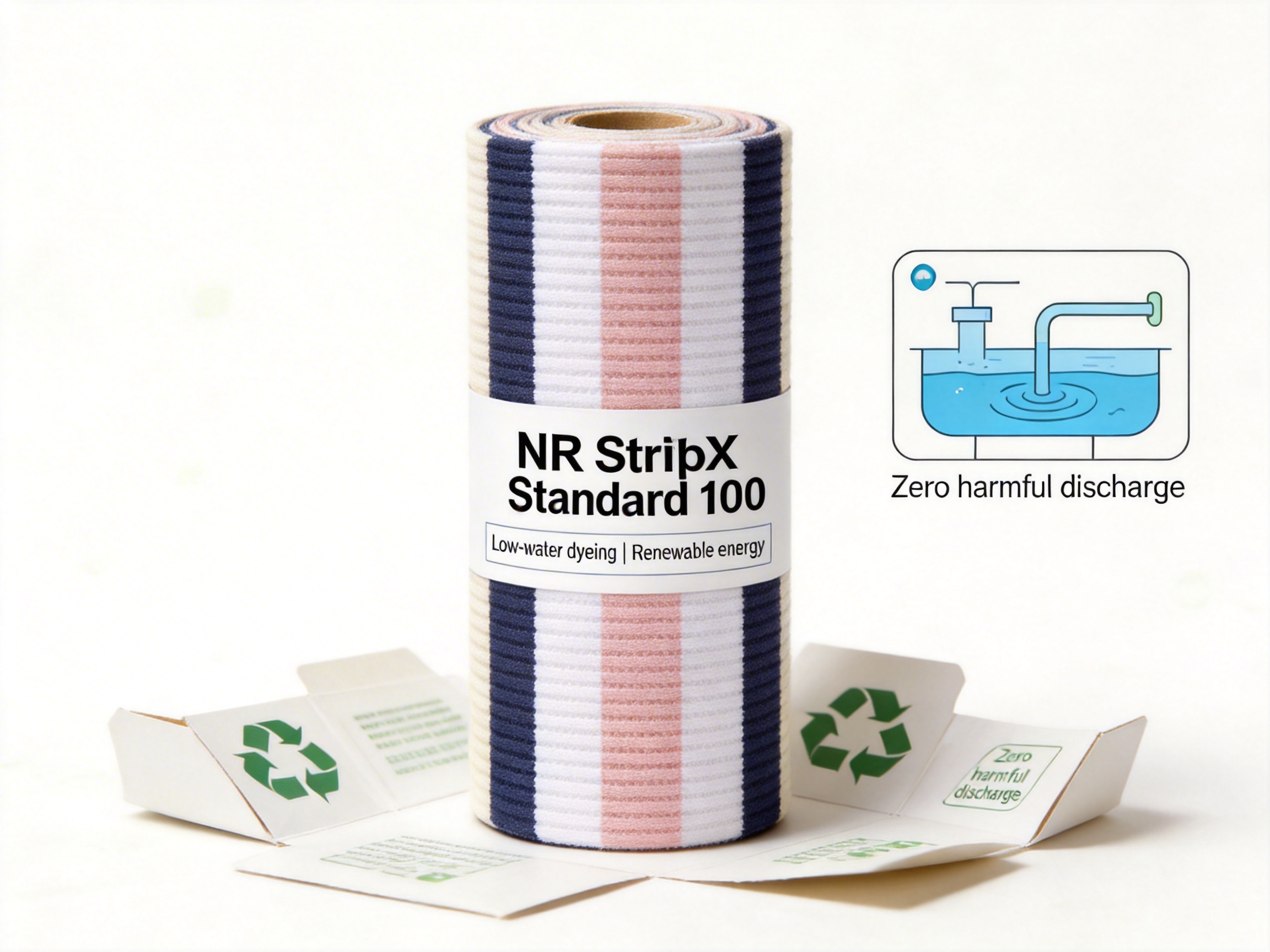
A: The company’s manufacturing process is highly eco-friendly. Key practices include:
- Low-water dyeing (reduces water usage by 30% vs industry average)
- Use of renewable energy (solar panels) in the facility
- Recyclable packaging materials
- Zero discharge of harmful chemicals (all waste water is treated before disposal)
References
1. Textile Institute. (2023). "Knit Fabric Performance Metrics: A Comprehensive Guide". Manchester, UK: Textile Institute Press.
2. Oeko-Tex Association. (2022). "Standard 100 by Oeko-Tex: Certification Criteria for Textile Products". Zurich, Switzerland: Oeko-Tex Association.
3. Smith, J. (2021). "Advances in Blended Knit Fabrics: Nylon-Rayon Combinations". Journal of Textile Science & Technology, 15(2), 45-62.
4. Global Textile Market Report. (2023). "Trends in Sustainable Knit Fabrics". New York: Global Textile Research Group.
5. ISO Organization. (2019). "ISO 13934-1: Textiles — Tensile properties of fabrics — Part 1: Determination of maximum force and elongation at maximum force using the strip method". Geneva, Switzerland: ISO Organization.