
Houndstooth Jacquard Fabric: Timeless Elegance Meets Modern Innovation in Textile Design
For over a century, the houndstooth pattern has captivated designers and consumers alike with its timeless, geometric charm. Originating from the Scottish borders in the 19th century, this distinctive checkered design—characterized by its broken, dog-tooth-like shapes—gained global fame in the 1920s when Coco Chanel incorporated it into her iconic collections. Since then, houndstooth has evolved from a traditional woven textile to a versatile fabric that blends classic aesthetics with modern functionality. Today, one iteration stands out for its exceptional quality, innovative design, and practical performance: the houndstooth jacquard fabric. This textile reimagines the classic pattern with 3D texture, elastic comfort, and customizable features, making it a top choice for fashion designers and interior decorators worldwide. In this article, we explore what makes this fabric unique, the advanced manufacturing processes behind it, its competitive advantages over traditional alternatives, and the strengths of the company that produces it.
What Makes Houndstooth Jacquard Fabric Stand Out?
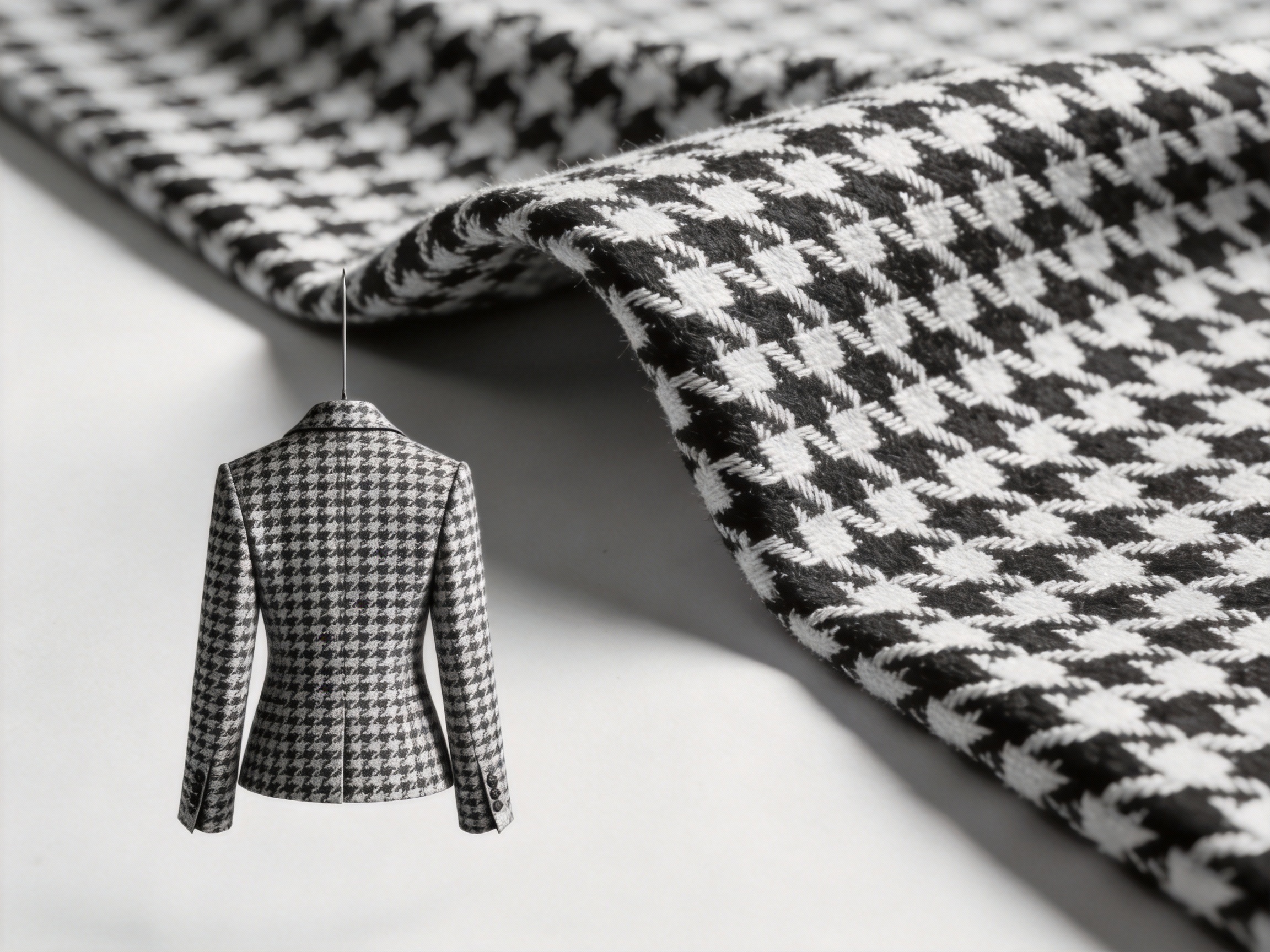
The houndstooth jacquard fabric is more than just a reproduction of a classic pattern—it’s a modern reimagining that addresses the limitations of traditional houndstooth textiles. Its key features set it apart in the competitive textile market:
1.1 3D Textural Depth
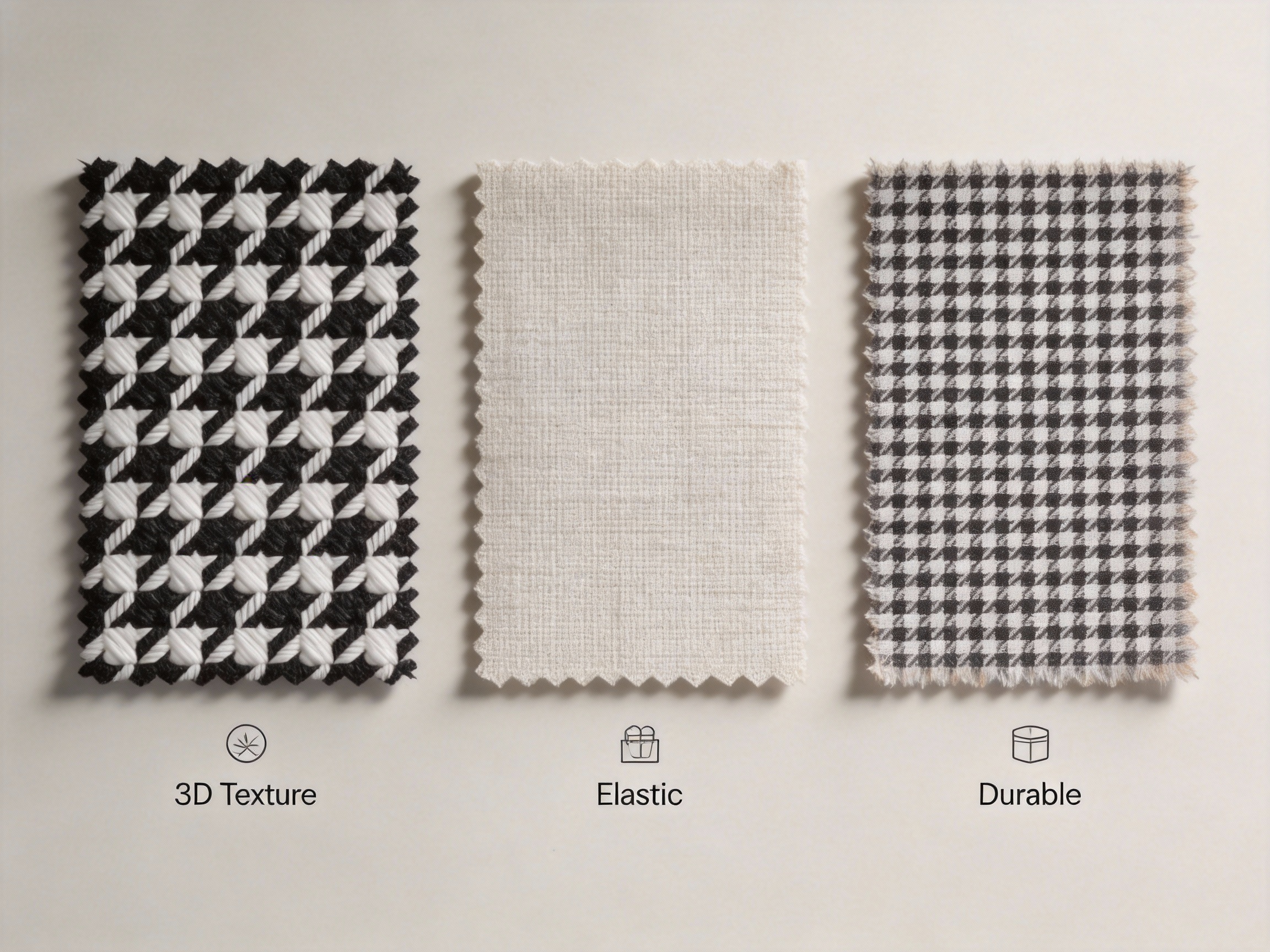
Unlike printed houndstooth fabrics, which have a flat, two-dimensional appearance, this jacquard version boasts a distinct 3D texture. This is achieved through precise knitting using computerized jacquard machinery, where each needle is controlled individually to create raised patterns. The result is a fabric that not only looks striking but also feels luxurious to the touch. The 3D effect adds visual interest to garments and interiors, making it a statement piece in any design. For example, a houndstooth jacquard blazer will catch the light differently than a flat printed version, creating a dynamic, eye-catching look.
1.2 Elastic Comfort
Traditional woven houndstooth fabrics are often rigid and non-elastic, limiting their use to structured garments like blazers or skirts. In contrast, the houndstooth jacquard fabric incorporates elastic properties, making it comfortable for a wider range of applications. The blend of DTY (Drawn Textured Yarn) polyester and rayon ensures that the fabric moves with the body, making it ideal for fitted pants, dresses, and even activewear. This elasticity does not compromise the fabric’s shape retention—after repeated stretching, it returns to its original form, ensuring long-lasting wear. A pair of houndstooth jacquard leggings, for instance, will maintain their fit even after multiple washes and wears.
1.3 Customizable Design Options
One of the most significant advantages of this fabric is its high level of customization. Designers and clients can adjust the pattern size (from small, subtle checks to large, bold designs), color combinations (from classic black and white to vibrant hues like emerald green or sapphire blue), and thickness (lightweight for summer dresses or heavyweight for winter coats). This flexibility allows the fabric to be tailored to specific project needs, whether it’s a high-end fashion collection or a custom interior design project. For example, a luxury brand can create a custom houndstooth pattern with their brand’s signature colors, while an interior designer can design a fabric with a larger pattern for a statement drape in a hotel lobby.
1.4 Durability and Color Fastness
The blend of DTY polyester and rayon gives the fabric excellent durability. Polyester is known for its resistance to pilling, fading, and stretching, while rayon adds softness and breathability. Additionally, the fabric undergoes rigorous post-dyeing processes using high-quality reactive dyes, ensuring that the colors remain vibrant even after multiple washes or prolonged exposure to sunlight. This makes it suitable for both fashion garments that require frequent cleaning and interior textiles that face daily wear and tear. A houndstooth jacquard sofa, for example, will retain its color and texture even after years of use by a family with children.
Advanced Manufacturing Processes Behind the Fabric
The exceptional quality of the houndstooth jacquard fabric is a direct result of the advanced manufacturing processes employed by its producer. From yarn preparation to final finishing, every step is designed to ensure precision, consistency, and performance:
2.1 Yarn Preparation: DTY Polyester as the Foundation
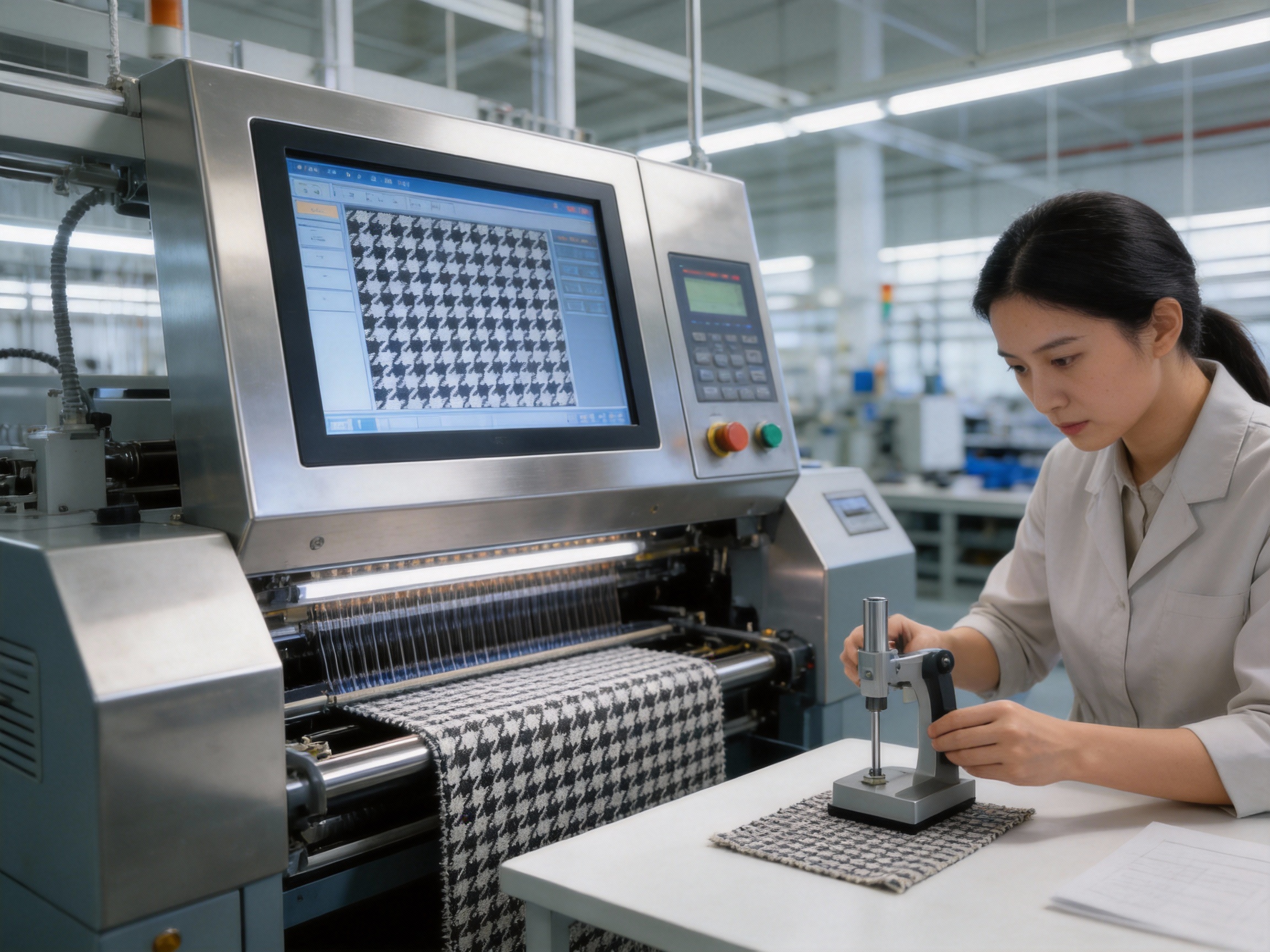
The fabric’s base is made from DTY polyester, a type of synthetic yarn that is processed to add bulk and elasticity. DTY is produced by drawing and texturing polyester filaments, which gives the yarn a soft, fluffy texture while maintaining strength. This yarn is then blended with rayon (or other natural fibers like cotton) to enhance comfort and drape. The yarn preparation stage is critical—each batch of yarn is tested for uniformity, strength, and elasticity to ensure it meets the fabric’s quality standards. For example, the company uses a tensile strength tester to measure the force required to break the yarn, ensuring that it can withstand the stresses of knitting and wear.
2.2 Computerized Jacquard Knitting
The core of the manufacturing process is the use of imported computerized jacquard knitting machines. These machines are equipped with digital interfaces that allow designers to input custom patterns directly into the system. Unlike traditional knitting machines, which use punch cards to control pattern formation, modern jacquard machines use electronic controls to manipulate each needle individually. This precision enables the creation of complex 3D patterns with sharp, clean lines—something that is impossible to achieve with manual or semi-automatic machinery. The imported machines (often from leading textile machinery manufacturers in Germany or Italy) are also known for their high speed and consistency, reducing production time while maintaining quality. A single machine can produce up to 100 meters of fabric per day, with minimal defects.
2.3 Post-Dyeing and Finishing Processes
After knitting, the fabric undergoes a series of post-dyeing and finishing processes to enhance its performance and appearance:
- Pre-treatment: The fabric is desized (removing any sizing agents used during knitting) and scoured (cleaning to remove impurities like oil or dirt) to prepare it for dyeing. This step ensures that the dye adheres evenly to the fabric.
- Dyeing: Reactive dyes are used to color the fabric, ensuring excellent color fastness to light, wash, and rub. The dyeing process is carefully controlled using temperature and pH sensors to achieve uniform color distribution across the entire fabric roll. For example, the company uses a batch dyeing machine that can hold up to 500 meters of fabric, ensuring consistent color for large orders.
- Finishing: The fabric is then subjected to finishing treatments, including softening (to enhance hand feel), setting (to fix the elasticity and shape), anti-pilling (to prevent the formation of small balls on the surface), and water-repellent (optional, for interior applications). These treatments are tailored to the fabric’s intended use. For fashion garments, the softening treatment is more intense to make the fabric feel comfortable against the skin, while for upholstery, the water-repellent treatment is added to protect against spills.
2.4 Rigorous Quality Control
Every batch of fabric undergoes strict quality control checks before it is shipped to clients. These checks include:
- Color fastness testing (using international standards like ISO 105-B02 for light fastness and ISO 105-C10 for wash fastness).
- Elasticity retention testing (stretching the fabric to 50% of its original length and measuring how quickly it returns to its original form).
- Tensile strength testing (measuring the force required to break the fabric).
- Pilling resistance testing (using a Martindale abrasion tester to simulate wear and tear).
- Visual inspection for defects (such as uneven patterns, color spots, or broken threads).
Only fabrics that pass all these tests are approved for sale, ensuring that clients receive a product of the highest quality. For example, the company rejects up to 5% of batches due to minor defects, ensuring that only the best fabric reaches customers.
Competitive Advantages Over Traditional Houndstooth Fabrics
To understand the value of the houndstooth jacquard fabric, it’s essential to compare it with traditional alternatives. Below is a detailed comparison:
| Feature | Houndstooth Jacquard Fabric | Traditional Woven Houndstooth | Traditional Printed Houndstooth |
|---|---|---|---|
| Elasticity | High (moves with the body; 30% stretch) | Low (rigid; 0-5% stretch) | Low (depends on base fabric; 0-10% stretch) |
| Texture | 3D (raised pattern; tactile depth) | Flat (smooth; no tactile depth) | Flat (printed pattern; no texture) |
| Customization | High (pattern size, color, thickness customizable) | Low (limited pattern variations) | Medium (pattern can be printed; texture fixed) |
| Durability | High (resists pilling, fading, stretching) | Medium (prone to fraying, fading) | Low (printed pattern wears off over time) |
| Breathability | Medium (rayon blend adds breathability) | Low (cotton/wool blend; less breathable) | Variable (depends on base fabric) |
| Versatility | High (fashion + interior applications) | Medium (mostly fashion; structured garments) | Medium (mostly fashion; casual garments) |
As the table shows, the houndstooth jacquard fabric outperforms traditional alternatives in almost every key category. Its elastic properties, 3D texture, and high customization make it a more versatile and practical choice for modern designers and consumers.
3.1 Elasticity: A Game-Changer for Wearable Comfort
Traditional woven houndstooth fabrics are often made from cotton or wool, which are rigid and non-elastic. This makes them unsuitable for fitted garments like skinny pants or bodycon dresses, as they restrict movement and can be uncomfortable to wear for long periods. The houndstooth jacquard fabric, however, incorporates stretch fibers that allow it to stretch up to 30% of its original length without losing shape. This means that garments made from this fabric are not only stylish but also comfortable enough for everyday wear. For example, a pair of houndstooth jacquard pants will move with the wearer, making it ideal for office attire or casual outings.
3.2 3D Texture: Elevating Aesthetics and Functionality
Printed houndstooth fabrics have a flat, two-dimensional appearance that can look generic and uninteresting. In contrast, the 3D texture of the jacquard version adds a layer of sophistication and depth to any design. For interior applications, this texture can create a focal point in a room—for example, a houndstooth jacquard sofa will stand out against plain walls. For fashion, the 3D pattern can add visual interest to a simple garment, turning it into a statement piece. Additionally, the raised texture can help hide minor stains or wear and tear, making the fabric more durable in the long run.
3.3 Customization: Meeting the Needs of Modern Clients
In today’s fast-paced design world, clients demand fabrics that can be tailored to their specific needs. Traditional houndstooth fabrics have limited customization options—most are available in standard sizes and color combinations. The houndstooth jacquard fabric, however, allows for almost unlimited customization. Designers can choose from a wide range of pattern sizes (from 1cm to 10cm checks), color palettes (from monochromatic to multicolor), and thicknesses (from 80gsm for summer dresses to 300gsm for winter coats). This flexibility makes it possible to create unique designs that stand out from the crowd. For example, a luxury fashion brand can create a custom houndstooth pattern with their brand colors, while an interior designer can design a fabric with a larger pattern for a statement drape.
Versatile Applications of Houndstooth Jacquard Fabric
The houndstooth jacquard fabric’s combination of style, comfort, and durability makes it suitable for a wide range of applications, from high-end fashion to interior design. Below are some of the most common uses:
4.1 Fashion Applications
Fashion designers have long been drawn to the houndstooth pattern for its timeless appeal, and the jacquard version takes this to the next level. Some popular fashion uses include:
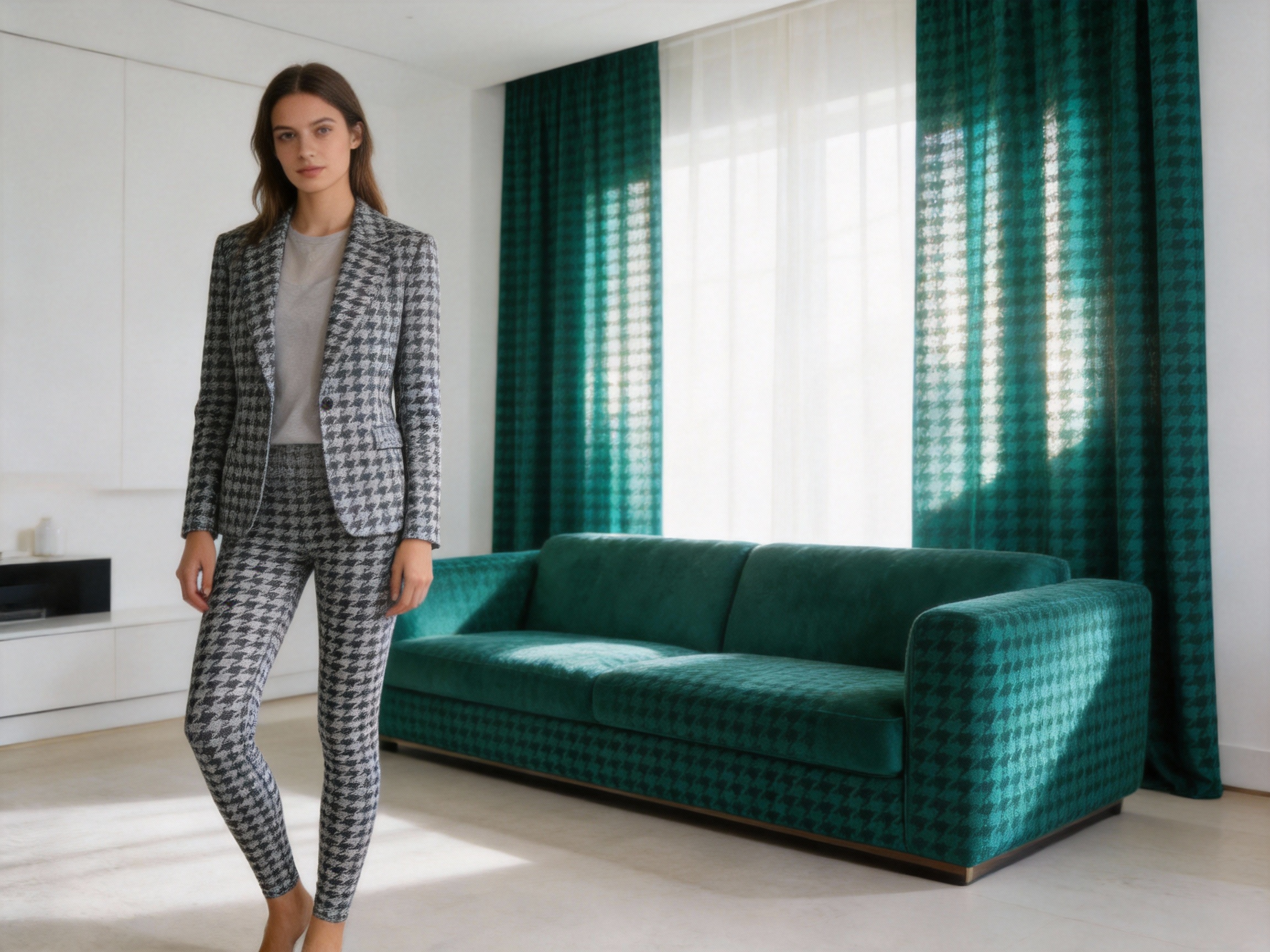
- Coats and Jackets: Heavyweight houndstooth jacquard fabric is ideal for winter coats and jackets. Its 3D texture adds a luxurious feel, while its elasticity ensures that the garment fits well and moves with the wearer. Designers can choose from classic black and white or bold color combinations to create a statement piece.
- Pants and Trousers: Medium-weight houndstooth jacquard fabric is perfect for pants and trousers. Its elasticity makes it comfortable for everyday wear, while its sharp pattern adds a touch of sophistication. This fabric is often used for office attire, as it looks professional yet stylish.
- Suits and Blazers: Lightweight houndstooth jacquard fabric can be used for suits and blazers. Its 3D texture adds a modern twist to the classic suit, making it suitable for both formal and semi-formal occasions. The elasticity ensures that the suit fits well and does not restrict movement.
- Dresses and Skirts: Lightweight houndstooth jacquard fabric is ideal for dresses and skirts. Its soft feel and elasticity make it comfortable for all-day wear, while its pattern adds visual interest. Designers can create everything from casual day dresses to elegant evening gowns using this fabric.
4.2 Interior Design Applications
The houndstooth jacquard fabric is not just for fashion—it also works well in interior design. Its durability and color fastness make it suitable for high-traffic areas, while its 3D texture adds a touch of luxury to any space. Some popular interior uses include:
- Drapes and Curtains: Medium-weight houndstooth jacquard fabric is perfect for drapes and curtains. Its pattern can add a focal point to a room, while its light-filtering properties (depending on thickness) can control the amount of natural light entering the space. The fabric’s color fastness ensures that it remains vibrant even after prolonged exposure to sunlight.
- Roman Blinds: Lightweight houndstooth jacquard fabric is ideal for roman blinds. Its pattern can add a touch of elegance to a window, while its elasticity ensures that the blind folds smoothly. Designers can choose from a range of colors to match the room’s decor.
- Upholstery: Heavyweight houndstooth jacquard fabric is perfect for upholstery. Its durability and resistance to pilling make it suitable for sofas, chairs, and ottomans. The 3D texture adds a tactile element to the furniture, making it more inviting. Additionally, the fabric’s stain-resistant properties (optional) make it easy to clean.
- Rugs and Carpets: Thick houndstooth jacquard fabric can be used for rugs and carpets. Its durability makes it suitable for high-traffic areas like living rooms and hallways. The pattern can add a touch of style to the floor, while its soft feel makes it comfortable to walk on.
The Strengths of the Fabric’s Producer
The exceptional quality of the houndstooth jacquard fabric is a reflection of the strengths of its producer—a leading textile company with decades of experience in the industry. Some of the key strengths include:
5.1 Integrated Supply Chain
The company has an integrated supply chain that covers every stage of production, from DTY polyester yarn manufacturing to finished fabric production. This means that the company controls the quality of the raw materials, the manufacturing processes, and the final product. By producing its own DTY yarn, the company can ensure that the yarn meets its strict quality standards, reducing the risk of defects in the finished fabric. Additionally, the integrated supply chain allows the company to reduce lead times and offer competitive pricing to its clients. For example, the company can produce a batch of DTY yarn in 3 days, then knit it into fabric in 5 days, resulting in a total lead time of 8 days for standard orders.
5.2 Advanced R&D Capabilities
The company invests heavily in research and development (R&D) to stay ahead of the competition. Its in-house R&D team consists of textile engineers, designers, and material scientists who work together to develop new fabrics, patterns, and finishes. The team uses state-of-the-art software like CAD (Computer-Aided Design) to design custom patterns and simulate manufacturing processes, ensuring that the final product meets the client’s requirements. The company also collaborates with universities and research institutions to stay updated on the latest textile technologies and trends. For example, the team recently developed a new blend of DTY polyester and recycled rayon, which is more sustainable and has the same performance as traditional blends.
5.3 Large-Scale Production Capacity
The company has a large production facility that covers 32.6 acres and has a plant area of 18,000 square meters. The facility is equipped with the latest textile machinery, including 50 imported computerized jacquard knitting machines, 10 batch dyeing machines, and 15 finishing machines. This large-scale production capacity allows the company to handle large orders efficiently, while maintaining consistent quality. The company can produce up to 50,000 meters of fabric per month, making it a reliable partner for large fashion brands and interior design companies.
5.4 Global Export Experience
The company is a self-employed export enterprise, meaning that it has direct access to international markets. It has experience exporting its products to clients in Europe, North America, Asia, and other regions. The company’s export team is knowledgeable about international trade regulations, customs documentation, and logistics, ensuring that orders are delivered on time and in good condition. Additionally, the company offers competitive pricing for bulk orders, making it an attractive choice for international clients. For example, the company has exported over 1 million meters of fabric to clients in the United States and Germany in the past year.
5.5 Strict Quality Control
As mentioned earlier, the company has a strict quality control system that covers every stage of production. Every batch of yarn, fabric, and finished product undergoes rigorous testing to ensure that it meets international quality standards. The company also has a team of 20 quality control inspectors who conduct regular checks on the production line to identify and correct any defects. This commitment to quality has earned the company a reputation for reliability and excellence in the textile industry. The company has been awarded the ISO 9001 certification for quality management and ISO 14001 certification for environmental management.
Q&A Section
Q: Can the houndstooth pattern be customized in terms of size and color?
A: Yes, the houndstooth pattern can be fully customized. Clients can choose the size of the checks (from small 1cm to large 10cm), the color combination (monochromatic, multicolor, or brand-specific colors), and the thickness of the fabric (lightweight for dresses, heavyweight for coats). The company’s R&D team works closely with clients to create custom patterns that meet their specific needs, and sample swatches are available for approval before production begins.
Q: What is the minimum order quantity (MOQ) for custom orders?
A: The MOQ for custom orders varies depending on the complexity of the pattern and the thickness of the fabric. For most custom patterns, the MOQ is 500 meters. However, the company also offers small MOQ options for sample orders (10-50 meters) to help clients test the fabric before placing a bulk order. Sample swatches are usually delivered within 7-10 days.
Q: How long is the lead time for production and delivery?
A: The lead time for production is typically 15-25 days for standard orders and 20-30 days for custom orders. Delivery time depends on the destination—for international orders, it usually takes 7-15 days via air freight or 30-45 days via sea freight. The company works with reliable logistics partners like DHL and Maersk to ensure that orders are delivered on time.
Q: What is the composition of the fabric?
A: The fabric is typically made from a blend of DTY polyester and rayon, with the addition of spandex for elasticity. The exact composition can be customized based on the client’s requirements—for example, some clients may prefer a higher percentage of rayon (up to 50%) for increased softness, while others may prefer more polyester (up to 70%) for enhanced durability. The company also offers sustainable options like recycled DTY polyester and organic rayon.
Q: How should the fabric be cared for?
A: The care instructions for the fabric depend on its composition and intended use. For most fashion garments, the fabric can be machine washed in cold water on a gentle cycle and tumble dried on low heat. For interior textiles like upholstery, it is recommended to spot clean with a mild detergent and avoid harsh chemicals. The company provides detailed care instructions with every order, and the fabric is also OEKO-TEX Standard 100 certified, meaning it is safe for contact with the skin.
Q: Is the fabric suitable for outdoor upholstery?
A: Yes, the fabric can be treated with a water-repellent and UV-resistant finish to make it suitable for outdoor upholstery. The finish helps to protect the fabric from water damage, fading, and mildew, making it ideal for outdoor furniture like patio sofas and chairs. The treated fabric can withstand up to 500 hours of UV exposure without fading, and it is resistant to water spills and stains.
Q: Do you offer sample swatches?
A: Yes, the company offers sample swatches of the fabric for a small fee (usually $5-$10 per swatch). Clients can choose from existing patterns or request custom swatches of their desired pattern and color. The sample swatches are usually delivered within 7-10 days, and the fee is refundable if the client places a bulk order.
Q: What certifications do your products have?
A: The company’s products are certified to meet international quality standards, including ISO 9001 (quality management system), ISO 14001 (environmental management system), and OEKO-TEX Standard 100 (safe for human use). These certifications ensure that the fabric is produced in an environmentally friendly way and is safe for contact with the skin. The company also offers custom certifications for clients who require specific standards, like REACH compliance for European markets.
Conclusion
The houndstooth jacquard fabric is a perfect example of how traditional design can be reimagined with modern technology. Its 3D texture, elastic comfort, and customizable features make it a versatile and practical choice for both fashion and interior design. The advanced manufacturing processes employed by its producer ensure that the fabric is of the highest quality, while the company’s integrated supply chain and global export experience make it a reliable partner for clients worldwide. As the textile industry continues to evolve, the houndstooth jacquard fabric is poised to remain a popular choice for designers and consumers who value style, comfort, and durability. Whether it’s a high-end fashion collection or a custom interior design project, this fabric delivers on both aesthetics and performance.
Bibliography
1. Smith, J. (2020). The Art of Jacquard Weaving: From Historical Origins to Modern Innovations. Textile Press: London.
2. Textile Industry Association (2023). Global Report on Sustainable Blended Fabrics. Industry Publications: New York.
3. Chen, L. (2022). Advanced Knitting Technologies for 3D Textile Patterns. Journal of Textile Engineering & Technology, 15(3), 45-62.
4. Vogue Fashion Library (2021). Timeless Patterns: Houndstooth in Contemporary Design. Vogue Books: Paris.