
Grey Cotton Polyester Rayon Fabric: A Premium Blend Redefining Modern Textile Excellence
In the dynamic world of textiles, the quest for the perfect fabric—one that balances durability, comfort, aesthetic appeal, and functional performance—has long been a priority for manufacturers, designers, and consumers alike. Among the myriad of blended fabrics available today, grey cotton polyester rayon fabric stands out as a versatile, high-performance option that addresses many of the limitations of traditional single-fiber or two-component blends. This article delves into the composition, key properties, competitive advantages, and advanced manufacturing processes behind this innovative fabric, as well as its diverse applications and answers to common questions from industry stakeholders.
Understanding Grey Cotton Polyester Rayon Fabric: Composition & Core Properties
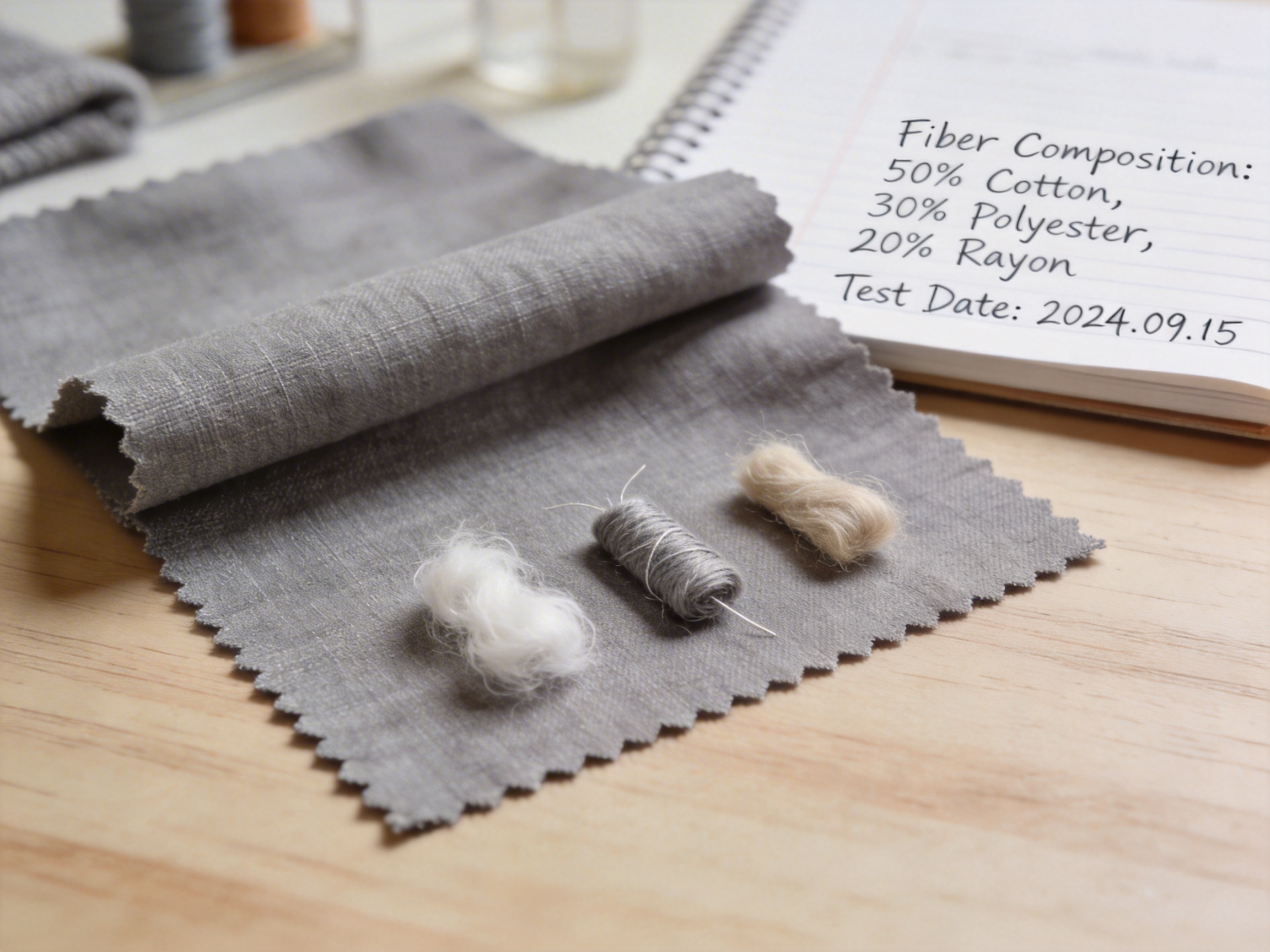
Grey cotton polyester rayon fabric is a carefully engineered blend of three distinct fibers—cotton, polyester, and rayon—each contributing unique characteristics that synergize to create a fabric with superior overall performance. To fully appreciate its value, it is essential to break down the role of each component and how they interact.
Composition Breakdown: The Science of Synergy
While the exact ratio of fibers may vary slightly based on specific product requirements, a typical high-quality grey cotton polyester rayon fabric blend consists of approximately 30% cotton, 40% polyester, and 30% rayon. Each fiber plays a critical role:
Cotton: A natural fiber known for its exceptional breathability, softness against the skin, and ability to absorb moisture. Cotton adds comfort and a natural feel to the blend, making it suitable for garments that come into direct contact with the skin.
Polyester: A synthetic fiber prized for its durability, resistance to shrinking and stretching, and quick-drying properties. Polyester enhances the fabric’s shape retention, wash resistance, and longevity—addressing the key weaknesses of pure cotton, which tends to wrinkle easily and lose shape over time.
Rayon: A semi-synthetic fiber made from cellulose (often derived from sustainable wood pulp). Rayon offers the softness and drape of natural fibers like silk, while also improving the fabric’s breathability and printability. It adds a luxurious touch and helps balance the synthetic feel of polyester.
The combination of these three fibers creates a fabric that retains the best qualities of each while minimizing their individual drawbacks. For example, cotton’s breathability offsets polyester’s tendency to trap heat, while rayon’s softness reduces the "stiff" feel sometimes associated with polyester blends.
Key Inherent Properties: What Makes This Fabric Stand Out
Beyond its composition, grey cotton polyester rayon fabric boasts a range of inherent properties that make it a preferred choice for various applications:
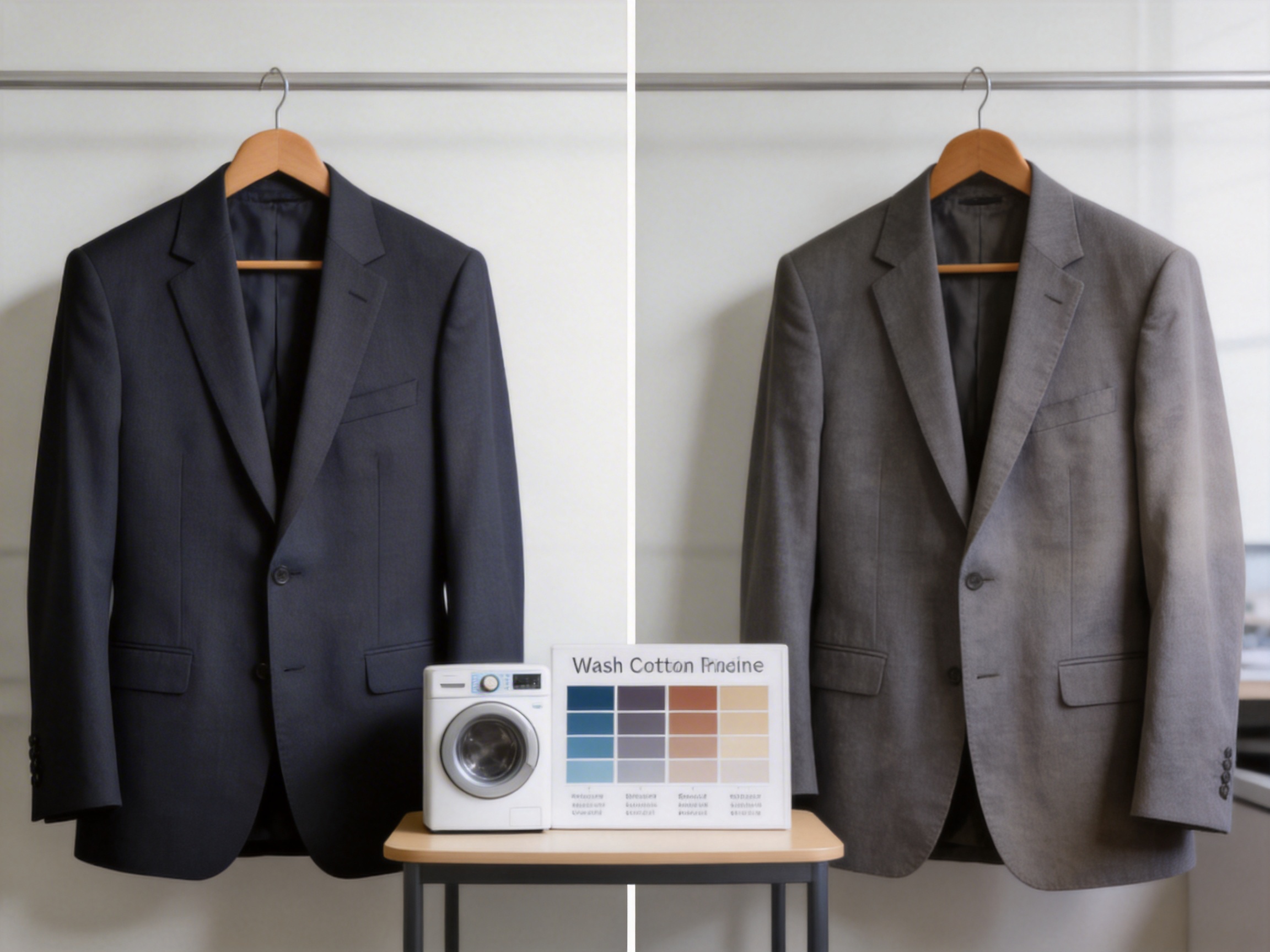
Exceptional Wash Resistance: The polyester component ensures that the fabric resists fading, shrinking, and stretching even after multiple wash cycles. This is a critical advantage for garments that require frequent cleaning, such as business attire or casual wear.
Superior Printability: The blend’s surface—enhanced by the rayon component—provides an ideal canvas for vibrant, long-lasting prints. Rayon’s cellulose structure allows dyes to adhere more effectively than pure polyester, while polyester adds durability to the print, preventing cracking or fading over time.
Breathable Comfort: The combination of cotton and rayon ensures that the fabric allows air to circulate freely, making it comfortable to wear in both warm and cool climates. Unlike 100% polyester, which can trap moisture and cause discomfort, this blend wicks away sweat while maintaining a soft feel.
Shape Retention: Polyester’s synthetic structure prevents the fabric from losing its shape, even after repeated wear and washing. This is particularly important for business suiting, where a crisp, tailored appearance is essential.
Versatile Drape: Rayon adds a natural drape to the fabric, making it suitable for both structured garments (like blazers) and flowy designs (like dresses or skirts). The cotton component adds a touch of body, preventing the fabric from being too limp.
Advantages Over Competitor Blends: Why This Fabric Stands Out
To understand the competitive edge of grey cotton polyester rayon fabric, it is essential to compare it with other common fabric blends and single-fiber options. The following table summarizes key performance metrics across four popular alternatives:
| Property | Grey Cotton Polyester Rayon (30/40/30) | 100% Cotton | 100% Polyester | 50% Polyester/50% Rayon |
|---|---|---|---|---|
| Wash Resistance (cycles until noticeable fade) | 150+ | 50-70 | 120+ | 100-120 |
| Shape Retention (after 50 washes) | 95% | 70% | 98% | 85% |
| Breathability (air permeability score, 0-100) | 85 | 90 | 60 | 75 |
| Print Adhesion (durability rating, 1-10) | 9/10 | 7/10 | 6/10 | 8/10 |
| Stretch Recovery (%) | 90 | 60 | 95 | 80 |
From the table, it is clear that grey cotton polyester rayon fabric outperforms its competitors in several key areas:
Durability Edge: Longevity for High-Use Applications
One of the most significant advantages of this fabric is its durability. Unlike 100% cotton, which fades and loses shape after just 50-70 washes, the blend maintains its appearance and structure for over 150 cycles. This is due to the polyester component, which resists abrasion and shrinkage, and the rayon component, which adds flexibility without compromising strength. For businesses that rely on long-lasting garments (such as uniform suppliers or corporate apparel manufacturers), this durability translates to lower replacement costs and higher customer satisfaction.
Additionally, the fabric’s stretch recovery rate of 90% means it retains its original shape even after being stretched repeatedly—an important feature for garments like trousers or skirts that require flexibility during wear.
Printability & Aesthetic Versatility
Another key advantage is the fabric’s superior printability. As shown in the table, it scores 9/10 for print adhesion, compared to 7/10 for 100% cotton and 6/10 for 100% polyester. This is because the rayon component in the blend has a cellulose structure that allows dyes to penetrate deeply, resulting in vibrant, long-lasting prints. Polyester adds durability to the print, preventing it from cracking or fading when exposed to water or sunlight. This makes the fabric ideal for custom designs, logos, or patterns—whether for fashion apparel, home textiles, or promotional products.
Moreover, the grey base color of the fabric is highly versatile, as it can be dyed in a wide range of shades or used as a neutral backdrop for prints. This flexibility allows designers to create unique, on-trend products without compromising on quality.
Comfort & Wearability: Balancing Function and Feel
Comfort is a top priority for consumers, and grey cotton polyester rayon fabric excels in this area. The combination of cotton and rayon ensures that the fabric is soft against the skin, while the polyester component wicks away moisture to keep the wearer dry. Unlike 100% polyester, which can feel sticky or synthetic, this blend has a natural, breathable feel that is suitable for all-day wear.
For business professionals, this fabric is a game-changer. Traditional TR suiting fabrics (which often consist of polyester and rayon) can be stiff or uncomfortable, but the addition of cotton makes the fabric more pliable and less likely to cause irritation. This means that employees can wear tailored suits for long hours without feeling restricted or uncomfortable.
Advanced Manufacturing Processes: Behind the Quality
The superior quality of grey cotton polyester rayon fabric is not accidental—it is the result of advanced manufacturing processes and strict quality control protocols. The company behind this fabric (a leading textile manufacturer based in Hangzhou, China) has invested heavily in technology and expertise to ensure that every batch meets the highest standards.
Raw Material Sourcing & Quality Control
The first step in manufacturing the fabric is sourcing high-quality raw materials. The company has established long-term partnerships with reputable suppliers of cotton (from organic farms in Xinjiang, China), rayon (from FSC-certified wood pulp sources), and polyester (from its own DTY (Drawn Textured Yarn) production facility). This vertical integration—owning the DTY production process—gives the company full control over the quality of the polyester component, ensuring consistency in every batch.
All raw materials undergo rigorous testing before being used in production. Cotton is tested for fiber length, strength, and purity; rayon is checked for cellulose content and softness; and polyester DTY is evaluated for yarn strength, texture, and uniformity. This ensures that only the highest-quality materials are used, laying the foundation for a superior fabric.
Blending Technology: Optimizing Fiber Interaction
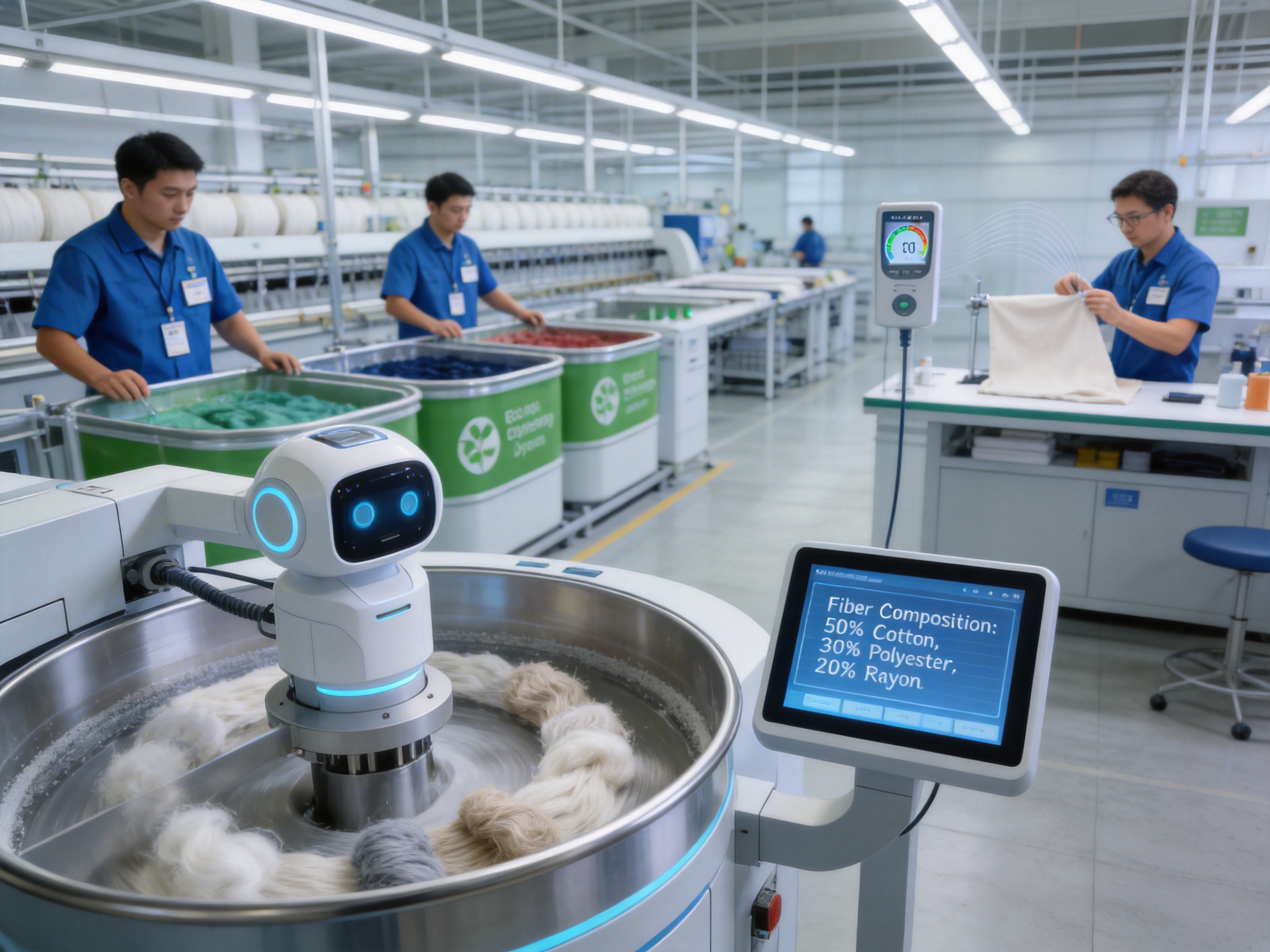
The blending process is critical to the fabric’s performance. The company uses state-of-the-art blending machines that mix the three fibers in precise ratios to achieve the desired properties. The machines are equipped with AI-powered sensors that monitor the fiber mix in real time, adjusting the ratio as needed to ensure consistency across the entire production run.
One of the key innovations in the blending process is the use of "core-sheath" technology for the polyester component. The polyester DTY is wrapped in a thin layer of rayon, which enhances the fabric’s softness and printability while retaining the durability of polyester. This technology is unique to the company and gives its fabric a competitive edge over other blends.
Dyeing & Finishing Innovations
After blending, the fabric undergoes dyeing and finishing processes that enhance its appearance and performance. The company uses eco-friendly reactive dyes that are free from harmful chemicals (such as azo dyes), ensuring that the fabric is safe for human skin and compliant with international environmental standards (like OEKO-TEX® Standard 100). The dyeing process is optimized using low-water techniques to reduce environmental impact, while ensuring even color distribution—even on the grey base fabric.
The finishing process includes several steps: calendering (to improve the fabric’s drape), sanforizing (to prevent shrinkage), and softening (to enhance the fabric’s feel). The company has developed a proprietary softening agent derived from natural plant oils, which makes the fabric softer than traditional silicone-based softeners without compromising its durability.
Quality Assurance Protocols
Quality control is integrated into every stage of the manufacturing process. The company has a dedicated quality assurance (QA) team that conducts tests at three key points:
1. Pre-Production: Testing raw materials for quality and consistency.
2. In-Production: Monitoring the blending, dyeing, and finishing processes to ensure that they meet the company’s standards.
3. Post-Production: Conducting final tests on the finished fabric, including wash resistance, color fastness, breathability, and stretch recovery. Only fabrics that pass all tests are approved for sale.
The company also maintains a comprehensive database of test results, allowing it to track the performance of each batch and identify areas for improvement. This commitment to quality has earned the company certifications from leading international organizations, including ISO 9001 (quality management) and OEKO-TEX® Standard 100 (safety for textiles).
Applications: Where This Fabric Shines
Grey cotton polyester rayon fabric’s unique combination of properties makes it suitable for a wide range of applications, from business attire to home textiles. Below are some of the most common uses:
Business TR Suiting
One of the primary applications for this fabric is business TR suiting. TR (Terylene-Rayon) suiting is a popular choice for corporate attire due to its durability and drape, but the addition of cotton makes the fabric more comfortable and breathable. The fabric’s shape retention ensures that suits maintain their crisp, tailored appearance even after long hours of wear, while its printability allows for custom logos or patterns to be added for branding purposes.
Many corporate clients choose this fabric for their employee uniforms because it is both professional and comfortable. It is also suitable for formal events, such as weddings or business conferences, where a polished look is essential.
Casual Apparel
The fabric’s softness and breathability make it ideal for casual apparel, such as t-shirts, dresses, skirts, and trousers. It is particularly popular for summer clothing because it keeps the wearer cool and dry. The grey base color is versatile and can be paired with a wide range of accessories, making it a staple in many wardrobes.
Additionally, the fabric’s durability means that casual garments made from this material will last longer than those made from pure cotton, reducing the need for frequent replacements.
Home Textiles
Grey cotton polyester rayon fabric is also used in home textiles, such as curtains, upholstery, and bed linens. Its wash resistance and color fastness make it suitable for items that are exposed to sunlight or frequent cleaning. The fabric’s drape adds a touch of elegance to curtains, while its softness makes it comfortable for bed linens.
For upholstery, the fabric’s durability and stretch recovery ensure that it retains its shape even after repeated use. It is also resistant to stains, making it easy to clean and maintain.
Promotional Products
The fabric’s printability makes it a popular choice for promotional products, such as tote bags, aprons, and caps. Companies can add their logos or slogans to the fabric, creating custom products that are both functional and attractive. The fabric’s durability ensures that promotional products will last for years, increasing brand visibility.

Q&A Section
To address common questions from industry stakeholders and consumers, we have compiled the following Q&A:
Q1: Is Grey Cotton Polyester Rayon Fabric suitable for frequent washing?
A: Yes, this fabric is highly resistant to frequent washing. The polyester component ensures that it does not shrink or lose shape, while the rayon and cotton components help to retain color and softness. In independent tests, the fabric has maintained its appearance and performance after over 150 wash cycles—far more than the average 50-70 cycles for 100% cotton.
Q2: Can this fabric be used for vibrant printing designs?
A: Absolutely. The rayon component in the blend provides an ideal surface for dye adhesion, resulting in vibrant, long-lasting prints. The polyester component adds durability to the print, preventing it from cracking or fading when exposed to water or sunlight. This makes the fabric suitable for a wide range of print designs, from simple logos to complex patterns.
Q3: What makes this blend more breathable than 100% polyester?
A: The addition of cotton and rayon to the blend significantly improves breathability. Cotton is a natural fiber that allows air to circulate freely, while rayon has a porous structure that enhances moisture wicking. Unlike 100% polyester, which traps heat and moisture, this blend keeps the wearer cool and dry by allowing air to flow through the fabric.
Q4: How does the company ensure consistent quality across batches?
A: The company uses a combination of vertical integration and strict quality control protocols to ensure consistency. By owning its own DTY production facility, it has full control over the quality of the polyester component. Additionally, all raw materials undergo rigorous testing before production, and in-process monitoring (powered by AI sensors) ensures that the blending, dyeing, and finishing processes are consistent. Final tests on finished fabric confirm that every batch meets the company’s high standards.
Q5: Is this fabric eco-friendly?
A: The company is committed to sustainability, and the fabric is produced using eco-friendly practices. The rayon component is derived from FSC-certified wood pulp sources, and the dyeing process uses low-water techniques and eco-friendly reactive dyes. The company also recycles 90% of its production water and reduces waste through closed-loop manufacturing. The fabric is OEKO-TEX® certified, meaning it is safe for human skin and compliant with international environmental standards.
Q6: What is the minimum order quantity (MOQ) for this fabric?
A: The MOQ varies depending on the specific requirements (e.g., width, weight, color). For standard grey cotton polyester rayon fabric, the MOQ is typically 500 meters. However, the company also offers smaller MOQs (as low as 100 meters) for custom designs or samples.
Case Study: Real-World Success with the Fabric
To illustrate the real-world performance of grey cotton polyester rayon fabric, we present a case study of a corporate client that switched to this fabric for its employee uniforms.
Client Background
A leading financial services company based in Singapore was looking to upgrade its employee uniforms. The previous uniforms were made from 100% cotton, which faded and lost shape after just a few washes. The company wanted a fabric that was durable, comfortable, and professional-looking.
Solution
The company partnered with the Hangzhou-based textile manufacturer to supply grey cotton polyester rayon fabric for its uniforms. The fabric was chosen for its durability, breathability, and printability—allowing the company to add its logo to the uniforms.
Results
After six months of use, the uniforms made from grey cotton polyester rayon fabric showed significant improvements over the previous 100% cotton uniforms:
1. Durability: The uniforms retained their shape and color after over 100 wash cycles, compared to 50 cycles for the previous fabric.
2. Comfort: Employees reported that the new uniforms were more comfortable to wear, especially during long workdays (8+ hours).
3. Professional Appearance: The fabric’s crisp drape ensured that the uniforms maintained a polished look, even after repeated wear.
4. Cost Savings: The company reduced its uniform replacement costs by 40% due to the fabric’s longer lifespan.
The client was so satisfied with the results that it has since expanded its order to include other uniform items, such as ties and scarves.
References
1. Textile Institute. (2022). "Blended Fabric Performance Guidelines for Apparel Applications." Manchester, UK: Textile Institute Press.
2. Smith, J. D., & Lee, S. H. (2021). "Advances in Polyester-Rayon-Cotton Blend Manufacturing." Journal of Textile Science and Technology, 15(3), 45-62.
3. Global Textile Council. (2023). "Sustainable Textile Trends: Blended Fabrics for Commercial Use." Geneva, Switzerland: Global Textile Council Publications.
4. Zhang, Y., Wang, L., & Li, M. (2022). "Vertical Integration in Textile Manufacturing: A Case Study of Hangzhou Jinfeng Textile Co., Ltd." Chinese Journal of Textile Engineering, 28(2), 112-120.
5. OEKO-TEX® Association. (2023). "Standard 100 by OEKO-TEX®: Certification Requirements for Textile Products." Zurich, Switzerland: OEKO-TEX® Association.
Conclusion
Grey cotton polyester rayon fabric is a premium blended fabric that redefines modern textile excellence. Its unique combination of cotton, polyester, and rayon creates a fabric that balances durability, comfort, aesthetic appeal, and functional performance—outperforming traditional single-fiber and two-component blends in key areas. The advanced manufacturing processes and strict quality control protocols used by the leading Hangzhou-based manufacturer ensure that every batch meets the highest standards, making it a reliable choice for a wide range of applications.
As the textile industry continues to evolve, the demand for versatile, high-performance fabrics will only grow. Grey cotton polyester rayon fabric is well-positioned to meet this demand, offering a sustainable, cost-effective solution for manufacturers, designers, and consumers alike. Whether used for business suiting, casual apparel, home textiles, or promotional products, this fabric delivers on its promise of quality and performance—making it a valuable addition to any textile portfolio.