Floral-Patterned Knitted Jacquard Fabric: Redefining Elegance and Comfort in Apparel
In an era where fashion consumers demand garments that balance aesthetic appeal with everyday functionality, knitted jacquard fabrics have emerged as a go-to choice for designers and brands alike. Among these, the floral-patterned knitted jacquard fabric stands out for its ability to combine intricate detailing with the comfort of stretch knits—addressing a key gap in the market for elegant, wearable apparel. This article explores the unique features of this fabric, its competitive advantages over conventional alternatives, the advanced manufacturing processes that ensure quality, and its diverse applications across the fashion industry.
1. Product Overview: A Blend of Luxury and Practicality
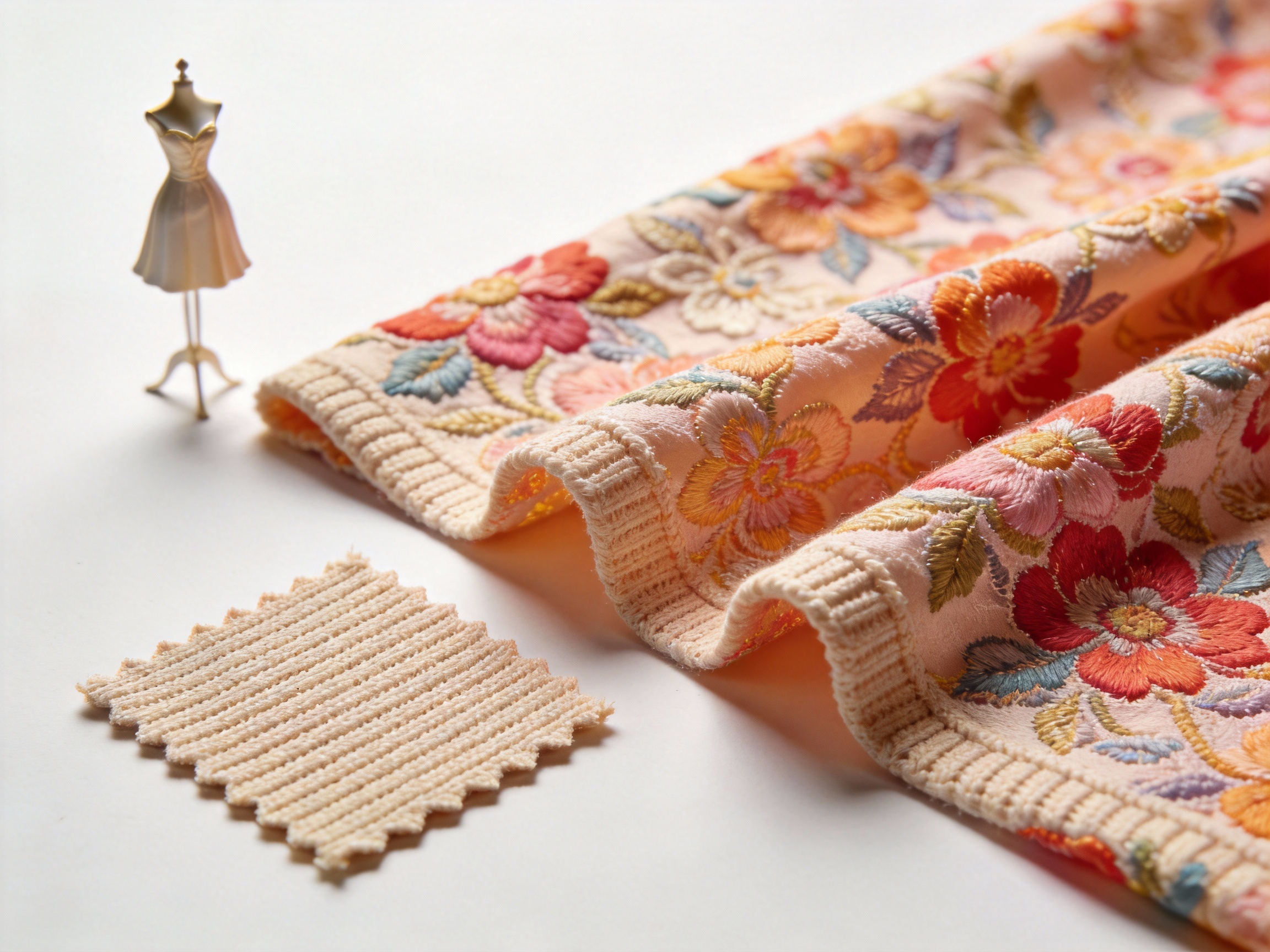
The floral-patterned knitted jacquard fabric is a medium-weight textile designed to mimic the look of embroidered fabrics without the stiffness or high cost associated with embroidery. Its composition—60% viscose, 35% nylon, and 5% spandex—creates a harmonious balance of softness, durability, and stretch. Let’s break down the key attributes that make this fabric unique:
1.1 Composition: The Science Behind the Softness
Viscose, derived from natural cellulose, is known for its breathability, moisture absorption, and silky texture—qualities that make it ideal for apparel that touches the skin. Nylon, a synthetic fiber, adds tensile strength and elasticity, preventing the fabric from stretching out of shape over time. The 5% spandex content enhances the fabric’s 2-way stretch, allowing for freedom of movement while maintaining its structure. This blend avoids the pitfalls of single-fiber fabrics: unlike 100% cotton, it resists wrinkling and retains its drape; unlike 100% polyester, it offers a softer hand feel and better breathability.
1.2 Key Physical Properties
The fabric’s physical attributes are tailored to meet the needs of modern apparel: - Weight: 240 grams per square meter (GSM) classifies it as medium-weight—light enough for spring and summer dresses, yet substantial enough for lightweight fall jackets. - Width: 145 cm (57 inches) is a standard width for apparel manufacturing, allowing for efficient cutting and minimal waste. - Features: Soft hand feel, excellent drape (the fabric flows naturally when worn), and vibrant color retention (colors stay true even after repeated washes).
1.3 Certifications: A Commitment to Safety and Quality
The fabric is certified with OEKO-TEX Standard 100, a globally recognized label that ensures the product is free from harmful substances (such as heavy metals, formaldehyde, and phthalates) and safe for direct skin contact. This certification is particularly important for apparel intended for women and children, as it aligns with growing consumer demand for eco-friendly and skin-safe products.
2. Competitive Advantages: Outperforming Conventional Alternatives
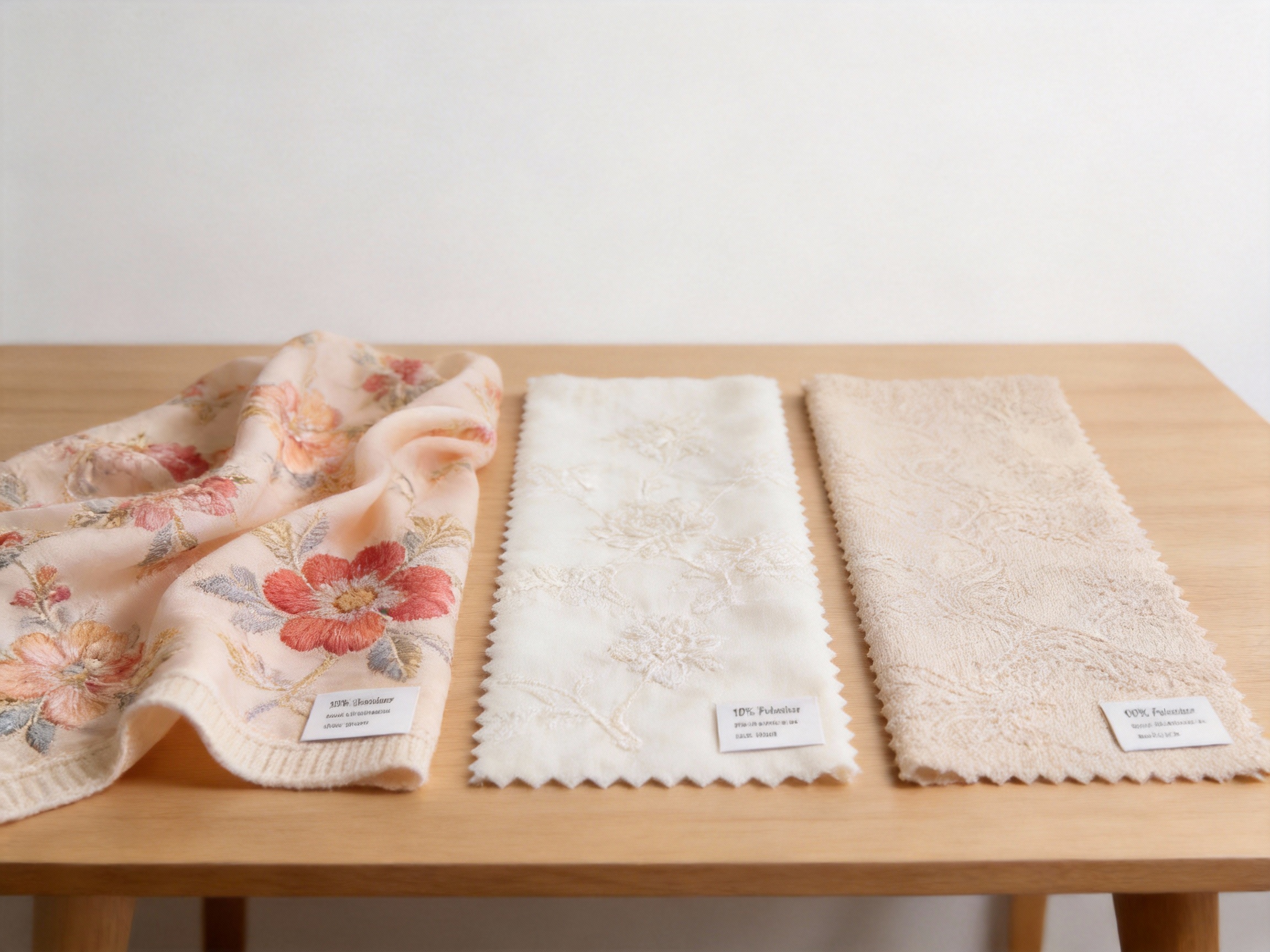
To understand the fabric’s market edge, it’s essential to compare it with other popular knitted jacquard fabrics and conventional alternatives. Below is a comparative table highlighting key differences:
| Feature | Floral-Patterned Knitted Jacquard Fabric | Conventional Embroidered Fabric | 100% Polyester Knitted Jacquard |
|---|---|---|---|
| Composition | 60% Viscose, 35% Nylon, 5% Spandex | Various (often 100% Cotton or Polyester) | 100% Polyester |
| Hand Feel | Soft, Silky, Luxurious | Stiff (due to embroidery threads) | Coarse, Less Breathable |
| Drape | Excellent Fluid Drape | Limited Drape (Stiff) | Average Drape (Prone to Static) |
| Stretch | 2-Way Stretch (5% Spandex) | Minimal Stretch | Limited Stretch |
| Color Retention | Superior (Low-Temp Reactive Dyes) | Moderate (Embroidery Threads May Fade) | Moderate (Disperse Dyes) |
| Certifications | OEKO-TEX Standard 100 | Often No Third-Party Certification | Rarely OEKO-TEX Certified |
| MOQ (Minimum Order Quantity) | 500 Meters (Flexible) | 1000+ Meters (High) | 800+ Meters |
| Sampling Time | 7 Days (Digital Sampling) | 14-21 Days | 10-14 Days |
From the table, it’s clear that the floral-patterned knitted jacquard fabric outperforms its competitors in multiple areas: - Luxury Feel at a Lower Cost: It mimics the look of embroidered fabrics but at a fraction of the cost, making it accessible to a wider range of brands. - Comfort and Functionality: The blend of viscose, nylon, and spandex offers a balance of softness, stretch, and durability that is unmatched by 100% polyester or conventional embroidered fabrics. - Sustainability and Safety: OEKO-TEX certification ensures it meets global safety standards, while low-temperature dyeing processes reduce environmental impact. - Flexibility for Brands: The low MOQ (500 meters) and fast sampling time (7 days) make it ideal for small to medium-sized brands looking to test new designs without high upfront costs.
3. Advanced Manufacturing Processes: Ensuring Zero Defects and Quality
The quality of the floral-patterned knitted jacquard fabric is a direct result of the advanced manufacturing processes employed by its producers. These processes prioritize precision, sustainability, and consistency—key factors in delivering a high-quality product.
3.1 Knitting Process: In-Line Inspection for Zero Defects
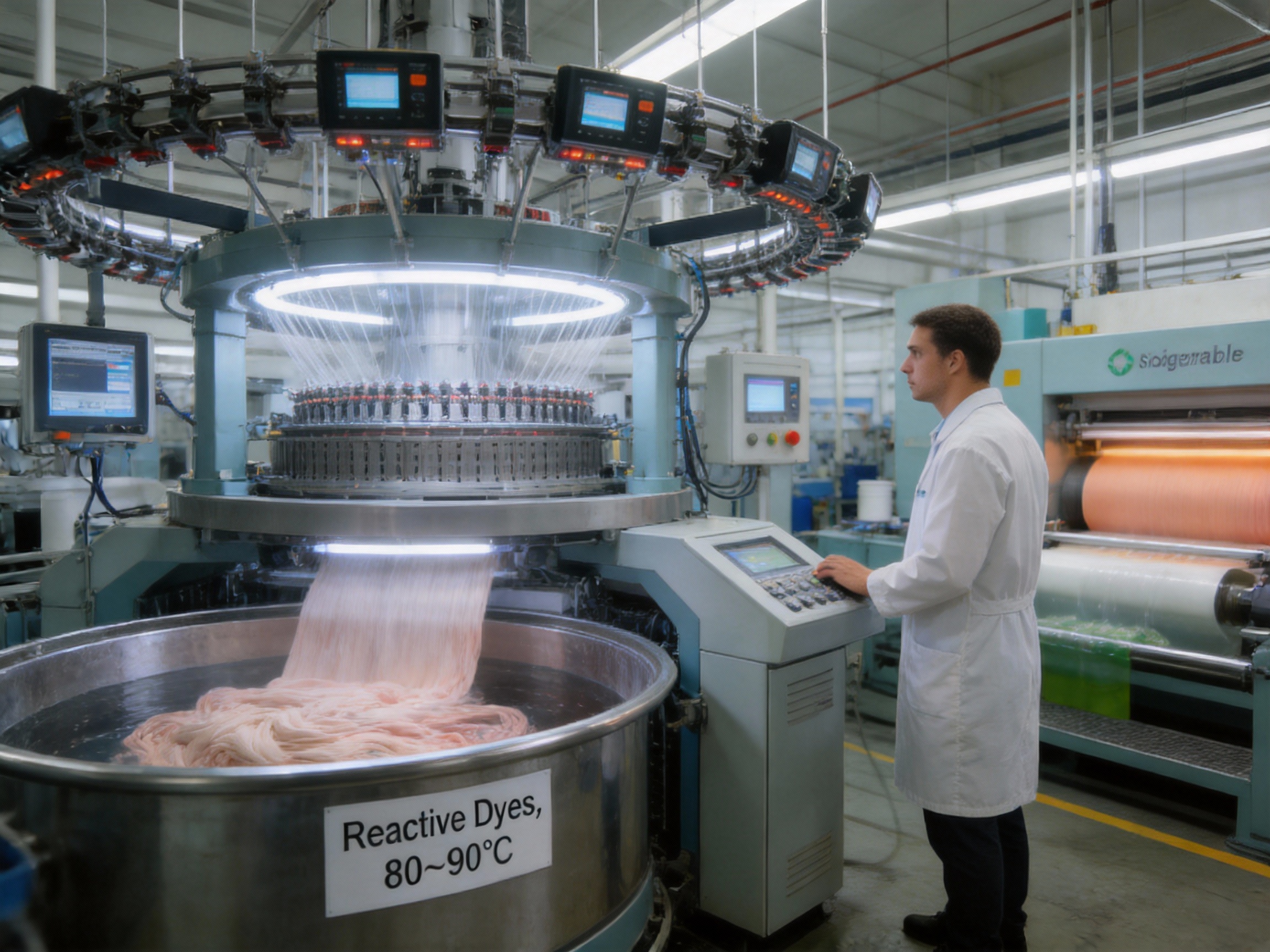
The fabric is produced using state-of-the-art circular knitting machines that are equipped with automated in-line inspection systems. These systems monitor the knitting process in real time, detecting defects such as yarn breaks, uneven pattern alignment, and loose threads before they result in large batches of defective fabric. This proactive approach ensures that every meter of fabric meets the highest quality standards, with zero defects. Additionally, skilled technicians conduct manual checks at regular intervals to complement the automated systems, ensuring that even minor imperfections are caught early.
3.2 Dyeing Process: Low-Temperature Reactive Dyes for Vibrant, Long-Lasting Colors
Unlike conventional dyeing processes that use high temperatures (130-140°C) and disperse dyes, this fabric uses low-temperature reactive dyes (80-90°C). Reactive dyes form covalent bonds with the fiber molecules, making the colors more resistant to fading from washing, sunlight, and wear. The low-temperature process also reduces energy consumption by up to 30% compared to high-temperature dyeing, making it more environmentally friendly. To further enhance color fastness, the fabric undergoes a post-dyeing washing process that removes excess dye, ensuring that colors do not bleed onto other garments.
3.3 Finishing Process: Enhancing Softness and Drape
After dyeing, the fabric undergoes a series of finishing processes to enhance its softness and drape. These include: - Softening Treatment: A biodegradable softener is applied to the fabric to improve its hand feel without compromising its breathability. - Calendering: A gentle calendering process is used to enhance the fabric’s sheen and smoothness, giving it a luxurious appearance. - Stabilization: The fabric is stretched and heat-set to ensure that it retains its shape and size after washing, preventing shrinkage or stretching out of shape.
4. Application Scenarios: Versatility Across Apparel Categories
The floral-patterned knitted jacquard fabric’s unique combination of features makes it suitable for a wide range of apparel applications. Below are some of the key use cases:
4.1 Women’s Elegant Day Dresses
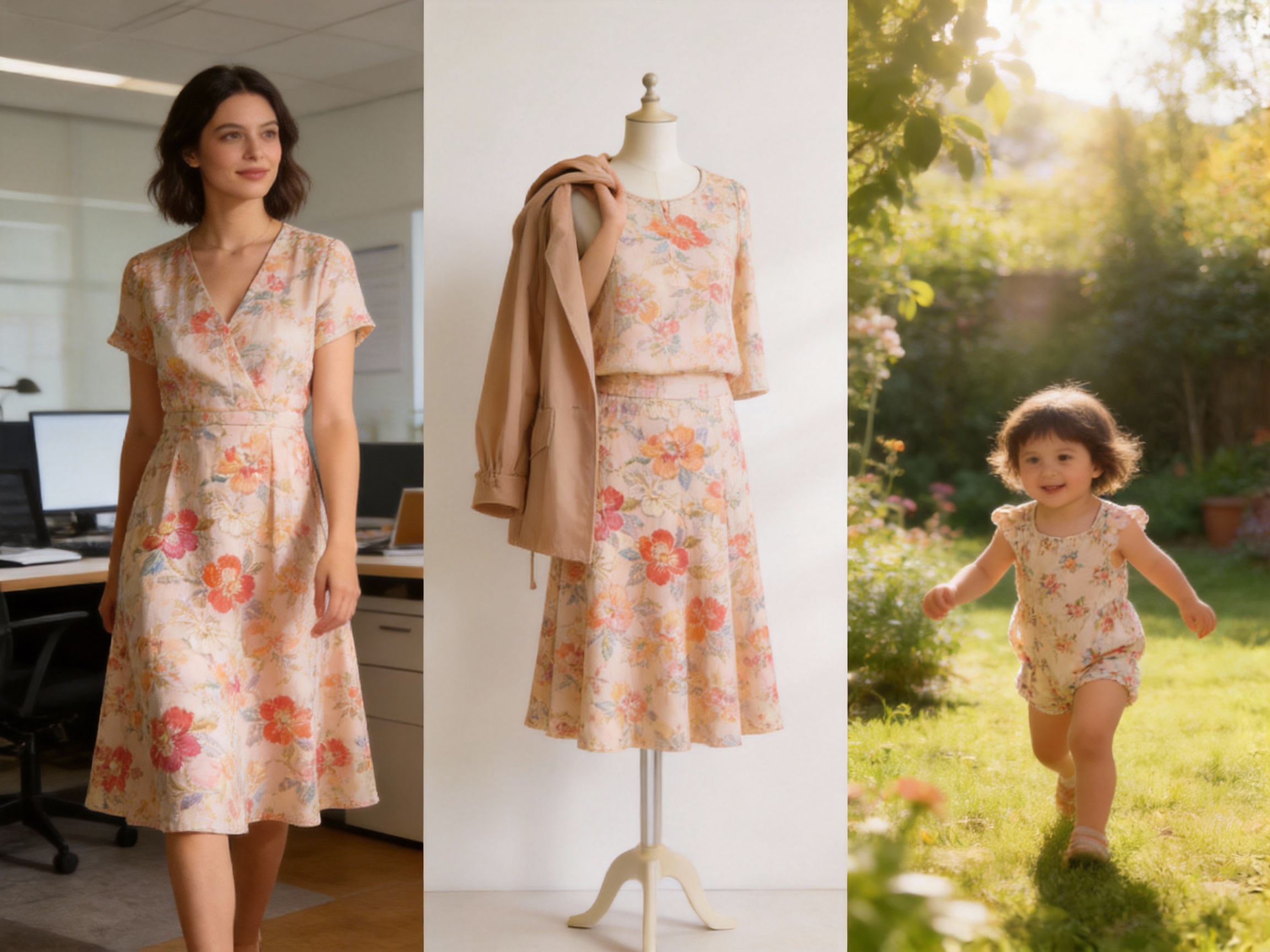
For women’s day dresses, this fabric is ideal due to its medium weight, excellent drape, and soft hand feel. The floral patterns add a touch of elegance, making it perfect for brunch, office wear, or casual outings. The 2-way stretch ensures that the dress fits comfortably and moves with the wearer, while the OEKO-TEX certification ensures it is safe for all-day skin contact. Brands have used this fabric to create A-line dresses, wrap dresses, and shift dresses that are both stylish and practical.
4.2 Coordinated Skirt and Top Sets
Coordinated sets are a popular trend in modern fashion, and this fabric is perfect for creating matching skirts and tops. The consistent floral pattern ensures that the pieces look cohesive, while the stretch allows for a comfortable fit. The medium weight makes the set suitable for year-round wear—paired with tights and a jacket in the fall, or worn alone in the spring and summer. Additionally, the fabric’s color retention ensures that the set looks new even after multiple washes.
4.3 Lightweight Fall Jackets
As a lightweight fabric, it is an excellent choice for fall jackets. The medium weight provides enough warmth for mild to cool weather, while the drape gives the jacket a flattering silhouette. The nylon content adds durability, making the jacket resistant to wear and tear, while the spandex allows for ease of movement. Brands have used this fabric to create bomber jackets, blazers, and trench coats that are both stylish and functional.
4.4 Luxury Children’s Wear
For luxury children’s wear, safety and comfort are top priorities. The OEKO-TEX certification ensures that the fabric is free from harmful substances, making it safe for children’s sensitive skin. The soft hand feel is gentle on kids’ skin, while the stretch allows for freedom of movement—essential for active children. The floral patterns add a playful touch, making it perfect for dresses, skirts, and rompers. Additionally, the fabric’s durability means that it can withstand the rough and tumble of childhood without losing its shape or color.
5. Buyer Support: Streamlining the Procurement Process
To make it easier for brands to integrate this fabric into their collections, producers offer a range of buyer support services that address common pain points in textile procurement.
5.1 Speedy Digital Sampling
Brands can request digital samples of custom floral patterns, which are produced within 7 days. This allows designers to visualize the fabric in their collections before placing a bulk order, reducing the risk of costly mistakes. The digital sampling process uses high-resolution scanners and printers to replicate the exact pattern and color of the final fabric, ensuring accuracy.
5.2 Flexible MOQ
Unlike many textile manufacturers that require large minimum order quantities (MOQs), this fabric is available with a flexible MOQ of 500 meters. This is particularly beneficial for small to medium-sized brands that want to test new designs without committing to large volumes. For larger orders, producers offer volume discounts, making it cost-effective for brands with high production needs.
5.3 Dedicated Logistics Support
For bulk orders, producers offer dedicated logistics support, including container consolidation and optimized packaging. Container consolidation allows brands to combine multiple orders into a single shipment, reducing freight costs. Optimized packaging uses vacuum-sealed bags to minimize wrinkles and reduce the volume of the shipment, further lowering freight costs and ensuring that the fabric arrives in pristine condition.
5.4 Customs Clearance Assistance
To help brands navigate the complexities of international trade, producers provide Harmonized System (HS) codes (e.g., 6006.32) and Certificate of Origin (CO) forms (Form A, E, or F). The HS code 6006.32 applies to knitted fabrics of synthetic filament yarn, jacquard, which is the correct classification for this fabric. CO forms allow brands to claim preferential tariff rates in certain countries, reducing import costs.
6. Frequently Asked Questions (FAQ)
Below are answers to common questions about the floral-patterned knitted jacquard fabric:
6.1 Is the floral pattern reversible?
No, the standard floral-patterned knitted jacquard fabric has a distinct face and back side. The face side features the intricate floral pattern, while the back side has a neat, clean knit structure. However, producers offer custom double-sided jacquard fabrics upon request, where both sides feature a pattern (either the same or different).
6.2 How should I care for this viscose blend fabric?
To maintain the fabric’s drape and prevent pilling, it is recommended to machine wash it on a gentle cycle with cold water and a mild detergent. Avoid using bleach or fabric softeners, as these can damage the fibers and affect the color. For best results, hang the fabric to dry or tumble dry on a low heat setting. Dry cleaning is also an option for more delicate garments.
6.3 Can I customize the floral pattern?
Yes, producers offer custom pattern design services. Brands can provide their own floral patterns or work with the producer’s design team to create a unique pattern. Digital sampling is available for custom patterns, allowing brands to approve the design before production begins.
6.4 What is the lead time for bulk orders?
The lead time for bulk orders is typically 2-3 weeks after order confirmation. This includes the knitting, dyeing, finishing, and quality inspection processes. For urgent orders, producers offer expedited production (1-2 weeks) at an additional cost.
6.5 Do you offer fabric testing reports?
Yes, producers provide third-party test reports for composition, GSM, color fastness, and OEKO-TEX certification. These reports are available upon request and can be used by brands to verify the quality of the fabric before placing an order.
6.6 Is the fabric stretchable?
Yes, the 5% spandex content provides a 2-way stretch, allowing the fabric to move with the wearer. This makes it ideal for garments that require flexibility, such as dresses, skirts, and jackets.
7. Conclusion
The floral-patterned knitted jacquard fabric represents a significant advancement in the textile industry, combining the elegance of embroidered fabrics with the comfort and functionality of stretch knits. Its unique composition, advanced manufacturing processes, and competitive advantages make it a top choice for designers and brands looking to create high-quality, wearable apparel. With its diverse applications across women’s, children’s, and outerwear categories, and its commitment to safety and sustainability, this fabric is poised to become a staple in the global fashion market.
References
1. Textile Institute. (2023). Global Knitted Fabric Market Report: Trends in Jacquard and Blended Fabrics. Manchester: Textile Institute Press.
2. OEKO-TEX Association. (2022). OEKO-TEX Standard 100: Guidelines for Safe Textile Products. Zurich: OEKO-TEX Association.
3. International Textile Manufacturers Federation (ITMF). (2023). Sustainable Dyeing Technologies: Low-Temperature Reactive Dyes. Berlin: ITMF Publications.
4. Smith, J. (2022). The Art of Knitted Jacquard: Design, Production, and Applications. New York: Fashion Industry Press.
5. World Trade Organization (WTO). (2023). Harmonized System Codes for Textile Products: Update 2023. Geneva: WTO Secretariat.
6. European Textile and Apparel Confederation (EURATEX). (2022). Consumer Trends in Sustainable Textiles: Safety and Comfort. Brussels: EURATEX.
7. Chen, L. (2023). Viscose-Nylon Blends: Properties and Applications in Apparel. Shanghai: China Textile Press.