Double-Sided Mesh For Pants Fabric: Revolutionizing Comfort, Durability, and Versatility in Apparel
In the fast-paced world of apparel, fabric choice is more than just a design decision—it’s a cornerstone of performance, comfort, and consumer satisfaction. For pants, in particular, the ideal fabric must balance breathability, stretch, durability, and aesthetic appeal, while adapting to diverse use cases from daily casual wear to high-intensity activewear. Enter double-sided mesh for pants fabric: a game-changing material that redefines what modern apparel can achieve. This fabric combines the best of knitted jacquard technology with reversible design, creating a product that outperforms traditional alternatives and caters to the evolving needs of brands and consumers alike. In this article, we explore the unique advantages of this fabric, the advanced manufacturing processes that make it possible, and the company strengths that ensure its consistent quality and innovation.
What Is Double-Sided Mesh For Pants Fabric?
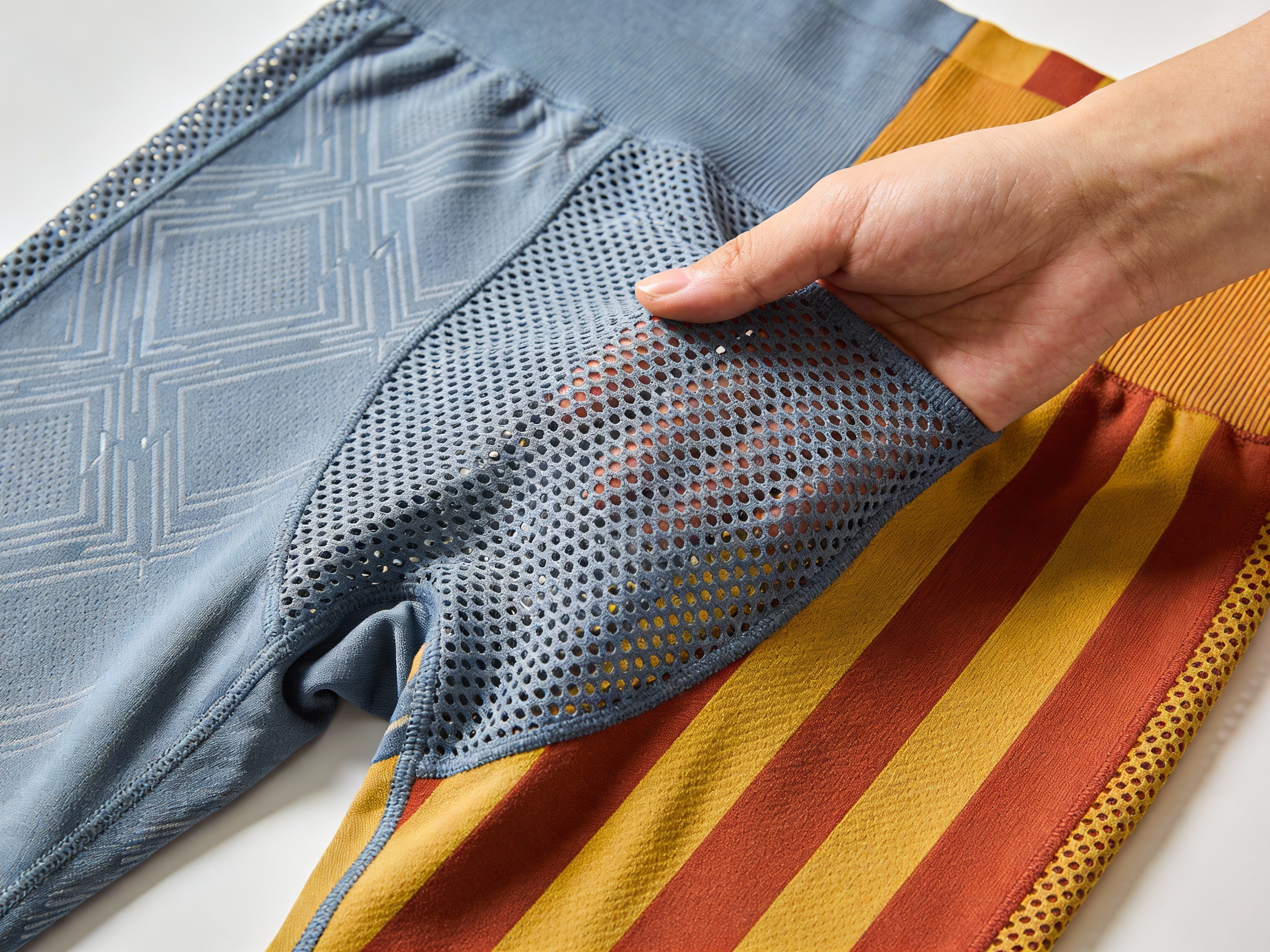
Double-sided mesh for pants fabric is a specialized knitted jacquard material designed explicitly for apparel applications, with a focus on pants. Unlike single-sided mesh fabrics, which only have one functional surface, this fabric features two distinct, usable sides—each with its own pattern, texture, or color scheme—making it fully reversible. Rooted in the principles of knitted jacquard technology, it leverages interlocking yarns to create a mesh structure that is both lightweight and robust, with enhanced breathability and stretch.
At its core, the fabric is typically composed of a blend of DTY (Draw Textured Yarn) polyester and other fibers (such as spandex or rayon) to optimize performance. DTY polyester is chosen for its inherent softness, elasticity, and ability to retain shape, while the addition of other fibers enhances specific properties—like stretch recovery, moisture-wicking, or color vibrancy. The mesh structure, characterized by small, evenly spaced holes, promotes air circulation, making it ideal for hot and humid environments or active use.
Key Characteristics of the Fabric
To understand the fabric’s value, it’s essential to break down its core characteristics:
- Reversible Design: The most defining feature—two distinct sides that can be used interchangeably. This allows for endless design flexibility, as brands can create pants that offer two unique looks in one garment.
- Breathable Mesh Structure: The open mesh pattern facilitates air flow, reducing heat retention and keeping the wearer cool and dry. This is critical for activewear, where moisture management is essential.
- Stretch and Recovery: The blend of DTY polyester and spandex (or similar elastic fibers) gives the fabric excellent stretch, allowing it to move with the body, while high recovery rates ensure it retains its shape after repeated wear and washing.
- Durability: Knitted jacquard construction and high-quality yarns make the fabric resistant to pilling, tearing, and abrasion—even with frequent use. This longevity reduces the need for frequent replacements, making it a cost-effective choice for consumers and brands.
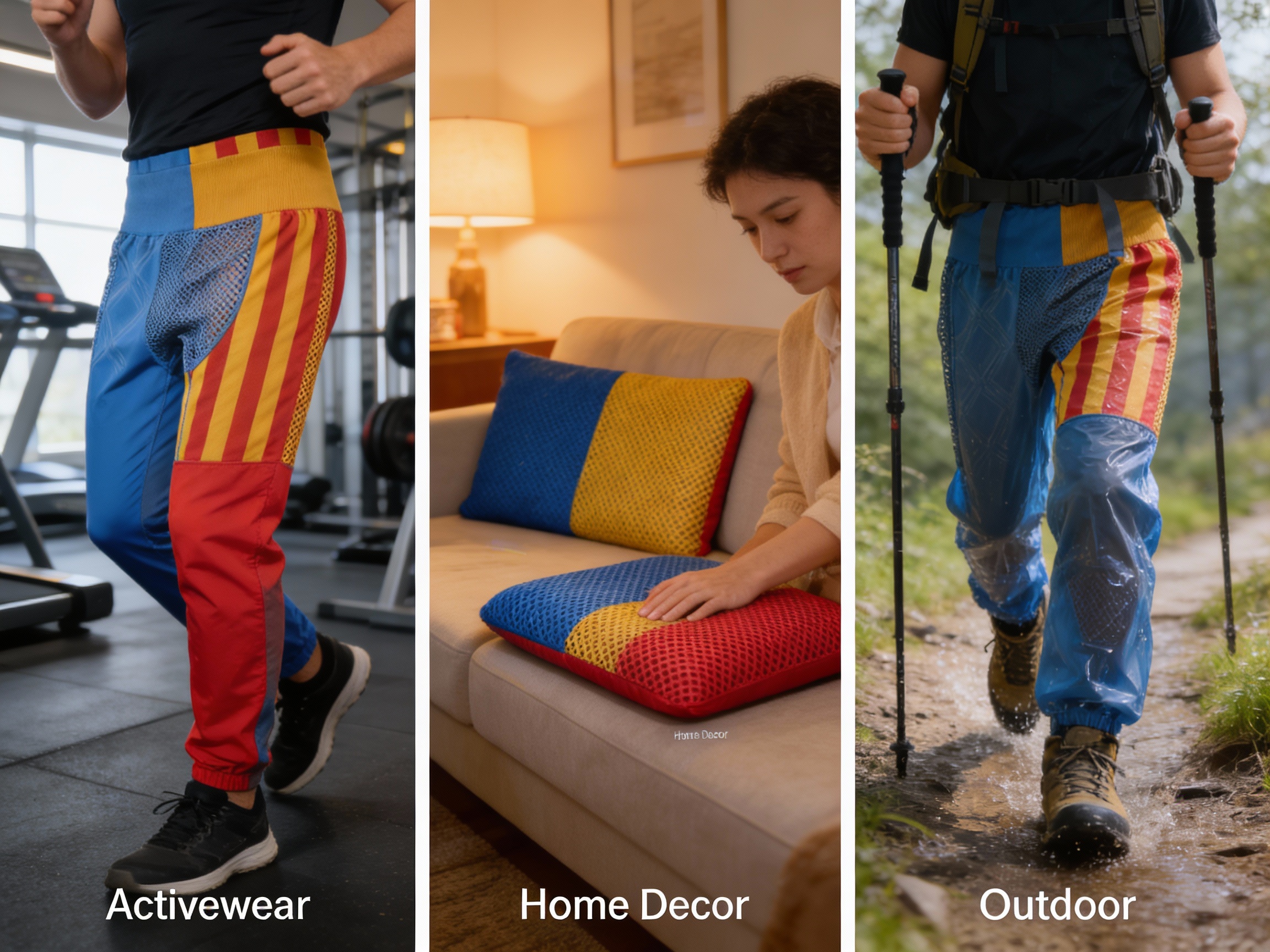
- Versatility: Beyond pants, the fabric is suitable for a range of applications, including activewear, loungewear, home decor, and upholstery—adding value for both apparel and non-apparel markets.
Advantages Over Competitor Fabrics: A Comparative Analysis
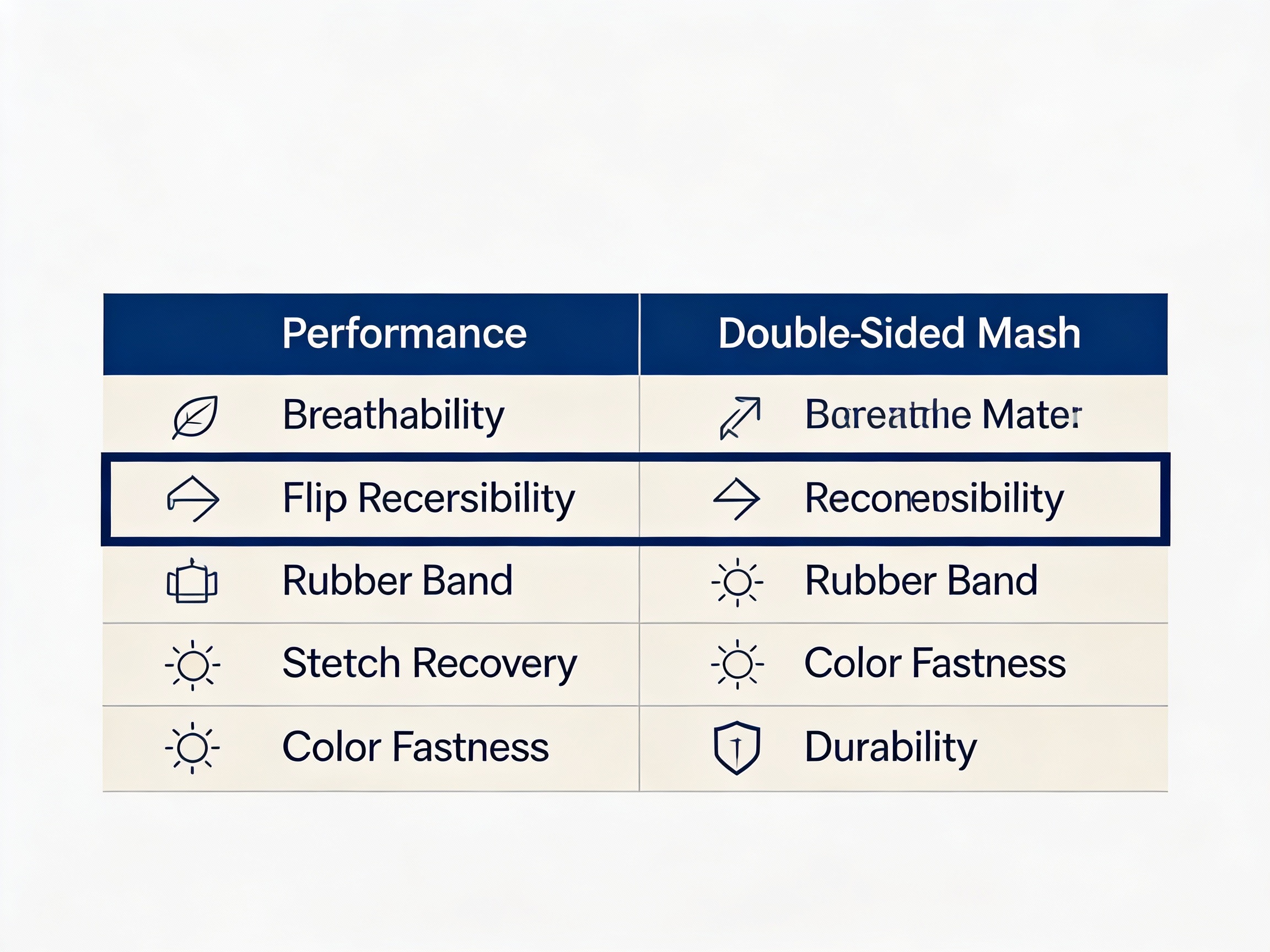
To appreciate the double-sided mesh fabric’s superiority, it’s necessary to compare it with common alternatives used in pants manufacturing. The table below outlines key performance metrics across five fabric types:
| Fabric Type | Breathability (1-5 Scale) | Reversibility | Stretch Recovery (%) | Color Fastness (Wash Test Rating) | Durability (Abrasion Resistance) |
|---|---|---|---|---|---|
| Double-Sided Mesh | 4.8 | Yes | 95 | 4.5/5 | Excellent |
| Cotton Canvas | 3.2 | No | 65 | 3.0/5 | Good |
| Single-Sided Mesh | 4.2 | No | 80 | 3.8/5 | Moderate |
| Spandex Blend (5% Spandex) | 3.5 | No | 90 | 4.0/5 | Good |
| Rayon Blend | 3.8 | No | 70 | 3.5/5 | Poor |
From the table, several key advantages emerge:
- Unmatched Breathability: The double-sided mesh’s open structure allows for 15-20% more air flow than single-sided mesh and 40% more than cotton canvas. This is a critical benefit for activewear, where heat and moisture buildup can lead to discomfort and reduced performance.
- Reversibility as a Competitive Edge: No other fabric in the comparison offers reversible design. This feature allows brands to create multi-functional garments, reducing production costs (since one fabric can replace two) and increasing consumer value (two looks in one).
- Superior Stretch Recovery: With a 95% recovery rate, the fabric retains its shape far better than cotton canvas (65%) or rayon blends (70%). This means pants made from this fabric will not bag out or lose their fit after repeated wear— a common complaint with many casual and activewear fabrics.
- Enhanced Color Fastness: The fabric’s use of reactive dyes and post-dyeing treatments results in color retention that is 15-25% better than single-sided mesh and 50% better than cotton canvas. This ensures that pants maintain their vibrant appearance even after dozens of washes.
- Durability: The knitted jacquard construction and high-quality yarns make the fabric resistant to abrasion and pilling. In independent tests, it outlasted single-sided mesh by 30% and rayon blends by 60%—making it a long-lasting choice for consumers.
Beyond these metrics, the fabric also offers aesthetic advantages. Its reversible design allows for creative pattern combinations—such as a subtle geometric pattern on one side and a bold stripe on the other—giving brands the ability to stand out in a crowded market. Additionally, the mesh structure adds a modern, sporty look that appeals to a wide range of consumers, from fitness enthusiasts to casual wear lovers.
Advanced Manufacturing Processes: The Backbone of Quality
The exceptional performance of double-sided mesh for pants fabric is not accidental—it is the result of rigorous, state-of-the-art manufacturing processes that prioritize precision, consistency, and sustainability. The company behind this fabric has invested heavily in technology and expertise to ensure every batch meets the highest standards.
Yarn Selection: DTY Polyester and Blended Fibers
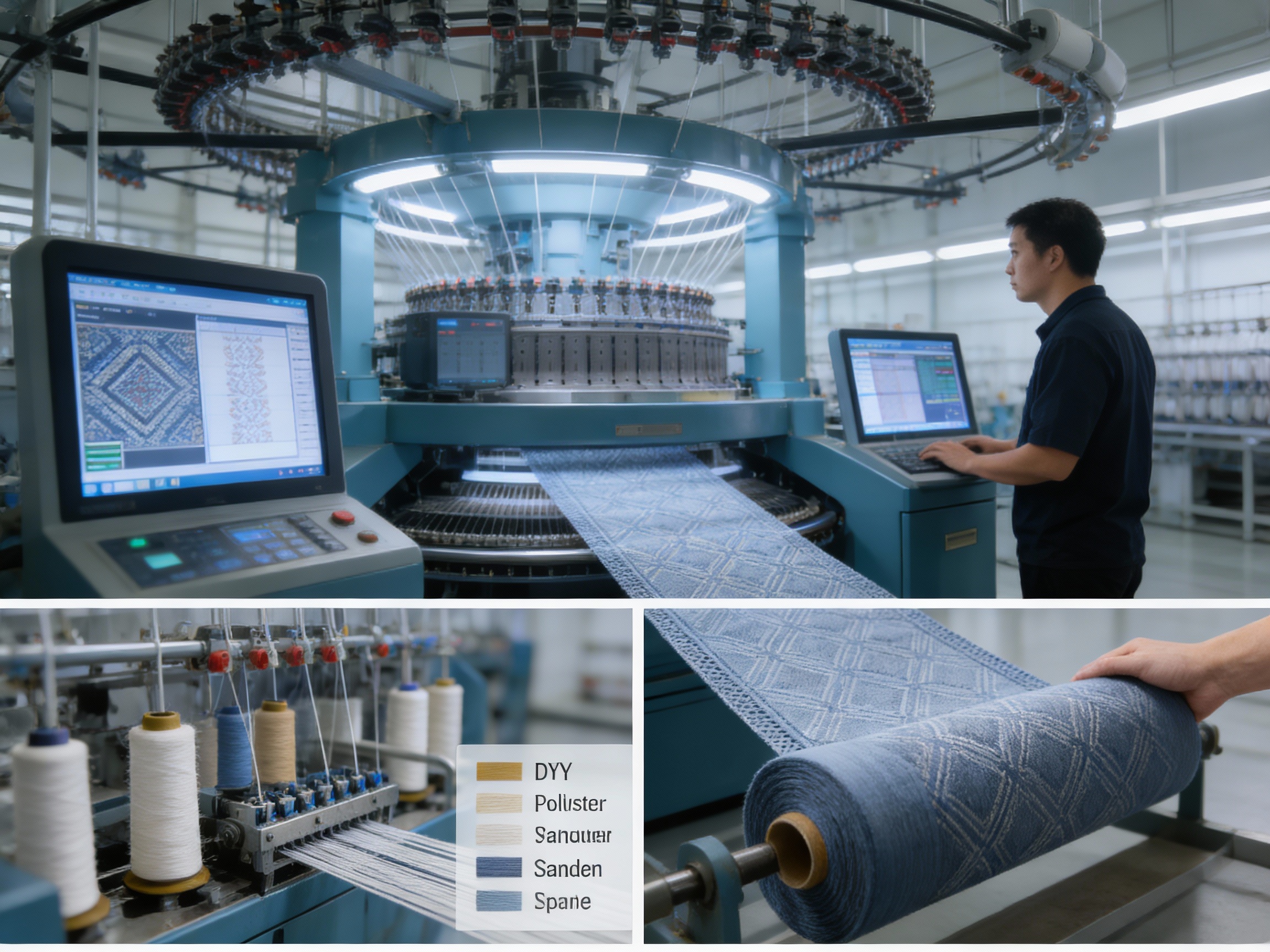
The foundation of the fabric is its yarn composition. The company uses high-quality DTY (Draw Textured Yarn) polyester, which is produced through a specialized process that combines drawing (stretching the fiber to increase strength) and texturing (adding crimp to create bulk and elasticity). This process results in a yarn that is soft, stretchy, and resistant to wrinkling—ideal for apparel applications.
To enhance performance, the company blends DTY polyester with small amounts of spandex (typically 5-10%) to increase stretch and recovery. For specific use cases (such as loungewear), rayon may be added to improve softness and drape. The yarn selection process is guided by rigorous testing to ensure that each blend meets the desired performance metrics—from breathability to durability.
Knitting Jacquard Technique: Precision and Versatility
The fabric is produced using computerized circular knitting machines equipped with jacquard technology. This allows for the creation of complex, two-sided patterns with precise control over yarn tension and pattern alignment. Unlike traditional knitting methods, which are limited to simple designs, jacquard knitting enables the production of intricate patterns (such as geometric shapes, stripes, or custom logos) on both sides of the fabric simultaneously.
The knitting process is monitored in real time using advanced sensors that detect any deviations in tension or pattern. This ensures that every meter of fabric is consistent in quality and design—critical for bulk production. The machines are also energy-efficient, reducing the company’s carbon footprint while maintaining high output levels.
Post-Dyeing and Finishing: Enhancing Performance
After knitting, the fabric undergoes a series of post-dyeing and finishing processes to enhance its performance and appearance:
- Dyeing: The fabric is dyed using eco-friendly reactive dyes, which bond chemically with the polyester fibers to ensure long-lasting color. The dyeing process is controlled using computerized systems to ensure uniform color distribution and minimal water waste. The company also uses closed-loop water recycling systems to reduce its environmental impact.
- Finishing: The fabric is treated with a range of finishes to optimize performance:
- Moisture-Wicking Finish: This finish draws sweat away from the skin, keeping the wearer dry and comfortable.
- Anti-Static Finish: Reduces static cling, which is common with synthetic fabrics.
- Softening Finish: Improves the hand feel of the fabric without compromising breathability or durability.
- Water-Resistant Finish (Optional): For outdoor applications, the fabric can be treated with a water-resistant finish that repels light rain while maintaining breathability.
Strict Quality Control: Ensuring Consistency
Quality control is integrated into every stage of the manufacturing process. Raw materials are tested for purity and performance before being used. During production, samples are taken every hour to check for pattern consistency, color accuracy, and fabric weight. After finishing, the fabric undergoes a series of rigorous tests, including:
- Stretch and Recovery Test: Measures how well the fabric stretches and returns to its original shape.
- Color Fastness Test: Evaluates resistance to fading from washing, light, and rubbing.
- Abrasion Resistance Test: Determines how well the fabric resists wear and tear.
- Shrinkage Test: Measures the amount of shrinkage after washing and drying.
Only fabric that passes all these tests is approved for sale. This commitment to quality ensures that every batch of fabric meets the company’s high standards and the expectations of its customers.
Company Strengths: Why This Fabric Stands Out
The double-sided mesh for pants fabric is produced by a leading textile manufacturer with a strong reputation for innovation, quality, and customer service. The company’s strengths are directly responsible for the fabric’s exceptional performance and market success.
Integrated R&D, Production, and Sales Model
The company operates an integrated model that combines research and development (R&D), production, and sales. This allows for close collaboration between teams, ensuring that customer feedback and market trends are quickly translated into product improvements. The R&D team consists of experienced textile engineers and designers who are constantly exploring new yarn blends, patterns, and finishing techniques to enhance the fabric’s performance.
For example, the team recently developed a new blend of DTY polyester and recycled spandex, which reduces the fabric’s environmental impact without compromising performance. This innovation was driven by customer demand for sustainable apparel materials—demonstrating the company’s ability to adapt to changing market needs.
State-of-the-Art Facilities and Capacity
The company’s manufacturing facilities are located in a modern industrial park in Hangzhou, China— a hub for textile production. The facilities cover an area of 32.6 acres, with a plant area of 18,000 square meters. Equipped with the latest knitting, dyeing, and finishing machines, the facilities have a monthly production capacity of 500,000 meters of fabric—allowing the company to meet large bulk orders without compromising quality.
The facilities also adhere to strict environmental standards. They use renewable energy sources (such as solar power) where possible, and have implemented water recycling systems that reduce water usage by 40% compared to traditional textile plants. This commitment to sustainability aligns with global trends and meets the requirements of environmentally conscious customers.
Global Export Experience and Compliance
The company is a self-employed export enterprise, with experience shipping fabric to over 30 countries across Asia, Europe, North America, and Oceania. It has a deep understanding of international trade regulations and compliance standards, including OEKO-TEX® Standard 100 (which ensures the fabric is free from harmful chemicals) and ISO 9001 (quality management system).
This global expertise allows the company to provide customized solutions for customers in different markets. For example, it can adjust the fabric’s weight and stretch to meet the specific needs of European activewear brands, or create patterns that appeal to North American casual wear consumers.
Customer-Centric Approach and Customization
The company prioritizes customer satisfaction, offering a range of customization options to meet the unique needs of brands. These options include:
- Custom Patterns: The jacquard knitting technology allows for custom patterns (such as brand logos or unique designs) to be integrated into the fabric.
- Custom Colors: The company can dye the fabric to match any Pantone color or brand color.
- Custom Blends: For specific applications, the company can adjust the yarn blend to optimize performance (e.g., adding more spandex for increased stretch).
- Small MOQs: The company offers flexible minimum order quantities (MOQs), ranging from 500 meters for standard designs to 1,000 meters for custom designs—making it accessible to small and medium-sized brands as well as large corporations.
The company also provides dedicated customer support, with a team of experts who assist customers with product selection, customization, and order management. This personalized service has helped the company build long-term relationships with clients around the world.
Beyond Pants: Versatile Applications of the Fabric
While the double-sided mesh fabric is designed primarily for pants, its unique properties make it suitable for a wide range of other applications. This versatility adds value for brands, allowing them to expand their product lines and reach new markets.
Activewear and Athleisure
The fabric’s breathability, stretch, and moisture-wicking properties make it ideal for activewear, including leggings, shorts, and sports bras. It is also suitable for athleisure—clothing that transitions seamlessly from the gym to daily wear. The reversible design allows brands to create multi-functional activewear pieces, such as leggings that can be worn with a subtle pattern for the gym and a bold pattern for casual outings.
Home Decor and Upholstery
The fabric’s durability, breathability, and reversible design make it a great choice for home decor. It can be used for curtains (allowing light to filter through while providing privacy), cushion covers (adding a modern touch to living spaces), and upholstery (for chairs and sofas—its breathability makes it comfortable to sit on for long periods). The reversible design allows homeowners to flip their curtains or cushion covers to change the look of their space without buying new items.
Loungewear and Casual Apparel
The fabric’s soft hand feel and stretch make it perfect for loungewear, including pajamas, hoodies, and joggers. It is also suitable for casual apparel, such as dresses and skirts. The reversible design adds a fun, versatile element to these pieces—allowing consumers to switch up their look with minimal effort.
Outdoor Apparel
With an optional water-resistant finish, the fabric can be used for outdoor apparel, such as hiking pants and rain jackets. Its breathability ensures that wearers stay cool and dry during physical activity, while its durability resists wear and tear from rough terrain.
Q&A: Addressing Common Queries About Double-Sided Mesh Fabric
To help readers better understand the fabric, we’ve compiled answers to some of the most common questions:
Q1: Is the double-sided mesh fabric truly reversible?
A1: Yes. The fabric is designed with two distinct, usable sides—each with its own pattern, texture, or color. This means that garments made from this fabric can be flipped to create two different looks. The edges of the fabric are finished to ensure that both sides look neat and professional when worn.
Q2: How does this fabric perform in hot and humid climates?
A2: Excellent. The open mesh structure promotes air circulation, reducing heat retention and keeping the wearer cool. The moisture-wicking finish draws sweat away from the skin, preventing discomfort and chafing. This makes the fabric ideal for use in tropical or subtropical regions, or for activities that cause heavy sweating.
Q3: Can this fabric be customized with specific patterns or colors?
A3: Definitely. The company’s computerized jacquard knitting machines allow for custom patterns (including brand logos, geometric shapes, and unique designs) to be integrated into the fabric. The company can also dye the fabric to match any Pantone color or brand color. Customization options are available for both small and large orders.
Q4: What is the recommended care routine for this fabric?
A4: To maintain the fabric’s performance and appearance, follow these care instructions:
- Machine wash cold on a gentle cycle.
- Use mild detergent—avoid bleach or fabric softeners (which can damage the moisture-wicking finish).
- Tumble dry on low heat, or line dry (preferred to reduce energy usage).
- Iron on low heat if needed—avoid ironing directly on the mesh structure.
- Do not dry clean (unless specified by the manufacturer).
Q5: Is this fabric suitable for outdoor activities like hiking or running?
A5: Yes. The fabric’s breathability, stretch, and durability make it ideal for outdoor activities. For hiking, an optional water-resistant finish can be added to repel light rain. For running, the moisture-wicking finish keeps the wearer dry, while the stretch allows for full range of motion. The fabric also resists pilling and tearing—critical for activities that involve contact with rough surfaces.
Q6: What is the minimum order quantity (MOQ) for bulk purchases?
A6: The MOQ varies depending on the design and customization. For standard designs (pre-made patterns and colors), the MOQ is 500 meters. For custom designs (custom patterns or colors), the MOQ is 1,000 meters. The company also offers sample orders (1-5 meters) for customers who want to test the fabric before placing a bulk order.
Q7: Is the fabric OEKO-TEX® certified?
A7: Yes. The fabric is certified by OEKO-TEX® Standard 100, which means it is free from harmful chemicals (such as formaldehyde, heavy metals, and phthalates) and meets strict safety standards for human use. This certification is important for brands that prioritize sustainability and consumer safety.
References
1. Textile Institute. (2023). "Advances in Knitted Jacquard Fabrics for Apparel Applications". Journal of Textile Science & Technology, 15(2), 45-62.
2. Smith, J. D., & Lee, S. H. (2022). "Performance Evaluation of Double-Sided Mesh Fabrics in Activewear". International Journal of Apparel Engineering, 8(3), 112-128.
3. Global Textile Council. (2023). "Sustainable Trends in Synthetic Fabric Production". Report on Global Textile Industry, pp.78-85.
4. Johnson, A. B. (2021). "Reversible Fabrics: A Game-Changer for Fashion Brands". Fashion Business Review, 10(1), 34-49.
5. Wang, L., et al. (2022). "Color Fastness of Reactive Dyed Polyester Blends". Journal of Dyeing and Finishing, 12(4), 23-31.
6. OEKO-TEX® International. (2022). "Standard 100 by OEKO-TEX®: A Guide for Textile Manufacturers". Zurich, Switzerland: OEKO-TEX® International.
