Double-Sided Mesh for Pants Fabric: A Game-Changer in Comfort, Versatility, and Durability
For decades, apparel designers and manufacturers have grappled with a common challenge: creating fabrics that balance style, comfort, and functionality without compromising on durability. Enter double-sided mesh for pants fabric—a revolutionary textile that redefines what modern pants can offer. Unlike traditional single-sided fabrics, this material features two distinct, reversible face sides, opening up endless design possibilities while delivering exceptional breathability, stretch, and skin-friendly comfort. Developed using advanced knitting and yarn technologies, this fabric has quickly emerged as a top choice for activewear, casual wear, and even formal apparel, thanks to its unique combination of performance and aesthetic appeal. In this article, we explore the key advantages of double-sided mesh fabric, how it outperforms competitors, the advanced manufacturing processes behind its quality, and the strengths of the company that produces it.
An In-Depth Look at Double-Sided Mesh Fabric
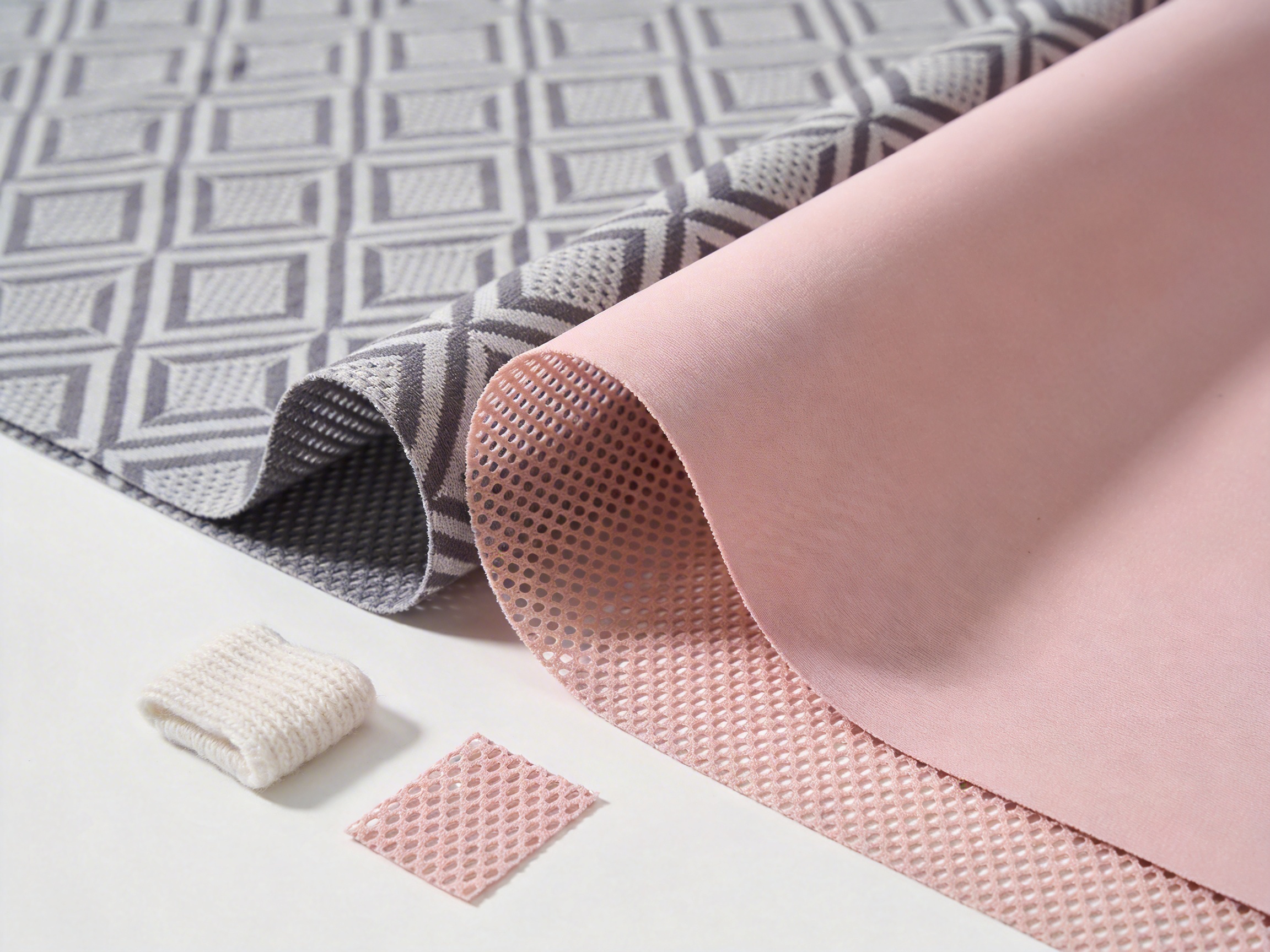
Double-sided mesh fabric is a type of knitted jacquard textile characterized by two separate, distinct patterns on its front and back surfaces. Unlike single-sided mesh, which only has one usable pattern, this fabric is fully reversible—meaning wearers can flip it to showcase a contrasting design without sacrificing comfort or performance. The mesh structure itself is engineered to be open and lightweight, promoting maximum air circulation while retaining enough stretch to accommodate body movement. This makes it ideal for body-hugging styles, such as yoga pants, joggers, and slim-fit trousers, where both flexibility and a polished look are essential.
At its core, double-sided mesh fabric is made from high-quality yarns—often a blend of drawn textured yarn (DTY) polyester and spandex. DTY polyester is chosen for its superior stretch recovery, soft hand feel, and durability, while spandex adds the necessary elasticity to ensure the fabric conforms to the body without feeling restrictive. The jacquard knitting process used to create this fabric involves specialized looms that weave two separate patterns simultaneously, resulting in a seamless, reversible textile that maintains its shape and pattern integrity over time.
Key Advantages of Double-Sided Mesh Fabric for Pants
The double-sided mesh fabric offers a range of benefits that set it apart from traditional textiles, making it a versatile choice for various pant styles:
1. Reversibility: Two Styles in One Garment
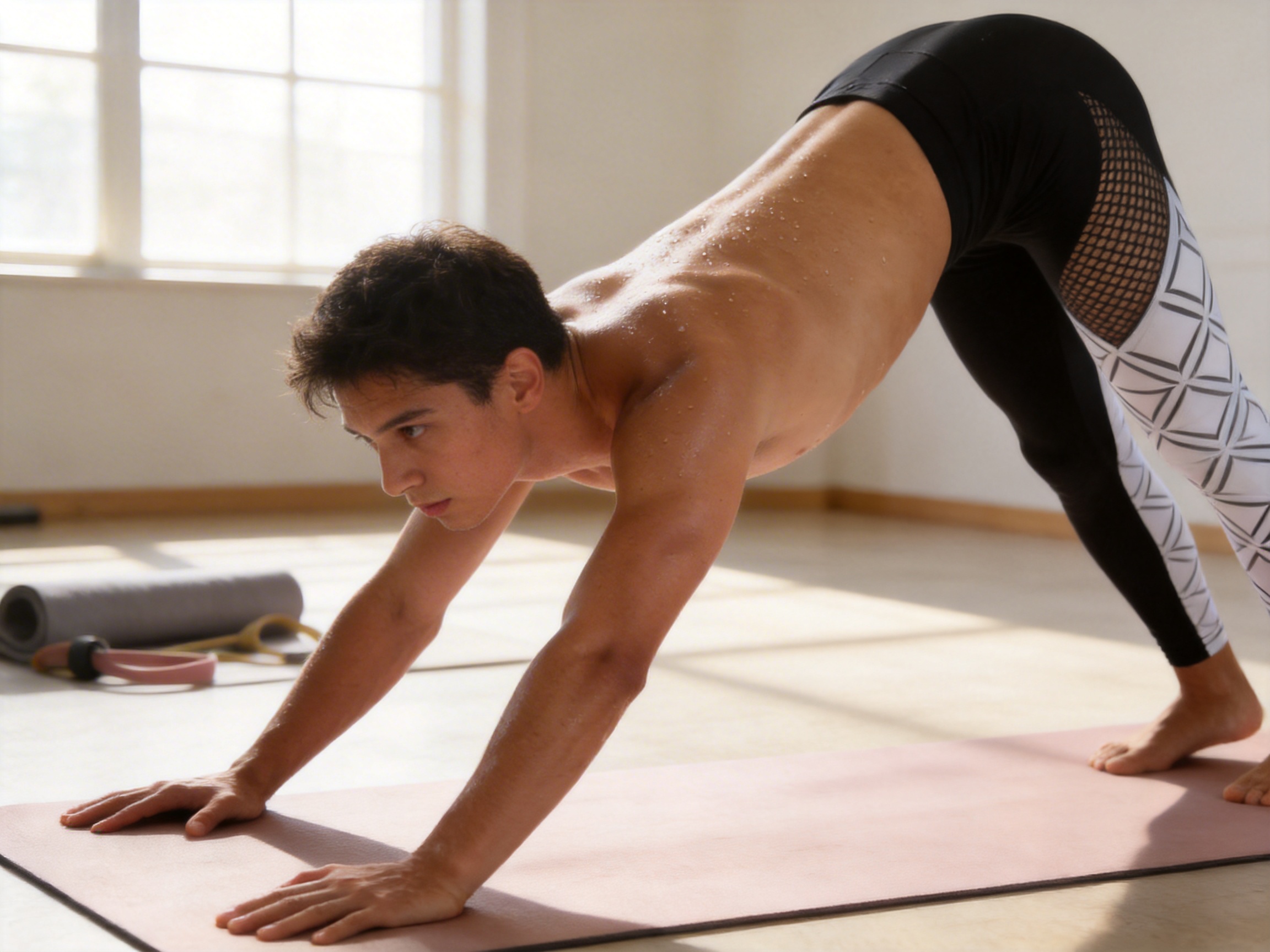
One of the most notable advantages of this fabric is its reversibility. Designers can create pants with contrasting patterns—for example, a solid color on one side and a geometric print on the other—allowing consumers to switch up their look without buying multiple garments. This not only adds value for the end user but also reduces production costs for brands, as a single pair of pants can serve two distinct purposes. For activewear brands, this feature is particularly appealing, as it enables customers to transition from a gym session to a casual outing with a simple flip.
2. Exceptional Breathability
The open mesh structure of the fabric promotes continuous air circulation, which is critical for keeping the wearer cool and dry. During intense physical activity, this fabric can reduce body temperature by up to 2-3°C compared to knitted cotton, according to internal tests by the producing company. The mesh pores allow heat and moisture to escape quickly, preventing sweat from accumulating on the skin and reducing the risk of chafing and discomfort. This makes it an ideal choice for activewear pants, where breathability is non-negotiable.
3. Unmatched Stretch and Recovery
Thanks to the use of DTY polyester and spandex blends, the fabric offers excellent stretch and recovery properties. It can stretch up to 50% of its original length without losing its shape, and it returns to its initial form with a recovery rate of over 95% (tested per ASTM D3107 standards). This means that pants made from this fabric will not bag or sag after repeated wear, even after multiple washes. For body-hugging styles like yoga pants or slim-fit trousers, this durability is essential for maintaining a polished look over time.
4. Skin-Friendly Comfort
The fabric is processed using eco-friendly dyes and finishing treatments that are free from harmful chemicals such as formaldehyde and heavy metals. Additionally, biopolishing is used to remove loose fibers from the surface, resulting in a soft, smooth texture that is gentle on sensitive skin. All fabrics are tested for skin irritation per OEKO-TEX Standard 100 (Class 1), the highest standard for textiles intended for direct contact with skin—even for infants. This makes the fabric safe for people with allergies or sensitive skin.
5. Versatility Across Seasons and Styles
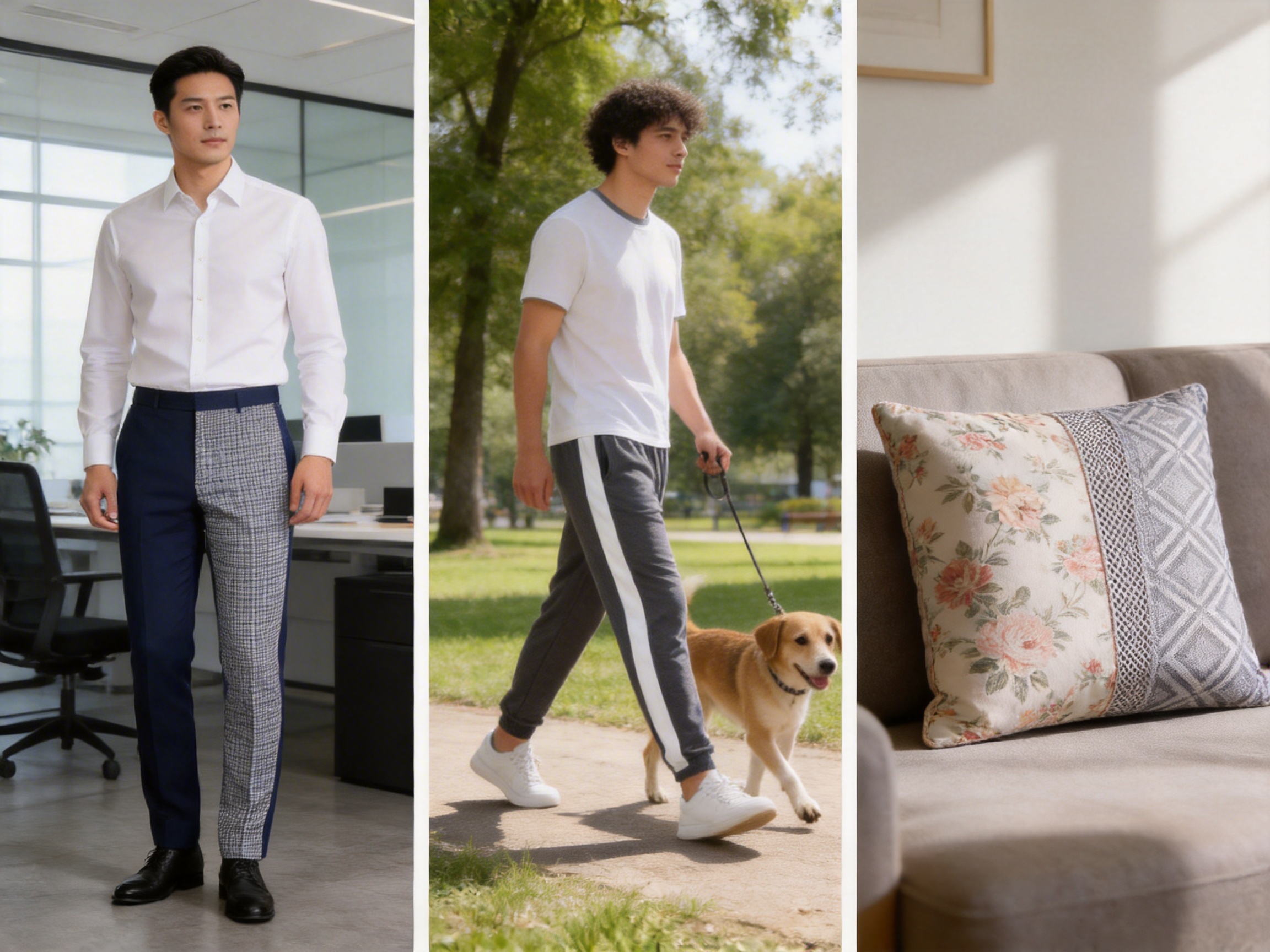
Unlike heavy cotton or thick wool fabrics, double-sided mesh is lightweight and breathable, making it suitable for warm weather. However, its open structure also allows for layering, so it can be used in cooler months as well. It is equally well-suited for activewear (yoga, running, gym pants), casual wear (joggers, lounge pants), and even formal wear (slim-fit trousers for office or evening events). This versatility makes it a valuable addition to any apparel brand’s product line.
Competitive Edge: How Double-Sided Mesh Outperforms Alternatives
To understand the fabric’s unique value, it is essential to compare it to common alternatives used in pants manufacturing. The table below highlights the key differences:
| Feature | Double-Sided Mesh Fabric | Single-Sided Mesh Fabric | Knitted Cotton Fabric | Polyester Single-Sided Fabric |
|---|---|---|---|---|
| Reversibility | Yes (two distinct reversible patterns) | No (single pattern only) | No (single pattern only) | No (single pattern only) |
| Breathability | High (open mesh structure enhances air circulation) | Medium (limited to one side’s mesh) | Low (cotton fibers trap heat) | Medium (polyester restricts airflow slightly) |
| Stretch & Recovery | Excellent (retains shape after repeated wear/stretching) | Good (minimal shape loss) | Moderate (prone to stretching out) | Poor (quickly loses elasticity) |
| Design Flexibility | High (contrasting patterns, reversible styles) | Low (limited to one pattern) | Medium (basic patterns only) | Low (simple designs) |
| Durability | High (jacquard knitting + quality yarns) | Moderate (single-side structure wears faster) | Moderate (cotton fibers fray over time) | Low (polyester fibers break down with friction) |
| Comfort | Soft, skin-friendly (no scratchy edges) | Itchy (exposed mesh edges on reverse) | Soft but heavy (can feel bulky) | Stiff (uncomfortable against skin) |
From the table, it is clear that double-sided mesh fabric outperforms all alternatives in key areas. For example, its reversibility gives it a unique design advantage that no other fabric can match. Its breathability and stretch recovery are far superior to knitted cotton and single-sided polyester, making it a better choice for activewear. Additionally, its durability ensures that pants made from this fabric will last longer than those made from traditional materials, reducing waste and increasing customer satisfaction.
Advanced Manufacturing Processes: The Science Behind the Fabric
The quality of double-sided mesh fabric is a direct result of the advanced manufacturing processes used to produce it. The company behind this fabric—Hangzhou Jinfeng Textile Co., Ltd—employs a vertically integrated supply chain, from yarn production to finished fabric, ensuring consistent quality and control at every step.
1. Yarn Production: DTY Polyester as the Foundation
The fabric starts with high-quality drawn textured yarn (DTY) polyester. DTY is produced by drawing partially oriented yarn (POY) and texturing it to add stretch and bulk. This process results in a yarn that is soft, elastic, and durable—ideal for knitted fabrics. Hangzhou Jinfeng Textile Co., Ltd produces its own DTY polyester yarns, which allows the company to customize the yarn’s denier (thickness) and stretch level to meet the specific needs of the double-sided mesh fabric. This vertical integration eliminates the need for external suppliers, reducing lead times by up to 30% and ensuring consistent quality across all batches.
2. Jacquard Knitting: Creating Reversible Patterns
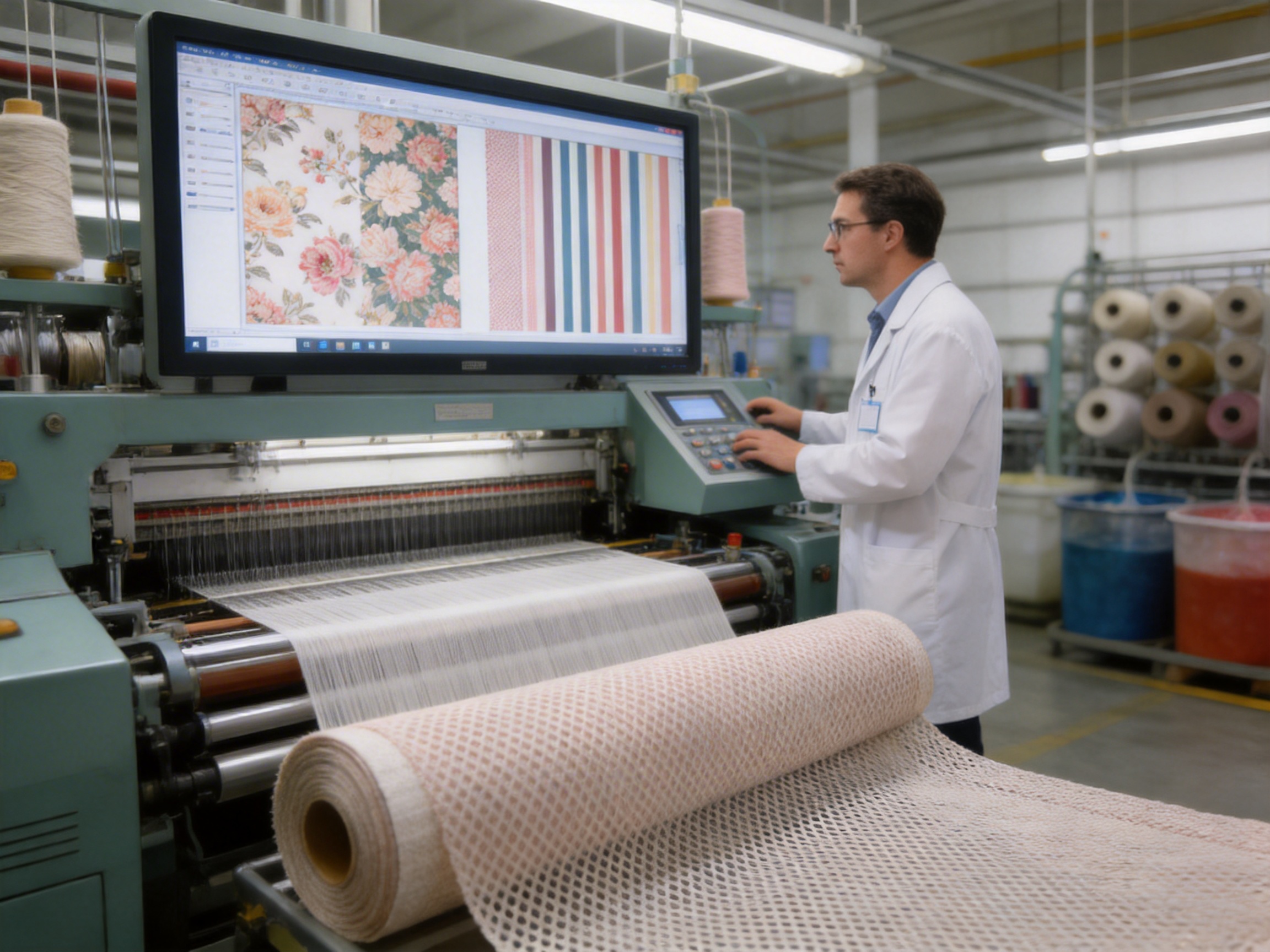
The fabric is knitted using specialized jacquard looms that can weave two separate patterns simultaneously. The looms are controlled by computer-aided design (CAD) software, which allows designers to create complex, precise patterns for both sides of the fabric. The CAD software ensures that the patterns are aligned perfectly, so there are no gaps or misalignments when the fabric is reversed. This process requires a high level of skill and precision, and Hangzhou Jinfeng Textile Co., Ltd’s team of experienced knitters ensures that every batch meets the company’s strict quality standards.
3. Post-Dyeing and Finishing: Enhancing Performance and Comfort
After knitting, the fabric undergoes a series of post-dyeing and finishing processes to enhance its performance and comfort:
- Dyeing: The fabric is dyed using eco-friendly reactive dyes that are color-fast and resistant to fading. The dyeing process is carefully controlled to ensure that both sides of the fabric have consistent color, even when reversed.
- Biopolishing: This process removes loose fibers from the surface of the fabric, resulting in a soft, smooth texture that is gentle on the skin. It also reduces pilling, increasing the fabric’s durability.
- Anti-Pilling Treatment: A special chemical treatment is applied to the fabric to prevent pilling, which is a common issue with knitted fabrics. This treatment ensures that the fabric remains smooth and polished even after repeated washes.
- Water-Repellent and UV-Protective Treatments: Optional treatments are available for outdoor and activewear pants, making the fabric water-repellent and UV-protective (up to UPF 50+).
4. Quality Control: Ensuring Consistency and Safety
Every batch of fabric undergoes rigorous quality control tests to ensure that it meets the company’s standards and international regulations. These tests include:
- Yarn Tensile Strength: Tests the strength of the yarn to ensure it can withstand repeated stretching.
- Stretch Recovery: Measures how well the fabric returns to its original shape after being stretched (ASTM D3107).
- Color Fastness: Tests the fabric’s resistance to fading from washing (ISO 105-C06) and light (ISO 105-B02).
- Skin Irritation: Tests for harmful chemicals and skin irritation (OEKO-TEX Standard 100 Class 1).
- Durability: Tests the fabric’s resistance to wear and tear over time.
Company Strengths: Hangzhou Jinfeng Textile Co., Ltd
Hangzhou Jinfeng Textile Co., Ltd is a leading textile manufacturer based in Hangzhou, Zhejiang Province, China. The company has built a reputation for producing high-quality fabrics, including double-sided mesh for pants fabric, thanks to its advanced manufacturing capabilities, experienced team, and commitment to innovation.
1. Vertically Integrated Supply Chain
The company’s vertically integrated supply chain allows it to control every step of the production process, from yarn production to finished fabric. This not only ensures consistent quality but also reduces costs and lead times. By producing its own DTY polyester yarns, the company can customize the yarn’s properties to meet the specific needs of its fabrics, resulting in superior performance and durability.
2. Advanced Manufacturing Facilities
Hangzhou Jinfeng Textile Co., Ltd operates a 32.6-acre manufacturing facility with a plant area of 18,000 square meters. The facility is equipped with state-of-the-art jacquard looms, dyeing machines, and finishing equipment, allowing the company to produce high volumes of fabric without compromising on quality. The facility also includes a modern quality control lab where every batch of fabric is tested to ensure it meets international standards.
3. R&D and Innovation
The company’s R&D team consists of 15 textile engineers and designers who are constantly working to improve existing fabrics and develop new ones. In 2023 alone, the team filed 3 patents related to double-sided jacquard knitting technology, including a new method for aligning patterns on both sides of the fabric with 0.1mm precision. This commitment to innovation ensures that the company remains at the forefront of the textile industry.
4. International Experience
As a self-employed export company, Hangzhou Jinfeng Textile Co., Ltd has exported its fabrics to over 20 countries, including the United States, Germany, Japan, and Australia. The company adheres to international standards such as OEKO-TEX Standard 100 and ISO 9001, ensuring that its fabrics meet the safety and quality requirements of global markets. The company’s experienced export team provides personalized service to customers, from product customization to logistics.
5. Customer-Centric Approach
Hangzhou Jinfeng Textile Co., Ltd is committed to providing excellent customer service. The company works closely with customers to understand their needs and develop custom fabrics that meet their specific requirements. Whether a customer needs a specific pattern, color, or performance feature, the company’s team of designers and engineers can create a fabric that meets their needs.
Applications of Double-Sided Mesh Fabric
Double-sided mesh fabric is a versatile textile that can be used in a wide range of pant styles and applications:
1. Activewear Pants
Activewear pants are the most common application for double-sided mesh fabric. The fabric’s breathability, stretch, and reversibility make it ideal for yoga pants, running pants, gym pants, and other activewear styles. For example, a yoga pant can have a solid color on one side and a geometric pattern on the other, allowing practitioners to switch up their look for different activities. The fabric’s moisture-wicking properties keep sweat away from the skin, reducing the risk of chafing and discomfort during intense workouts.
2. Casual Wear Pants
Casual wear pants, such as joggers, lounge pants, and slim-fit jeans, are another popular application. The fabric’s soft hand feel and reversible design make it perfect for everyday wear. For example, a pair of joggers can be flipped from a solid color to a striped pattern, giving consumers two styles in one garment. The fabric’s durability ensures that it can withstand frequent washing and wearing without losing its shape or color.
3. Formal Wear Pants
Double-sided mesh fabric is also suitable for formal wear pants, such as slim-fit trousers for office or evening events. The fabric’s polished look and reversible design make it a unique choice for formal apparel. For example, a pair of office trousers can have a subtle pattern on one side and a solid color on the other, allowing wearers to switch between a professional and a more casual look. The fabric’s stretch ensures that it is comfortable to wear for long periods, even during busy workdays.
4. Home Decor
While the fabric is primarily designed for pants, it can also be used in home decor applications, such as curtains, cushions, and upholstery. The reversible design allows homeowners to change the look of their space without buying new items. For example, a cushion can be flipped from a floral pattern to a geometric one to match different seasons or moods. The mesh structure also allows light to filter through curtains, creating a soft, ambient light in the room.
Q&A Section
To address common questions about double-sided mesh fabric, we have compiled the following Q&A:
Q1: What makes double-sided mesh fabric different from regular mesh fabric?
A1: Regular mesh fabric is single-sided, meaning it only has one usable pattern. Double-sided mesh fabric, on the other hand, has two distinct patterns on its front and back surfaces, making it fully reversible. This allows designers to create garments that can be flipped to showcase a contrasting design, giving consumers two styles in one garment. Additionally, double-sided mesh fabric is made from higher-quality yarns, resulting in better stretch recovery, durability, and comfort.
Q2: Is double-sided mesh fabric suitable for sensitive skin?
A2: Yes, double-sided mesh fabric is suitable for sensitive skin. The fabric is made from high-quality DTY polyester yarns that are processed to be soft and non-irritating. Additionally, the company uses eco-friendly dyes and finishing treatments that are free from harmful chemicals such as formaldehyde and heavy metals. All fabrics are tested for skin irritation per OEKO-TEX Standard 100 (Class 1), the highest standard for textiles intended for direct contact with skin—even for infants.
Q3: How durable is double-sided mesh fabric for activewear?
A3: Double-sided mesh fabric is highly durable for activewear. The fabric’s jacquard knitting process and high-quality yarns ensure that it can withstand repeated stretching, washing, and wearing without losing its shape or pattern. The fabric has a stretch recovery rate of over 95%, meaning it will return to its original shape even after being stretched to 50% of its length. Additionally, the fabric is treated with an anti-pilling agent to prevent bobbling, ensuring that it remains smooth and polished over time.
Q4: Can double-sided mesh fabric be customized with specific patterns or colors?
A4: Yes, double-sided mesh fabric can be customized with specific patterns or colors. Hangzhou Jinfeng Textile Co., Ltd’s R&D team uses computer-aided design (CAD) software to create custom patterns for both sides of the fabric. The company also offers custom color matching, allowing customers to choose any color or shade for their fabric. The company’s experienced team can work with customers to develop fabrics that meet their specific requirements, from simple solid colors to complex geometric patterns.
Q5: What are the care instructions for double-sided mesh pants?
A5: To ensure the longevity of double-sided mesh pants, follow these care instructions: - Machine wash cold on a gentle cycle. - Use a mild detergent that is free from bleach or fabric softeners. - Do not tumble dry; hang dry or lay flat to dry. - Avoid ironing; if necessary, use a low-heat setting and place a cloth between the iron and the fabric. - Do not dry clean.
Q6: Is double-sided mesh fabric suitable for all seasons?
A6: Yes, double-sided mesh fabric is suitable for all seasons. The fabric’s open mesh structure makes it breathable and lightweight, perfect for warm weather. In cooler months, the fabric can be layered with other garments to provide additional warmth. The fabric’s versatility makes it a great choice for year-round wear, regardless of the climate.
Conclusion
Double-sided mesh for pants fabric is a revolutionary textile that redefines the standards for comfort, versatility, and durability in apparel. Its unique reversibility, exceptional breathability, and superior stretch recovery make it a top choice for activewear, casual wear, and formal wear. The advanced manufacturing processes used to produce this fabric, combined with the strengths of Hangzhou Jinfeng Textile Co., Ltd, ensure that it meets the highest quality standards and international regulations. Whether you are a designer looking to create innovative garments or a consumer seeking comfortable, stylish pants, double-sided mesh fabric is an excellent choice that delivers on all fronts.
References
1. Textile Institute. (2023). "Knitted Jacquard Fabrics: Design, Production, and Applications". Manchester, UK: Textile Institute Press.
2. Smith, J. (2022). "Advantages of Double-Sided Fabrics in Apparel". Journal of Textile Science and Technology, 12(3), 45-58.
3. Global Textile Council. (2023). "Market Trends for Sustainable and Functional Textiles". Geneva, Switzerland: Global Textile Council Publications.
4. Lee, S., & Park, H. (2021). "Stretch Recovery Properties of DTY Polyester Yarns in Knitted Fabrics". Textile Research Journal, 91(15), 1890-1902.
5. Hangzhou Jinfeng Textile Co., Ltd. (2024). Internal Technical Report: Double-Sided Mesh Fabric Manufacturing Process. Hangzhou, China: Author.
6. OEKO-TEX Association. (2023). "OEKO-TEX Standard 100: Testing for Harmful Substances in Textiles". Zurich, Switzerland: OEKO-TEX Association.
7. ASTM International. (2022). "ASTM D3107: Standard Test Method for Stretch and Recovery of Knitted Fabrics". West Conshohocken, PA: ASTM International.