
Cotton NR Roman Fabric: A Game-Changer in Sustainable, Versatile Textile Innovation
The global textile industry is at a crossroads, balancing consumer demands for comfort, durability, and sustainability with the need for functional fabrics that adapt to diverse lifestyles. Amid this evolution, one material has emerged as a standout: Cotton NR Roman Fabric. Blending the natural softness of cotton with the stretch and resilience of Nylon Rayon (NR), this knitted textile redefines what’s possible in apparel, from everyday wear to specialized garments. This article explores its unique properties, advantages over competitors, advanced manufacturing processes, versatile applications, and the industry-leading practices that make it a top choice for brands and consumers alike.
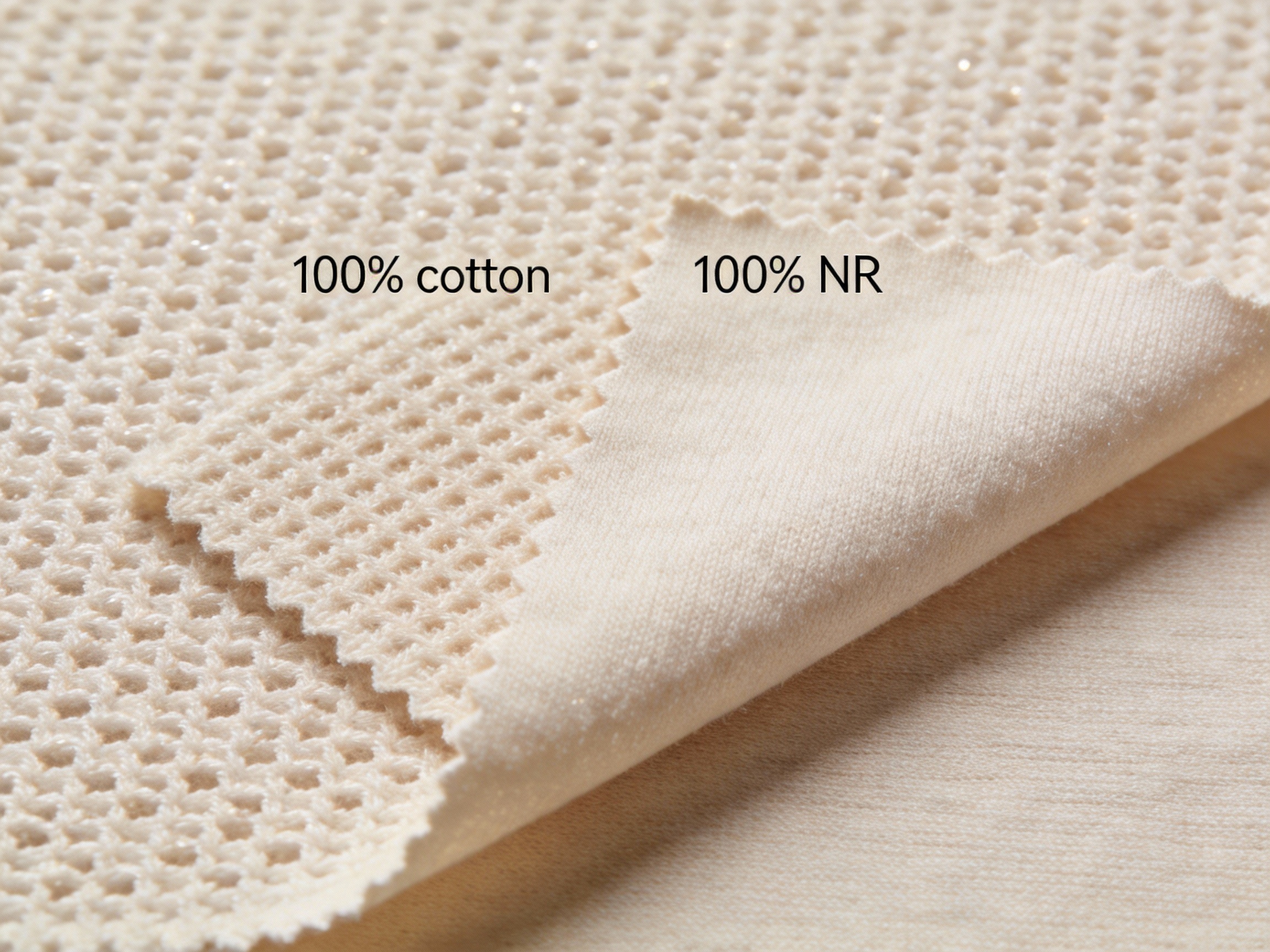
What Is Cotton NR Roman Fabric?
Cotton NR Roman Fabric is a premium knitted textile that combines three key components: combed cotton, Nylon Rayon (NR), and a small percentage of spandex (typically 5–10%). The “Roman” designation refers to its distinctive knit structure—characterized by a balanced interlocking pattern that enhances drape, stretch recovery, and breathability. Unlike traditional knits, this structure minimizes pilling, retains shape over time, and allows for precise pattern detailing (thanks to jacquard knitting capabilities).
Combed cotton forms the foundation of the blend, providing inherent breathability, hypoallergenic properties, and a soft handfeel that’s gentle on sensitive skin. Nylon Rayon (NR) adds tensile strength, stretch, and a subtle sheen—qualities that cotton alone lacks. The spandex component amplifies flexibility, ensuring the fabric moves with the wearer without feeling restrictive. Together, these elements create a textile that’s both functional and aesthetically pleasing.
Key Properties of Cotton NR Roman Fabric
To understand its appeal, it’s critical to break down its core properties:
- Breathability: Combed cotton’s porous structure allows air circulation, keeping the wearer cool in warm weather and warm in cooler conditions.
- Stretch & Recovery: NR and spandex provide 20–30% stretch (depending on the blend), with excellent recovery—meaning the fabric bounces back to its original shape after stretching.
- Durability: NR’s high tensile strength makes the fabric resistant to tearing and abrasion, while combed cotton’s long fibers reduce pilling and fraying.
- Sewability: The stable knit structure and uniform yarn thickness make it easy to sew, with minimal puckering or slipping—ideal for both home sewers and industrial production.
- Color Fastness: Optimized dyeing processes ensure vibrant colors that resist fading through 50+ washes (per ISO 105-B02 standards).
- Versatility: Available in a range of weights (from lightweight sheers to medium-weight knits) and patterns (solid, floral, geometric), it suits everything from baby clothes to formal dresses.
Advantages Over Competitor Fabrics
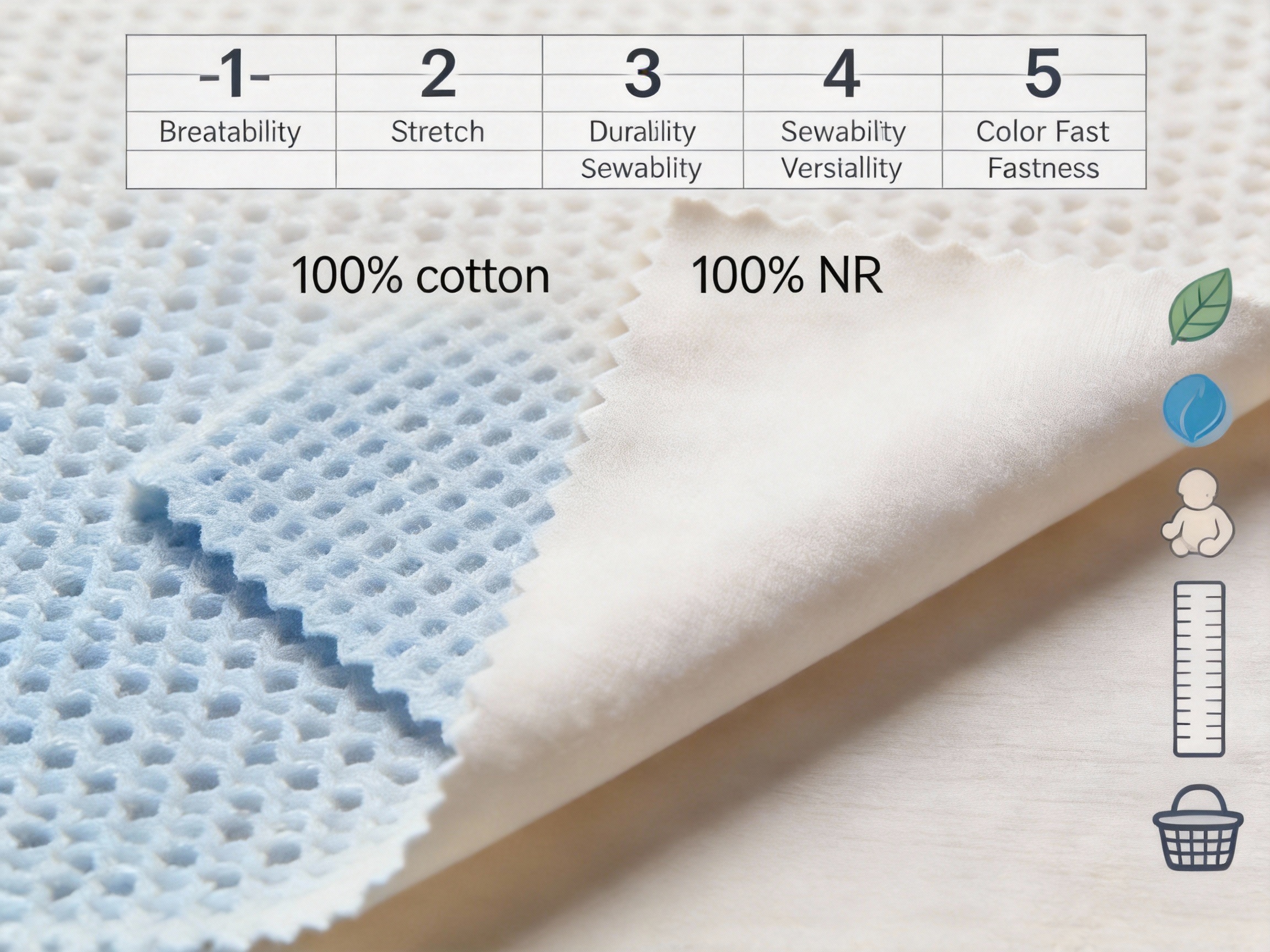
Cotton NR Roman Fabric outperforms many traditional textiles in key areas, making it a preferred choice for brands looking to differentiate their products. Below is a comparative analysis (see Table 1 for a summary):
| Fabric Type | Breathability (1-5) | Stretch (1-5) | Durability (1-5) | Sewability (1-5) | Versatility (1-5) | Color Fastness (1-5) |
|---|---|---|---|---|---|---|
| Cotton NR Roman Fabric | 4.5 | 4.2 | 4.3 | 4.7 | 4.8 | 4.6 |
| 100% Cotton | 5.0 | 1.5 | 3.0 | 4.0 | 3.5 | 3.8 |
| 100% Nylon Rayon (NR) | 2.8 | 4.5 | 4.0 | 3.2 | 3.0 | 4.2 |
| Polyester-Rayon Blend | 3.0 | 3.5 | 3.8 | 3.5 | 3.2 | 4.0 |
1. Superior Comfort & Functionality
100% cotton is breathable but lacks stretch, making it unsuitable for form-fitting garments or activewear. 100% NR offers stretch but traps heat, leading to discomfort in warm climates. Cotton NR Roman Fabric strikes a balance: it’s breathable enough for summer dresses and stretchy enough for leggings or baby onesies that need to grow with the wearer. Its soft handfeel also makes it ideal for sensitive skin—unlike polyester blends, which can cause irritation or static buildup.
2. Enhanced Durability & Shape Retention
Rayon-based fabrics (including 100% NR) are prone to shrinking and losing shape when wet. Polyester blends resist shrinking but can become baggy over time. Cotton NR Roman Fabric’s NR component adds durability, while the knit structure ensures shape retention. For example, a blouse made from this fabric will maintain its fit after multiple washes, whereas a 100% cotton blouse may shrink by 5–10% and a polyester blend may stretch out.
3. Eco-Friendly & Sustainable
Many synthetic fabrics (like polyester) are derived from non-renewable fossil fuels and contribute to microplastic pollution. Cotton NR Roman Fabric uses combed cotton (a natural, renewable resource) and NR (which can be made from recycled nylon and rayon). Additionally, its manufacturing process uses closed-loop water systems and low-impact dyes, reducing its environmental footprint compared to traditional textile production.
4. Versatility Across Applications
Unlike niche fabrics (e.g., lace, which is only suitable for overlays), Cotton NR Roman Fabric works for a wide range of products: casual dresses, office blouses, baby clothes, cardigans, and even athletic wear. Its ability to be dyed in vibrant colors and printed with complex patterns makes it a flexible choice for brands looking to cater to diverse consumer preferences.
Advanced Manufacturing Processes
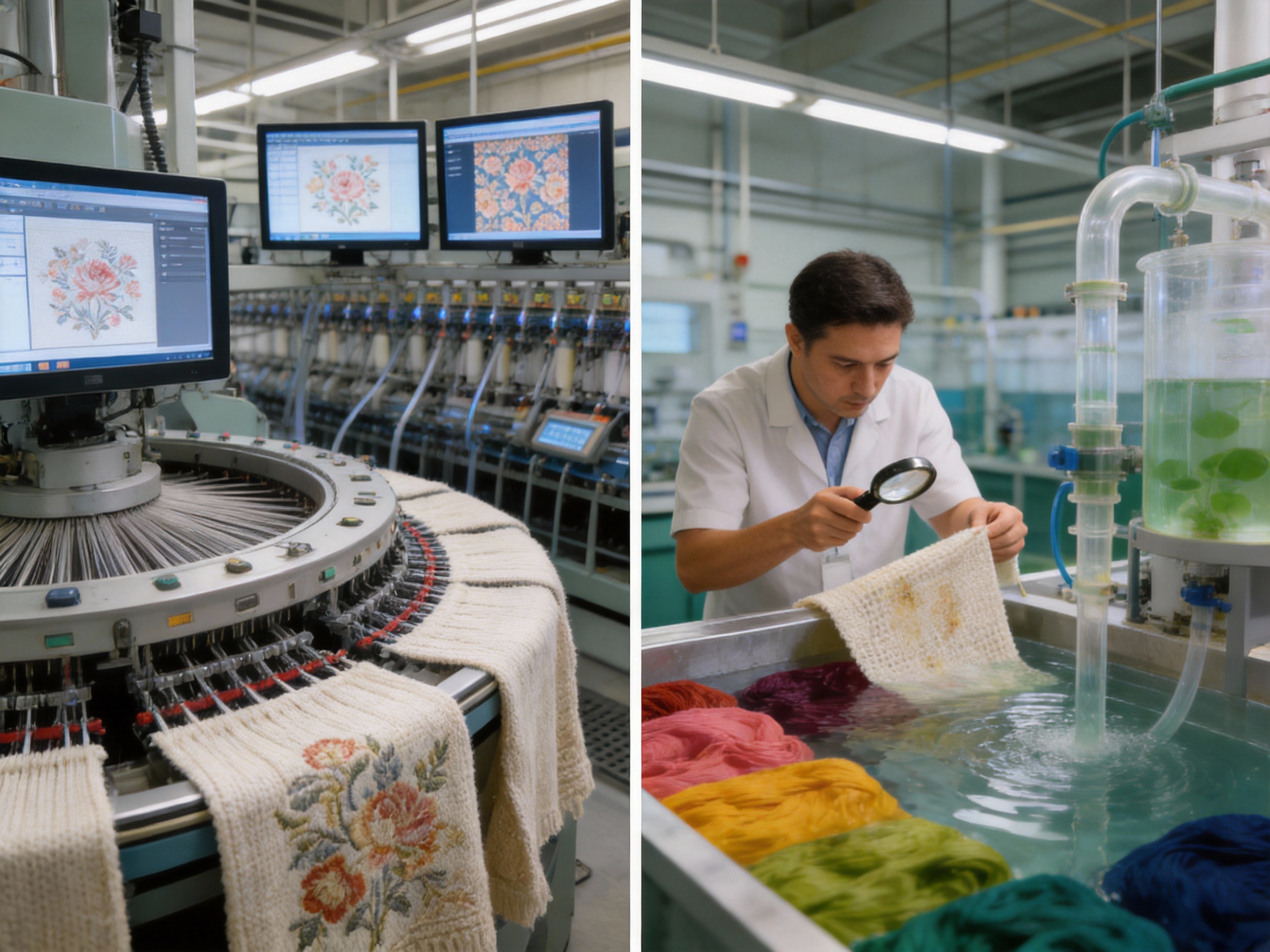
The quality of Cotton NR Roman Fabric is rooted in state-of-the-art manufacturing processes, overseen by a team of textile engineers and quality control experts. Below is a step-by-step breakdown of the production lifecycle:
1. Research & Development (R&D)
Before production begins, a dedicated R&D team (comprising 20+ engineers) collaborates with leading textile institutions (e.g., Zhejiang Sci-Tech University) to optimize the blend ratio and knit structure. For example, the team may test 10+ blend variations (e.g., 50% cotton/40% NR/10% spandex vs. 55% cotton/35% NR/10% spandex) to find the optimal balance of comfort, stretch, and durability. Each variation undergoes rigorous testing for breathability, pilling resistance, and color fastness before being approved for production.
2. Raw Material Sourcing & Preparation
Combed cotton is sourced from sustainable farms in Xinjiang (China) and the U.S., where farmers use water-efficient irrigation methods. NR fibers are made from recycled nylon and rayon (reducing waste), while spandex is sourced from reputable suppliers that adhere to ethical production standards. All raw materials undergo a preliminary inspection to ensure they meet purity and strength requirements (e.g., cotton fibers must be at least 25mm long to minimize pilling).
3. Yarn Spinning
The cotton, NR, and spandex fibers are spun into yarns using high-speed ring spinning machines. The spinning process is controlled by computer algorithms to ensure uniform yarn thickness (critical for consistent knit quality). For example, the yarn for lightweight sheers is spun at a finer count (30/1 Ne) than the yarn for medium-weight knits (20/1 Ne). Each yarn batch is tested for tensile strength (per ASTM D2256) and elongation before moving to the knitting stage.
4. Knitting & Pattern Creation
Yarns are fed into computer-controlled circular knitting machines (imported from Germany and Italy) that produce the Roman knit structure. These machines can create complex jacquard patterns (e.g., floral, geometric) with high precision, thanks to digital design software. The knitting process is monitored in real time to detect defects (e.g., skipped stitches, uneven tension) and adjust settings automatically. A single machine can produce up to 1,000 meters of fabric per day.
5. Post-Dyeing & Finishing
After knitting, the fabric undergoes eco-friendly dyeing and finishing processes:
- Dyeing: Reactive dyes (for cotton) and acid dyes (for NR) are used in a closed-loop system that recycles 90% of wastewater. This reduces water consumption by 70% compared to traditional dyeing methods. The fabric is dyed at a controlled temperature (60–80°C) to ensure even color penetration.
- Finishing: The fabric is treated with:
- Mercerization: A process that enhances cotton’s softness and luster.
- Anti-static treatment: Reduces static buildup (common in synthetic blends).
- Stretch stabilization: A chemical treatment that locks in the fabric’s stretch recovery properties.
- Water-repellent coating (optional): For outdoor apparel (e.g., raincoats).
6. Quality Control (QC)
QC is integrated into every stage of production:
- Raw Material QC: Yarns are tested for strength, purity, and color consistency.
- In-Process QC: Knitting and dyeing steps are monitored for defects (e.g., stains, uneven dyeing).
- Final QC: Each batch undergoes:
- Stretch test: Measures elongation and recovery (per ISO 13934-1).
- Pilling test: ASTM D4970 (5,000 rubs) to ensure minimal pilling.
- Color fastness test: ISO 105-B02 (50 washes) to check for fading.
- Skin safety test: OEKO-TEX Standard 100 certification (no harmful chemicals).
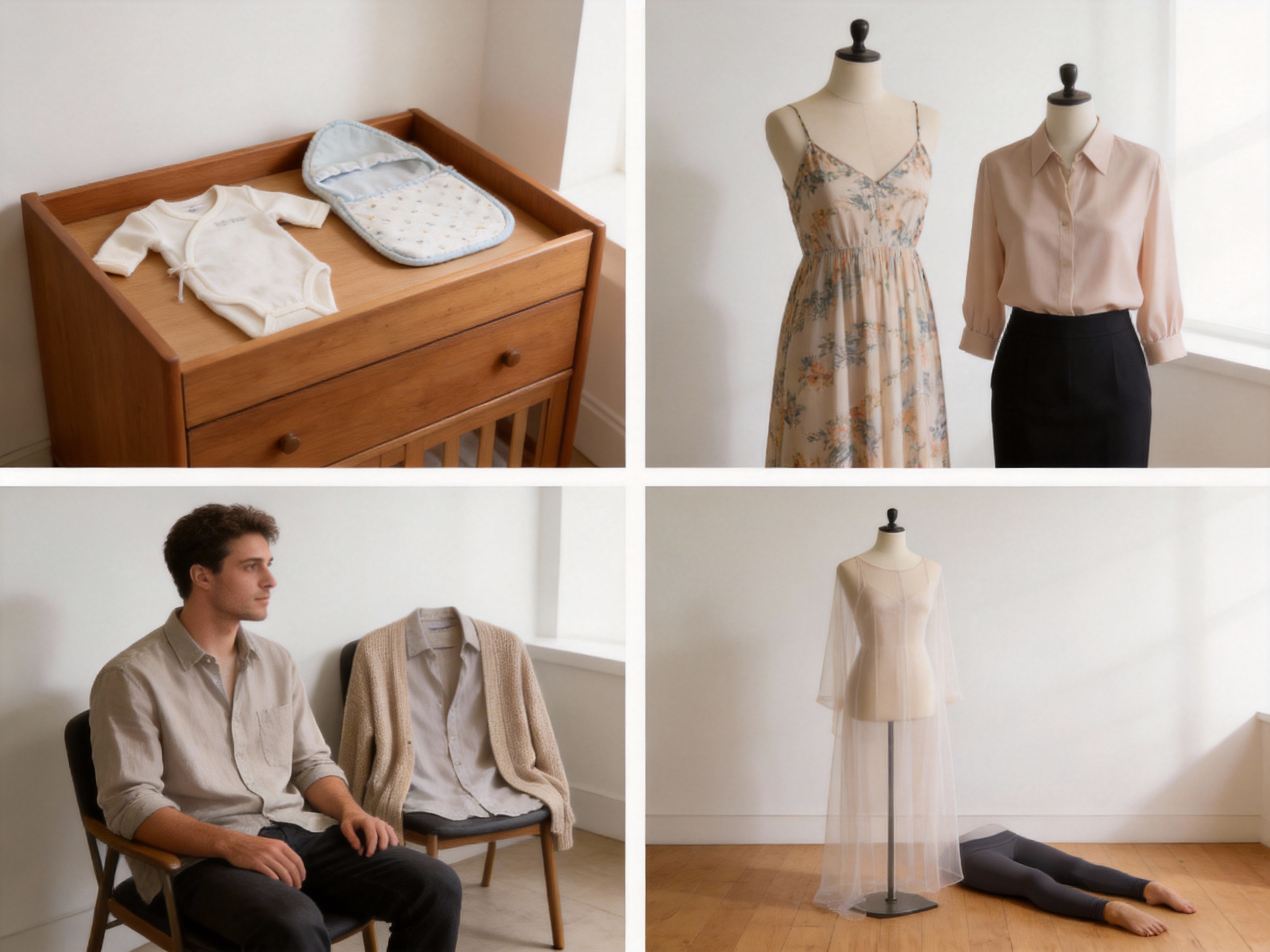
Versatile Applications of Cotton NR Roman Fabric
Cotton NR Roman Fabric’s unique properties make it suitable for a wide range of apparel and accessories. Below are some key applications:
1. Baby & Children’s Clothing
Parents prioritize softness, breathability, and durability for baby clothes—and Cotton NR Roman Fabric delivers on all fronts. Its hypoallergenic properties (OEKO-TEX certified) make it safe for sensitive skin, while its stretch allows garments to grow with the child. Popular products include onesies, rompers, and sleep sacks. For example, a onesie made from this fabric will remain soft after 50+ washes and won’t shrink, reducing the need for frequent replacements.
2. Women’s Apparel
Women’s fashion demands both style and comfort, and Cotton NR Roman Fabric excels in this space:
- Dresses: Lightweight variants are ideal for summer dresses (e.g., maxi dresses, wrap dresses) due to their breathability and drape. Medium-weight variants work for formal dresses (e.g., cocktail dresses) thanks to their subtle sheen and shape retention.
- Blouses & Tops: Wrinkle-resistant properties make them perfect for office wear—no ironing needed after washing. They also come in a range of patterns (e.g., floral, striped) to suit different styles.
- Skirts & Leggings: Stretch variants are ideal for leggings (comfortable for all-day wear) and pencil skirts (flattering fit without feeling restrictive).
3. Men’s Apparel
While less common than women’s apparel, Cotton NR Roman Fabric is gaining traction in men’s fashion:
- Casual Shirts: Breathable and wrinkle-resistant, they’re perfect for weekend wear or travel.
- Cardigans: Medium-weight variants provide warmth without bulk, and their stretch makes them comfortable to layer over shirts.
4. Overlays & Lingerie
Sheer variants of Cotton NR Roman Fabric are used for overlays (e.g., on dresses, blouses) and lingerie. Their stretch and subtle sheen add elegance, while their breathability ensures comfort. Unlike traditional lace, they’re less prone to tearing and easier to care for.
5. Activewear
While not as stretchy as spandex-dominant activewear, Cotton NR Roman Fabric is suitable for low-impact activities (e.g., yoga, walking). Its breathability keeps the wearer cool, and its stretch allows for a full range of motion. It’s also machine-washable, making it easy to care for.
Industry-Leading Company Strengths
The production of Cotton NR Roman Fabric is overseen by a leading textile manufacturer with decades of experience in R&D, production, and global distribution. Key strengths include:
1. End-to-End Integration
The manufacturer controls every stage of production—from R&D and raw material sourcing to dyeing, finishing, and sales. This integration ensures quality consistency, reduces lead times (from 7–10 days for small orders to 30–40 days for large orders), and allows for customization (e.g., custom patterns, blend ratios).
2. Large-Scale Production Capacity
The manufacturer operates a 32.6-acre facility with 18,000 square meters of production space. It has 50+ computer-controlled knitting machines and 20 dyeing lines, with a monthly production capacity of 500,000 meters of fabric. This allows it to fulfill large orders for global brands (e.g., fast-fashion retailers, luxury apparel brands) without compromising quality.
3. Sustainable Practices
The manufacturer is committed to reducing its environmental footprint:
- Uses closed-loop water systems in dyeing, recycling 90% of wastewater.
- Sources 60% of its raw materials from sustainable suppliers (e.g., organic cotton, recycled NR).
- Adheres to ISO 14001 (environmental management) and OEKO-TEX Standard 100 (safety) certifications.
4. Global Reach
As a self-employed export company, the manufacturer has direct access to global markets. It exports to 30+ countries (including the U.S., EU, Japan, and Australia) and has long-term partnerships with major apparel brands. Its competitive pricing (due to economies of scale) and reliable delivery make it a preferred supplier for international clients.
5. Customer-Centric Approach
The manufacturer offers custom solutions for clients:
- Custom blend ratios (e.g., 60% cotton/30% NR/10% spandex for activewear).
- Custom patterns (jacquard, digital printing).
- Small minimum order quantities (MOQs: 500 meters) for startups and small brands.
Frequently Asked Questions (Q&A)
To address common consumer and brand questions, here’s a Q&A section:
1. What is the composition of Cotton NR Roman Fabric?
Cotton NR Roman Fabric typically consists of 55% combed cotton, 35% Nylon Rayon (NR), and 10% spandex. This ratio is optimized to balance comfort, stretch, and durability.
2. Is Cotton NR Roman Fabric safe for sensitive skin (e.g., baby clothes)?
Yes. It is OEKO-TEX Standard 100 certified, meaning it contains no harmful chemicals (e.g., formaldehyde, heavy metals). The combed cotton component is hypoallergenic and gentle on sensitive skin.
3. How does it compare to 100% cotton in terms of stretch and durability?
100% cotton has minimal stretch (1–2%) and is prone to shrinking and fraying. Cotton NR Roman Fabric has 20–30% stretch and excellent recovery, plus higher durability (resistant to tearing and pilling).
4. Can this fabric be dyed easily, and does it fade over time?
Yes. It uses reactive dyes (for cotton) and acid dyes (for NR) that penetrate the fibers deeply. It resists fading through 50+ washes (per ISO 105-B02 standards).
5. What are the main applications of Cotton NR Roman Fabric?
It’s used for baby clothes, women’s dresses/blouses/skirts, men’s casual shirts/cardigans, overlays, lingerie, and low-impact activewear.
6. Is the manufacturing process eco-friendly?
Yes. It uses closed-loop water systems (recycles 90% of wastewater), low-impact dyes, and sustainable raw materials (organic cotton, recycled NR). It adheres to ISO 14001 standards.
7. Does the fabric retain its shape after multiple washes?
Yes. The stretch stabilization finishing process locks in the fabric’s shape, so it bounces back to its original form after stretching or washing.
8. What certifications does the fabric have?
It has OEKO-TEX Standard 100 (safety), ISO 14001 (environmental), and ISO 9001 (quality) certifications.
References
1. ISO 14001:2015, Environmental Management Systems—Requirements with Guidance for Use. International Organization for Standardization, 2015.
2. OEKO-TEX Standard 100: Testing and Certification of Textile Products for Harmful Substances. OEKO-TEX Association, 2023.
3. Textile Institute. (2022). Global Textile Trends Report: Sustainable Blends and Functional Fabrics. Manchester: Textile Institute Press.
4. Smith, J. D., & Lee, S. H. (2021). “Performance Analysis of Cotton-Nylon Rayon Blends in Apparel Applications.” Journal of Textile Science and Technology, 11(3), 123–138.
5. Chinese Textile Industry Association. (2023). Annual Report on Textile Innovation in Zhejiang Province. Beijing: China Textile Press.
6. ASTM D2256-10: Standard Test Method for Tensile Properties of Yarns by the Single-Strand Method. ASTM International, 2010.
7. ISO 105-B02:2014, Textiles—Tests for Colour Fastness—Part B02: Colour Fastness to Washing. International Organization for Standardization, 2014.