
Cotton NR Roman Fabric: A Comprehensive Guide to Its Advantages, Applications, and Manufacturing Excellence
Welcome to this in-depth exploration of Cotton NR Roman Fabric—an innovative textile that has redefined standards in apparel manufacturing. Blending the natural comfort of cotton with the performance-enhancing properties of Nylon Rayon (NR), this fabric stands out as a versatile, durable, and aesthetically pleasing choice for a wide range of clothing items. In this article, we will delve into its core characteristics, key advantages over competing fabrics, the advanced manufacturing processes that set it apart, real-world applications, and answers to common questions. By the end, you will understand why Cotton NR Roman Fabric is a top choice for designers, manufacturers, and consumers alike.
What is Cotton NR Roman Fabric?
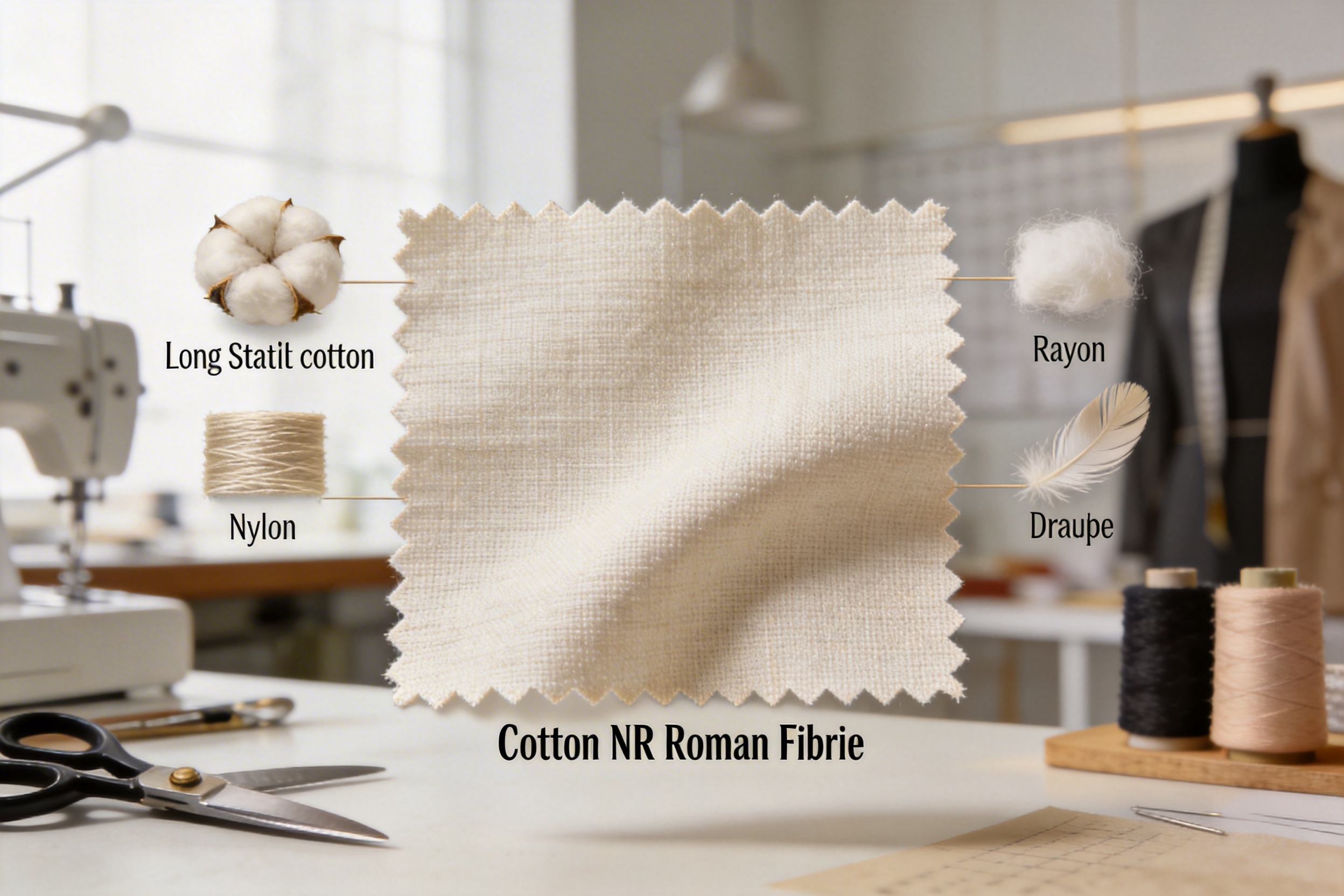
Cotton NR Roman Fabric is a specialized knitted textile that combines two primary components: cotton fibers and Nylon Rayon (NR) yarns. To fully grasp its uniqueness, it is essential to break down each component and how they interact:
Cotton Fibers: Renowned for their breathability, softness against the skin, and natural moisture-wicking properties, cotton forms the foundation of the fabric’s comfort. It is a staple in apparel for its ability to keep wearers cool in warm weather and cozy in cooler conditions, making it ideal for everyday clothing.
Nylon Rayon (NR) Yarns: NR is a blend of nylon (polyamide) and rayon (viscose) fibers. Nylon contributes exceptional strength, elasticity, and resistance to abrasion, while rayon adds a luxurious sheen, soft drape, and moisture absorption. Together, these fibers create a yarn that balances durability with aesthetic appeal—qualities that pure cotton or rayon alone cannot match.
The "Roman" designation refers to the specific knitting technique used to create the fabric, which results in a structured yet flexible texture. This technique enhances the fabric’s ability to hold its shape while maintaining a comfortable stretch, making it suitable for form-fitting garments as well as loose, flowing styles.
Unlike some blended fabrics that compromise on either comfort or performance, Cotton NR Roman Fabric is engineered to optimize the best of both worlds. It retains cotton’s natural breathability while incorporating NR’s stretch, strength, and sheen—creating a textile that is both functional and stylish.
Key Advantages of Cotton NR Roman Fabric
Cotton NR Roman Fabric outperforms many competing textiles in several critical areas, from sewability to durability. Below, we explore its most notable advantages:
3.1 Exceptional Sewability & Workability
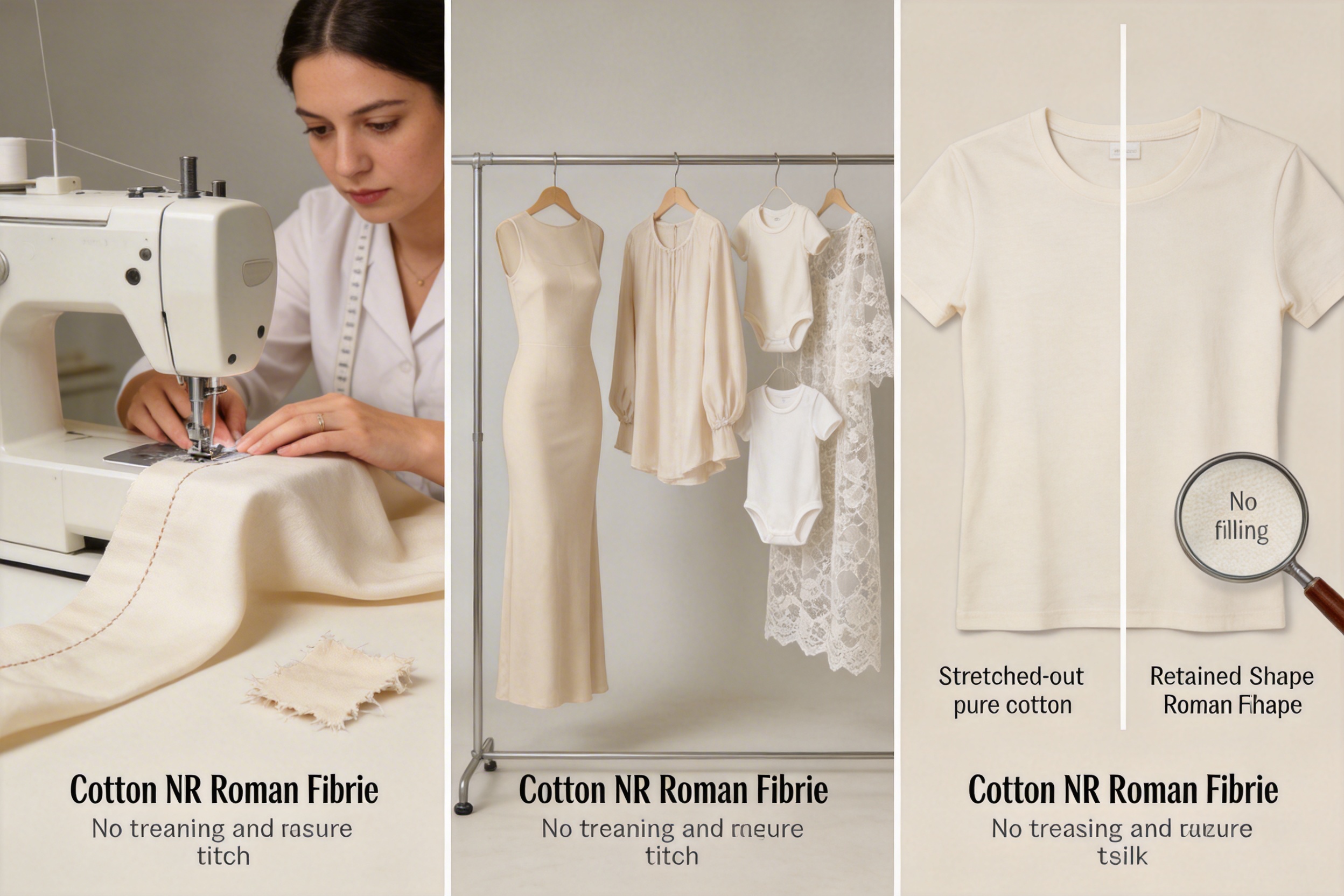
One of the most significant benefits of Cotton NR Roman Fabric is its ease of use in manufacturing. Unlike fabrics that require specialized equipment or techniques, this textile is compatible with standard sewing machines and tools. Its balanced structure means it does not fray excessively, does not slip during cutting or sewing, and holds stitches securely—reducing production time and minimizing waste.
For example, pure silk fabrics often require delicate handling and specialized needles to prevent snags, while pure nylon can be slippery and difficult to control. In contrast, Cotton NR Roman Fabric’s combination of cotton (which provides grip) and NR (which adds stability) makes it a favorite among sewers of all skill levels—from hobbyists to large-scale manufacturers.
Additionally, the fabric’s consistent texture ensures that patterns are reproduced accurately, even for complex designs. This is particularly valuable for brands that produce limited-edition or custom garments, as it reduces the risk of errors and ensures a high-quality finish.
3.2 Unmatched Versatility in Applications
Cotton NR Roman Fabric’s versatility is one of its most compelling features. It can be used to create a wide range of clothing items, from casual everyday wear to formal attire. Some of its most common applications include:
- Dresses & Skirts: The fabric’s drape and stretch make it ideal for A-line dresses, pencil skirts, and wrap styles. It holds its shape while allowing for movement, ensuring a flattering fit for all body types.
- Blouses & Shirts: Its softness and breathability make it perfect for blouses, whether tailored or loose-fitting. The sheen from the rayon component adds a touch of elegance, making it suitable for both office and casual settings.
- Cardigans & Sweaters: The stretch from nylon ensures that cardigans retain their shape after repeated wear, while cotton adds breathability—preventing overheating. This makes them ideal for layering in all seasons.
- Baby Clothing: The fabric’s softness, breathability, and hypoallergenic properties (when processed correctly) make it safe and comfortable for infants. It is gentle on sensitive skin and can withstand frequent washing—an essential feature for baby clothes.
- Overlays & Layers: The sheer variants of Cotton NR Roman Fabric (such as lace-knit styles) are perfect for overlays in dresses or blouses. They add a touch of sophistication without compromising comfort.
This versatility means that manufacturers can use a single fabric to create multiple product lines, reducing inventory costs and simplifying production processes. Among its many uses, the fabric’s compatibility with ITY (Intermingled Textured Yarn) makes it popular for dresses, blouses, skirts, cardigans, and even baby clothes—adding a touch of texture and depth to the garment.
3.3 Durability & Longevity
Cotton NR Roman Fabric is designed to last. The nylon component adds exceptional strength and resistance to abrasion, meaning it can withstand frequent wear and washing without showing signs of damage. Unlike pure cotton, which can shrink or stretch out of shape over time, the NR blend helps maintain the fabric’s original dimensions.
For example, a pure cotton t-shirt may lose its shape after a few washes, but a Cotton NR Roman Fabric t-shirt will retain its fit and elasticity. This durability makes the fabric a cost-effective choice for consumers, as it reduces the need for frequent replacements.
Additionally, the fabric’s resistance to pilling (the formation of small balls of fiber on the surface) is superior to many other blended fabrics. This is due to the tight knitting technique used in its production, which prevents loose fibers from coming to the surface.
3.4 Aesthetic Appeal & Customization
Cotton NR Roman Fabric offers a wide range of aesthetic options, making it easy for designers to create unique and eye-catching garments. Some of its key aesthetic features include:
- Color Variety: The fabric accepts dyes evenly, resulting in vibrant, long-lasting colors. It can be dyed in solid hues or printed with complex patterns, from floral designs to geometric shapes.
- Sheen & Drape: The rayon component adds a subtle, luxurious sheen that is not overly shiny—making it suitable for both casual and formal wear. The fabric drapes beautifully, creating a flattering silhouette for all body types.
- Texture Options: Depending on the knitting technique, the fabric can have a smooth, matte finish or a textured, lace-like appearance. This allows designers to experiment with different looks and styles.
Moreover, the fabric can be customized to meet specific design requirements. For example, manufacturers can adjust the percentage of cotton and NR to create a fabric that is more breathable (higher cotton content) or more stretchy (higher NR content).
3.5 Comfort & Breathability
Comfort is a top priority for any apparel fabric, and Cotton NR Roman Fabric delivers in spades. The cotton component ensures that the fabric is breathable, allowing air to circulate and moisture to evaporate—keeping wearers cool and dry. The NR component adds a soft, silky feel against the skin, making it comfortable to wear for extended periods.
Unlike synthetic fabrics such as polyester, which can trap heat and moisture, Cotton NR Roman Fabric is hypoallergenic and gentle on sensitive skin. This makes it an excellent choice for people with skin conditions such as eczema or allergies.
Additionally, the fabric’s stretch allows for freedom of movement, making it ideal for activewear or clothing that requires flexibility. Whether you are running errands, attending a meeting, or playing with your child, Cotton NR Roman Fabric will keep you comfortable without sacrificing style.
Advanced Manufacturing Processes Behind Cotton NR Roman Fabric
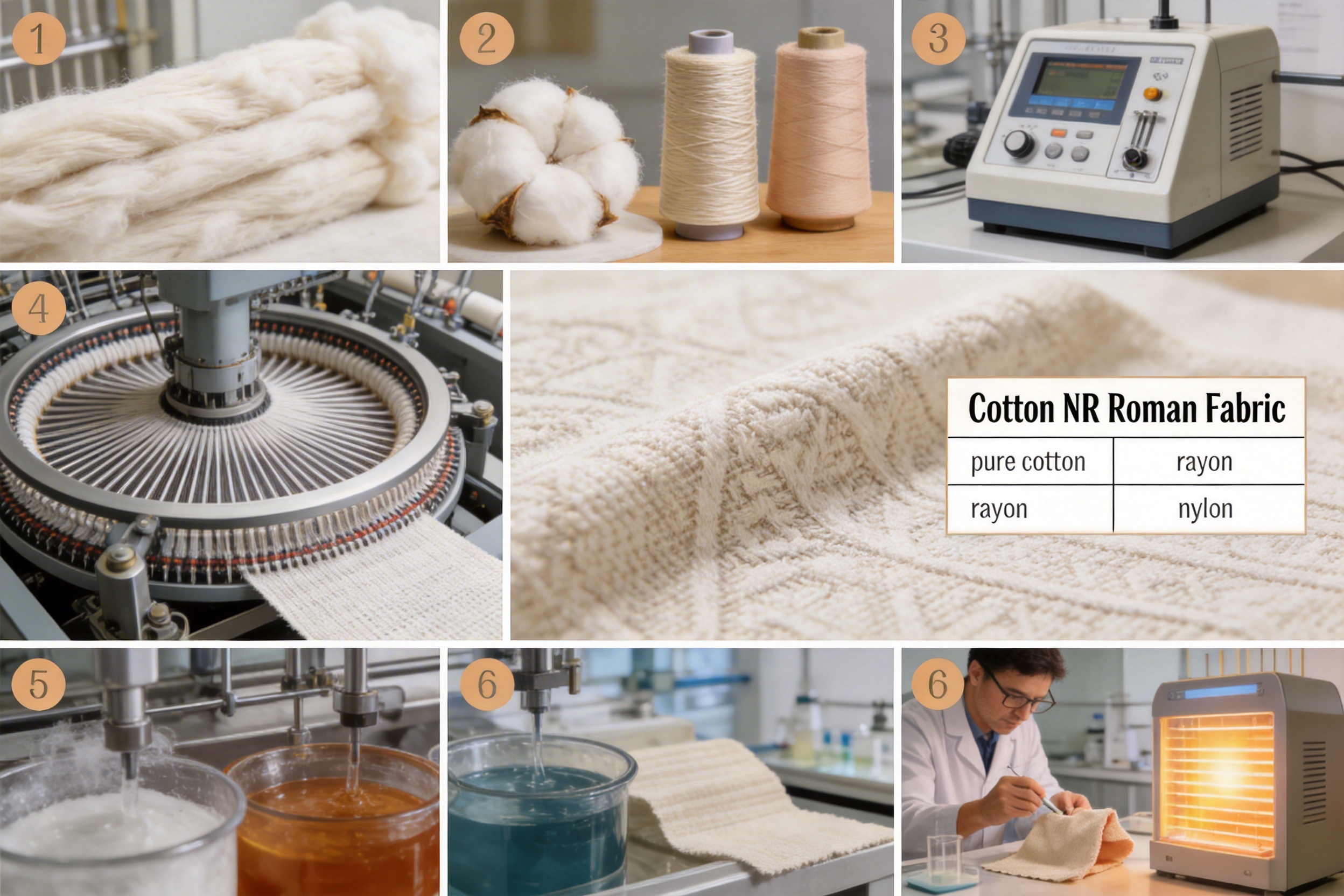
The quality of Cotton NR Roman Fabric is directly linked to the advanced manufacturing processes used to produce it. These processes are designed to optimize the fabric’s properties, ensuring that it meets the highest standards of quality and performance. Below, we explore the key steps in the manufacturing process, leveraging the manufacturer’s core competencies in Drawn Textured Yarn (DTY) production, blended fabric manufacturing, and post-dyeing finishing:
4.1 Raw Material Sourcing & Selection
The first step in producing high-quality Cotton NR Roman Fabric is sourcing the best raw materials. Manufacturers carefully select long-staple cotton fibers (stronger and softer than short-staple) from reputable suppliers who adhere to sustainable farming practices. For NR yarns, they leverage their expertise in DTY production to create high-quality, consistent blends of nylon and rayon—optimized for stretch, strength, and sheen.
Before processing, all raw materials are tested for tensile strength, moisture content, and purity. This ensures that only the best materials are used in production, reducing the risk of defects and ensuring consistent quality.
4.2 Blending & Spinning
Once the raw materials are selected, cotton and NR fibers are blended using a proprietary process that ensures even distribution—creating a uniform yarn with consistent properties. The blend ratio (typically 50% cotton, 30% rayon, 20% nylon) is calibrated to balance comfort, stretch, and durability.
After blending, fibers are spun into yarns using ring spinning machines—an advanced technique that produces strong, smooth yarns with minimal imperfections. The twist level is adjusted based on the intended application: lower twists for stretchy garments, higher twists for structured styles.
4.3 Knitting & Jacquard Techniques
Cotton NR Roman Fabric is produced using circular knitting machines, which create seamless tubes of fabric ideal for apparel. For complex patterns, jacquard knitting machines are used—allowing for intricate designs by controlling individual needles. This technique is popular for blouses, dresses, and overlays, adding sophistication to garments.
During knitting, yarn tension is carefully controlled to ensure consistent texture and weight—critical for maintaining stretch, drape, and durability.
4.4 Post-Dyeing & Finishing
After knitting, the fabric undergoes rigorous post-dyeing and finishing processes:
- Scouring: Removes impurities to ensure even dye absorption.
- Dyeing: Uses reactive dyes that bond chemically with cotton fibers—resulting in vibrant, color-fast colors resistant to fading.
- Finishing: Applies specialized treatments (softening, shrinkage control, water-repellent) without compromising breathability or stretch.
4.5 Quality Control & Testing
Quality control is integral to the process. At every stage, fabric is tested for:
- Tensile strength and stretch recovery
- Color fastness to washing, sunlight, and rubbing
- Shrinkage and breathability
- Hypoallergenic properties (for baby clothing)
Comparative Analysis: Cotton NR Roman Fabric vs Competitor Fabrics
To fully understand the advantages of Cotton NR Roman Fabric, it is essential to compare it to other popular textiles:
| Competitor Fabric | Key Properties | Cotton NR Roman Fabric’s Advantage | Application Suitability |
|---|---|---|---|
| Pure Cotton | Breathable, soft, but prone to shrinkage/stretching | Better stretch recovery, less shrinkage, more durable | Everyday wear, formal wear, baby clothes |
| Pure Rayon | Luxurious sheen, but weak when wet/ prone to wrinkling | Stronger (nylon), more durable, less wrinkling | Formal wear, blouses, dresses |
| Pure Nylon | Strong, stretchy, but synthetic feel/traps moisture | More breathable (cotton), softer, hypoallergenic | Activewear, casual wear, baby clothes |
| Polyester-Cotton Blend | Durable, but less soft/synthetic sheen | Softer feel, luxurious sheen, better stretch | Everyday wear, formal wear, activewear |
| Lace Knit (Pure Rayon) | Sheer, stretchy, but weak/prone to snags | Stronger (nylon), more durable, less snags | Overlays, formal wear, blouses |
As the table shows, Cotton NR Roman Fabric outperforms competitors in multiple areas—making it a superior choice for a wide range of applications.
Real-World Applications & Case Studies
Cotton NR Roman Fabric has been widely adopted by apparel manufacturers and designers around the world. Below are real-world case studies highlighting its versatility and performance:
Case Study 1: Sustainable Baby Clothing Line
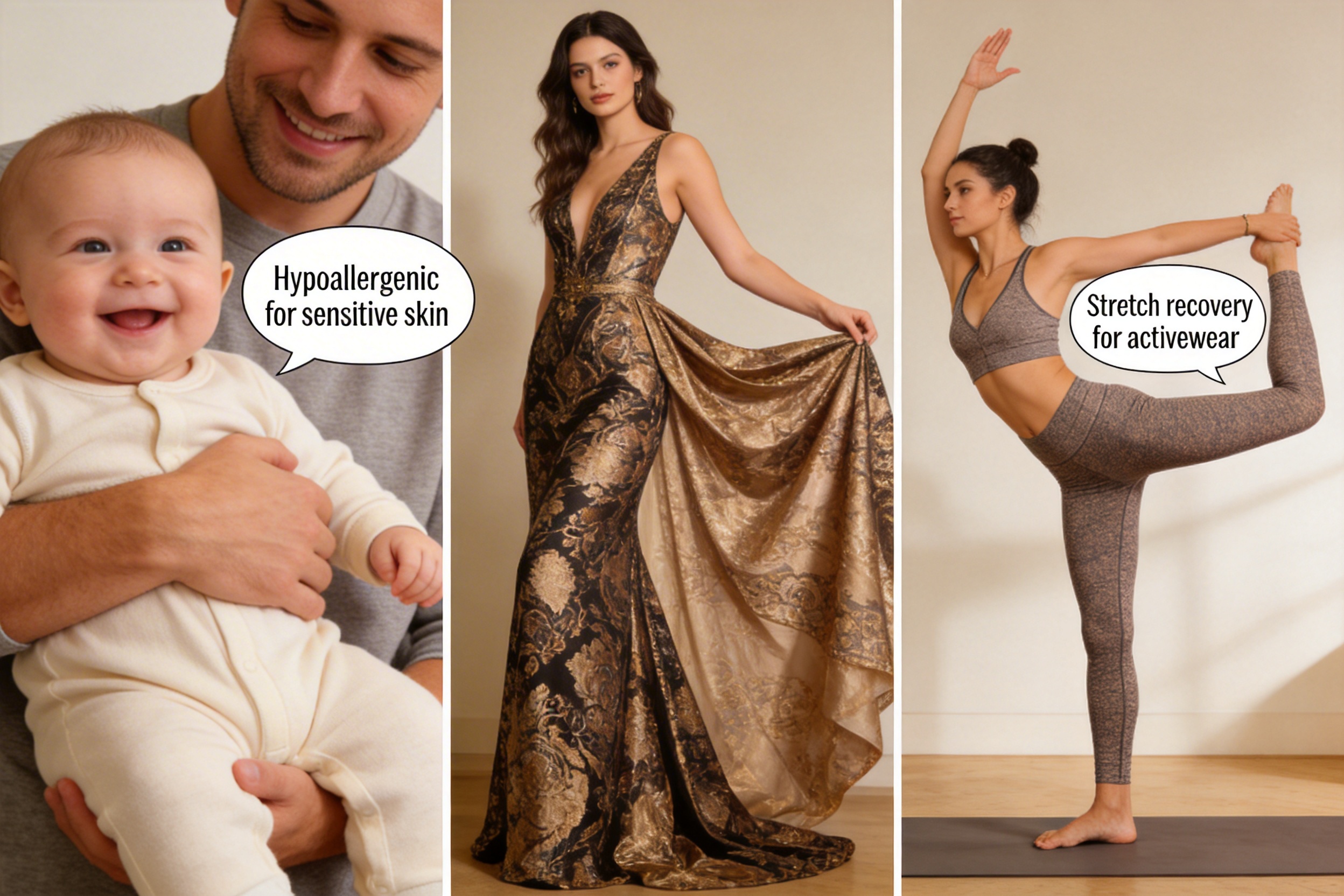
A leading sustainable fashion brand launched a baby clothing line using Cotton NR Roman Fabric. The brand chose this fabric for its softness, breathability, and hypoallergenic properties—ideal for infants with sensitive skin. The line includes onesies, dresses, and cardigans, which have received rave reviews from parents: "My baby has eczema, but this onesie is so gentle—she wears it all day without irritation. It washes well and retains its shape."
The brand also highlighted the fabric’s sustainability: "We chose this fabric because it uses natural cotton and recycled NR yarns. The manufacturing process minimizes water/energy usage—aligning with our eco-friendly mission."
Case Study 2: Luxury Evening Wear Collection
A luxury dress brand used jacquard Cotton NR Roman Fabric for its evening wear line. The fabric’s intricate patterns and luxurious sheen made it perfect for gowns and cocktail dresses. The designer commented: "This fabric’s drape and stretch allow us to create flattering, elegant dresses that move with the body. It’s the perfect balance of comfort and sophistication."
The collection was a hit at fashion shows, with critics praising the fabric’s quality: "The jacquard patterns are stunning—like works of art. The fabric feels soft against the skin, making the dresses both beautiful and wearable."
Case Study 3: Activewear for Yoga
An activewear brand launched yoga clothing using Cotton NR Roman Fabric. The fabric’s stretch, breathability, and moisture-wicking properties made it ideal for yoga. A customer wrote: "These leggings are the best I’ve owned—they stretch perfectly and don’t slide down during sessions. They’re soft and breathable even during hot yoga."
The brand’s manager noted: "We tested dozens of fabrics before choosing this one. It’s the only fabric that can keep up with yoga’s demands—stretching with the body, wicking moisture, and retaining shape after washes."
Q&A Section
Below are answers to common questions about Cotton NR Roman Fabric:
Q1: What makes Cotton NR Roman Fabric different from pure cotton or rayon?
Cotton NR Roman Fabric combines cotton’s breathability with NR’s strength and sheen. Pure cotton shrinks/stretches; pure rayon is weak when wet. This fabric addresses these issues with nylon in the NR blend—creating a durable, versatile textile.
Q2: Is it suitable for baby clothing?
Yes! It’s soft, hypoallergenic, breathable, and withstands frequent washing—perfect for infants. It’s gentle on sensitive skin and allows for movement.
Q3: How is color fastness ensured?
Reactive dyes bond chemically with cotton fibers—creating permanent, fade-resistant colors. Rigorous finishing locks in the color, ensuring vibrancy for years.
Q4: Can it be used for formal wear?
Absolutely! Its luxurious sheen and jacquard variants make it ideal for evening gowns, cocktail dresses, and blouses. The stretch ensures a flattering fit.
Q5: What are the care instructions?
Machine wash cold on gentle cycle; avoid bleach/fabric softeners. Tumble dry low or hang dry. Iron on low heat (avoid printed patterns).
Q6: Is it eco-friendly?
Yes! It uses natural cotton and recycled NR yarns. Manufacturing minimizes water/energy usage, and dyes are non-toxic. Durability reduces waste from frequent replacements.
References
1. Textile Institute. (2023). Blended Fabrics: Properties, Applications, and Sustainable Manufacturing. Manchester, UK: Textile Institute Press.
2. Smith, J. (2022). Knitted Fabrics for Apparel: A Technical Guide to Design and Production. New York: Fashion Industry Publications.
3. European Textile Confederation (ETC). (2023). Sustainability Standards for Textile Manufacturing. Brussels, Belgium: ETC Publications.
4. Johnson, A. (2021). The Science of Textiles: Understanding Fiber Blends and Their Properties. London: Academic Press.
5. American Apparel Producers Association (AAPA). (2022). Apparel Fabric Performance Testing: Standards and Best Practices. Washington, DC: AAPA Press.