
Bubble Fabric for Versatile Apparel, Elegant Texture, and Reliable Textile Performance
Bubble fabric is a distinctive textile valued for its soft hand feel, graceful surface texture, versatile styling potential, and broad color availability. Within the field of NR knitted fabric, it stands out as a material that can serve both practical garment construction and decorative fashion expression. Its surface effect gives finished products a lively, dimensional appearance, while its gentle touch makes it suitable for garments and accessories that remain close to the skin.
For designers, garment makers, wholesalers, and fabric buyers, bubble fabric offers a compelling balance of visual character and wearability. It can be used for skirts, dresses, scarves, layered garments, fashion panels, and decorative apparel details. Available in multiple weights, including commonly used lightweight options such as 50D bubble chiffon and heavier variations for stronger drape and structure, this fabric gives buyers flexibility in matching material performance to end-use requirements.
The value of bubble fabric is not only found in its appearance. It is also shaped by the manufacturing capabilities behind it. Hangzhou Jinfeng Textile Co., Ltd. operates with integrated strengths in textile research and development, production, processing, post-dyeing, finishing, and sales. With experience in blended fabrics, polyester, spandex-related textiles, and DTY polyester yarn production, the company supports stable quality, diverse supply, and export-oriented service for customers in domestic and international markets.
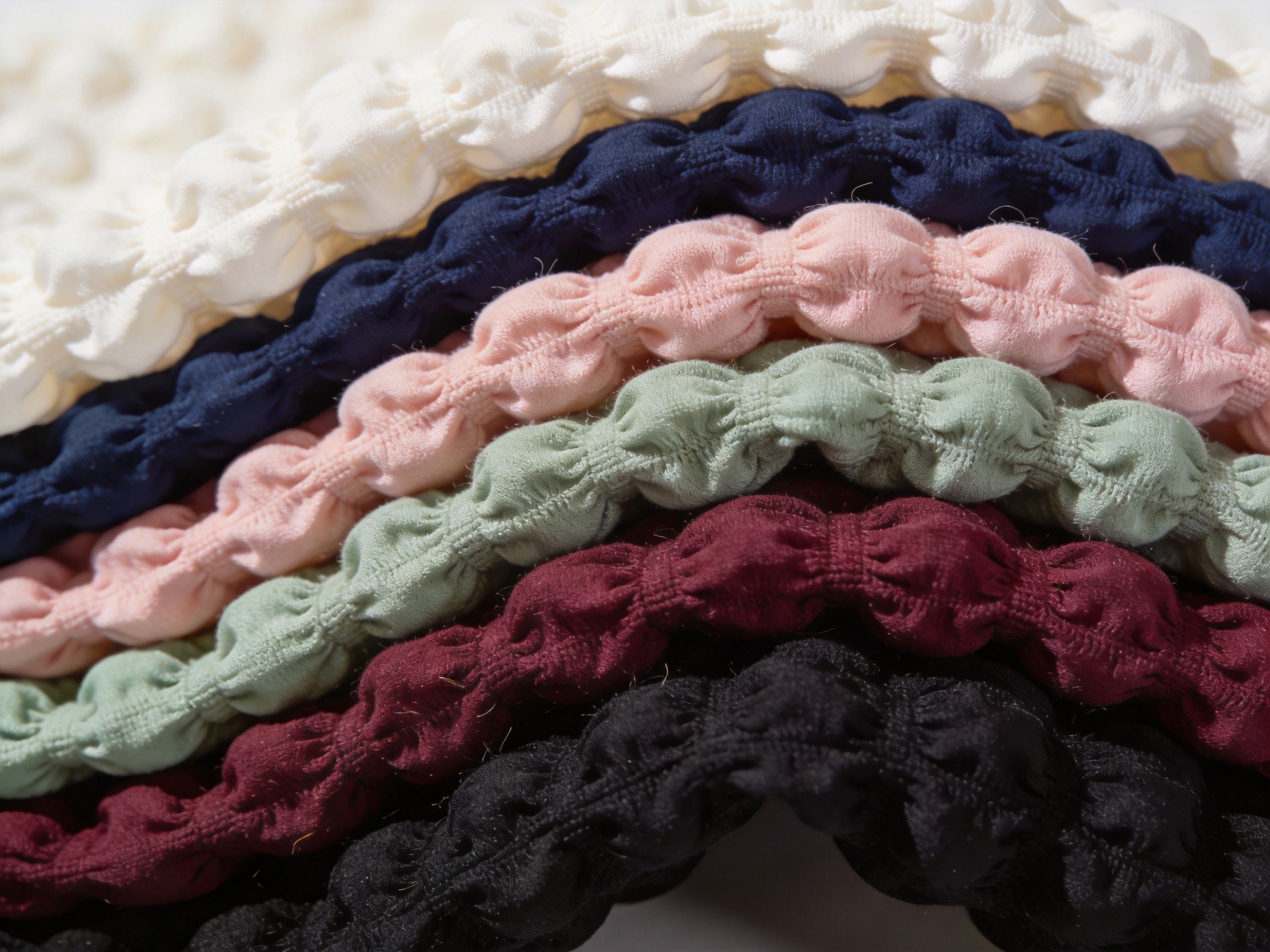
Understanding Bubble Fabric
Bubble fabric is recognized by its soft surface and subtly raised or puckered visual effect. The word “bubble” describes the fabric’s three-dimensional character, which can create movement and texture even when the garment design itself is simple. This makes the fabric especially useful for fashion applications where designers want visual richness without relying entirely on printing, embroidery, or complex garment construction.
In many applications, bubble fabric is associated with lightweight elegance. Bubble chiffon, for example, is often available in a 50D weight, making it suitable for flowing garments, scarves, overlays, and soft fashion pieces. Heavier bubble chiffon and related bubble fabric constructions may offer increased substance, making them useful for fuller skirts, dresses with more presence, and apparel requiring a stronger sense of drape.
The fabric is soft to the touch and has an elegant feel. This combination is important because appearance alone is not enough in modern textile selection. Consumers increasingly expect fabric that looks refined but also feels comfortable during wear. Bubble fabric supports this expectation by offering a surface that is visually expressive while remaining pleasant against the skin.
Another major advantage is the availability of more than a hundred colors. Color diversity gives designers, wholesalers, and garment manufacturers greater freedom when developing seasonal collections, matching brand palettes, or producing customized orders for specific markets. A wide color range also reduces limitations in fabric sourcing, allowing buyers to build coordinated product lines around one reliable material family.
Position in the NR Knitted Fabric Category
As an NR knitted fabric product, bubble fabric benefits from the flexibility and comfort associated with knitted textile structures. Knitted fabrics are widely appreciated for their adaptability, softness, and ability to follow body movement. Compared with many rigid woven fabrics, knitted materials often provide a more relaxed wearing experience, which is important in dresses, skirts, scarves, and daily fashion garments.
NR knitted fabric can serve diverse apparel needs, particularly when visual texture and comfort are both required. Bubble fabric extends this category by adding a dimensional surface effect. This gives it an advantage over plain knitted fabrics that may need additional printing, pleating, embossing, or complex sewing to create visual appeal. With bubble fabric, the textile itself already contributes design value.
This feature can reduce the design burden for garment manufacturers. A simple scarf made from bubble fabric can appear refined because the texture adds depth. A basic skirt can become more attractive because the fabric surface catches light in a varied way. A dress can achieve softness and elegance without requiring excessive decoration. For manufacturers seeking efficient production and strong market appeal, this is a practical advantage.
Key Product Advantages
Bubble fabric provides a series of advantages that make it competitive in fashion and garment manufacturing. Its strengths include aesthetic texture, soft hand feel, versatile application, multiple weight options, strong color availability, and compatibility with modern textile production and finishing processes.
Elegant Three-Dimensional Texture
The surface texture of bubble fabric is one of its most important selling points. Unlike flat fabrics that depend heavily on color or print for design appeal, bubble fabric offers built-in dimensional interest. This texture helps garments look dynamic even when made in solid colors. For brands that prefer refined, minimal, or tonal designs, this is especially valuable.
The bubble-like appearance can also create a sense of lightness and movement. In flowing garments, the fabric interacts with drape and motion, producing a soft visual rhythm. This quality is attractive in dresses, skirts, scarves, shawls, and fashion overlays. It supports both casual elegance and more formal styling, depending on color, weight, and garment design.
Soft and Comfortable Hand Feel
Comfort is central to fabric selection. Bubble fabric is soft to the touch, which makes it suitable for garments worn near the skin. A fabric may look beautiful on a roll, but if it feels rough, stiff, or unpleasant, its market acceptance can be limited. Bubble fabric addresses this concern by combining surface interest with tactile comfort.
This softness supports broad consumer use. Scarves require a gentle touch because they contact the neck and face. Dresses and skirts benefit from softness because the fabric moves with the body. Fashion items made for daily wear need to remain comfortable for extended periods. Bubble fabric meets these expectations while still offering a refined appearance.
Multiple Weight Options
The availability of different weights is another practical advantage. Lightweight bubble chiffon, often associated with 50D, is well suited for delicate, flowing products. Heavier bubble chiffon or heavier bubble fabric options can provide more body and durability. Buyers can choose according to the final product’s purpose.
For example, a lightweight scarf may require a fabric that floats and folds easily. A summer dress may need breathability and graceful drape. A skirt may require slightly more structure to maintain shape. By offering different weights, bubble fabric can serve multiple garment categories without losing its characteristic texture.
Broad Color Selection
With more than a hundred colors available, bubble fabric gives buyers a major sourcing advantage. Color range matters because textile buyers often need to respond quickly to fashion trends, seasonal demands, customer preferences, and regional markets. A fabric supplier with wide color availability helps reduce development time and supports more flexible order planning.
Color diversity also supports product line consistency. A brand can create multiple garments in coordinated shades using the same fabric base. A wholesaler can provide customers with a broad color card, improving sales opportunities. A garment manufacturer can test small runs in several colors before scaling up production in best-selling shades.
Versatile End Uses
Bubble fabric can be used for skirts, dresses, scarves, and many other apparel products. Its versatility comes from its balance of softness, texture, and drape. It can function as the main material of a garment or as a decorative layer, contrast panel, trim, or overlay.
For designers, this versatility encourages creative experimentation. A single fabric can be interpreted in many ways: feminine and flowing in a dress, casual and airy in a scarf, stylish and textured in a skirt, or decorative and refined in layered garments. For manufacturers, using one fabric across multiple product types can improve purchasing efficiency and simplify material management.
Comparison with Common Competing Fabrics
Bubble fabric competes with plain chiffon, flat knitted fabric, printed fabric, pleated fabric, and other textured textiles. Its advantage lies in combining surface interest, comfort, and adaptability in one material. While each competing fabric has its own value, bubble fabric often provides a stronger balance for buyers looking for texture without excessive complexity.
| Fabric Type | Main Feature | Typical Limitation | Bubble Fabric Advantage |
|---|---|---|---|
| Plain chiffon | Lightweight and flowing | May appear too flat without print or embellishment | Adds natural texture and visual depth while retaining elegance |
| Flat knitted fabric | Comfortable and flexible | Often lacks distinctive surface character | Provides knitted comfort with a more decorative appearance |
| Printed fabric | Strong pattern expression | Patterns may become outdated or limit styling | Solid-color texture remains versatile and seasonally adaptable |
| Pleated fabric | Structured surface effect | Pleats may require careful handling and specific garment design | Offers dimensional interest with softer, more relaxed styling potential |
| Heavily embellished fabric | Decorative and eye-catching | Can be costly, heavy, or difficult to sew | Creates refined texture without excessive added decoration |
Compared with plain chiffon, bubble fabric provides more visual character. Plain chiffon is beautiful in its own right, but it often relies on layering, printing, or cutting to produce a memorable garment. Bubble fabric begins with a more interesting surface, allowing simple designs to achieve stronger shelf appeal.
Compared with ordinary flat knitted fabric, bubble fabric offers a more fashionable look. Many knitted fabrics are selected mainly for comfort, but fashion buyers also want products that stand out. Bubble fabric provides a better balance by maintaining softness while adding texture.
Compared with printed fabrics, bubble fabric can be more flexible across seasons. Prints are often trend-sensitive. A floral print, geometric print, or abstract print may sell well for one season and lose appeal the next. Bubble fabric in solid or widely usable colors can remain relevant for longer, especially when used in classic silhouettes.
Compared with pleated or heavily embellished fabrics, bubble fabric can be easier to incorporate into daily fashion. It provides texture without making the garment too formal, too heavy, or too difficult to style. This makes it useful for both casual wear and more elegant apparel categories.
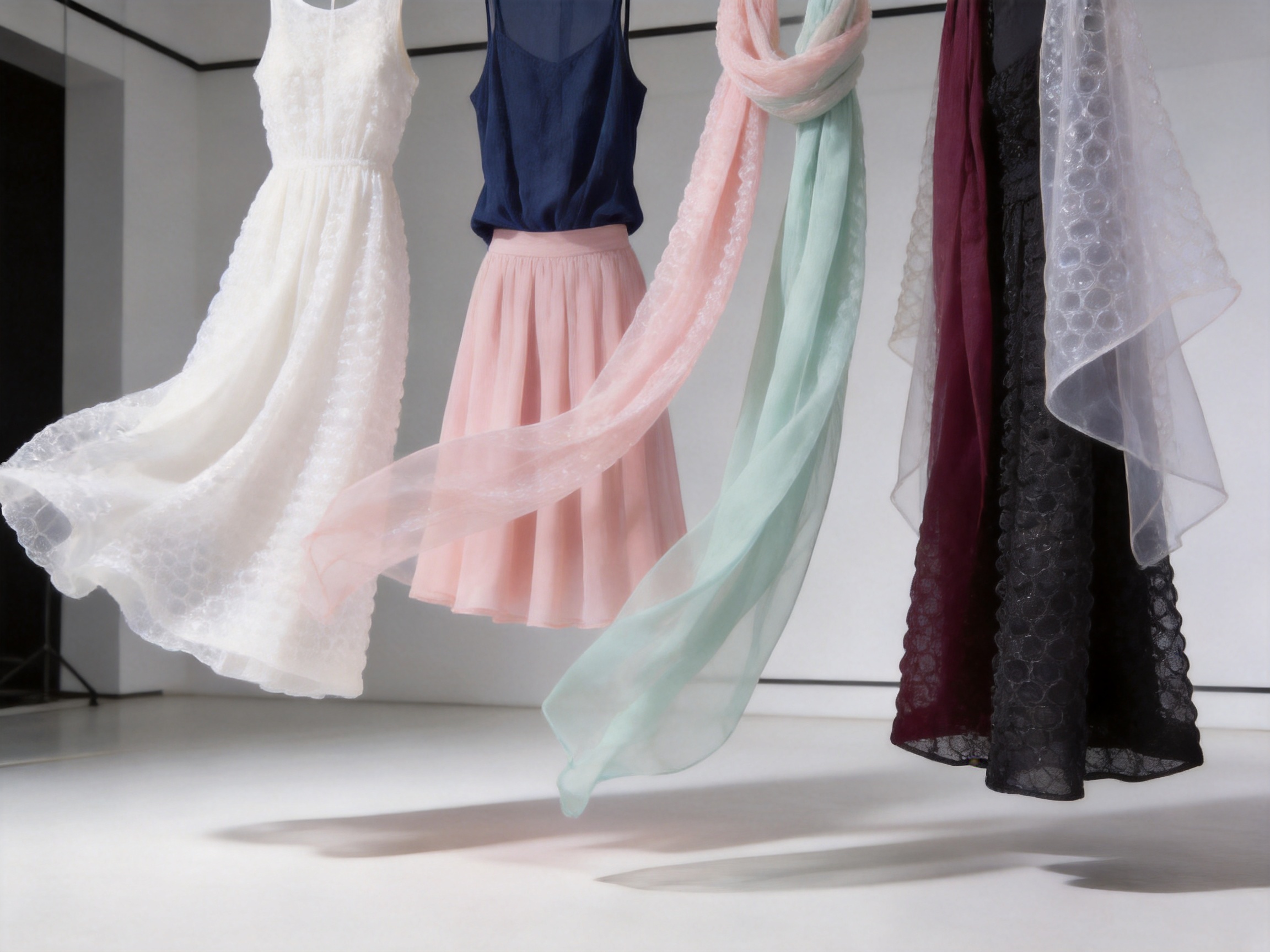
Manufacturing Strength Behind the Fabric
The performance and consistency of bubble fabric depend greatly on the manufacturer’s technical foundation. Hangzhou Jinfeng Textile Co., Ltd. is located in Jingjiang Street Industrial Park, Xiaoshan District, Hangzhou City, Zhejiang Province. The company covers an area of 32.6 acres and has a plant area of 18,000 square meters. This manufacturing scale supports integrated production, processing, finishing, and sales activities.
The company’s business scope includes production and processing, post-dyeing, finishing, and sales of blended fabrics such as polyester and spandex-related textiles. It also produces, processes, and sells DTY polyester yarn. This combination gives the company an important advantage because yarn quality and fabric quality are closely connected. Experience in DTY yarn supports deeper understanding of fabric behavior, texture formation, dyeing response, elasticity, and finishing performance.
As a self-operated export company integrating research and development, production, and sales, the company is positioned to serve customers who require reliable supply, product development support, and export-oriented communication. This integrated structure can shorten the distance between customer requirements and production execution. When product development, manufacturing, finishing, and sales are coordinated, buyers can receive more consistent service.
Research and Development Capability
Textile development requires knowledge of yarn, structure, weight, finishing, color, and end-use performance. R&D capability allows a supplier to adjust fabric characteristics according to market demand. For bubble fabric, this may involve optimizing surface texture, softness, drape, weight, and color performance.
In a competitive textile market, R&D is essential because customers often require more than standard fabric. They may need a particular shade, hand feel, weight, width, or finishing result. A company integrating R&D with production can respond more effectively to such requests. It can also refine existing products to improve appearance, consistency, and usability.
DTY Polyester Yarn Expertise
DTY polyester yarn, also known as drawn textured yarn, is widely used in knitted and woven textile production. It can contribute to softness, bulk, elasticity, and surface texture. A company experienced in DTY polyester yarn production and processing has a stronger foundation for understanding how yarn behavior influences final fabric properties.
For bubble fabric, yarn selection and yarn processing can affect touch, drape, texture clarity, and dyeing uniformity. Poor yarn consistency may lead to uneven fabric surfaces, color variation, or unstable performance. Strong yarn expertise helps improve fabric reliability from the beginning of the production chain.
This is an advantage over competitors who only purchase yarn externally without deep technical understanding. When a manufacturer understands both yarn and fabric, it can better control quality and troubleshoot issues. This contributes to stable bulk production and improved customer satisfaction.
Knitting and Fabric Formation
Knitting is a critical stage in producing NR knitted fabric. The knitted structure affects stretch, recovery, surface appearance, thickness, and drape. For bubble fabric, fabric formation must support the desired surface effect while maintaining softness and usability.
Advanced production management involves controlling yarn feeding, machine settings, tension, fabric density, and inspection during knitting. Even small variations can influence the appearance of textured fabrics. A consistent process helps ensure that the bubble effect remains attractive and that the fabric performs properly during cutting and sewing.
Well-managed knitting also supports fabric efficiency for garment makers. If fabric width, weight, and texture are inconsistent, production waste can increase. Stable knitting quality reduces cutting problems and helps manufacturers control costs.
Post-Dyeing Capability
Color is one of the strongest selling points of bubble fabric. Because more than a hundred colors are available, dyeing capability is extremely important. Post-dyeing must achieve shade accuracy, color uniformity, and suitable fastness according to customer expectations and fabric use.
Textured fabrics require careful dyeing control because surface variation can influence how color appears. A well-managed dyeing process helps preserve the fabric’s texture while producing rich and even color. For fashion buyers, consistent shade between lots is important, especially when garments are produced in repeated orders or coordinated collections.
Post-dyeing capability also supports customization. Customers may require specific seasonal colors, brand colors, or market-oriented shades. A manufacturer with dyeing experience can better support these requirements and reduce development uncertainty.
Finishing Process
Finishing is the stage where fabric hand feel, appearance, stability, and performance are refined. For bubble fabric, finishing must protect the textured surface while improving softness and drape. The goal is to deliver a fabric that looks elegant on the roll and performs well after sewing.
Finishing may influence the final width, weight, shrinkage behavior, surface smoothness, and tactile quality. Good finishing makes the fabric more appealing to both manufacturers and consumers. It can also reduce problems during garment production, such as unexpected deformation or inconsistent handling.
Companies with integrated finishing capability can better control final product quality. Instead of relying entirely on outside finishing resources, they can monitor fabric from production through final inspection. This improves consistency and gives customers greater confidence.
Inspection and Quality Control
Quality control is essential for textile products because defects can create waste in garment production. Bubble fabric should be inspected for color consistency, surface defects, weight uniformity, width stability, and overall appearance. In textured fabrics, inspection is especially important because irregularities may be more visible depending on color and lighting.
A manufacturer with an organized production base and integrated process can build quality control into each stage. Yarn quality, knitting performance, dyeing results, finishing stability, and final packaging all influence customer satisfaction. Careful inspection helps ensure that buyers receive fabric suitable for commercial production.
Why Integrated Production Matters to Buyers
Integrated textile production offers practical benefits to buyers. When a company combines R&D, production, dyeing, finishing, and sales, communication becomes more efficient. Buyers do not need to coordinate with multiple unrelated suppliers for product development, production tracking, and quality support.
This integrated approach can improve speed. If a buyer requests a new color or adjusted weight, the sales and technical teams can coordinate directly with production. If a quality issue arises, the manufacturer can trace the issue through the production chain and address it more effectively. This creates a more reliable sourcing experience.
Integrated production also supports consistency. In textile sourcing, consistency is often as important as innovation. Garment manufacturers need fabric that behaves predictably during cutting, sewing, pressing, packaging, and wearing. By controlling multiple production stages, the supplier can better maintain standard performance.
For export customers, integrated service is particularly valuable. International buyers often require clear communication, stable lead times, packaging coordination, and documentation support. A self-operated export company can serve these needs more directly and professionally.
Applications in Apparel and Accessories
Bubble fabric is highly adaptable across fashion categories. Its soft touch and elegant surface make it suitable for both simple and expressive designs. Because the fabric itself has character, it can help garment makers create attractive products without relying on excessive sewing details.
Dresses
Dresses are one of the most natural applications for bubble fabric. The fabric’s texture adds depth to the garment, while its softness supports comfort. Lightweight bubble fabric can be used for flowing dresses, layered dresses, summer dresses, and elegant occasion wear. Heavier variations can be used when the design requires more body and coverage.
In dress design, fabric movement is important. Bubble fabric can create graceful motion as the wearer walks. The surface texture catches light differently from flat fabric, giving the garment a more expressive appearance. Solid-color dresses made from bubble fabric can look sophisticated because the texture provides detail without visual clutter.
Skirts
Bubble fabric is also suitable for skirts. Depending on weight, it can be used for soft A-line skirts, layered skirts, gathered skirts, flowing midi skirts, or decorative panels. The fabric’s surface gives skirts added dimension, making them appear more stylish even in simple patterns.
For garment makers, this can be commercially useful. Simple skirt patterns are often efficient to produce, but they may need fabric interest to attract consumers. Bubble fabric provides that interest naturally, helping manufacturers combine production efficiency with stronger product appeal.
Scarves
Scarves benefit greatly from soft touch and elegant drape. Bubble fabric offers both. A scarf made from bubble fabric can feel gentle while providing a textured look. The wide color range allows scarf makers to offer collections suited to different seasons, climates, and fashion preferences.
Lightweight bubble chiffon is especially relevant for scarves because it can be airy and comfortable. It can be folded, wrapped, or layered easily. The texture helps the scarf hold visual interest even when made in a single color.
Layered Garments and Overlays
Bubble fabric can be used as an overlay on dresses, tops, and skirts. In layered garments, it adds texture and softness without overwhelming the design. A lightweight bubble layer over a lining can create an elegant effect suitable for fashion collections and occasion wear.
Overlays are useful when designers want depth but not heaviness. Bubble fabric can provide this by combining translucent or semi-lightweight character with surface dimension. Depending on color and weight, it can create romantic, modern, or refined styling.
Decorative Panels and Fashion Details
Not every garment needs to be made entirely from bubble fabric. It can also be used in panels, sleeves, collars, ruffles, trims, or contrast sections. This is useful for designers who want to combine textures within one garment.
For example, a simple knitted top may be enhanced with bubble fabric sleeves. A dress may use bubble fabric for a skirt layer. A scarf or shawl may combine bubble fabric with other soft textiles. These applications demonstrate the material’s design flexibility.
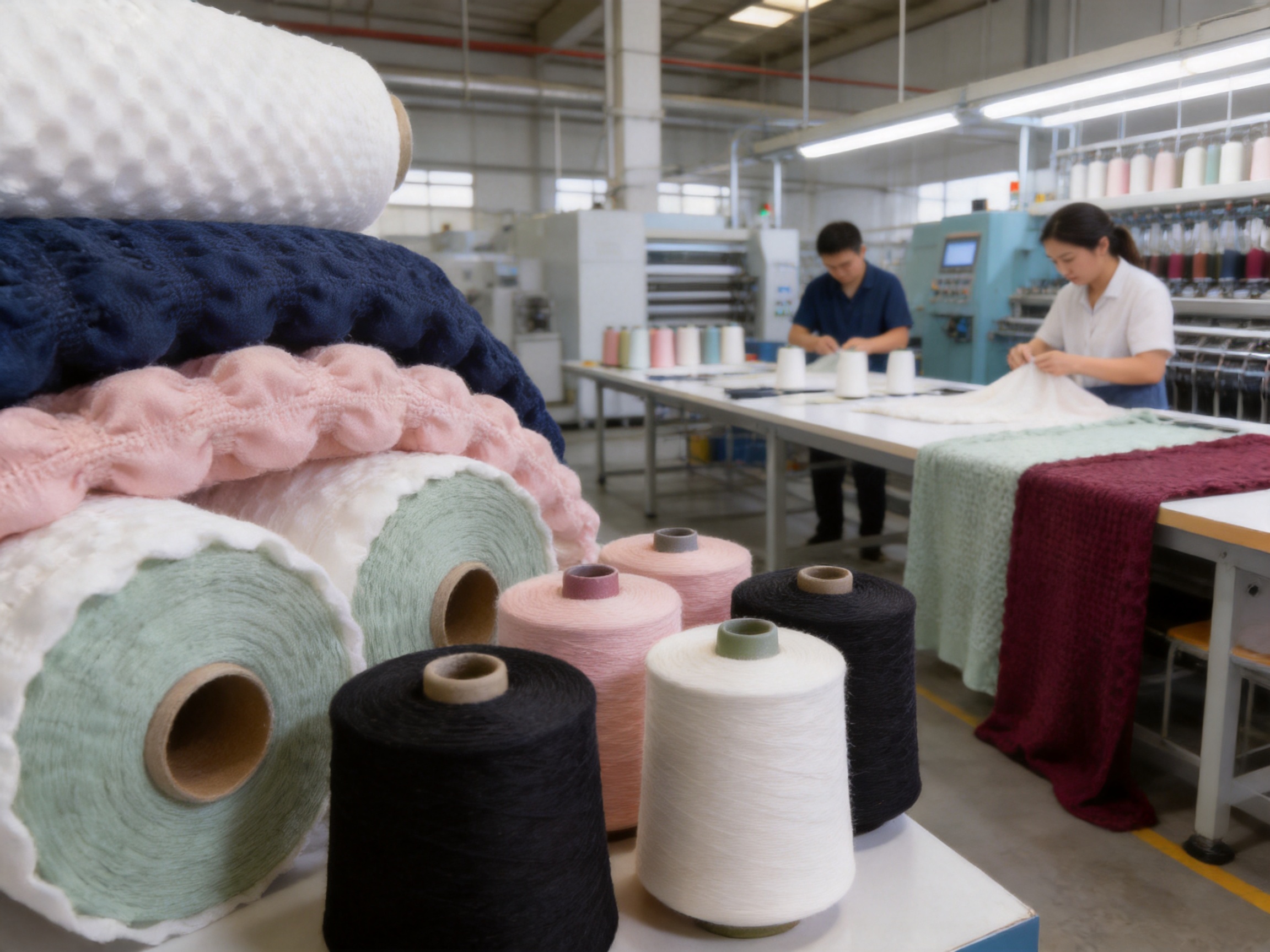
Color Strategy and Market Flexibility
Color is central to the success of fashion textiles. Bubble fabric’s availability in more than a hundred colors gives it strong market flexibility. Buyers can select classic neutrals, seasonal fashion shades, bright colors, soft pastels, or deeper tones for elegant garments.
Classic colors such as black, white, navy, beige, and gray are useful for long-term styles. They can be sold across seasons and matched easily with other garments. Bright colors are useful for spring, summer, resort wear, and youth fashion. Deep colors such as burgundy, forest green, and dark purple can support autumn, winter, and eveningwear collections.
A wide color palette also supports regional market differences. Some markets prefer subtle neutrals; others respond strongly to vivid shades. Some customers require modest fashion colors, while others need expressive seasonal palettes. Bubble fabric’s color range allows suppliers and buyers to serve these differences more effectively.
For wholesalers, color range can increase order opportunities. Retailers often want multiple color options in the same fabric. Offering a broad palette makes it easier to satisfy varied customer preferences. For garment factories, color availability can simplify sourcing because one fabric supplier may cover multiple style requirements.
Weight Selection and Product Planning
Choosing the right fabric weight is essential for product success. Bubble fabric is available in many weights, with lightweight 50D bubble chiffon commonly used for soft, flowing products and heavier options used for garments needing more substance.
Lightweight bubble fabric is ideal when airiness, softness, and drape are priorities. It can be used for scarves, flowing dresses, and delicate overlays. Its light character makes it comfortable and elegant. However, depending on garment design, it may require lining or layering for coverage.
Heavier bubble fabric provides more body and may be better suited for skirts, dresses with structure, or garments requiring improved opacity. It can also support more defined silhouettes. Buyers should consider the final product, target season, expected price level, and garment construction when selecting weight.
For manufacturers, weight selection also affects cutting, sewing, packaging, and final garment appearance. Lightweight fabric may require careful handling during sewing, while heavier fabric may require attention to drape and seam bulk. A knowledgeable supplier can help customers select suitable options based on end use.
Advantages for Garment Manufacturers
Garment manufacturers need fabrics that are attractive, consistent, efficient to process, and commercially appealing. Bubble fabric supports these needs in several ways. First, its textured surface increases design value. Second, its soft feel supports consumer comfort. Third, its color and weight diversity help manufacturers create multiple styles from one fabric category.
Because bubble fabric already has visual character, manufacturers can use simpler garment patterns while still producing appealing items. This can reduce reliance on complex construction details. In competitive garment markets, efficient designs are important because they help control production time and cost.
Consistency is another advantage when sourced from an integrated manufacturer. Stable fabric quality reduces production risk. If fabric weight, width, color, or surface appearance changes too much between lots, garment factories may face cutting errors, shade grouping issues, or customer complaints. Integrated production and quality control help reduce these problems.
The availability of fabric by the yard or half metre also supports flexible purchasing. Designers, small studios, and sample departments may need smaller quantities for development, while larger garment factories may order bulk quantities for production. Flexible supply options help serve different customer types.
Advantages for Designers and Brands
Designers and brands benefit from materials that can express identity without excessive complexity. Bubble fabric offers a distinctive surface that can become part of a brand’s visual language. It works well for collections focused on softness, movement, elegance, femininity, or refined casual style.
Because bubble fabric is available in many colors, designers can build collections around coordinated palettes. They can use one color for dresses, another for scarves, and another for accent pieces, while maintaining material consistency. This helps create cohesive product lines.
The fabric’s versatility also supports different consumer segments. It can be used in youthful fashion, mature elegant styles, resort wear, modest fashion, occasion wear, and everyday apparel. With the right garment design, bubble fabric can appear relaxed or sophisticated.
For brands that value practicality, bubble fabric also supports efficient development. A textured fabric can reduce the need for additional surface treatments, prints, or embellishments. This may simplify production while still delivering a product with strong visual appeal.
Export-Oriented Service and Customer Cooperation
Hangzhou Jinfeng Textile Co., Ltd. operates as a self-employed export company integrating research and development, production, and sales. This export-oriented structure is important for international customers who need communication, product consistency, order coordination, and dependable business cooperation.
The company follows a business philosophy of cooperation and win-win service. In textile supply, this philosophy matters because fabric development and production often require coordination between buyer and supplier. Customers may need sampling, color confirmation, weight selection, order planning, and production updates. A cooperative supplier can help reduce uncertainty and improve order success.
The company’s location in Hangzhou, Zhejiang Province, also places it within one of China’s important textile and manufacturing regions. Regional industrial experience, supplier networks, and export knowledge can support textile production and customer service. For buyers seeking DTY polyester yarn, blended fabric, and knitted fabric products, such a manufacturing base offers practical sourcing advantages.
Quality Considerations for Bubble Fabric Buyers
When purchasing bubble fabric, buyers should evaluate several quality factors. These include hand feel, texture consistency, color uniformity, fabric weight, width, shrinkage behavior, dyeing quality, and suitability for the intended garment. A fabric may look attractive in a small swatch, but bulk production requires stable performance.
Hand feel should match the target product. Scarves and dresses require softness. Skirts may require a balance between softness and structure. Texture should be even across the fabric width and length. Excessive irregularity may affect garment appearance.
Color should be checked under appropriate lighting. Because textured fabric reflects light differently from flat fabric, shade evaluation should consider the actual garment environment. Buyers should also confirm color consistency between sample and bulk production, especially for repeat orders.
Weight and drape should be tested according to the garment design. Lightweight fabric may be ideal for flowing designs but unsuitable for structured products. Heavier fabric may provide better coverage but may not create the same airy effect. A reliable supplier can provide guidance based on experience.
Finally, buyers should consider sewing performance. Textured and lightweight fabrics may require suitable needles, thread, seam types, and handling methods. Testing before bulk production helps avoid production issues. The supplier’s technical support and stable manufacturing process can help garment makers achieve better results.
Sustainability and Responsible Textile Thinking
Modern textile buyers increasingly pay attention to responsible production, resource efficiency, and durable product value. While the provided product information focuses on fabric characteristics and manufacturing capability, bubble fabric can contribute to responsible product planning through versatility and long-term design usefulness.
A fabric that can be used across many garment categories may help reduce unnecessary material complexity. Brands can develop multiple products from one fabric family, improving planning efficiency. Solid-color textured fabric may also remain useful beyond short print trends, helping collections maintain longer market relevance.
Manufacturing integration can support better process control. When production, dyeing, finishing, and sales are coordinated, there is greater opportunity to monitor quality, reduce waste caused by defects, and respond accurately to customer requirements. Good quality itself is an important part of responsible textile supply because defective fabric can create unnecessary waste.
Durable aesthetic value is also important. Bubble fabric’s texture gives it visual interest without requiring excessive decorative additions. This may support cleaner design and simpler production. When garments remain attractive and wearable, consumers are more likely to keep and use them longer.
How Bubble Fabric Supports Competitive Product Development
In the textile and apparel market, competition is intense. Buyers need fabrics that help finished products stand out while remaining practical for production and comfortable for consumers. Bubble fabric supports this goal by providing texture, softness, color variety, and weight flexibility.
Its advantage over many competitors is balance. Some fabrics are beautiful but difficult to process. Others are comfortable but visually ordinary. Some offer strong patterns but become outdated quickly. Bubble fabric occupies a valuable middle position: it is decorative but not excessive, soft but still expressive, and versatile enough for many apparel categories.
For brands seeking differentiation, the texture can become a recognizable design element. For wholesalers, the wide color range supports broad market coverage. For garment factories, the fabric can improve the appeal of simple designs. For retailers, finished products made with bubble fabric can offer consumers a pleasing combination of comfort and elegance.
The company’s manufacturing strengths further support competitiveness. Experience in DTY polyester yarn, blended fabrics, production, dyeing, and finishing provides a technical foundation that many buyers value. A fabric is only as reliable as the production system behind it, and integrated manufacturing helps deliver stable results.
Recommended Buyer Approach
Buyers interested in bubble fabric should begin by defining the final product. A scarf, dress, skirt, or overlay may require different weight, color, and finishing characteristics. After identifying the end use, buyers can request samples in suitable weights and colors.
Next, buyers should evaluate touch, drape, texture, and color under real conditions. A sample should be handled, folded, draped, and tested with the intended garment design. If the fabric will be used for dresses or skirts, sample garments or trial sewing are recommended.
For bulk orders, buyers should confirm technical details such as width, weight, color standard, packaging, and delivery requirements. Communication with the supplier is important. Because Hangzhou Jinfeng Textile Co., Ltd. integrates production and sales, customers can discuss requirements directly and seek suitable solutions.
Repeat buyers should maintain color and quality references for future orders. This helps improve consistency across seasons and collections. When buyers and suppliers cooperate closely, fabric development and production become more predictable and efficient.
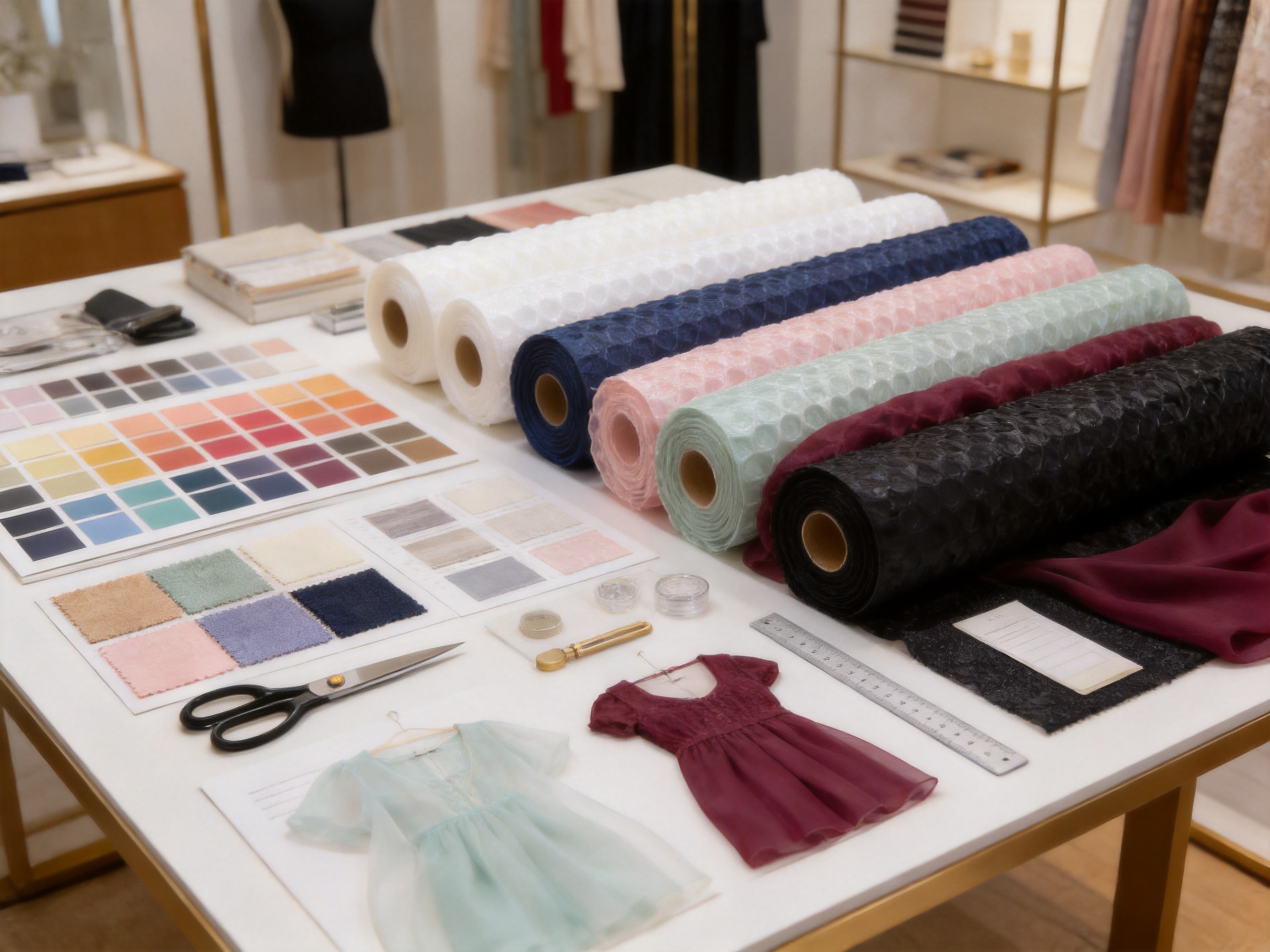
Frequently Asked Questions
What is bubble fabric?
Bubble fabric is a textured textile known for its soft touch and elegant surface effect. Its raised or puckered appearance gives garments visual depth and movement, making it suitable for fashion products such as dresses, skirts, scarves, and decorative apparel details.
What category does this product belong to?
This product belongs to the NR knitted fabric category. As a knitted fabric, it can offer softness, adaptability, and comfort, while its bubble texture adds a distinctive fashion appearance.
What weights are available?
Bubble fabric is available in many weights. Many bubble chiffon options are around 50D, while heavier bubble chiffon fabrics and related variations are also available for products that require more body, structure, or coverage.
What can bubble fabric be used for?
It can be used for skirts, dresses, scarves, overlays, layered garments, fashion panels, decorative sleeves, trims, and other apparel applications. Its versatility makes it useful for both simple and creative garment designs.
Why is bubble fabric advantageous compared with plain chiffon?
Plain chiffon is lightweight and elegant, but it can appear visually flat. Bubble fabric adds built-in texture, helping finished products look more dynamic without requiring heavy printing, embroidery, or complex construction.
Why is color availability important?
More than a hundred colors are available, giving buyers strong flexibility for seasonal collections, brand palettes, regional markets, and coordinated product lines. A wide color range also helps wholesalers and garment manufacturers meet diverse customer preferences.
How does DTY polyester yarn expertise support fabric quality?
DTY polyester yarn knowledge helps the manufacturer understand yarn behavior, texture formation, softness, dyeing response, and fabric stability. This technical foundation can improve consistency and reduce quality risks in bulk production.
What manufacturing strengths support this fabric?
Hangzhou Jinfeng Textile Co., Ltd. has strengths in research and development, production, processing, post-dyeing, finishing, and sales. The company also produces and processes DTY polyester yarn and blended fabrics, supporting integrated quality control from yarn to finished fabric.
Is bubble fabric suitable for small designers as well as bulk buyers?
Yes. The fabric can be supplied by the yard or half metre depending on the desired size and style, making it useful for sampling, small design projects, and larger garment production planning.
What should buyers check before placing an order?
Buyers should check fabric weight, hand feel, drape, color, texture consistency, width, sewing performance, and suitability for the intended garment. Trial sewing and sample evaluation are recommended before bulk production.
Conclusion
Bubble fabric is a strong choice for buyers seeking a textile that combines elegance, softness, texture, and versatility. As an NR knitted fabric, it provides comfort and adaptability, while its bubble surface gives garments a distinctive appearance. Its availability in multiple weights and more than a hundred colors makes it suitable for dresses, skirts, scarves, overlays, and many fashion applications.
Compared with plain chiffon, flat knitted fabric, printed textiles, and heavily embellished materials, bubble fabric offers a balanced advantage. It is decorative without being excessive, soft without being plain, and versatile without being limited to one product type. This balance makes it commercially valuable for designers, garment factories, wholesalers, and apparel brands.
The manufacturing foundation behind the fabric adds further value. Hangzhou Jinfeng Textile Co., Ltd. integrates research and development, production, processing, post-dyeing, finishing, and sales. Its experience with DTY polyester yarn and blended fabrics supports more reliable textile quality and responsive customer service. With a sizable production base in Hangzhou and an export-oriented business structure, the company is positioned to serve customers seeking stable supply and cooperative development.
For modern textile buyers, a successful fabric must do more than look attractive. It must support production efficiency, garment comfort, color planning, and market competitiveness. Bubble fabric meets these needs through its elegant texture, soft touch, broad color range, weight flexibility, and integrated manufacturing support. For apparel collections that require both beauty and practicality, it is a material worthy of serious consideration.
References
Textile Institute. Textile Terms and Definitions. Textile Institute Publications.
Gohl, E. P. G., and Vilensky, L. D. Textile Science: An Explanation of Fibre Properties. CBS Publishers.
Kadolph, S. J. Textiles. Pearson Education.
Gioello, D. A. Understanding Fabrics: From Fiber to Finished Cloth. Fairchild Books.
Collier, B. J., and Epps, H. H. Textile Testing and Analysis. Pearson Education.