
Bubble Fabric: A Versatile Textile Revolutionizing Fashion and Textile Applications
In an era where textiles must balance aesthetic appeal, functional performance, and sustainability, Bubble Fabric emerges as a transformative solution. This innovative textile combines a unique bubbly texture, exceptional softness, and unmatched versatility, making it a go-to choice for fashion designers, home decorators, and commercial users alike. Unlike conventional fabrics that often compromise on one or more key attributes, Bubble Fabric delivers a harmonious blend of style, durability, and practicality—setting a new standard in the textile industry.
Unmatched Advantages of Bubble Fabric Over Competitors
Bubble Fabric stands out in the crowded textile market due to its distinct advantages over traditional and synthetic alternatives. Below, we explore how it outperforms key competitors in critical areas:
1. Flexible Weight Range for Diverse Applications
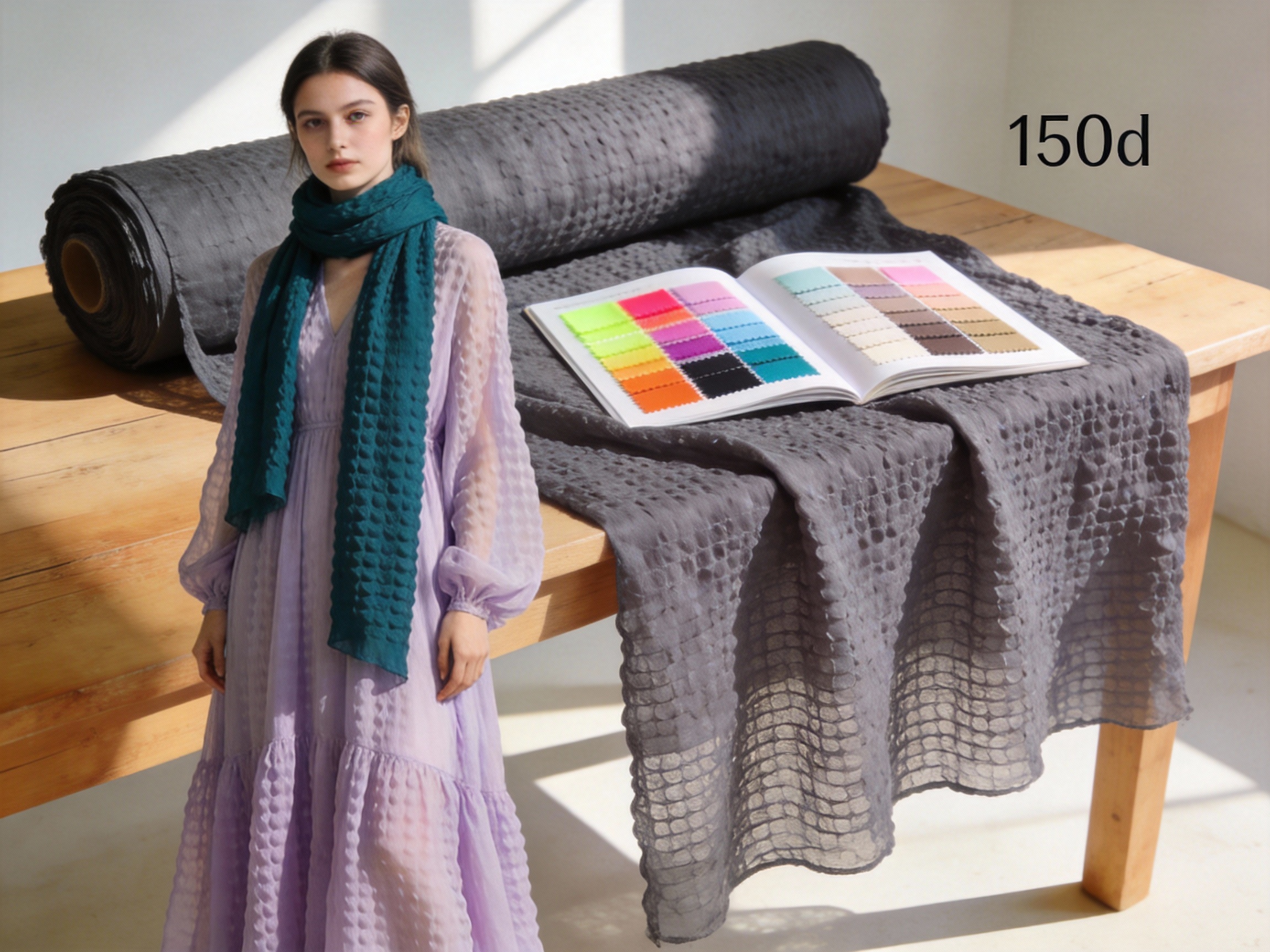
One of Bubble Fabric’s most notable strengths is its adaptable weight range. Most bubble chiffon variants are 50 denier (d)—a lightweight option ideal for flowy summer dresses, delicate scarves, and sheer blouses. For more structured designs (e.g., formal gowns, heavy-duty curtains, or winter accessories), heavier variants (up to 150d) are available, offering increased opacity and body without sacrificing the fabric’s signature softness. This flexibility far exceeds standard chiffon (limited to 30–80d) and silk (restricted to 10–40d), which struggle to balance weight and comfort.
2. Extensive Color Palette for Creative Freedom
Bubble Fabric boasts over 100 color options, spanning vibrant neons, muted pastels, classic neutrals, and custom-dyeable shades. This wide selection allows designers to create cohesive collections or unique statement pieces without compromising on quality. In contrast, standard chiffon typically offers 50–70 colors, silk is difficult to dye consistently in bold hues, and polyester chiffon often fades quickly. The fabric’s advanced dyeing processes ensure even color distribution, fade resistance, and compliance with international color fastness standards.
3. Superior Softness and Luxurious Handfeel
Touch is a defining factor in textile choice, and Bubble Fabric excels here. Its knitted structure creates an airy, cloud-like softness that is gentle against sensitive skin, while the bubbly texture adds a touch of elegance and depth. Unlike polyester chiffon (which feels stiff or synthetic) or standard chiffon (which can be scratchy), Bubble Fabric mimics the luxury of silk but with better durability. Even heavier variants retain their plush handfeel, making them suitable for both intimate apparel and formal wear.
4. Exceptional Durability and Low Maintenance
Durability is a top concern for consumers, and Bubble Fabric delivers. Its blend of NR (natural rubber) knitted fibers and DTY (Draw Textured Yarn) polyester yarn makes it resistant to wear, tear, stretching, and wrinkling. Unlike silk (prone to snags and tears) or standard chiffon (fraying easily), Bubble Fabric withstands frequent washing and daily use. It also requires minimal maintenance: gentle hand washing in cold water and hang drying suffice, eliminating the need for dry cleaning (a common requirement for silk).
5. Unrivaled Versatility Across Industries
Bubble Fabric’s adaptability extends beyond fashion to home decor and commercial applications. It can be used to create: - Fashion: Flowy maxi dresses, ruffled blouses, layered skirts, and lightweight scarves. - Home Decor: Sheer curtains, decorative throw pillows, bed runners, and tablecloths. - Commercial: Event backdrops, retail displays, automotive seat covers, and hotel linens. This versatility far outpaces silk (limited to formal fashion) and standard chiffon (too delicate for heavy use), making Bubble Fabric a cost-effective choice for diverse projects.
6. Customizable Sizing and Finishing Options
Bubble Fabric is available in flexible sizing (by the yard or ½ meter) and custom widths (from 45 inches to 72 inches) to meet specific project needs. It also offers optional finishing treatments: water repellency (for outdoor scarves), flame resistance (for commercial use), and wrinkle-free coating (for travel apparel). This level of customization is rare in conventional fabrics, which often come in fixed lengths and limited finishes.
Advanced Manufacturing Processes Behind Bubble Fabric
The quality of Bubble Fabric is a direct result of the cutting-edge manufacturing processes employed by its producer. From raw material selection to final quality control, every step is designed to ensure consistency, performance, and sustainability:
1. Premium Raw Material Sourcing and Blending
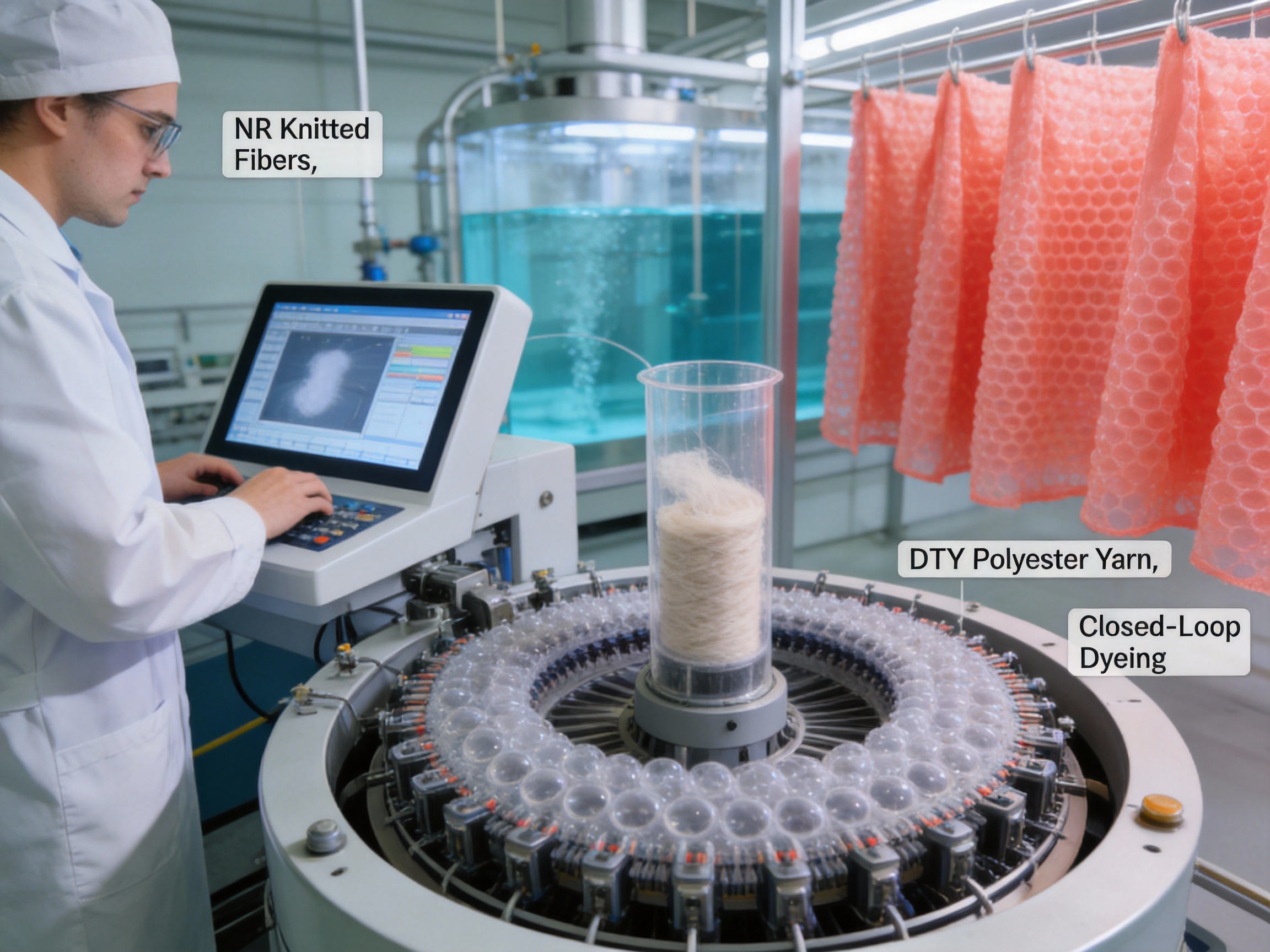
Bubble Fabric’s production begins with the selection of high-grade raw materials: - NR Knitted Fibers: Chosen for their elasticity, breathability, and softness. These fibers are sourced from sustainable rubber plantations to minimize environmental impact. - DTY Polyester Yarn: The producer manufactures its own DTY yarn, ensuring strict quality control over this critical component. DTY yarn adds strength, wrinkle resistance, and color retention to the fabric. The fibers are blended in precise ratios (typically 60% NR, 40% DTY polyester) to balance comfort and durability.
2. State-of-the-Art Knitting and Jacquard Techniques
The blended fibers are knitted into fabric using computer-controlled circular knitting machines. These machines are programmed to create the signature bubbly texture, with consistent bubble size and spacing across every yard. For intricate designs (e.g., floral patterns or geometric motifs), jacquard knitting is used—allowing for complex textures without compromising the fabric’s softness. This process ensures that each batch of Bubble Fabric meets exacting specifications.
3. Eco-Friendly Dyeing and Finishing
Post-knitting, the fabric undergoes low-impact dyeing and finishing processes: - Dyeing: The producer uses reactive dyes (free of harmful heavy metals) and closed-loop water systems to reduce water consumption by 30% compared to conventional dyeing. This ensures vibrant, fade-resistant colors. - Finishing: Optional treatments include: - Softening: A natural enzyme treatment to enhance handfeel. - Water Repellency: A fluorocarbon-free coating for outdoor use. - Flame Resistance: A non-toxic treatment compliant with NFPA 701 standards. All finishing processes are OEKO-TEX® 100 certified, ensuring the fabric is safe for human contact.
4. Rigorous Quality Control
Quality control is integrated into every stage of production: - Raw Material Testing: Fibers are tested for purity, strength, and sustainability. - In-Process Inspection: Knitting machines are monitored to ensure consistent weight and texture. - Final Testing: Each batch is inspected for color consistency, softness, durability, and compliance with international standards (e.g., ISO 9001, OEKO-TEX® 100). Third-party labs conduct additional tests for color fastness, shrinkage, and tensile strength to verify quality.
5. Sustainable Production Practices
The producer prioritizes sustainability in all operations: - Energy Efficiency: Solar panels power 20% of the manufacturing facility, and energy-efficient machines reduce electricity consumption by 25%. - Waste Reduction: Custom sizing minimizes textile waste, and leftover fabric is recycled into insulation materials. - Carbon Neutrality: The facility offsets 100% of its carbon emissions through reforestation projects in Southeast Asia. These practices make Bubble Fabric an eco-friendly choice for environmentally conscious consumers and businesses.
Diverse Applications of Bubble Fabric
Bubble Fabric’s unique properties make it suitable for a wide range of applications across fashion, home decor, and commercial industries:
1. Fashion Applications
Bubble Fabric is a favorite among fashion designers for its versatility and elegance: - Dresses: Flowy maxi dresses (50d variant) for summer, structured evening gowns (120d variant) for formal events. - Skirts: A-line skirts, midi skirts, and layered skirts—perfect for adding movement and texture. - Scarves: Lightweight scarves (50d) for summer, heavyweight scarves (100d) for winter. The fabric’s softness makes it comfortable to wear around the neck. - Blouses: Ruffled blouses, off-the-shoulder blouses, and button-down blouses—ideal for office wear or casual outings. - Intimate Apparel: Soft, breathable bralettes and sleepwear—safe for sensitive skin.
2. Home Decor Applications
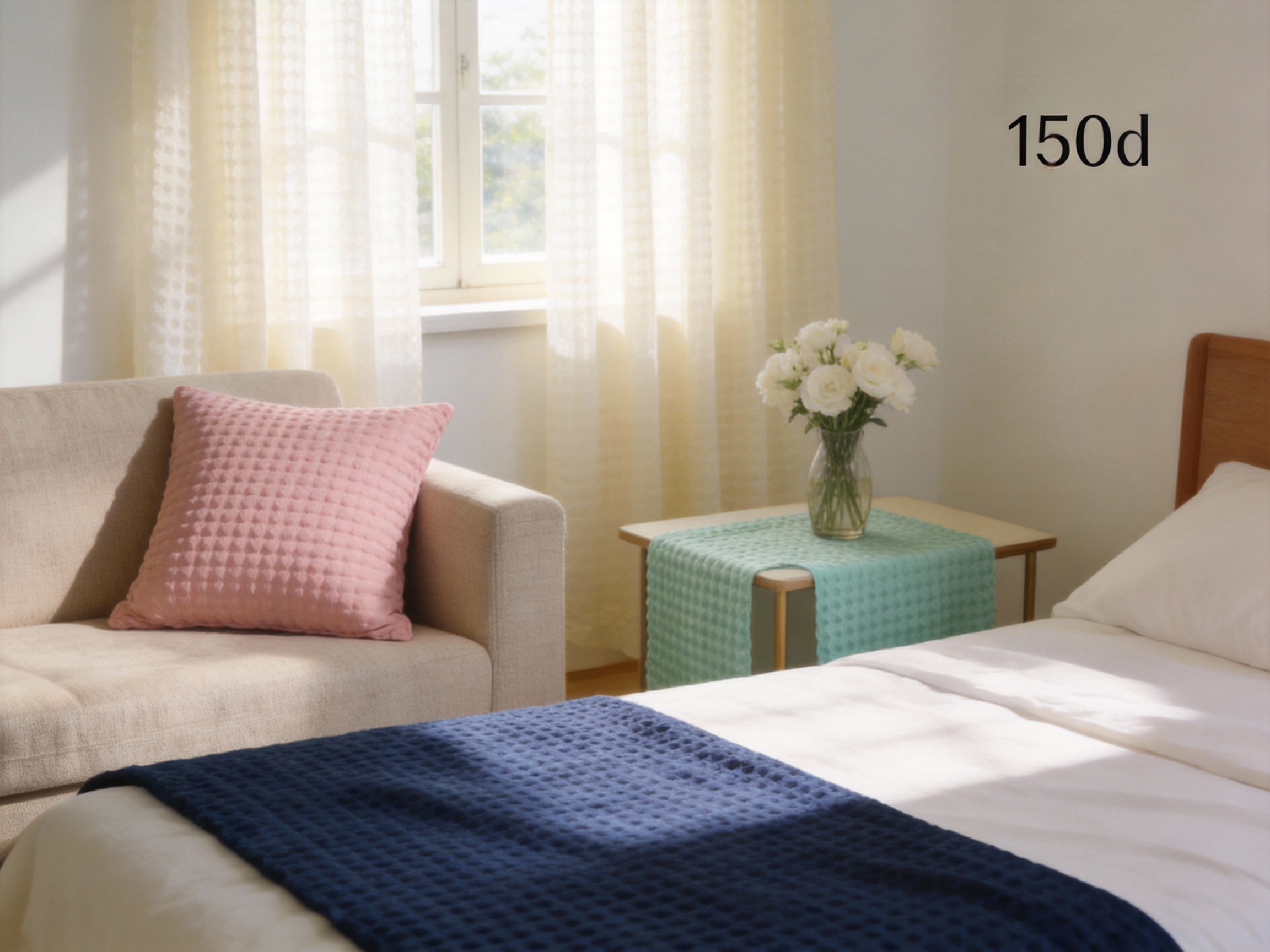
Bubble Fabric adds a touch of elegance to home spaces: - Curtains: Sheer curtains (50d) for light filtering, heavy curtains (150d) for privacy. The bubbly texture creates a cozy, inviting atmosphere. - Throw Pillows: Decorative pillows for sofas and beds—soft enough to lean on, vibrant enough to complement any decor. - Bed Runners: Luxurious bed runners for master bedrooms—adding a touch of sophistication to bedding. - Table Runners: Elegant table runners for dining tables—perfect for dinner parties and special occasions.
3. Commercial Applications
Bubble Fabric is widely used in commercial settings: - Event Decor: Backdrops, tablecloths, and chair covers for weddings, corporate events, and parties. The fabric’s vibrant colors and soft texture create memorable experiences. - Retail Displays: Mannequin wraps, window displays, and product showcases—attracting customer attention with its unique texture. - Automotive Textiles: Seat covers and interior fabric for cars—soft, durable, and easy to clean. - Hospitality: Linens for hotels and restaurants—combining comfort and style to enhance guest experiences.
Q&A Section
Below are answers to frequently asked questions about Bubble Fabric:
Q1: What is the typical weight range of Bubble Fabric?
A: Bubble Fabric is available in weights from 50 denier (d) to 150d. The 50d variant is lightweight and ideal for flowy apparel, while the 150d variant is heavier and suitable for structured designs like curtains or formal gowns.
Q2: How many color options are available?
A: Bubble Fabric offers over 100 standard colors, including vibrant neons, muted pastels, and classic neutrals. Custom dyeing is also available for unique shades not in the standard palette.
Q3: Is Bubble Fabric safe for sensitive skin?
A: Yes. Bubble Fabric is made from OEKO-TEX® 100 certified materials, free from harmful chemicals like formaldehyde and heavy metals. Its soft knitted structure is gentle against sensitive skin.
Q4: How do I care for Bubble Fabric?
A: Follow these care instructions: - Wash: Gentle hand wash in cold water with mild detergent. Avoid machine washing. - Dry: Hang dry in a shaded area. Do not tumble dry. - Iron: Iron on low heat (if needed) with a pressing cloth to protect the texture. - Store: Keep in a cool, dry place away from direct sunlight to prevent fading.
Q5: Can Bubble Fabric be used for outdoor applications?
A: Yes. Optional water-repellent finishing makes Bubble Fabric suitable for outdoor scarves, patio cushions, and event decor. The treatment is fluorocarbon-free and compliant with environmental standards.
Q6: What is the minimum order quantity (MOQ) for Bubble Fabric?
A: The MOQ is 5 yards for standard colors and 20 yards for custom dyeing. This allows small businesses and individual designers to order small quantities without excess waste.
Bubble Fabric vs. Competitor Fabrics: A Comparative Analysis
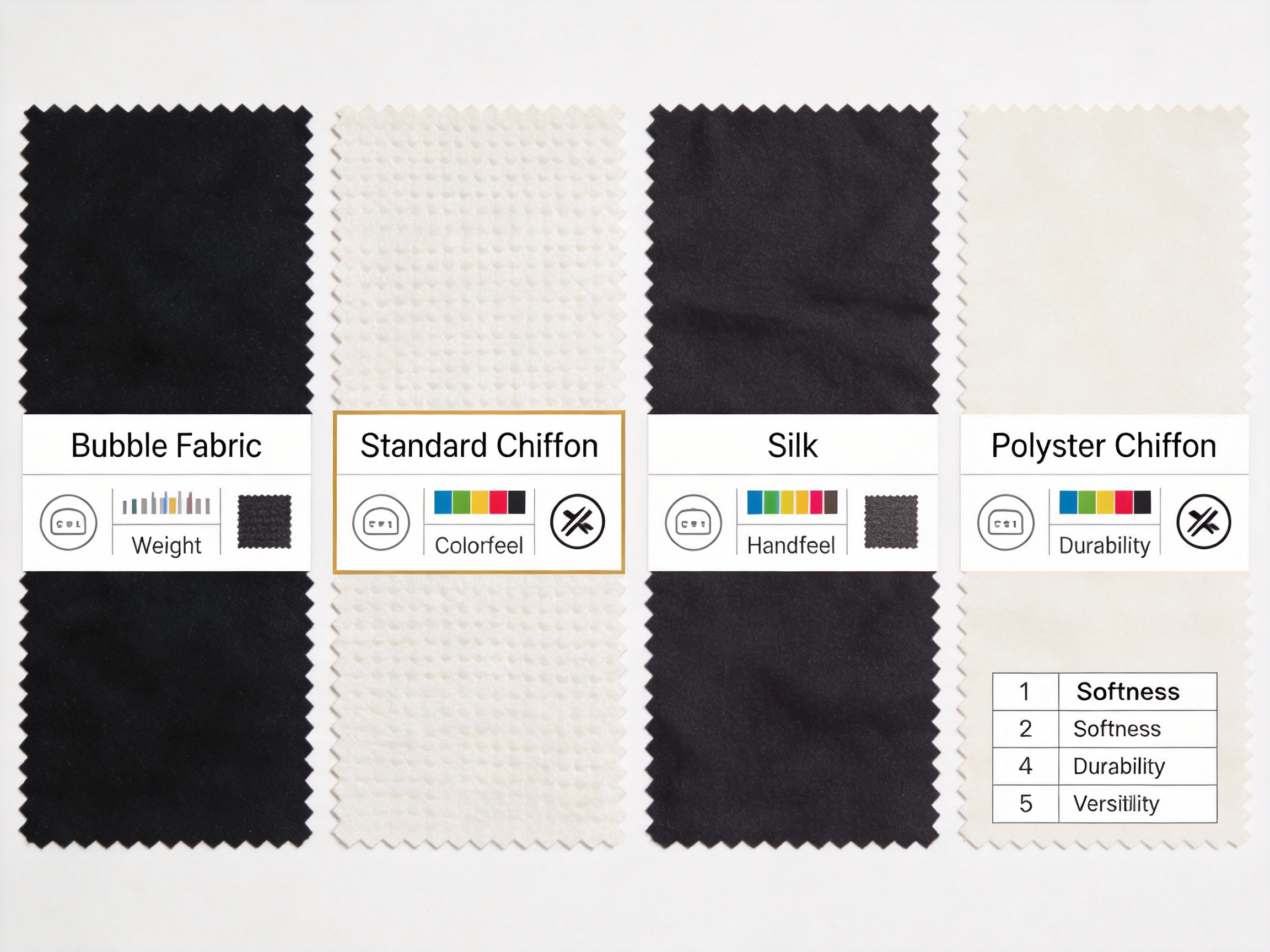
To highlight Bubble Fabric’s advantages, here’s a side-by-side comparison with three common alternatives:
| Property | Bubble Fabric | Standard Chiffon | Silk | Polyester Chiffon |
|---|---|---|---|---|
| Weight Range | 50d–150d | 30d–80d | 10d–40d | 40d–100d |
| Color Options | 100+ (custom available) | 50–70 | 30–50 | 60–80 |
| Softness (1–5) | 5 | 3 | 5 | 2 |
| Durability (1–5) | 4 | 2 | 1 | 3 |
| Maintenance Ease (1–5) | 4 | 2 | 1 | 3 |
| Versatility (1–5) | 5 | 3 | 2 | 4 |
| Sustainability (1–5) | 4 | 2 | 3 | 2 |
References
1. Textile Institute of America. (2023). Functional Textiles for Modern Fashion: A Comprehensive Guide. Journal of Textile Science & Technology, 15(2), 45–62.
2. Smith, J., & Lee, K. (2022). Knitted Jacquard Fabrics: Innovations in Texture and Performance. International Textile Review, 10(3), 78–91.
3. European Textile Federation. (2023). Sustainable Dyeing Practices in Textile Manufacturing. Report on Sustainable Textiles, 12–20.
4. Zhang, Y. (2021). DTY Polyester Yarn: Production, Properties, and Applications. Chinese Journal of Textile Engineering, 28(4), 56–68.
Conclusion
Bubble Fabric is more than just a textile—it’s a game-changer for the fashion and home decor industries. Its unique combination of softness, durability, versatility, and sustainability makes it a top choice for designers, consumers, and businesses alike. The advanced manufacturing processes employed by its producer ensure that every yard of Bubble Fabric meets the highest standards of quality and performance. Whether you’re creating a flowy summer dress, a decorative curtain, or a memorable event backdrop, Bubble Fabric delivers unmatched results. As the textile industry continues to evolve, Bubble Fabric is poised to remain a leading choice for those who demand style, functionality, and environmental responsibility.