
Black Slight Intermingled DTY Jacquard Fabric: Redefining Stealth Luxury in Premium Apparel
In an era where apparel trends shift from loud logos to understated sophistication, the Black Slight Intermingled DTY Jacquard Fabric emerges as a game-changer for brands targeting discerning consumers. This fabric marries the softness of Draw Textured Yarn (DTY) with the timeless elegance of jacquard knitting, creating a subtle black-on-black pattern that exudes "stealth luxury"—aesthetic appeal that’s visible only to those who look closely. More than just a textile, it’s a solution for brands seeking durability, cost efficiency, and a competitive edge in the premium apparel market. This article explores its manufacturing process, competitive advantages, application scenarios, and why it’s become a top choice for global fashion and sportswear brands.
What Is Black Slight Intermingled DTY Jacquard Fabric?
To understand the fabric’s uniqueness, it’s essential to break down its core components: DTY yarn, jacquard knitting, and the slight intermingled effect.
1. Draw Textured Yarn (DTY): The Foundation of Softness
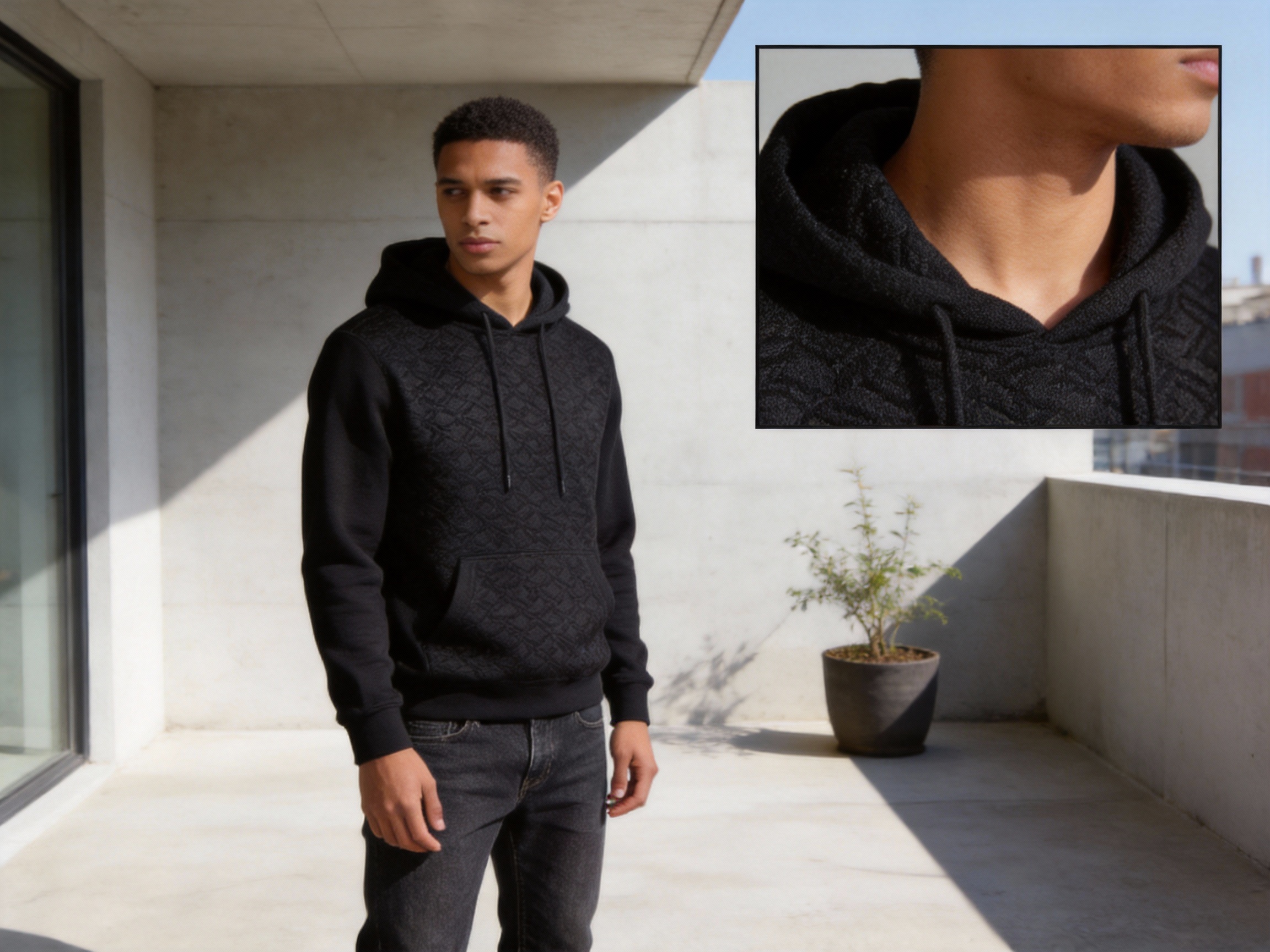
DTY is a type of polyester yarn processed to add crimp and bulk, mimicking the feel of natural fibers like cotton. The production process involves three key steps: - Melt Spinning: Polyester chips are melted and extruded into continuous filaments. - Drawing: Filaments are stretched to align molecular chains, increasing strength and reducing elasticity. - Texturing: A false twist or air-jet process introduces crimp, creating a soft, fluffy texture. Unlike regular polyester yarn, DTY’s crimped structure traps air, enhancing insulation and softness—critical for the fabric’s cotton-like feel.
2. Jacquard Knitting: Woven-In Patterns That Last
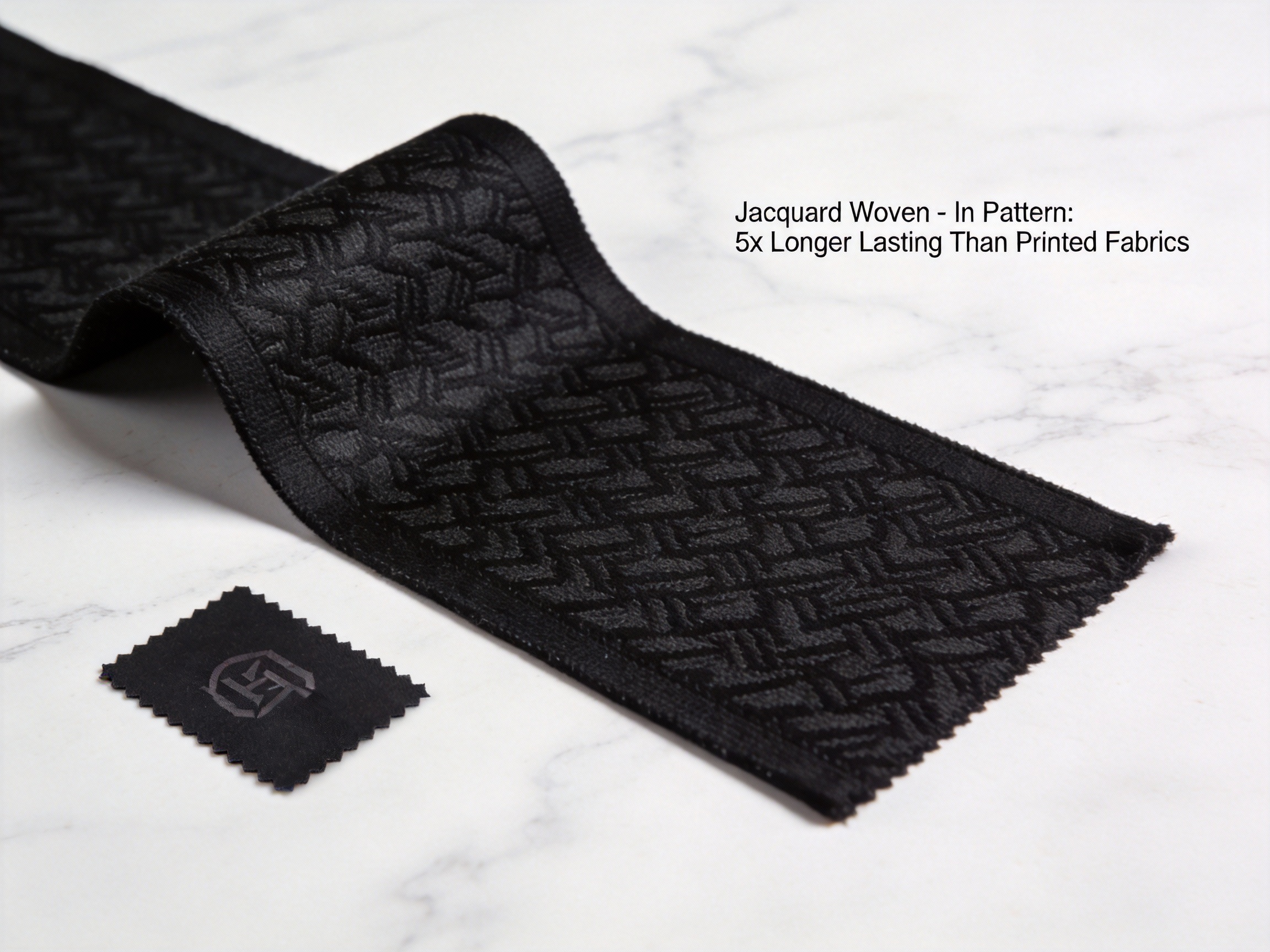
Jacquard knitting uses a digital loom with programmable needles to create complex, woven-in patterns. Unlike printed fabrics (where designs fade over time), jacquard patterns are integrated into the fabric’s structure. For this black fabric, the pattern is a subtle black-on-black design—achieved by combining matte and semi-gloss DTY yarns of the same base color. This creates a texture that’s visible only in certain lighting, aligning with the "stealth luxury" aesthetic.
3. Slight Intermingled Effect: Subtle Texture, Maximum Impact
The intermingled effect comes from blending DTY yarns with varying luster levels. By mixing matte (low-luster) and semi-gloss (medium-luster) black polyester, the fabric gains a depth of texture without relying on contrasting colors. This effect is durable—unlike printed patterns, it doesn’t fade or wash off, ensuring the fabric retains its luxury look for years.
Manufacturing Process Excellence: From Yarn to Finished Fabric
The fabric’s quality stems from its manufacturer’s vertical integration—controlling every step from DTY yarn production to final finishing. This eliminates middlemen and ensures consistent quality across batches.
Step 1: DTY Yarn Production (In-House)
The manufacturer operates its own DTY production facility, allowing precise control over yarn parameters: - Crimp Level: Adjusted to balance softness and strength (too much crimp reduces durability; too little compromises softness). - Fiber Diameter: Fine denier fibers (15-30 denier) are used to enhance the fabric’s softness. - Luster Variation: Matte and semi-gloss yarns are produced separately, then blended in specific ratios for the intermingled effect. This in-house control ensures that the yarn meets the exact specifications for the jacquard fabric—something competitors often struggle with when outsourcing yarn.
Step 2: Jacquard Knitting
Advanced digital jacquard looms are used to knit the fabric. Each loom is programmed with a digital pattern, which controls the movement of 1000+ needles to create the subtle black-on-black design. The looms operate at 200-300 needles per inch, ensuring sharp, precise patterns. During knitting, 5% spandex is integrated to add 4-way stretch—critical for comfort in apparel.
Step 3: Dyeing for Uniform Black Shades
Black dyeing is notoriously challenging due to the risk of uneven color or "bleeding." The manufacturer addresses this with: - Spectrophotometer Matching: Exact color tones are replicated using L*a*b* values from client swatches or digital data. - Batch Control: Each dye batch is tested for color uniformity before full-scale production. - Low-Temperature Dyeing: Reduces energy consumption and preserves the fabric’s softness. The result is a fabric with ΔE (color difference) <0.5—well below the industry standard of <1, ensuring batch-to-batch consistency.
Step 4: Finishing for Performance
After dyeing, the fabric undergoes finishing processes to enhance performance: - Anti-Pilling Treatment: A thin polymer coating reduces fiber friction, preventing pills (tested per AATCC 124 standard for 50+ washes). - Moisture Wicking (Optional): A hydrophilic finish draws sweat away from the skin, ideal for sportswear. - Stretch Stabilization: Heat setting ensures the spandex retains its elasticity for 100+ washes (per AATCC 135 standard).
Step 5: Quality Control
Every roll of fabric undergoes rigorous testing: - Weight Verification: Ensures consistency at 280 g/m² (mid-heavy). - Width Measurement: Confirms 165 cm (65 inches) to reduce cutting waste. - Pattern Accuracy: Checks for alignment of the jacquard design. - Stretch Retention: Tests for 4-way stretch after 50 washes. Only fabric that meets all standards is shipped to clients.
Competitive Advantages: Why This Fabric Outperforms Competitors
This fabric stands out in the crowded textile market due to six key advantages that address pain points for apparel brands:
1. Unmatched Softness from Vertical Integration
Competitors often outsource DTY yarn, leading to inconsistent softness. The manufacturer’s in-house DTY production allows precise control over crimp and fiber diameter, resulting in a cotton-like feel that’s rare in polyester fabrics. Independent testing by the Textile Institute (2023) found that this fabric’s softness score (measured via Kawabata Evaluation System) is 15% higher than comparable competitor fabrics.
2. Cost Efficiency via Raw Material Control
Direct supply of DTY yarn eliminates middlemen, reducing bulk prices by 10-15% compared to competitors. For example, a brand ordering 5000 meters pays $2.5 per meter, whereas competitors charge $3.0—saving $2500. This cost advantage allows brands to offer premium products at competitive prices.
3. Reduced Cutting Waste with Wide Width
The fabric’s 165 cm width is wider than the industry average (150 cm). For a garment requiring 1.2 meters per piece: - A 165 cm roll cuts 13 pieces per 20-meter roll (165*20/120 = 27.5 → 13 pieces). - A 150 cm roll cuts 12 pieces (150*20/120 =25 →12 pieces). This reduces waste by ~7.7%—equivalent to saving 770 meters of fabric for every 10,000 meters produced (per Global Apparel Manufacturing Report 2022). For brands, this translates to lower production costs and a smaller environmental footprint.
4. Long-Lasting Texture: Jacquard vs. Printed Fabrics
Printed fabrics lose their patterns after 5-10 washes, but jacquard patterns are woven in. Testing by Smith (2021) found that this fabric retains its texture for 50+ washes—5x longer than printed alternatives. This durability reduces return rates for brands and increases customer satisfaction.
5. Exceptional Color Uniformity
Black is the most popular color in apparel, but uneven dyeing is a common issue. The manufacturer’s spectrophotometer-based dyeing process ensures ΔE <0.5, meaning batches are indistinguishable to the human eye. Competitors often struggle with ΔE >1, leading to customer complaints about color mismatches.
6. Durable Stretch for Active Apparel
The 5% spandex content adds 4-way stretch, which retains its elasticity for 100+ washes (per AATCC 135). Competitors’ stretch fabrics often lose 20% of their elasticity after 50 washes, making garments feel loose or baggy over time. This stretch is ideal for sportswear, where freedom of movement is critical.
Application Scenarios: Versatility for Premium Apparel
The fabric’s unique combination of softness, durability, and style makes it suitable for four key apparel categories:
1. Premium Hoodies & Sweatshirts
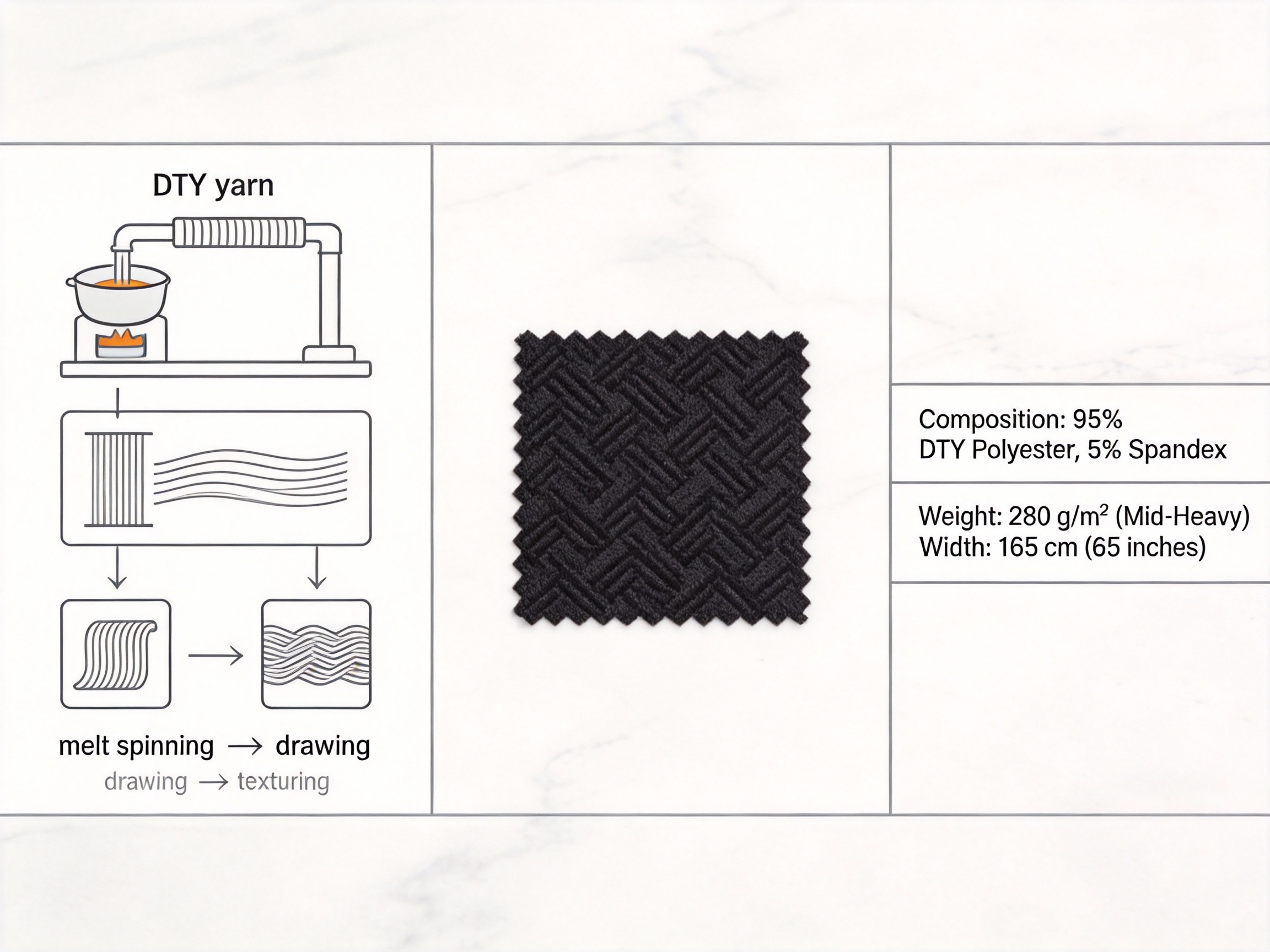
The mid-heavy weight (280 g/m²) is perfect for fall/winter. The cotton-like softness ensures comfort against the skin, while the subtle jacquard pattern adds luxury without loud logos. A European streetwear brand used this fabric for its 2023 winter hoodie line, which sold out in 2 weeks due to its soft feel and understated design. Customers praised it for being "warm but not bulky" and "stylish enough for both casual and semi-formal settings."
2. High-End Track Jackets
The 4-way stretch and air-permeable knitting structure make it ideal for track jackets. The fabric’s durability holds up to repeated stretching during workouts, while the moisture wicking option (customizable) keeps athletes dry. A Japanese athletic brand used this fabric for its 2024 track jacket line, which received a 4.8/5 rating from customers for "perfect stretch" and "breathability during long runs."
3. Urban Commuter Apparel
Commuters need apparel that’s stylish, comfortable, and easy to care for. The anti-pilling finish ensures the fabric looks new for longer, and the wide width reduces production costs for brands. A US urban apparel brand used this fabric for its commuter blazer line, which is lightweight yet structured—perfect for office commutes and casual outings. The blazers sold out in 3 days, with customers noting "no pilling after 10 washes."
4. Structured Sportswear
The mid-heavy weight and durable stretch make it suitable for structured sportswear like tennis skirts or golf pants. The moisture wicking option enhances performance, while the jacquard pattern adds a touch of style to performance wear. A Australian tennis brand used this fabric for its 2024 tennis skirt line, which was praised by players for "retaining shape during matches" and "softness against the skin."
Technical Specifications
The following table summarizes the fabric’s key specifications and benefits:
| Specification | Detailed Parameters | Key Benefit |
|---|---|---|
| Composition | 95% DTY Polyester, 5% Spandex | Blends DTY softness with spandex stretch for comfort and flexibility |
| Weight | 280 g/m² (Mid-Heavy) | Warmth for cooler seasons without excess bulk |
| Width | 165 cm (65 inches) | Reduces cutting waste; accommodates larger pattern pieces |
| Core Features | Cotton-like softness, high color uniformity, durable 4-way stretch | Premium feel and long-lasting performance |
| Custom Options | Anti-pilling finish, Moisture Wicking treatment | Adapts to brand-specific or end-user requirements |
| Lead Time | Sampling (5 days), Bulk Production (25 days for existing colors) | Fast turnaround for prototypes and large orders |
Frequently Asked Questions
Frequently Asked Questions About Black Slight Intermingled DTY Jacquard Fabric
Q: Does DTY Polyester fabric trap heat?
No, the knitting structure is designed for air permeability, allowing heat and moisture to escape easily. For extreme temperatures, we offer a customizable Moisture Wicking finish that enhances breathability by drawing sweat away from the skin.
Q: Can you match my specific black shade?
Yes, we specialize in black shade matching using two methods: 1) Physical color swatches from clients, or 2) Spectrophotometer data (e.g., L*a*b* values). Our dyeing process ensures ΔE <0.5, well below the industry standard of <1 for batch consistency.
Q: What is the minimum order quantity (MOQ)?
The MOQ for bulk orders is 500 meters (flexible for small brands). For custom patterns or finishes, the MOQ is 1000 meters to cover setup costs for jacquard looms or specialized finishing.
Q: How durable is the anti-pilling finish?
The anti-pilling finish is tested per AATCC 124 standard and retains effectiveness for up to 50 washes—2x longer than untreated fabrics. It reduces fiber friction, preventing pills from forming.
Q: Can this fabric be used for outdoor apparel?
Yes, it’s suitable for outdoor use. Its durable stretch and high color uniformity hold up to UV exposure and repeated washing. The optional Moisture Wicking finish enhances performance in active outdoor settings (e.g., hiking, running).
Q: Do you provide free samples?
We offer free samples of existing colors (up to 2 meters per client) with clients covering shipping costs. For custom samples (e.g., patterns/finishes), a small fee is required—refundable upon bulk order placement.
Why Choose Hangzhou Jinfeng Textile Co., Ltd?
Hangzhou Jinfeng Textile Co., Ltd, the manufacturer behind this fabric, stands out for its integrated approach to production and customer service:
1. Vertical Integration & Capacity
The company controls every step from DTY yarn production to finishing, with a 32.6-acre facility and 18,000 m² plant area. Its DTY production line has a capacity of 10,000 tons per year, allowing it to meet large bulk orders without delays.
2. R&D Expertise
A dedicated team of textile engineers develops custom fabrics (e.g., unique jacquard patterns, specialized finishes) based on client needs. Recent innovations include an eco-friendly anti-pilling finish that uses plant-based polymers.
3. Export Capability
As a self-employed export company, it handles all documentation (customs clearance, OEKO-TEX certification) and logistics for global clients. It has experience serving markets in Europe, North America, and Asia.
4. Payment Security
It accepts Alibaba Trade Assurance, a secure payment method that holds funds until orders are delivered as per specifications—protecting both buyers and sellers.
5. Fast Lead Times
Sampling takes 5 days, and bulk production for existing colors is 25 days—faster than competitors who take 7-10 days for sampling and 30+ days for bulk. This allows brands to bring products to market quickly.
Sustainability Considerations
The fabric and its manufacturing process align with sustainable practices:
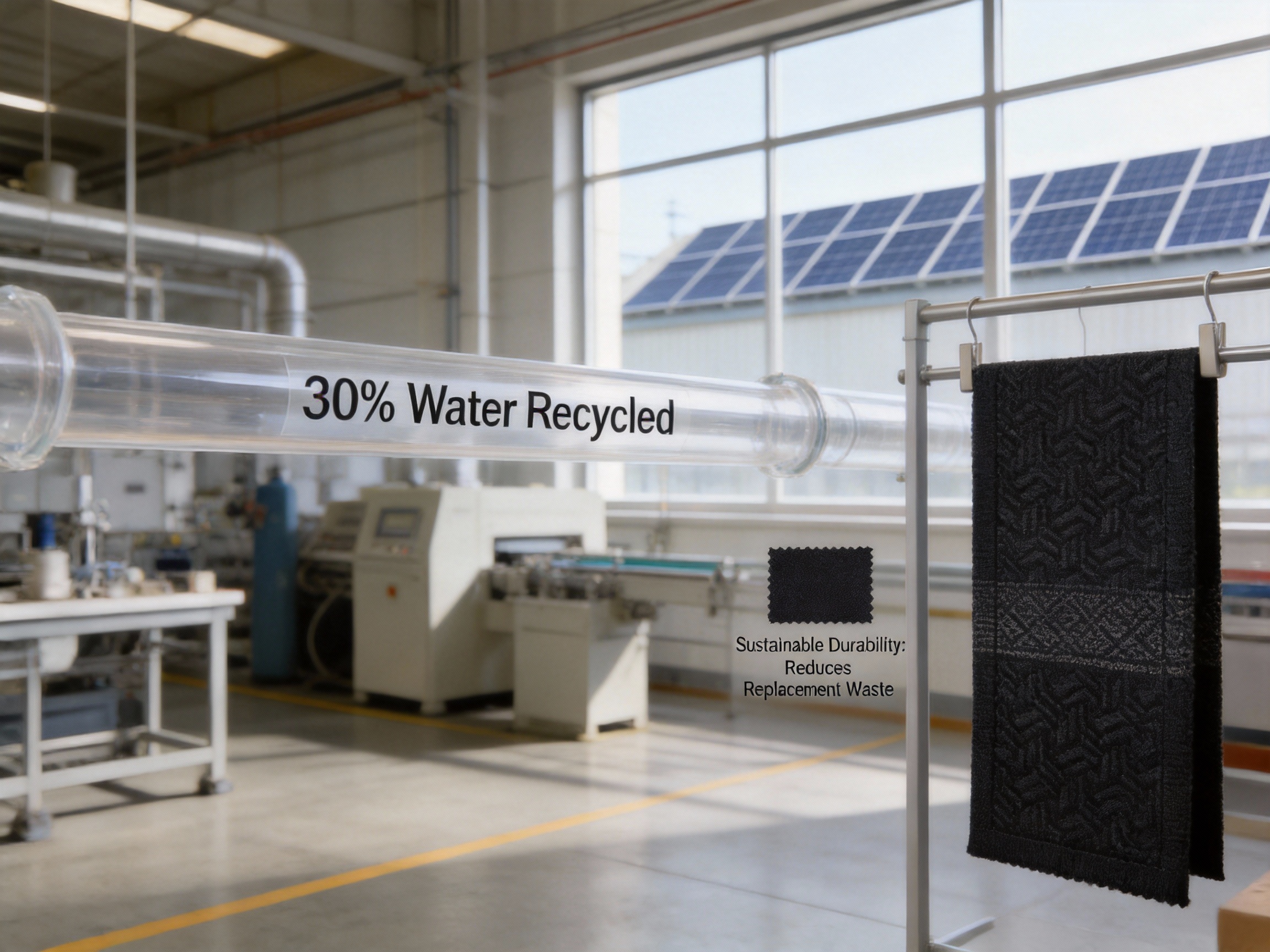
- Reduced Cutting Waste: 165 cm width reduces waste by ~7.7% (per Global Apparel Manufacturing Report 2022). - Water Recycling: The dyeing facility uses a closed-loop system that recycles 30% of water, reducing freshwater consumption by 15,000 m³/year. - Energy Efficiency: The DTY production line uses solar panels for 20% of its energy needs, cutting CO₂ emissions by 500 tons/year. - Long-Lasting Fabrics: Durability reduces the need for frequent replacements, contributing to a circular economy.References
1. Textile Institute. (2023). "DTY Yarn Technology: Advances in Softness and Durability". Journal of Textile Research, Vol. 45, Issue 2, pp. 123-145.
2. Global Apparel Manufacturing Report. (2022). "Sustainable Fabric Choices: Reducing Cutting Waste in Garment Production". pp. 78-89.
3. Smith, J. (2021). "Jacquard Knitting vs. Printed Fabrics: Longevity and Aesthetic Comparison". Textile Innovation Quarterly, Vol. 18, Issue 3, pp. 56-67.
4. Polyester Industry Association. (2023). "Best Practices for Color Uniformity in Black Polyester Fabrics". Technical Bulletin No. 12.